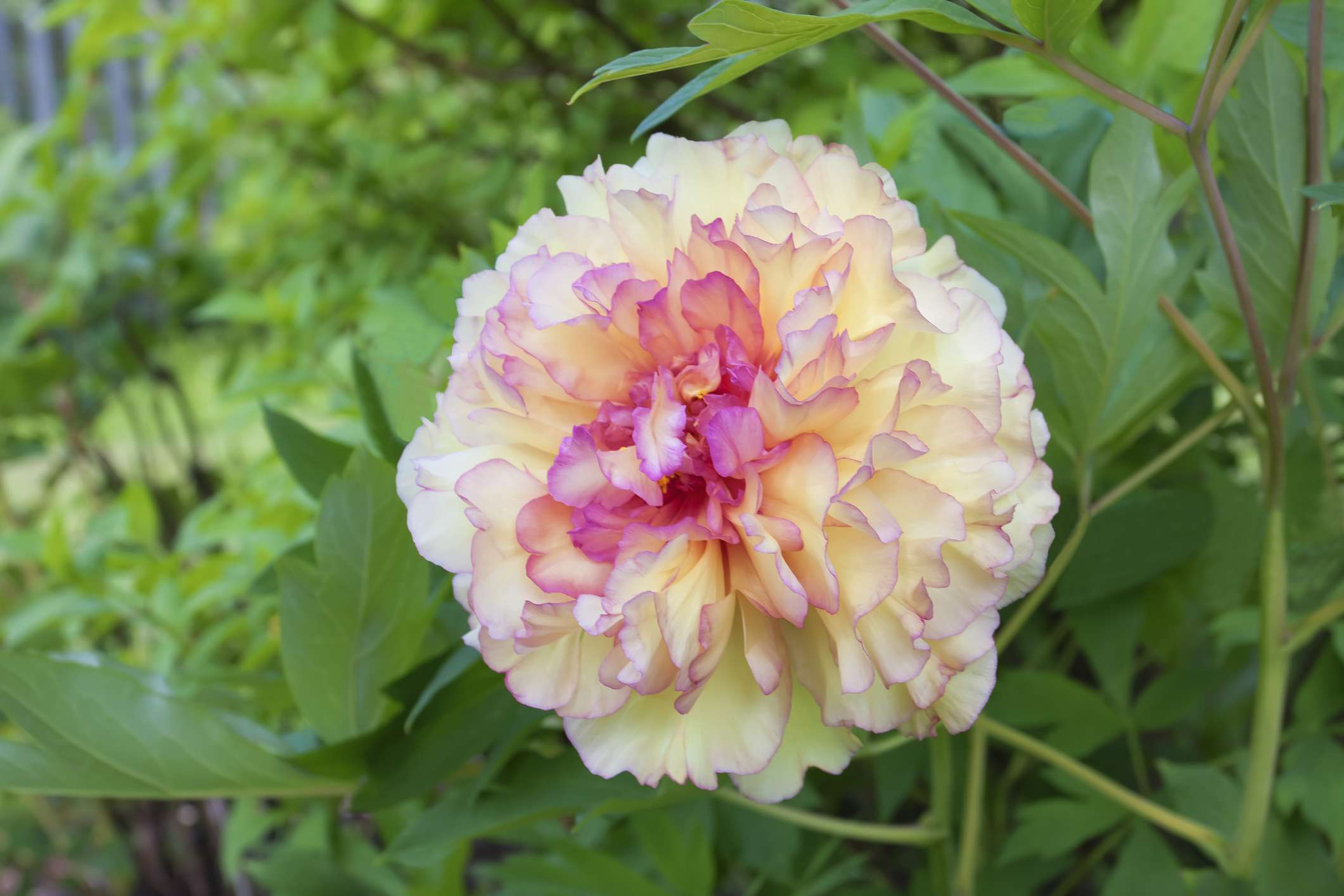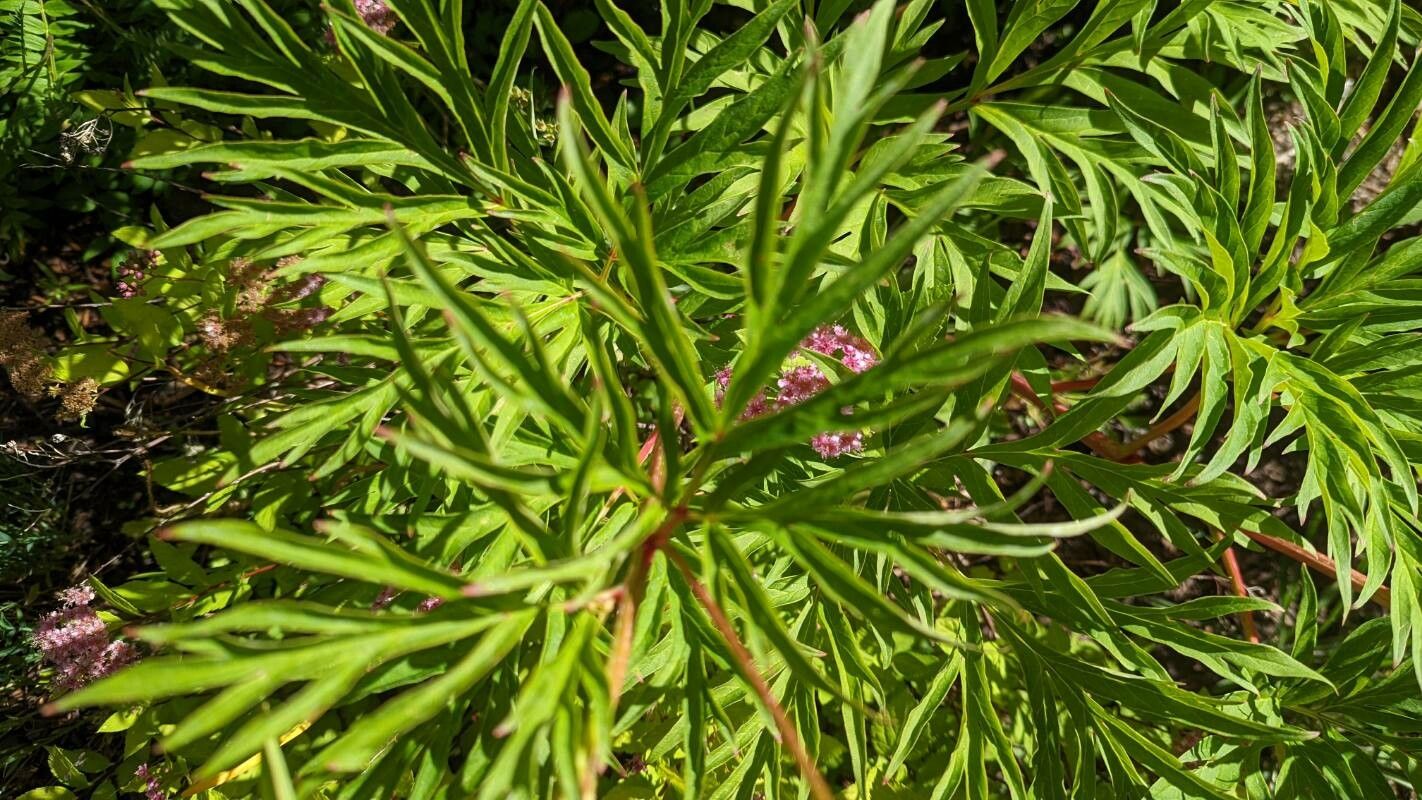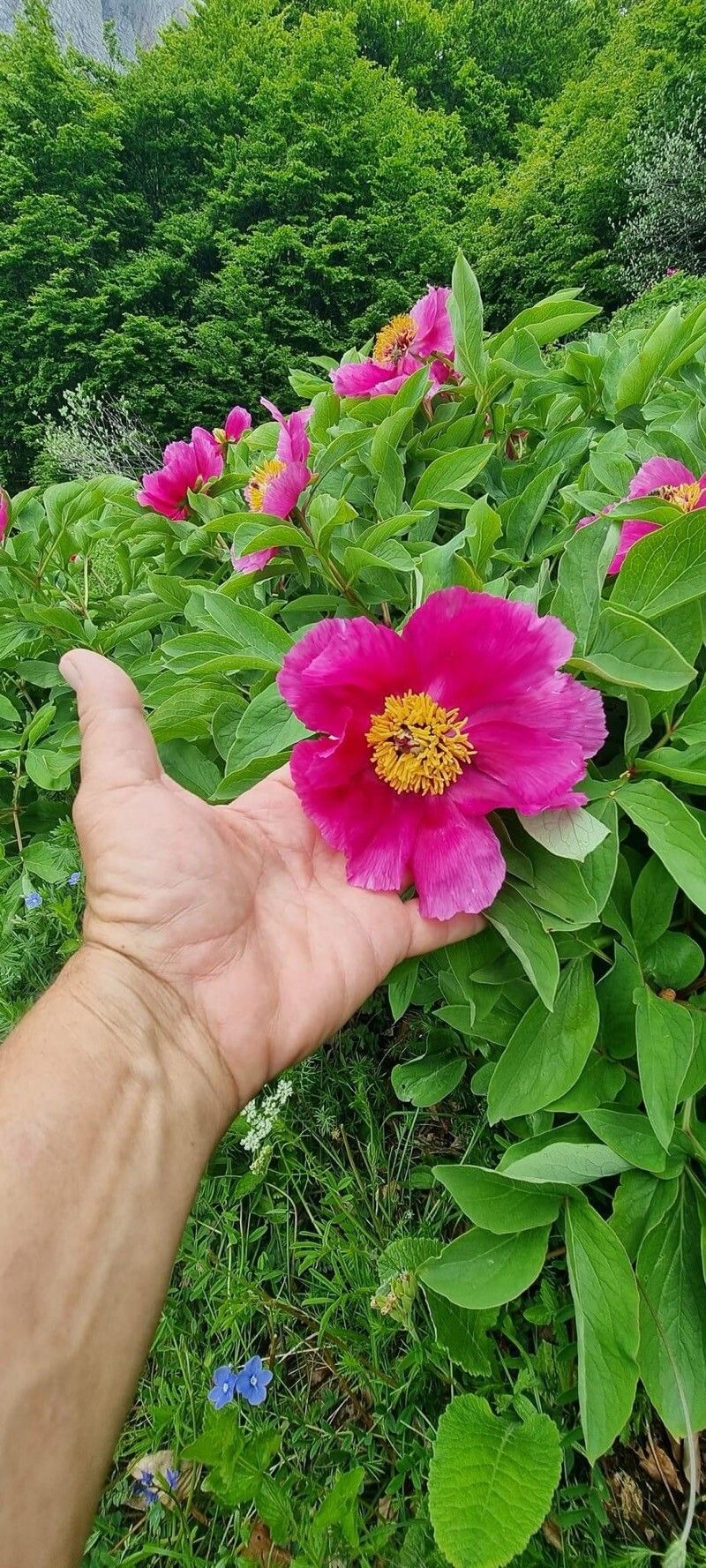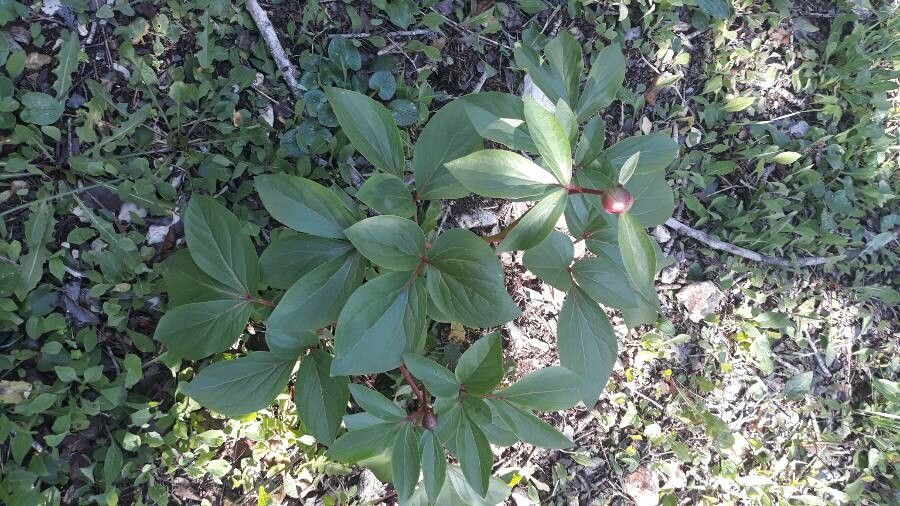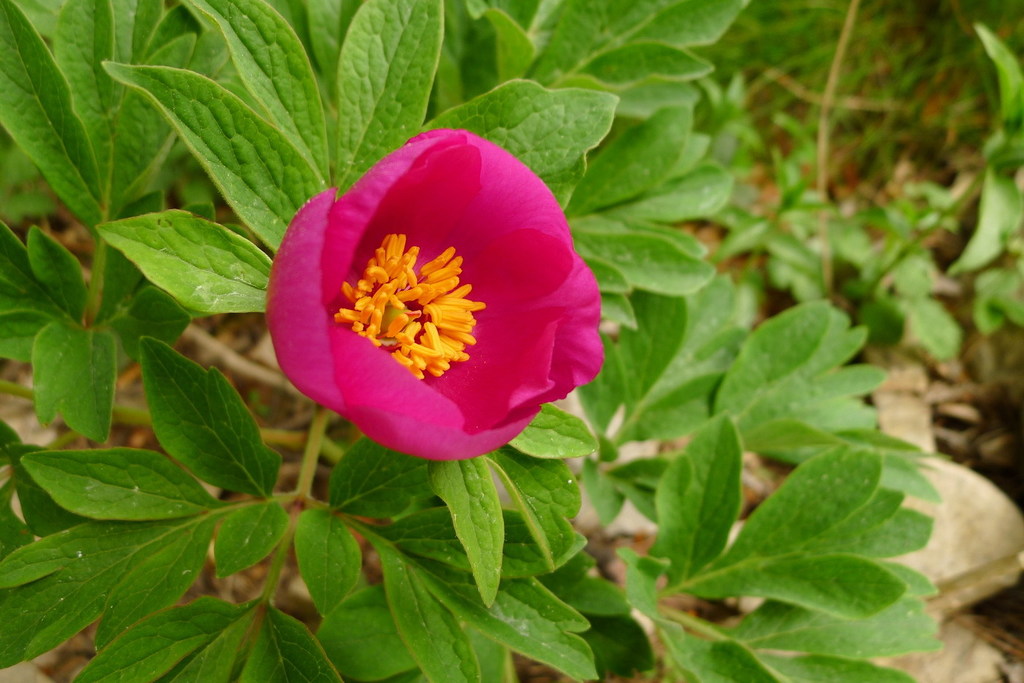
Paeonia officinalis, commonly known as the common peony or garden peony, is a herbaceous perennial plant in the family Paeoniaceae. Native to Europe and Asia, it has been cultivated for centuries for its ornamental value. The plant can grow up to 1 meter in height and features large, showy flowers that come in a variety of colors, including pink, red, white, and yellow.
The leaves of Paeonia officinalis are deeply lobed with a glossy green surface. The flowers are large, with five or more petals arranged around a central cluster of stamens. They typically bloom in late spring or early summer, depending on the climate.
Paeonia officinalis prefers well-drained soil with full sun exposure but can also tolerate partial shade. It is relatively easy to grow but requires some maintenance, such as regular watering during dry periods and deadheading spent blooms.
The exquisitely beautiful flowers have long been cherished by artists. They were famously painted by Impressionists such as Edouard Manet, Claude Monet, and Auguste Renoir, among others. FUN FACT · FROM THE LIBRARY
In addition to its ornamental value, Paeonia officinalis has been used for medicinal purposes since ancient times due to its anti-inflammatory properties. Its roots have been used in traditional Chinese medicine as an analgesic agent for pain relief.
Overall, Paeonia officinalis is an attractive garden plant that adds color and beauty during the spring season. Its medicinal properties have been valued by various cultures throughout history.
In Greek mythology, Paeon was a disciple of Asclepius, the god of healing. Upon discovering the healing properties of the peony root, he provoked Asclepius's jealousy to the extent that Asclepius threatened to kill him. To protect Paeon and his medicinal knowledge, Zeus transformed him into a common peony. The ancient Greeks revered this plant, calling it "the queen of all herbs."
Common peony is fairly resistant to disease and is not usually susceptible to illnesses. Nevertheless, it can be affected by pests and diseases present in its surroundings. These problems are generally mild. In terms of care, the plant needs moderate maintenance. Regular pruning is required to preserve a neat appearance and support healthy growth. Fertilizing can also help encourage flowering. Common peony is appropriate for anyone with outdoor space, such as a garden or patio, and does not demand much care experience. It may need more attention when kept indoors.
How to keep Paeonia Officinalis.
Light
The common peony grows best with plenty of sunlight, though it can tolerate somewhat reduced light. In its native habitat it often reaches upward to absorb the sun. Too little light can impede growth, while too much may burn the petals.
Water
The common peony flourishes in temperate climates and prefers soil that remains consistently moist without experiencing long dry spells or waterlogging. To maintain ideal conditions, it should be watered weekly. Typically cultivated outdoors, the common peony benefits from natural rainfall, which is especially important during its active growing season to promote abundant flowering.
Temperature
The common peony is native to temperate regions and thrives at temperatures from 68 to 100 °F (20 to 38 ℃). If temperatures drop below 68 °F (20 ℃), extra warmth is needed. During hotter periods, providing shade is recommended when temperatures rise above 100 °F (38 ℃).
Fertilizer
Proper fertilization is essential for the health and appearance of the Common peony. Apply fertilizer to the Common peony during summer, repeating the application monthly throughout the season. Nutrients supply energy for growth and help maintain the plant’s parts. Fertilization improves the Common peony’s floral display, ensuring the best blooms.
Pruning
The common peony is known for its lush blooms and glossy leaves. For optimal health, prune it in early spring to remove weak stems. Regularly deadhead spent flowers to encourage vigorous growth. In late autumn, cut back the foliage to prevent disease. Proper pruning also improves airflow, which helps minimize fungal issues and encourages blooming.
Pot & Repot
To thrive and ensure optimal health and growth, common peonies need excellent drainage when planted in pots.
Botanical profile.
- Plant Type
- Herb
- Life Cycle
- Perennial, Annual
- Genus
- Paeonia
- Family
- Paeoniaceae
- Hardiness Zone
- 9-11
- Mature Height
- 40 cm to 61 cm
- Mature Spread
- 91 cm
- Leaf Color
- Green
- Leaf Type
- Deciduous
- Flower Color
- Pink, Red, Purple, White
- Flower Size
- 10.16 cm
- Bloom Time
- Late spring, Early summer
- Planting Time
- Spring
- Harvest Time
- Mid summer
- Native Area
- Asia, Europe and Western North America
Other names.
Reader questions.
What kind of fertilizer should I use for my Common peony?
For Common peonies, an ideal fertilizer is one that has a balanced mix of the three main plant nutrients, with slightly higher amounts of phosphorus. Another option is to enhance the soil by adding organic materials like compost, worm castings, and manure. There are various forms of fertilizers available, and most will be suitable for your Common peony. However, the best fertilizers for Common peony are typically in liquid or powdered form. In any case, make sure to dilute the fertilizer and apply it while watering your Common peony.
What are the sunlight requirements for a Common Peony?
The Common Peony requires full sun for optimal growth, meaning it should receive above 6 hours of sunlight daily. Alternatively, it can also grow under partial sun conditions, which entail about 3-6 hours of sunlight. It's important to monitor the movements of sunlight in your garden to ensure your plants are placed in areas that achieve a good balance of light and shade. This balance is crucial for the plant's health and happiness.
What are the ideal growing conditions for Common peony?
The Common peony is indigenous to temperate regions and thrives in temperatures ranging from 68 to 100 °F (20 to 38 °C). To ensure optimal growth, it's important to provide additional warmth when temperatures drop below 68 °F (20 °C), and during the hotter seasons, shade is recommended for temperatures above 100 °F (38 °C). This plant is extremely heat-loving, and exposure to cold temperatures can be detrimental. In autumn, it's advisable to bring outdoor Common peonies indoors, placing them near a bright window but away from direct heat sources to maintain a consistent temperature beneficial for their growth.
What happens if I use too much fertilizer on my Common peony?
It is important to be conscious of overfertilizing any plant, but it becomes even more crucial when tending to a Common peony. When a Common peony is overfertilized, it clearly exhibits signs of distress that can even result in plant death. One noticeable effect is leaf discoloration, including browning. In severe situations, excessive fertilization can draw moisture from the plant's roots, causing rapid decline.
Can Common Peonies adapt to less sunlight?
Yes, Common Peonies can adapt to environments with less sunlight. Although they thrive under ample daylight, in their natural habitat, they often stretch towards the sky to absorb as much light as possible. If they do not receive enough sunlight, their growth can be hindered, and too much sunlight may lead to scorched petals. For indoor plants, artificial lighting such as LED lights can be used to provide the necessary light, especially in locations with insufficient natural sunlight. It's vital to choose the correct type and amount of artificial light and to place it at an appropriate distance from the plant to mimic natural light conditions as closely as possible.
How do I care for Common peony in low temperatures?
Common peony prefers warm environments and struggles in low temperatures. To ensure its vitality during colder months, keep the plant above the tolerable growth minimum temperature. If the temperature falls too low, the leaves may lighten, and frost damage can cause browning or blackening of the leaves, along with wilting and drooping. To mitigate frost damage, trim the affected parts and move the plant to a warmer, indoor setting, ideally near a south-facing window to guarantee ample sunlight. However, you should avoid placing it near heaters or air conditioning vents to prevent air dryness.
What are the symptoms of inadequate light for Common Peonies?
Common Peonies show several symptoms when they don't receive enough light, including smaller new leaves, leggy or sparse growth, early leaf drop, delayed or halted growth, and lighter-colored new leaves. Too much sunlight can cause chlorosis, where leaves turn yellow, sunscald with pale or necrotic spots, leaf curling as a form of damage control, wilting due to excessive water loss, and leaf scorching, characterized by brown, dry edges on the leaves. Observing these symptoms can help in diagnosing and remedying light-related issues for a healthier plant.
What should I do if my Common peony is exposed to high temperatures?
During the summer, it's key to keep Common peony below its maximum suitable growth temperature to avoid heat stress. Exceeding this temperature threshold can lead to lighter leaf coloration and an increased risk of sunburn. To care for a heat-stressed plant, trim away any sunburned or dried parts. Relocate the plant to a shadier spot, especially away from the intense midday and afternoon sunlight. Additionally, watering the plant in the morning and the evening will help maintain soil moisture, which is crucial for its health in high temperatures.
How can I improve light conditions for my Common Peony?
To optimize light conditions for your Common Peony, consider gradually increasing direct sunlight exposure to at least 6 hours daily for indoor plants, using south-facing windows and keeping curtains open during the day. If moving the plant is not feasible, artificial light sources can supplement light needs. For outdoor plants, it's important to acclimate them to sunnier spots gradually to prevent sunburn. Minimizing obstructions such as overhanging branches can also enhance sunlight access. Transplanting smaller plants to sunnier locations during their dormant period can improve their growth as well.