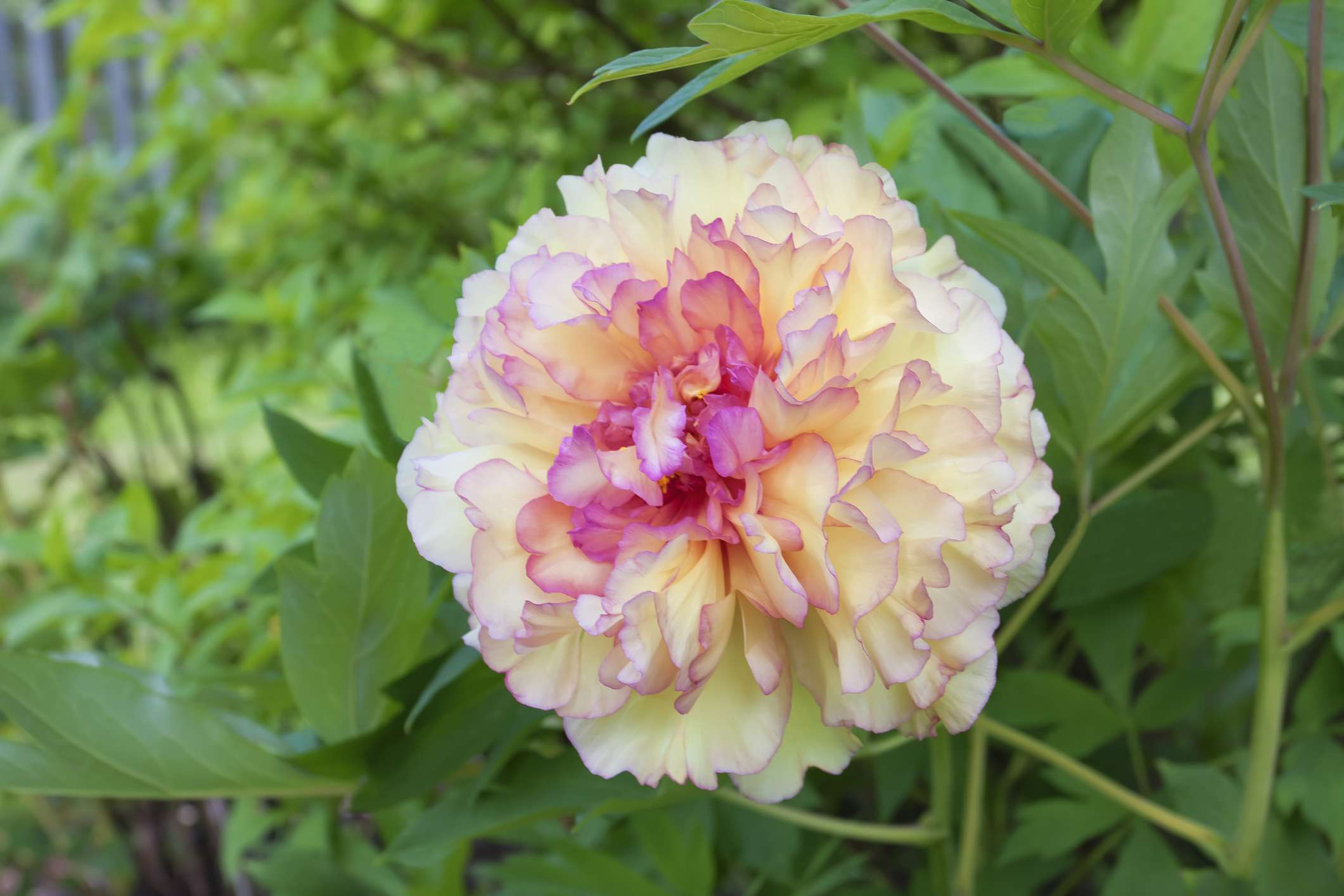
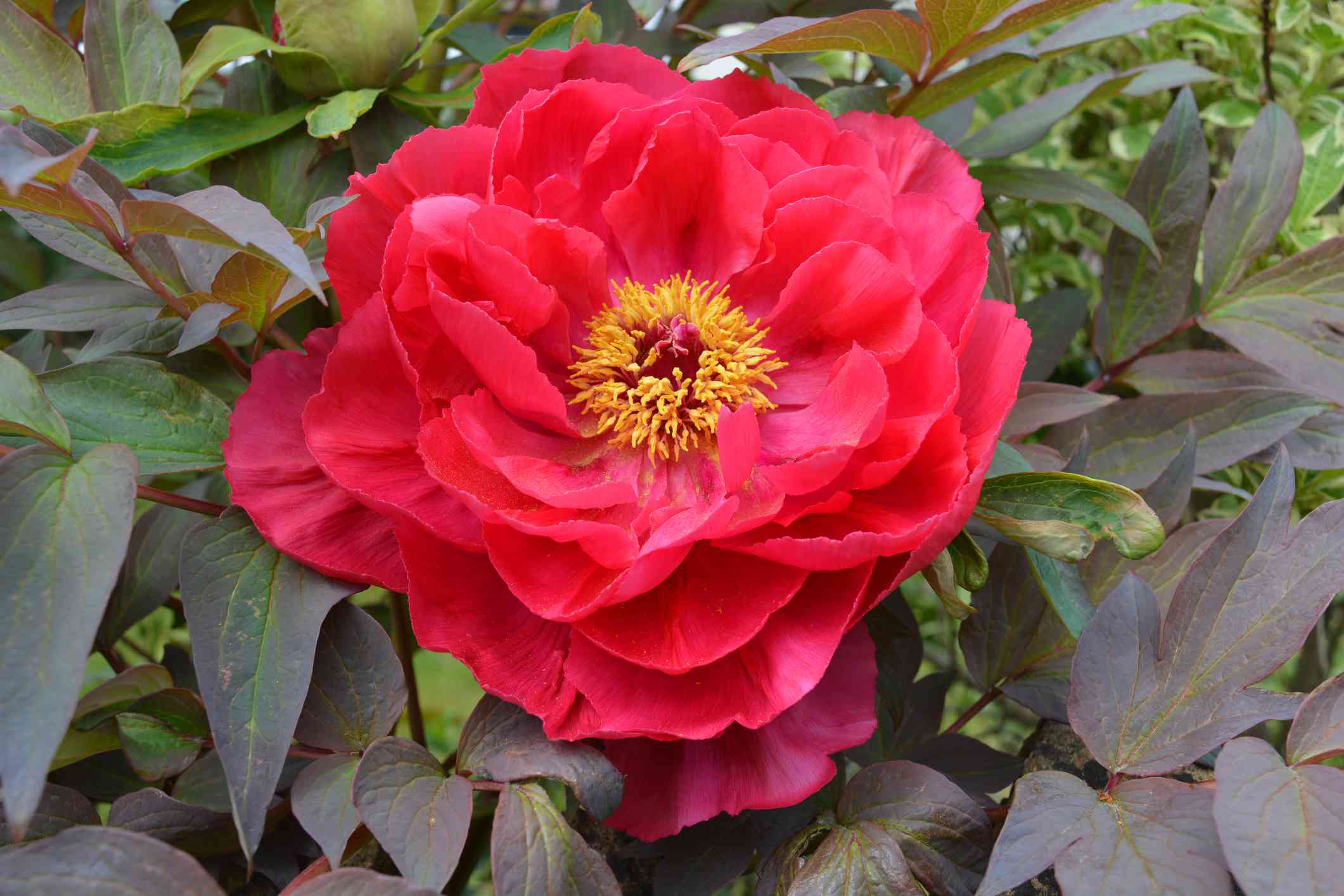
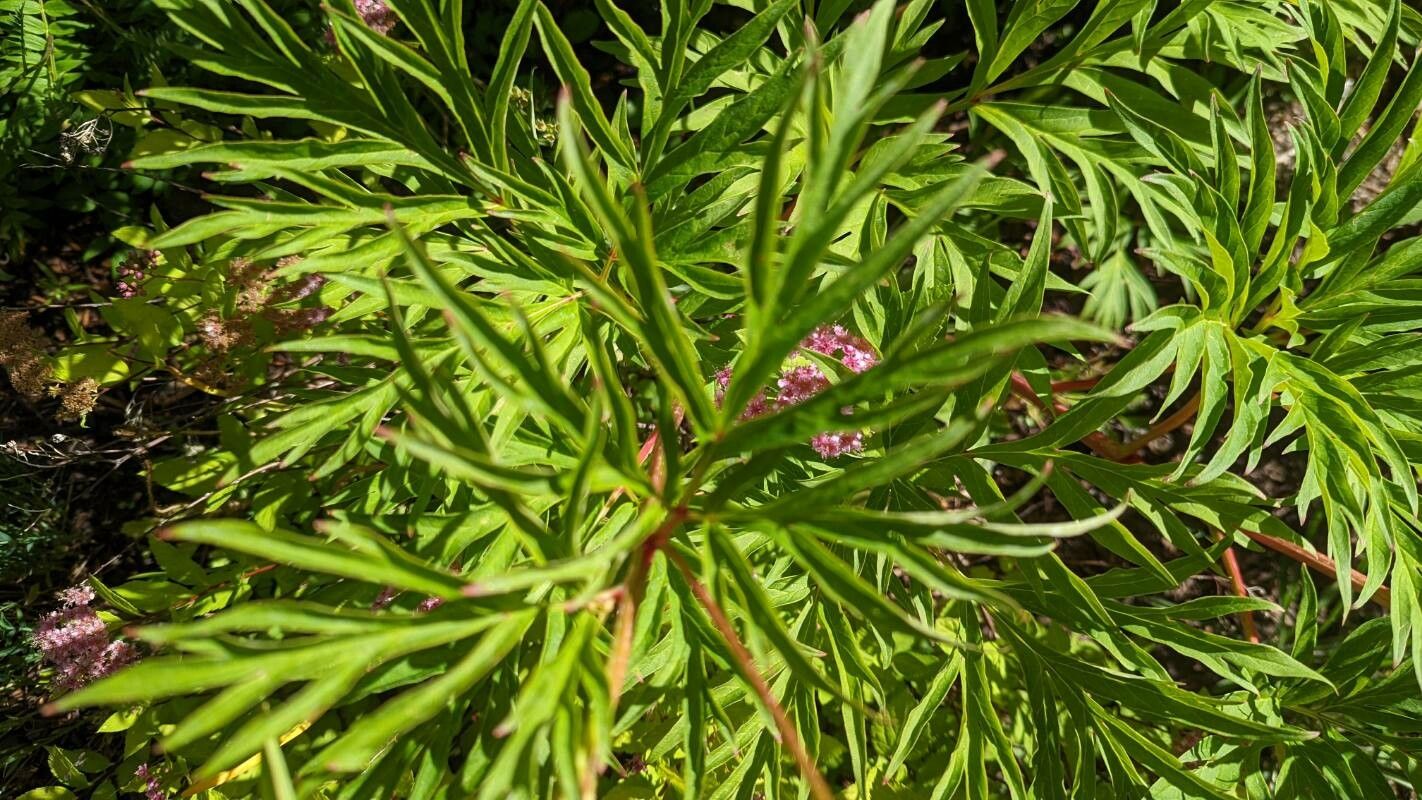
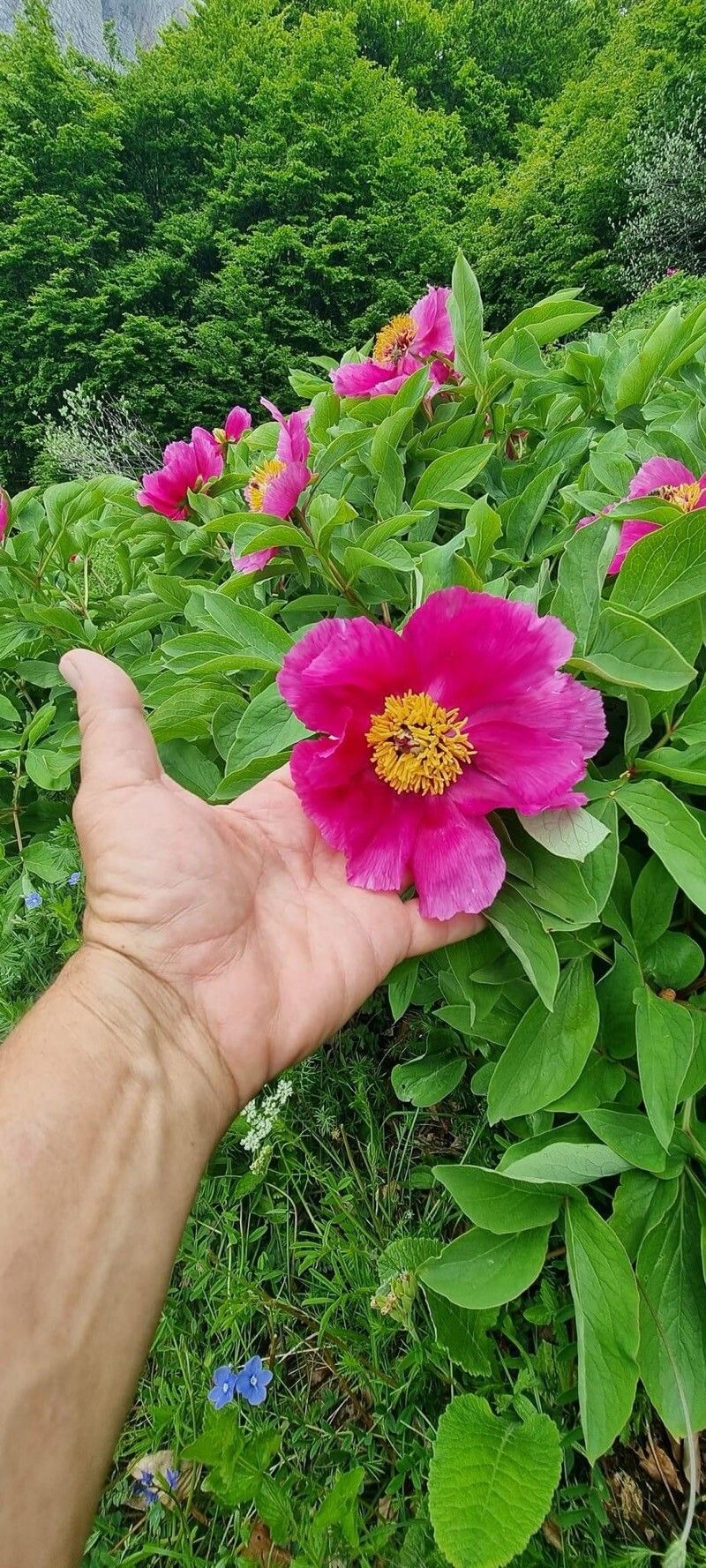
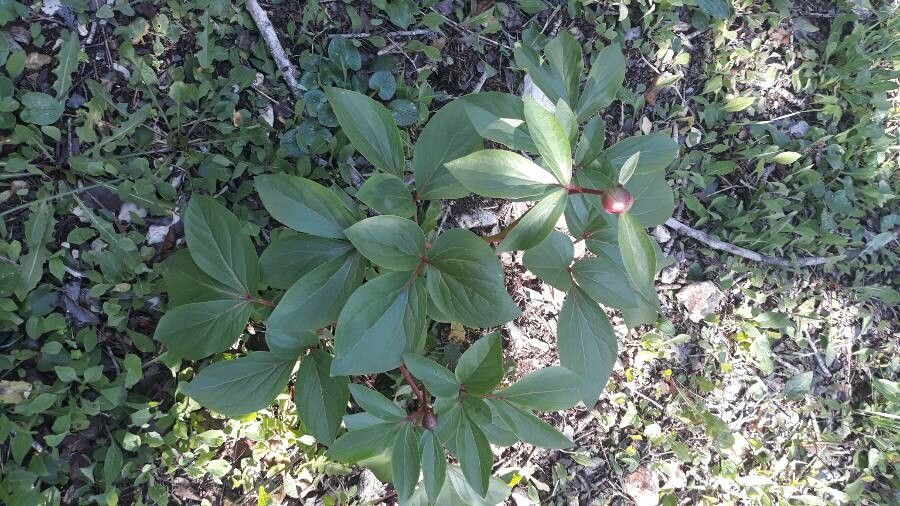
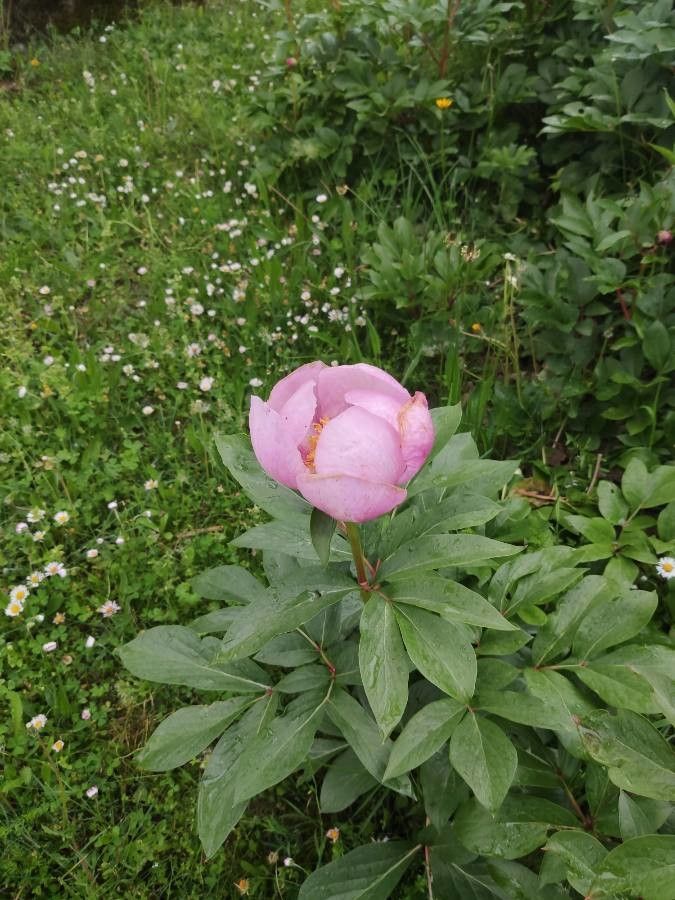
Paeonia suffruticosa, commonly known as the tree peony, is a deciduous shrub belonging to the Paeoniaceae family. Native to China, it has been cultivated for over 1,500 years for its ornamental value. This plant can grow up to 6 feet tall and wide, featuring a woody stem that can live for up to 100 years.
The tree peony produces large, showy flowers in shades of pink, red, white, and yellow. These flowers possess a unique fragrance and are often used in traditional Chinese medicine for their medicinal properties.
The plant prefers well-drained soil and full sun exposure, although it can tolerate partial shade. It is hardy in USDA zones 4-9 and requires minimal maintenance once established.
Tree peonies are popular garden plants due to their stunning blooms, which appear in late spring or early summer, depending on the climate. They are also favored as cut flowers and as ornamental components in floral arrangements.
Overall, Paeonia suffruticosa is an attractive shrub that adds beauty and elegance to any garden or landscape setting. It also holds cultural significance due to its long history of cultivation in China.
How to keep Paeonia Suffruticosa.
Water
In general, peonies prefer deep, infrequent watering from rainfall. New planting will need a thorough soaking about once a week while established tree peonies grow well with little to no additional hydration. These shrubs will only need water in periods of extreme drought.
Humidity
This plant will thrive in moderate humidity, which is probably the level in your home. However, misting it a few times a week can be very beneficial. Make sure the room has good ventilation.
Temperature
Tree peonies are very cold-hardy and usually need a chill period for the best growth. The plant and its flower buds are rarely damaged by light frost. However, mulching will help retain moisture and protect it from severe and extended frost.
Pruning
After the blooming period, deadhead your tree peony below the spent flower. Avoid cutting excess stems as this will diminish the growth in the following season. Remove dead and damaged branches early in the spring. Avoid pruning in the fall so the aboveground growth can help keep the root system protected from the winter cold.
Toxicity
Though beautiful, tree peonies contain paeonol, a toxic compound that can cause adverse effects in humans and animals. If the peonies' roots, flowers, and seeds are ingested, it may lead to nausea, diarrhea, tremors, skin irritation, and accelerated heartbeat.
Further reading →
The toxicity and danger assessments provided are for reference only. We do not assure their accuracy, so it's crucial not to depend on them. Seek professional advice when necessary for accurate guidance.
Botanical profile.
- Plant Type
- Deciduous shrub
- Hardiness Zone
- 4 to 8
- Bloom Time
- Spring
- Native Area
- China, Bhutan
Other names.