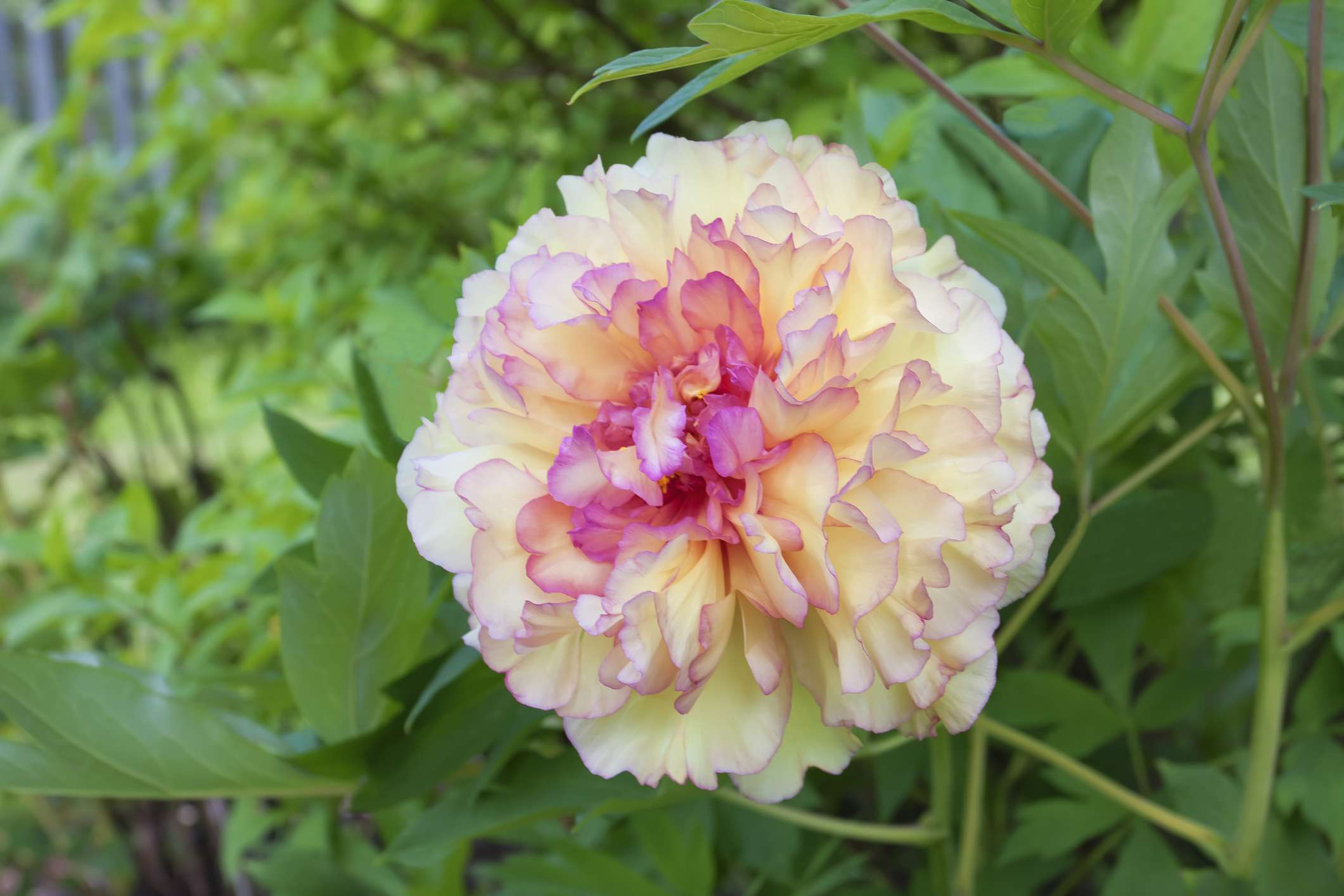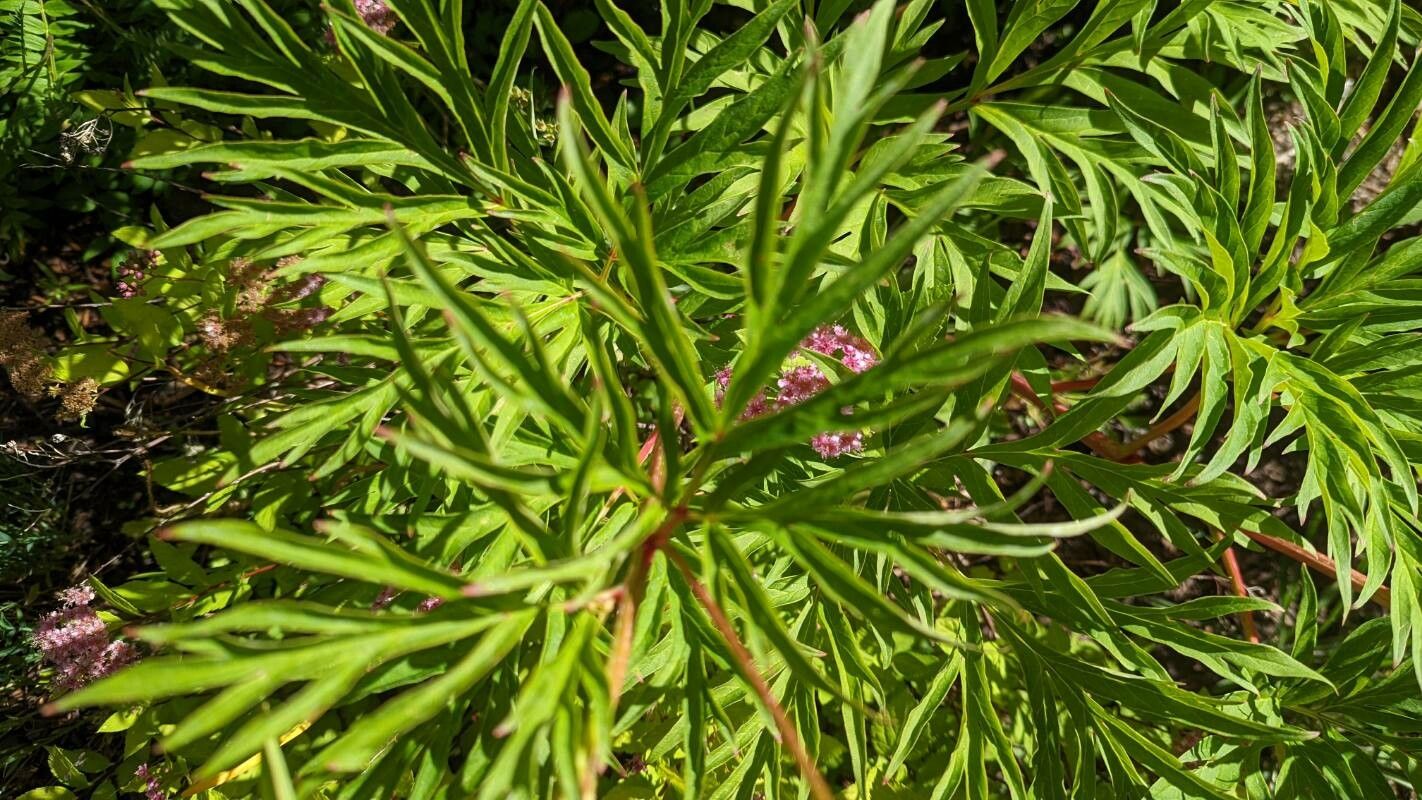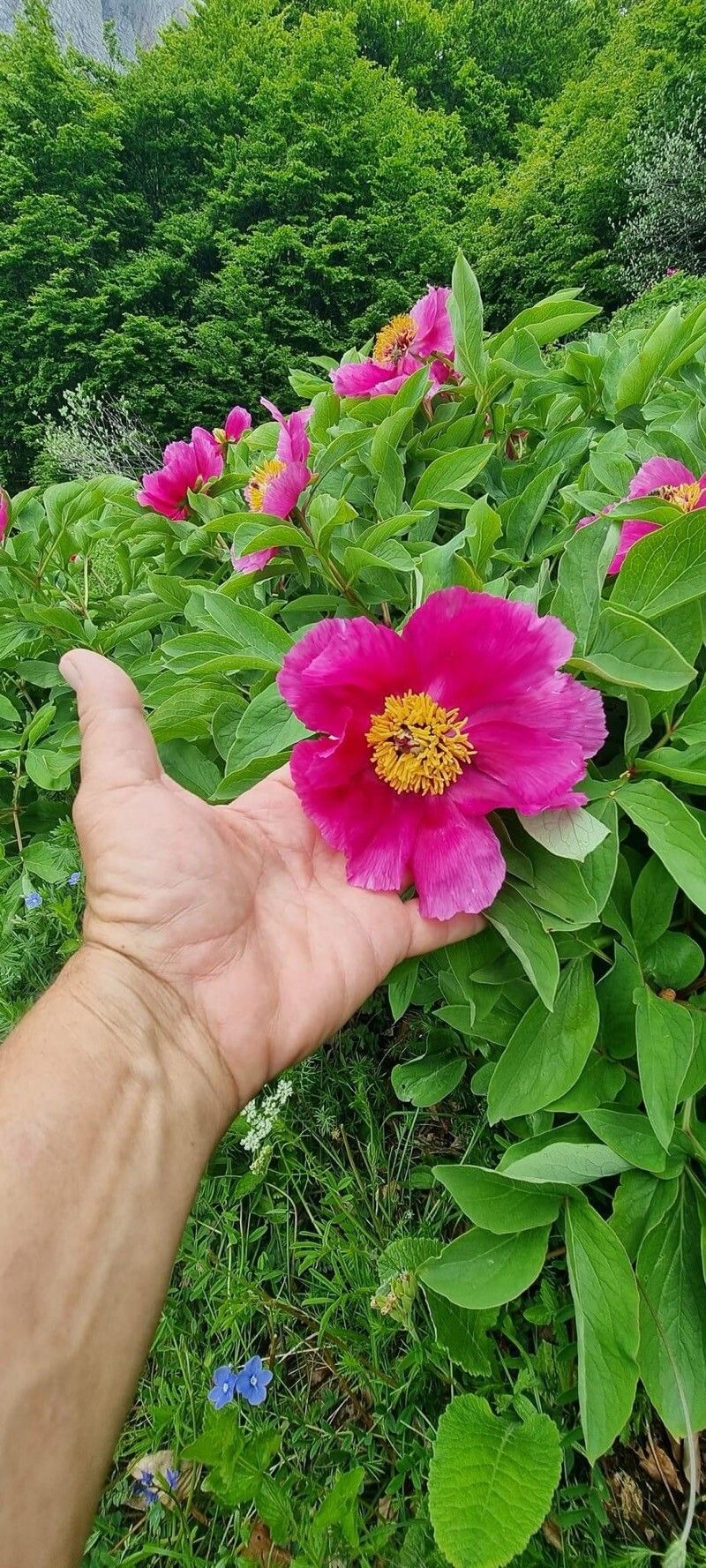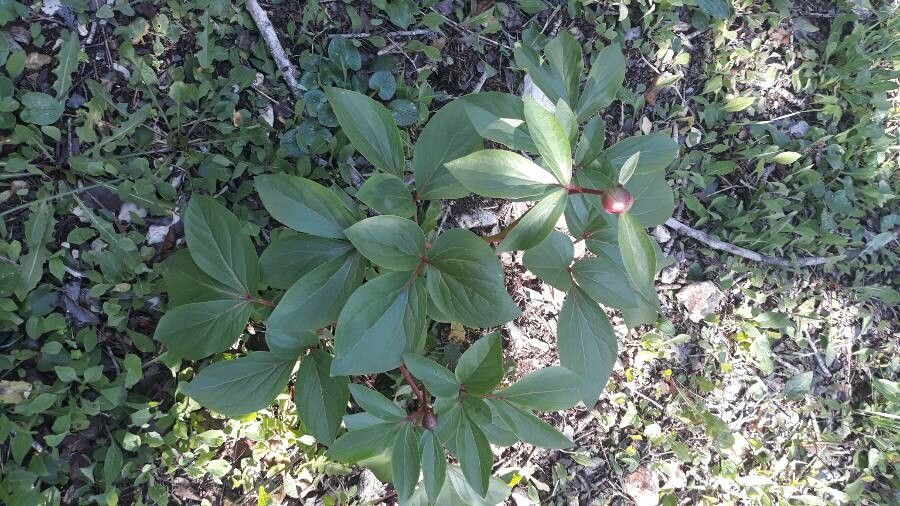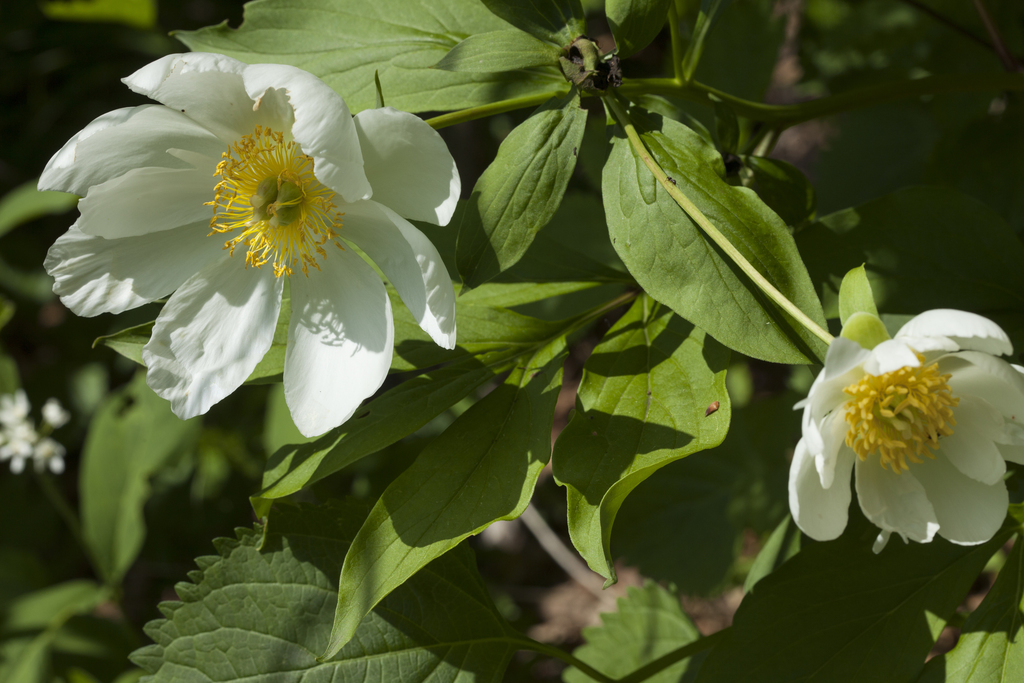
Paeonia lactiflora, commonly known as the Chinese peony or common garden peony, is a herbaceous perennial plant belonging to the family Paeoniaceae. Native to China, it has been cultivated for over 1,500 years for its ornamental charm and medicinal properties.
The plant can grow up to 3 feet tall and boasts large, showy flowers that bloom in late spring or early summer. These flowers are typically pink, red, or white and emit a sweet fragrance. Its leaves are dark green, deeply lobed, and have a glossy texture.
Paeonia lactiflora thrives in well-drained soil under full sun to partial shade conditions. It is relatively easy to grow and requires minimal maintenance once established.
This flower has large blossoms with bright and diverse colors, similar to the peony, making it very popular. Like the peony, it symbolizes beauty and wealth. In ancient times, people exchanged this flower to convey feelings of love, to express longing for one another, and to show sadness and reluctance in parting. Additionally, it represents steadfast friendship. FUN FACT · FROM THE LIBRARY
In traditional Chinese medicine, Paeonia lactiflora has been used for its anti-inflammatory properties and for treating menstrual disorders and liver diseases.
Overall, Paeonia lactiflora is an attractive ornamental plant that enhances the beauty of any garden while also offering medicinal benefits rooted in traditional practices.
The common garden peony is a popular ornamental plant with hundreds of species that vary in color, size, and appearance. Each variety can add beauty to any garden, which is why they are so widely planted. The name "peony" comes from the Latin word "paeonia."
Peony plants have strong resistance to disease and are generally not highly susceptible to illnesses. Still, they can be affected by pests or diseases present in their surroundings. These problems are typically not severe. In terms of maintenance, this plant needs a moderate amount of care. It should be pruned regularly to keep a neat appearance and support healthy growth. Fertilizing can also help encourage flowering. Peony is well suited for anyone with outdoor space, such as a garden or patio, and does not demand extensive gardening experience. When grown indoors, however, it may require additional care.
How to keep Paeonia Lactiflora.
Light
The peony prefers plenty of sunlight for best growth, though it can tolerate a little shade. Native to areas with abundant light, the plant does well under those conditions. Excessive sun may scorch the foliage, while too little light can result in stunted growth and sparse flowering.
Water
Peonies thrive in environments with moderate moisture levels, requiring consistent soil hydration without being waterlogged. They need to be watered every 1-2 weeks and do not tolerate drought well. Peonies are best cultivated outdoors and require attentive watering during their active growing season to ensure optimal blooming.
Temperature
As a peony, it does best in temperate regions where average temperatures range from 5 to 35 ℃ (41 to 95 ℉). In spring, it prefers cooler conditions of 5 to 15 ℃ (41 to 59 ℉) and benefits from mulching to retain soil moisture. In summer, it can tolerate warmer temperatures up to 30 ℃ (86 ℉) but requires regular watering. In fall, adjusting the temperature is unnecessary because it can tolerate the fluctuations. In winter, it prefers temperatures between -15 and 5 ℃ (5 to 41 ℉) and needs mulching to protect the roots.
Fertilizer
The best time to fertilize a peony is in early spring, as it comes out of dormancy and starts active growth. Fertilizer supplies essential nutrients for healthy growth. Although peonies have relatively low fertilizer requirements, applying fertilizer annually can improve their survival and encourage better, longer-lasting blooms.
Pruning
Peonies flourish when given proper care. Start by pruning them in early spring to remove any dead stems and enhance airflow. In late spring, deadhead the flowers to encourage more blooms. Remember to sterilize your tools to prevent disease, which will result in healthier plants and a more vibrant garden.
Pot & Repot
When repotting Peony, select a pot 1-2 inches (2.5–5.1 cm) larger with ample drainage. Use a well-draining potting mix. Repot in spring or fall, ensuring the root ball sits slightly lower than the rim of the flower pot. Water thoroughly after repotting and place the pot in a warm spot with indirect sunlight.
Toxicity
Peonies are considered mildly toxic to people but heavily toxic to pets. The bark, roots, flowers, and seeds of peonies contain paeonol, a toxin that causes gastrointestinal problems. Ingestion will lead to vomiting, nausea, diarrhea, tremors, and increased heartbeat. Contact with the plant may bring about mild skin irritation as well.
Further reading →
The toxicity and danger assessments provided are for reference only. We do not assure their accuracy, so it's crucial not to depend on them. Seek professional advice when necessary for accurate guidance.
Botanical profile.
- Plant Type
- Herb
- Life Cycle
- Perennial
- Genus
- Paeonia
- Family
- Paeoniaceae
- Hardiness Zone
- 4-10
- Mature Height
- 49 cm to 91 cm
- Mature Spread
- 49 cm to 61 cm
- Leaf Color
- Green
- Leaf Type
- Deciduous
- Flower Color
- Pink, White, Red
- Flower Size
- 5.08 cm to 15.24 cm
- Bloom Time
- Late spring, Early summer
- Planting Time
- Spring
- Harvest Time
- Mid summer
- Native Area
- Russia, Vietnam, Mongolia, China
Other names.
Reader questions.
When Should I Water My Peony?
Proper and timely watering is vital for a peony's health, affecting its growth, flowering, and disease resistance. To determine when to water your peony, check for soil dryness by feeling the top 1 to 2 inches; if dry, it's time to water. Leaf condition is another indicator; wilted, discolored, or yellowing leaves suggest the need for water. Water is especially crucial during the pre-flowering stage to avoid bud drop. During warm temperatures and high sunlight exposure, peonies' water needs increase. However, watering too early can lead to root diseases, while watering too late can cause wilting or stunt growth. Understanding these signals helps maintain the plant's health and longevity.
Why is it necessary to fertilize my Peony?
It is important for the Peony to receive fertilization for various reasons. Fertilization provides essential nutrients that support the plant's growth both above and below the ground. However, the Peony has relatively low fertilization requirements and can survive without it at times. Nevertheless, annual fertilization can greatly benefit the Peony by promoting its overall health and encouraging the development of better and longer-lasting flowers. If you want your Peony to look its best, it is advisable to regularly fertilize it.
What are the sunlight requirements for peonies?
Peonies require 'full sun' conditions, defined as above 6 hours of sunlight per day, to thrive optimally. They can also grow under 'partial sun' conditions, which mean about 3-6 hours of sunlight daily. It's important to observe the way sunlight moves through your garden, to ensure you're planting your peonies in spots that offer the right balance of light and shade for their well-being.
What are the ideal temperature conditions for a Peony to thrive?
Peonies thrive in temperate regions with an ideal average temperature range of 5 to 35°C (41 to 95°F). During the spring season, they prefer cooler temperatures between 5 and 15°C (41 and 59°F), while in summer, they can tolerate temperatures up to 30°C (86°F) with regular watering. In fall, peonies can handle temperature fluctuations without any special adjustments. Winter presents the coldest period, where they prefer temperatures between -15 and 5°C (5 to 41°F), requiring mulching to protect their roots. Peonies have strong cold resistance, making special frost protection measures unnecessary, except in extreme conditions where winter temperatures are expected to drop below -30°C (-22°F).
How Should I Water My Peony?
Watering peonies efficiently involves maintaining even soil moisture without waterlogging. A watering can with a long spout is recommended for targeting the base of the plant, avoiding the foliage to reduce the risk of fungal diseases. Tools like a moisture meter can aid in keeping optimal hydration levels. Focus on deep watering at the plant's base and ensure water penetrates the soil to encourage strong root development. Deep watering promotes a robust root system, vital for the plant's overall health.
When should I fertilize my Peony plant?
The best time to fertilize a Peony is in late winter to early spring, when the plant is transitioning from dormancy to active growth. Fertilizing at this time promotes healthy growth and sets the plant up for a good season. You can also fertilize in the fall, but it's not recommended during summer or winter.
What essentials should I know about peony sun exposure?
Peonies enjoy abundant sun exposure but can tolerate some shade, thanks to their origin in habitats with significant light. While they thrive in well-lit conditions, too much sun can burn their foliage, whereas too little can stunt growth and lead to sparse blooms. In cases where natural sunlight is insufficient, especially indoors or during winter, artificial lighting can be a great help. LED lights, which can be adjusted to provide specific wavelengths, along with the correct wattage and duration of exposure, mimic natural sunlight conditions and support the plant's growth.
How does one manage a Peony in extreme temperatures?
To manage a Peony in extreme temperatures, it’s important to understand its tolerance and susceptibility. In cold conditions, especially when temperatures fall below -30°C (-22°F), the peony is resilient but may struggle with sprouting in spring without extra care. The recommended solution is to remove parts that fail to sprout in spring. In contrast, when facing high temperatures above 35°C (95°F), peonies may display stress through lighter leaf color, curling, and susceptibility to sunburn, sometimes leading to wilting. The solution includes trimming sunburned or dried parts, relocating the plant for better shade, and ensuring soil moistness through morning and evening waterings.
How Much Water Does Peony Really Need?
Peonies, native to temperate regions with moderate rainfall, require thorough watering to keep the root system well-hydrated. The amount of water should be around 1-2 liters for medium pots, increasing to 2-3 liters for larger sizes, typically every 7-10 days depending on conditions. Properly hydrated peonies will have vibrant leaves and stems, and abundant blooms. Overwatering can lead to yellowing leaves and root rot, while insufficient water results in wilting and poor growth. Using well-draining soil and applying organic mulch can enhance moisture retention and soil health.
When is the best time to not fertilize my Peony plant?
To care for your Peony, only fertilize it in late winter to early spring. This plant doesn't need much fertilizer, so one feeding each year is enough. Avoid fertilizing during spring, summer, and fall to prevent overfertilization and related issues. However, if you missed fertilizing in the spring, it's okay to feed the plant in the fall. Additionally, there's no need to fertilize during winter when the Peony is in a dormant phase and not actively growing.
What are the symptoms of inadequate sunlight for peonies?
Peonies exhibit several signs when they receive inadequate light, including smaller new leaves, leggy or sparse growth, faster leaf drop, and a halt in new growth as the plant transitions to survival mode. These symptoms indicate an urgent need for better light conditions. Conversely, symptoms of too much sunlight exposure include chlorosis, sunscald, leaf curling, wilting, and leaf scorching, signaling that the plant is receiving more light than it can handle.
What are effective practices for Peony care before and during winter?
Effective practices for Peony care as winter approaches include proactive measures to ensure the plant remains healthy through the colder months. Before the first freeze in autumn, it is advisable to water the plant abundantly to keep the soil moist. This moisture helps the soil enter a frozen state, which prevents drought and water scarcity for the plant during winter and early spring. While Peonies are cold-resistant, in conditions where winter temperatures are expected to plummet below -30°C (-22°F), providing cold protection with materials like soil or straw is beneficial. Such practices shield the roots and contribute to the peony's recovery and growth in spring.