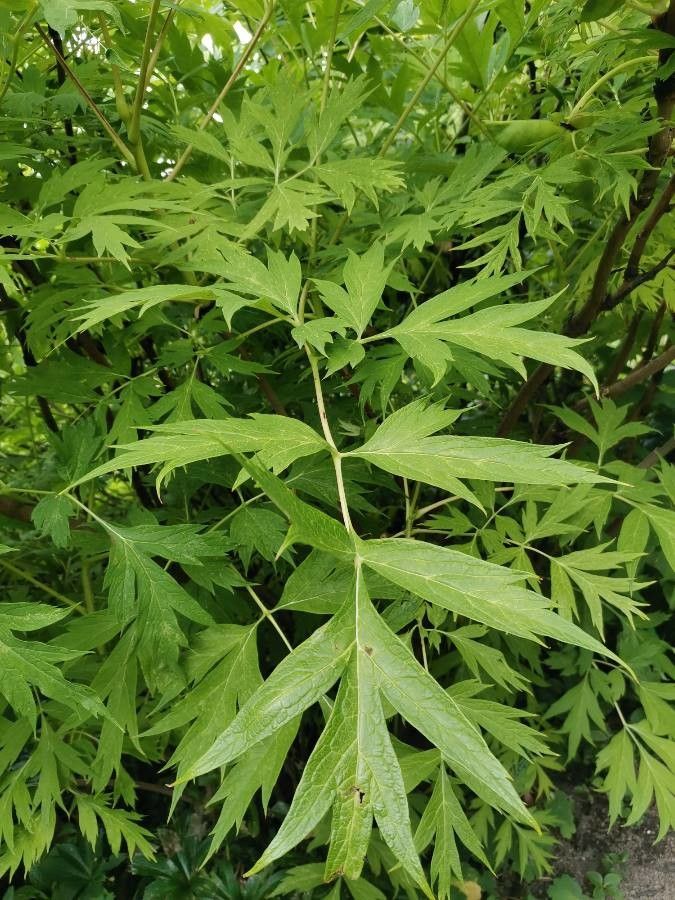
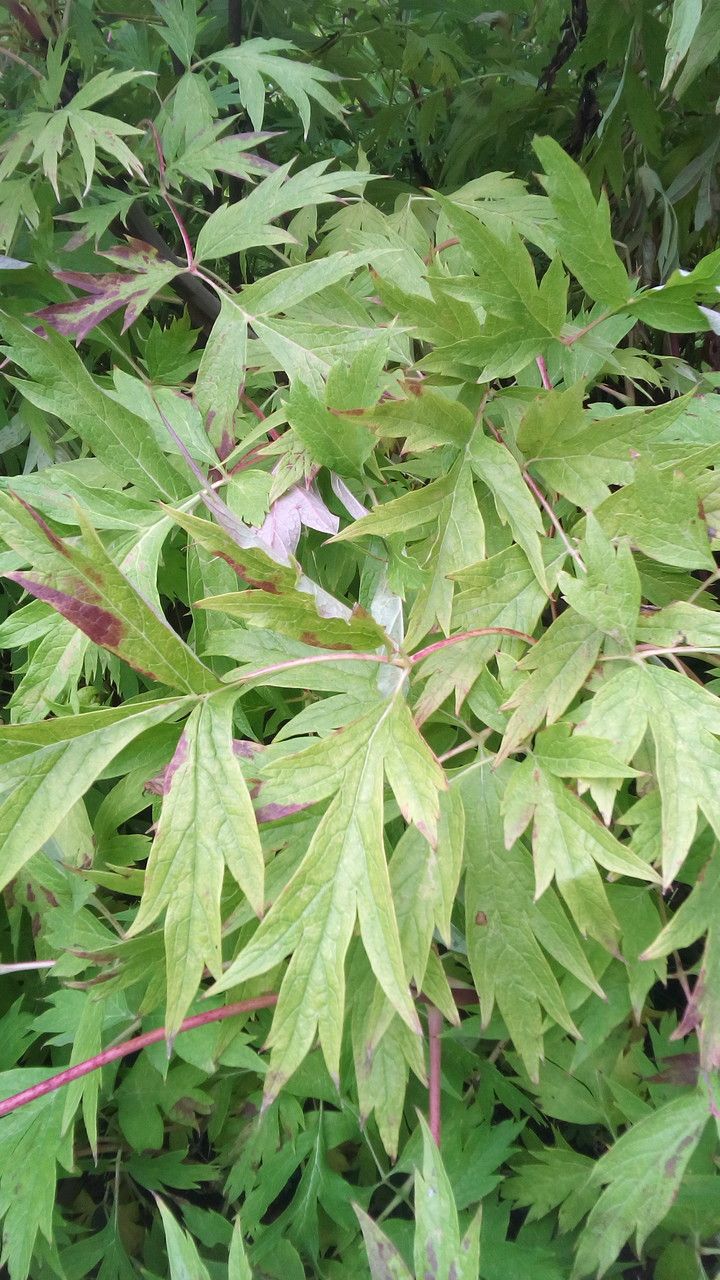
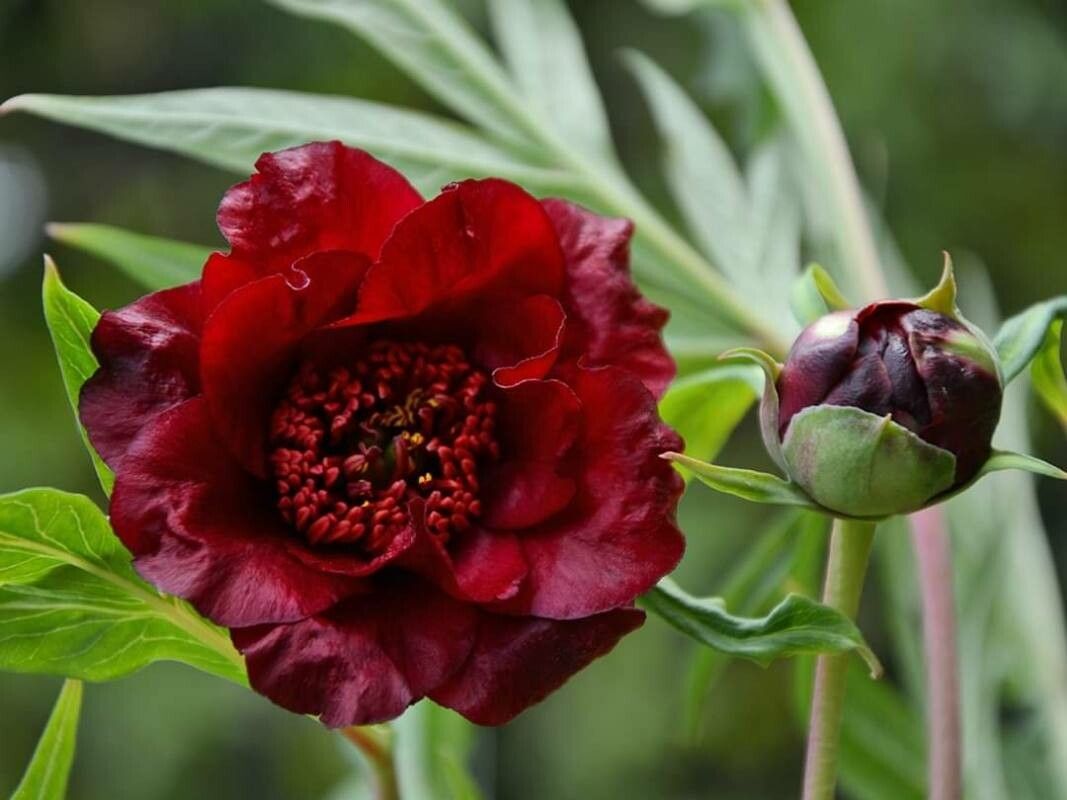
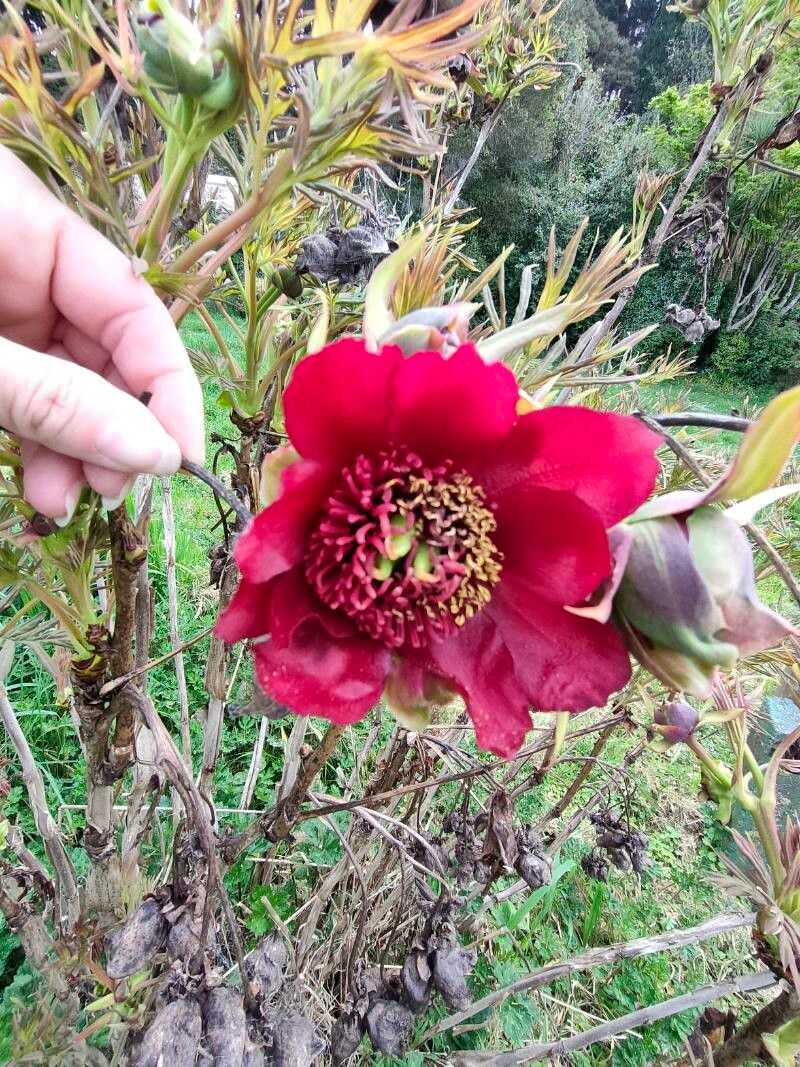
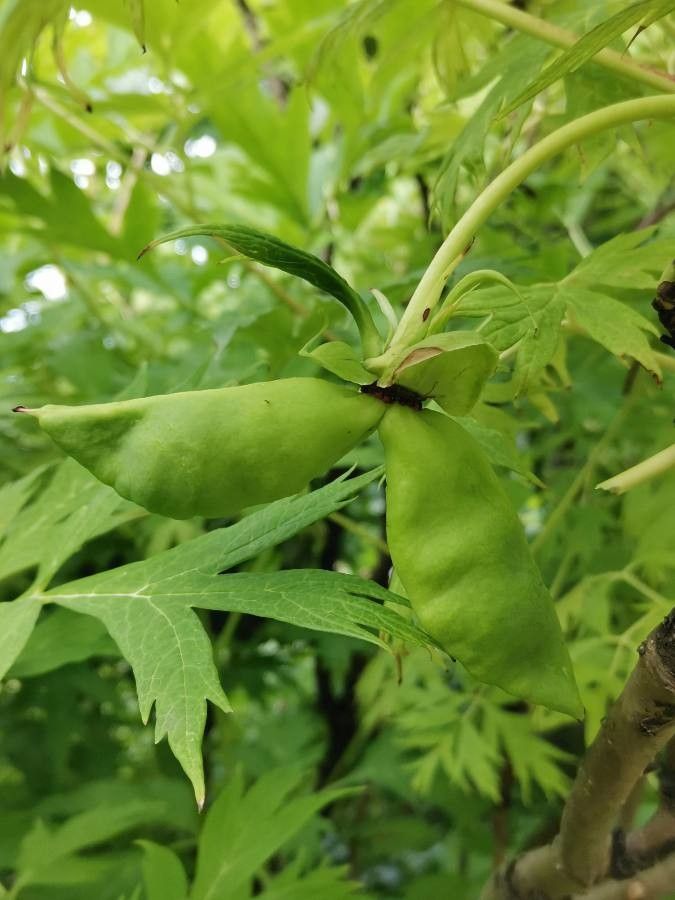
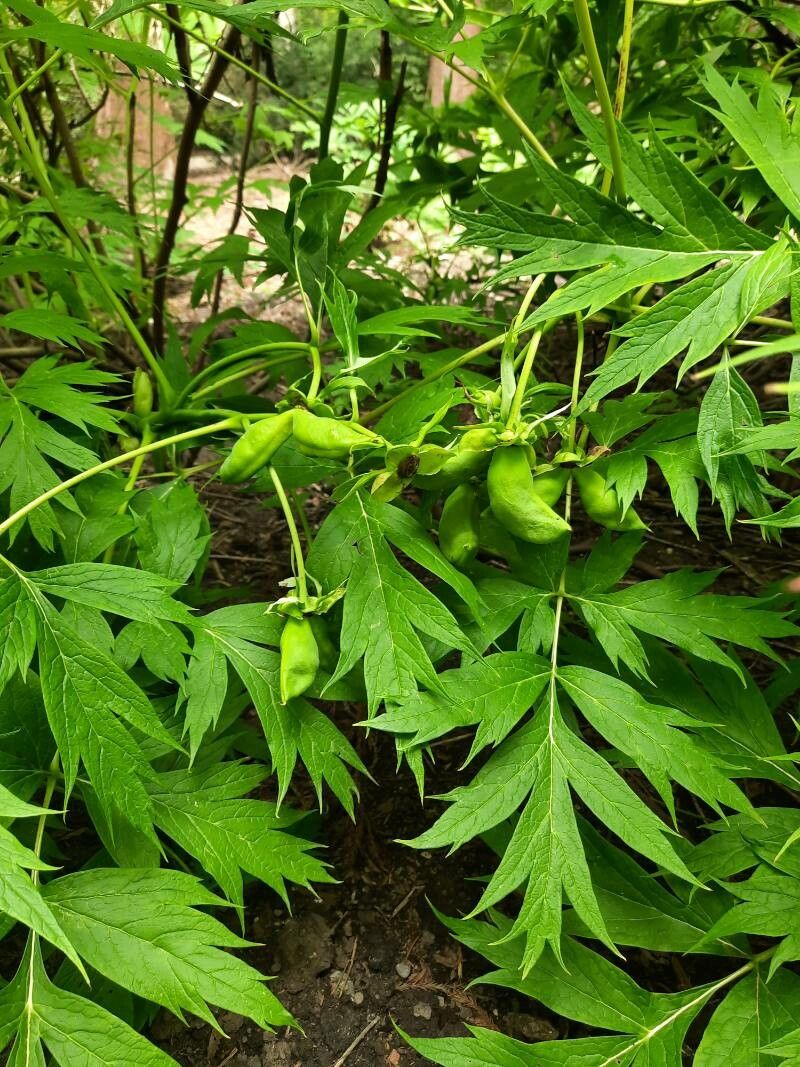
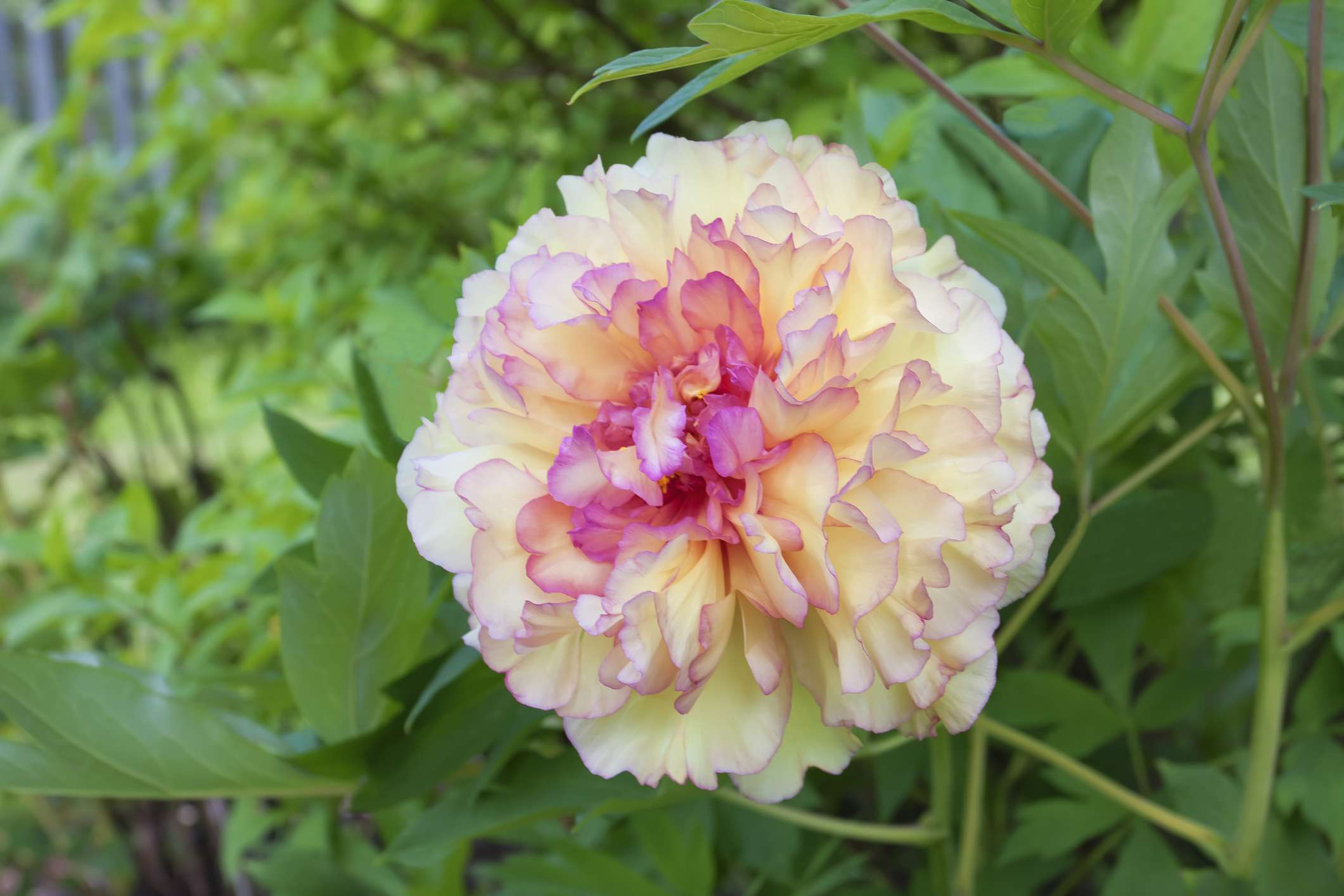
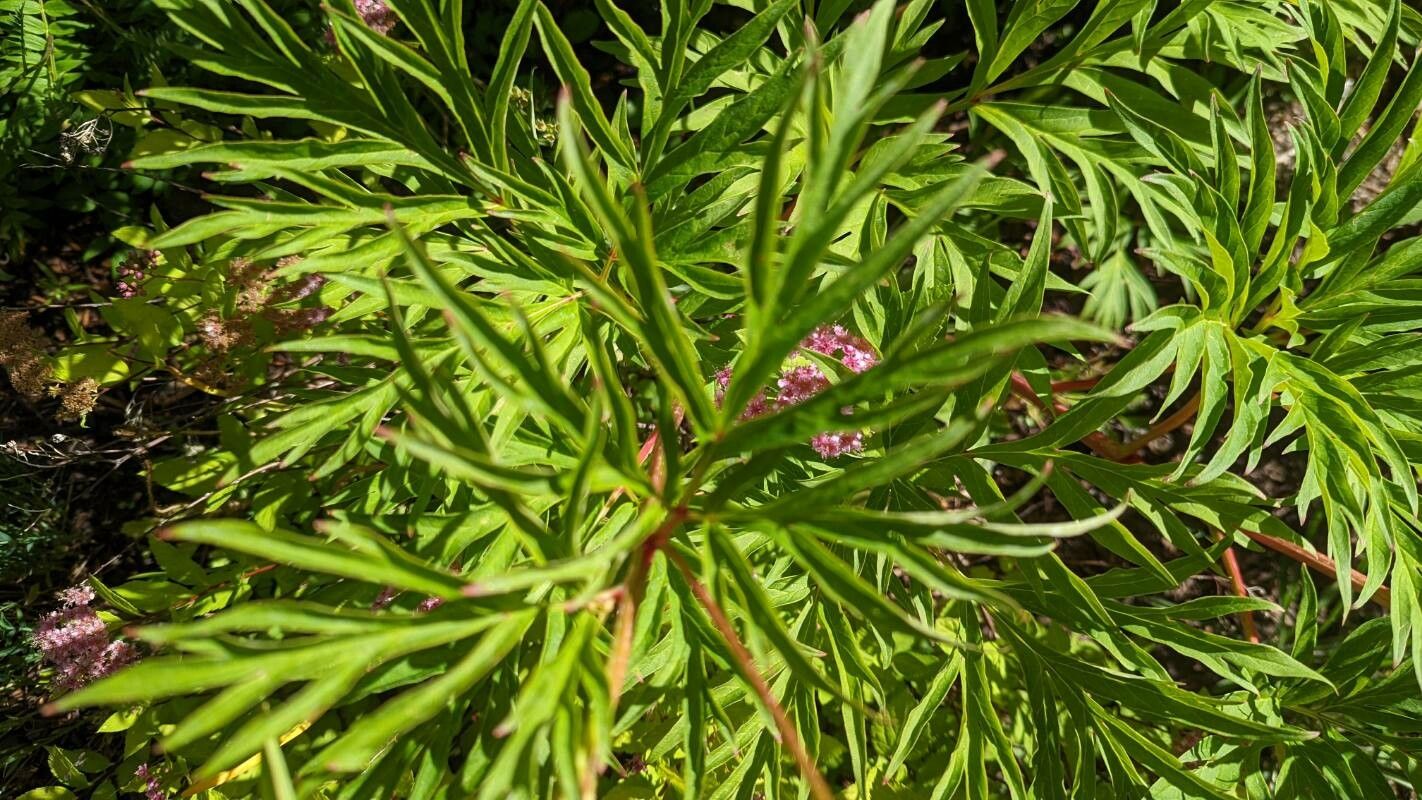
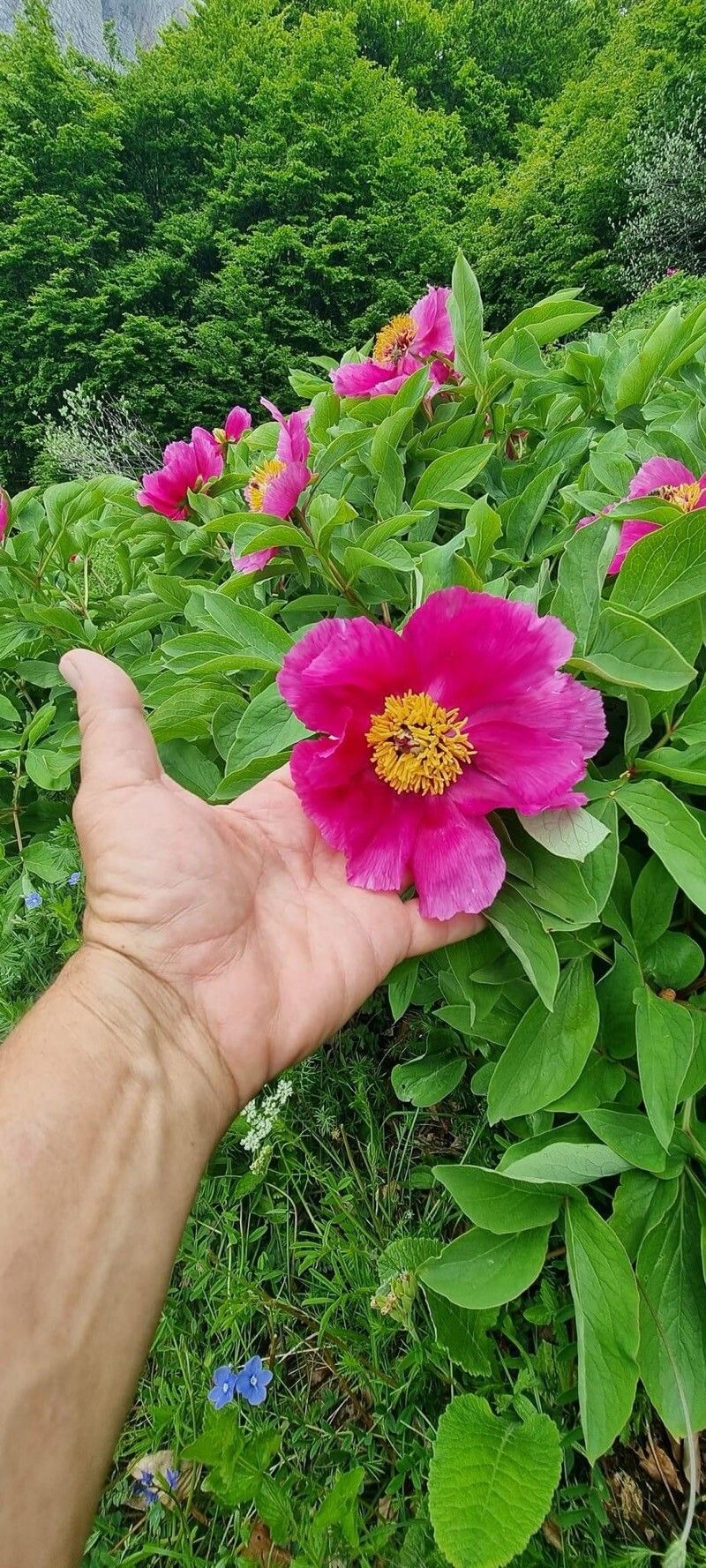
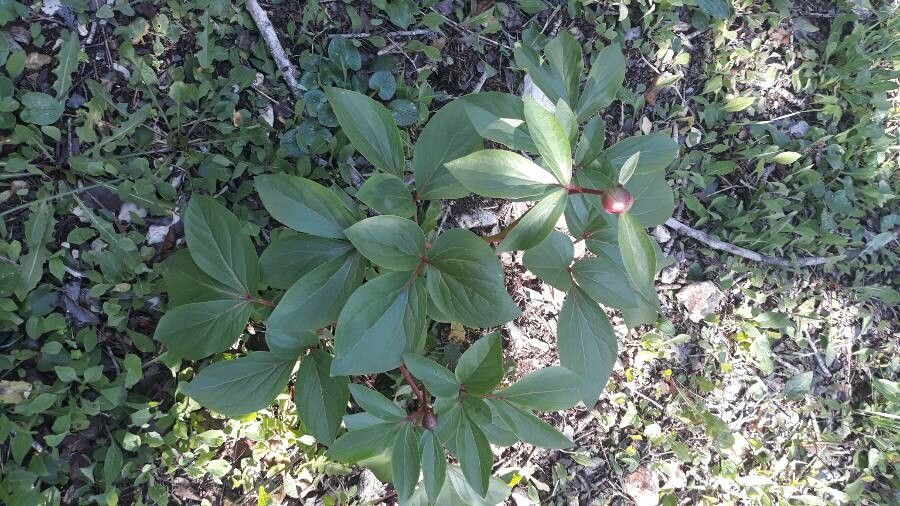
Paeonia delavayi is a low woody shrub belonging to the peonies, that is endemic to China. The vernacular name in China is 滇牡丹 (diān mǔdan). In English it is called Delavay's tree peony, Delavay peony, Dian peony, and dian mu dan. It mostly has red brown to yellow, nodding flowers from mid May to mid June. The light green, delicate looking deciduous leaves consist of many segments, and are alternately arranged on new growth.
Delavay's tree peony has good resistance to disease and is generally not susceptible to illnesses. Regarding care, this plant is fairly low-maintenance. When grown outdoors it needs little watering, and larger specimens typically do not require pruning. Smaller plants, however, should be pruned after they have finished blooming. Delavay's tree peony is suitable for anyone with an outdoor area, such as a garden or deck, and does not demand extensive care experience.
How to keep Paeonia Delavayi.
Light
Delavay's tree peony grows best with a generous amount of sunlight, although it can tolerate moderate light as well. In its native environment it is accustomed to abundant sun. Prolonged exposure to very intense sunlight can cause leaf scorching. Conversely, too little sun can impede its growth and reduce flowering.
Water
Delavay's tree peony, native to mountainous regions, thrives in well-drained soil with moderate moisture and shows some drought tolerance. Water it once every 1-2 weeks, taking care not to over-saturate the soil. This plant prefers growing outdoors and benefits from mulching, which helps retain moisture and regulate root temperature.
Temperature
Delavay's tree peony comes from temperate regions and grows best in temperatures between 41 and 95 °F (5 to 35 °C). For optimal growth, it is advisable to adjust it to milder temperatures during periods of extreme cold or heat.
Fertilizer
Timing is essential when fertilizing Delavay's tree peony. Begin feeding in early spring and continue monthly until early summer. Fertilizer encourages attractive blooms and supplies energy during both dormant periods and active growth.
Pruning
To ensure your Delavay's tree peony thrives, prune it early in the spring. This promotes healthy growth and vibrant blooms. Begin by removing any dead wood and thinning out overcrowded branches. This will improve air circulation and help maintain the plant's shape. Proper pruning enhances the overall health of the Delavay's tree peony and increases its flowering potential.
Pot & Repot
The Delavay tree peony flourishes in pots with excellent drainage, which helps prevent root rot and supports healthy growth.
Botanical profile.
- Plant Type
- Shrub
- Life Cycle
- Perennial
- Genus
- Paeonia
- Family
- Paeoniaceae
- Hardiness Zone
- 5-9
- Mature Height
- 1.22 m
- Mature Spread
- 91 cm
- Leaf Color
- Green, Blue
- Leaf Type
- Deciduous
- Flower Color
- Red, Yellow, Purple, Orange, White, Pink
- Flower Size
- 7.62 cm to 11.43 cm
- Bloom Time
- Late spring, Early summer
- Planting Time
- Spring, Autumn
- Harvest Time
- Mid summer
Other names.
Reader questions.
What should I do if I give too much or too little water to Delavay's tree peony?
An overwatered Delavay's tree peony may show signs such as yellowing, dropping, and wilting of leaves, as well as dull and unhealthy appearance with mushy stems. To address these signs, it's recommended to adjust your watering schedule. Wilting can also occur due to under watering, which results in crispy and dry leaves. In such cases, check the soil and provide sufficient watering. However, even with enough water, the plant may still appear dry and develop yellow leaves due to root damage. Once the plant recovers, the yellowing will stop. When keeping a Delavay's tree peony indoors, always check the moisture levels and avoid overwatering. Look out for black spots, which indicate the need for a few days without watering to let the soil dry. Overwatering can cause root rot, which can be addressed by transferring the plant to a different pot if discolored and slimy roots are observed. Digging a bit deeper when planting the peony outdoors helps to identify dry soil, indicating the need for adequate watering to aid in plant recovery.
Why should I put fertilizer on my Delavay's tree peony?
Fertilizing a Delavay's tree peony is important for several reasons. First, it helps the peony produce beautiful blooms. One of the best times to fertilize is early spring to ensure excellent flowers that season. Additionally, fertilizer provides the peony with energy that it can store in the ground during dormant phases. By giving extra nutrients during fall planting or late spring, the peony can hold more energy for when active growth resumes.
What are the sunlight requirements for Delavay's Tree Peony?
Delavay's Tree Peony requires a generous amount of sunlight to thrive, preferably more than 6 hours of direct sunlight daily for optimal growth and flower production. However, it can also manage with moderate amounts of sunlight, about 3-6 hours, though too little sun might hinder its growth and blossom production. Excessive sunlight, especially in the plant's native habitat, can lead to leaf scorching, whereas insufficient sunlight may result in diminished growth and fewer blooms. Observing how sunlight moves through your garden and choosing spots that provide the right balance of light and shade is essential for the plant's health.
What is the ideal temperature range for Delavay's tree peony to thrive?
Delavay's tree peony is native to temperate climate areas and thrives in a temperature range from 41 to 95 °F (5 to 35 °C). To ensure optimal growth, adjusting its environment to milder temperatures during extreme cold or hot seasons is recommended. The plant has strong cold resistance, thus special frost protection measures aren't usually necessary. However, protection is required when winter temperatures drop below -25°C by wrapping the trunk and branches. Also, it's advisable to water the plant abundantly before the first freeze in autumn to keep the soil moist throughout winter and early spring.
How frequently do I need to water my Delavay's tree peony?
The Delavay's tree peony prefers to be watered deeply but infrequently. When planted in pots, it's important to soak them with a gallon of water each time, as the water storage in pots is limited and the soil dries out faster. In colder regions, watering should be done every 3 to 5 days. Watering should be done early in the morning when the soil is dry, both indoors and outdoors. You can check the soil moisture by examining the top 2-3 inches. If it's dry, it's time to give the plant a thorough watering. On hot days, check the moisture daily, as the heat can quickly dry out the soil in pots. If you have a garden, irrigation is necessary. In hot climates, watering once a week is recommended. Only water when you observe that about 2 to 3 inches of soil are too dry, indoors or outdoors. Take into account the amount of rainfall, and avoid overwatering to prevent root rot. Additional watering may not be necessary if there is plenty of rainfall. Delavay's tree peony typically grows in spring and fall. When outdoors, adding 3 to 4 inches of mulch can help conserve water. For sandy soil, more frequent watering is needed due to faster drainage. Clay soil requires less frequent watering, where 2-3 days of drying out can help prevent root rot. To track watering frequency, mark the dates on a calendar and watch out for drooping leaves, which could indicate a delay in watering.
When should I fertilize my Delavay's tree peony for the best results?
Proper timing is essential when fertilizing Delavay's tree peony. If fertilizer is applied too early, when the peony is still dormant, it will not be effective and will be washed away by rainwater, resulting in waste and pollution. To ensure effective fertilization, the first application should be done in early spring, followed by monthly applications until early summer.
How can artificial lighting be used for Delavay's Tree Peony indoors?
When natural sunlight is insufficient, especially during winter or in less sunny spaces, artificial lighting can be a vital solution for Delavay's Tree Peony's growth indoors. LED lights are recommended for indoor plants because they can provide specific wavelengths needed for optimal plant growth. Full sun plants require 30-50W/sq ft, partial sun plants 20-30W/sq ft, and full shade plants 10-20W/sq ft of artificial light. The light source should be placed 12-36 inches above the plant to mimic natural sunlight and turned on for 8-12 hours per day to simulate the length of natural daylight hours.
How does low temperature affect Delavay's tree peony, and what are the solutions?
Delavay's tree peony is cold-tolerant, ideally kept above 5°C. During winter, it should not drop below -20°C. If the temperature falls below -25°C, the plant may not show immediate damage, but by spring, the branches might become brittle, dry, and fail to produce new shoots. The solution to this issue is to prune any dead branches that have failed to produce new leaves in spring, aiding the plant in recovery and new growth.
How much water should I give my Delavay's tree peony?
The Delavay's tree peony generally needs about a gallon of water on a regular basis. If you have potted plants, water them deeply until you see water dripping from the bottom of the pot. Then, wait for the soil to dry before watering again. To determine the amount of water you've given your plant in a week, you can use a water calculator or a moisture meter. During the flowering period, provide plenty of water but allow the moisture to evaporate afterwards to prevent root rot. If the Delavay's tree peony is planted outdoors and receives adequate rainfall, it may not need additional watering. However, when it is young or newly planted, make sure it gets 1-2 inches of rain per week. As it grows, it can survive solely on rainfall. Only if the weather is too hot or if there is no rainfall for 2-3 weeks should you consider giving it a full watering during cooler parts of the day to prevent heat damage. Additional watering will be needed during prolonged dry spells.
When is the best time to not fertilize my Delavay's tree peony?
To ensure optimal blooming, it is important to be mindful of the type and timing of fertilizer used for Delavay's tree peony. Avoid fertilizers rich in nitrogen as they tend to promote leaf growth instead of blooming. Instead, opt for fertilizers that have a lower nitrogen content compared to other nutrients. It is advisable to refrain from fertilizing the tree peony after early autumn, as this can trigger excessive growth before winter. Additionally, avoid fertilizing during hot and dry periods, as the dry soil may not effectively deliver nutrients and stimulate even more growth, which in turn requires more water that might not be available. It is best to apply fertilizer earlier in the season when temperatures are cooler. Lastly, be cautious of inadvertently giving the tree peony double doses of fertilizer. Delavay's tree peony has the ability to absorb nearby applied fertilizer from other plants or lawns, so it is important to be mindful of this potential double-dosing effect.
What are the symptoms of insufficient or excessive sunlight on Delavay's Tree Peony?
Symptoms of insufficient sunlight in Delavay's Tree Peony include small, lighter-colored new leaves, leggy or sparse growth, faster leaf drop, slower or no new growth, which are indicative of the plant's struggle with low light. Conversely, excessive sunlight can cause chlorosis, where the leaves turn yellow, sunscald characterized by damaged leaves or stems, leaf curling as a defense mechanism against heat, wilting due to increased water loss, and leaf scorching signified by brown, dry edges on leaves. These symptoms show the plant's distress to either extreme sunlight exposure.
How does high temperature affect Delavay's tree peony, and what are the solutions?
In the summer, Delavay's tree peony should be kept below 35°C. Temperatures exceeding 38°C can cause the leaves to become lighter in color and the tips to dry and wither, making the plant more susceptible to sunburn. To combat this, trim away the sunburned and dried-up parts of the plant. Moving the plant to a location with shade from the midday and afternoon sun, or using a shade cloth, can protect it. Additionally, watering the plant in the morning and evening helps keep the soil moist and support plant health.