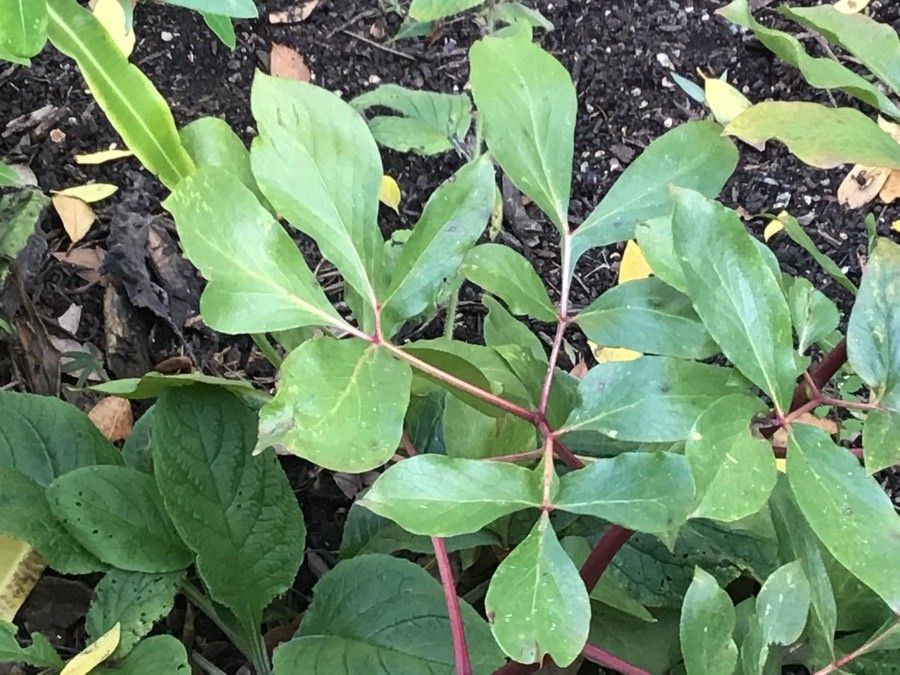
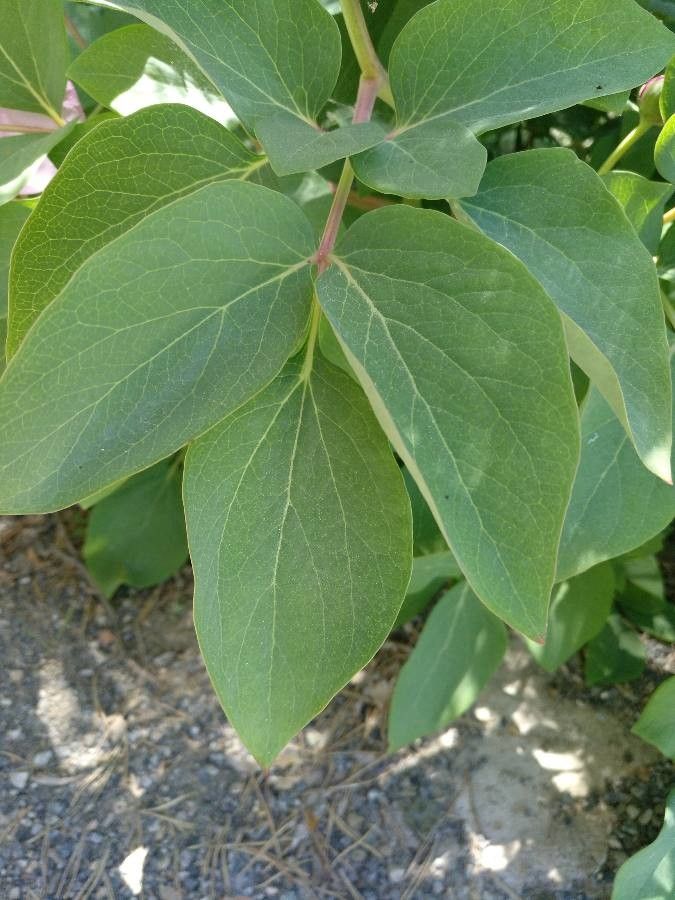
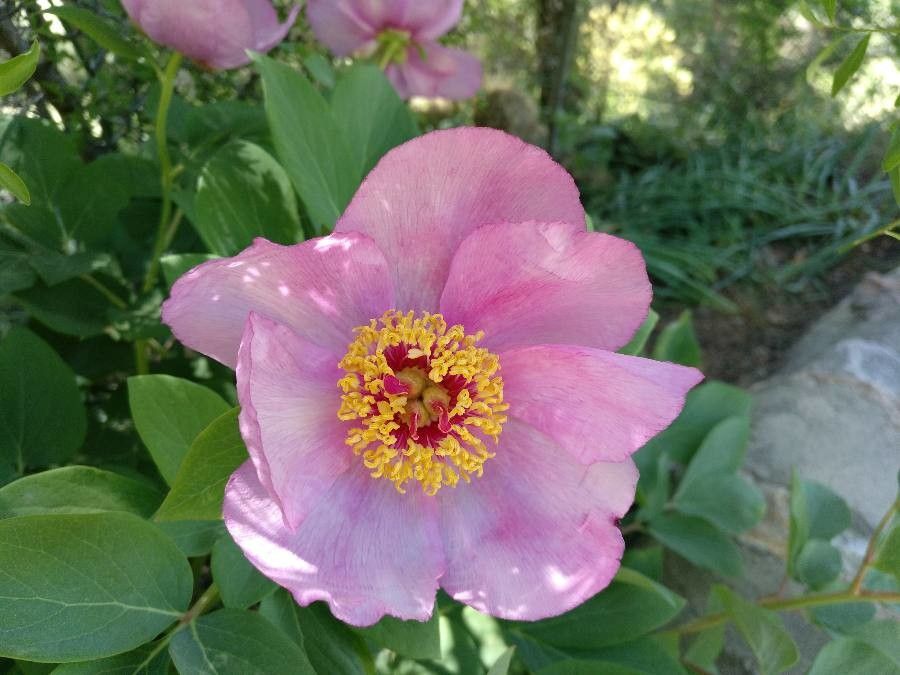
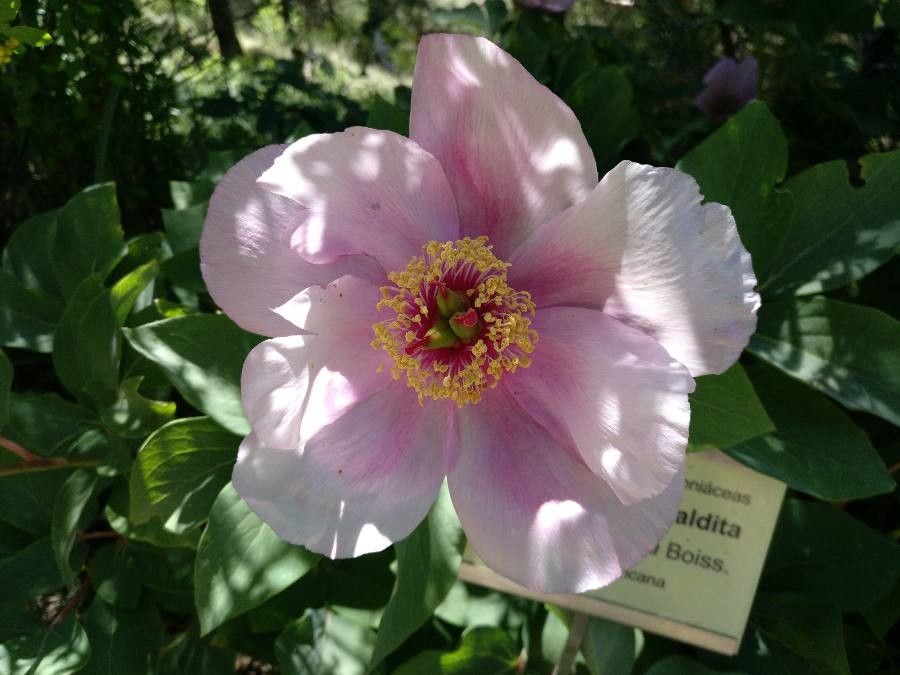
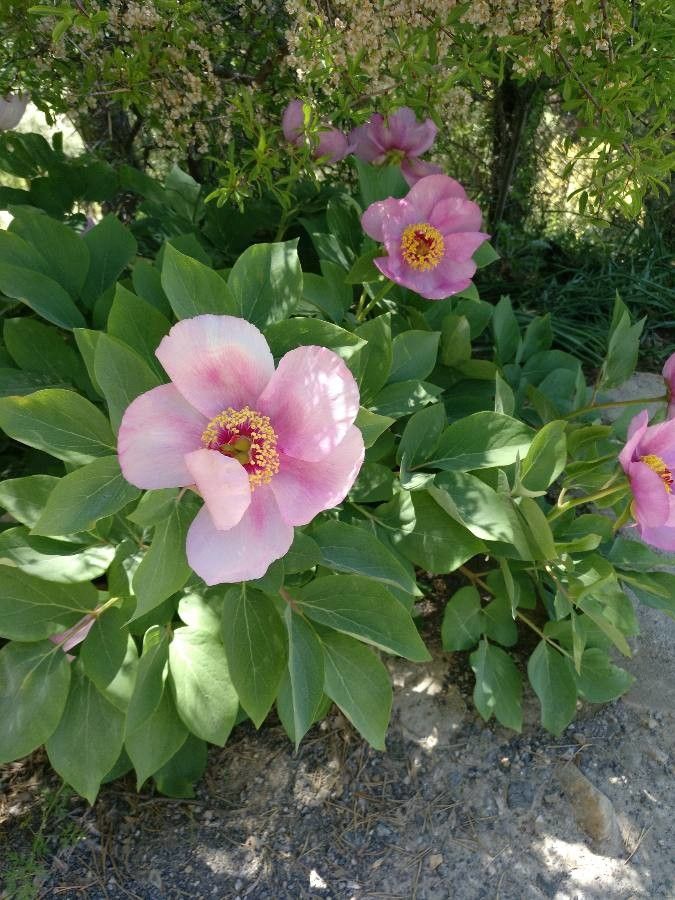
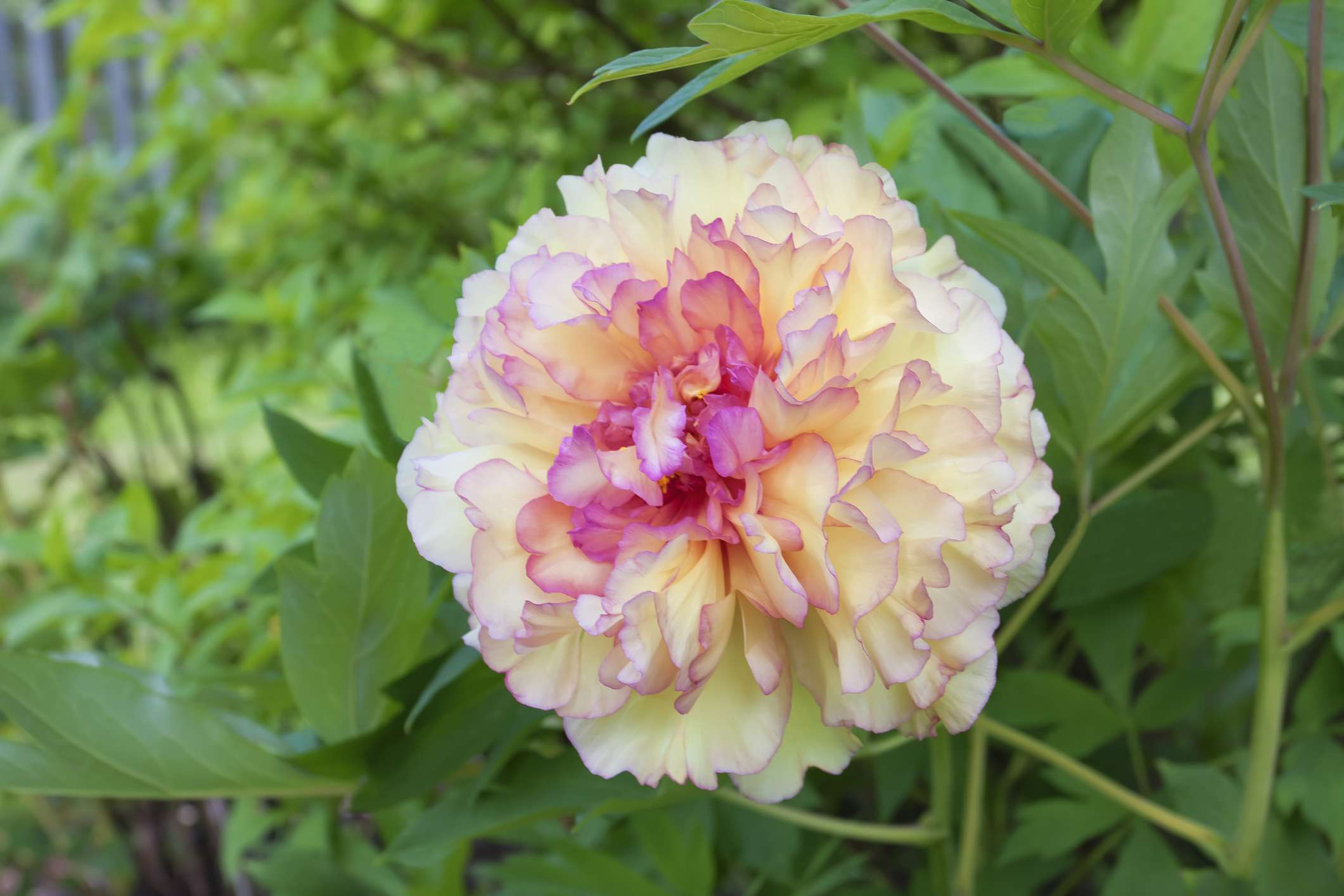
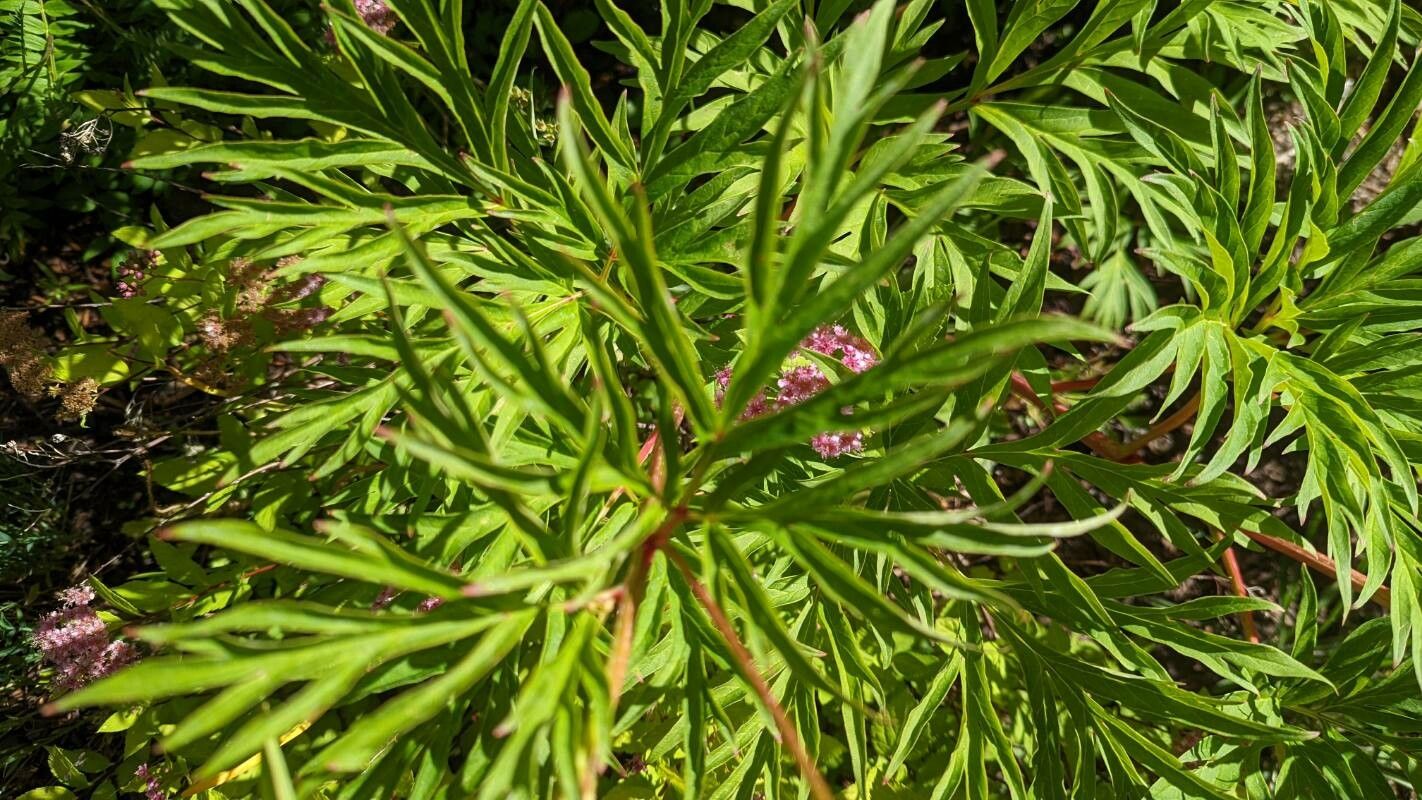
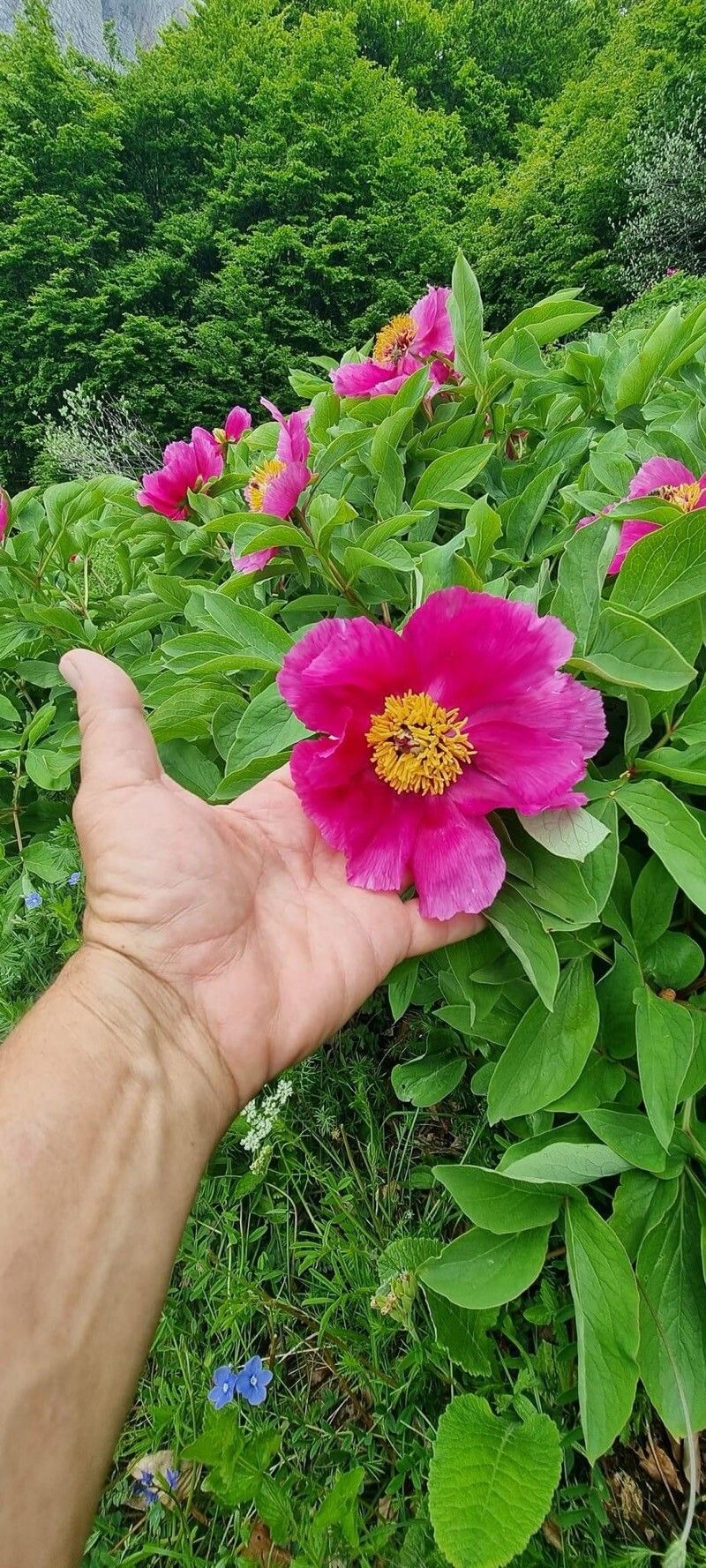
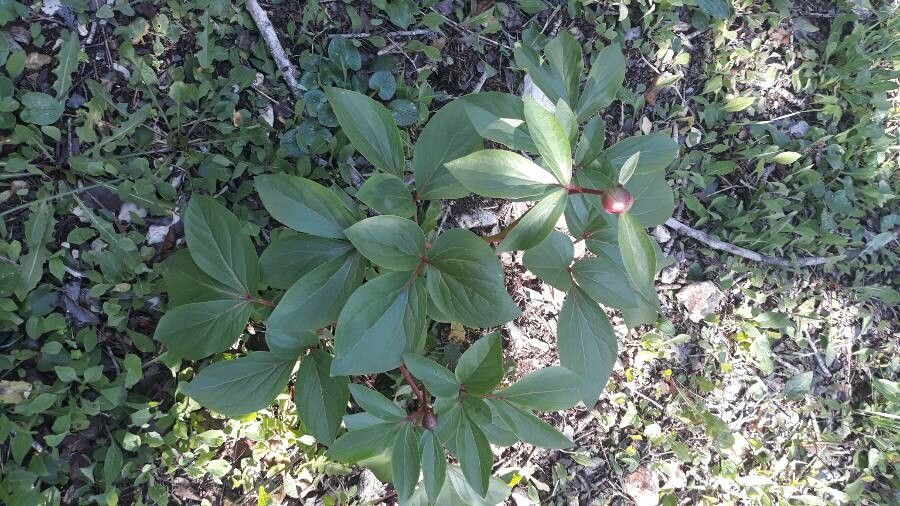
Paeonia coriacea, also known as the Corsican peony or Andalusian peony, is a species of flowering plant within the family Paeoniaceae.
The Andalusian peony has strong resistance to disease and is generally unlikely to suffer from illnesses. Regarding maintenance, this plant is fairly easy to care for. When grown outdoors it needs only light watering, and mature plants usually do not require pruning. Smaller specimens, however, should be trimmed after they finish blooming. The Andalusian peony is appropriate for anyone with an outdoor area, such as a garden or a deck, and does not demand extensive care experience.
How to keep Paeonia Coriacea.
Light
The Andalusian peony displays a significant liking for ample sunlight as this enhances its strong vitality and flourishing expertise. Importantly, it can handle conditions with less sunlight, underlining its adaptability capability. Nevertheless, excess or insufficient light may affect its robustness, reflecting its original habitat devoid of overshadowing leaves.
Water
The Andalusian peony flourishes in arid regions with minimal rainfall due to its excellent drought tolerance. To care for this plant, water it every 2-3 weeks, ensuring that the soil dries out between waterings. Although it is primarily grown outdoors, the growth cycle of the Andalusian peony aligns with natural rainfall patterns, making it perfect for xeriscaping in similar climates.
Temperature
The Andalusian peony originates from moderate climates and thrives well within a temperature spectrum of 41 to 95 °F (5 to 35 ℃). During periods of high summer temperatures, it might need extra shade to promote ideal growth conditions.
Fertilizer
Ensuring the correct timing for fertilizing an Andalusian Peony is essential. Begin fertilization in the early stages of spring and maintain a monthly schedule until the arrival of early summer. The use of fertilizer not only aids in producing exquisite blossoms but also furnishes energy during both the dormant and active phases of growth.
Pruning
To help your Andalusian peony thrive, it's important to prune it properly. This includes removing dead wood and thinning out crowded stems. Pruning should be done in early spring to encourage more blooms and reduce the risk of disease. Always use clean, sharp tools to make precise cuts, which will promote healthy growth and vibrant flower displays.
Pot & Repot
To ensure healthy growth and prevent root rot, the Andalusian peony needs excellent drainage when planted in pots.
Botanical profile.
- Plant Type
- Shrub
- Life Cycle
- Perennial
- Genus
- Paeonia
- Family
- Paeoniaceae
- Hardiness Zone
- 5-9
- Mature Height
- 49 cm to 91 cm
- Mature Spread
- 49 cm to 91 cm
- Leaf Color
- Green, Blue
- Leaf Type
- Deciduous
- Flower Color
- Pink, Purple
- Flower Size
- 10.16 cm to 15.24 cm
- Bloom Time
- Mid spring, Late spring
- Planting Time
- Spring, Autumn
- Harvest Time
- Mid summer, Late summer
- Native Area
- Italy, Morocco, Spain, France
Reader questions.
What are the sunlight requirements for an Andalusian peony?
The Andalusian peony thrives best in conditions where it can receive above 6 hours of sunlight daily, categorized as full sun. It can also grow in partial sun, which is about 3-6 hours of sunlight per day. Observing how sunlight moves through your garden helps in choosing spots that provide an optimal balance of light and shade, ensuring the plants' well-being. Although the Andalusian peony prefers abundant sunlight to bolster its vitality and bloom dexterity, it demonstrates adaptability by tolerating less sunny conditions. However, both excessive and insufficient light can affect its growth, reflecting its preference for an environment similar to its native setting, which is free from overshadowing foliage.
What is the native climate of the Andalusian peony and how does it handle different temperatures?
The Andalusian peony, botanically known as Paeonia coriacea, is native to temperate climates and prefers a temperature range of 41 to 95 °F (5 to 35 °C). It displays strong cold resistance, meaning that special frost protection measures are usually unnecessary during winter. However, it's important to protect the plant if winter temperatures are expected to drop below -25°C by wrapping its trunk and branches with insulating materials. The plant also requires additional shading during hot summer months to ensure optimum growth if temperatures exceed its preferred range.
How can I use artificial lighting for my Andalusian peony?
Indoor Andalusian peonies require adequate lighting for optimal growth, especially when natural sunlight is insufficient, like in winter or less sunny spaces. Artificial lights, such as LED lights, can be a vital solution, offering the ability to provide specific wavelengths needed for plant growth. For full sun plants, 30-50W per square foot of artificial light is recommended; partial sun plants need 20-30W per square foot, and full shade plants require 10-20W per square foot. The light source should be placed 12-36 inches above the plant to mimic natural sunlight, and the duration of exposure should be 8-12 hours per day to mimic natural daylight hours.
How should the Andalusian peony be cared for during winter to prevent damage?
To safeguard the Andalusian peony during winter, especially if temperatures are forecast to dip below -25°C, providing protection against the cold is crucial. This involves wrapping the trunk and branches with non-woven fabric or cloth to insulate the plant. Additionally, before the first freeze of autumn, it's recommended to water the plant abundantly to ensure the soil remains moist. This moist environment helps the soil enter a frozen state without leaving the plant vulnerable to drought and water scarcity during the cold months.
What are the symptoms of light deficiency in an Andalusian peony?
When Andalusian peonies are placed in rooms with suboptimal lighting, they may show symptoms such as small new leaves, leggy or sparse growth, faster leaf drop, slower or no new growth, lighter-colored new leaves, and chlorosis. These symptoms indicate a lack of sufficient light, which is crucial for their growth and health. Additionally, excessive sunlight can lead to symptoms such as sunscald, leaf curling, wilting, and leaf scorching. These are signs of overexposure to sunlight, which can damage the plant's leaves or stems and negatively affect its overall health.
What symptoms indicate that the Andalusian peony is experiencing unfavorable temperatures, and what actions should be taken?
Symptoms of the Andalusian peony suffering from unfavorable temperatures include brittle and dry branches with no new shoots emerging in spring when exposed to below -25°C temperatures during winter. In such cases, pruning away any dead branches in spring that have failed to produce new leaves is advisable. During summer, a temperature exceeding 35°C may lead to lighter-colored leaves with dry, withered tips and increased susceptibility to sunburn. To mitigate these issues, trim the sunburned and dried parts, provide shade during the midday and afternoon, and ensure the soil is kept moist by watering the plant in the morning and evening.
How can I address sunlight-related issues for my Andalusian peony?
To address sunlight-related issues for indoor Andalusian peonies, gradually move the plants to a location where they can receive at least 6 hours of direct sunlight daily, such as near a south-facing window. Also, consider using artificial light for additional illumination if the plant is large or not easily movable, keeping a light source on for at least 8 hours daily. For outdoor plants, it's crucial to move them to the sunniest spot gradually to prevent sunburn and allow them to adapt to the change in light intensity. If sunlight obstruction is an issue, consider reducing obstructions by pruning trees or transplanting smaller plants to a location with ample sunlight and good drainage during their dormant period in late winter or early spring.