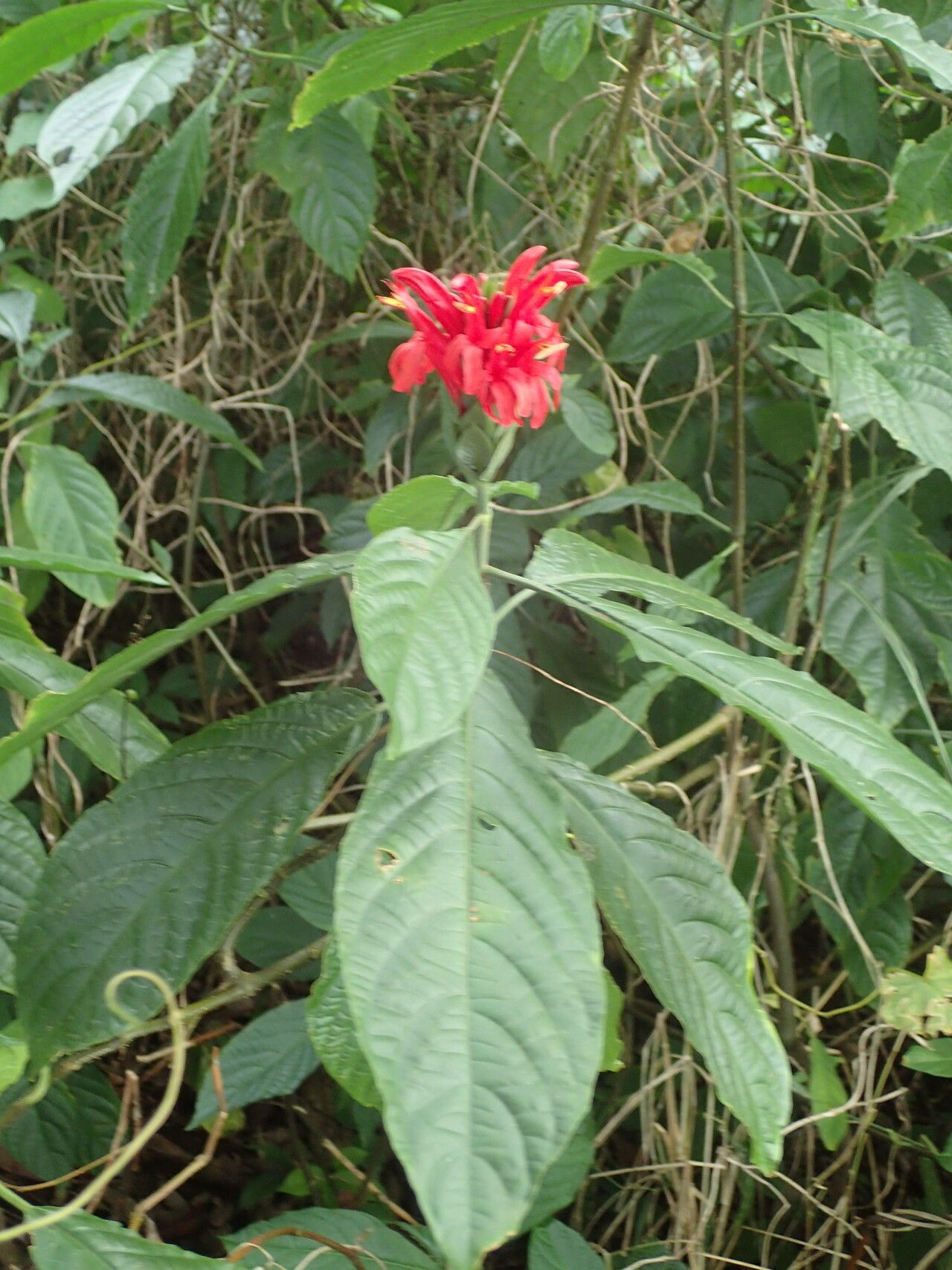
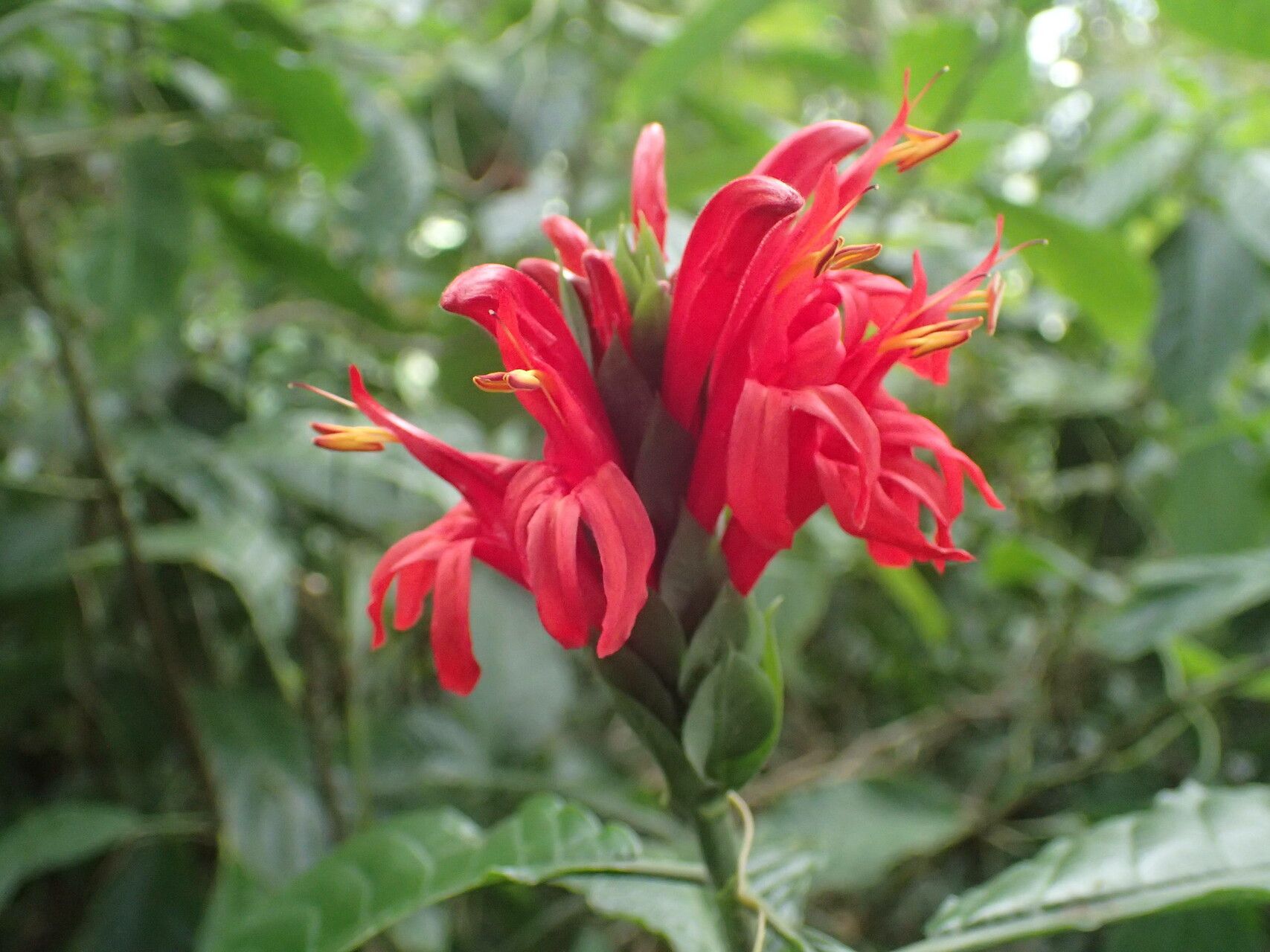
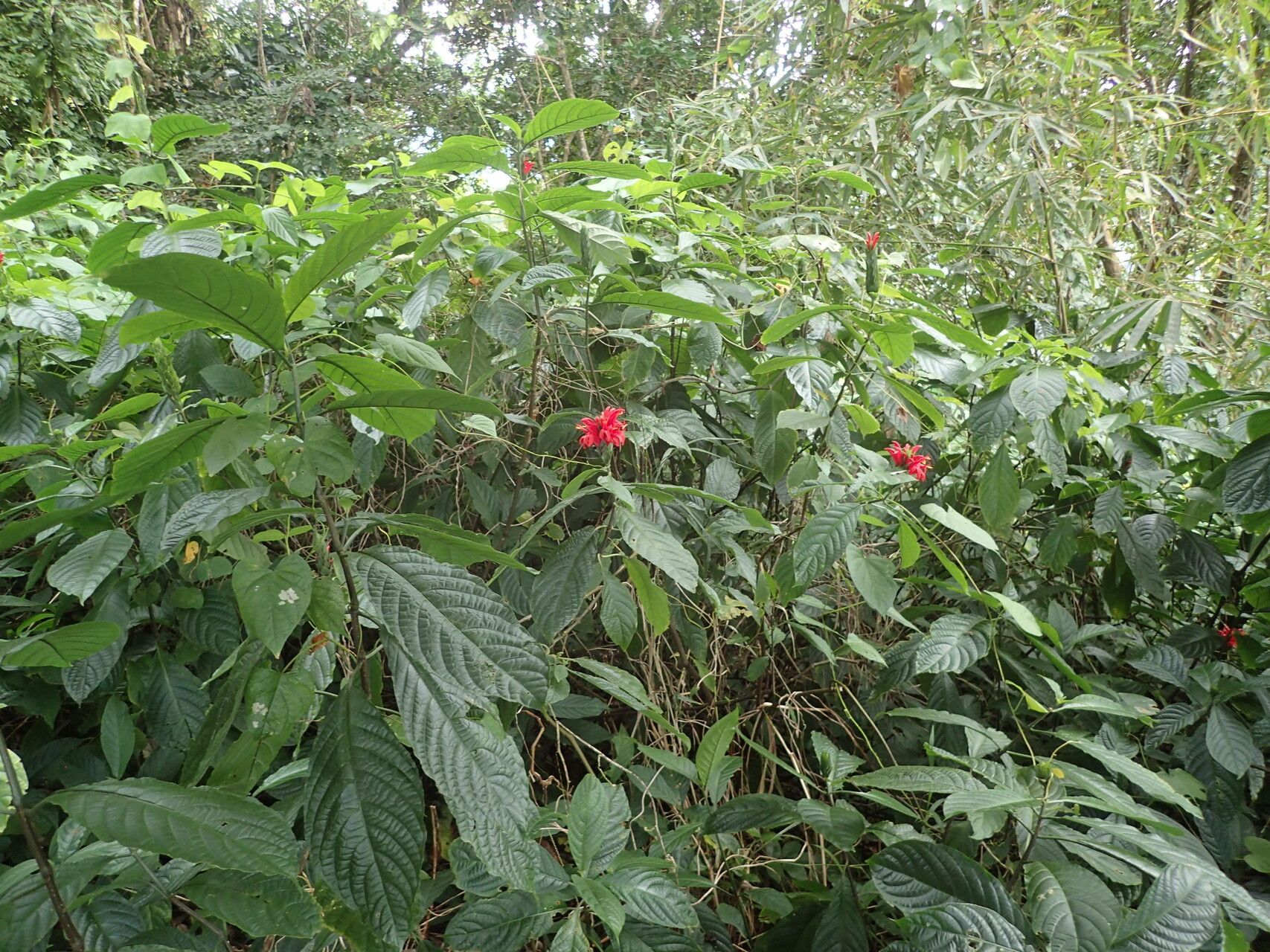
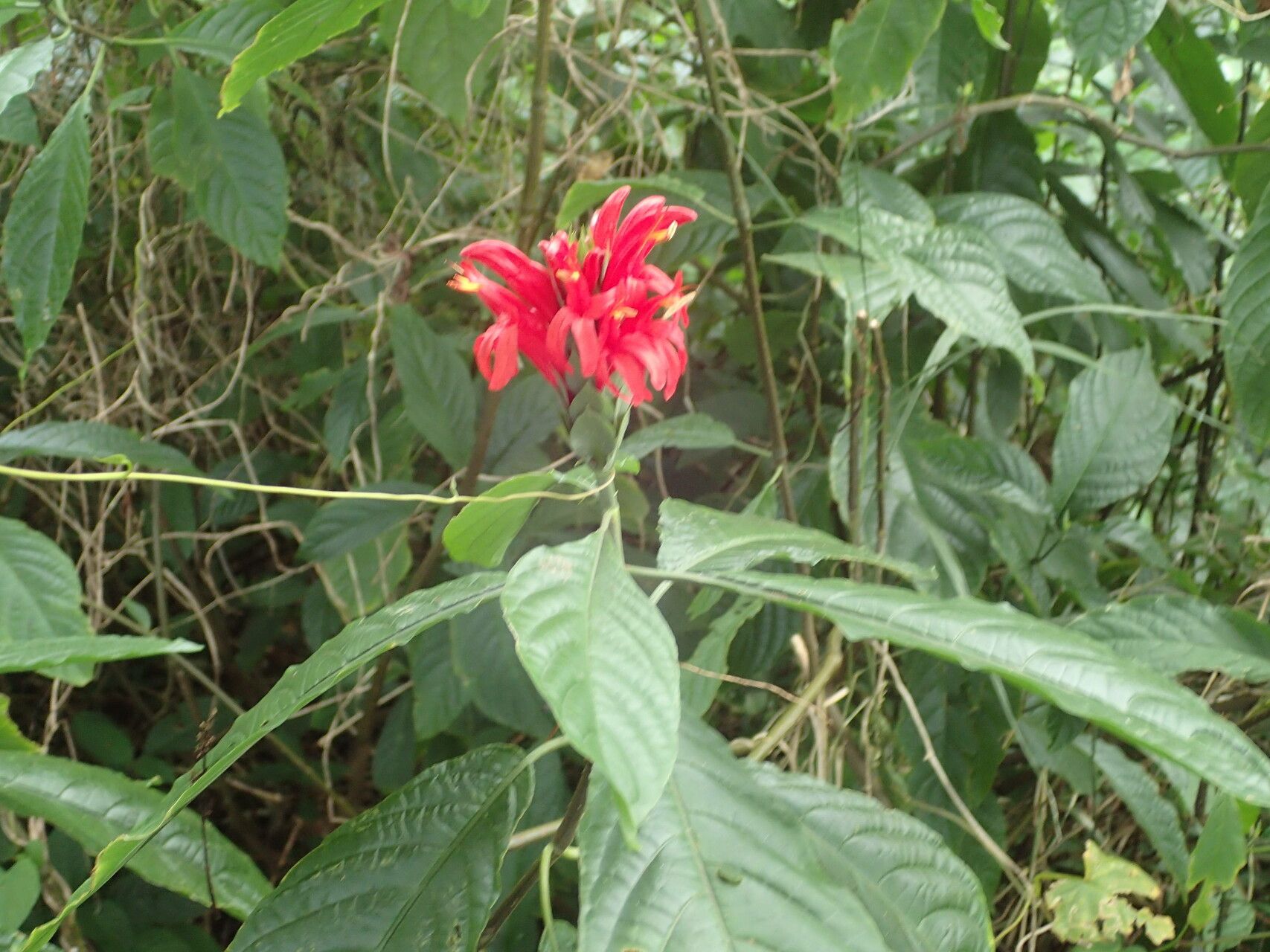
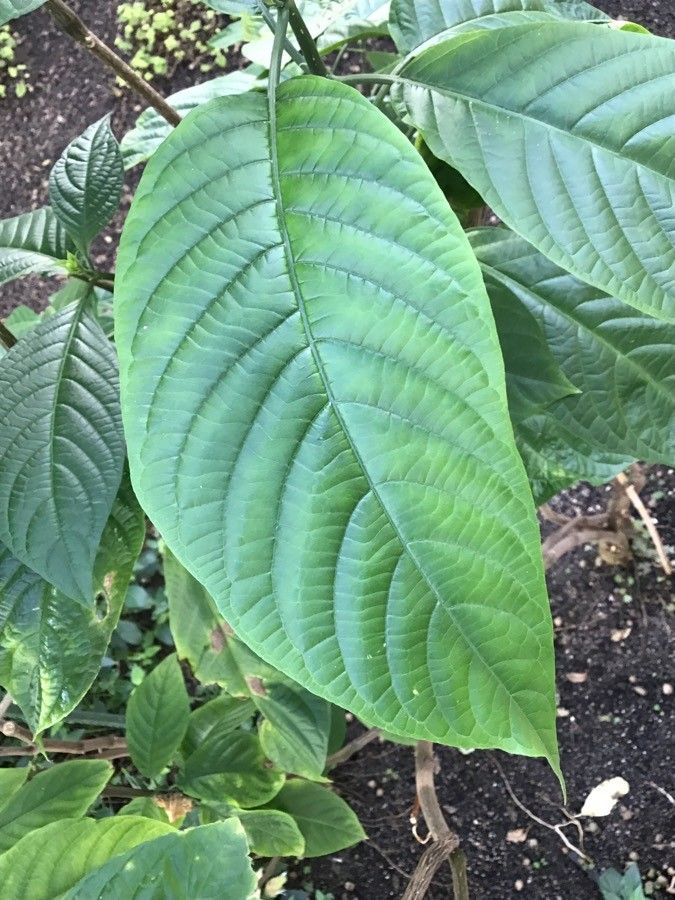
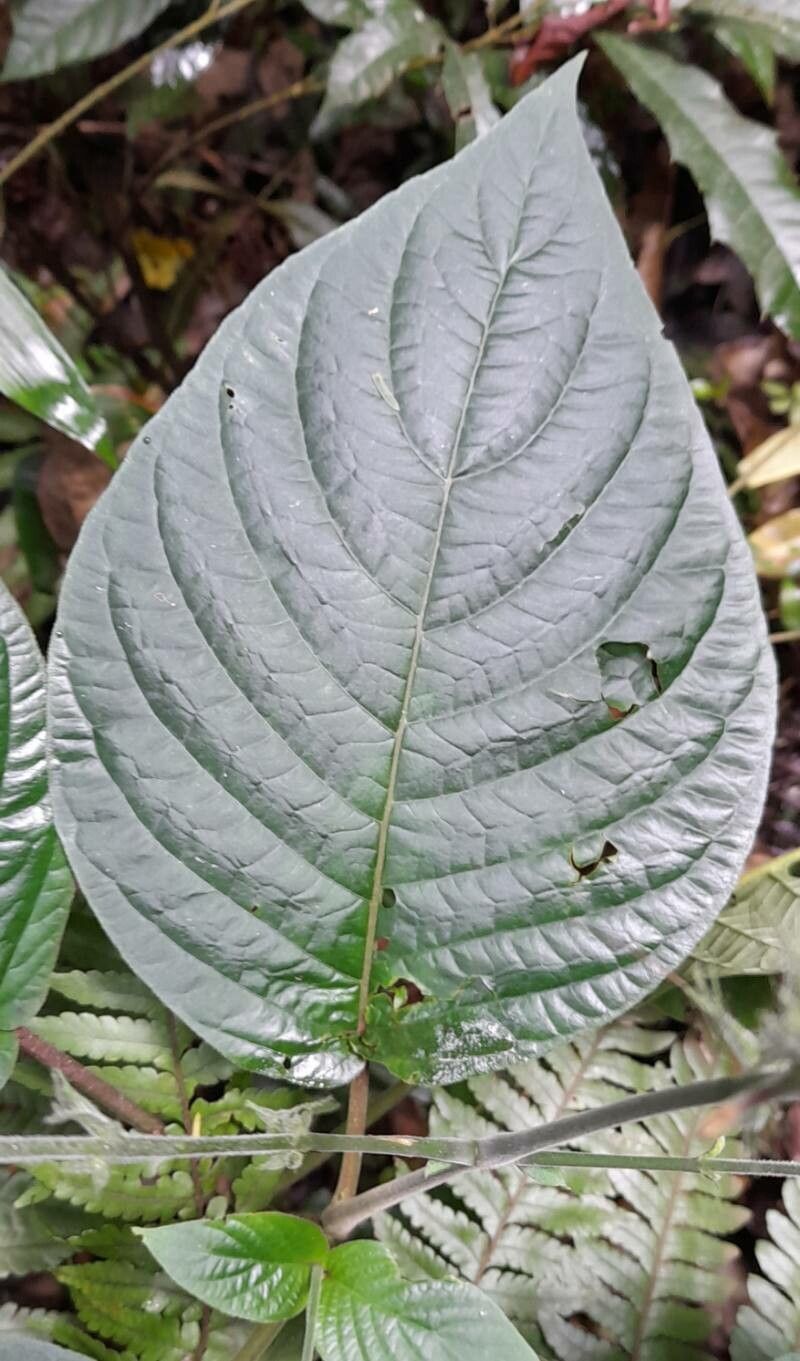
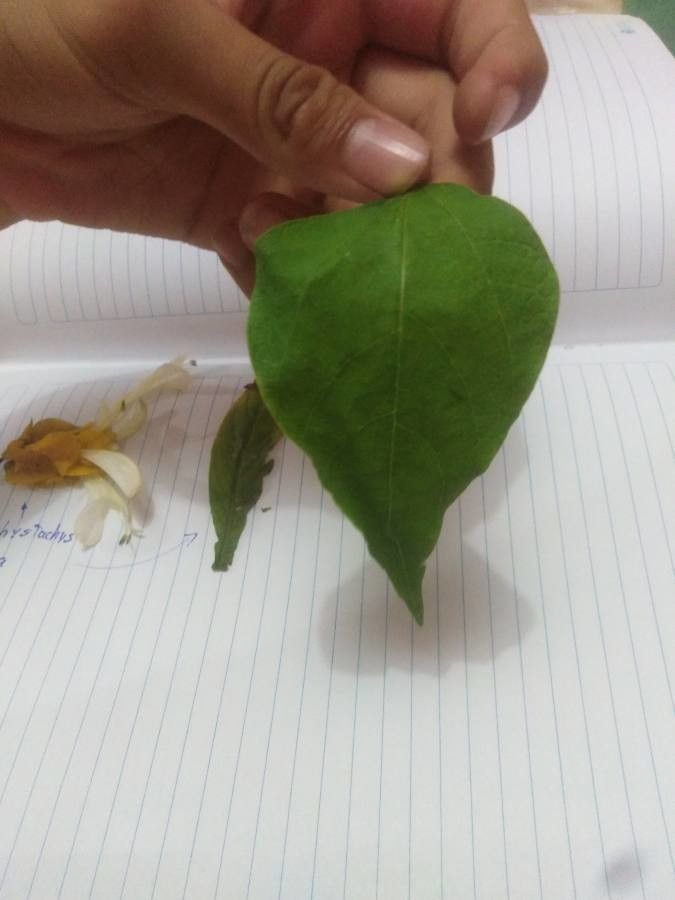
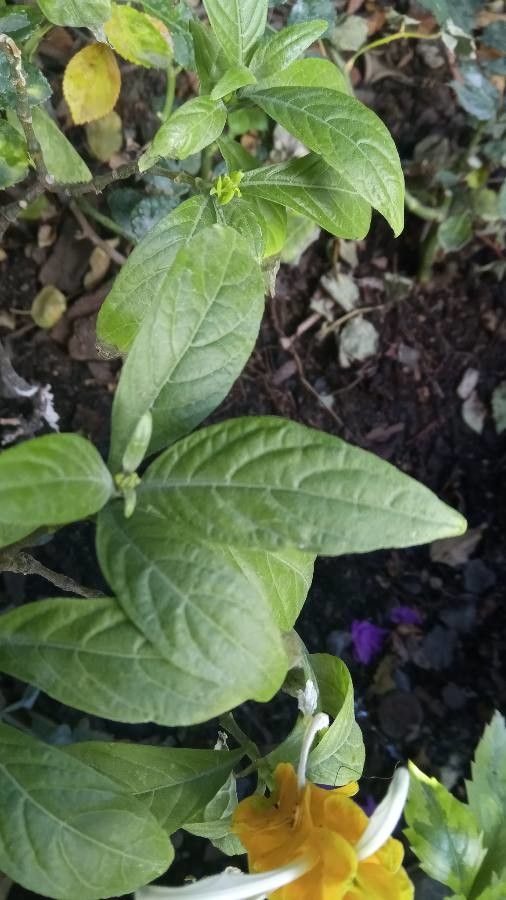
Cardinal's-guard shows strong resistance to disease and is generally not prone to illness. Regarding care, this plant is fairly low maintenance. Planted outdoors it needs only light watering, and larger specimens typically do not require pruning. Smaller plants, however, should be pruned after they have finished blooming. Cardinal's-guardt is well suited for anyone with an outdoor space, like a garden or deck, and does not require much care experience.
How to keep Pachystachys Spicata.
Light
Cardinal's-guard is native to habitats like forest understories and rocky areas, where it grows in natural shade. It prefers partial sun but can tolerate both full sun and full shade, showing its adaptable and hardy nature.
Water
Cardinal's-guard thrives in humid environments and needs moderate watering every 1-2 weeks. When grown indoors, its ornamental appeal is enhanced, but it's crucial to carefully monitor the soil moisture. Avoid letting the soil dry out or become overly saturated, as either can impact the plant's ability to flower.
Temperature
Cardinal's-guard comes from tropical areas, where the weather is generally warm and humid. Consequently, it is well suited to high heat and moisture. It is sensitive to sudden temperature shifts and prefers a consistent thermal environment, so it’s important to prevent indoor temperature fluctuations. It typically cannot tolerate cold and needs warmer conditions to thrive. If the ambient temperature falls too low, the plant may stop growing or even die.
Fertilizer
The best time to fertilize a Cardinal's-guard is in early spring when it comes out of dormancy. This promotes overall growth and flower development. Fertilization improves foliage, stems, and branches, and encourages flowers that are larger, more vibrant, and longer-lasting. It helps move nutrients from the roots to the flowers and enhances the plant's health and resistance to disease.
Pruning
The cardinal's-guard plant features striking red flower spikes that add significant appeal to any garden. To encourage healthy growth and vibrant blooms, it is recommended to prune the plant in early spring. During pruning, remove any dead stems and trim back overgrown areas to maintain the desired shape. This not only improves air circulation but also stimulates new growth when you make cuts just above the leaf nodes. Proper pruning aligns with the cardinal's-guard's natural growth cycle.
Botanical profile.
- Plant Type
- Shrub
- Life Cycle
- Perennial
- Genus
- Pachystachys
- Family
- Acanthaceae
- Hardiness Zone
- 10-12
- Mature Height
- 61 cm to 91 cm
- Mature Spread
- 30 cm to 46 cm
- Leaf Color
- Green, Dark Green
- Leaf Type
- Evergreen
- Flower Color
- Yellow, White
- Flower Size
- 3.05 cm to 4.06 cm
- Bloom Time
- Late spring, Summer, Early fall, Mid fall
- Planting Time
- Spring, Summer
- Harvest Time
- Mid summer, Late summer, Fall, Early winter
- Native Area
- Colombia, Cuba, Bolivia, Venezuela, Peru, Guyana, Brazil, Ecuador, Jamaica
Other names.
Reader questions.
What are the sunlight requirements for Cardinal's-guard (Pachystachys spicata)?
Cardinal's-guard, or Pachystachys spicata, thrives in various sunlight conditions. For full sun exposure, it requires more than 6 hours of sunlight daily, making it ideal for spots in your garden that are directly under the open sky. Alternatively, for partial sun, it needs about 3-6 hours of sunlight each day, suitable for areas that receive filtered light or are partially shaded for some time. It's important to observe the movement of sunlight through your garden to find spots with the perfect balance of light and shade, ensuring your plants remain healthy and happy.
What is the botanical name of Cardinal's-guard?
The botanical name of Cardinal's-guard is Pachystachys spicata.