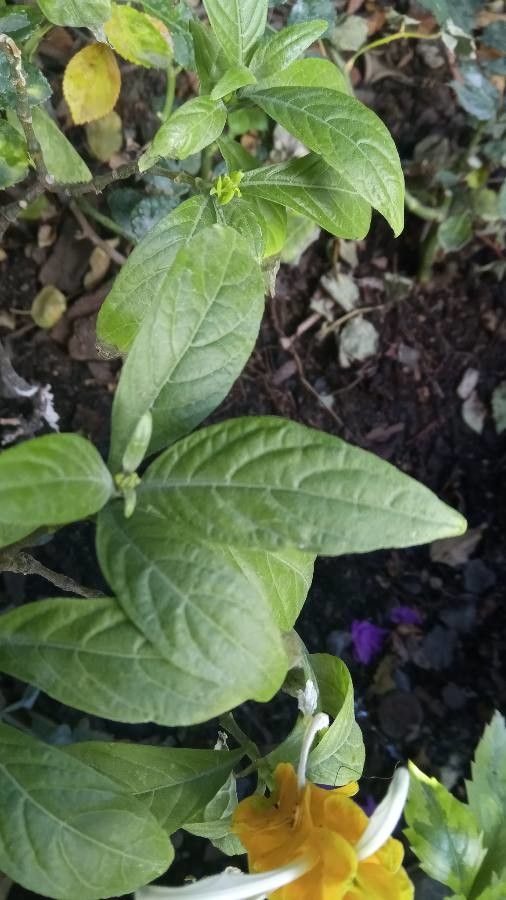
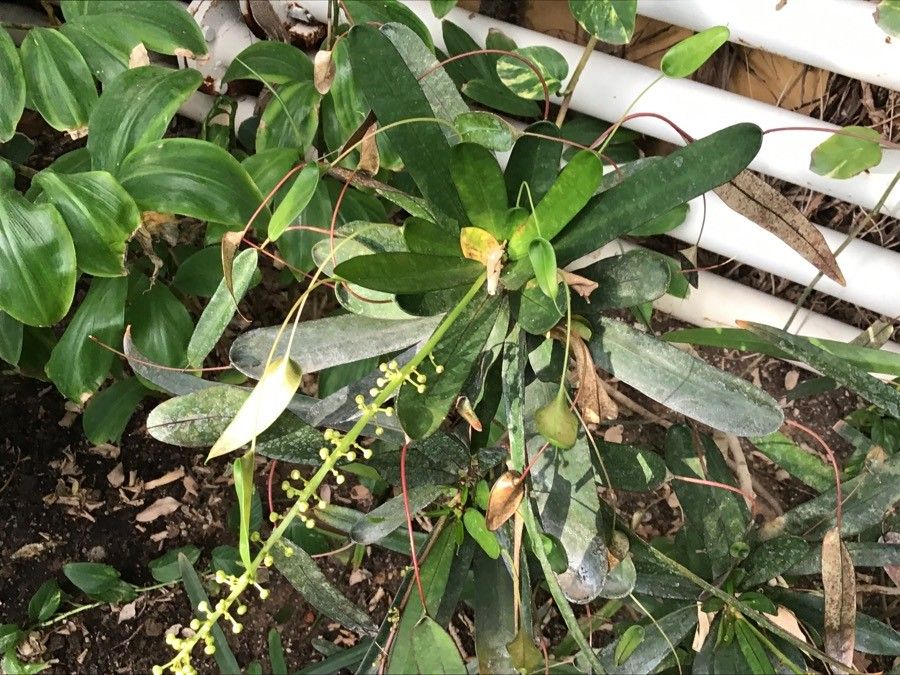
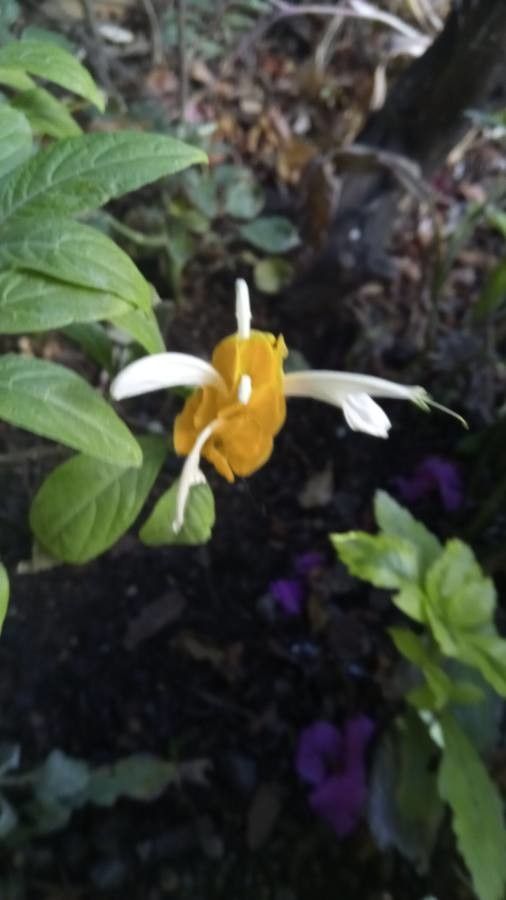
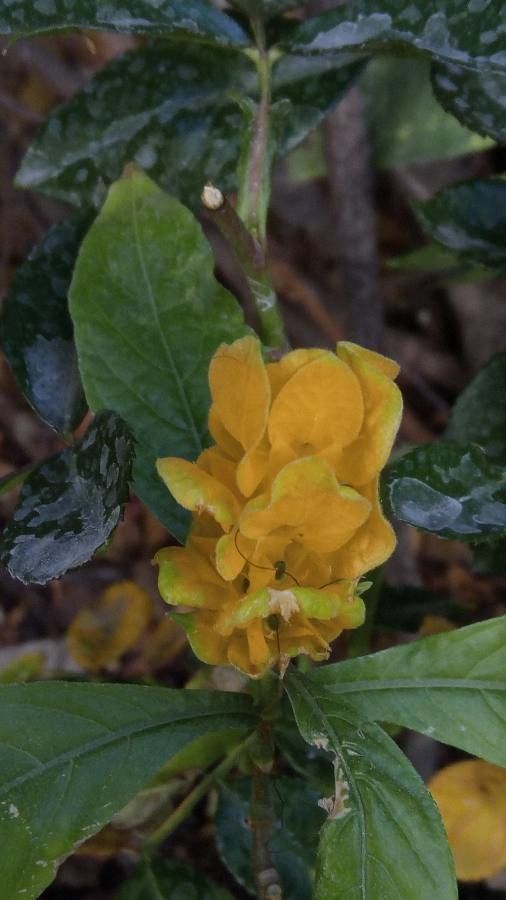
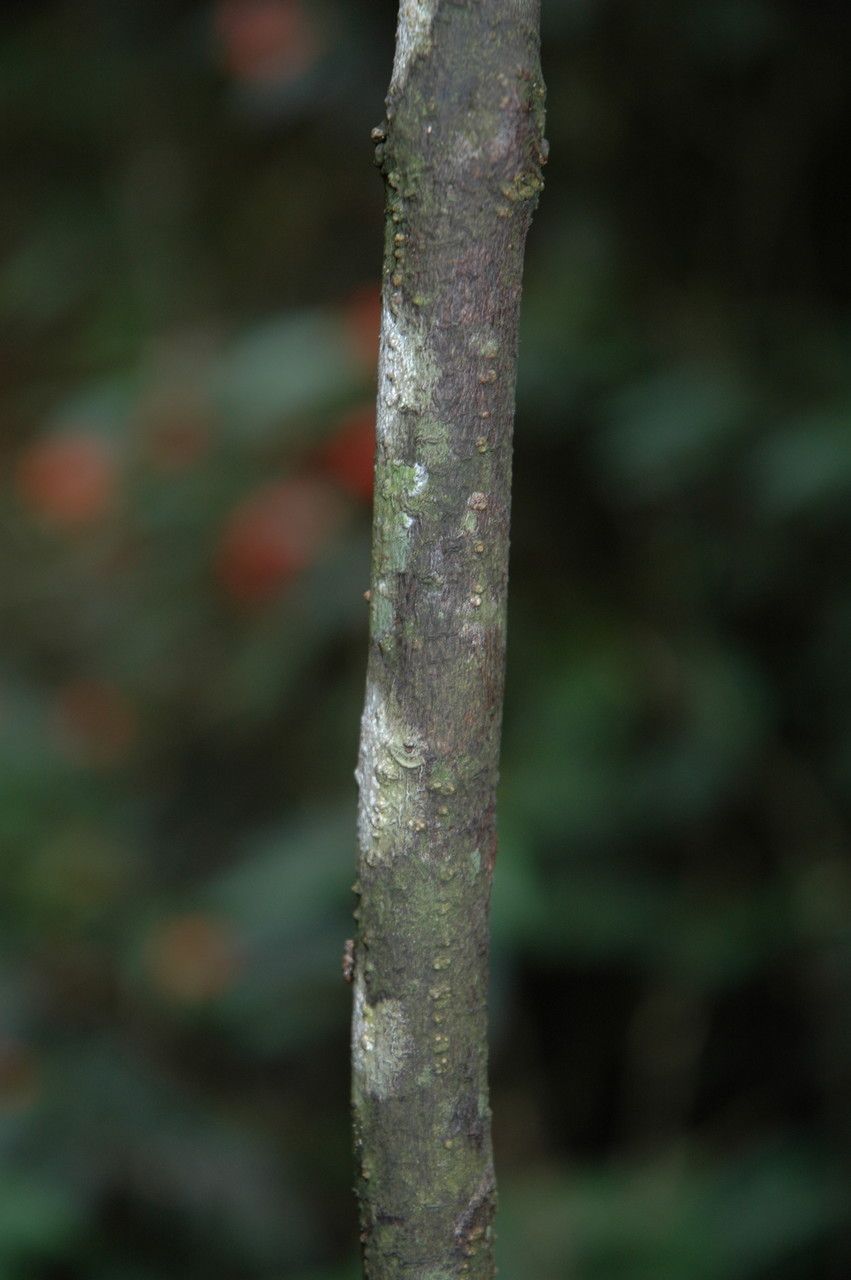
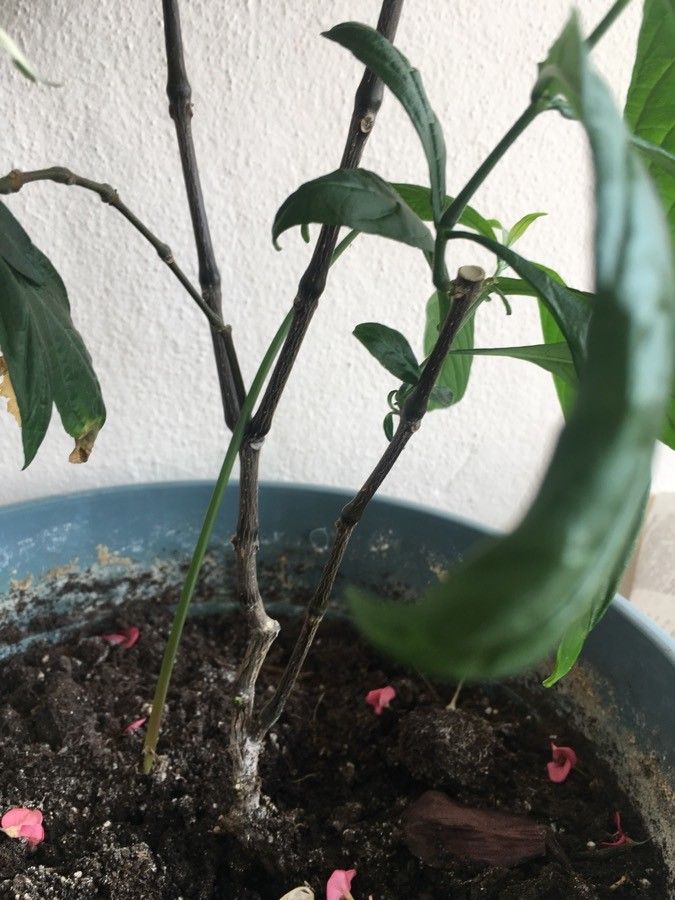
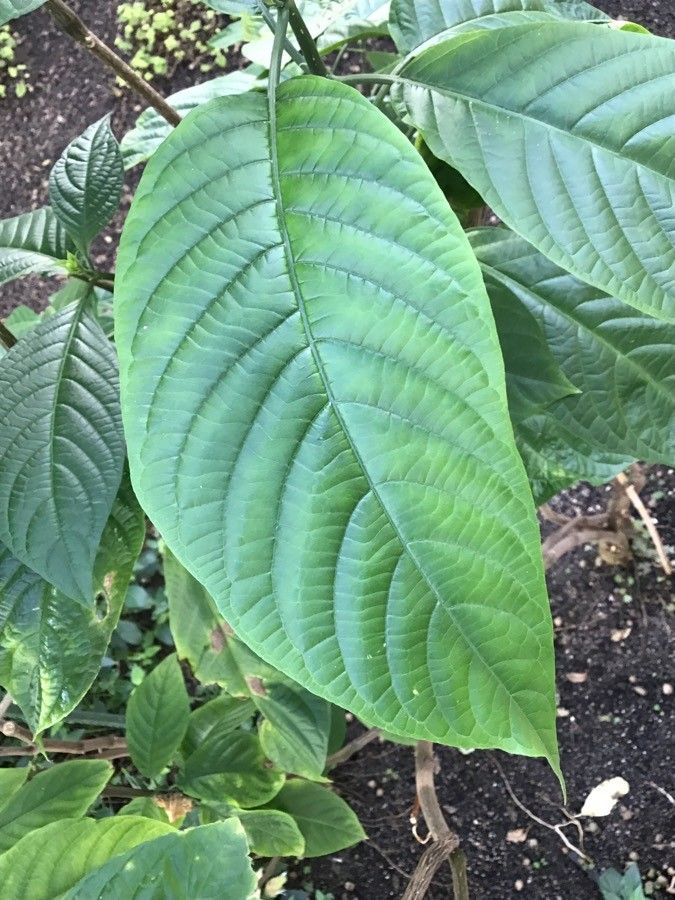
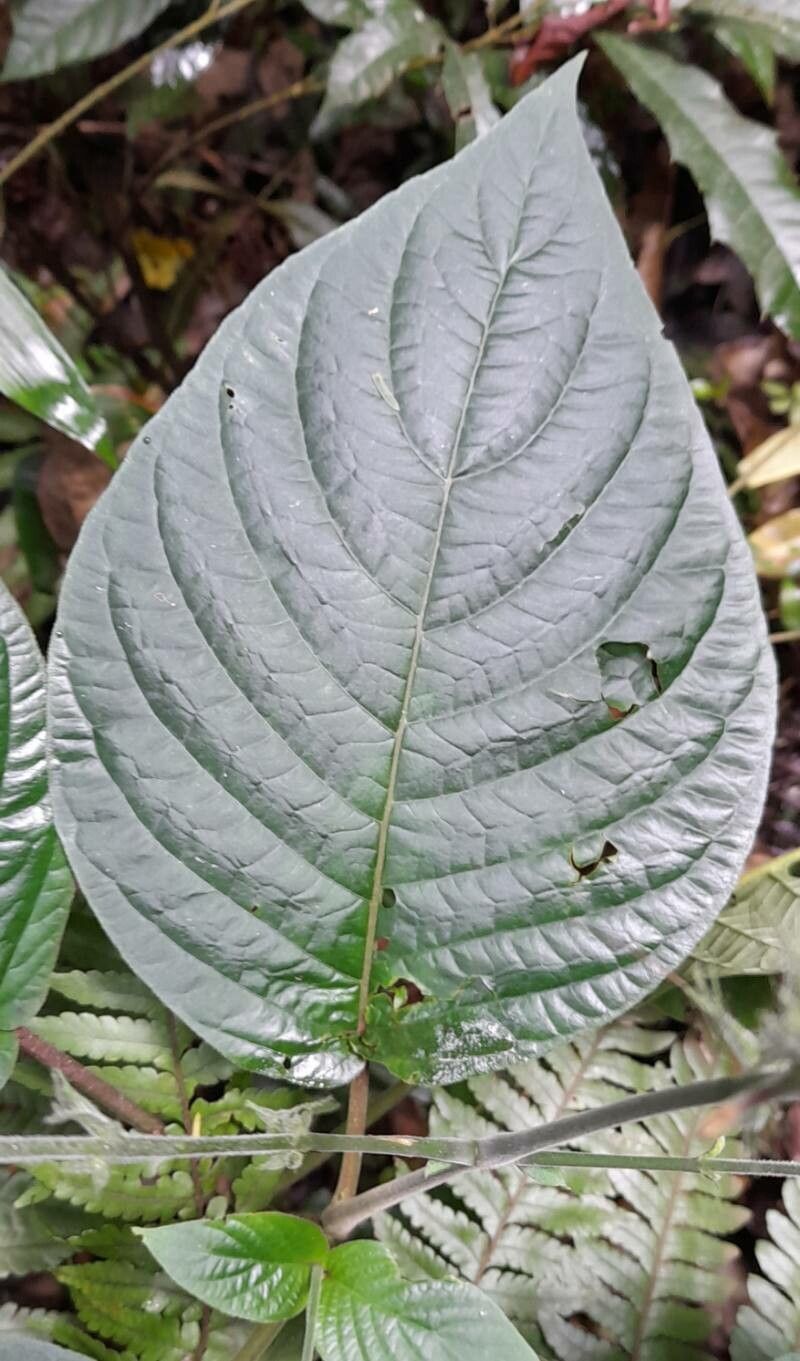
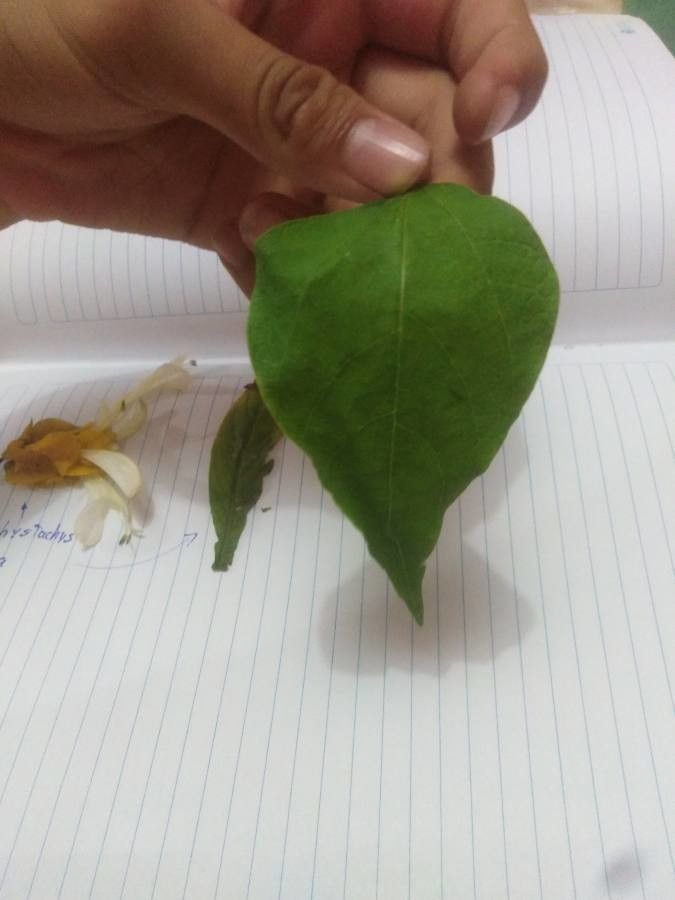
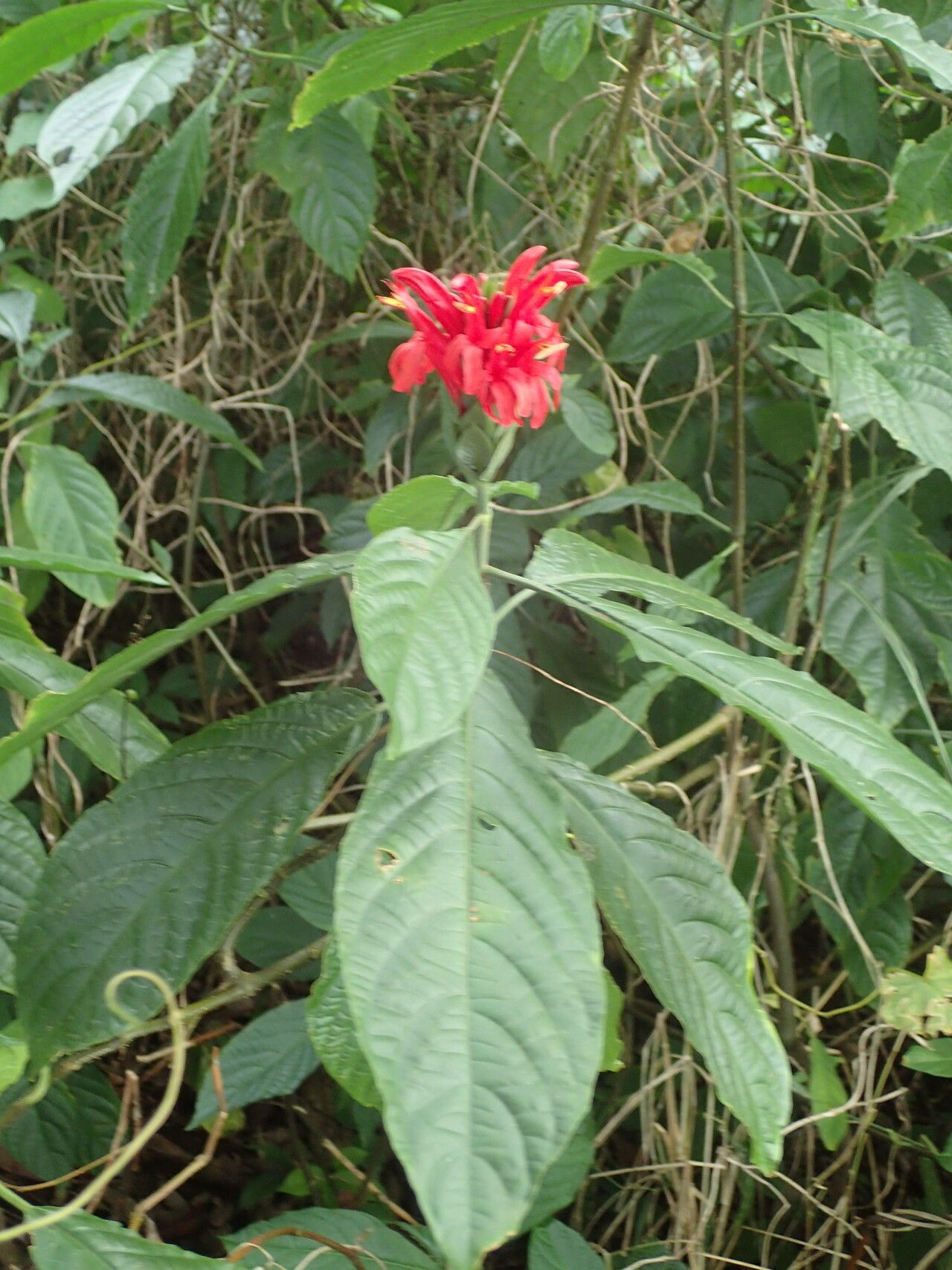
Pachystachys lutea, commonly known as the Lollipop Plant or Golden Shrimp Plant, is a tropical perennial native to Central and South America. Belonging to the Acanthaceae family, this plant is renowned for its striking golden-yellow bracts that resemble shrimp. It can grow up to 3-4 feet tall and features dark green leaves measuring 4-6 inches in length. The flowers bloom in summer and fall, attracting hummingbirds with their nectar-rich blossoms.
Pachystachys lutea prefers bright, indirect light but can tolerate some shade. It thrives in well-draining soil and requires regular watering during the growing season, though it should be allowed to dry out slightly between waterings in the winter.
This plant is a popular choice for indoor gardening due to its low maintenance requirements and attractive appearance. It can also be grown outdoors in warm climates, either as a border plant or in containers.
Overall, Pachystachys lutea is an eye-catching tropical plant that adds color and interest wherever it is planted.
The golden shrimp plant has strong resistance to diseases and is generally unlikely to get sick. Still, it can be affected by pests and diseases found in its environment. These problems are typically mild. Regarding care, the plant demands a moderate amount of attention. It should be pruned on a regular basis to preserve a neat appearance and encourage healthy growth. Applying fertilizer can also support better flowering. The golden shrimp plant is suitable for anyone who has an outdoor area, such as a garden or patio, and does not need extensive care experience. If grown indoors, it may need a higher level of care.
How to keep Pachystachys Lutea.
Light
The golden shrimp plant prefers spots that receive plenty of sunlight for most of the day. Strong light supports healthy growth. It can also tolerate areas where sun and shade alternate, demonstrating flexible light tolerance. Excessive or inadequate sunlight can negatively affect its health.
Water
The golden shrimp plant flourishes in conditions of high humidity, favoring consistent moisture while avoiding waterlogging. To keep it healthy, water the plant every 1 to 2 weeks and mist it regularly to replicate its tropical environment. This evergreen plant is usually grown indoors and is appreciated for its beautiful foliage and flowers.
Humidity
This plant will thrive in moderate humidity, which is probably the level in your home. However, misting it a few times a week can be very beneficial. Make sure the room has good ventilation.
Temperature
The golden shrimp plant is a tropical species from warm areas where temperatures typically range from 20 to 38 ℃ (68 to 100.4 ℉). It thrives in warm, humid conditions and may be harmed by temperatures under 10 ℃ (50 ℉). In winter, it's best to keep it in a protected spot or bring it indoors to preserve its preferred temperature range.
Fertilizer
The golden shrimp plant needs the most fertilizer during its active growth period, which takes place mainly in spring, summer, and early fall. Fertilizing supplies essential nutrients that the soil may lack, supporting healthy root and stem growth and enhancing the attractive foliage that is a defining feature of this plant.
Pruning
To care for a golden shrimp plant, start by pruning it in early to late spring. This encourages bushier growth and overall plant health. Be sure to remove any dead stems to improve air circulation. Regular pruning not only promotes blooming but also helps prevent pest problems, resulting in a vibrant and compact appearance.
Pot & Repot
When repotting a Golden shrimp plant, choose a pot 1-2 inches (2.5–5.1 cm) larger with good drainage. Use a well-draining potting mix. Repot in spring or fall, making sure the root ball is slightly lower than the rim of the flower pot. Water thoroughly after repotting and place the plant in a warm spot with indirect sunlight.
Toxicity
Lollipop plants are non-toxic houseplants for people and pets. It is safe to have around children, dogs, and cats.
Further reading →
The toxicity and danger assessments provided are for reference only. We do not assure their accuracy, so it's crucial not to depend on them. Seek professional advice when necessary for accurate guidance.
Botanical profile.
- Plant Type
- Herb, Shrub
- Life Cycle
- Perennial
- Genus
- Pachystachys
- Family
- Acanthaceae
- Hardiness Zone
- 10-12
- Mature Height
- 30 cm to 49 cm
- Mature Spread
- 30 cm to 46 cm
- Leaf Color
- Green
- Leaf Type
- Evergreen
- Flower Color
- Yellow, White
- Flower Size
- 2.54 cm
- Bloom Time
- All year round
- Planting Time
- Spring
- Harvest Time
- All year round
- Native Area
- Brazil, Peru
Other names.
Reader questions.
How should I water my Golden shrimp plant?
To ensure the health of your Golden shrimp plant, follow these watering tips. First, use filtered water at room temperature, as tap water may have harmful particles. The plant prefers warm water to avoid shocking its system. Secondly, avoid overhead watering, as it can cause issues with the foliage. Instead, thoroughly soak the soil with filtered room temperature water. This helps moisten the roots and aids in nutrient absorption.
Why is it important to add fertilizer to my Golden shrimp plant?
All plants need soil nutrients to grow, including the Golden shrimp plant. However, there is no guarantee that the soil your plants are growing in will have all the necessary nutrients. That's why fertilization and soil amendments are important. They ensure that your garden plants not only have the basic nutrients they need, but also the specific nutrients they require. This is especially important for the Golden shrimp plant, as it needs fertilizer to support healthy root and stem development throughout the growing season. Fertilization also helps the plant produce fantastic leaves, which are its main decorative feature.
What are the sunlight requirements for a Golden Shrimp Plant?
The Golden Shrimp Plant thrives in locations that receive a generous amount of sunlight throughout the day. It fares well in both full sun, which means it should receive more than 6 hours of sunlight daily, and partial sun, about 3-6 hours of sunlight. It's a plant that showcases its adaptability to varying light conditions, flourishing in areas where it can bask in the sun's rays for an extended period, yet also capable of growing in spaces where sunlight and shade interplay. This versatility is crucial for its growth and health, as both excessive and insufficient sunlight can be detrimental.
What is the ideal temperature range for a Golden shrimp plant?
The ideal temperature range for a Golden shrimp plant is between 20°C to 38°C (68°F to 100.4°F). This tropical plant thrives in warm, humid environments and can suffer in temperatures below 10°C (50°F). It is crucial to protect it from cold by either placing it in a sheltered area or bringing it indoors during winter to maintain its preferred temperature conditions. The plant is very sensitive to the cold, and temperatures approaching 5°C are particularly harmful. Keeping the plant above 20°C during the winter months is beneficial for its growth.
What should I do if I give my Golden shrimp plant too much water or too little water?
Overwatering is a more common issue than underwatering for the health of your Golden shrimp plant. When it receives too much water, the stems and leaves may wilt and turn yellow. Overwatering can also lead to diseases like root rot, mold, and mildew, which can kill your plant. Underwatering is less common, but can still happen. In this case, the leaves will become brittle and brown. It's important to notice the signs of overwatering early, as some of the diseases may not be fixable if you wait too long. Reduce your watering schedule immediately if you see signs of overwatering, and consider replacing the soil if it drains poorly. If your plant is not getting enough water, simply increase your watering frequency until the signs improve.
When should I put fertilizer on my Golden shrimp plant?
The Golden shrimp plant needs the most fertilizer when it's actively growing, which is usually in spring, summer, and early fall. During these months, you should feed the plant regularly, about once every two to four weeks. As winter approaches, you can start reducing the amount of fertilizer gradually until you stop completely. This is because the plant's growth slows down during winter.
What artificial lighting requirements do indoor Golden Shrimp Plants have?
Indoor Golden Shrimp Plants require adequate lighting to ensure optimal growth, especially in scenarios where natural sunlight is scarce, such as during winter or in less sunny spaces within a home. Artificial lighting becomes an essential solution in these instances, facilitating healthier and more robust growth. The key considerations for using artificial light include choosing the right type, like LED lights that can offer specific wavelengths needed by the plant, determining the correct distance of 12-36 inches above the plant to replicate natural sunlight, and setting the duration to mimic the natural daylight hours, typically 8-12 hours per day. For full sun plants, aim for 30-50W/sq ft, for partial sun plants 20-30W/sq ft, and for full shade plants 10-20W/sq ft of artificial light.
How should I care for my Golden shrimp plant during colder months?
During the colder months, it's important to protect your Golden shrimp plant from low temperatures by bringing it indoors and placing it near a bright window to ensure it receives enough light. However, be mindful to keep it at a distance from heaters to prevent the air around it from becoming too dry. Maintaining temperatures above 20°C (68°F) during winter helps in promoting plant growth. If your Golden shrimp plant has been exposed to frost or temperatures below it's preferred range, trim off the frost-damaged parts and move the plant to a warm environment indoors for cold protection.
How much should I water my Golden shrimp plant?
If your Golden shrimp plant is in a pot, the best way to know if it needs water is to check the soil by sticking your finger in it. If the top two to three inches of soil feel dry, then you should water it. If you have the plant planted outside in the ground, you can use the same method to test the soil. Once the top few inches have dried out, it's time to water. Typically, you would need to water this plant approximately once a week during spring and early fall. However, during extremely hot weather, you may need to increase watering to about two or more times a week. It's important to note that mature Golden shrimp plants are quite resilient and can tolerate dry conditions well.
When should I not put fertilizer on my Golden shrimp plant?
For most of the year, including spring, summer, and most of the fall, it's important to consistently feed your Golden shrimp plant. The only exception to this is if you've given it too much fertilizer or fertilized it incorrectly, which can cause fertilizer burn or other issues that you'll need to address before resuming regular feeding. The only time you should avoid fertilizing a Golden shrimp plant is during winter. If you're growing this plant indoors in a region with cold winters, it will go dormant during this time. Feeding the plant during its dormant phase is not necessary or beneficial for its growth and can likely result in fertilizer burn.
What are the symptoms of inadequate lighting in Golden Shrimp Plants?
Golden Shrimp Plants may display several symptoms when subjected to inadequate lighting, indicating a need for a brighter environment. These symptoms include smaller new leaves, leggy or sparse growth as the plant stretches out towards the light, leading to a weak, thin appearance, faster leaf drop as the plant attempts to conserve resources, delayed or halted growth, pale new leaves due to insufficient chlorophyll, and conditions like chlorosis where leaves turn yellow, sunscald causing damage to leaves and stems, leaf curling as a defense mechanism against excessive sunlight, wilting due to high transpiration rates, and leaf scorching highlighted by brown, dry edges on leaves.
What should I do if my Golden shrimp plant is exposed to temperatures below its preferred range?
If your Golden shrimp plant is exposed to temperatures below its preferred range, particularly below 1°C where the leaves may lighten in color and subsequent frost damage could cause them to turn brown or black and show signs of wilting and drooping, you should immediately trim off the frost-damaged parts. After trimming, move the plant indoors to a warmer environment for protection against the cold. Placing it near a south-facing window can ensure it receives ample sunlight, but remember to keep it away from direct heat sources like heaters or air conditioning vents to avoid excessively dry air.