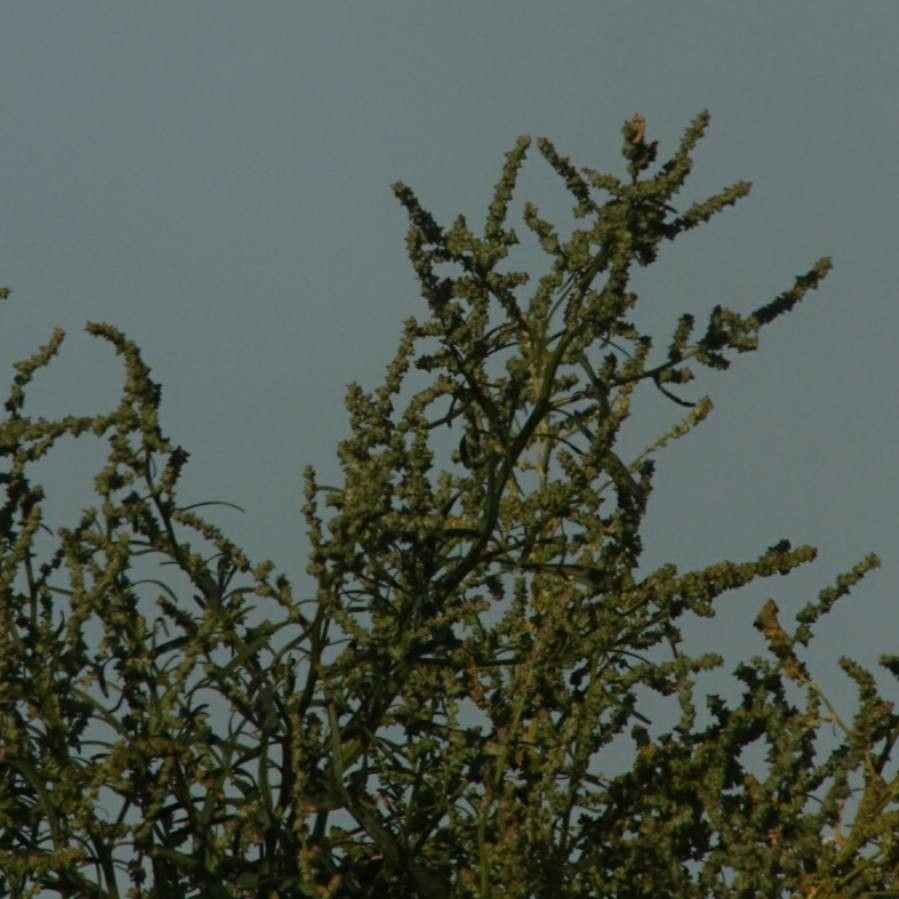
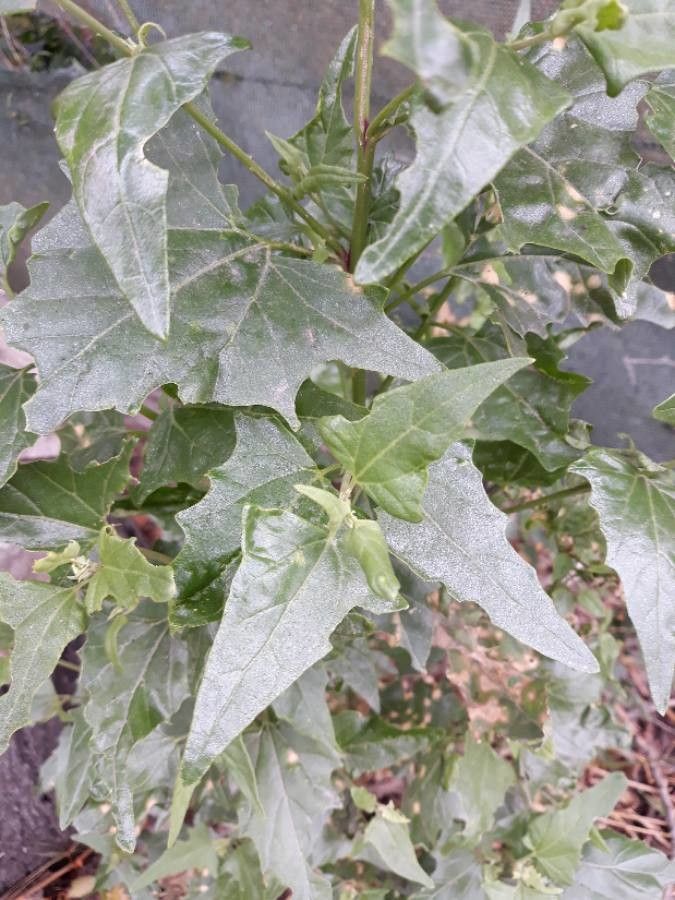
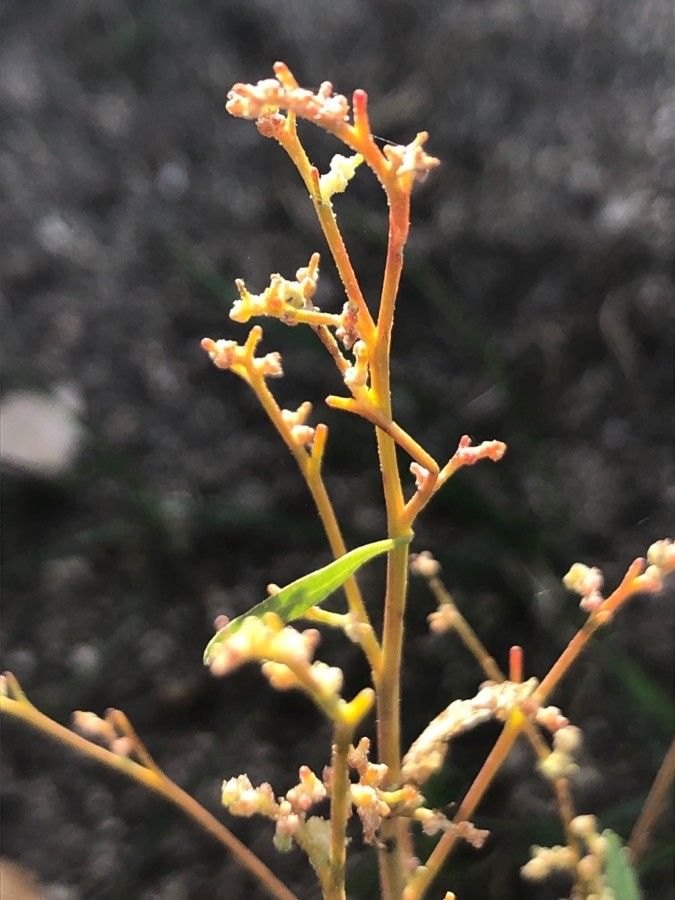
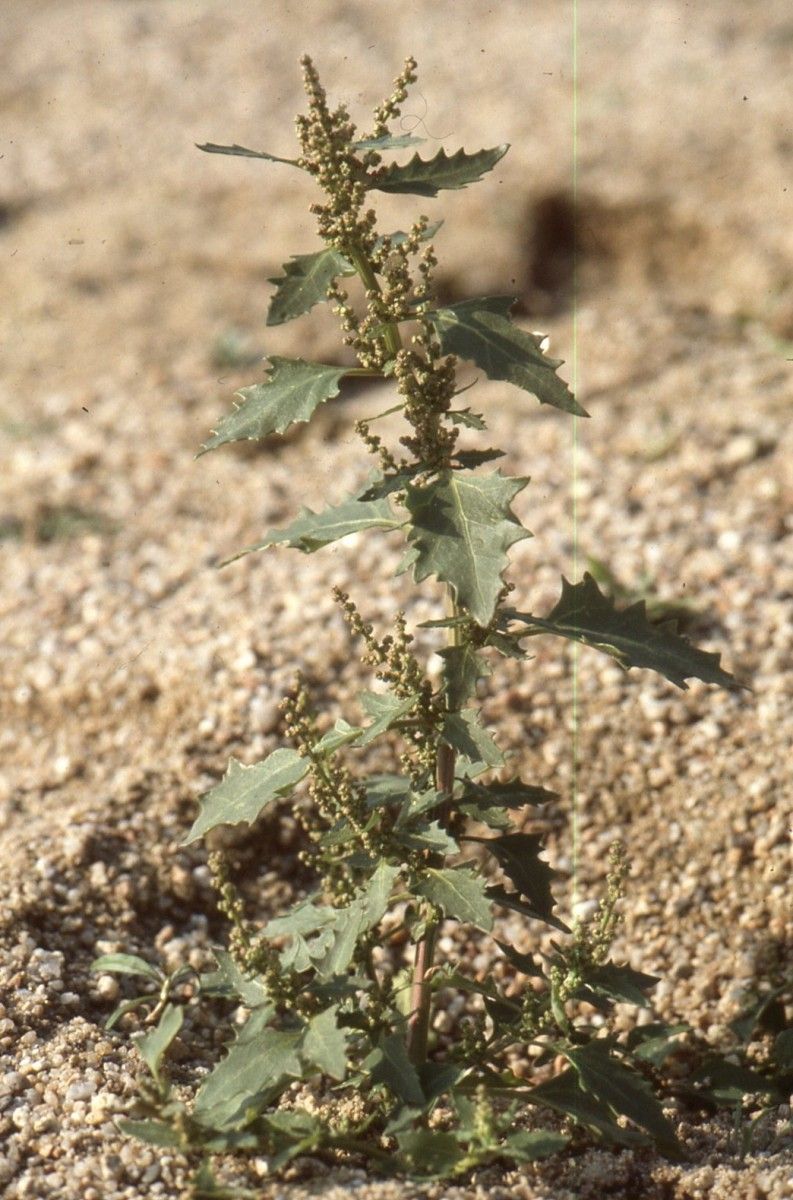
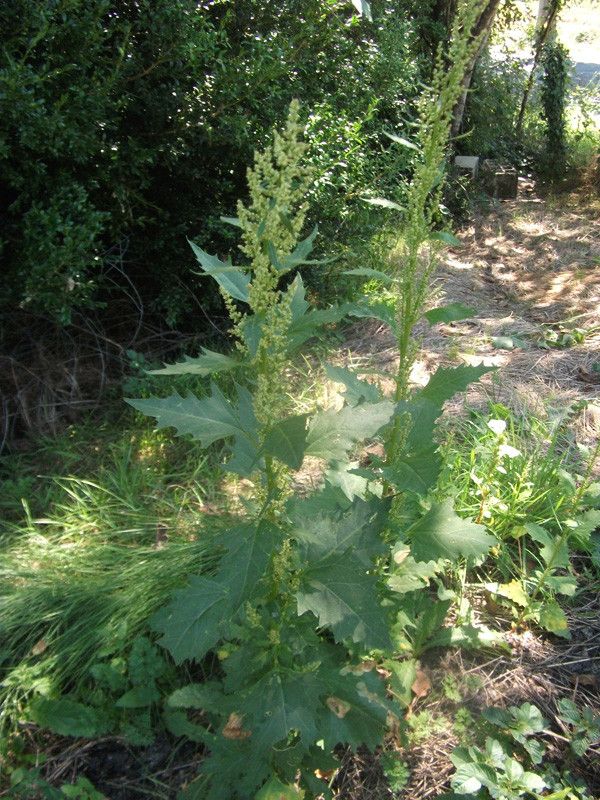
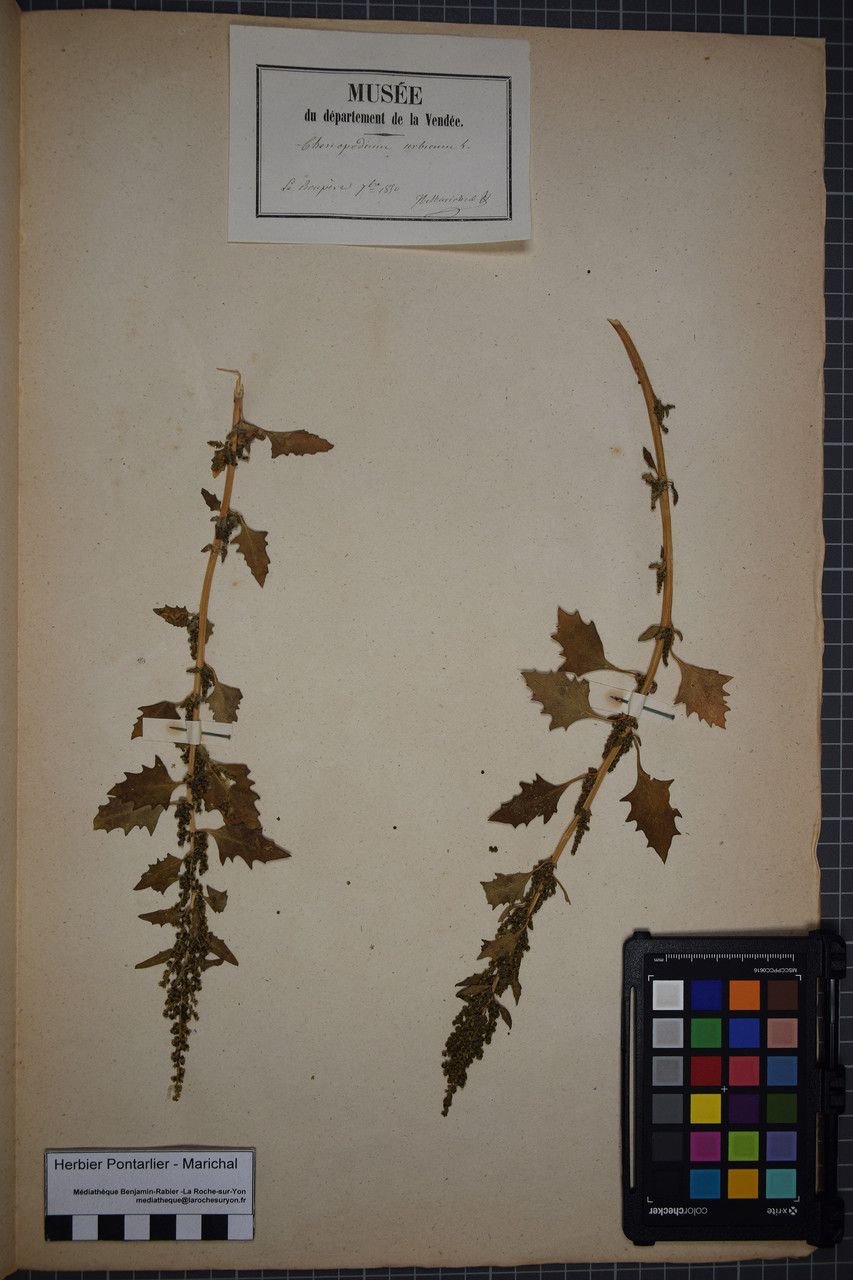
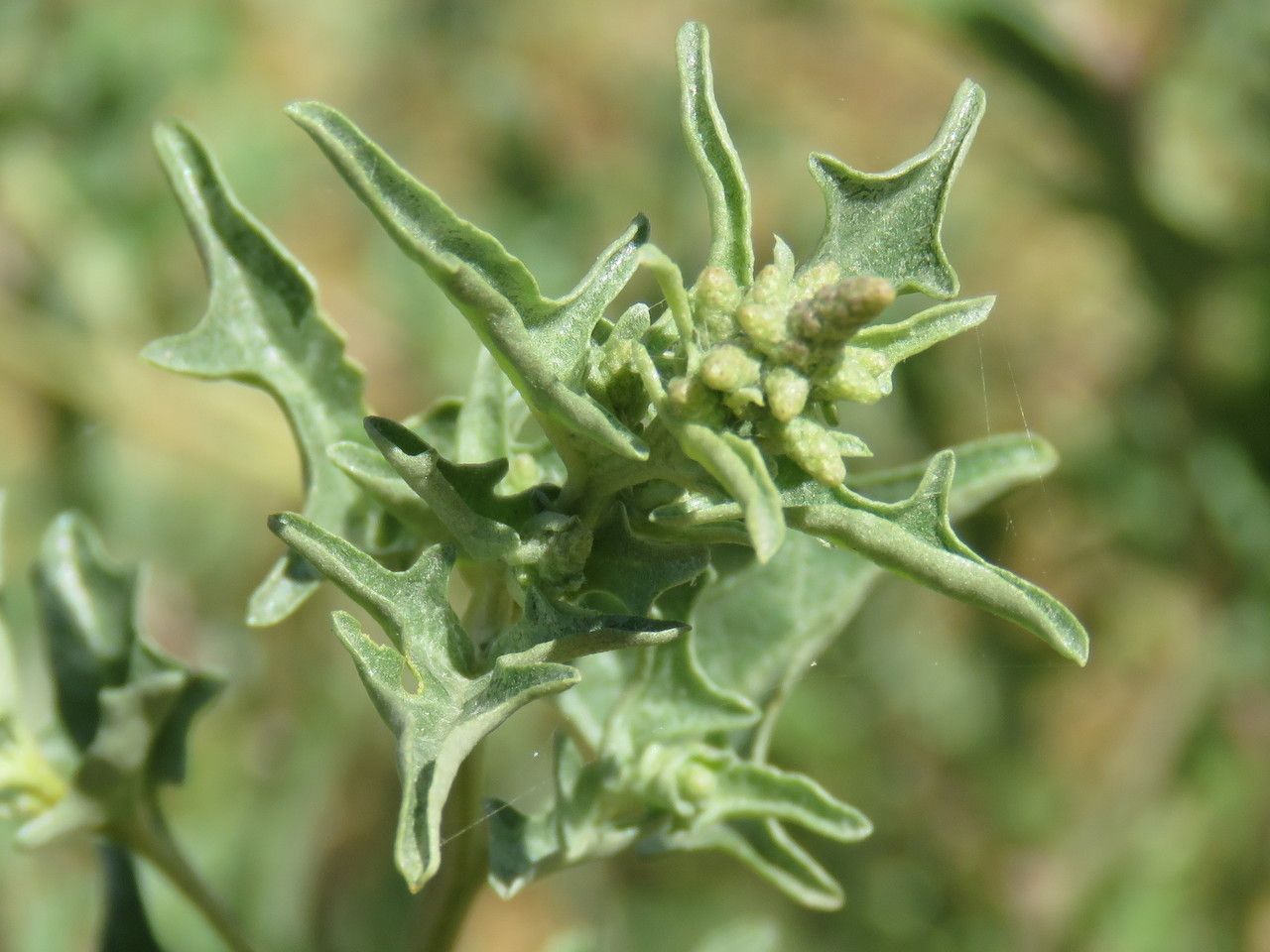
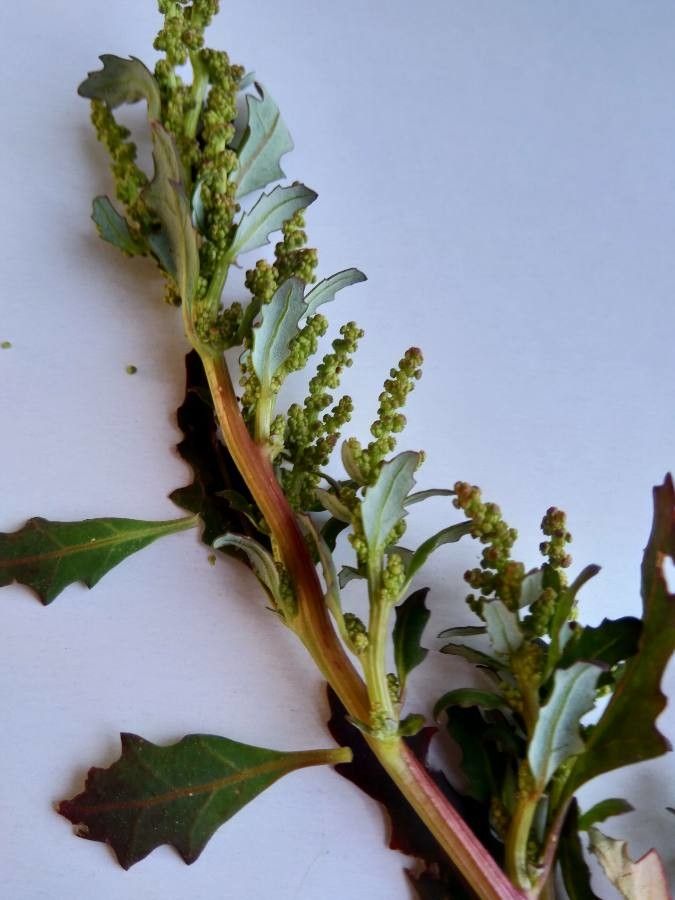
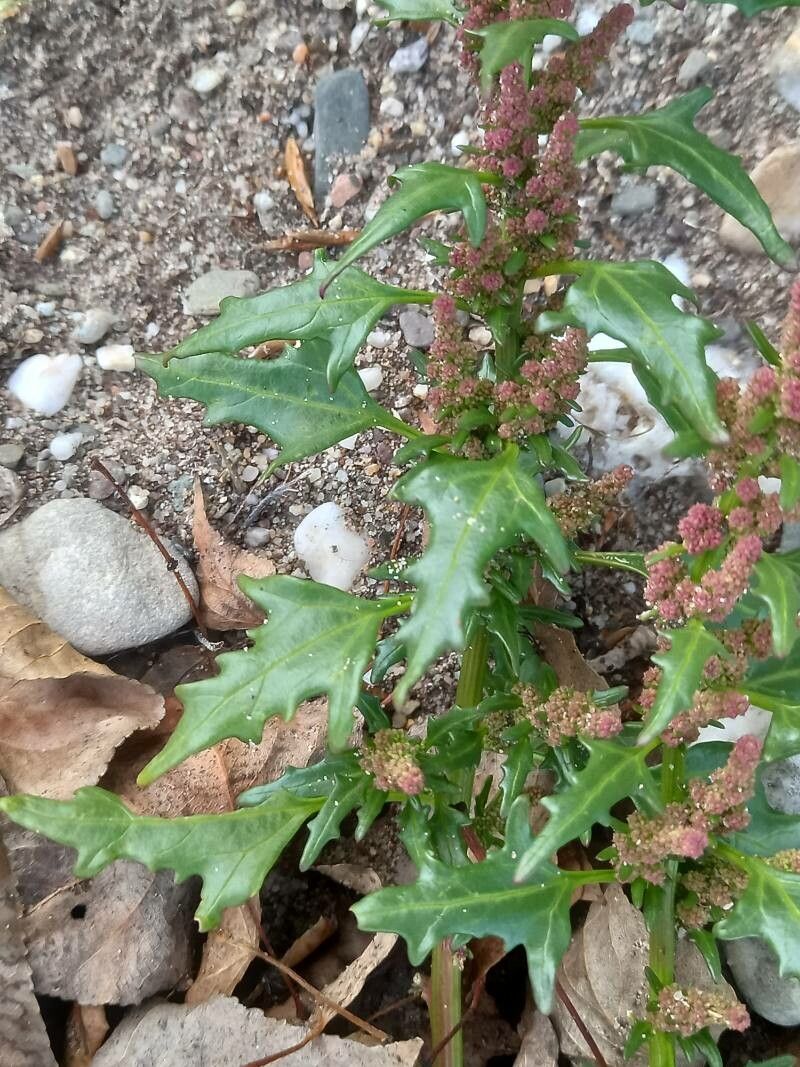
Oxybasis urbica is a species of flowering plant belonging to the family Amaranthaceae.Its native range is Europe to Russian Far East and Northern China.
City goosefoot is fairly disease-resistant and is generally unlikely to suffer from illnesses. However, it can be affected by pests and diseases present in its environment. Such infections are typically mild. Regarding care, the plant needs moderate maintenance. Regular pruning is necessary to keep it looking tidy and to encourage healthy growth. Applying fertilizer can also encourage flowering. City goosefoot is suitable for people who have outdoor areas like a garden or patio and does not demand extensive gardening experience. It may need additional attention if cultivated indoors.
How to keep Oxybasis Urbica.
Light
City goosefoot is a plant that stems from well-lit, exposed environments and it flourishes when exposed to direct sunlight. While it can survive in semi-shade, it achieves the best growth under the full sun. This sun-admiring plant is acknowledged as a biannual and annual species.
Water
City goosefoot flourishes in urban environments where moisture levels vary. It prefers moderate hydration, so watering it once a week is ideal to maintain its health. This schedule strikes a balance between its drought resistance and need for some wetness. If you're growing it outdoors, be sure to take local rainfall patterns into account when planning your watering routine to ensure effective irrigation.
Temperature
City goosefoot has the capacity to adjust to various temperature circumstances, although its dissemination might still be restricted by diverse combinations of hydration and thermal conditions. Its optimum growth is observed in hot climates during the summer with sufficient water or watering supply. Extended durations of overcast and rainy conditions, along with sustained high temperatures, enhance the chances of City goosefoot's death. Providing adequate protection against cold during winter can enhance the plant's chances of surviving.
Fertilizer
Regular, mild applications of fertilizer can aid in encouraging robust leaf development in City goosefoot. It's advisable to fertilize City goosefoot around once every month over the summer period. Nitrogen plays a vital role in leaf health, and using nitrogen-rich supplements can support the wellbeing of City goosefoot.
Pruning
City goosefoot is a plant with dense foliage that requires regular maintenance. To keep it healthy and well-shaped, prune it from early to late spring. Begin by removing any dead branches, as this improves air circulation and light penetration, which helps reduce the risk of disease. Always use clean, sharp tools for pruning and be careful to avoid excessive cutting to minimize stress on the plant.
Botanical profile.
- Plant Type
- Herb
- Life Cycle
- Annual, Biennial
- Genus
- Oxybasis
- Family
- Amaranthaceae
- Hardiness Zone
- 4-9
- Mature Height
- 5 cm to 61 cm
- Mature Spread
- 20 cm to 40 cm
- Leaf Color
- Dark Green, Green
- Leaf Type
- Semi-evergreen
- Flower Color
- Yellow, Green
- Flower Size
- 0.10 cm to 0.20 cm
- Bloom Time
- Summer
- Planting Time
- Spring, Summer, Autumn
- Harvest Time
- Late summer, Early fall, Mid fall
- Native Area
- Turkey, Sweden, Austria, Slovakia, Slovenia, Croatia, Belarus, Russia, Iraq, Germany, Estonia, Romania, Latvia, Belgium, Portugal, France, Tajikistan, Czech Republic, Cyprus, Bulgaria, Poland, Armenia, Greece, Ukraine, Lebanon, China, Lithuania, Norway, Afghanistan, Kyrgyzstan, Kazakhstan, Italy, Spain, Switzerland, Denmark, Mongolia, Finland, Iran, Albania, Azerbaijan, United Kingdom, Hungary
Other names.