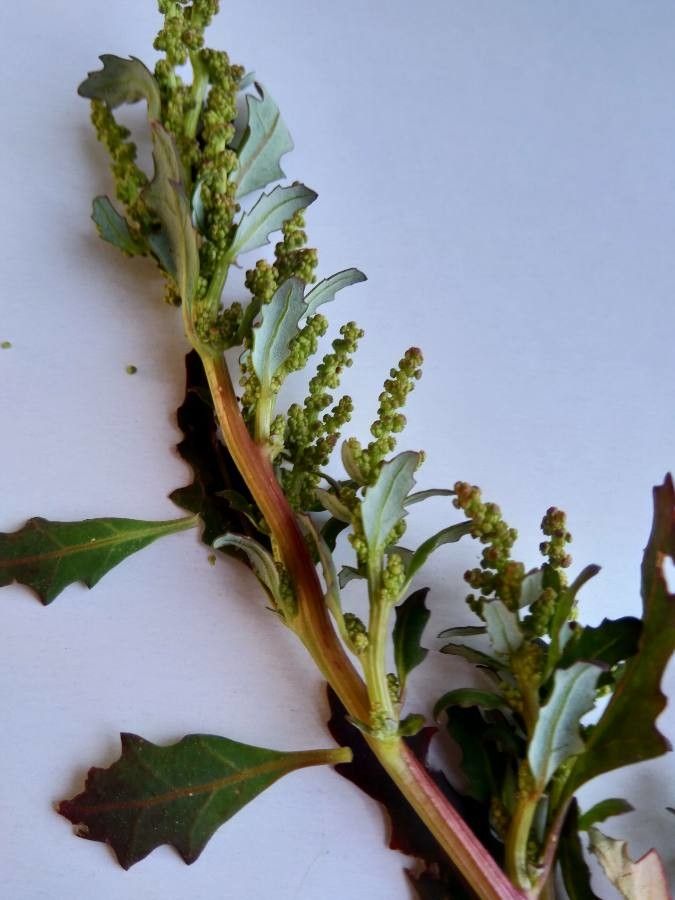
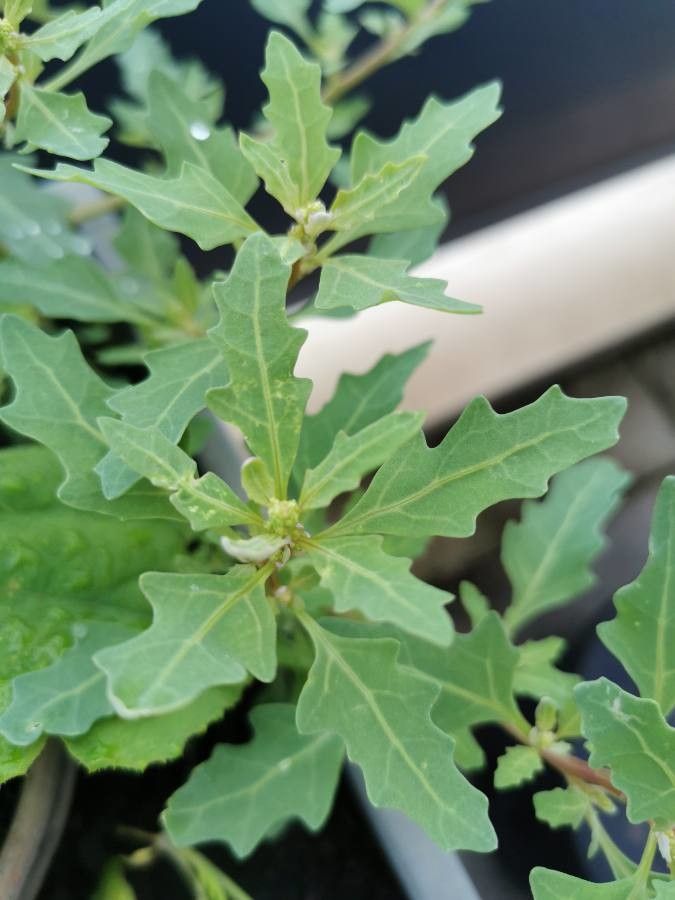
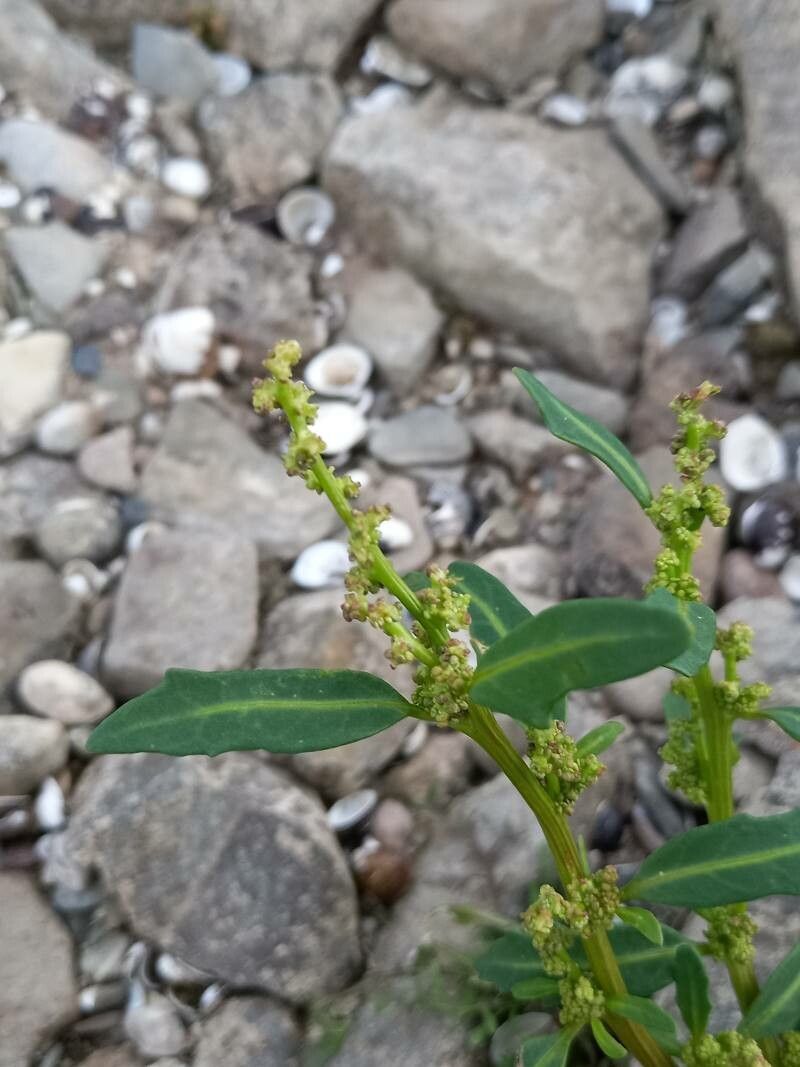
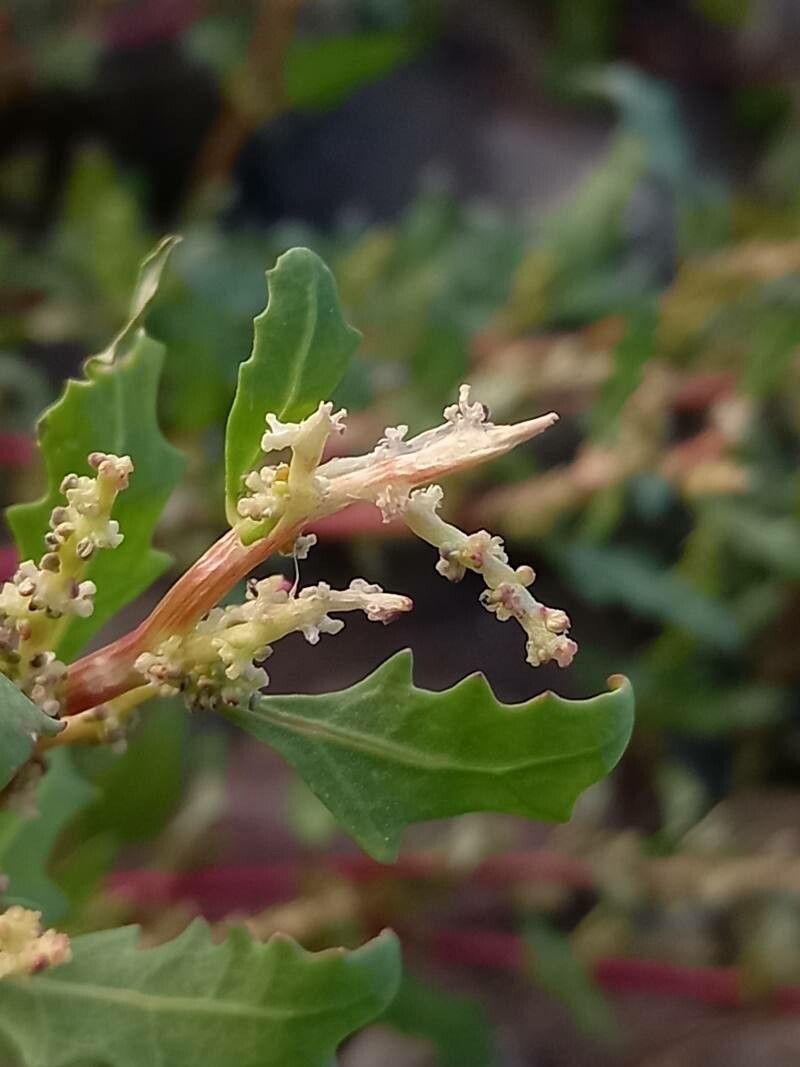
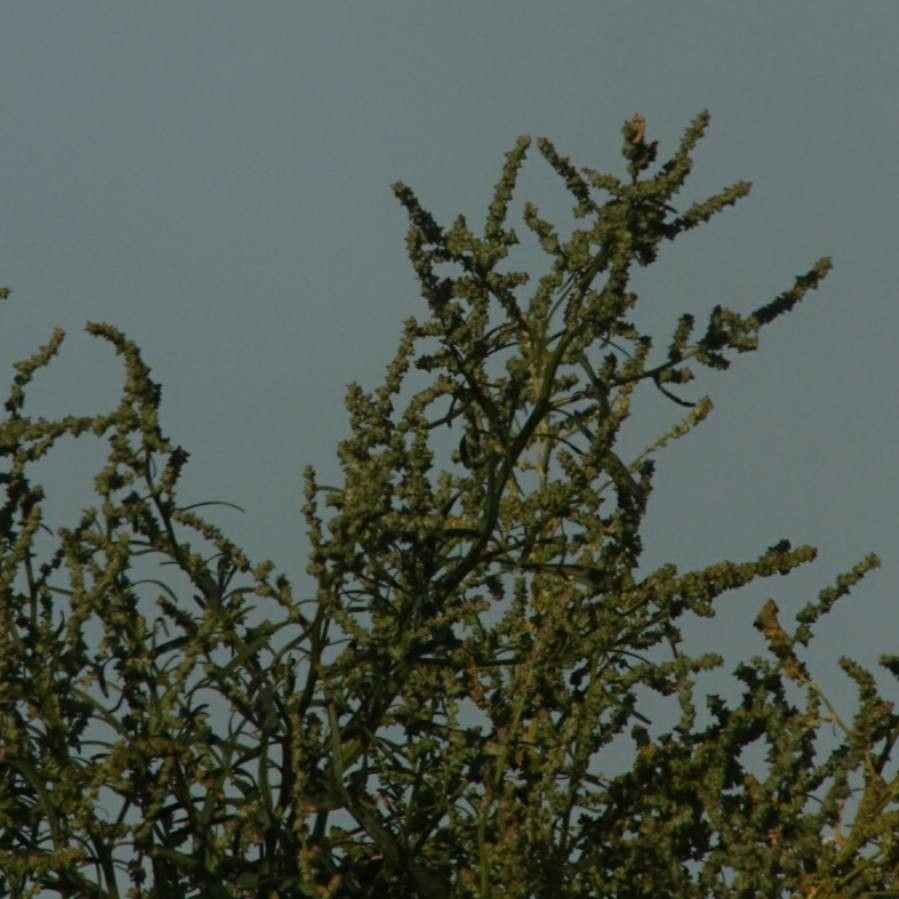
Oxybasis glauca, commonly known as blue pigweed or glaucous pigweed, is a herbaceous annual plant belonging to the Amaranthaceae family. Native to North America, this plant is often found in various habitats such as fields, roadsides, and disturbed areas.
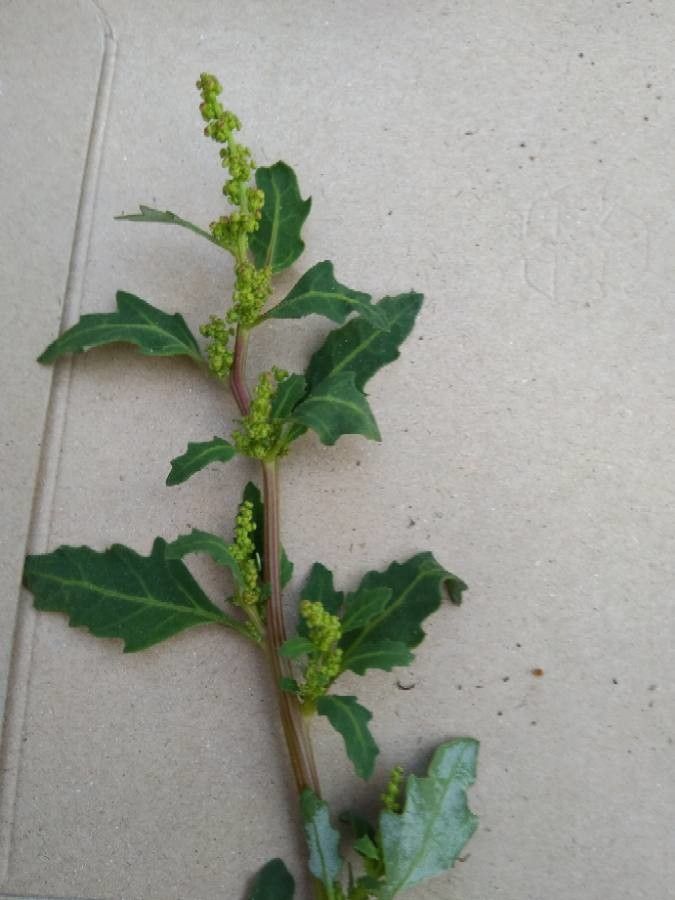
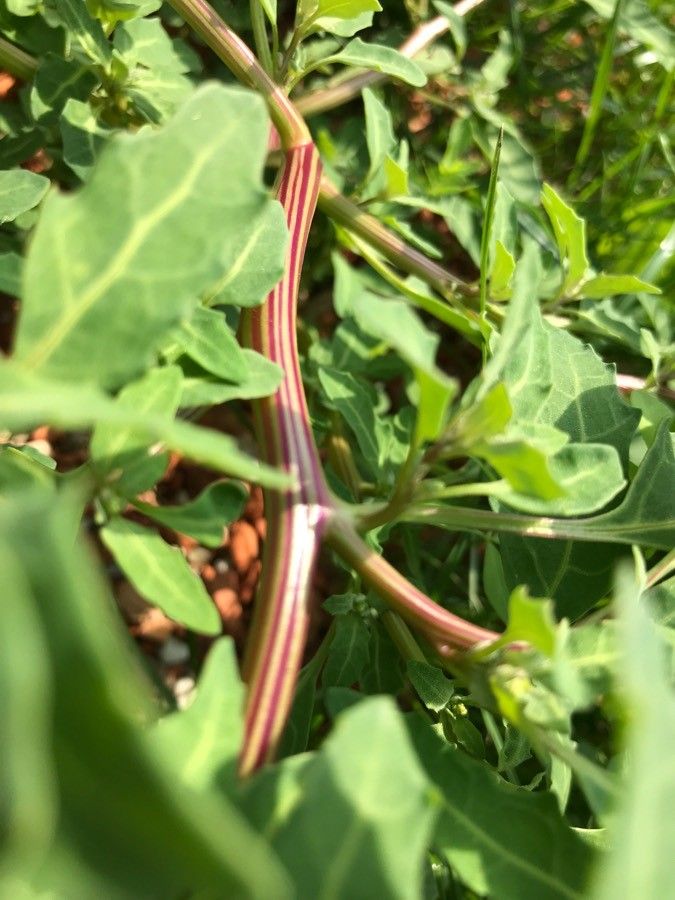
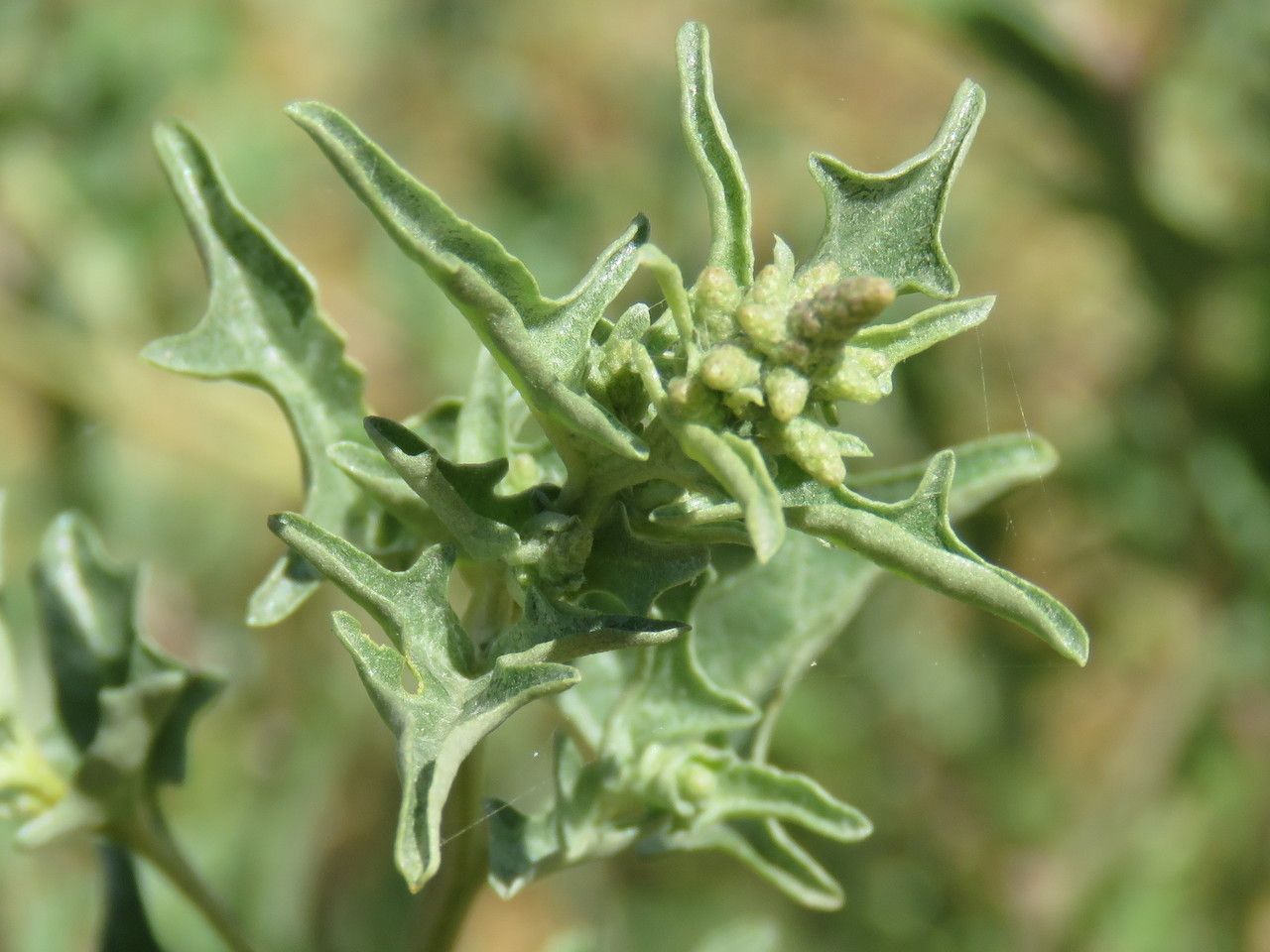
The plant can grow up to 1 meter tall and features branching stems with greenish-blue leaves. These leaves are oval or lance-shaped with pointed tips, and they possess a slightly fuzzy texture due to the fine hairs covering them.
From mid-summer through fall, Oxybasis glauca produces small greenish flowers that grow in clusters at the top of the stems. These flowers are followed by small seeds enclosed in papery capsules.
Historically, Native Americans have utilized Oxybasis glauca for medicinal purposes, using it to treat ailments such as fever, diarrhea, and skin irritations.
Although Oxybasis glauca is considered an invasive species in some areas due to its ability to quickly colonize disturbed habitats and outcompete native plants, it also serves as an important food source for wildlife, including birds and small mammals.
In summary, Oxybasis glauca is a plant with unique characteristics that can make it both beneficial and potentially harmful, depending on its location.
Oak-leaved goosefoot is fairly disease-resistant and generally does not readily suffer from illnesses. Nevertheless, it can be vulnerable to pests and diseases present in its surroundings. These problems are usually mild. For care, this plant needs moderate maintenance. It should be pruned regularly to keep a tidy appearance and encourage healthy growth. Fertilizing can also aid in promoting flowering. Oak-leaved goosefoot is well suited for anyone with outdoor space, such as a garden or patio, and does not require extensive experience in plant care. It may need more attention when kept indoors.
How to keep Oxybasis Glauca.
Light
Oak-leaved goosefoot comes from bright, open habitats and does best in full sun. It can tolerate partial sun but prefers direct sunlight for optimal growth. This plant, which may be annual or biennial, is known for its sun-loving nature.
Water
Oak-leaved goosefoot thrives in environments similar to its original moist to dry habitats. While it is somewhat drought-tolerant, it requires weekly watering to maintain optimal health. This is especially important during periods of active growth when transpiration and light exposure are increased.
Temperature
Oak-leaved goosefoot is native to temperate regions and does best in a moderate temperature range of 68 to 95 °F (20 to 35 ℃). Seasonal adjustments may be required to preserve optimal growing conditions.
Fertilizer
Oak-leaved goosefoot does well with regular, dilute fertilizer applications to encourage healthy leaf development. Fertilize Oak-leaved goosefoot about once a month during the summer. Nitrogen is important for foliage, and providing nitrogen-rich sources helps Oak-leaved goosefoot thrive.
Pruning
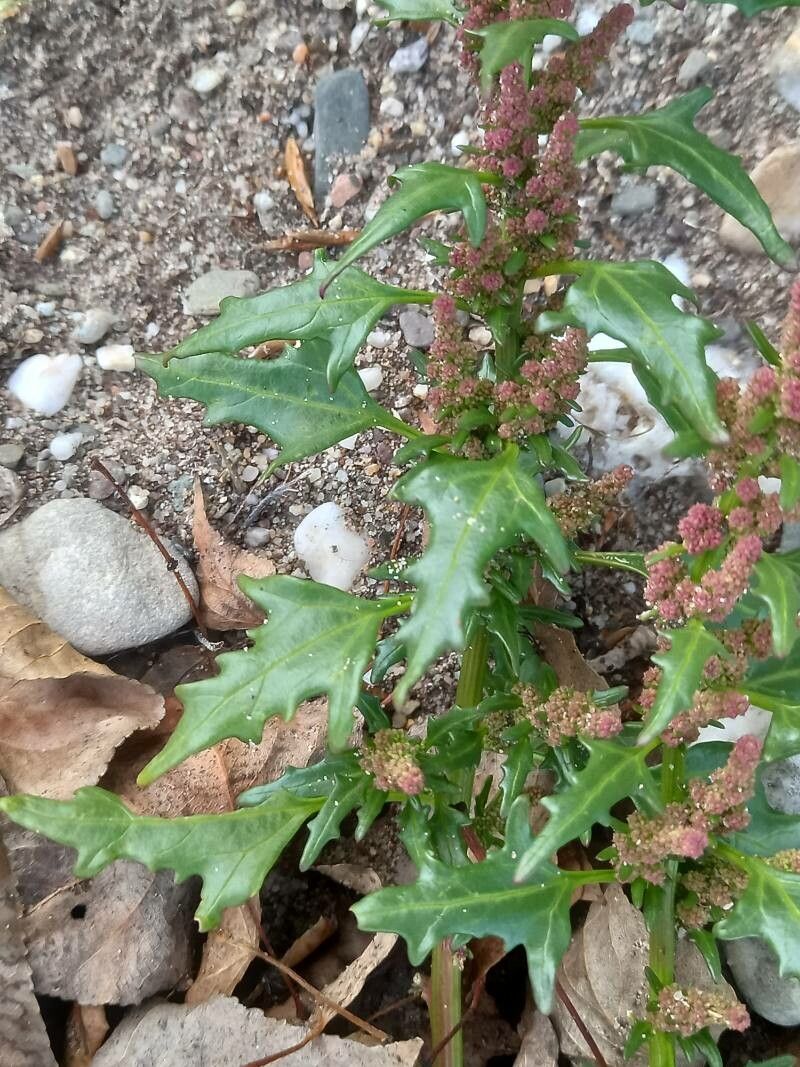
Oak-leaved goosefoot has distinctive oak-shaped leaves and grows best with careful pruning between early and late spring. To promote healthy growth and prevent diseases, remove any dead foliage and thin out overcrowded areas. This will enhance air circulation and ensure the plant thrives. Additionally, managing the plant’s shape through pruning can improve the overall aesthetics of your garden.
Botanical profile.
- Plant Type
- Herb
- Life Cycle
- Annual
- Genus
- Oxybasis
- Family
- Amaranthaceae
- Hardiness Zone
- 6
- Mature Height
- 6 cm to 40 cm
- Mature Spread
- 20 cm to 49 cm
- Leaf Color
- Green Yellow, Pale Green
- Leaf Type
- Deciduous
- Flower Color
- Yellow, Green, Red, Brown
- Flower Size
- 0.10 cm
- Bloom Time
- Summer
- Planting Time
- Spring, Summer
- Harvest Time
- Late summer, Early fall, Mid fall
- Native Area
- Egypt, Turkey, Sweden, India, Austria, Slovakia, Montenegro, Pakistan, Slovenia, Croatia, Belarus, Uzbekistan, Russia, Germany, Estonia, Romania, Latvia, Belgium, Portugal, Nepal, Saudi Arabia, Netherlands, France, Tajikistan, Czech Republic, Bulgaria, Armenia, Poland, Greece, Ukraine, New Zealand, Serbia, China, Lithuania, Norway, Afghanistan, Kyrgyzstan, Kazakhstan, Italy, Spain, Switzerland, Denmark, Japan, Mongolia, Finland, Iran, Albania, Azerbaijan, United Kingdom, Hungary, Kuwait, Turkmenistan
Other names.
Reader questions.
How should I water my Oak-leaved goosefoot plant?
To water Oak-leaved goosefoot, you have multiple options. You can use a garden hose with a spray nozzle, a watering can, or any other common watering tool. Thankfully, Oak-leaved goosefoot is not very particular about its water source. It can survive on rainwater, tap water, or filtered water. However, it is generally not recommended to water this plant from above, as it can harm the leaves and flowers and potentially cause disease. Instead, a drip irrigation system is often the best method for watering Oak-leaved goosefoot. These systems distribute water evenly and directly to the soil. If you have a container-grown Oak-leaved goosefoot, the watering process is similar but with different tools. You can use a cup, watering can, or tap to water directly into the soil.
What is the native climate for Oak-leaved goosefoot?
Oak-leaved goosefoot, scientifically known as Oxybasis glauca, thrives in temperate climates. It prefers a moderate temperature range, typically between 68 to 95 °F (20 to 35 °C). To ensure the plant's optimal growth, seasonal adjustments might be needed to keep the conditions within this preferred temperature range.
If I give my Oak-leaved goosefoot too much or too little water, what should I do?
To prevent underwatering your Oak-leaved goosefoot, make sure to water it regularly when you notice the lack of moisture. On the other hand, overwatering can be a serious issue that may lead to diseases and even death of the plant. To avoid this, choose a suitable location for your plant that receives ample sunlight to dry the soil and has good drainage to avoid water pooling. If your potted Oak-leaved goosefoot is overwatered, consider changing it to a pot with better drainage by using loose soil and an efficiently draining container.
Does Oak-leaved goosefoot need frost protection?
Oak-leaved goosefoot is remarkably cold-tolerant and doesn't require additional protection against frost in winter. Despite this cold tolerance, it's beneficial to water the plant generously before the first freeze of autumn. This practice ensures the soil is moist when it freezes, which helps prevent drought and water scarcity for the plant during the cold season and into early spring.
How much should I water my Oak-leaved goosefoot plant?
Oak-leaved goosefoot requires regular watering throughout its growing season. In the spring, water once a week, and as the season progresses and temperatures rise, increase the watering frequency to two to three times per week. However, be careful not to overwater, as this can harm the plant. It is important to keep the soil moist but not wet, regardless of how often you water. If your Oak-leaved goosefoot is in a pot, you will need to water it more frequently compared to plants in the ground since potted soil can dry out faster. Generally, plan to water a potted Oak-leaved goosefoot a few times per week, while an in-ground plant only needs to be watered once per week.
How does low temperature affect Oak-leaved goosefoot and what are the solutions?
While Oak-leaved goosefoot can withstand cold conditions, it's crucial to keep winter temperatures above -25°C. If temperatures drop below this point, the plant may not show immediate damage, but it could experience decreased sprouting or fail to sprout at all come spring. The solution for this issue is to remove any parts of the plant that haven't sprouted in the spring.
How much water does my Oak-leaved goosefoot require?
Determining how much water to give to your Oak-leaved goosefoot can be approached in a few different ways. Some gardeners prefer to assess soil moisture by feeling the soil itself. This method suggests watering until the top six inches of soil feel moist. Another approach is to use a specific measurement. Generally, giving your Oak-leaved goosefoot around two gallons of water per week is recommended, taking into account temperature and soil dryness. However, strict adherence to this guideline can result in overwatering if your plant requires less water. When growing your Oak-leaved goosefoot in a container, a different method is needed. In this case, watering should be enough to moisten all layers of dry soil. To check for moisture, simply insert your finger into the soil or water until you observe some excess water draining from the pot's drainage holes.
What should I do if Oak-leaved goosefoot is exposed to high temperatures?
Oak-leaved goosefoot struggles in high temperatures, particularly when the mercury climbs above 35°C. Under such conditions, its growth halts, and it's at a higher risk of rot. To mitigate these effects, you should trim away any sunburned or dried parts, move the plant to a shaded area or use shade cloth to protect it from intense midday and afternoon sun. Also, ensure the soil remains moist by watering the plant in the morning and evening.
How can I know if I'm giving enough water to my Oak-leaved goosefoot?
It can be tricky to avoid overwatering your Oak-leaved goosefoot because of its unique watering needs. On one hand, you need to keep the soil moist by watering it weekly due to the plant's deep roots. However, Oak-leaved goosefoot is highly prone to root rot and browning if it gets too much water. On the other hand, underwatering is less likely to be a problem for this plant as it can survive without additional watering for some time. However, if you wait too long, the plant will start to wilt and develop dry leaves.
How do I water my Oak-leaved goosefoot throughout the year?
As the season progresses, you can expect your Oak-leaved goosefoot to require more water. In spring, watering once per week is sufficient. However, as the summer heat arrives, you will need to increase the frequency of watering, potentially up to three times per week. This is especially important for Oak-leaved goosefoot in containers, as the soil in containers tends to dry out faster. In autumn, when the temperature and sun intensity decrease, your Oak-leaved goosefoot may need less water.
How do I water my Oak-leaved goosefoot as it grows?
Oak-leaved goosefoot goes through several growth stages throughout the year, each with different water requirements. To start, when you plant the seed, you should provide more water than the plant will need later in life. Keep the soil consistently moist while the seed germinates. After a few weeks, when the plant emerges from the soil, it will require slightly less water than in its seedling phase. Once the plant reaches maturity, you can water it once a week. During flower development, you may need to increase the watering slightly to help the process.
What's the difference in how you water Oak-leaved goosefoot when it's indoors versus when it's outdoors?
Most Oak-leaved goosefoot plants thrive better outdoors for a few reasons. Firstly, they have a tendency to grow tall, which can be a challenge to accommodate indoors. Additionally, these plants require more sunlight on a daily basis than what most indoor locations can offer. However, if you can provide a suitable indoor growing environment, you may need to water your Oak-leaved goosefoot more frequently compared to outdoor cultivation. This is partly because indoor locations are often drier due to HVAC units, and also because soil in containers tends to dry out faster than soil in the ground.