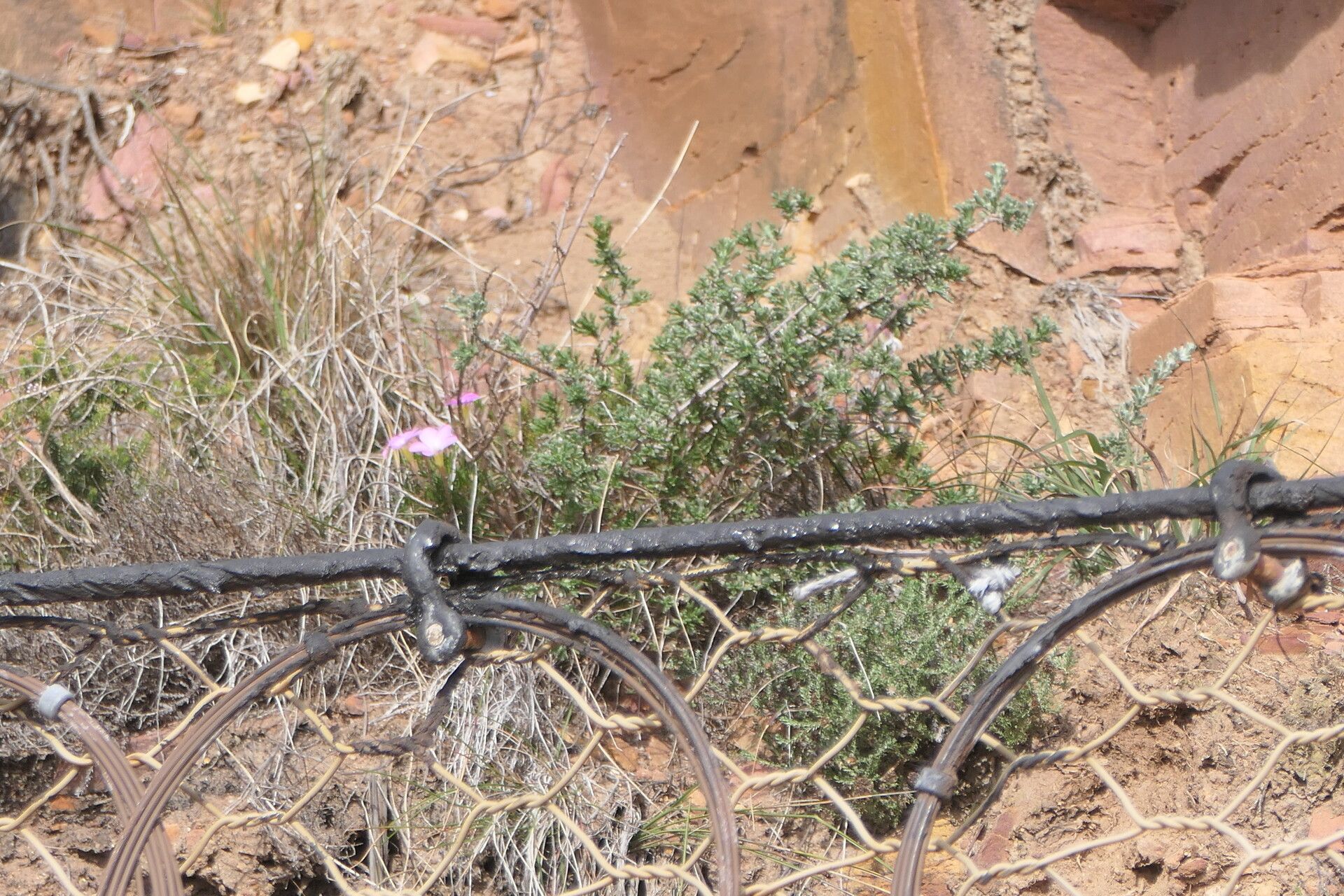
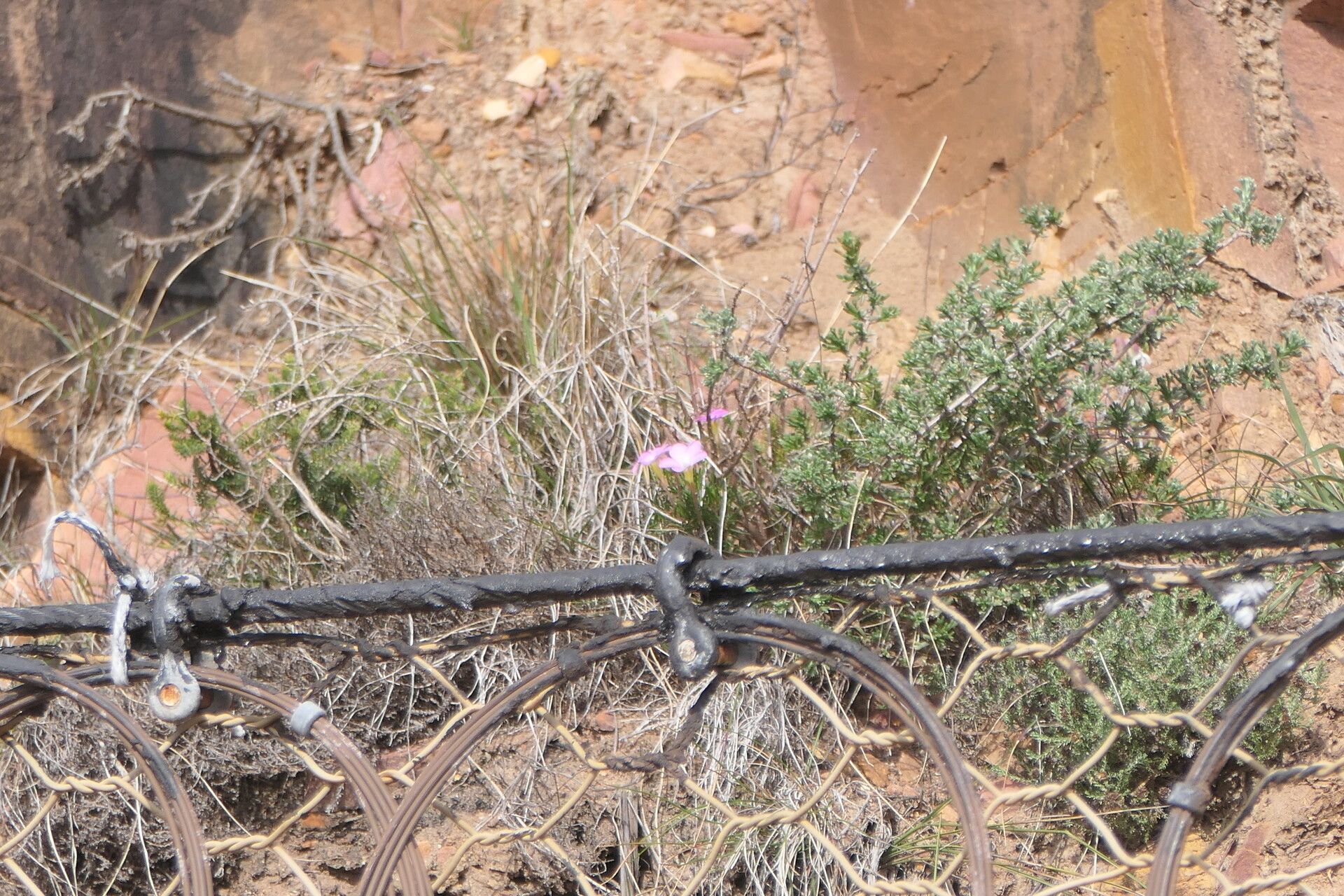
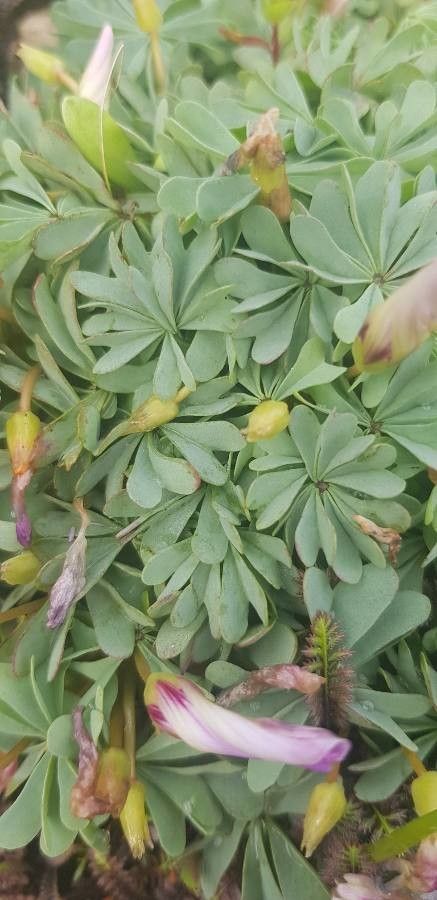
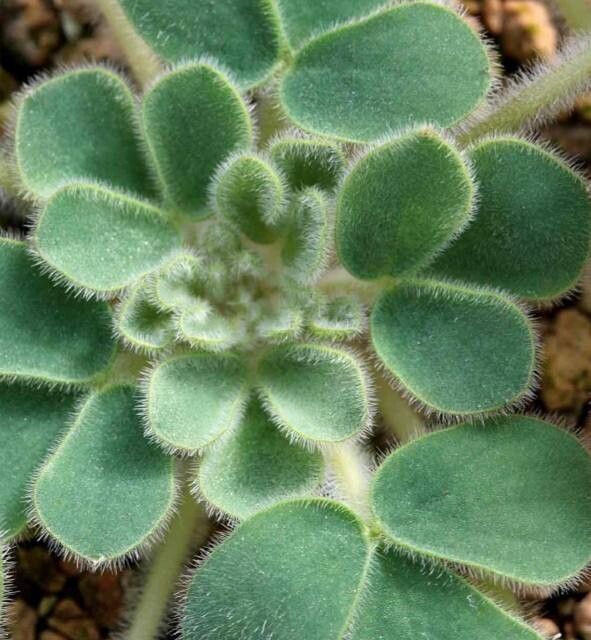
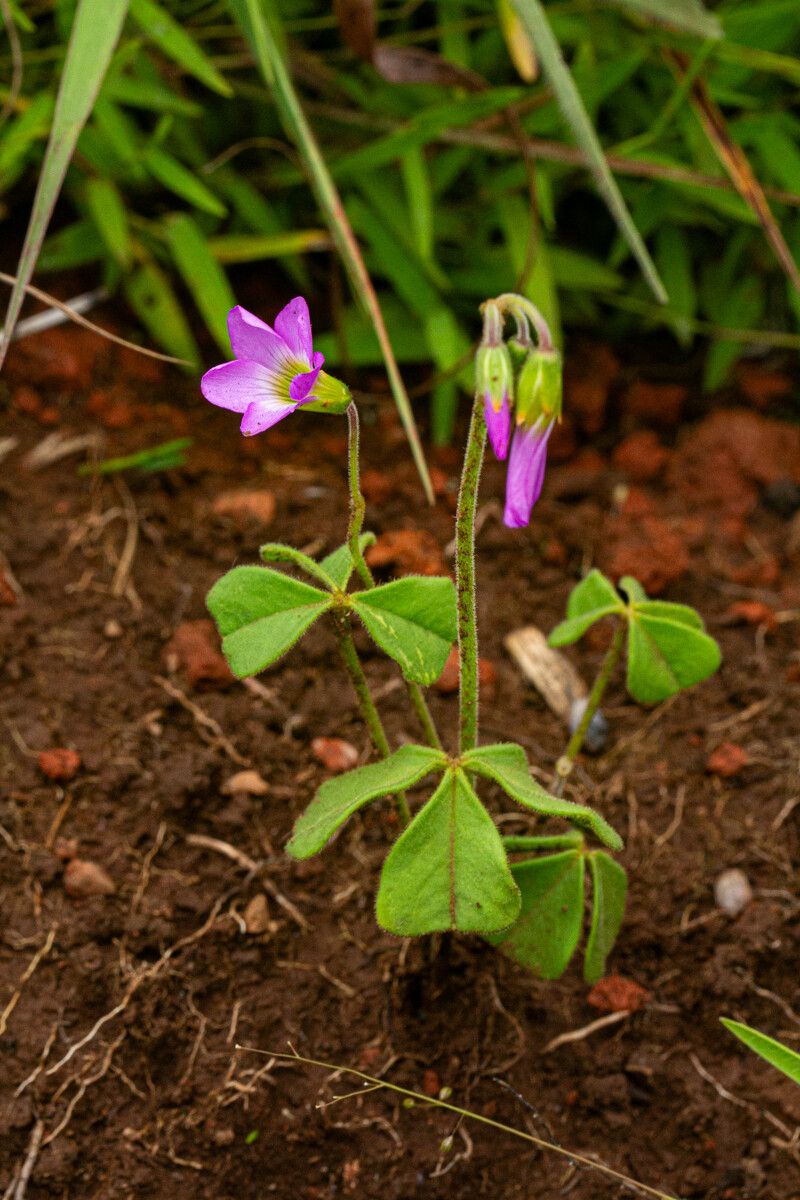
Oxalis polyphylla, the finger sorrel, is a species of flowering plant in the family Oxalidaceae. The flower color is variable from lilac to deep pink or magenta. It is native to the southern Cape Provinces of South Africa. A geophyte with a bulb that is often gummy, it can reach 20 cm (8 in) in height, and is found growing both on rocky outcrops and in flat areas.
Finger wood sorrel is quite disease-resistant and generally not prone to illness. However, it can still be affected by pests and diseases present in its surroundings. These problems are usually not serious. In terms of care, the plant requires moderate maintenance. It should be pruned regularly to maintain a neat appearance and encourage healthy growth. Fertilizing can also help boost flowering. Finger wood sorrel is a good choice for anyone with outdoor space, such as a garden or patio, and does not demand extensive gardening experience. It may require more attention when grown indoors.
How to keep Oxalis Polyphylla.
Light
Finger wood sorrel naturally grows in habitats like forest understories or rocky areas where it is exposed to natural shade. It favors partial sun but can tolerate full sun or full shade, showing its adaptable and hardy nature.
Water
Finger wood sorrel thrives with moderate watering. Avoid overwatering, ensuring the soil doesn't become soggy. Water the plant when the top inch of soil feels dry, and make sure the top two inches stay moist after watering. While rainwater is ideal, you can also use warm tap water, provided it's not hard.
Temperature
Finger wood sorrel can tolerate a wide range of temperatures, but its distribution may still be restricted by various combinations of moisture and heat. It performs best in warm summer climates with sufficient rainfall or watering. Extended periods of cloudy, rainy weather or prolonged high temperatures can increase the risk of Finger wood sorrel dying. In winter, adequate protection from cold can raise the plant’s survival rate.
Fertilizer
Typically, one fertilizer application in spring is enough for Finger wood sorrel, though repeated feedings can increase growth. Apply fertilizer every month to a month and a half. Fertilizing improves the leaves' appearance and function, helping maintain even color and a healthy texture. It also promotes root development and nutrient uptake, supporting the plant's long-term health.
Pruning
Finger wood sorrel has delicate, finger-like foliage that benefits from pruning in early spring to promote growth. To maintain its shape, carefully remove dead leaves and trim overgrown stems, being cautious not to over-prune, as this can affect blooming. Always use clean, sharp tools to prevent infection.
Botanical profile.
- Plant Type
- Herb
- Life Cycle
- Perennial
- Genus
- Oxalis
- Family
- Oxalidaceae
- Hardiness Zone
- 8-11
- Mature Height
- 30 cm
- Mature Spread
- 49 cm
- Leaf Color
- Green, Dark Green
- Leaf Type
- Deciduous
- Flower Size
- 1.02 cm to 2.03 cm
- Bloom Time
- Spring
- Planting Time
- Spring, Autumn
- Harvest Time
- Late spring, Early summer, Mid summer
- Native Area
- South Africa
Other names.
Reader questions.
What are the sunlight requirements for Finger wood sorrel (Oxalis polyphylla)?
Finger wood sorrel, also known by its botanical name Oxalis polyphylla, thrives under specific sunlight conditions to flourish. It requires 'Full sun' exposure, meaning it needs above 6 hours of sunlight daily, or 'Partial sun,' which translates to about 3-6 hours of sunlight each day. It's essential to observe the movement of sunlight through your garden carefully, to identify spots that offer an ideal balance of light and shade. This thoughtful placement ensures your Finger wood sorrel plants are happy and healthy.
What is Finger wood sorrel?
Finger wood sorrel, known botanically as Oxalis polyphylla, is a plant recognized for its unique characteristics and botanical significance. However, the provided information does not include specifics about its essentials, symptoms of any conditions it's associated with, or additional details that might highlight its features or uses more comprehensively.