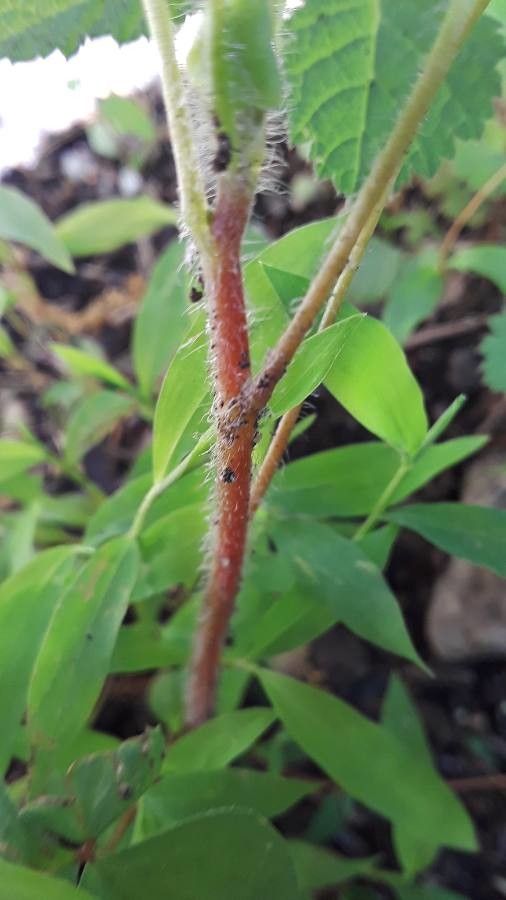
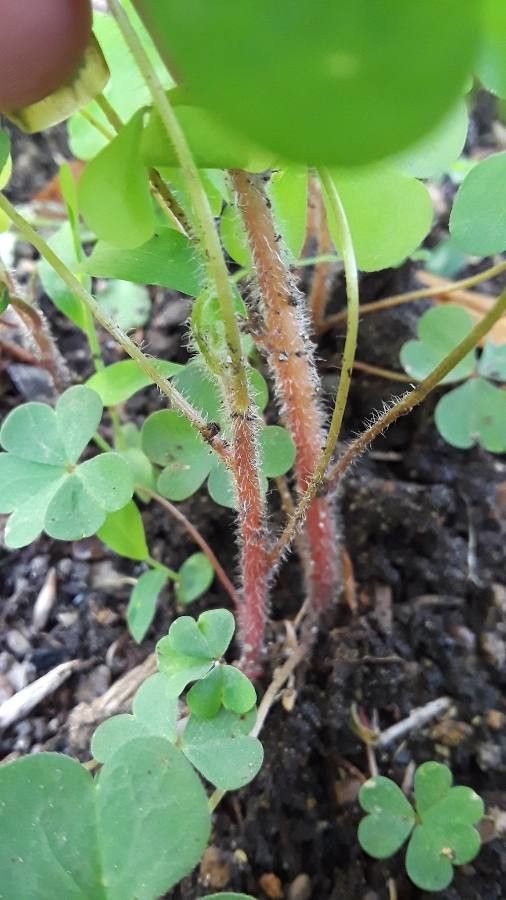
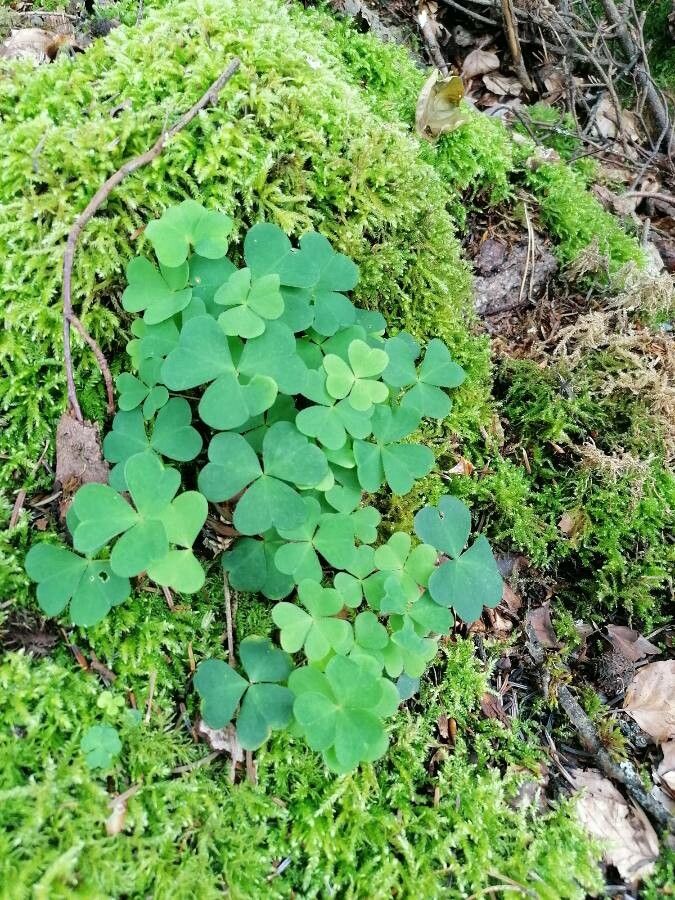
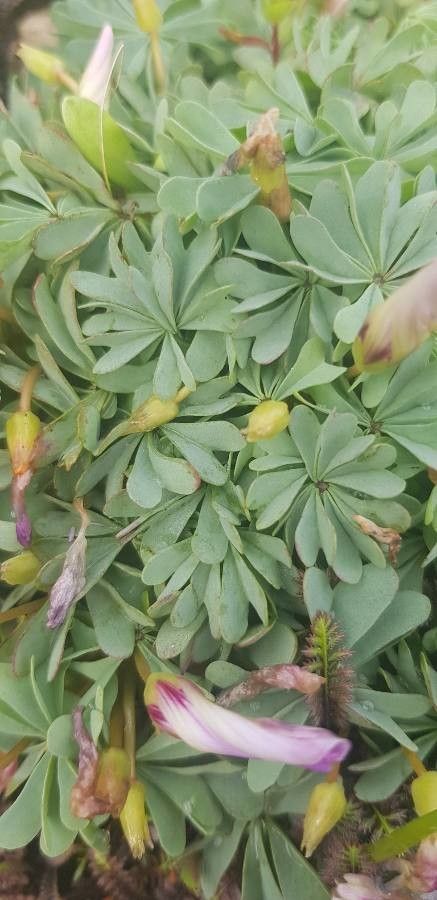
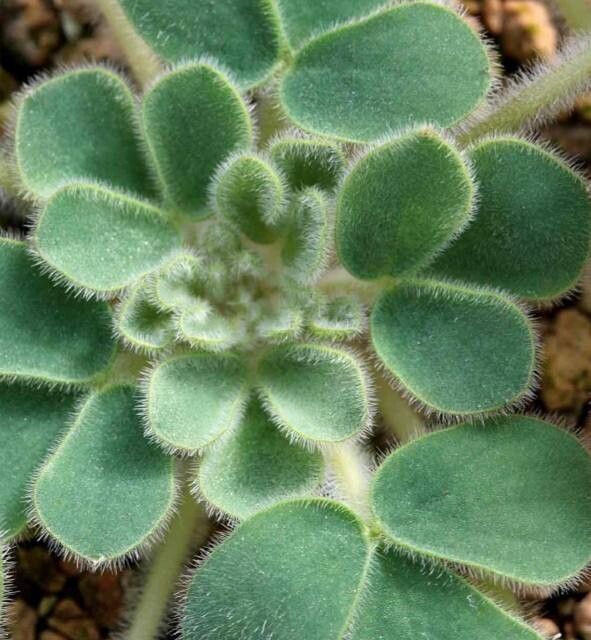
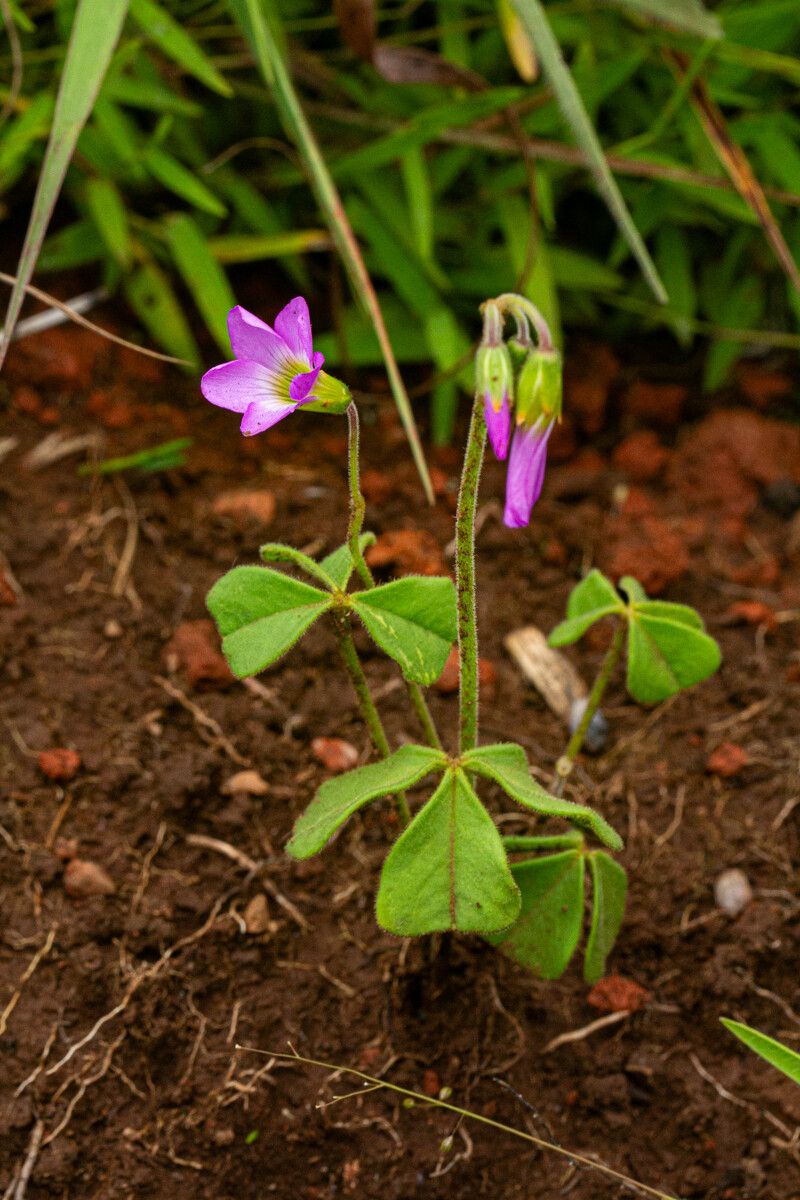
Oxalis oregana, commonly known as Oregon oxalis or redwood sorrel, is a perennial plant native to the Pacific Northwest region of North America. As a member of the Oxalidaceae family, it thrives in moist, shaded environments, such as forests and stream banks.
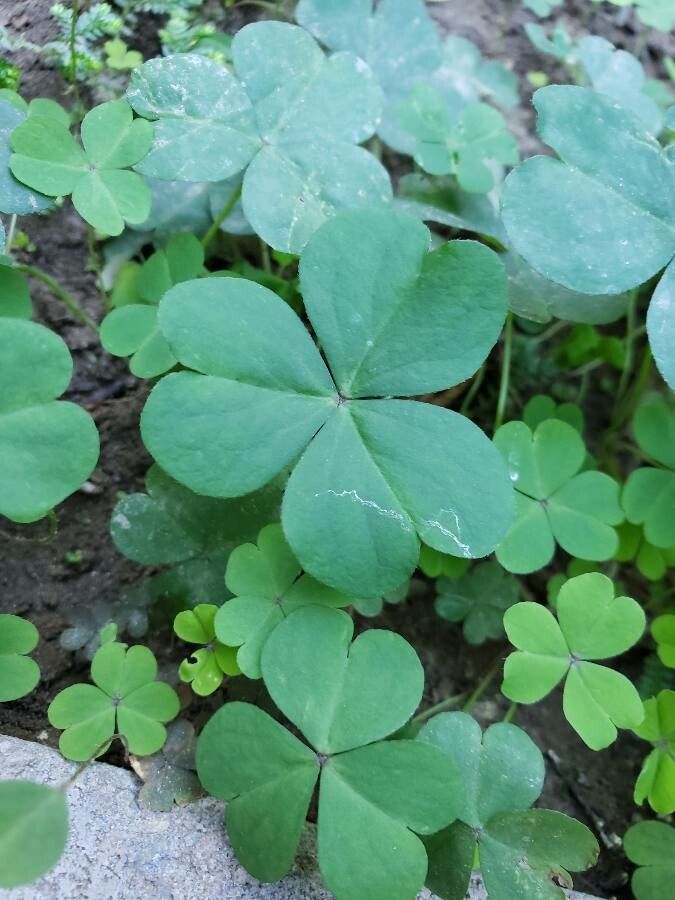
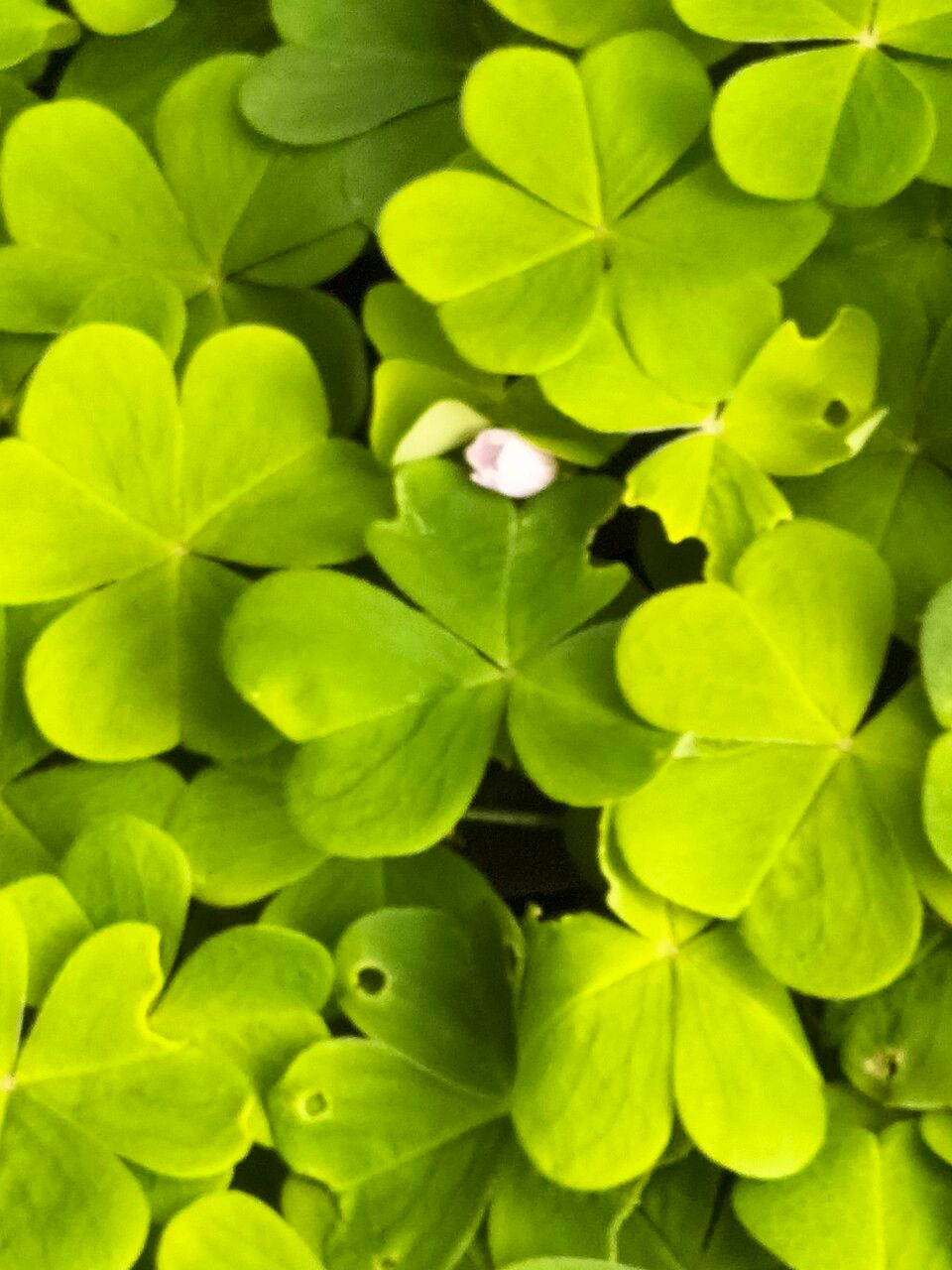
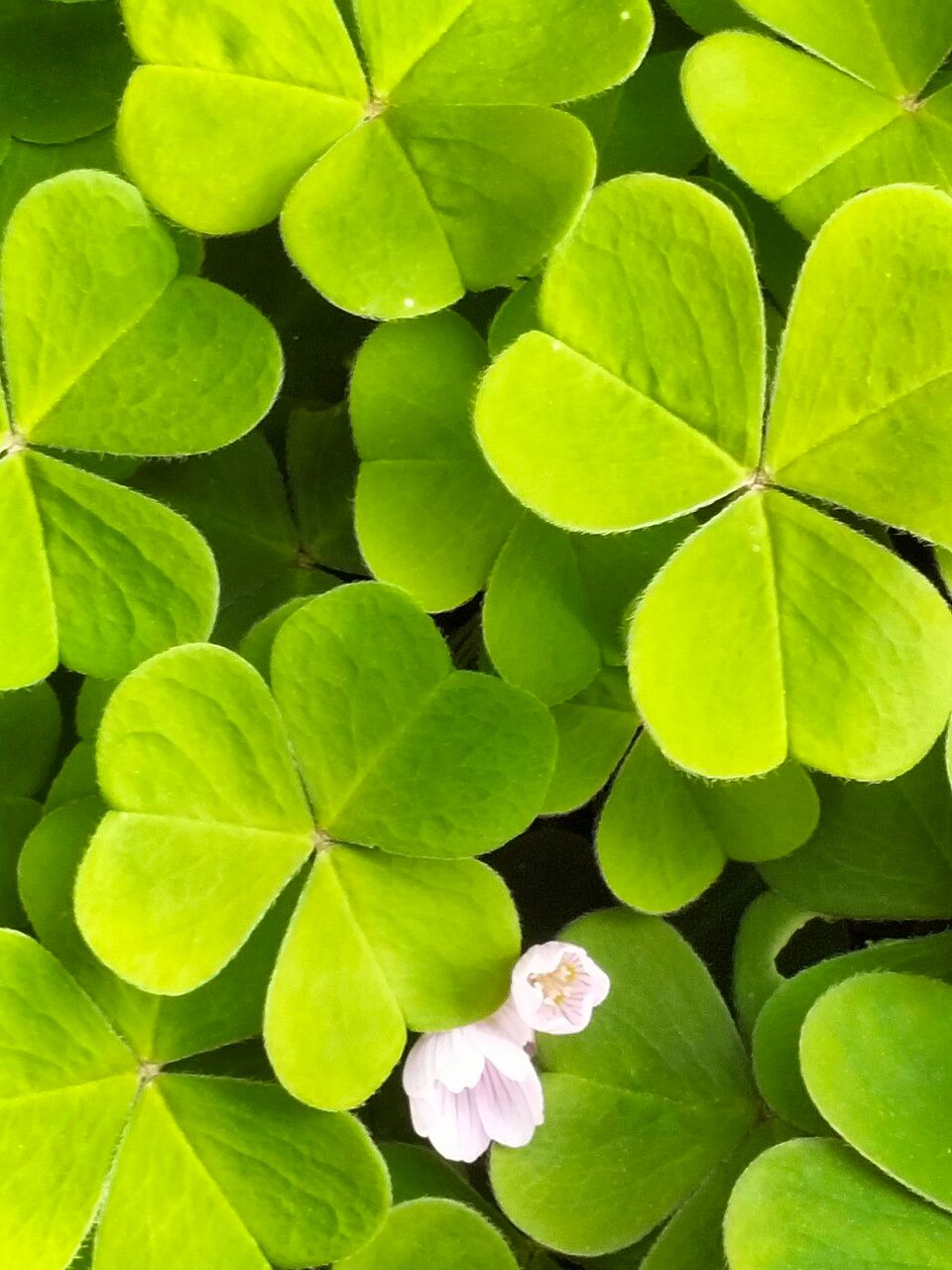
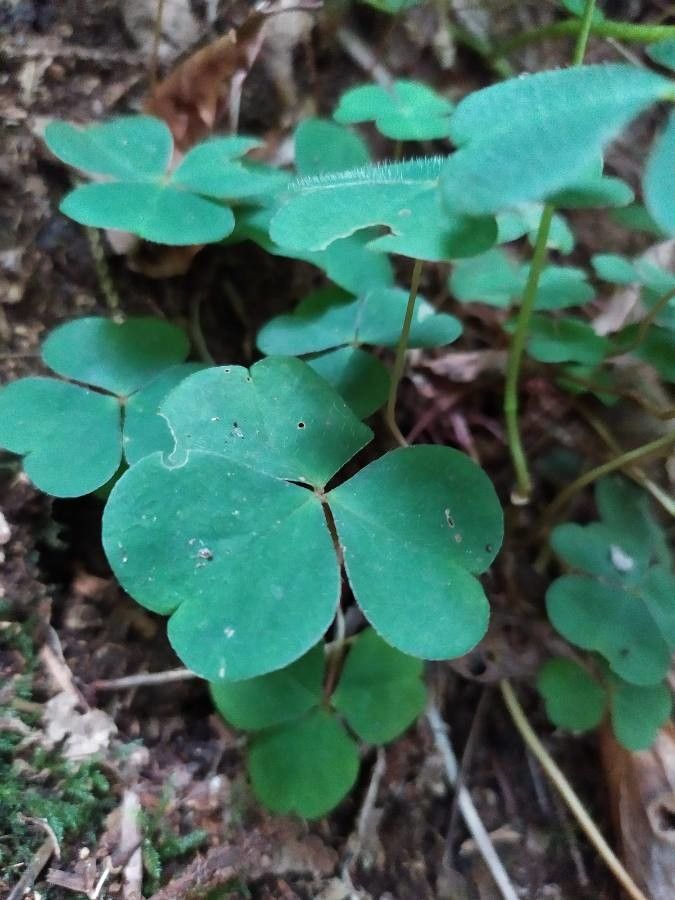
This plant is easily identified by its unique three-lobed leaves, which are green on the top side and reddish-purple underneath. In the spring, it produces small, white or pink flowers that attract pollinators, particularly bees.
Historically, indigenous peoples have used Oxalis oregana for medicinal purposes, including treating sore throats and skin irritations. The plant is also edible and has a tangy flavor similar to lemon juice.
In landscaping, Oregon oxalis serves well as ground cover in shaded areas and can also be planted in containers for its attractive foliage. However, it has the potential to become invasive if not properly managed, as it can spread through underground rhizomes.
Overall, Oxalis oregana is a fascinating and valuable plant, both culturally and ecologically, in its native habitat.
Redwood-Sorrel shows strong resistance to disease and typically does not suffer from illnesses. Still, it can be affected by the pests and diseases found in its environment. Such infections are generally mild. As for maintenance, this species is moderately demanding. It should be trimmed regularly to preserve an attractive appearance and encourage healthy growth. Applying fertilizer can also aid in boosting bloom production. Redwood-Sorrel is well suited for anyone with outdoor areas like a garden or patio and does not call for extensive plant-care experience. When cultivated indoors, it may need a higher level of attention.
How to keep Oxalis Oregana.
Light
Redwood-Sorrel, a plant native to woodland habitats, grows best with moderate sunlight. It can still develop vigorously in mostly shaded areas, but excessive sun exposure may cause stunted growth or wilting from dry conditions. The plant’s different growth stages do not require varying amounts of sunlight.
Water
Redwood-Sorrel flourishes in humid conditions and prefers soil that stays consistently moist. To keep it healthy, water it weekly, ensuring that the soil remains evenly damp. If you're growing it indoors, you can mimic its natural forest habitat by using a pebble tray or a humidifier to maintain high humidity levels. This plant adapts well to such environments.
Temperature
Redwood-Sorrel comes from areas where its native growing range is 68 to 100 °F (20 to 38 ℃). It performs best within that temperate span and may need measures such as providing shade in summer or adding insulation in winter if local temperatures vary greatly.
Fertilizer
Correct fertilization is essential for Redwood-Sorrel's health and appearance. Apply fertilizer in summer, repeating the treatment monthly throughout the season. The nutrients drive growth and support the plant's parts. Fertilization improves Redwood-Sorrel's flower display, producing the best blooms.
Pruning
Redwood-Sorrel is characterized by its clover-like leaves and pink flowers. Minimal pruning is recommended: remove dead foliage in the spring and thin crowded areas to improve air circulation and light penetration. Avoid heavy pruning to prevent stress on the plant. Regular maintenance promotes growth and enhances the plant's appeal, ensuring that redwood-sorrel thrives in shaded areas.
Botanical profile.
- Plant Type
- Herb
- Life Cycle
- Perennial
- Genus
- Oxalis
- Family
- Oxalidaceae
- Hardiness Zone
- 9-11
- Mature Height
- 5 cm to 20 cm
- Mature Spread
- 49 cm
- Leaf Color
- Green
- Leaf Type
- Evergreen
- Flower Color
- White, Pink, Purple
- Flower Size
- 2.54 cm to 5.08 cm
- Bloom Time
- Mid spring, Late spring, Early summer
- Planting Time
- Spring, Summer, Autumn
- Harvest Time
- Early summer, Mid summer
Other names.
Reader questions.
How should I water my Redwood-Sorrel plant?
To best care for the Redwood-Sorrel plant, follow these steps: 1. Use filtered water at room temperature or slightly warmer. This is important because tap water can contain harmful particles for the plant's health. 2. Avoid overhead watering, as it can cause problems with the foliage. Instead, directly apply the filtered room temperature water to the soil. 3. Make sure to thoroughly soak the soil. This benefits the plant by moistening the roots and helping them spread through the soil to collect essential nutrients. By following these care instructions, you will provide the optimal environment for the Redwood-Sorrel plant.
Why should I add fertilizer to my Redwood-Sorrel?
All plants, including the Redwood-Sorrel, need soil nutrients for growth. However, it's not always guaranteed that the soil will have all the necessary nutrients. To solve this issue, fertilization and soil amendments are used to provide both basic and specific nutrients to plants in your garden. For the Redwood-Sorrel, fertilizer is particularly important to support healthy root and stem development throughout the growing season. Additionally, fertilization enhances the appearance of the plant's foliage, which is its main decorative feature.
What are the sunlight requirements for Redwood-Sorrel?
Redwood-Sorrel requires partial sun, about 3-6 hours of sunlight daily, but can also thrive in full shade, receiving less than 3 hours of sunlight. This plant originates from woodland environments, indicating its preference for moderate sun exposure. Though it can grow in predominantly shaded areas, too much sunlight can cause stunted development or withering. It's crucial to observe how sunlight moves through your garden to choose the best spots that ensure the right balance of light and shade for your plants.
What is the ideal temperature range for growing Redwood-Sorrel?
Redwood-Sorrel thrives in a temperate range of 68 to 100°F (20 to 38°C). It originates from regions that naturally maintain these conditions. To ensure its growth, it's important to mimic this environment by providing shade during the hotter months or insulation through the colder periods. The plant is heat-loving, making it crucial to protect it from cold by bringing it indoors during autumn and keeping it near a bright window, but not too close to heaters, to maintain a temperature above 20°C. It's essential to avoid temperatures approaching 0°C as they are detrimental to the plant's health.
What should I do if I give my Redwood-Sorrel too much water or too little water?
Overwatering is a more common problem than underwatering for Redwood-Sorrel plants. If you overwater, the stems and leaves may wilt and turn yellow. Overwatering can also lead to diseases like root rot, mold, and mildew, which can be fatal. Underwatering is less common because Redwood-Sorrel is drought-tolerant, but it can still happen, causing brittle and brown leaves. It's important to recognize signs of overwatering early and reduce watering immediately. If the soil doesn't drain well, replace it with a loose, well-draining mix. If you notice signs of underwatering, simply water more regularly until the signs improve.
When is the right time to put fertilizer on my Redwood-Sorrel?
During the active growth phase of a Redwood-Sorrel, which usually occurs in spring, summer, and early fall, it will require the most fertilizer. After winter, it is recommended to feed your Redwood-Sorrel every two to four weeks until fall. As fall approaches, you can gradually reduce the fertilization rate until you stop completely in preparation for the reduced growth during winter.
How does artificial lighting support plant growth indoors?
Artificial lighting is crucial for indoor plant growth, especially when natural sunlight is insufficient, like in winter or less sunny spaces. LED lights, popular for indoor plants, can be customized to provide specific wavelengths needed by the plants. Full sun plants require 30-50W/sq ft, partial sun plants need 20-30W/sq ft, and full shade plants require 10-20W/sq ft of artificial light. The light source should be placed 12-36 inches above the plant to mimic natural sunlight, and most plants need 8-12 hours of light per day. This setup promotes faster and healthier growth indoors.
How does low temperature affect Redwood-Sorrel and what should I do?
Redwood-Sorrel prefers warm environments and is intolerant of low temperatures, thriving best above 20°C and requiring temperatures to stay above 0°C during winter. Exposure to temperatures below -5°C can result in the leaves lightening in color, which, after frost damage, turn brown or black, accompanied by wilting and drooping. To counteract frost damage, the affected parts should be trimmed off, and the plant should be moved to a warm indoor space away from heaters or air conditioning vents to ensure it's not subjected to excessive dry air. Placing the plant near a south-facing window is advisable for sufficient sunlight.
How frequently do I need to water my Redwood-Sorrel?
If your Redwood-Sorrel is in a pot, the best way to determine if it needs water is to stick your finger into the soil. If the top two to three inches of soil feel dry, then it's time to water it. If you have this plant planted outdoors, you can use a similar method. Once the top few inches of soil have dried out, it's time to water it. Usually, during the spring and early fall, you'll need to water this plant about once a week. However, during very hot weather, you may need to water it twice a week or even more. However, it's worth mentioning that mature and well-established Redwood-Sorrel can withstand drought fairly well.
When is the best time to not put fertilizer on my Redwood-Sorrel plants?
During most of the year, including spring, summer, and fall, it's important to regularly feed your Redwood-Sorrel. However, if you have used too much fertilizer or fertilized incorrectly, causing fertilizer burn or other issues, address those problems before resuming regular feeding. The only time you should refrain from fertilizing is during winter. If you grow this plant indoors in a cold area, it will go dormant during winter. Feeding the plant during this dormant phase is not only unnecessary and unhelpful, but it is also very likely to cause fertilizer burn.
What are the symptoms of inadequate sunlight for Redwood-Sorrel?
Symptoms of inadequate sunlight in Redwood-Sorrel include small new leaves, leggy or sparse growth, faster leaf drop, slower or no new growth, lighter-colored new leaves, and symptoms of overexposure like chlorosis, sunscald, leaf curling, wilting, and leaf scorching. These symptoms indicate either insufficient light or excessive sunlight exposure, impacting the plant's growth and overall health.
What are the effects of high temperature on Redwood-Sorrel and how can I mitigate them?
During the hotter months, it's essential to keep Redwood-Sorrel's temperature below 38°C. Exposure to temperatures above 43°C can lighten the color of the leaves and increase susceptibility to sunburn. To address sunburn issues, trim the sunburned and dried-up parts of the plant and relocate it to an area with shade from the midday and afternoon sun. Ensuring the plant is watered in the morning and evening will help keep the soil moist and assist in mitigating the effects of high temperatures.