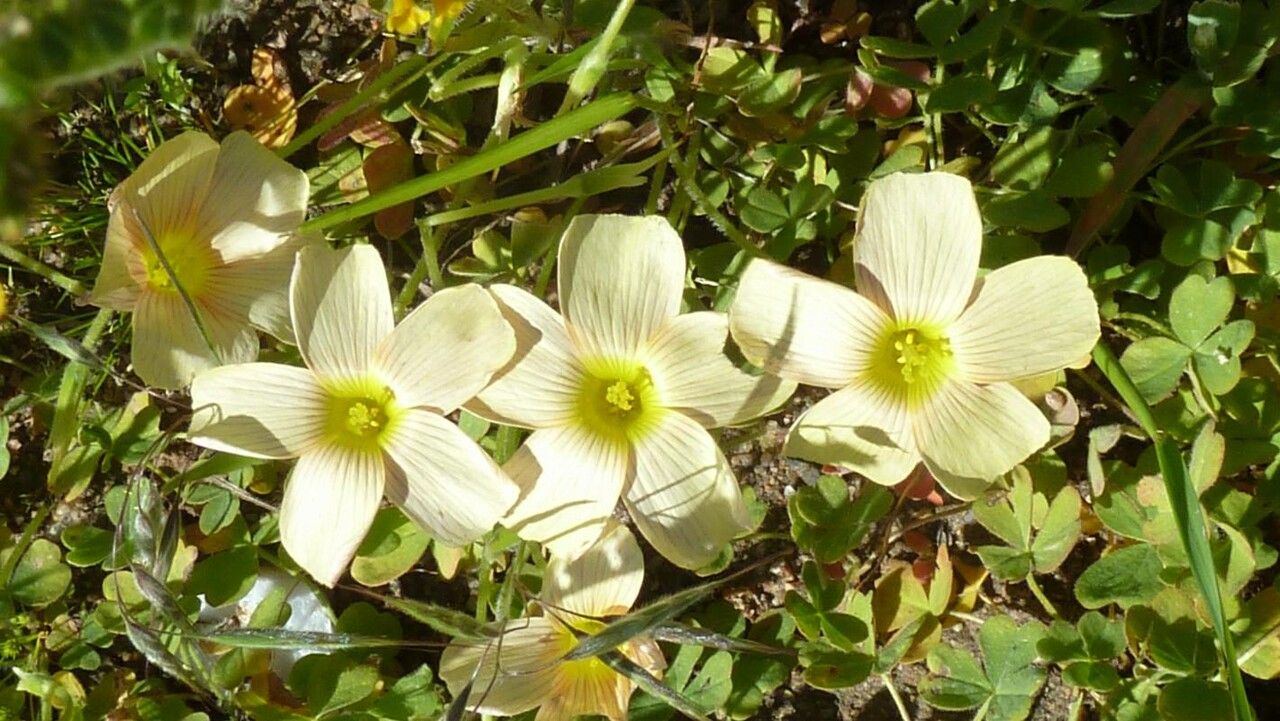
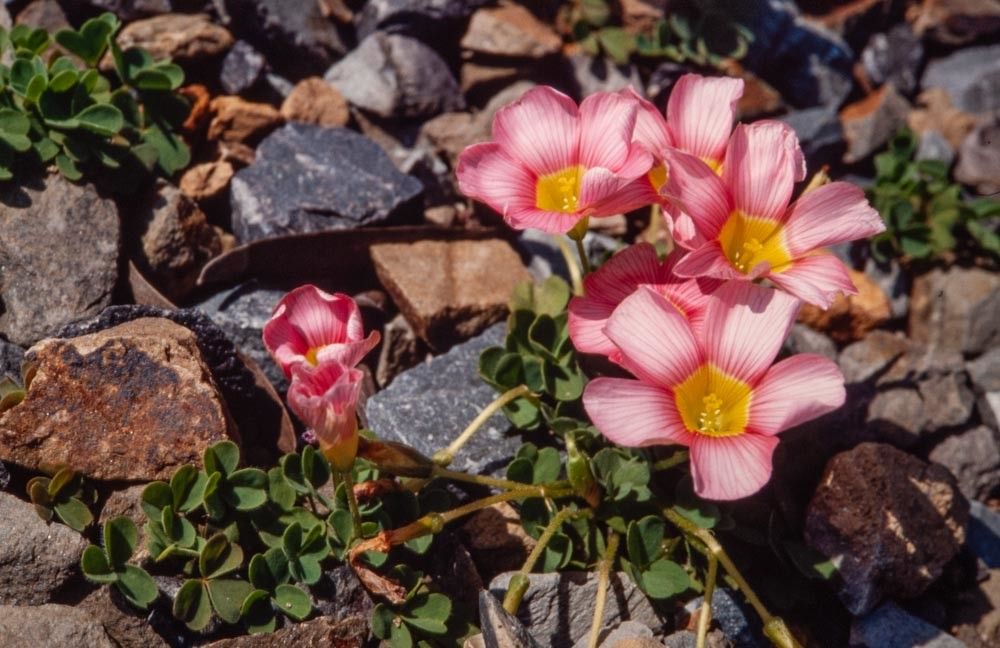
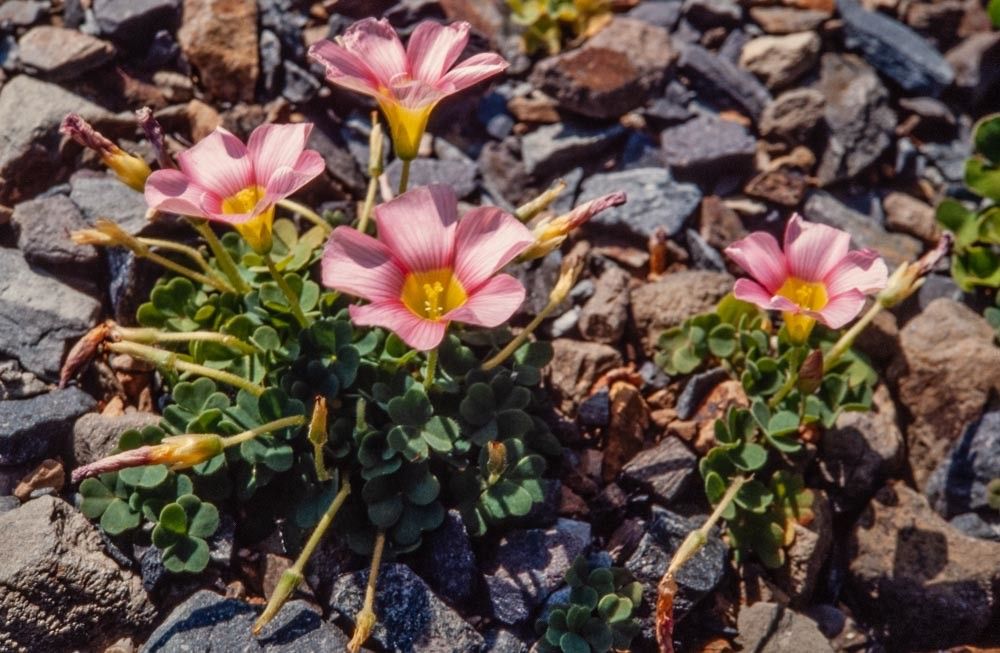
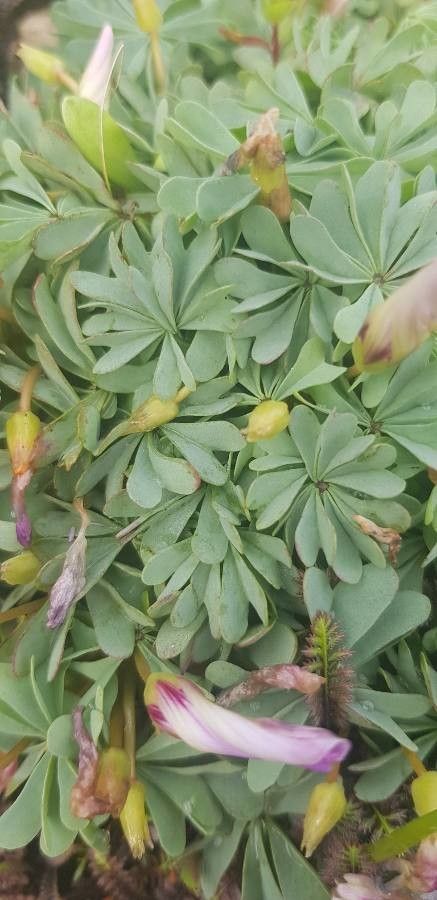
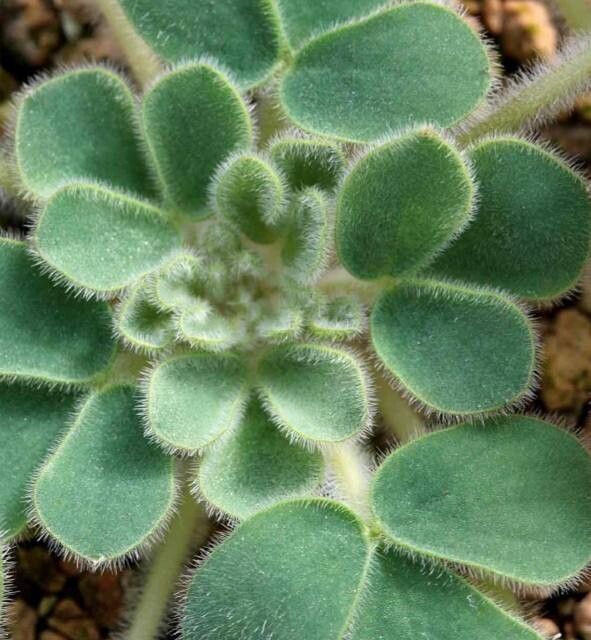
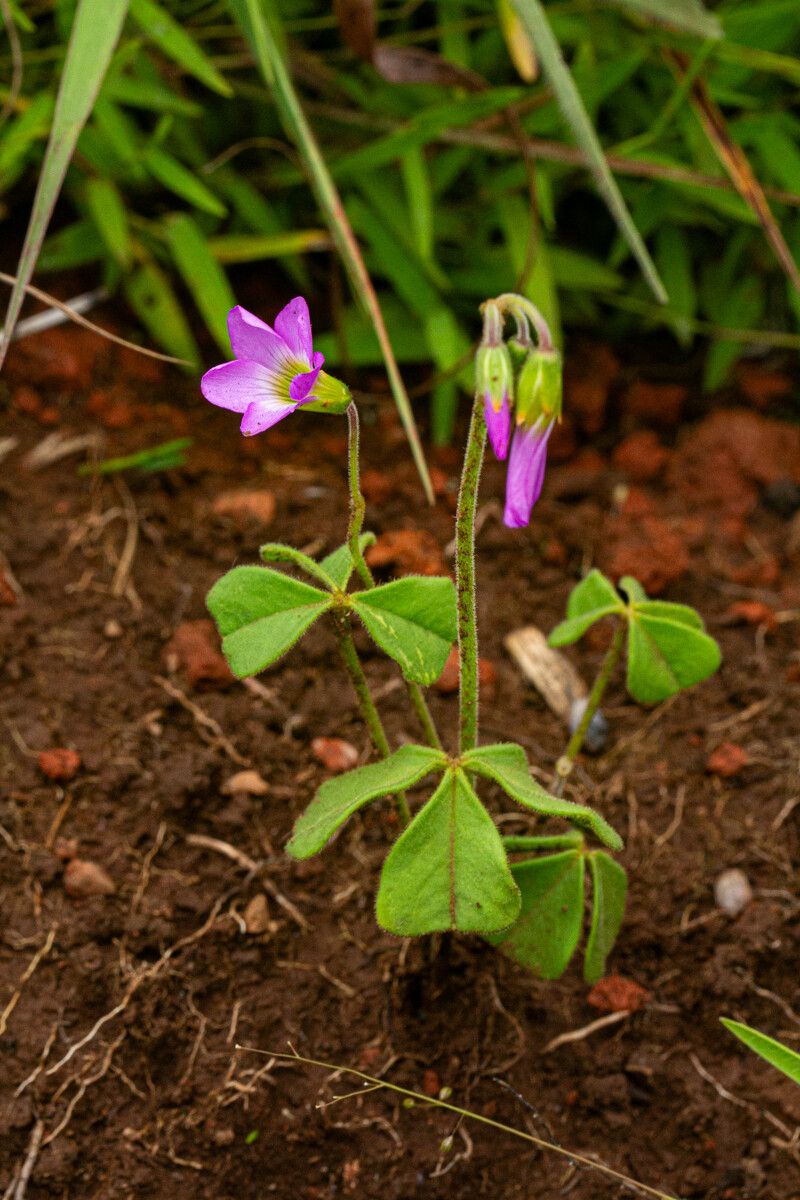
Oxalis obtusa is a species of flowering plant in the genus Oxalis. It is endemic to the Cape Provinces, and occurs up to KwaZulu-Natal.
Yellow-eyed sorrel is fairly disease-resistant and usually not prone to many illnesses. However, it can be vulnerable to pests and diseases present in its surroundings, and these infections are typically mild. For care, the plant requires moderate maintenance. It should be pruned regularly to keep a good appearance and support healthy growth. Fertilizing can also encourage flowering. Yellow-eyed sorrel is suitable for anyone with outdoor space, such as a garden or patio, and does not demand extensive gardening experience. It may need more attention if grown indoors.
How to keep Oxalis Obtusa.
Light
Yellow eyed sorrel is native to habitats like forest understories and rocky areas, which provide natural shade. It prefers partial sun but can tolerate full sun or full shade, showing its versatility and hardiness.
Water
Yellow-eyed sorrel thrives in well-drained soil and requires weekly watering, but it's important to avoid making the soil too wet. Native to the winter rainfall areas of South Africa, this plant has a moderate tolerance for drought. When grown outdoors, its bulbs efficiently store water during dry seasons.
Temperature
Yellow eyed sorrel can tolerate a wide range of temperatures, but its distribution may still be restricted by particular combinations of moisture and heat. It does best in warm summer climates with sufficient rainfall or watering. Extended periods of cloudy, rainy weather, as well as prolonged high temperatures, can raise the risk of Yellow eyed sorrel dying. In winter, shielding it from cold can improve its survival chances.
Fertilizer
For Yellow eyed sorrel, the primary time to fertilize is in early spring while flowers are forming. The proper fertilizer promotes better blooms and helps Yellow eyed sorrel produce attractive flowers. Fertilizing in early spring ensures excellent flowers during the season and supplies energy for dormant growth phases.
Pruning
Prune yellow-eyed sorrel from early to late spring by removing dead leaves and faded flower stems. This encourages new growth and blooms. To reduce stress on the plant, avoid heavy pruning during its active growth period. Proper pruning enhances airflow, reduces disease risk, and promotes a fuller display of the plant.
Pot & Repot
Repot yellow-eyed sorrel every 2 to 3 years before it starts growing in the spring. Use small to medium pots with good drainage. After repotting, place the yellow-eyed sorrel in indirect sunlight and keep the soil moist. Be careful not to overwater to ensure vibrant blooms.
Botanical profile.
- Plant Type
- Herb
- Life Cycle
- Perennial
- Genus
- Oxalis
- Family
- Oxalidaceae
- Hardiness Zone
- 9-11
- Mature Height
- 18 cm to 30 cm
- Mature Spread
- 25 cm
- Leaf Color
- Green, Dark Green
- Leaf Type
- Semi-evergreen
- Flower Color
- Yellow, Pink
- Flower Size
- 2.54 cm to 5.08 cm
- Bloom Time
- Mid summer, Late summer, Early fall, Mid fall
- Planting Time
- Spring, Summer
- Harvest Time
- Fall, Early winter
- Native Area
- South Africa, Namibia
Reader questions.
What are the sunlight requirements for Yellow Eyed Sorrel (Oxalis obtusa)?
Yellow Eyed Sorrel, also known by its botanic name Oxalis obtusa, thrives under specific sunlight conditions. It requires full sun, which means it needs above 6 hours of direct sunlight daily. Alternatively, it can also grow in partial sun, getting about 3-6 hours of sunlight a day. It's important to observe the way sunlight moves through your garden throughout the day to find spots that offer the ideal mix of light and shade. This careful placement ensures the plants remain healthy and happy.
What is Yellow Eyed Sorrel?
Yellow Eyed Sorrel, known botanically as Oxalis obtusa, is a species without specified essentials or symptoms in the provided data. Unfortunately, detailed information about its characteristics, care needs, or any additional relevant facts was not included.