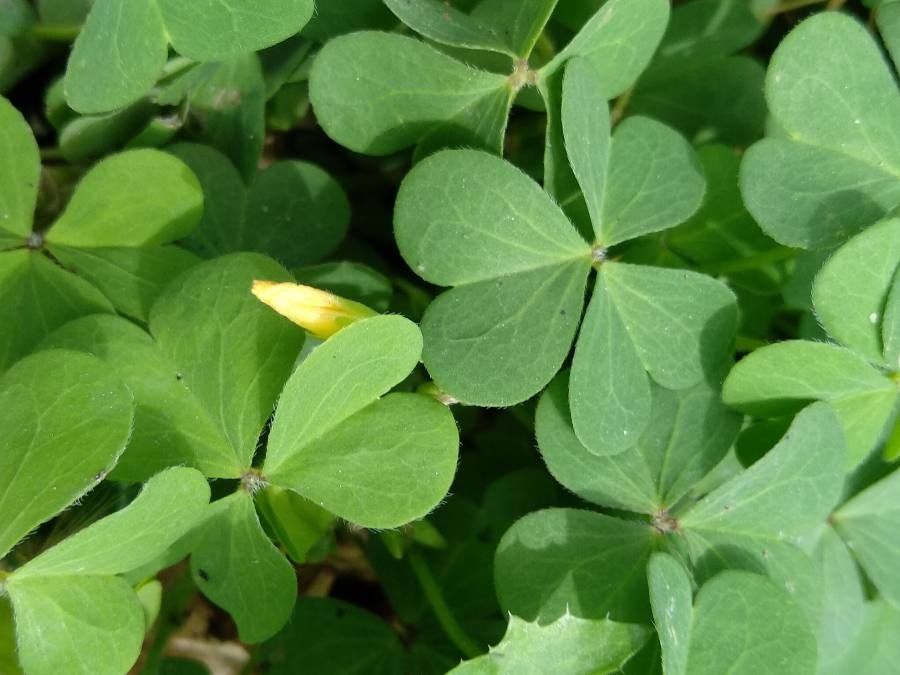
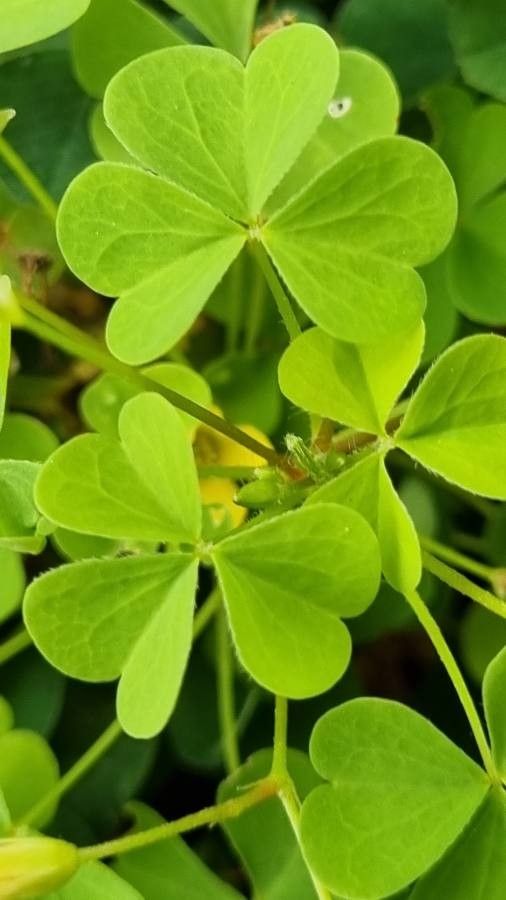
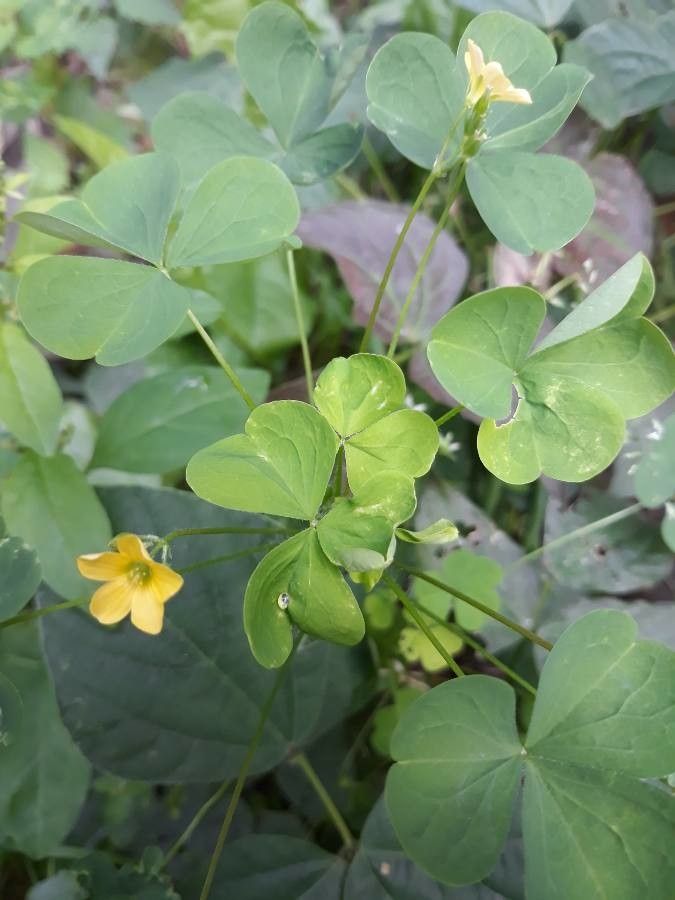
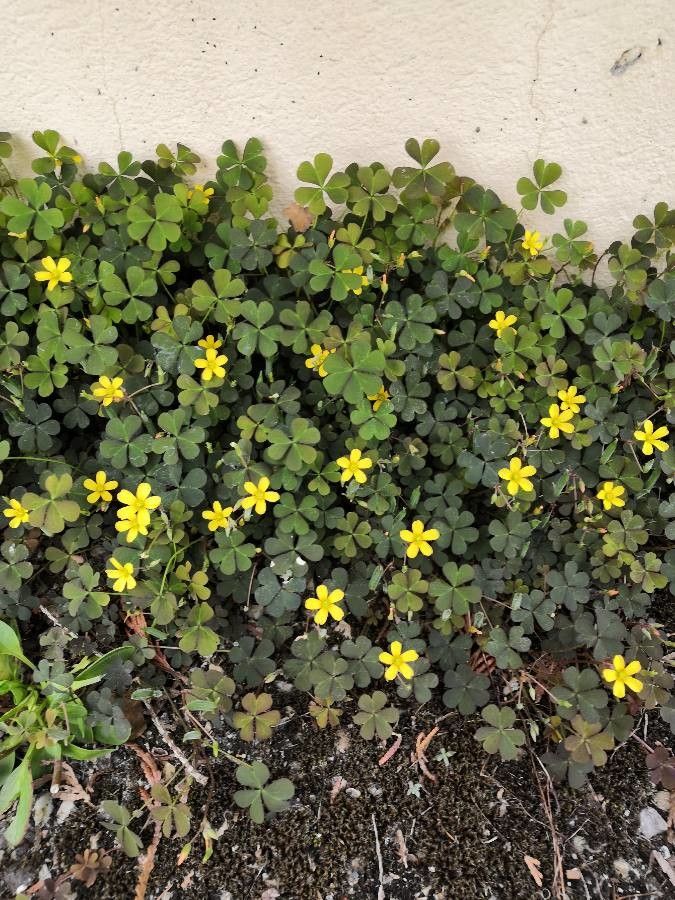
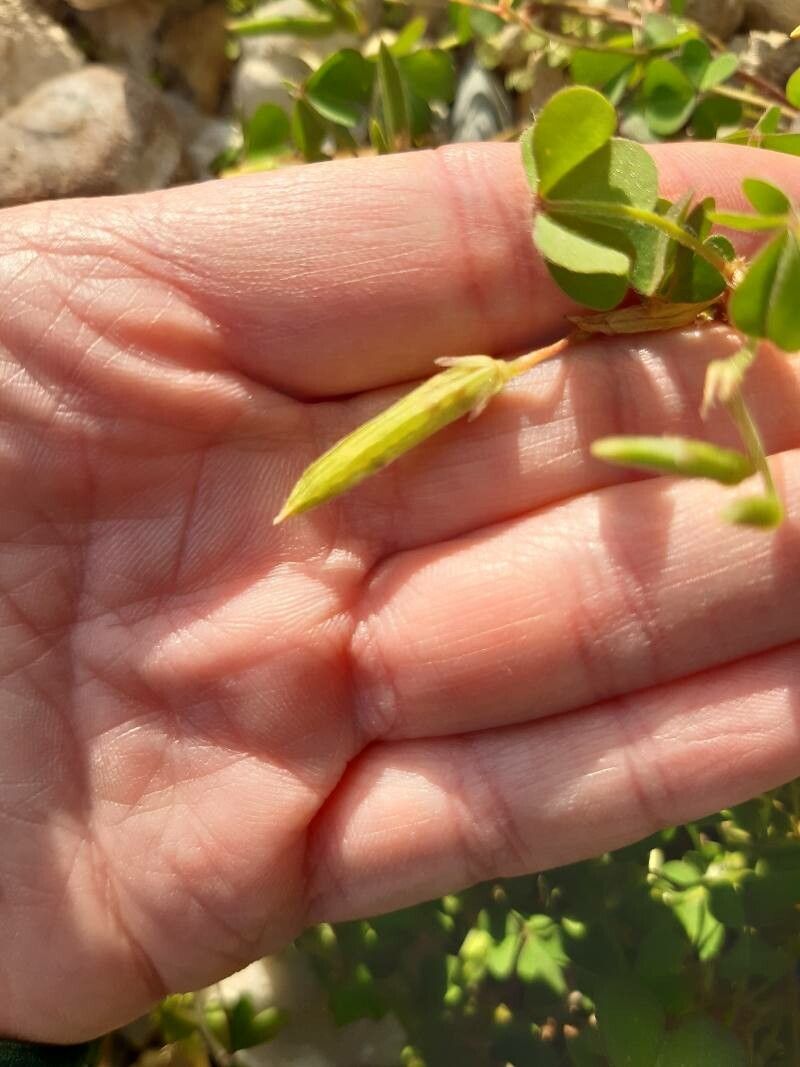
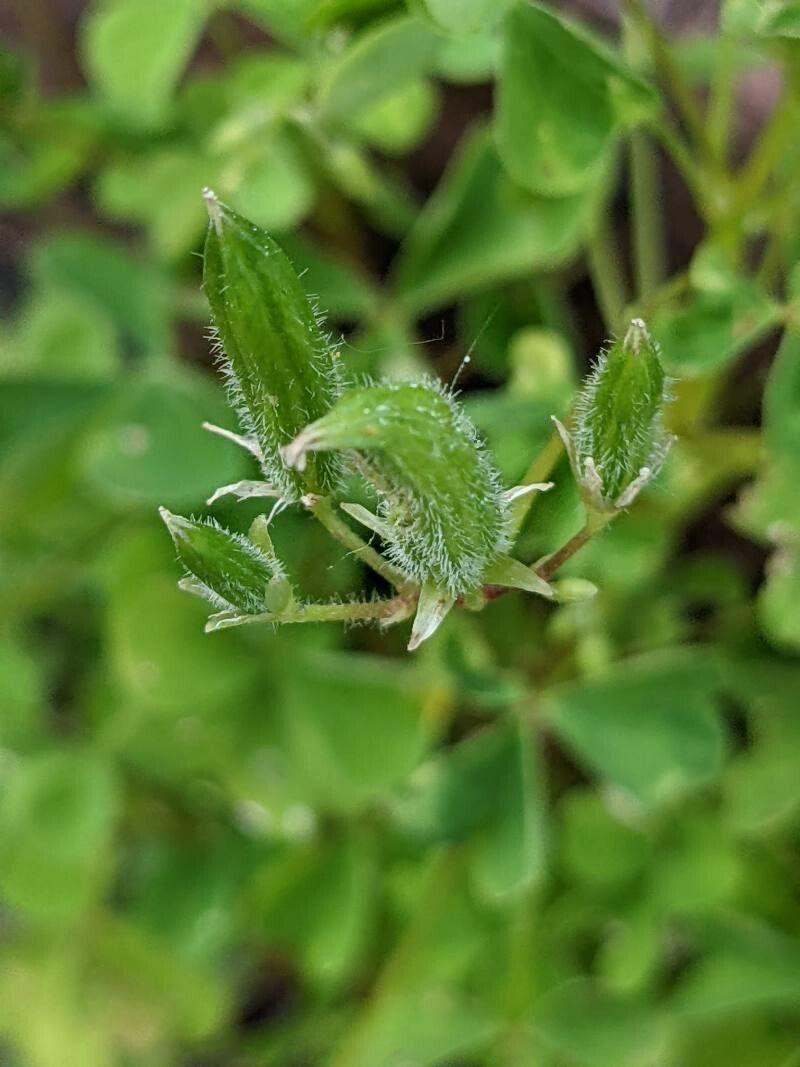
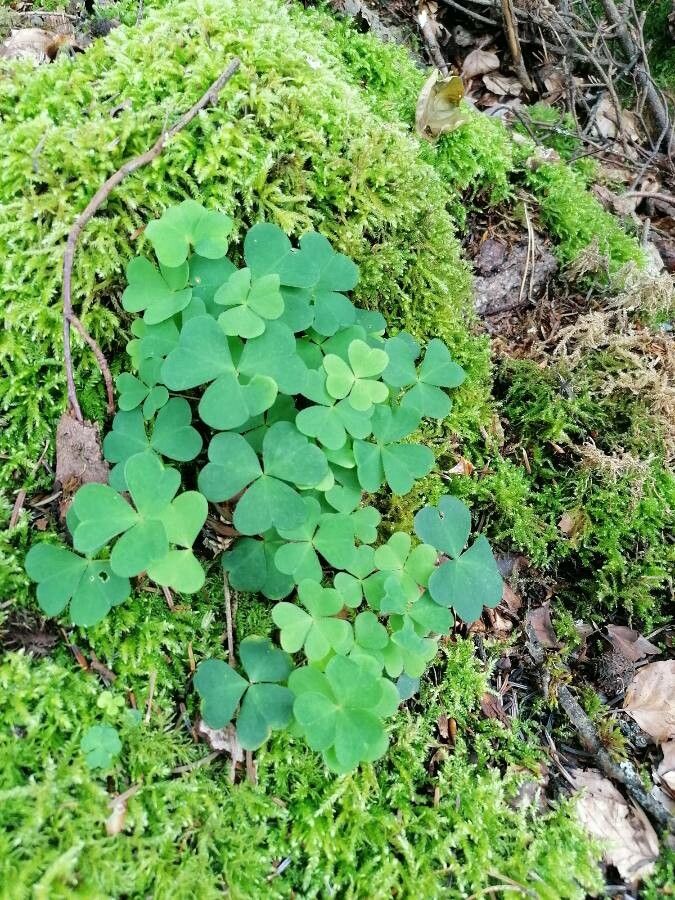
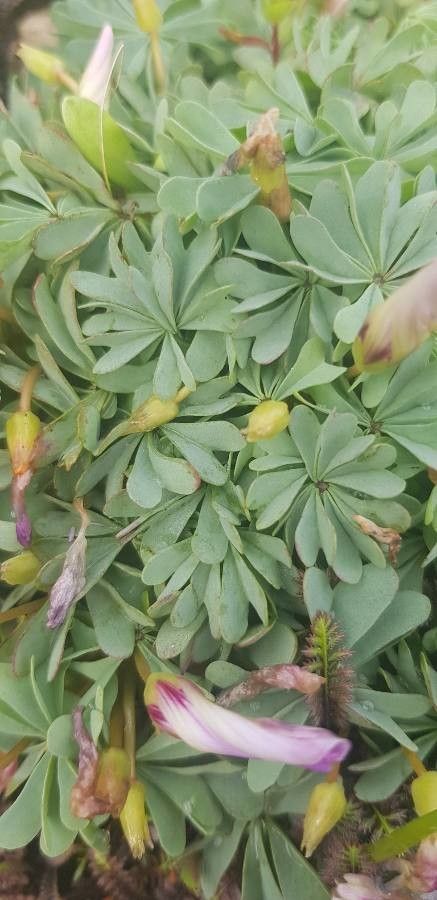
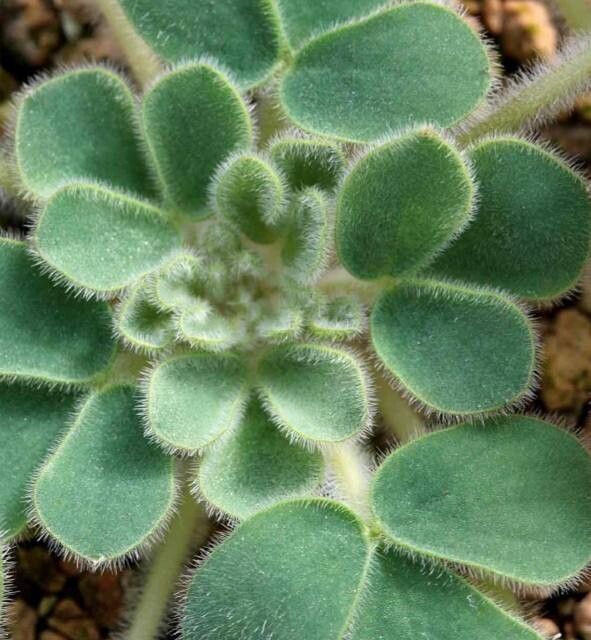
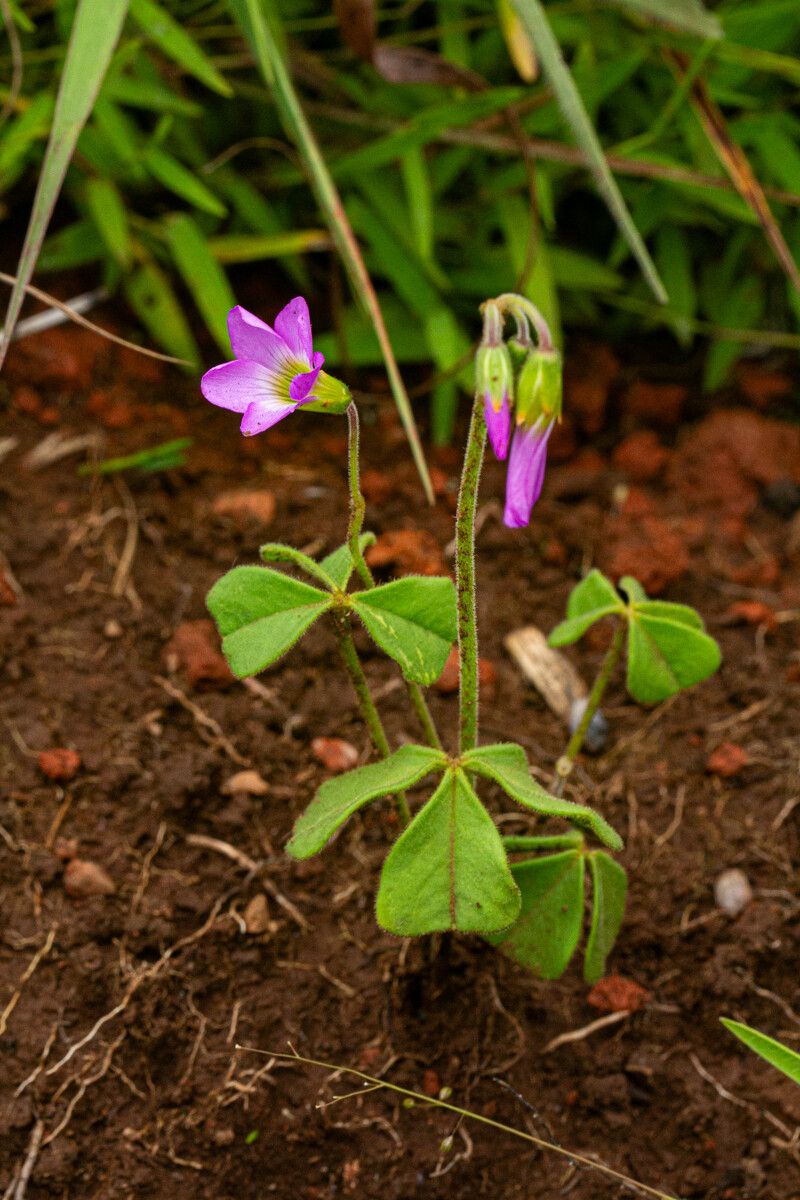
Oxalis fontana, commonly known as Wood Sorrel, is a perennial plant belonging to the Oxalidaceae family. Native to North America, it thrives in various habitats such as woodlands, meadows, and wetlands. The plant can grow up to 30 cm in height and features trifoliate leaves that are green with a purple tinge on the underside. Its small flowers, which are either white or pink, have five petals.
Wood Sorrel has been used for medicinal purposes for centuries due to its high vitamin C content. Native Americans utilized it as a remedy for fever, coughs, and sore throats.
The plant's adaptability to various soil types makes it easy to grow in gardens or containers. However, it can become invasive if not properly controlled.
Besides its medicinal properties, Wood Sorrel serves as an important food source for wildlife such as deer and rabbits, who feed on its leaves.
Overall, Oxalis fontana is a fascinating perennial herbaceous flowering plant. It offers both ornamental and medicinal value, making it an excellent addition to both indoor and outdoor gardens.
Upright yellow-sorrel has strong disease resistance and is generally unlikely to develop illnesses. However, it can be affected by pests and diseases present in its surroundings. Such infections are usually mild. In terms of care, this plant needs moderate maintenance. It should be pruned regularly to keep a neat appearance and support healthy growth. Fertilizing can also help encourage flowering. Upright yellow-sorrel is appropriate for anyone with outdoor space, like a garden or patio, and does not demand extensive care experience. It may need more attention when grown indoors.
How to keep Oxalis Fontana.
Light
Upright yellow-sorrel naturally occurs in habitats like forest understories or rocky sites, where it grows in natural shade. It prefers partial sun but can tolerate full sun or full shade, showing its hardy, adaptable character.
Temperature
Upright yellow-sorrel can tolerate a wide range of temperatures, but its distribution may still be restricted by different combinations of water and heat. It performs best in warm summer climates with enough rainfall or irrigation. Extended stretches of cloudy, rainy weather or prolonged high temperatures can raise the likelihood of Upright yellow-sorrel dying. In winter, adequate protection from cold can increase the plant’s survival rate.
Fertilizer
Early spring, as Upright yellow-sorrel emerges from dormancy and starts active growth, is the best time to apply fertilizer. Fertilization supplies essential nutrients needed for healthy growth. While Upright yellow-sorrel has relatively low fertilizer requirements, an annual application can improve its survival and encourage better, longer-lasting flowers.
Botanical profile.
- Plant Type
- Herb
- Life Cycle
- Perennial
- Genus
- Oxalis
- Family
- Oxalidaceae
- Hardiness Zone
- 5-9
- Mature Height
- 10 cm to 34 cm
- Mature Spread
- 15 cm to 30 cm
- Leaf Color
- Green
- Leaf Type
- Semi-evergreen
- Flower Color
- Yellow
- Flower Size
- 0.76 cm to 1.27 cm
- Bloom Time
- Mid spring, Late spring, Summer, Fall, Early winter
- Planting Time
- Spring, Summer, Autumn
- Harvest Time
- Late spring, Summer, Fall, Early winter, Mid winter
Other names.