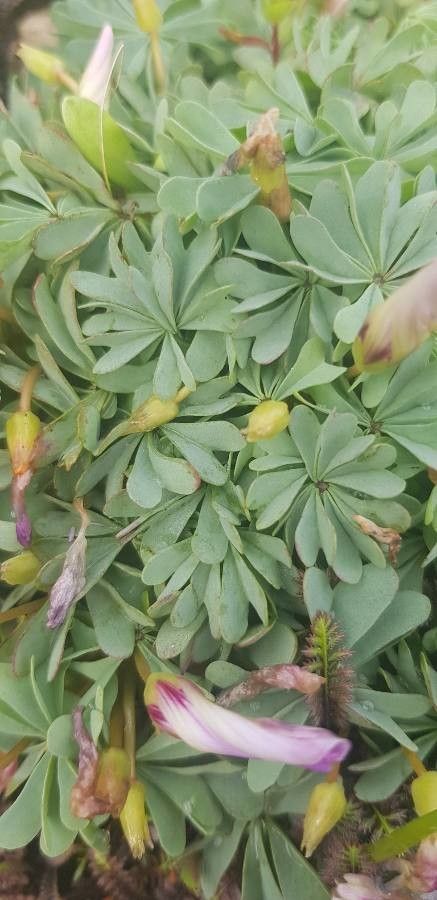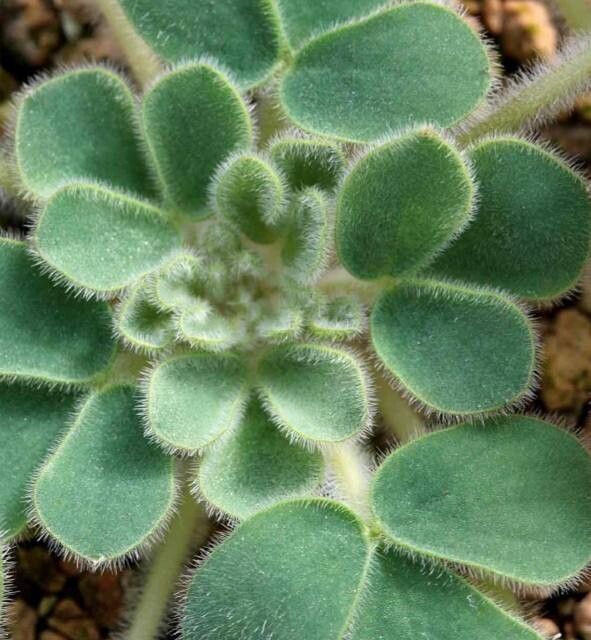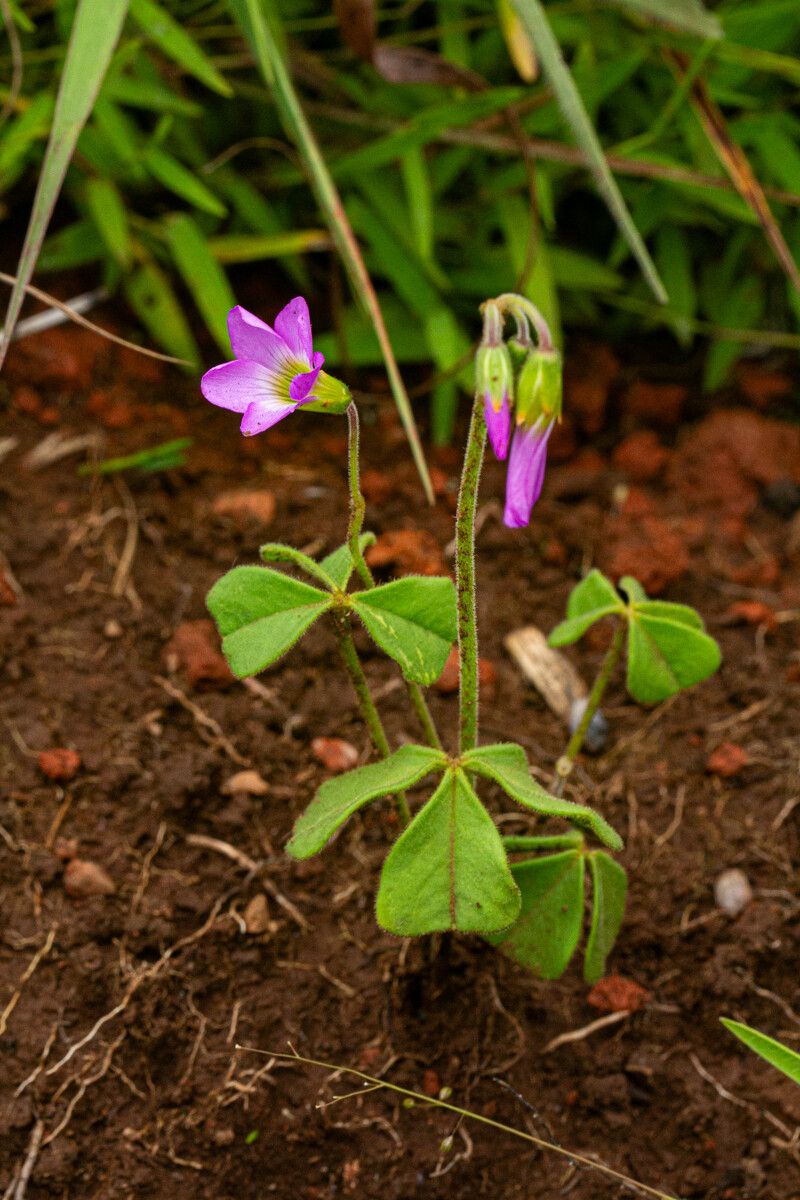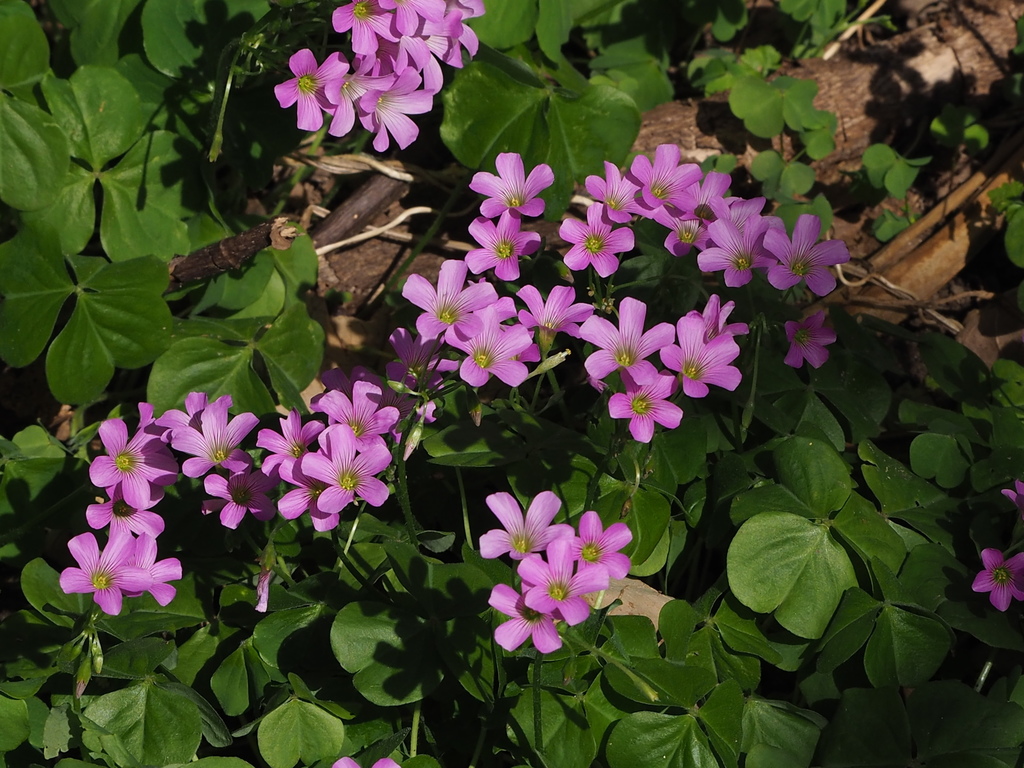
Oxalis debilis, commonly known as the pink wood sorrel, is a small perennial plant in the Oxalidaceae family. Native to South America, it thrives in various habitats such as forests, grasslands, and wetlands. This plant grows up to 20 cm tall and has a spreading habit, characterized by delicate stems often tinged with pink or purple.
The leaves of Oxalis debilis are trifoliate, resembling clover, and are light green with purple markings on the underside of each leaflet. The plant's flowers bloom from spring through summer, held aloft on long stalks above the foliage. These flowers, with five petals, range in color from pale pink to deep magenta.
Oxalis debilis is easy to cultivate, favoring well-drained soil and partial shade, though it can tolerate full sun if provided with sufficient moisture. Thanks to its low-growing habit and attractive foliage, it is often used as ground cover or border plants.
The pink woodsorrel (Oxalis debilis) is native to South America. In North America, where it has been introduced, the plant's seeds seem to be sterile. However, it can still spread in these non-native environments through its roots. FUN FACT · FROM THE LIBRARY
The leaves of this species contain oxalic acid, which gives them a sour taste but also makes them toxic if consumed in large quantities by humans or animals, including dogs and cats.
Overall, Oxalis debilis is an attractive ornamental plant that adds color and texture to any garden setting while also providing ecological benefits, such as attracting pollinators like bees and butterflies.
Pink woodsorrel is a member of the Oxalis genus, which includes several species commonly referred to as wood sorrels. These plants have a sour taste similar to that of true sorrel, or Rumex acetosa, though they are only distantly related. The name "pink woodsorrel" comes from its characteristic pink flowers.
Pink woodsorrel has strong disease resistance and is generally not prone to illnesses. However, it can be vulnerable to pests and diseases present in its environment; these problems are usually mild. For care, this plant needs moderate maintenance. It should be pruned regularly to keep a good appearance and promote healthy growth. Fertilizing can also encourage flowering. Pink woodsorrel is suitable for anyone with an outdoor space, such as a garden or patio, and does not require extensive care experience. It may need more attention when grown indoors.
How to keep Oxalis Debilis.
Light
Pink woodsorrel does best with abundant sunlight throughout its growth, though it can tolerate partly shaded conditions. Excessive shade can, however, hinder its growth and lessen its vigor. In its natural setting it is adapted to substantial sun exposure, similar to that in open habitats.
Water
Pink woodsorrel thrives in moist environments and needs consistent watering, typically once a week. This herbaceous plant, often cultivated indoors for its attractive foliage and pink flowers, also benefits from higher humidity levels that mimic its tropical origins.
Temperature
Pink woodsorrel prefers a temperature range of 59 to 100 ℉ (15 to 38 ℃). It is native to temperate regions that have moderate temperatures throughout the year. During hot summer months, it is recommended to give this plant some shade to help it cope with higher temperatures and prevent wilting or drying out.
Fertilizer
One fertilizer application in spring is typically sufficient for Pink woodsorrel, though multiple feedings can maximize growth. Feed at intervals of about one to one and a half months. Fertilization improves leaf appearance and function, helping maintain even color and a healthy texture. It also promotes root development and nutrient uptake for long-term plant health.
Pruning
Prune pink woodsorrel as it enters its winter dormancy, which you can identify by its withering foliage. It's normal for the leaves to die, so be sure to remove them. You can expect new growth to appear in 2 to 4 weeks. To prevent cross-contamination, always disinfect your pruning tools before use.
Pot & Repot
Repot Pink woodsorrel in early spring. Choose a pot that is wider than it is deep and has good drainage. Use a well-draining, loamy potting mix enriched with compost. Gently remove old soil from the bulb and plant it at a depth equal to the bulb's height. Water thoroughly after repotting and place in a sunny spot. Avoid overwatering to prevent bulb rot.
Botanical profile.
- Plant Type
- Herb
- Life Cycle
- Perennial
- Genus
- Oxalis
- Family
- Oxalidaceae
- Hardiness Zone
- 8-11
- Mature Height
- 10 cm to 15 cm
- Mature Spread
- 10 cm to 30 cm
- Leaf Color
- Green, Blue, Red
- Leaf Type
- Deciduous
- Flower Color
- Pink
- Flower Size
- 2.54 cm to 5.08 cm
- Bloom Time
- All year round
- Planting Time
- Spring, Autumn
- Harvest Time
- Spring, Summer, Fall
- Native Area
- Brazil, Bolivia
Other names.
Reader questions.
How should I water my Pink woodsorrel?
To water the Pink woodsorrel effectively, it is recommended to use filtered water at room temperature. Tap water should be avoided as it may contain harmful particles. The plant prefers warm temperatures, so using cold water can be a shock to its system. Additionally, overhead watering should be avoided as it can cause problems with the foliage. Instead, you should water the plant by applying filtered room temperature water directly to the soil until it is completely soaked. This helps to moisten the roots and assist in their spread through the soil to collect necessary nutrients.
What kind of sunlight does Pink woodsorrel need?
Pink woodsorrel requires full sun daily, relying on at least six hours of sunlight to maintain healthy leaves, roots, and blooms. While many perennials also need six hours of sunlight, plants like the Orange Daylily or Giant Coreopsis can survive with just three hours of sun per day. However, they may not thrive as they would in sunnier conditions.
What is the preferred temperature range for pink woodsorrel?
Pink woodsorrel prefers a temperature range of 59 to 100°F (15 to 38°C). It is native to temperate climates with moderate temperatures throughout the year. To help it adjust to higher temperatures during hot summer months and prevent wilting or drying out, it's recommended to provide pink woodsorrel with some shade.
What should I do if I give my Pink woodsorrel too much or too little water?
Overwatering can harm your Pink woodsorrel more than underwatering. If the plant gets too much water, its stems and leaves may wilt and turn yellow. Overwatering for a long time can also cause diseases like root rot, mold, and mildew that can kill the plant. Underwatering is less common because the Pink woodsorrel can tolerate drought. However, it can happen, and you'll notice the leaves becoming brittle and brown. It's important to spot the signs of overwatering early. Some of the diseases caused by overwatering, like root rot, can't be fixed if you wait too long. If you see signs of overwatering, reduce your watering schedule right away. Check the soil drainage too. If it's poor, replace it with a loose, well-draining potting mix. If you think the plant is not getting enough water, increase your watering frequency until the signs go away.
Can the sun harm Pink woodsorrel? How can I keep Pink woodsorrel safe from the sun and heat?
In warm climates, some Perennial Flowering Plants may struggle with excessive heat and suffer from sun damage. They can wilt, dry out, or even experience growth problems if they are consistently exposed to the intense afternoon sun. However, not all plants require protection from the light afternoon sun. For those that are harmed by intense afternoon exposure, it is recommended to provide them with some shade in warmer climates. Gardeners can achieve this by planting these plants in areas that do not receive direct heat during the afternoon, such as under trees or behind bushes.
What should I do to protect pink woodsorrel in cold weather?
Pink woodsorrel has some cold tolerance and does not usually require protection if temperatures are above -5°C. However, if temperatures are expected to drop below -5°C, you should take temporary measures to protect it from the cold. This can involve wrapping the plant with plastic film, fabric, or other protective materials. Remember to remove these protections once the temperature rises to avoid harming the plant.
How much should I water my Pink woodsorrel?
If your Pink woodsorrel is potted, you can easily tell if it needs water by sticking your finger into the soil. If the top two to three inches of soil feel dry, then it's time to water it. If you have the Pink woodsorrel planted outdoors, you can use the same method. When the top few inches of soil are dry, it's time to water. Typically, during spring and early fall, watering once a week is sufficient. However, during extremely hot weather, you may need to water twice or more per week. It's worth noting that mature Pink woodsorrel plants have a great ability to withstand drought.
Should I shield Pink woodsorrel from sunlight?
Certain perennial plants require ample sunlight to reach their maximum bloom. However, in warmer climates, some of these plants actually benefit from less sun. For instance, individuals residing in hotter regions might find it beneficial to shade their flowering perennials during the intense afternoon sun, especially during summer months. Although many perennial flowering plants prefer partial shade in the hottest climates, there are exceptions. Take the Giant Coreopsis, for example, as it is not bothered by excessive sun exposure. These plants can flourish even when placed in the full sun during scorching weather.
How does pink woodsorrel react to low temperatures, and what recovery measures should be taken?
Pink woodsorrel has a moderate tolerance to low temperatures and thrives best above 15°C. In winter, keep it above -5°C. If temperatures fall below -10°C, the leaves may droop and, in severe cases, wilt and fall off. Recovery measures include trimming off the frost-damaged parts, wrapping the plant with non-woven fabric or cloth before low temperatures hit again, and constructing a wind barrier to protect it from cold winds.
How much water does my Pink woodsorrel plant require?
To properly water your Pink woodsorrel, don't hold back on the amount of water you give it. Make sure the top two to three inches of soil are dry before watering, and then water it generously. You want to completely saturate the soil, so add enough water that it flows out of the drainage holes at the bottom of the pot. If you don't see excess water draining, you likely haven't given enough water. However, be careful not to let the water accumulate in the soil, as this can harm the plant. On the other hand, if water doesn't drain through the pot, it could be a sign that the soil doesn't drain well, which is not good for the plant's health. If the plant is outdoors, one inch of rain per week is sufficient.
What will happen if Pink woodsorrel doesn't get enough sunlight?
If you're growing Pink woodsorrel and not providing enough sunlight, your plants will show signs of not getting what they need. They will produce fewer blooms compared to plants that receive full sun exposure. Some plants may develop dry spots on their leaves, but they can still bloom with inadequate sun. However, these flowers will be smaller and not as full.
How does high temperature affect pink woodsorrel, and what solutions are available?
During the summer, pink woodsorrel should be kept below 38°C. Temperatures exceeding 43°C can cause the leaves to lighten in color, become dry, withered, curl, and the plant becomes more susceptible to sunburn. Solutions include trimming away sunburned and dried parts, moving the plant to a shaded location, especially during the midday and afternoon sun, or using a shade cloth. Watering the plant in the morning and evening to keep the soil moist can also help.