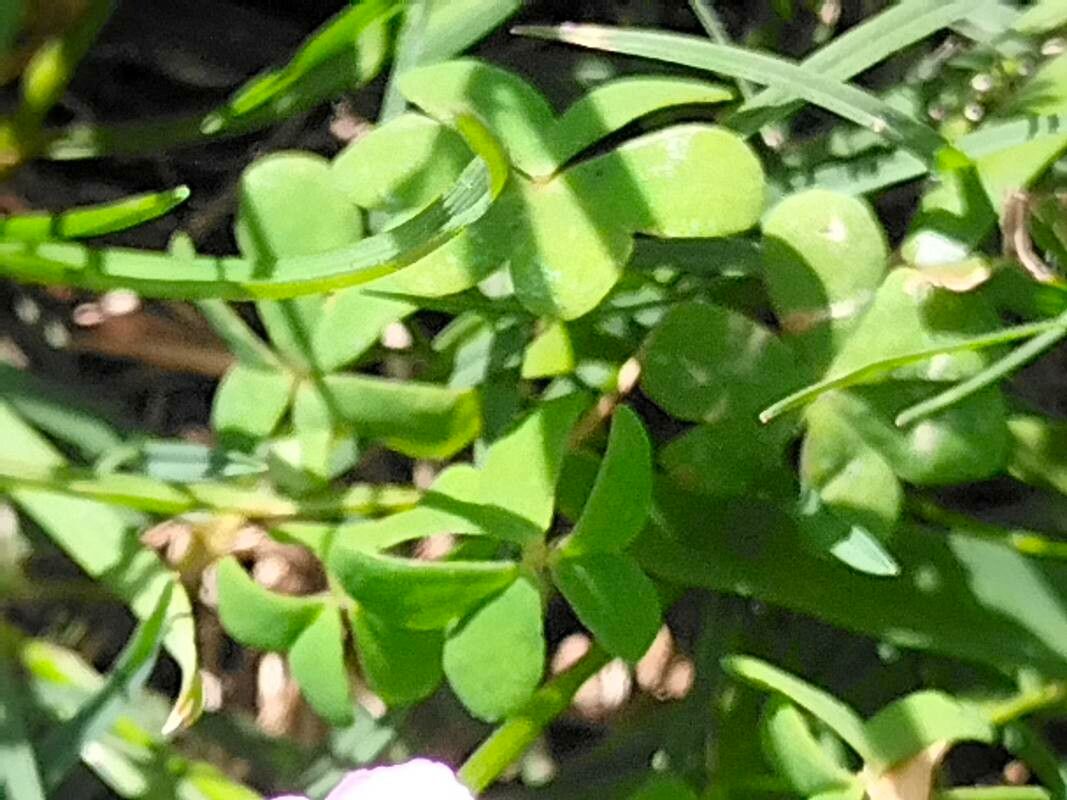
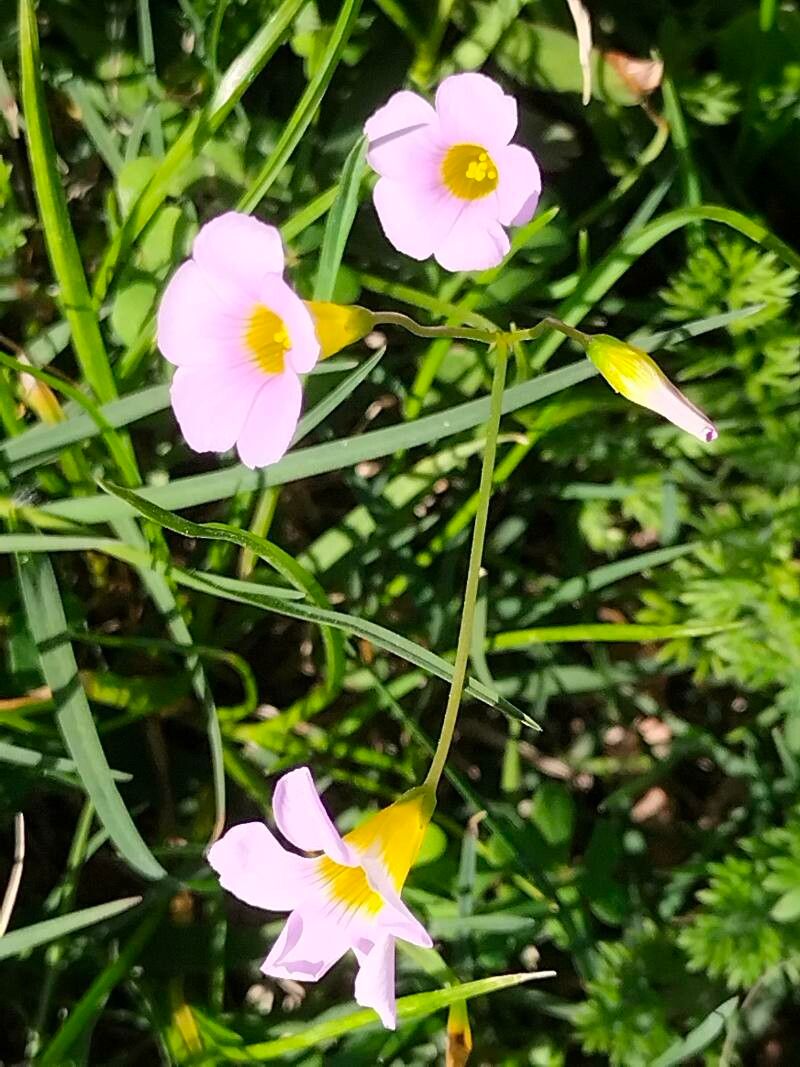
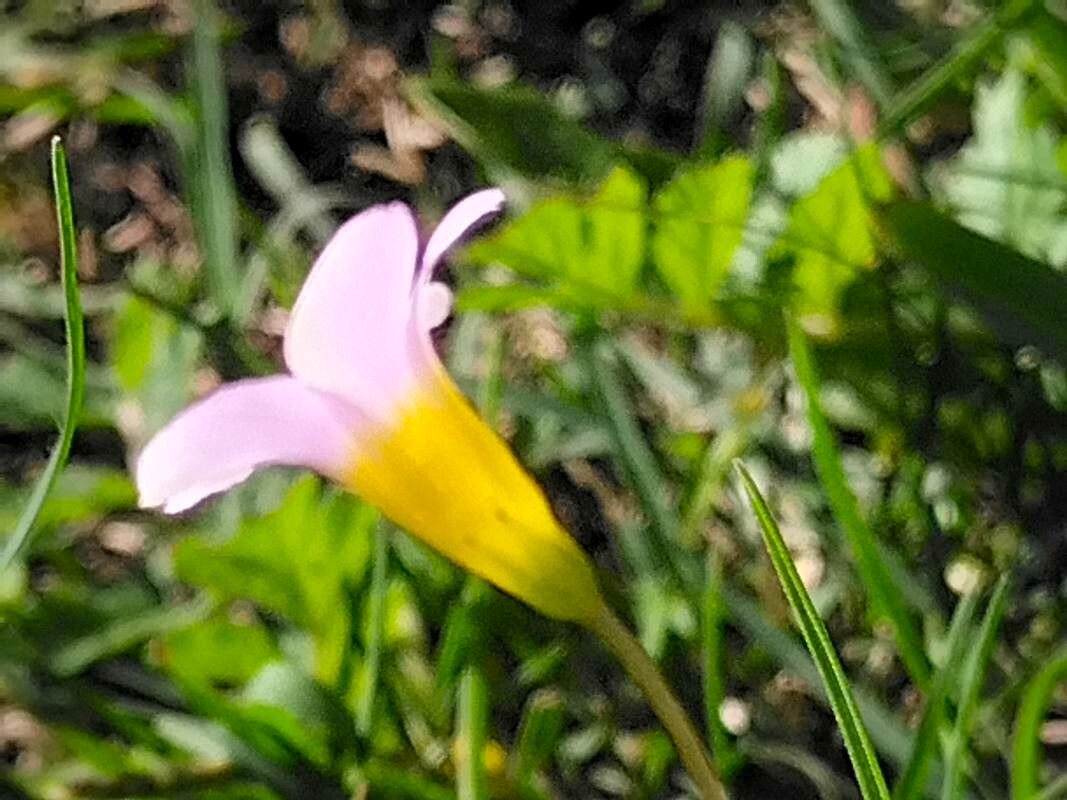
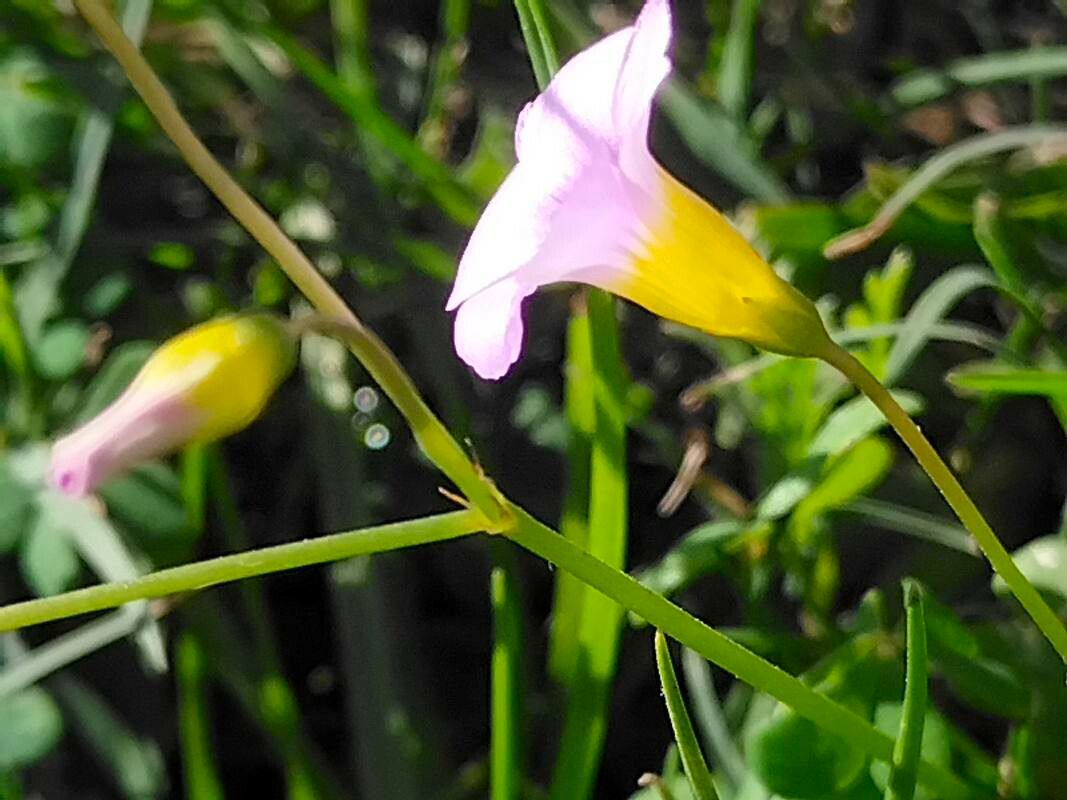
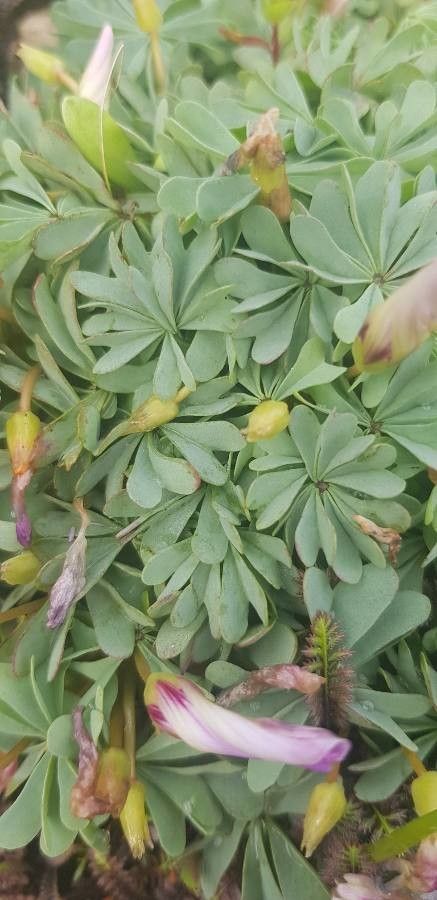
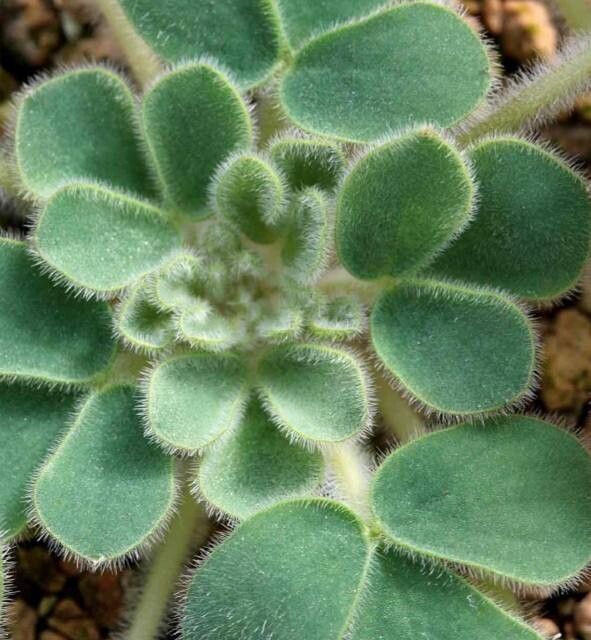
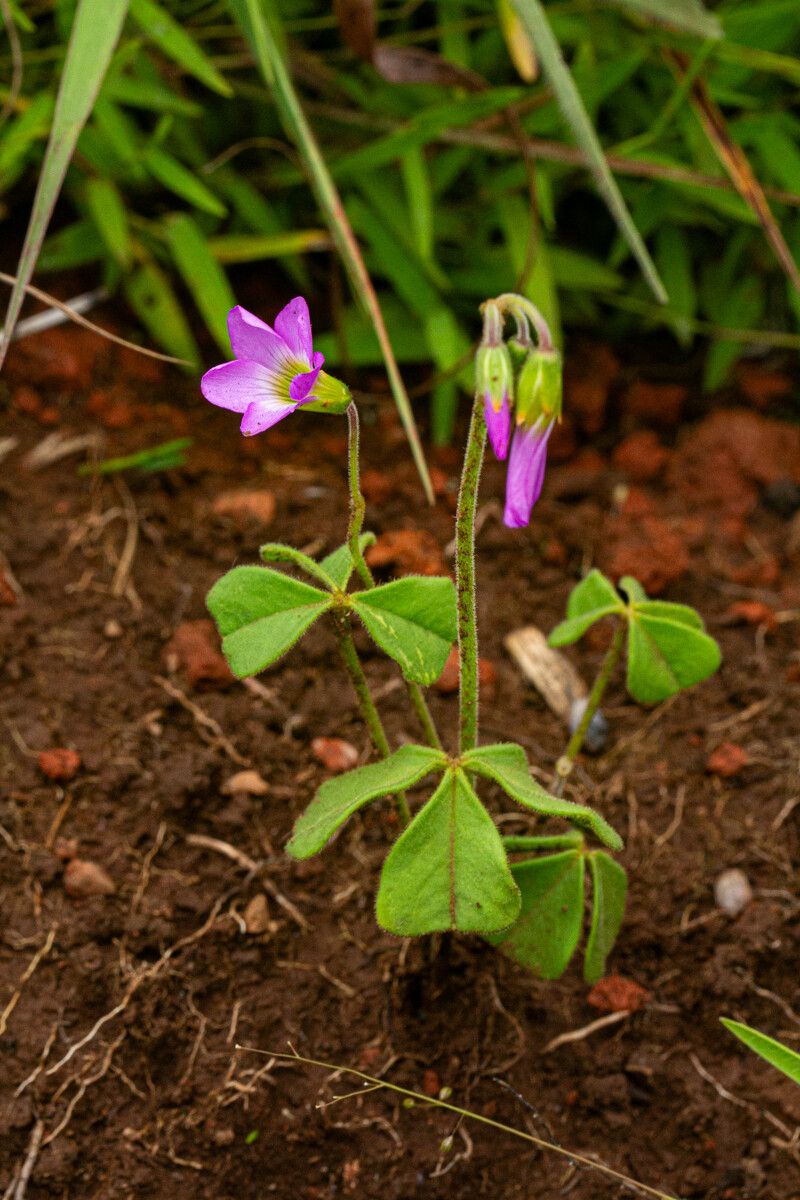
Oxalis caprina (Goat's foot) is a short-stemmed South African plant with bluish flowers from the genus Oxalis.
Bermuda buttercup is fairly disease-resistant and generally not prone to illnesses. However, it can be vulnerable to pests and diseases present in its surroundings. These problems are usually not serious. In terms of maintenance, this plant needs a moderate level of care. It should be pruned regularly to keep a good appearance and support healthy growth. Fertilizing can also help encourage flowering. Bermuda buttercup is suitable for anyone with outdoor space, such as a garden or patio, and does not demand extensive gardening experience. It may need more attention when grown indoors.
How to keep Oxalis Caprina.
Light
The Bermuda buttercup is a sun-loving plant that does best in full sun, though it can tolerate only partial sunlight. Originating from habitats with abundant light, insufficient illumination can impede its growth, while too much sun can cause sunburn.
Water
Goat sorrel needs a moderate amount of water, but be sure to avoid overwatering, as the soil should not be soggy. Water the plant when the top inch of soil feels dry, making sure there is moisture in the top two inches. While rainwater is ideal, you can use tap water if it isn't too hard or cold.
Temperature
the bermuda buttercup originates from South Africa and favors hot, dry conditions. It prefers temperatures ranging from 68 to 100 ℉ (20 to 38 ℃). Sufficient watering and seasonal temperature adjustments are essential for the bermuda buttercup.
Fertilizer
Usually one fertilizer application in spring is enough for Bermuda buttercup, though repeated feedings can optimize growth. Apply fertilizer every month to every month and a half. Fertilizing improves the leaves' appearance and function, encouraging even color and a healthy texture. It also promotes root development and nutrient uptake, supporting the plant's long-term health.
Pruning
Goat sorrel is a plant with clover-like leaves and yellow flowers. It thrives when pruned in early spring, as this encourages bushier growth. To maintain its health, trim any dead stems, but avoid heavy pruning due to its delicate structure. Regular pruning helps improve air circulation, reduces the risk of disease, and enhances the plant's overall appearance.
Pot & Repot
When repotting Bermuda buttercup, select a pot 1-2 inches (2.5–5.1 cm) larger with ample drainage. Use a well-draining potting mix. Repot in spring or fall, making sure the root ball is slightly lower than the rim of the flower pot. Water thoroughly after repotting and place in a warm spot with indirect sunlight.
Botanical profile.
- Plant Type
- Herb
- Life Cycle
- Perennial
- Genus
- Oxalis
- Family
- Oxalidaceae
- Hardiness Zone
- 9-11
- Mature Height
- 5 cm to 10 cm
- Mature Spread
- 49 cm
- Leaf Color
- Green, Purple, White, Brown
- Leaf Type
- Evergreen
- Flower Color
- Yellow
- Flower Size
- 2.54 cm
- Bloom Time
- All year round
- Planting Time
- Spring, Summer, Autumn, Winter
- Harvest Time
- Spring, Summer, Fall
- Native Area
- South Africa, Namibia
Reader questions.
What are the sunlight requirements for Goat sorrel?
Goat sorrel, scientifically known as Oxalis caprina, thrives in various sunlight conditions. It requires full sun, which means it needs above 6 hours of sunlight a day, to flourish optimally. However, it can also tolerate partial sun, getting about 3-6 hours of sunlight daily. When planting Goat sorrel, it's important to observe the way sunlight moves through your garden throughout the day. Choosing spots that provide the right balance of light and shade will ensure your Goat sorrel plants are happy and healthy. Remember that adapting to your garden's specific conditions is key to successful cultivation.