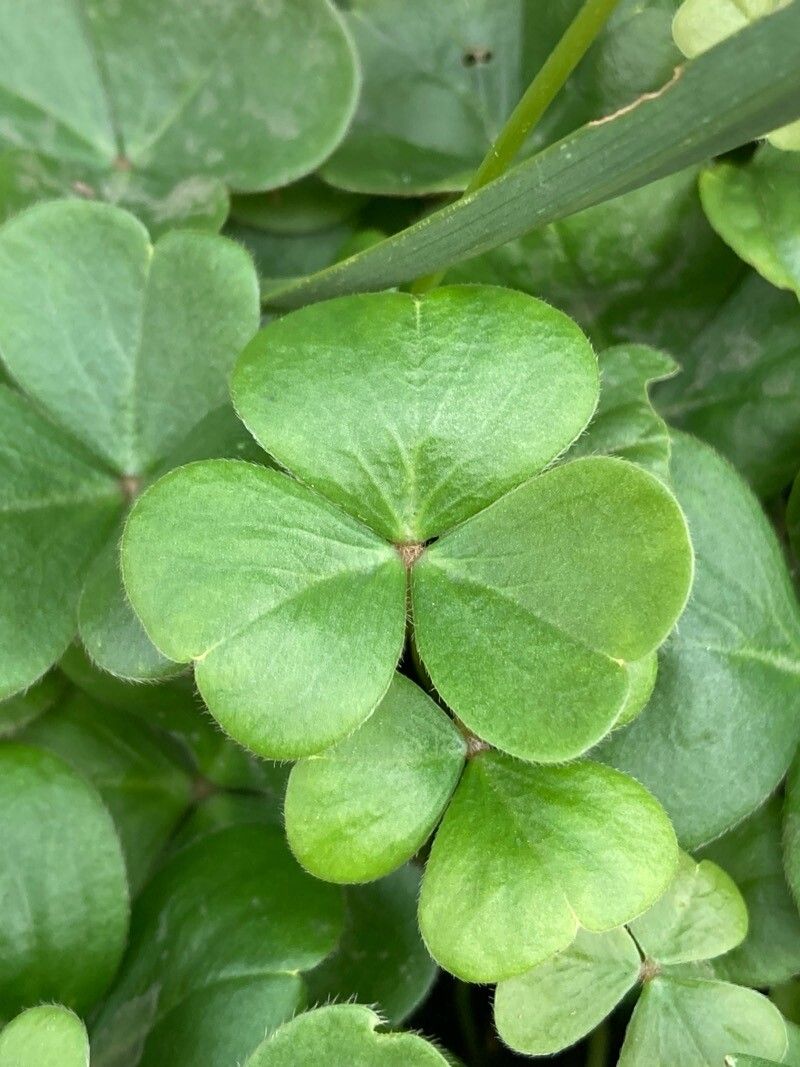
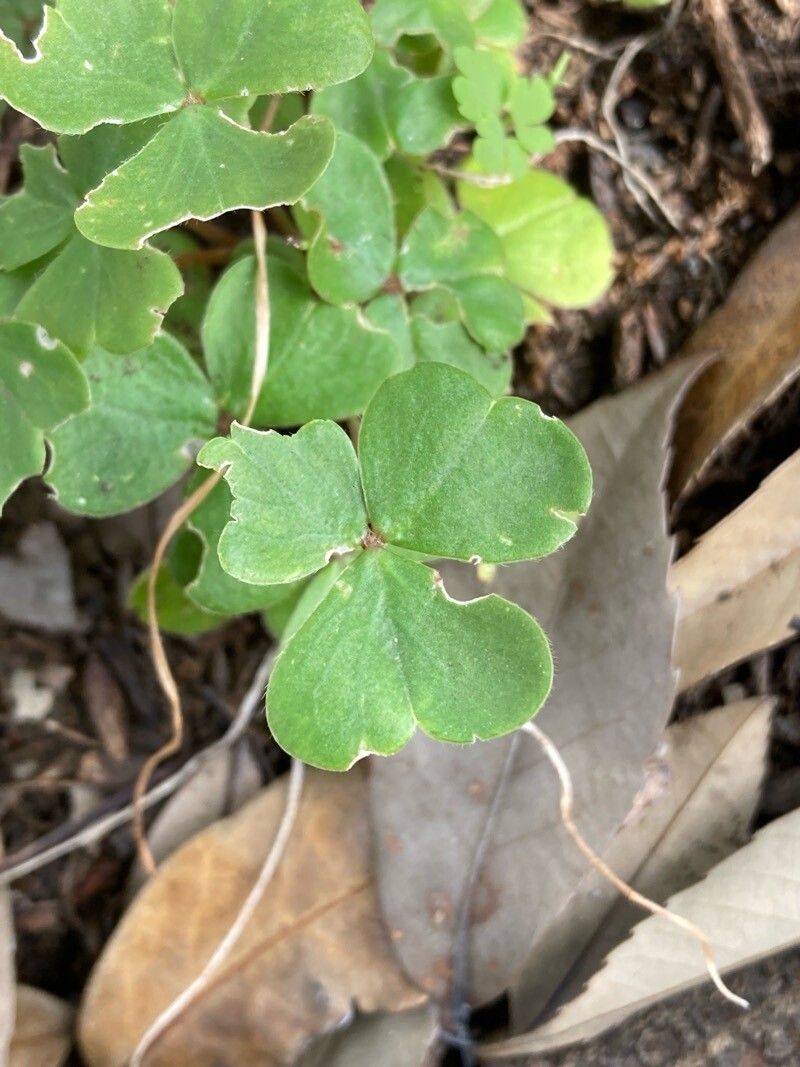
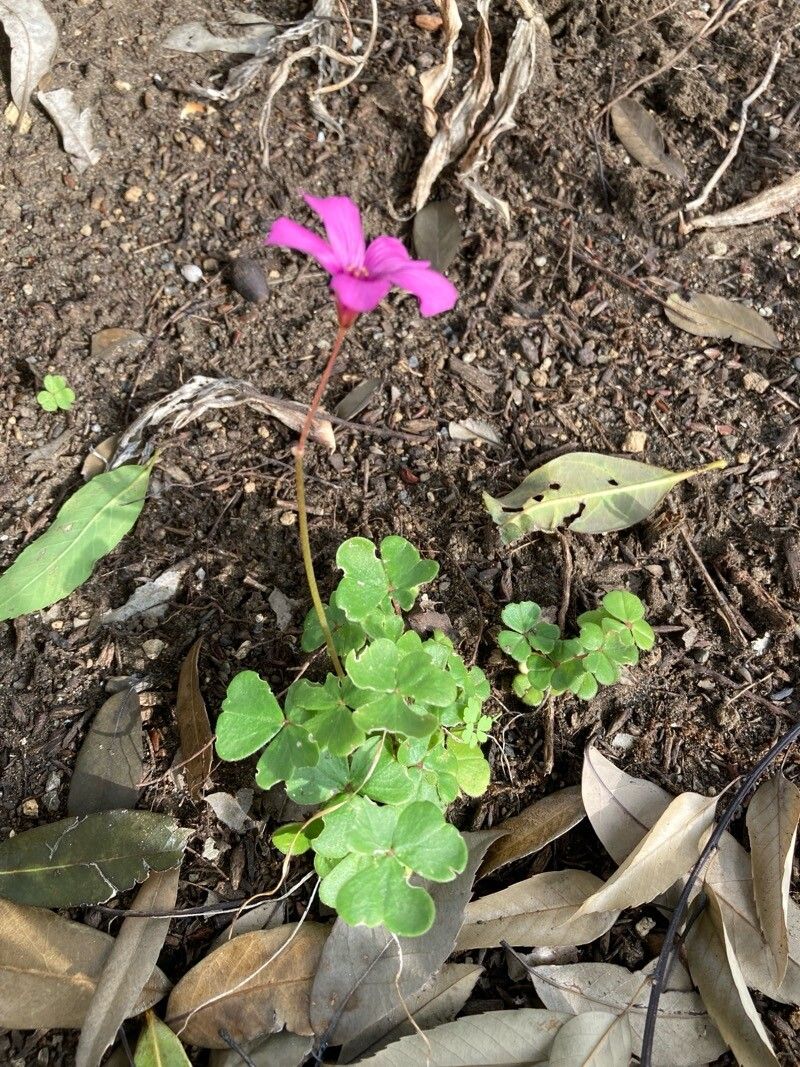
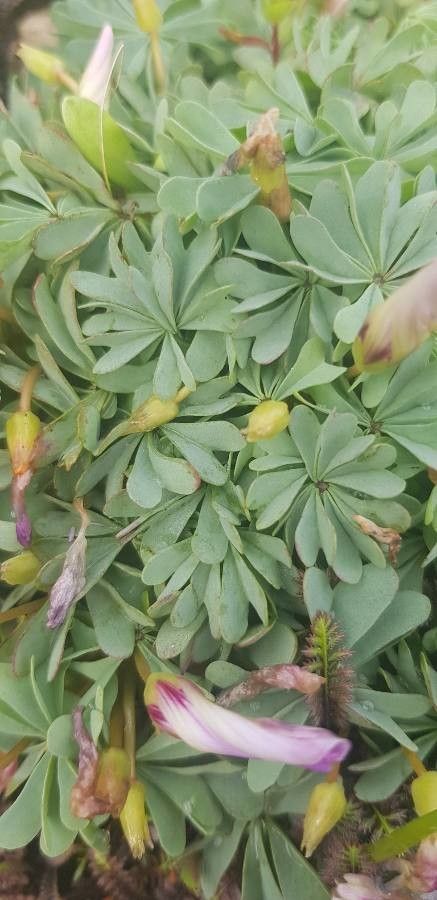
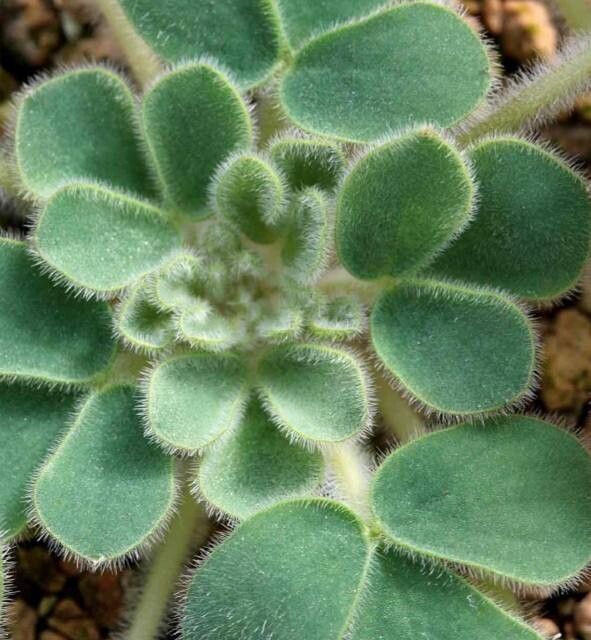
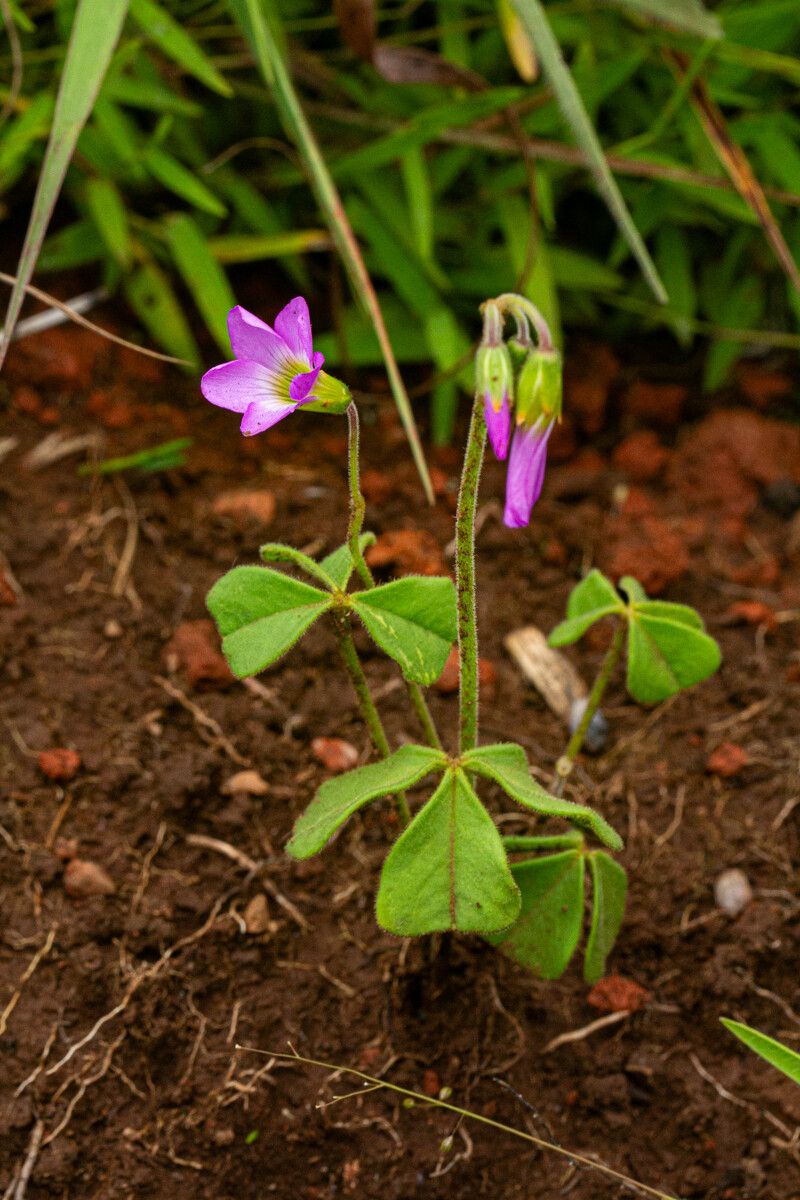
Oxalis brasiliensis, also known by its common name Brazilian woodsorrel is a species from the section Ionoxalis. It was first described by Dámaso Antonio Larrañaga.
Brazilian oxalis has strong disease resistance and is generally not prone to illnesses. Nevertheless, it can be vulnerable to pests and diseases present in its environment. These infections are typically not severe. Regarding care, this plant needs moderate maintenance. It should be pruned regularly to preserve a good appearance and healthy growth. Fertilizing can also help encourage flowering. Brazilian oxalis is suitable for anyone with outdoor space, such as a garden or patio, and does not demand extensive care experience. It may need more attention when cultivated indoors.
How to keep Oxalis Brasiliensis.
Light
Brazilian oxalis originates from habitats like forest understories and rocky areas, where it grows under natural shade. It prefers partial sun but can tolerate either full sun or full shade, demonstrating its versatility and hardiness.
Water
Brazilian oxalis thrives with moderate watering but should not be overwatered. Water the plant when the top inch of soil feels dry, making sure to keep the top 2 inches consistently moist. While rainwater is best, tap water can also be used as long as it isn't too hard or too cold.
Temperature
Brazilian oxalis is fairly adaptable to temperature, with the ability to endure heat and significant temperature swings. In hot weather, one should watch watering and provide adequate shade to avoid sunburn. On the other hand, Brazilian oxalis is not very resistant to cold. While it can tolerate a certain amount of chill, very cold conditions may cause frost damage.
Fertilizer
The best time to fertilize Brazilian oxalis is in early spring, as it comes out of dormancy and starts active growth. Fertilizing supplies essential nutrients needed for healthy growth. Although Brazilian oxalis has relatively low fertilizer requirements, applying fertilizer annually can improve its survival and encourage better, longer-lasting flowers.
Pruning
The Brazilian oxalis is known for its delicate foliage and vibrant flowers. To keep it healthy and thriving, prune it in early spring. This helps encourage new growth, removes dead stems, and improves air circulation. Regular trimming also promotes fullness and increases the abundance of blooms. Be sure to use sterilized tools to prevent infections, ensuring that your Brazilian oxalis remains vibrant throughout the growing season.
Botanical profile.
- Plant Type
- Herb
- Life Cycle
- Perennial
- Genus
- Oxalis
- Family
- Oxalidaceae
- Hardiness Zone
- 8-11
- Mature Height
- 10 cm to 20 cm
- Mature Spread
- 15 cm to 30 cm
- Leaf Color
- Green, Dark Green
- Leaf Type
- Evergreen
- Flower Color
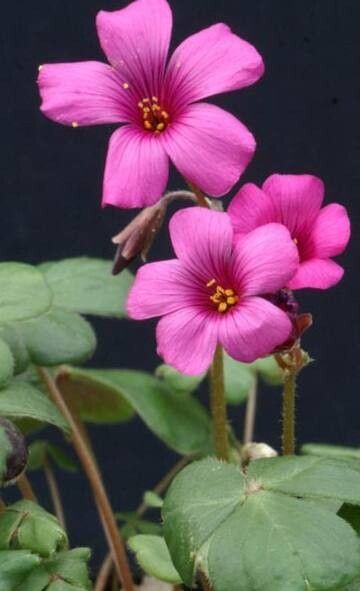
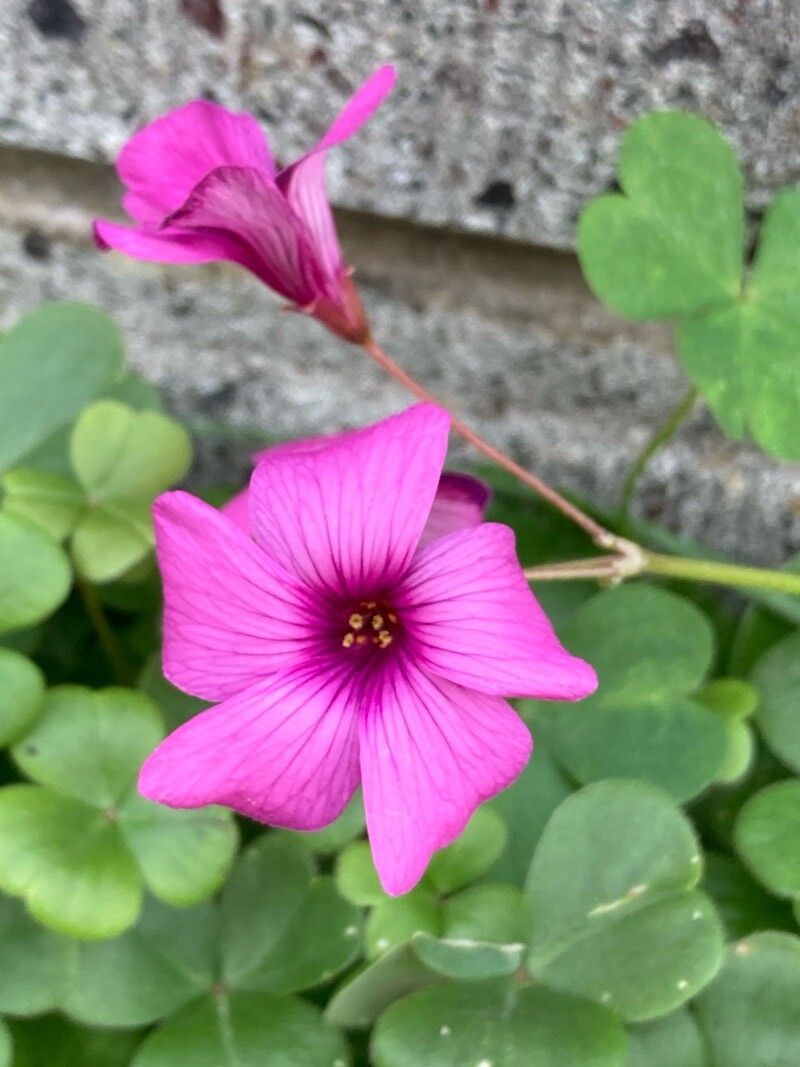
- Pink
- Flower Size
- 1.52 cm to 2.54 cm
- Bloom Time
- All year round
- Planting Time
- Spring, Summer, Autumn
- Harvest Time
- All year round
- Native Area
- Brazil
Other names.
Reader questions.
What amount of sunlight does Brazilian oxalis (Oxalis brasiliensis) require?
Brazilian oxalis, also known as Oxalis brasiliensis, thrives in conditions where it can receive varying amounts of sunlight. For optimal growth, areas that provide 'full sun' conditions, meaning above 6 hours of sunlight daily, are ideal. However, this plant can also flourish in 'partial sun' locales, which receive about 3-6 hours of sunlight. It's essential to observe the way sunlight moves through your garden over the day to find spots offering the perfect balance of light and shade, ensuring your plants are happy and healthy.