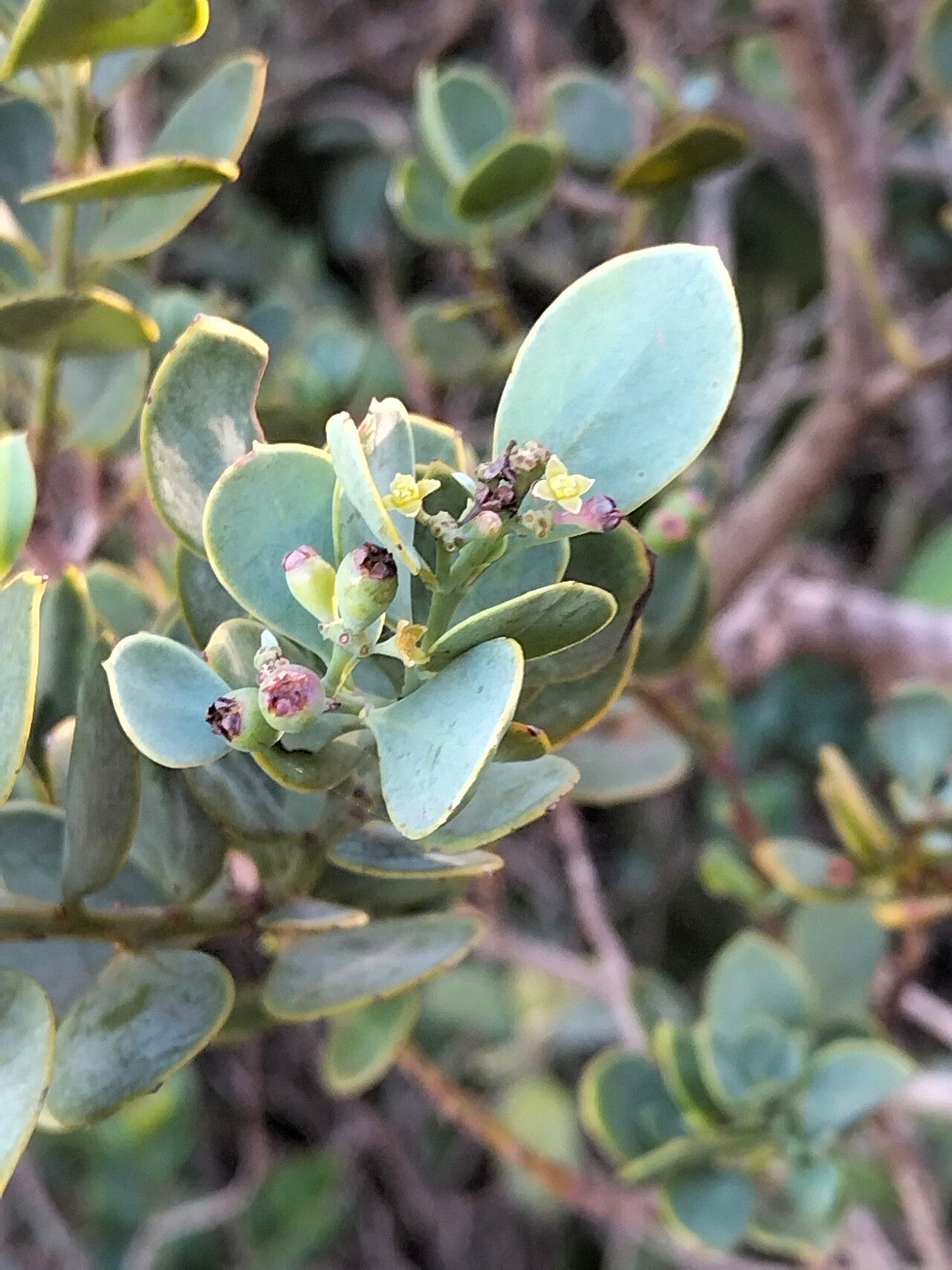
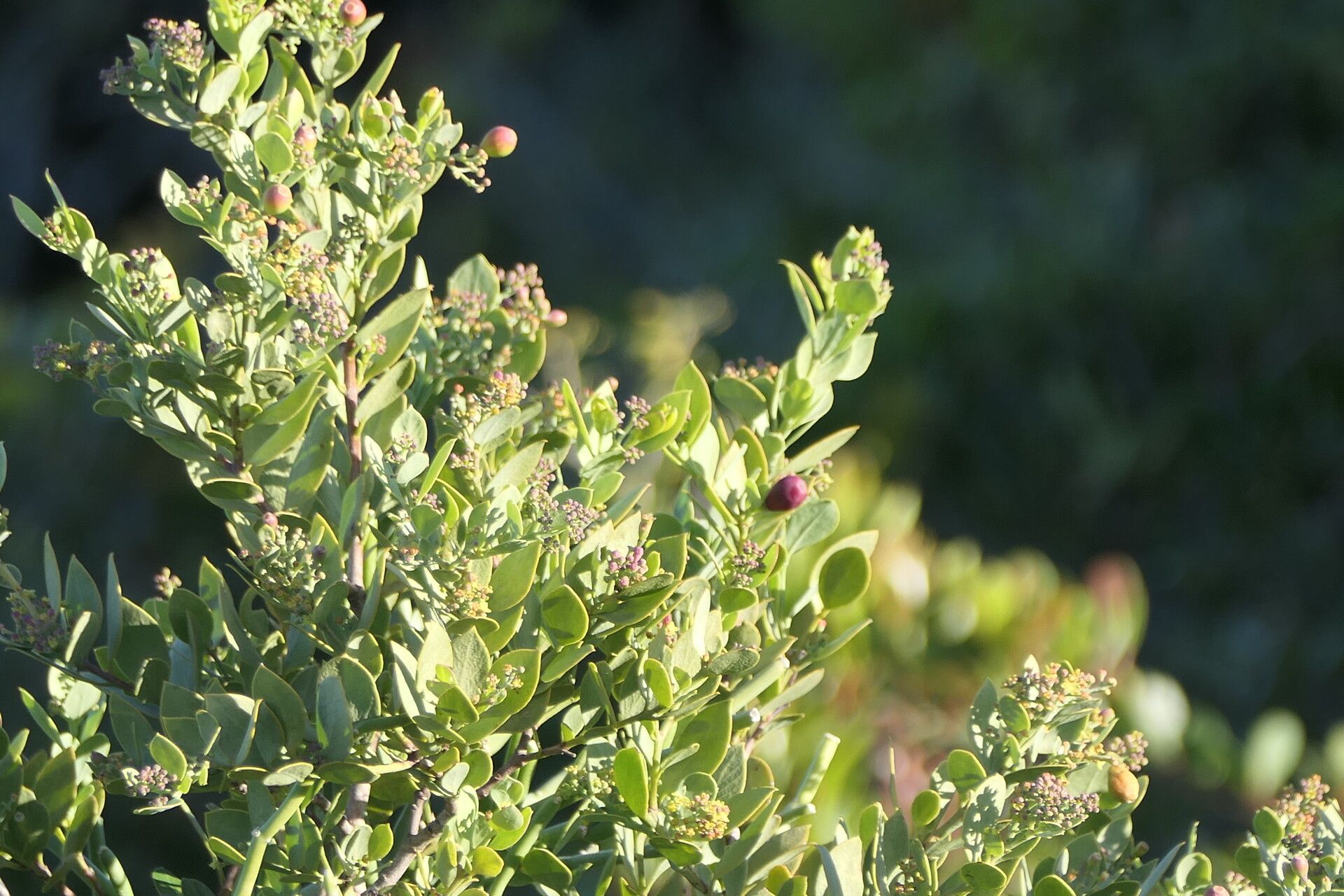
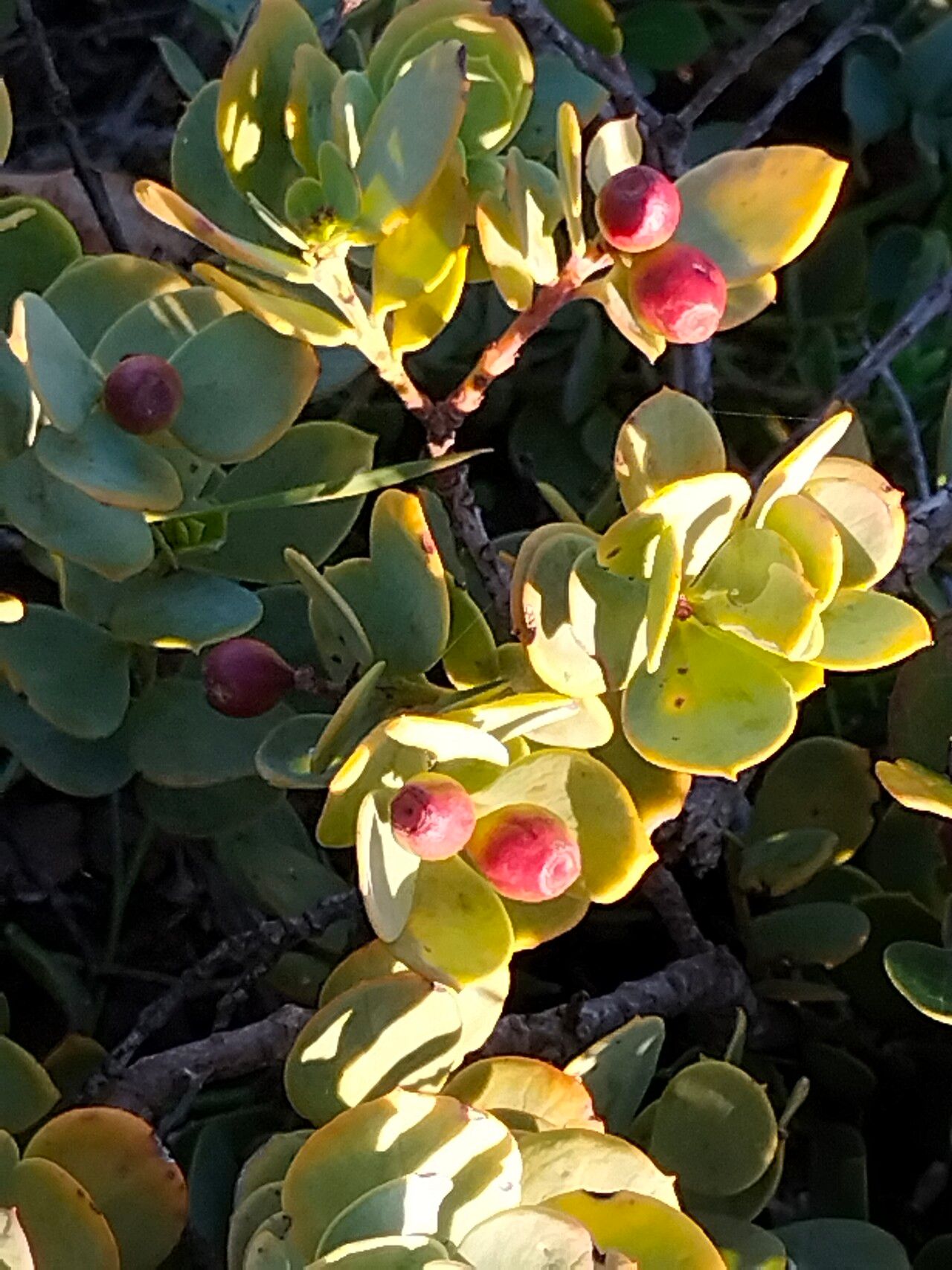
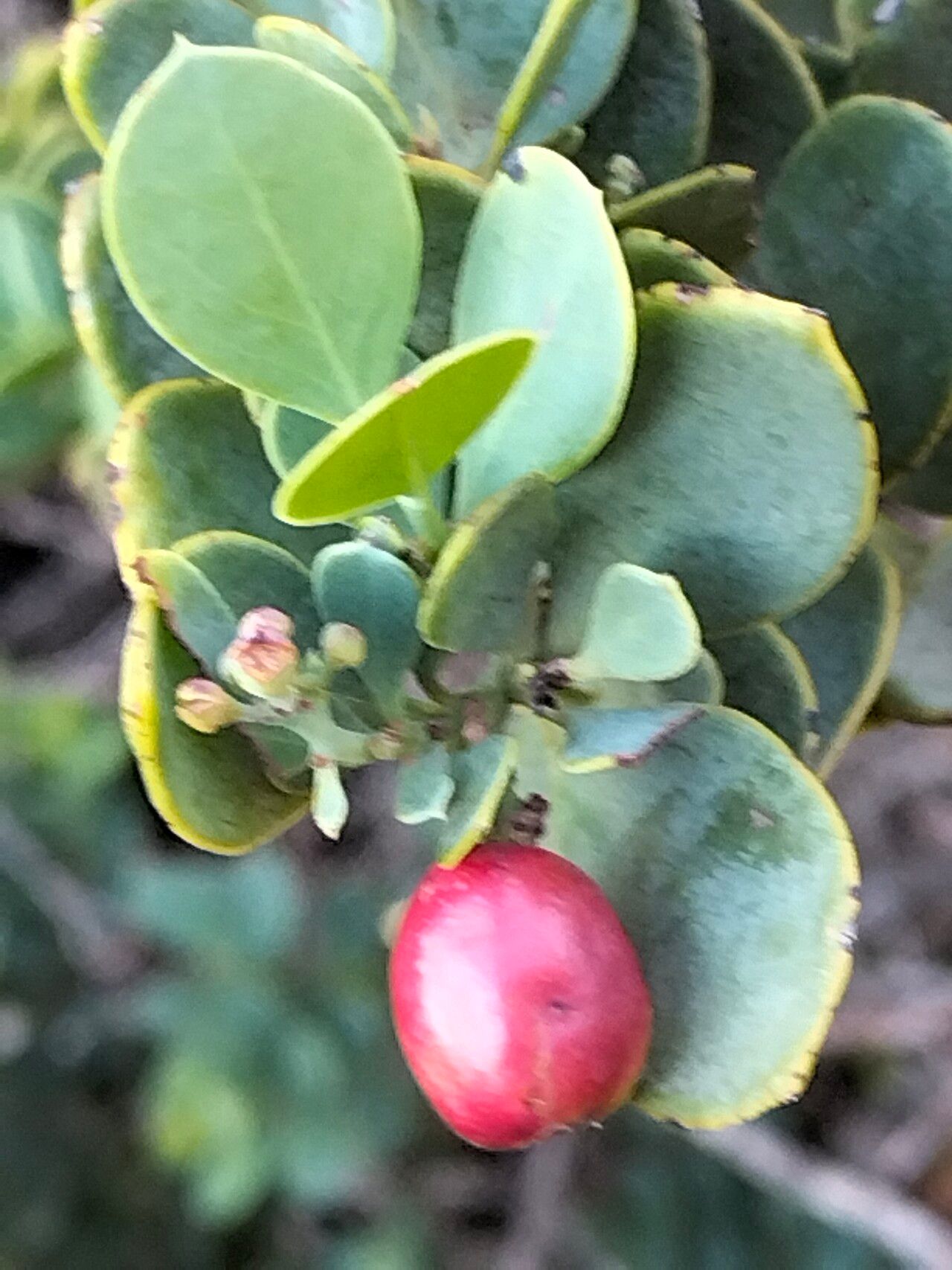
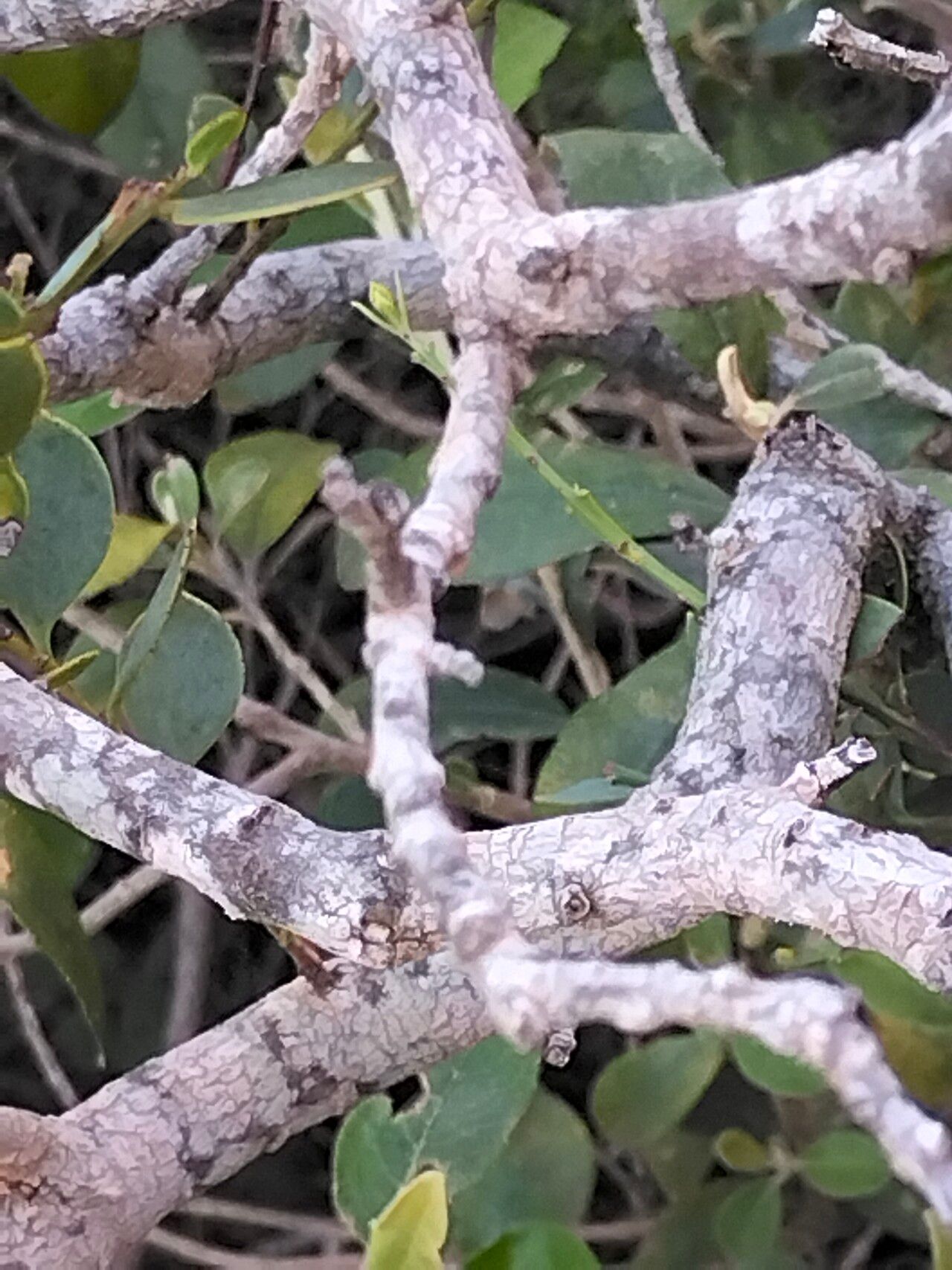
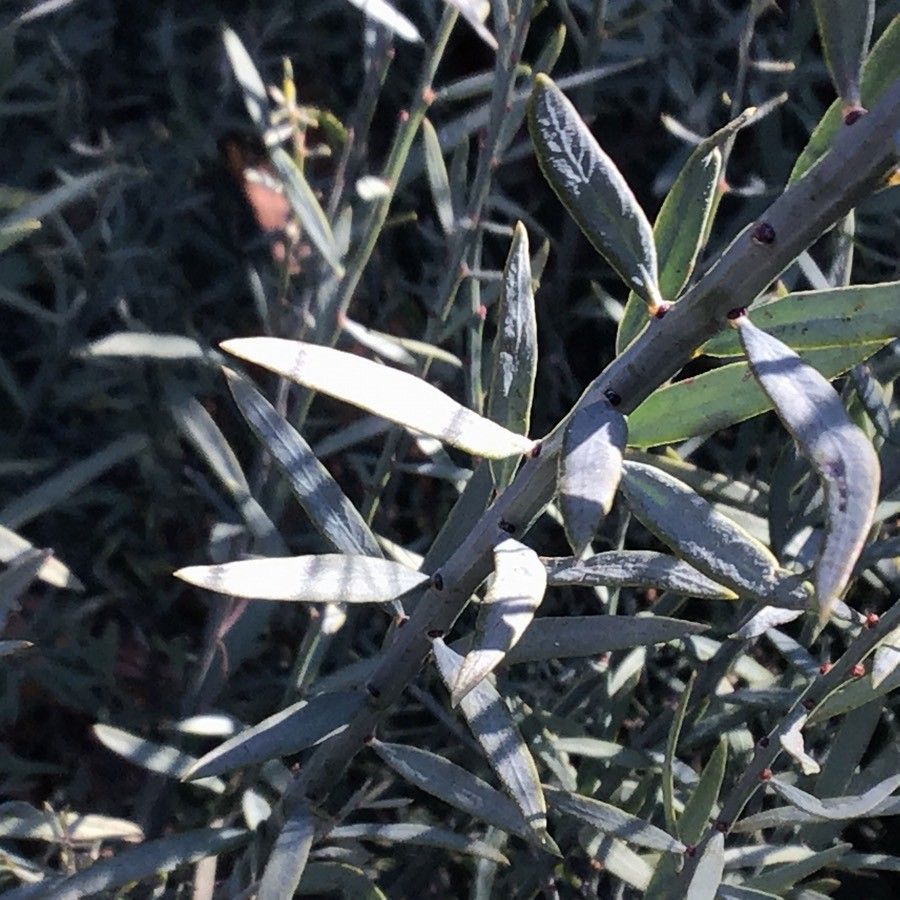
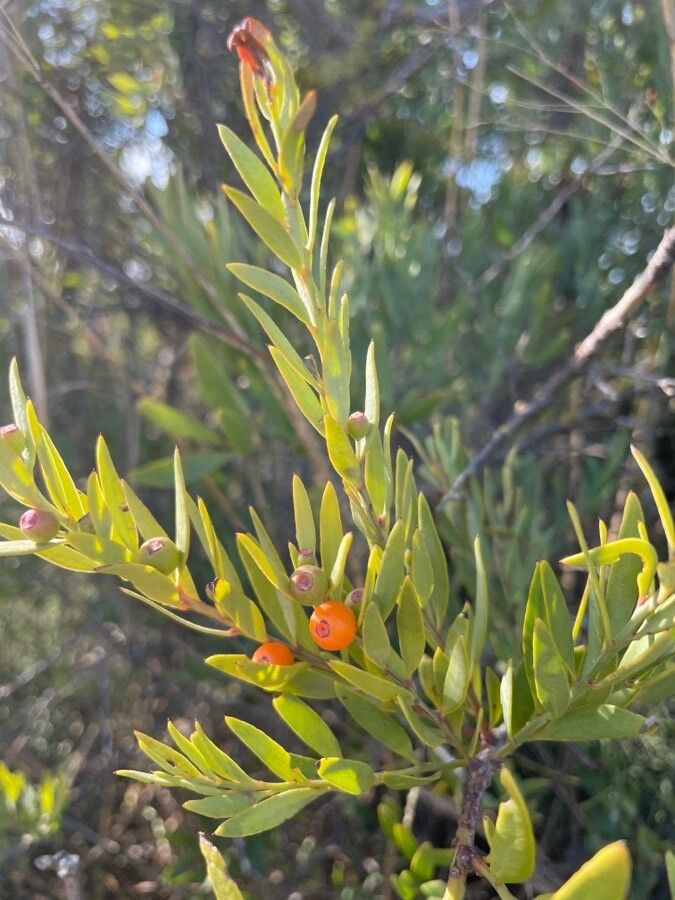
Osyris compressa is a facultatively hemiparasitic, mainly South African plant of the sandalwood family, Santalaceae. Until recently, the favoured binomial name was Colpoon compressum, but around 2001, the genus Colpoon was included in Osyris on the basis of comparative DNA studies. That assignment is not final, however, and according to the Kew Gardens plant list, Colpoon compressum P.J.Bergius, though still in review, is the accepted name.
Cape sumach shows good resistance to disease and is generally not susceptible to illnesses. Regarding care, this plant is fairly low-maintenance. When grown outdoors it needs only occasional watering, and larger plants usually don’t require pruning. Smaller plants, however, should be trimmed after they finish blooming. Cape sumach is well suited to anyone with an outdoor area, such as a garden or a deck, and does not demand extensive gardening experience.
How to keep Osyris Compressa.
Light
Cape sumach originates in open habitats, such as sunny meadows and forest edges, which provide plentiful light. It thrives in Full Sun but can also tolerate Partial Sun, adapting well to a range of sunlight conditions.
Temperature
Cape sumach demonstrates good temperature adaptability, enduring higher heat and considerable temperature swings. In hot conditions, attention should be given to irrigation and providing proper shade to avoid sunburn. Conversely, Cape sumach is fairly sensitive to low temperatures. It can tolerate some cold, but very low temperatures may cause frost damage.
Fertilizer
Fertilize your Cape sumach in early spring to encourage healthy growth. Regular feeding improves its overall health, producing vigorous growth, increased tolerance of harsh conditions, and enhanced resistance to pests and diseases. Follow a consistent fertilization schedule for your Cape sumach to maintain deep-colored, vibrant foliage and a lush appearance.
Pruning
Cape sumach is known for its vibrant foliage and bushy appearance. To maintain its health and beauty, prune it in early spring. Start by removing any dead branches, and then thin out congested areas to improve air circulation. Be careful not to over-prune, as excessive cutting can stress the plant. Always use sterilized tools to prevent disease, ensuring healthier growth and blossoms.
Botanical profile.
- Plant Type
- Shrub
- Life Cycle
- Perennial
- Genus
- Osyris
- Family
- Santalaceae
- Hardiness Zone
- 9-11
- Mature Height
- 0.91 m to 3.05 m
- Mature Spread
- 0.91 m to 2.13 m
- Leaf Color
- Dark Green
- Leaf Type
- Semi-evergreen
- Flower Color
- Yellow
- Flower Size
- 0.25 cm to 0.51 cm
- Bloom Time
- Mid spring, Late spring, Early summer
- Planting Time
- Spring, Summer, Autumn
- Harvest Time
- Mid summer, Late summer, Early fall
- Native Area
- South Africa, Zambia, Mozambique
Other names.