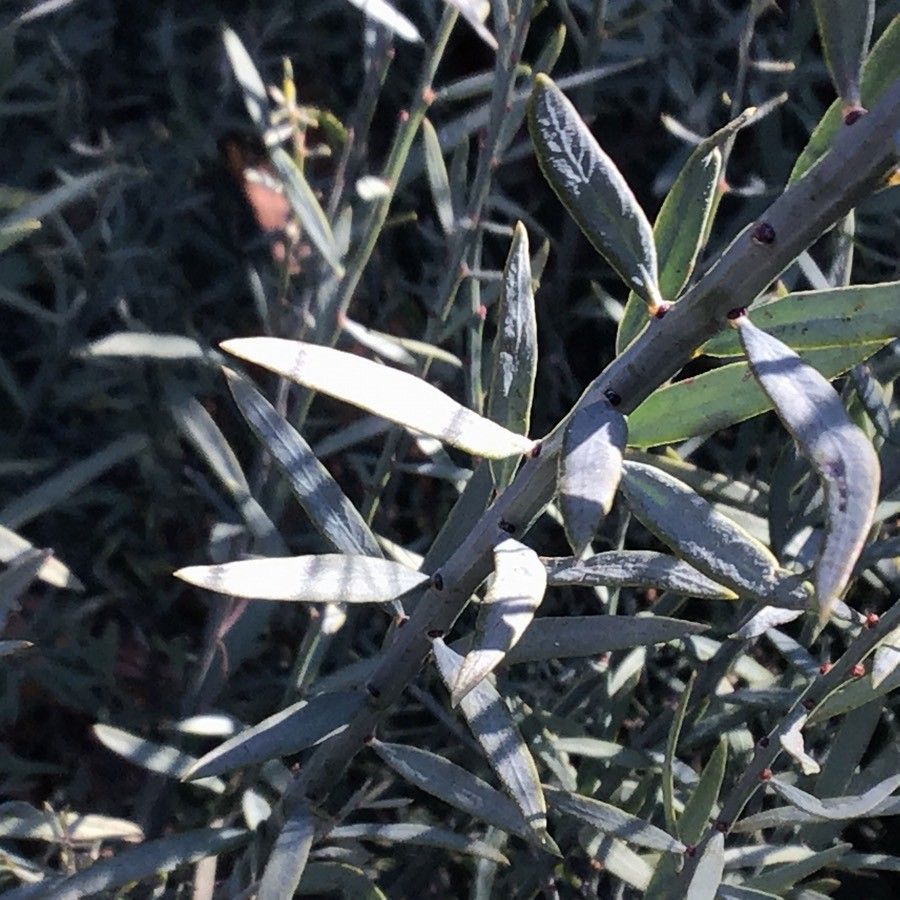
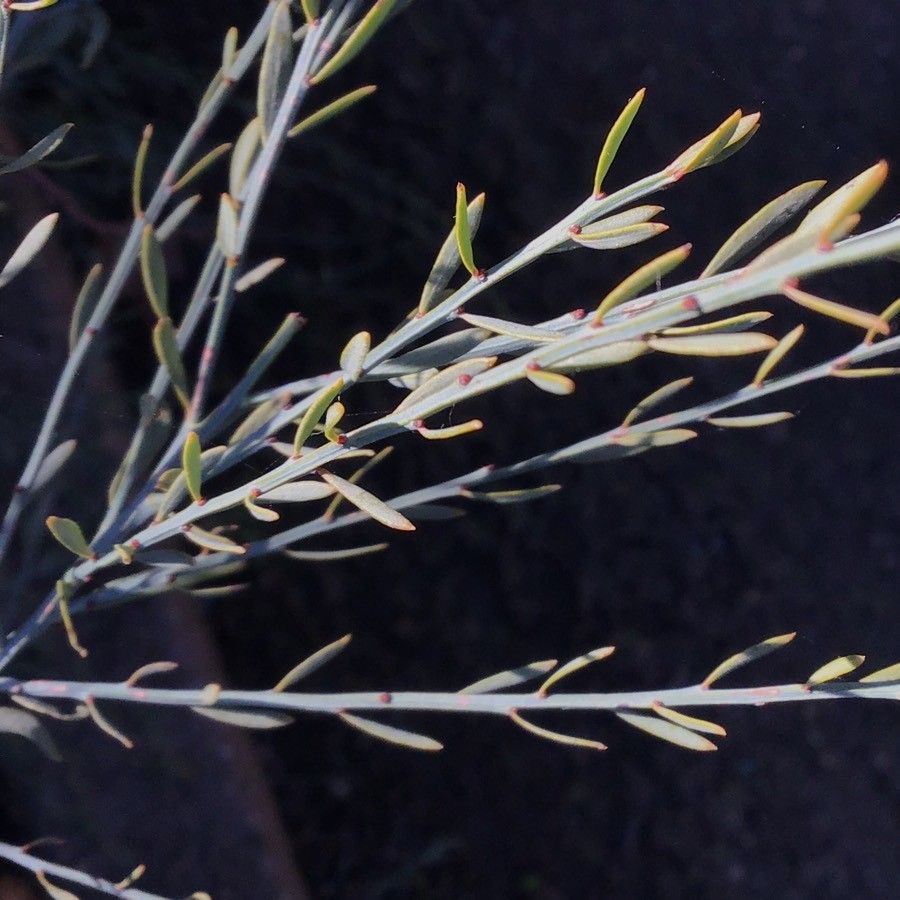
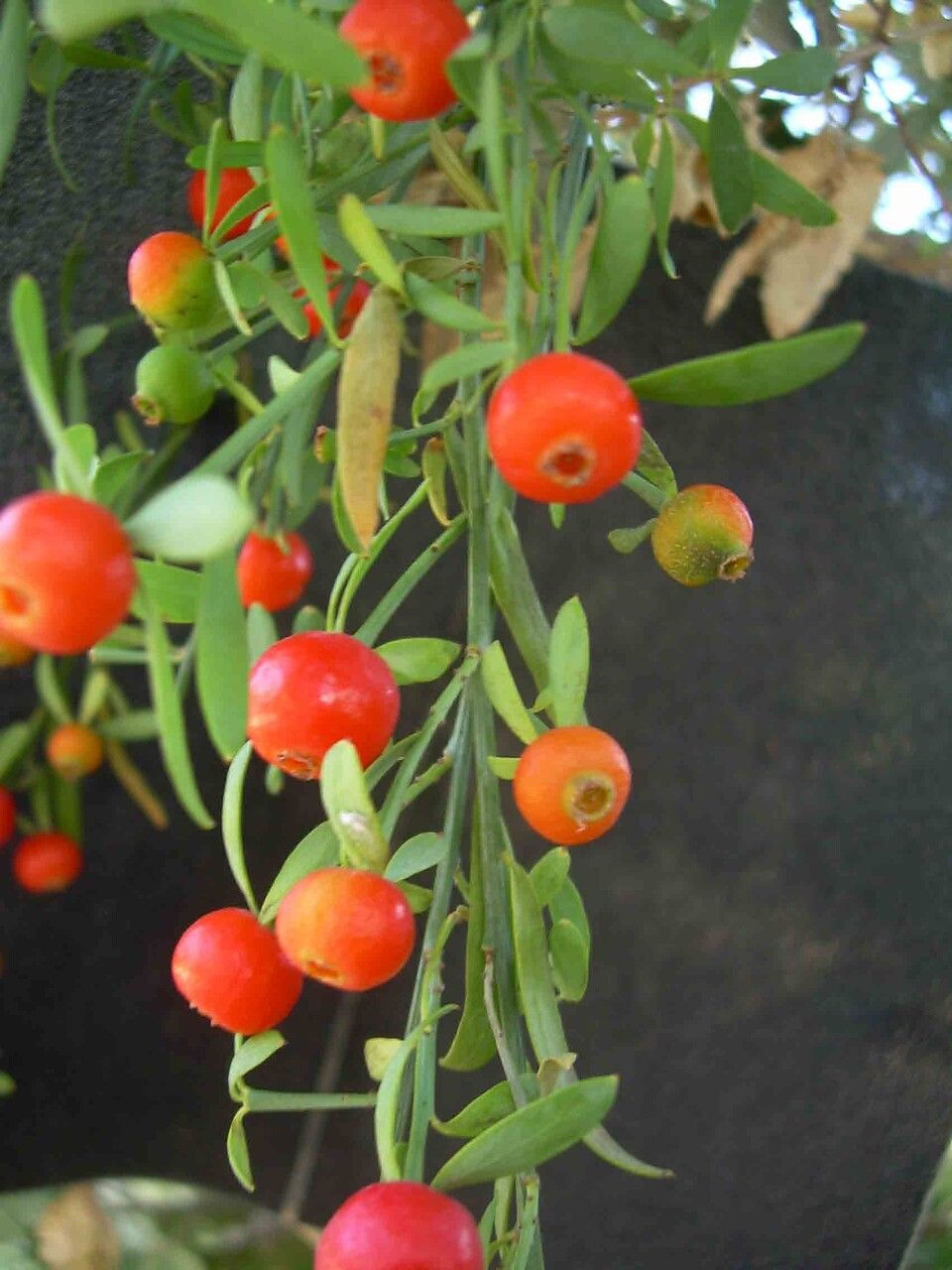
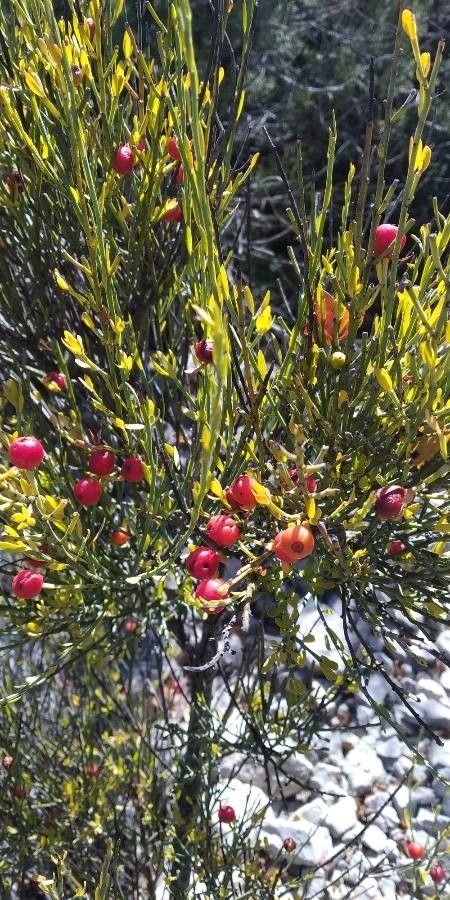
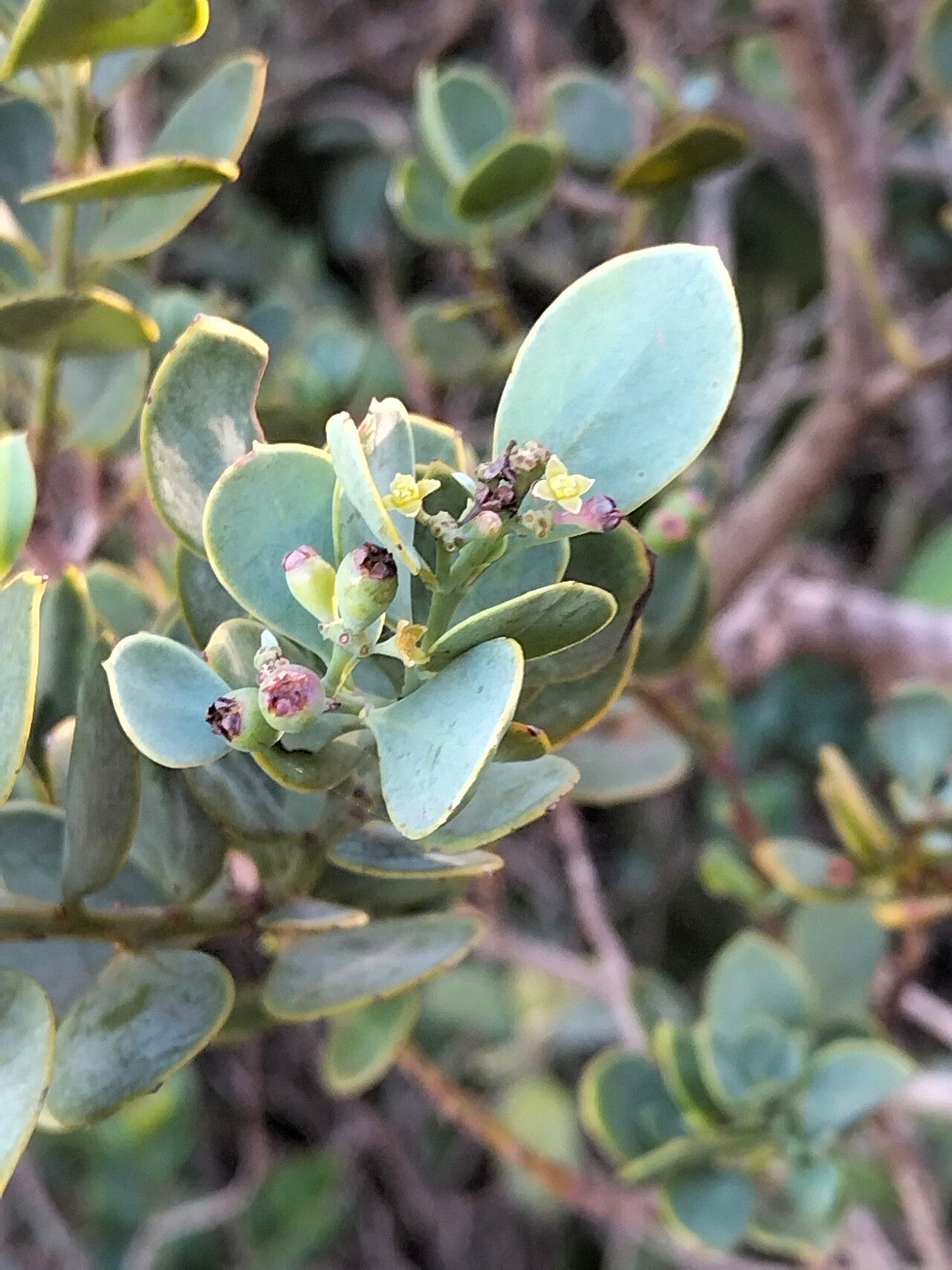
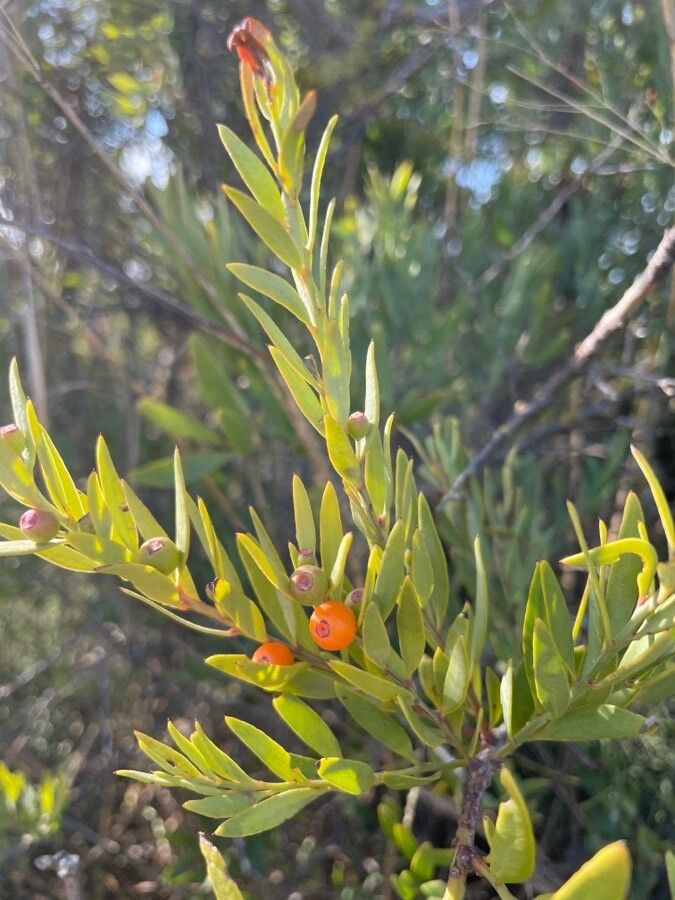
Osyris alba is a small, evergreen shrub belonging to the Santalaceae family. Commonly known as white osyris or white mistletoe, it is native to the Mediterranean region, North Africa, and parts of Asia. This plant typically grows up to 1 meter in height and features a woody stem with small, oval-shaped leaves that are glossy green.
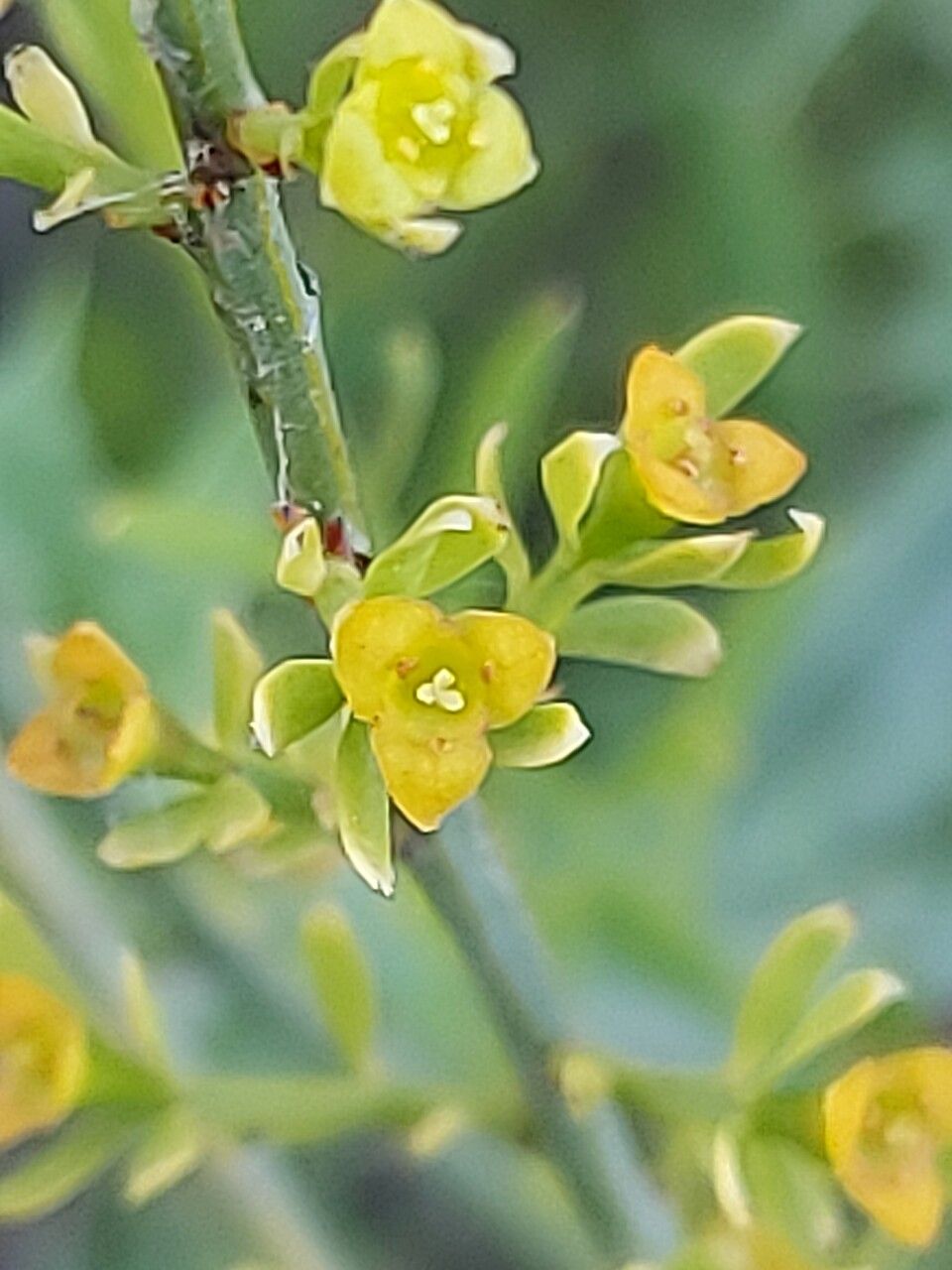
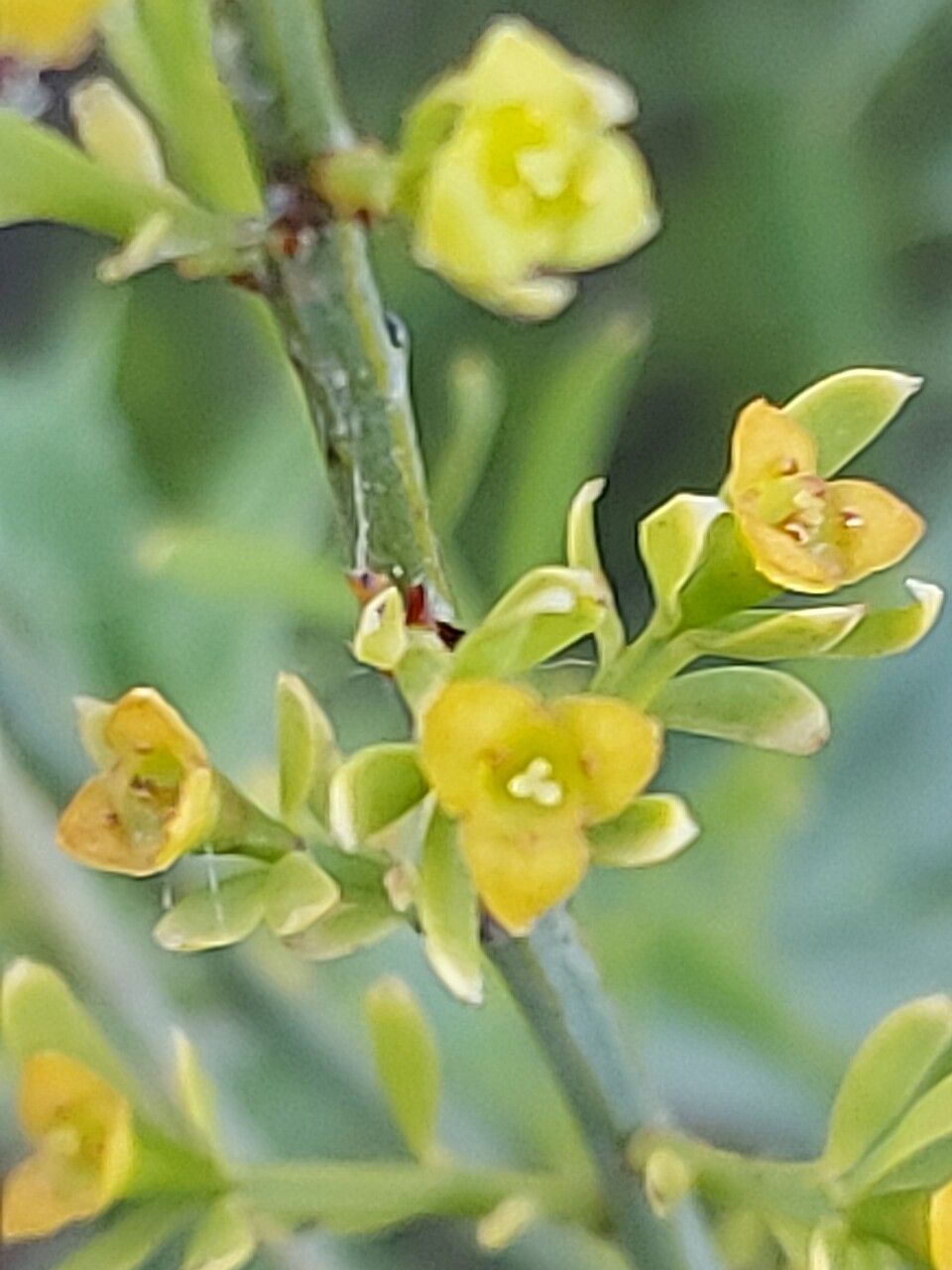
The flowers of Osyris alba are small and greenish-yellow, blooming from February to April. The plant produces fruit that resembles a berry, turning red or orange when ripe. While these fruits are edible, they are not commonly consumed by humans.
Osyris alba has been used for medicinal purposes for centuries, chiefly due to its anti-inflammatory properties. It has served as an herbal remedy for various ailments, including rheumatism, arthritis, and fever reduction, among others.
The plant prefers well-drained soil with full sun exposure but can also tolerate partial shade. It can be propagated through seeds or cuttings, although it requires patience, as it takes time to fully establish itself.
In conclusion, Osyris alba is a fascinating shrub due to its medicinal properties, which have been utilized by humans for centuries. This makes it an important part of traditional medicine practices across different cultures around the world today.
Osyris shows strong resistance to diseases and is generally not susceptible to them. Regarding care, this plant is fairly low-maintenance. Outdoors it needs little watering, and mature plants usually do not require pruning. Smaller specimens, however, should be pruned after flowering. Osyris is appropriate for anyone with an outdoor area, such as a garden or deck, and does not demand much horticultural experience.
How to keep Osyris Alba.
Light
Osyris prospers in locations with unobstructed sunlight throughout the day, yet it does not require any particular tolerance for light levels. Its native habitat is typically characterized by continuous sun exposure. Neither insufficient nor excessive light notably affects the plant's health or growth.
Water
Originating from arid regions, Osyris is highly drought-tolerant and thrives with minimal moisture. It only needs watering once every 2-3 weeks, making it ideal for xeriscaping. Its efficient root system extracts water from poor soils, highlighting its ability to conserve water effectively.
Temperature
Osyris demonstrates good adaptability to temperature, tolerating higher heat and wider temperature fluctuations. When conditions are hot, care should be taken with watering and appropriate shading should be provided to avoid sunburn. However, Osyris has relatively poor tolerance for low temperatures; although it can endure some cold, excessively low temperatures may cause frost damage.
Fertilizer
Fertilize your Osyris in early spring to encourage healthy growth. Consistent feeding boosts overall health, leading to vigorous growth, better tolerance of harsh conditions, and increased resistance to pests and diseases. Stick to a regular fertilization schedule for your Osyris to preserve vibrant, deeply colored foliage and a lush appearance.
Pruning
To promote healthy growth, Osyris plants should be pruned from early to late winter. This involves removing any dead or weak wood. Thinning out crowded branches enhances air circulation and light penetration, helping to prevent pest infestations. Regular pruning also maintains the plant's shape and encourages vibrant foliage, resulting in a vigorous and attractive plant.
Botanical profile.
- Plant Type
- Shrub
- Life Cycle
- Perennial
- Genus
- Osyris
- Family
- Santalaceae
- Hardiness Zone
- 8-10
- Mature Height
- 0.61 m to 1.52 m
- Mature Spread
- 0.49 m to 1.52 m
- Leaf Color
- Green, Gray
- Leaf Type
- Evergreen, Semi-evergreen, Deciduous
- Flower Color
- Yellow
- Flower Size
- 2.54 cm
- Bloom Time
- Mid spring, Late spring, Early summer
- Planting Time
- Spring, Summer
- Harvest Time
- Late summer, Early fall, Mid fall
- Native Area
- Libya, Tunisia, Turkey, Montenegro, Cyprus, Bulgaria, Greece, Croatia, Slovenia, Morocco, Lebanon, Syria, Portugal, Italy, Spain, Albania, Algeria, France
Other names.
Reader questions.
How should I water my Osyris plant to keep it healthy?
Your Osyris plant is not very particular about how you water it. You can use any common watering tool, such as watering cans, hoses, or even cups, to keep the soil moist. It's important to water the plant directly, making sure to evenly moisten all areas of the soil to provide sufficient water to the entire root system. Using filtered water is recommended, as tap water may contain harmful particles. Additionally, it's best to use water that is at or slightly above room temperature, as extremely cold or hot water can be a bit shocking to the Osyris. However, in general, the Osyris plant usually responds well to any type of water you give it.
What are the sunlight requirements for Osyris?
Osyris requires full sun, meaning it needs above 6 hours of sunlight to thrive optimally. Observing how sunlight moves through your garden is crucial to finding spots that provide a perfect balance of light and shade, ensuring the plants' happiness. Osyris particularly thrives in areas where the sun's rays are constant throughout the day, thanks to its typical habitat that's rich in solar exposure. However, its health or growth does not dramatically change with variations in light levels.
What should I do if I give my Osyris plant too much or too little water?
Outdoor plants, especially newly planted ones or seedlings, are prone to not getting enough water. It's important to remember to water them consistently for the first few months, especially when they are small or just planted. Once the roots are established, the plant can rely on rain most of the time. When you have an Osyris plant in a pot, overwatering is more likely to happen. If you accidentally overwater your Osyris, act quickly to fix the situation. Stop watering the plant immediately to minimize the effects of overwatering. Take the plant out of its pot to check the roots. If you don't see any signs of root rot, you can put the plant back in its container. However, if there is root rot, trim away the affected roots and consider using a fungicide to prevent further damage. Repot the Osyris in well-draining soil. On the other hand, if your Osyris is underwatered, simply water it more frequently. Underwatering is usually an easy problem to solve. If the plant's leaves are drooping, drying out, or falling off, they will bounce back quickly after sufficient watering. Adjust your watering frequency promptly if you notice underwatering.
How can artificial lighting benefit indoor Osyris plants?
Indoor Osyris plants require adequate lighting for optimal growth, especially when natural sunlight is insufficient. Artificial lights, such as LED lights, are vital in these scenarios, as they can be customized to provide the specific wavelengths of light your plants need. For full sun plants, 30-50W/sq ft of artificial light is needed, partial sun plants require 20-30W/sq ft, and full shade plants need 10-20W/sq ft. The light source should be placed 12-36 inches above the plant and kept on for 8-12 hours per day to mimic natural daylight hours.
How frequently do I need to water my Osyris plant?
Most outdoor plants can grow naturally with rainfall. However, if your area receives less rainfall, you should water your plants adequately every 2 weeks during spring and fall. In summer, you will need to water them more frequently. In winter, when growth is slower and plants require less water, you should water them sparingly or not at all. If your Osyris plant is young or newly planted, it is important to water it more frequently to help it establish and grow. For potted plants, there are two main ways to determine when to water your Osyris. The first approach is to follow a set watering schedule, such as once a week or once every other week. However, this may not always be accurate as it doesn't consider the specific conditions of your growing environment. Another option is to assess the soil moisture. It is generally best to wait until the top two to four inches of soil, about ⅓ to ½ depth of the pots, have completely dried out before watering again. Keep in mind that during summer, when the plant's water needs are highest, a predetermined watering schedule may not be sufficient.
What are the symptoms of light deficiency in Osyris?
Osyris may show symptoms of light deficiency when placed in suboptimal lighting, such as smaller new leaves, leggy or sparse growth, faster leaf drop, slower or halted growth, paler new leaves, and chlorosis. Excessive sunlight exposure can lead to sunscald, leaf curling, wilting, and leaf scorching. These symptoms indicate that the plant is struggling with its current light conditions.
How much water does my Osyris plant need?
When watering your Osyris plant, you may be surprised to learn that it doesn't always require a large amount of water. Instead, if only a few inches of soil have dried since the last watering, giving it approximately five to ten ounces of water each time can promote healthy growth. You can also determine the amount of water based on the moisture of the soil. Take note of how many inches of soil have dried between waterings. To ensure your Osyris receives enough moisture, water until all the dry soil layers have been moistened since the last watering. If over half of the soil is dry, it may be necessary to provide more water than usual. In such cases, continue adding water until you see drainage from the pot's holes. If your Osyris plant is located in an area with ample rainfall, it may not need additional watering. However, when it's young or still establishing, make sure it receives 1-2 inches of rain per week. As it matures and becomes established, it can rely solely on rainwater. Only when the weather is hot and there has been no rainfall for 2-3 weeks should you consider giving it a full watering to prevent stress.
What are effective solutions for Osyris struggling with light conditions?
For Osyris struggling with light conditions, there are several solutions. Indoors, gradually move plants to sunnier locations until they achieve at least 6 hours of direct sunlight daily. If natural light is insufficient, use artificial lighting for at least 8 hours daily or invest in professional grow lights. Outdoors, adapt plants to brighter spots by moving them weekly to avoid sunburn. Minimize obstructions by pruning or relocating plants to sunnier areas. Unfortunately, parts of the plant that have been severely affected by light deprivation may not recover, but new growth should be healthy with improved light exposure.
How do I know if I'm giving enough water to my Osyris plant?
Overwatering is a common issue for the Osyris, which can be identified through various signs. In general, an overwatered Osyris will have yellowing leaves and may shed some. Additionally, overwatering can lead to the plant's overall structure shrinking and potentially cause root rot. On the other hand, an underwatered Osyris will also start to wilt, with leaves turning brown or becoming brittle. Regardless of whether you observe signs of overwatering or underwatering, it's important to take action promptly in order to revive your Osyris's health.
How do I give my Osyris water at different stages of growth?
When the Osyris is young, especially in the seedling stage, it needs more water compared to when it is fully grown. It is important to keep the soil consistently moist in the early stages to promote root development. This is also crucial for any Osyris that has been transplanted to a new location. Additionally, by providing the correct care, the Osyris can produce attractive flowers and fruits. If your Osyris is in the flowering or fruiting phase, it will likely require slightly more water than usual to support these plant structures.
How can I make sure my Osyris plant gets enough water all year round?
The watering needs of your Osyris will change with the seasons. In the hottest summer months, when there is a lot of sunlight, you will need to water it more frequently because the soil dries out faster. However, during the winter when it is not actively growing, you can water it less often, maybe once every 2 to 3 weeks or not at all. If you are growing it indoors, be cautious of appliances like air conditioners, as they can make your plant dry out faster and require more frequent watering.
What's the difference between watering my Osyris plant inside and outside?
Depending on the situation, your Osyris plant may or may not require additional watering when it is grown outside. If you reside in an area with minimal rainfall, it is advisable to water the plant approximately every two weeks. If you are located outside of the plant's natural hardiness zone, it is best to grow it indoors. When positioned indoors, it is important to regularly check the soil moisture as it can dry out faster in containers or due to exposure to HVAC units like air conditioners. These drying factors may necessitate more frequent watering compared to outdoor growth.