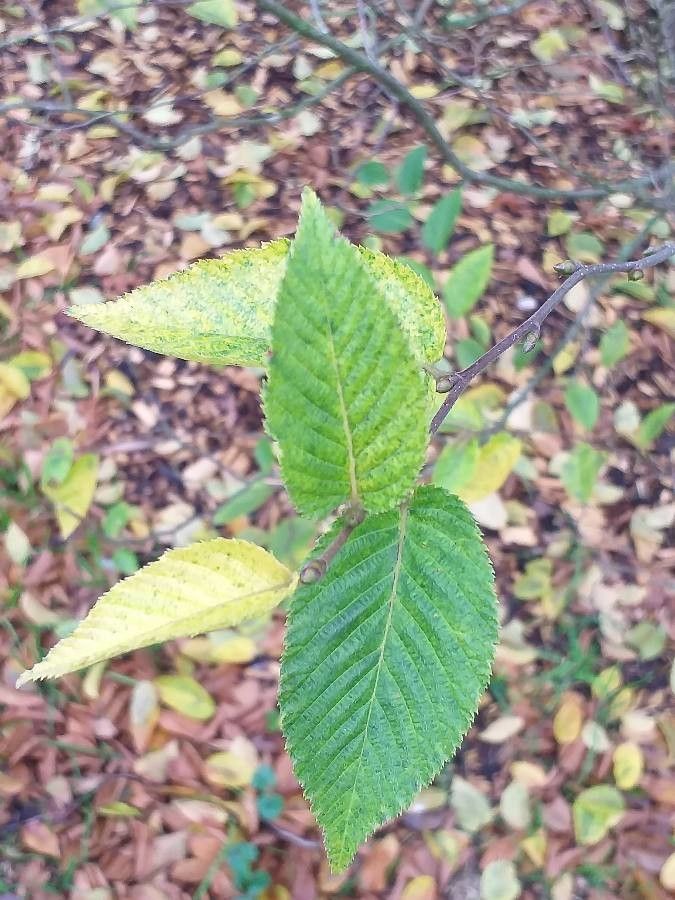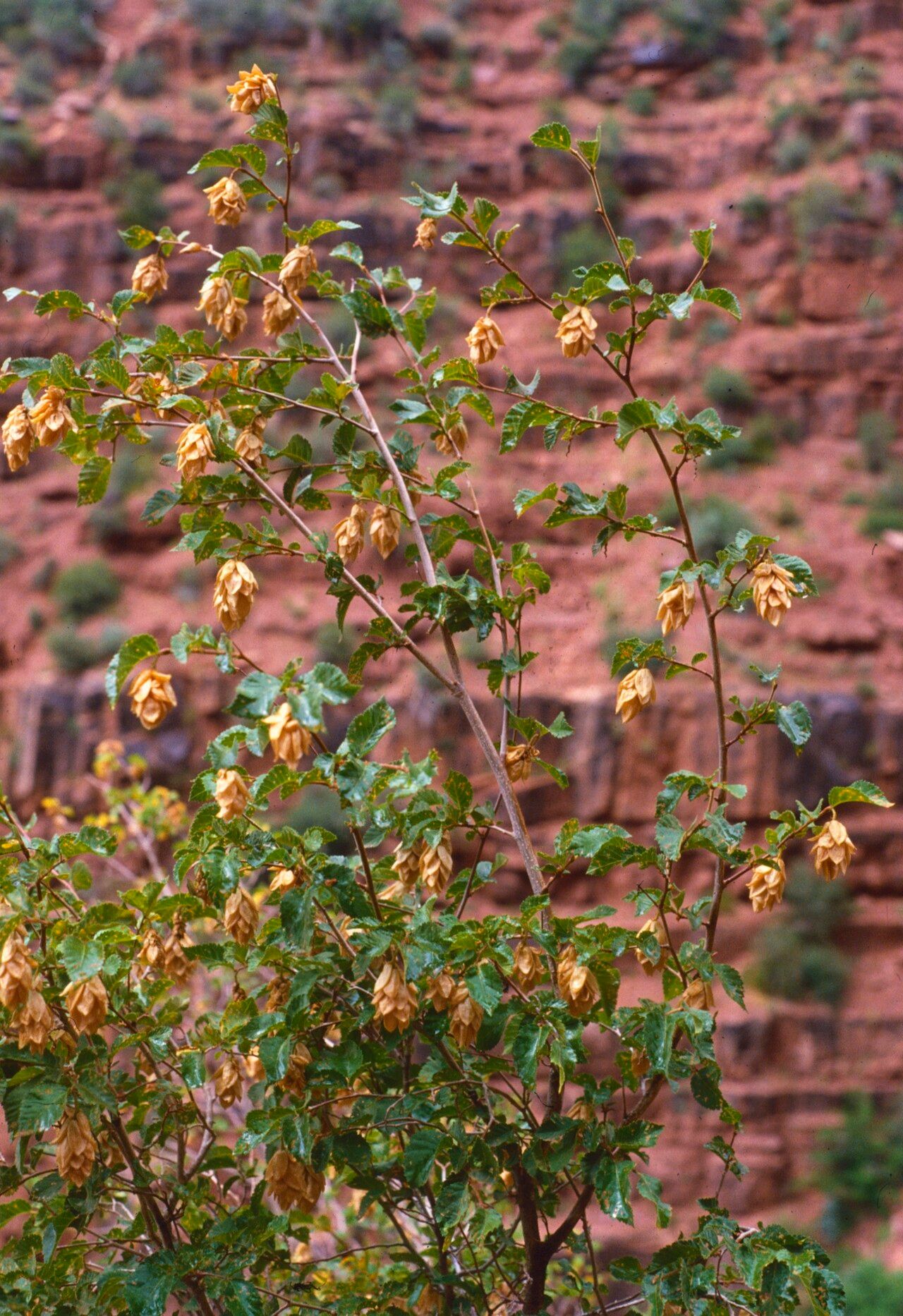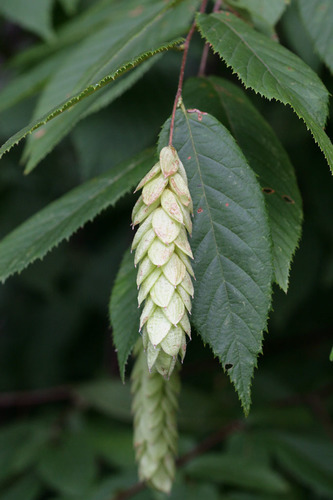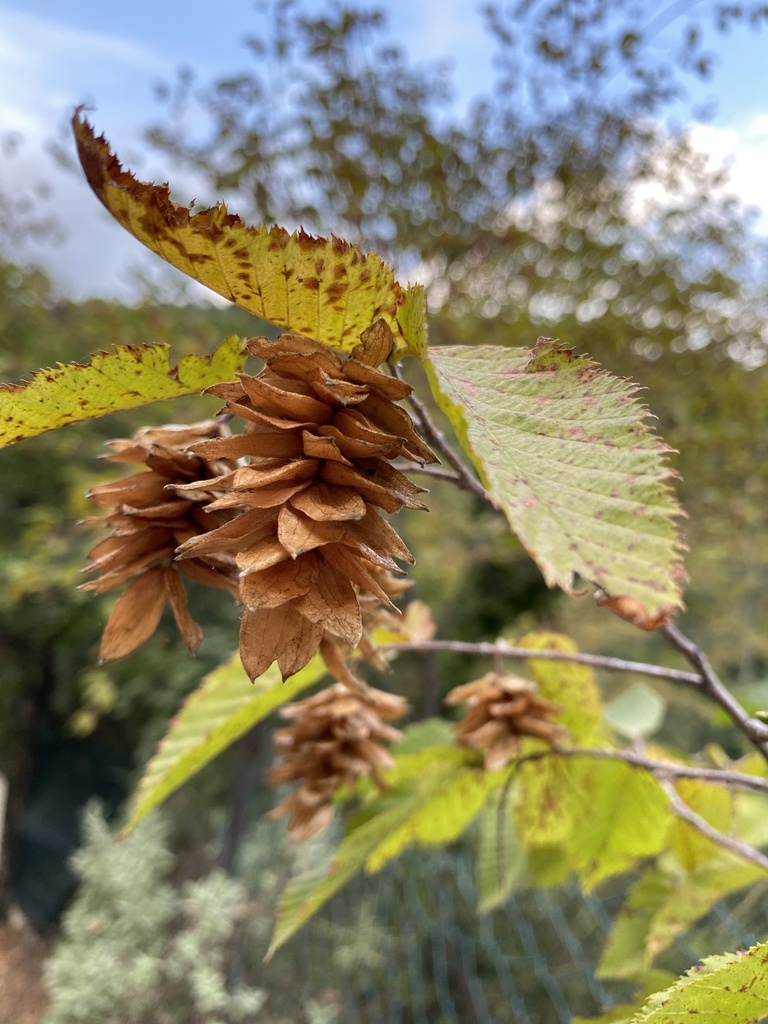
Ostrya carpinifolia, the European hop-hornbeam, is a tree in the family Betulaceae. It is the only species of the genus Ostrya that is native to Europe. The specific epithet carpinifolia means "hornbeam-leaved", from carpinus, the Latin word for "hornbeam".
The European hop hornbeam is resistant to diseases and is generally not susceptible to them. As for care, the plant is fairly low-maintenance. Outdoors it needs little watering, and larger specimens usually do not require pruning. Smaller plants, however, should be pruned after they have finished blooming. The European hop hornbeam is suitable for anyone with outdoor space, such as a garden or deck, and does not require much gardening experience.
How to keep Ostrya Carpinifolia.
Light
The European hop hornbeam flourishes in locations with abundant sunlight but can also tolerate areas that provide a moderate amount of light. Its natural habitat includes sites that receive ample sun for most of the day. Too little light can impede its growth, while excessive light may cause leaf scorch.
Water
The European hop hornbeam thrives in environments with well-distributed rainfall and demonstrates good tolerance to drought. It typically requires watering once every 2-3 weeks, but this should be adjusted based on seasonal changes. During its winter dormancy, the tree's water needs are significantly reduced. This adaptability reflects its natural habitat in European woodlands, where conditions balance moisture and humidity.
Temperature
The European hop hornbeam is native to temperate regions with annual temperatures between 41 and 95 °F (5 to 35 ℃). It prefers cooler climates, but it can tolerate warmer conditions within that range. Seasonal adjustments should be made in line with these temperature preferences.
Fertilizer
The timing of fertilization is important for European hop hornbeam. Fertilize in early spring and then once a month up to early summer. Fertilizer encourages attractive blooms and gives the plant energy during both dormancy and its active growth periods.
Pruning
The European hop hornbeam is known for its distinctive bark and clusters of fruit that resemble hops. To shape its growth and remove dead wood, it is best to perform selective pruning from early to late winter. This also helps improve air circulation. Be sure to use sterilized tools to prevent disease, ensuring healthier growth and a more attractive appearance.
Botanical profile.
- Plant Type
- Tree
- Life Cycle
- Perennial
- Genus
- Ostrya
- Family
- Betulaceae
- Hardiness Zone
- 5-9
- Mature Height
- 24.08 m
- Mature Spread
- 14.94 m
- Leaf Color
- Green, Yellow
- Leaf Type
- Evergreen, Deciduous
- Flower Color
- Yellow, Green
- Flower Size
- 3.05 cm to 5.08 cm
- Bloom Time
- Mid spring, Late spring, Early summer
- Planting Time
- Spring, Summer, Autumn
- Harvest Time
- Mid summer
- Native Area
- Turkey, Austria, Slovakia, Montenegro, Bulgaria, Greece, Croatia, Slovenia, Lebanon, Serbia, Syria, Italy, Switzerland, Albania, Hungary, France
Other names.
Reader questions.
How should I water my European hop hornbeam plant?
Your European hop hornbeam is not too picky about how you water it. You can use any common watering tool like watering cans, hoses, or cups. Just make sure to water the soil directly, and evenly moisten all areas to provide water to the entire root system. Filtered water is preferred over tap water, as tap water may have harmful particles. Using water at or slightly above room temperature is best, as extremely cold or hot water can be a shock to the plant. However, the European hop hornbeam generally responds well to any type of water.
Why should I put fertilizer on my European hop hornbeam?
To help your European hop hornbeam produce beautiful blooms, it is important to fertilize it. One of the best times to fertilize is in early spring, ensuring excellent flowers during that season. Additionally, fertilizing provides extra energy for the tree to store in the ground during its dormant growth phases. By giving your European hop hornbeam nutrients during the fall planting process or late spring, it can store more energy to use during active growth.
What are the sunlight requirements for European hop hornbeam?
The European hop hornbeam requires generous sun exposure to thrive, ideally in conditions that replicate its native habitat with ample sunlight for most of the day. It can endure environments with a moderate amount of light as well. Full sun exposure means the plant should receive above 6 hours of sunlight, while partial sun refers to about 3-6 hours of sunlight. It's important to observe the movement of sunlight through your garden to find spots that ensure a balance of light and shade, promoting the plant's overall health.
What are the natural habitat and temperature preferences of the European hop hornbeam?
The European hop hornbeam (Ostrya carpinifolia) is naturally found in temperate environments, with an annual temperature range of 41 to 95 °F (5 to 35 °C). It prefers cooler climates but can adapt to warmer conditions within its range. The tree has strong cold resistance, usually not requiring special frost protection measures during winter. However, if winter temperatures are expected to drop below -25°C, it's important to provide cold protection by wrapping the trunk and branches with non-woven fabric or cloth. Additionally, it is recommended to water the plant abundantly before the first freeze in autumn to ensure the soil remains moist, which helps prevent drought and water scarcity for the plant during winter and early spring.
What should I do if I give my European hop hornbeam plant too much or too little water?
Outdoor plants, especially new ones or seedlings, are susceptible to lack of watering. It is important to ensure they receive enough water for the first few months, particularly when they are small or newly planted. Once the roots have established, the European hop hornbeam can mostly rely on rain. However, overwatering is more likely when the plant is in pots. In case of accidental overwatering, take immediate action by stopping watering to minimize the damage. Then, remove the European hop hornbeam from its pot and inspect the roots. If there is no root rot, you can return the plant to its container. If root rot is present, trim affected roots and consider applying a fungicide. Finally, repot the European hop hornbeam in well-draining soil. On the other hand, if the plant is underwatered, simply water it more frequently. This should be done as soon as possible to prevent any leaf drooping, drying out, or falling off.
What is the ideal time to fertilize my European hop hornbeam?
Timing is crucial when fertilizing European hop hornbeam. If fertilizer is applied too early while the tree is still dormant, it cannot be used effectively and will be washed away by rainwater, causing waste and pollution. The first application of fertilizer should be done in early spring, and then continue fertilizing once a month until early summer.
Can European hop hornbeam grow under artificial lighting?
Yes, the European hop hornbeam can grow under artificial lighting, especially when natural sunlight is insufficient, such as during winter or in less sunny spaces. Artificial lights, like LEDs, can provide the specific wavelengths of light that plants require. For plants requiring full sun, 30-50W/sq ft of artificial light is needed; for partial sun plants, 20-30W/sq ft; and for full shade plants, 10-20W/sq ft. The light source should be placed 12-36 inches above the plant, mimicking natural sunlight, and plants typically need 8-12 hours of light per day.
How does the European hop hornbeam react to low and high temperatures, and what are the recommended solutions?
The European hop hornbeam thrives best when temperatures are above 5°C and should be kept above -20°C during winter. When temperatures fall below -25°C, the branches may become brittle and dry, and no new shoots will emerge in spring, though these changes may not be noticeable during winter. The recommended solution for this is to prune away any dead branches that fail to produce new leaves in spring. During summer, it's important to keep the plant below 35°C. If temperatures exceed 38°C, the leaves might lighten in color, and tips may dry and wither, increasing susceptibility to sunburn. To address this, trim away sunburned and dried-up parts, move the plant to a shaded location or use a shade cloth during midday and afternoon, and water it in the morning and evening to keep the soil moist.
How often should I water my European hop hornbeam tree?
Most outdoor plants can grow naturally with rainfall, but if your area lacks rainfall, you should consider watering your plants every 2 weeks during the spring and fall. In the summer, you will need to water more frequently. In winter, when growth slows down and plants require less water, you can water sparingly or not at all. However, if your European hop hornbeam is young or newly planted, it is important to water more frequently to help it establish and grow into a more adaptable and drought tolerant plant. For potted plants, there are two main ways to determine when to water your European hop hornbeam. The first option is to follow a predetermined watering schedule of once a week or once every other week. However, this may not always work since it doesn't consider the specific conditions of your plant's environment. Your watering frequency should also vary depending on the season. During summer, when the plant's water needs are highest, a predetermined schedule may not be enough. Alternatively, you can base your watering frequency on the moisture of the soil. It is best to wait until the top two to four inches of soil (around ⅓ to ½ depth of the pots) have completely dried out before giving more water.
When is the best time to not fertilize my European hop hornbeam?
To ensure healthy growth and optimal blooming of European hop hornbeam, it is important to be mindful of the type of fertilizer used. Avoid using fertilizers with high levels of nitrogen, as this can result in excessive leaf development but minimal blooming. Instead, opt for fertilizers that have a lower nitrogen content compared to other nutrients. Timing is crucial when it comes to fertilizing this tree. It is advised not to fertilize after early autumn, as this can stimulate excessive growth right before winter, which is not ideal. Additionally, refrain from fertilizing European hop hornbeam during hot and dry periods since dry soil is less effective in delivering the fertilizer efficiently. Furthermore, fertilizing during such times can trigger growth that requires more water, which may not be readily available. For best results, it is advisable to use fertilizer earlier in the season when temperatures are cooler. Lastly, keep in mind that European hop hornbeam can absorb fertilizer from nearby plants or lawns. Therefore, exercise caution to avoid accidentally giving the tree a double-dose of fertilizer.
What are the symptoms of inadequate light for European hop hornbeam?
When the European hop hornbeam is exposed to inadequate light, it may show several symptoms indicating suboptimal growth conditions. These include small new leaves, leggy or sparse growth, faster leaf drop, slower or ceased new growth, lighter-colored new leaves, chlorosis (yellowing leaves due to chlorophyll breakdown), sunscald, leaf curling, wilting, and leaf scorching. These symptoms signify that the plant is struggling to adapt to its lighting environment, affecting its overall health and development.
How much water does my hop hornbeam tree from Europe need?
Watering your European hop hornbeam may not always require a large amount of water. If only a few inches of soil have dried since the last watering, giving it about five to ten ounces of water will support healthy growth. You can determine the appropriate water volume by looking at the moisture level of the soil. Keep track of how many inches of soil have dried out between waterings. To ensure your European hop hornbeam gets adequate moisture, water enough to moisten all the dry soil layers since the last watering. If more than half of the soil is dry, give more water than usual and continue until you see excess water draining from the pot's holes. If your European hop hornbeam is planted in a rain-prone area outdoors, additional watering may not be necessary. For young or newly established plants, ensure they receive 1-2 inches of rain per week. As the tree grows and becomes established, it can rely solely on rainwater. Only when weather is hot and there is no rainfall for 2-3 weeks should you consider giving the European hop hornbeam a thorough watering to prevent stress.