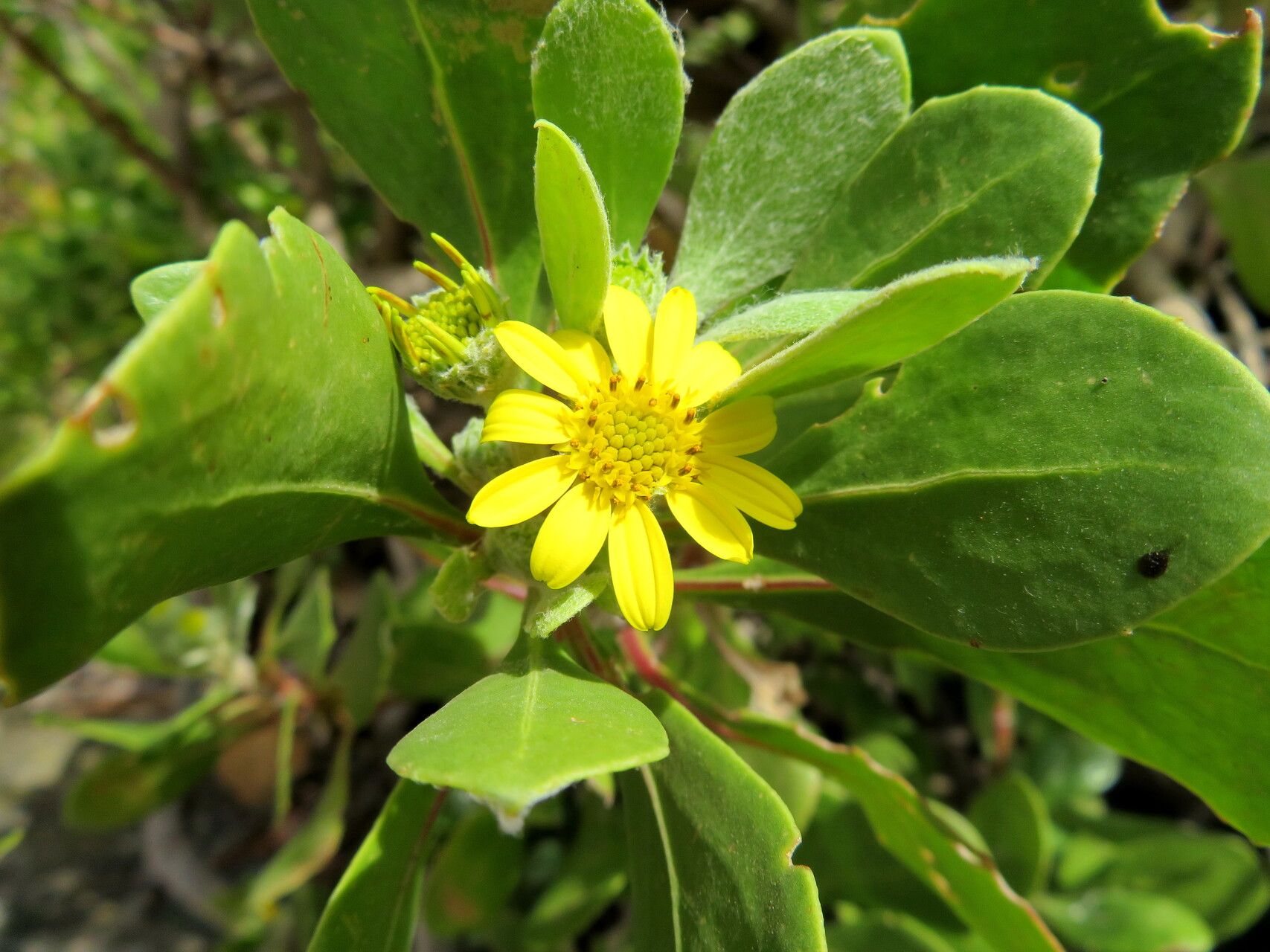
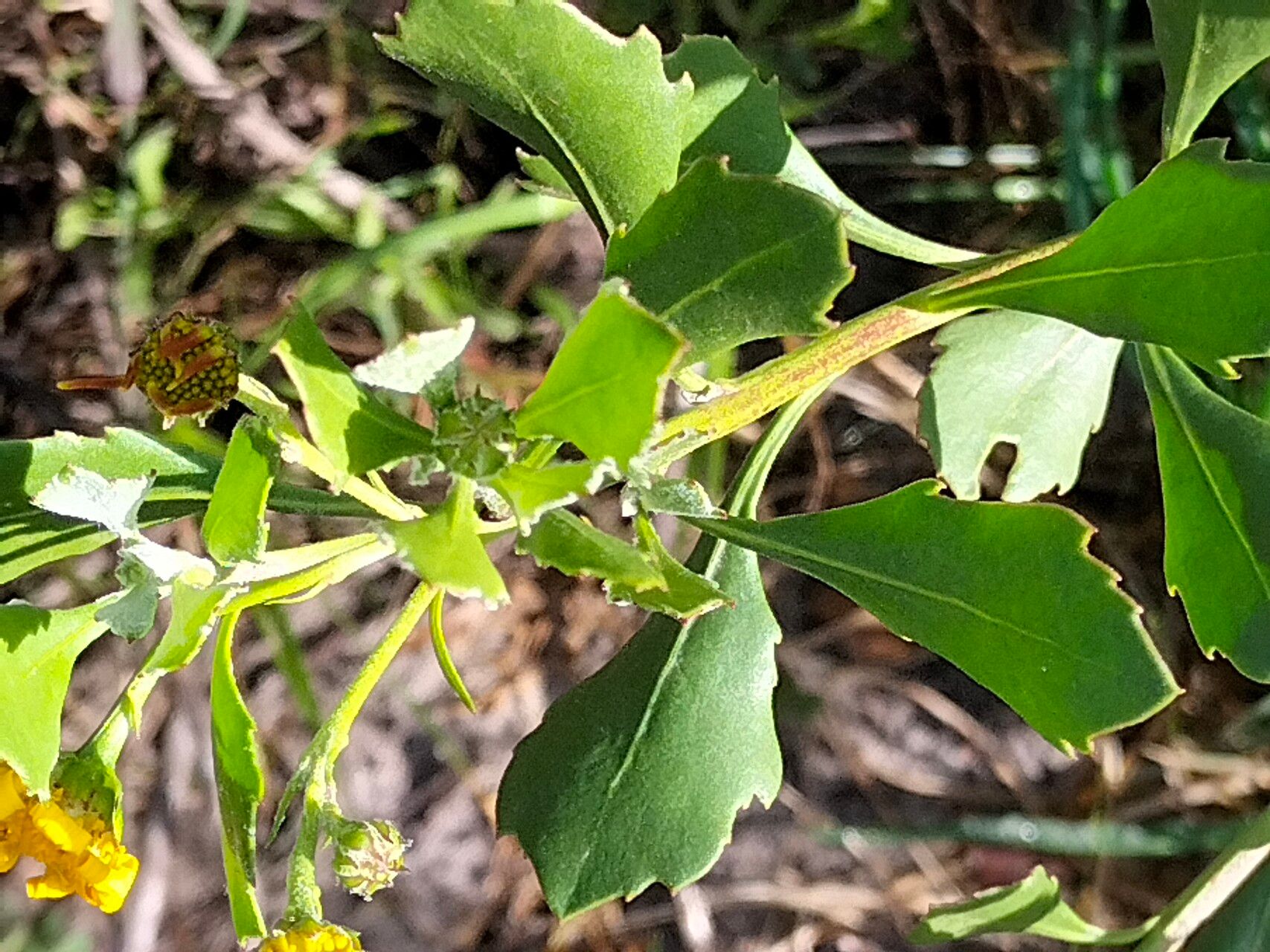
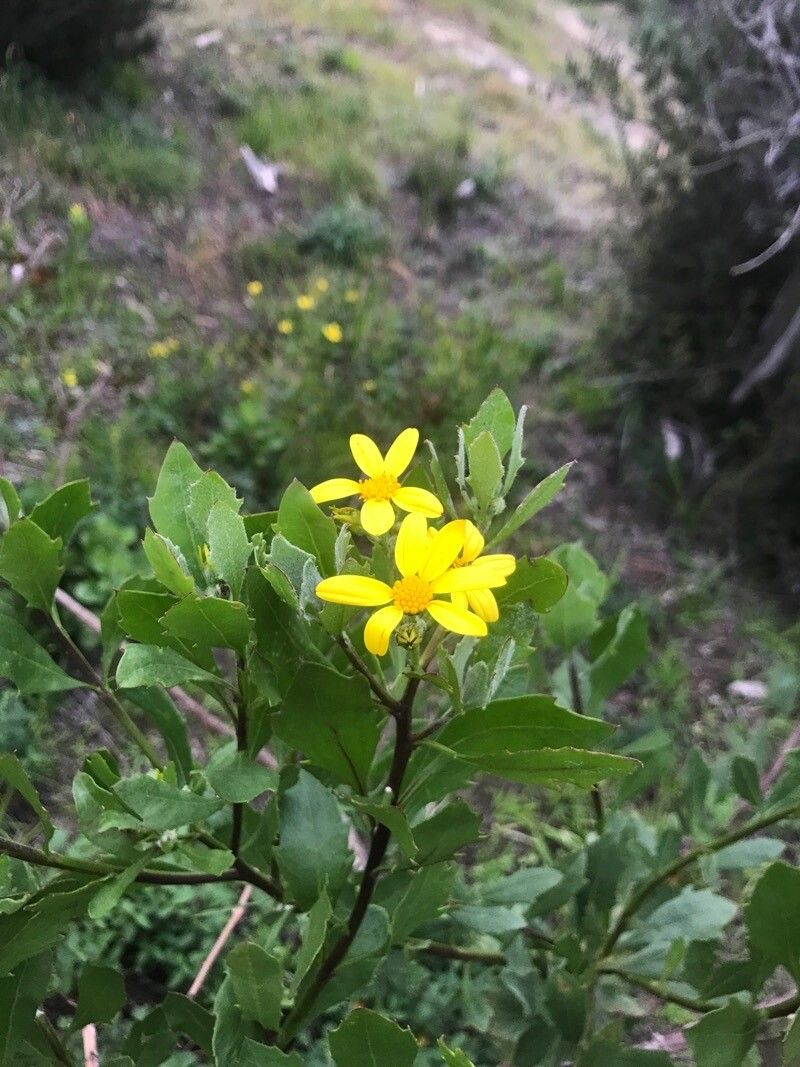
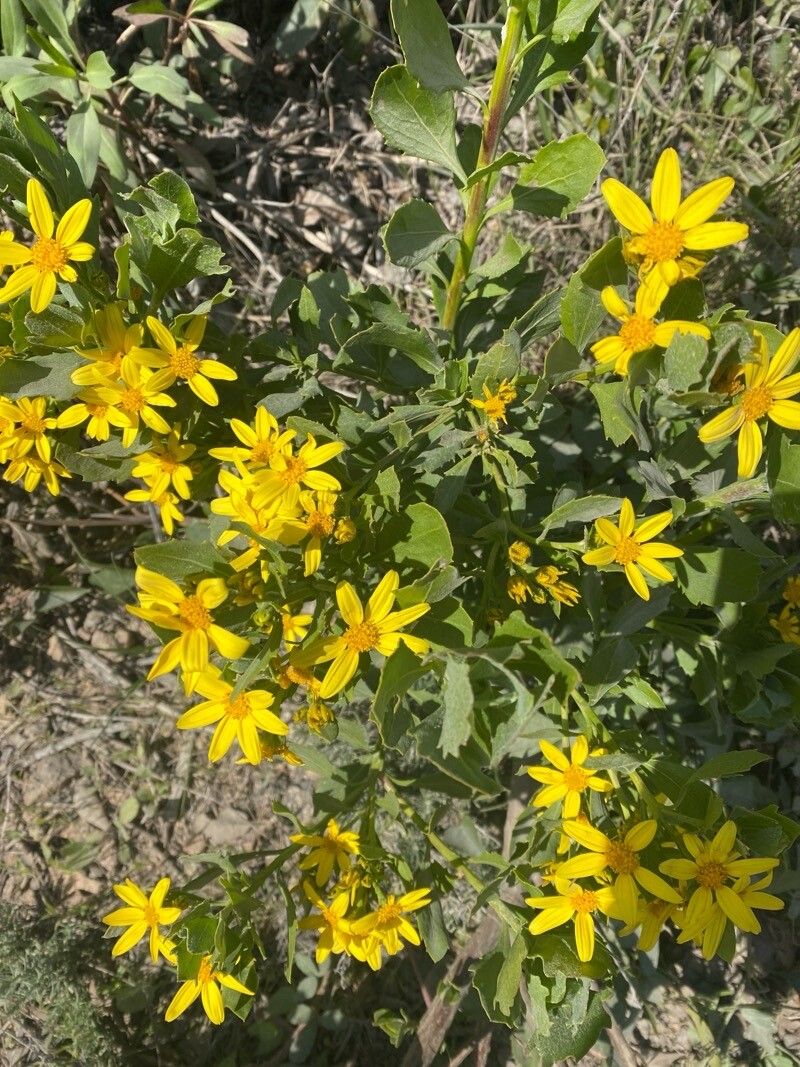
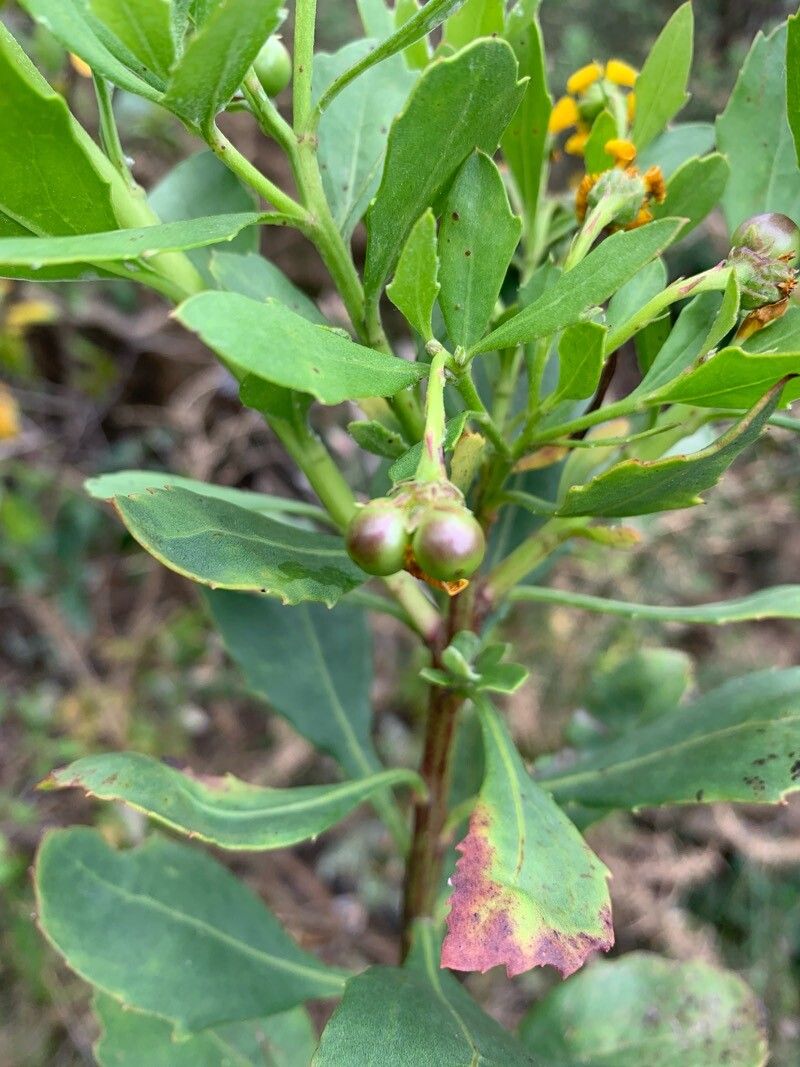
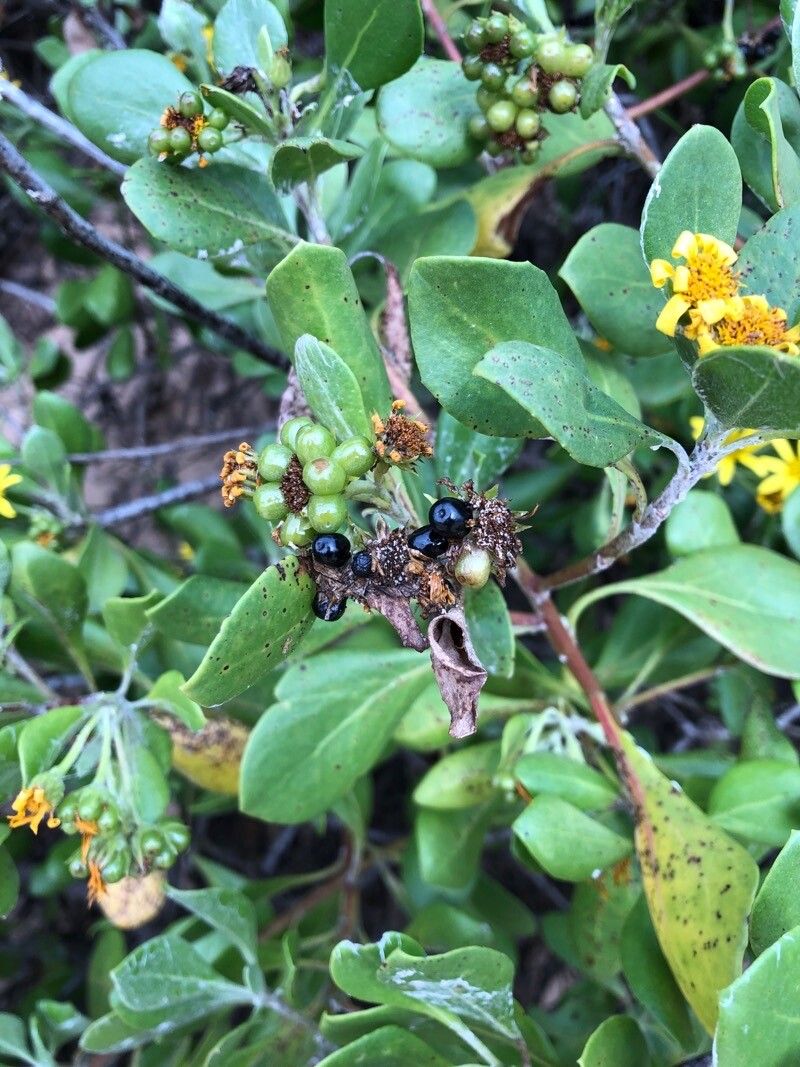
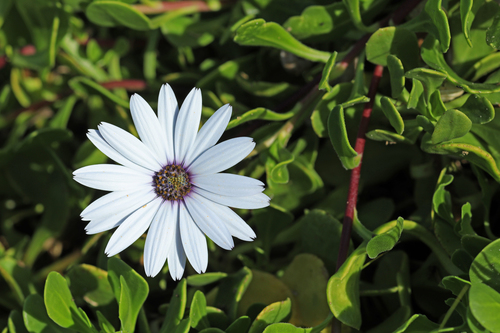
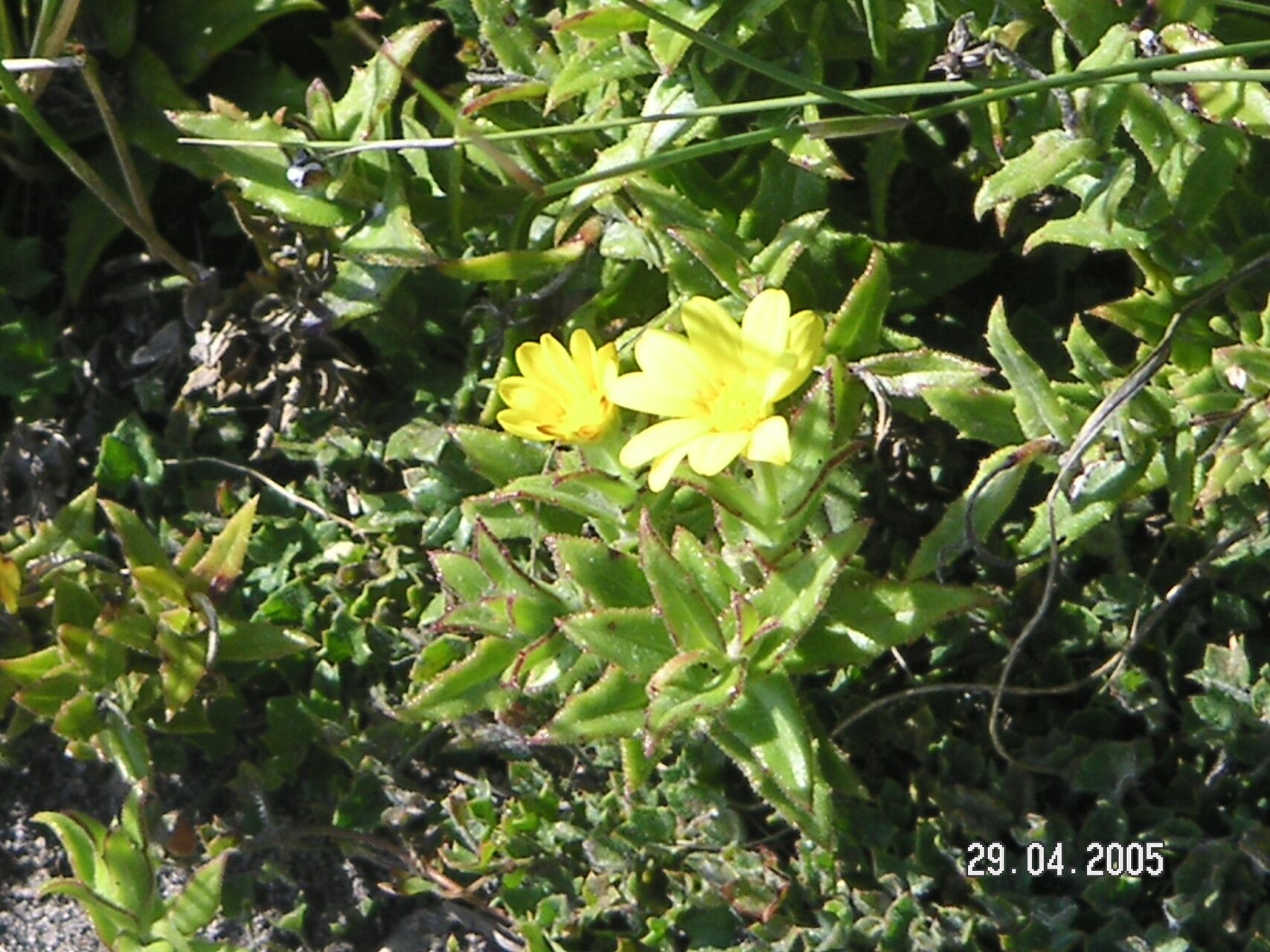
Osteospermum moniliferum is an evergreen flowering shrub or small tree in the daisy family, Asteraceae. It is native to southern Africa, ranging through South Africa and Lesotho to Mozambique and Zimbabwe.
Bush tick berry has strong resistance to disease and is generally not prone to illnesses. Still, it can be vulnerable to pests and diseases present in its environment. Such infections are typically not serious. Care-wise, this plant needs a moderate amount of attention. It should be pruned regularly to preserve a neat appearance and healthy growth. Applying fertilizer can also encourage flowering. Bush tick berry is appropriate for anyone with outdoor areas like a garden or patio and does not demand extensive gardening experience. It may need more attention if cultivated indoors.
How to keep Osteospermum Moniliferum.
Light
Bush tick berry comes from bright, open habitats where it does best in full sun. It will tolerate partial sun but favors direct sunlight for its best growth. This plant, which can be annual or biennial, is noted for its sun-loving habits.
Temperature
Bush tick berry can tolerate a wide range of temperatures, but its distribution may still be restricted by particular combinations of moisture and heat. It performs best in warm summer conditions with sufficient rainfall or watering. Long periods of cloudy, rainy weather, as well as extended high temperatures, can increase the chance of Bush tick berry dying. In winter, adequate protection from cold can boost the plant's survival.
Fertilizer
When most of the Bush tick berry's blooms have opened and reached full size, resume fertilizing. At the height of bloom production, fertilize once every three to four weeks, as the weather allows. Then, when the Bush tick berry begins to produce fewer new blooms, stop fertilizing; there is no need to fertilize once the plant can no longer produce additional blooms.
Pruning
The bush tick berry plant flourishes with its dense foliage and vibrant blooms. To ensure it remains healthy and continues to thrive, diligent pruning is essential. This involves removing dead branches and thinning out crowded areas to improve air circulation. Pruning is best carried out from early to late spring, as it encourages healthy growth, enhances the plant's appearance, and increases its potential for flowering.
Botanical profile.
- Plant Type
- Herb
- Life Cycle
- Annual
- Genus
- Osteospermum
- Family
- Asteraceae
- Hardiness Zone
- 9-11
- Mature Height
- 0.49 m to 1.52 m
- Mature Spread
- 61 cm to 91 cm
- Leaf Color
- Dark Green
- Leaf Type
- Evergreen
- Flower Color
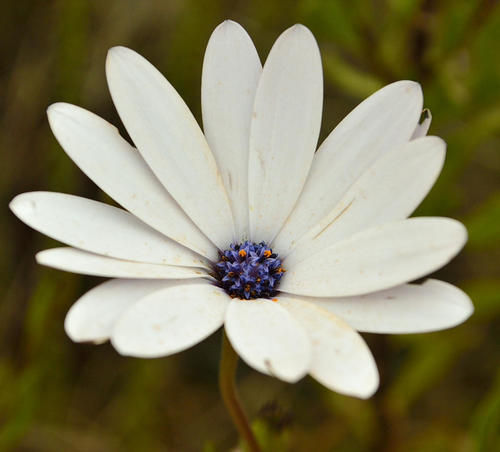
- Yellow, White
- Flower Size
- 3.05 cm to 5.08 cm
- Bloom Time
- All year round
- Planting Time
- Spring, Summer, Autumn
- Harvest Time
- All year round
Other names.