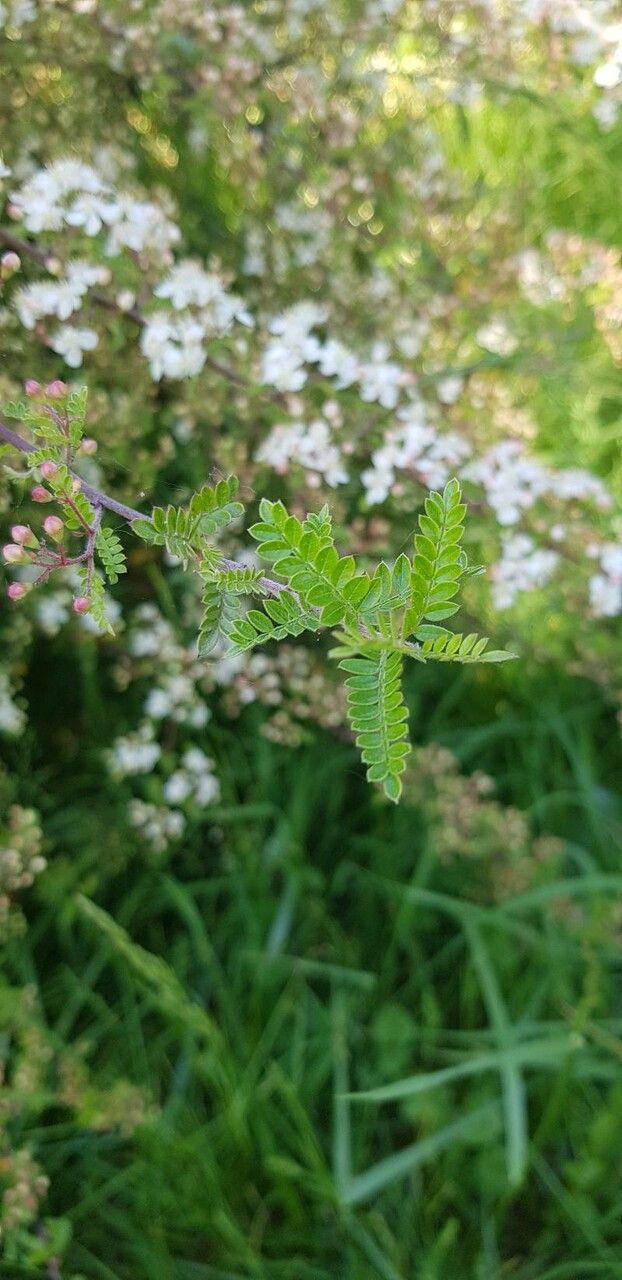
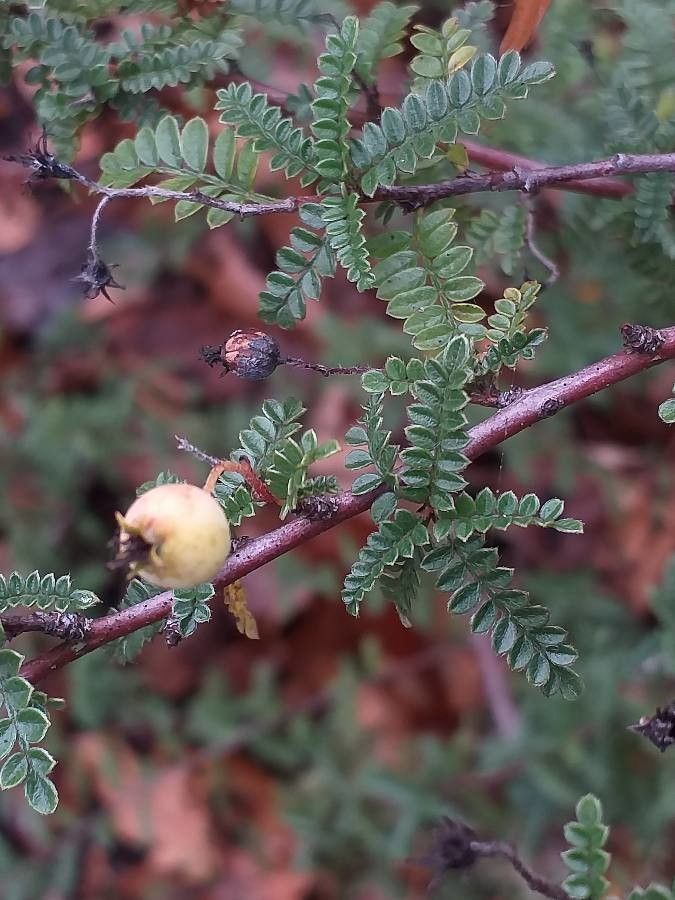
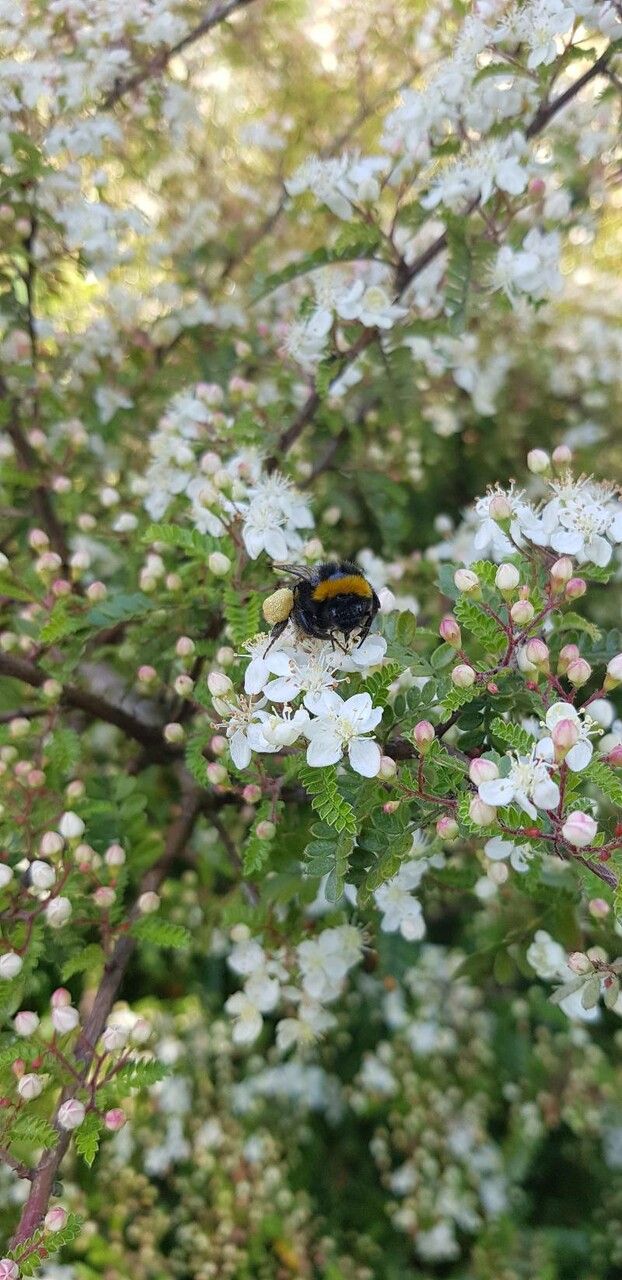
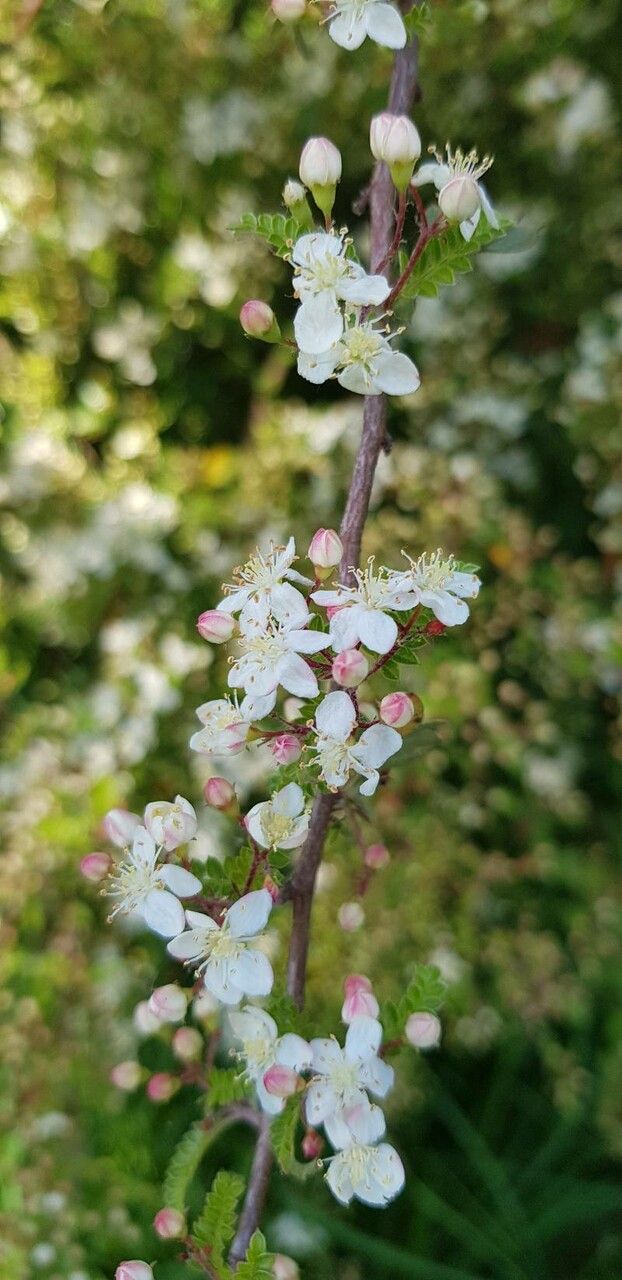
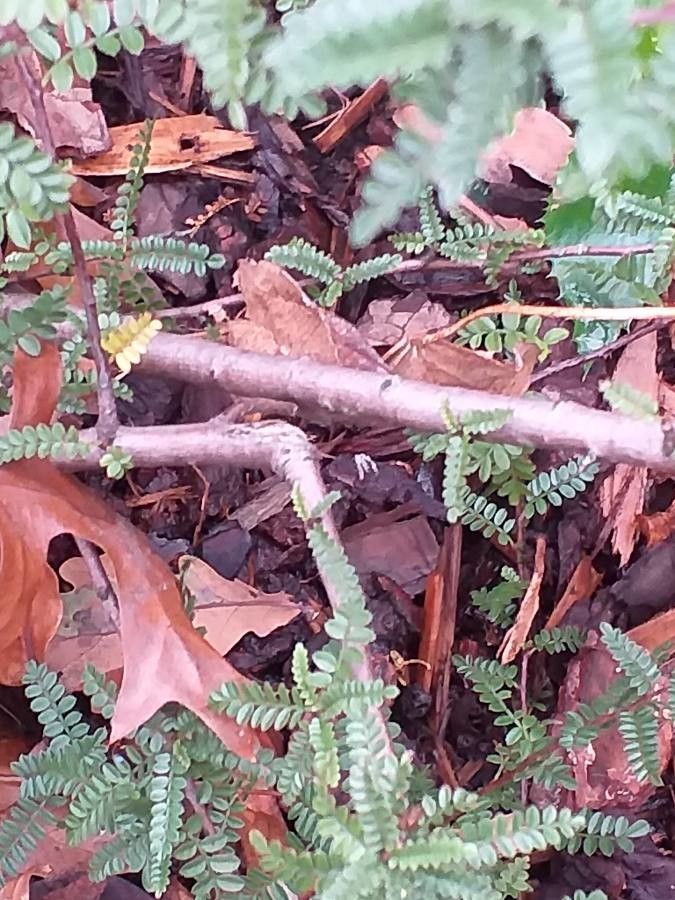
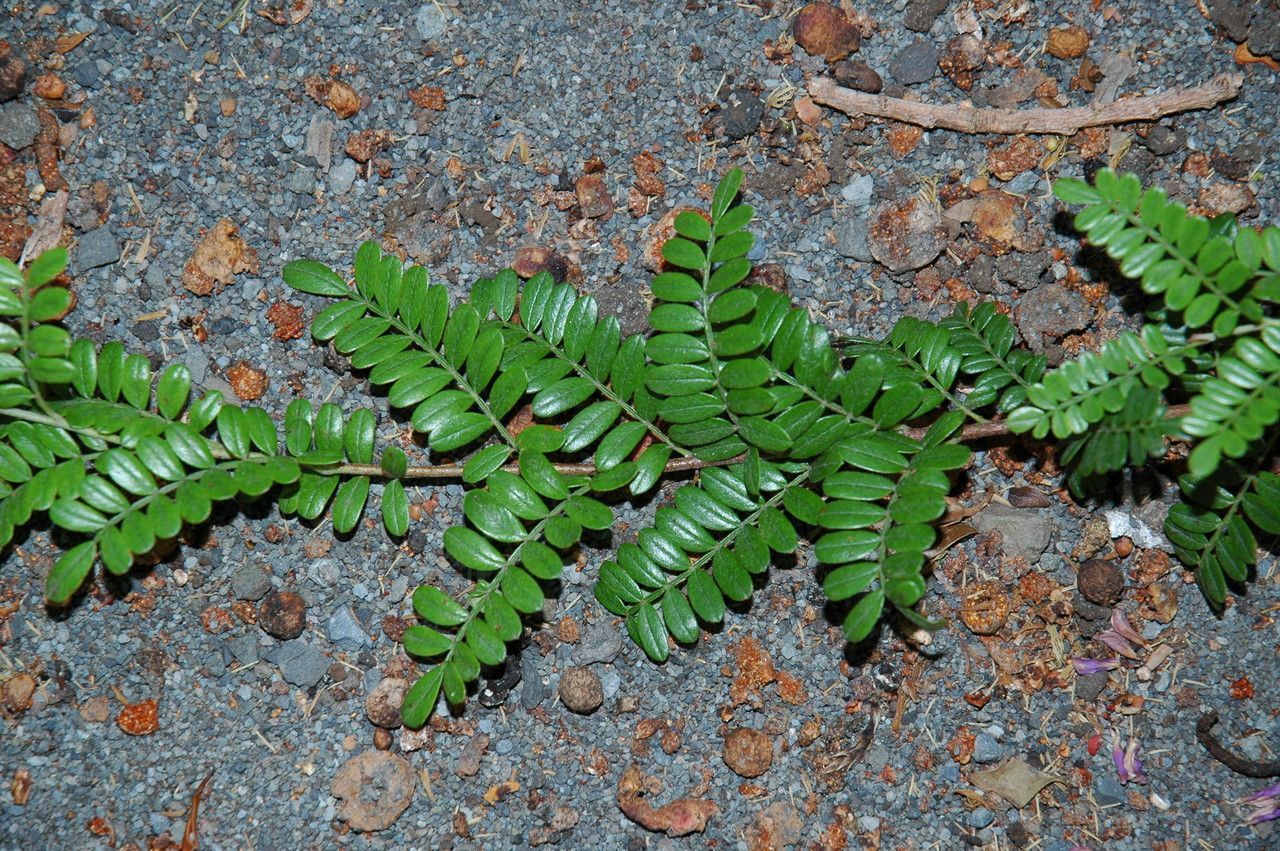
Osteomeles schwerinae is a species of plant native to China. Its flowers are white and resemble those of hawthorn species. It produces small, white, round berries that are pomes. The fruits are edible and can be eaten raw or used to make jellies and jams. The fruits have a sweet flavor. It is grown in gardens as an ornamental plant. It is also used in bonsai. O. schwerinae can be found in mainland China and Taiwan.
Hawaii hawthorn is resistant to disease and generally not susceptible to illnesses. Regarding maintenance, this plant is fairly low-maintenance. Planted outdoors, it needs only light watering, and larger specimens usually do not require pruning. Smaller plants, however, should be pruned after they finish blooming. Hawaii hawthornt is appropriate for anyone with an outdoor area, such as a garden or deck, and does not need extensive care experience.
How to keep Osteomeles Schwerinae.
Light
The Hawaii hawthorn naturally thrives in places like forest understories or rocky regions, experiencing inherent shading. While it favors semi-sunlit conditions, it can also acclimatize to full sun or total shade, showcasing its adaptable and robust character.
Water
The Hawaii hawthorn is well-suited to arid regions, as it thrives with minimal moisture and demonstrates significant drought tolerance. It only needs to be watered every 2-3 weeks, which mimics the infrequent rainfall of its native habitat. Its deep root system makes the Hawaii hawthorn an excellent choice for xeriscaping in drier climates.
Temperature
Hawaii hawthorn is native to a habitat where it is used to temperate conditions ranging from 59 to 95 °F (15 to 35 ℃). To promote the best growth, uphold these conditions all year round. If the weather deviates significantly, simulate a corresponding microclimate.
Fertilizer
It's essential to correctly time the fertilization of Hawaii hawthorn. Begin fertilizing in the early part of spring and continue on a monthly basis until the start of summer. Fertilizer contributes to the production of beautiful flowers and delivers energy throughout the periods of dormancy and active growth.
Pruning
Hawaii hawthorn is a resilient shrub known for its dense, spiny foliage and small white flowers. To maintain its health, prune the plant in early spring, focusing on removing dead branches and thinning crowded areas to improve air circulation. Additionally, light trimming after it blooms can encourage more abundant flowering in the following season.
Botanical profile.
- Plant Type
- Shrub
- Life Cycle
- Perennial
- Genus
- Osteomeles
- Family
- Rosaceae
- Hardiness Zone
- 7-10
- Mature Height
- 2.13 m
- Mature Spread
- 3.05 m
- Leaf Color
- Dark Green
- Leaf Type
- Evergreen
- Flower Color
- White
- Flower Size
- 1.02 cm
- Bloom Time
- Mid spring, Late spring
- Planting Time
- Spring, Autumn
- Harvest Time
- Late summer, Early fall, Mid fall
Reader questions.
What are the sunlight requirements for plants?
Plants have varying sunlight requirements to thrive. Partial sun plants need about 3-6 hours of sunlight daily, whereas full sun plants require more than 6 hours of sunlight daily. It's essential to watch how sunlight moves through your garden to ensure you choose spots that provide the right balance of light and shade, ensuring your plants' happiness.
What is the optimal temperature range for Hawaii hawthorn?
Hawaii hawthorn, botanically known as Osteomeles schwerinae, thrives in mild temperatures ranging from 59 to 95 °F (15 to 35 °C) for optimal growth. It originates from environments accustomed to these conditions, so maintaining similar temperature levels year-round is beneficial. Though the plant has strong cold resistance, it usually does not require special frost protection measures. However, temperatures dipping below -15°C necessitate cold protection, which can be achieved by insulating the trunk and branches with materials like non-woven fabric or cloth. To help the plant endure winter and early spring conditions, it's advised to water it abundantly before the first freeze, ensuring the soil stays moist and enters a frozen state under protective conditions.
What are the essentials for growing Hawaii hawthorn?
Hawaii hawthorn, botanically known as Osteomeles schwerinae, is native to environments like forest understories or rocky areas, which experience natural shade. It prefers partial sun but can tolerate full shade, making it a versatile perennial herbaceous plant. For indoor plants, adequate lighting is crucial for optimal growth. When natural sunlight is insufficient, artificial lights such as LED lights can provide the specific wavelengths plants need. The intensity and duration of artificial lighting should be adjusted based on the plant's sunlight needs; full sun plants require 30-50W/sq ft, partial sun plants need 20-30W/sq ft, and full shade plants need 10-20W/sq ft of light.
How does Hawaii hawthorn handle low temperatures?
Hawaii hawthorn is notably cold-tolerant, thriving best when temperatures remain above 15°C. During the winter, it's crucial to keep the temperature above -10°C. Exposing the plant to temperatures below -15°C may not initially reveal any damage during the winter, but come spring, branches may appear brittle, dry, and fail to sprout new shoots. To manage any damage from low temperatures, pruning dead branches that have failed to produce new leaves in the spring is advisable to encourage new growth and maintain the health of the plant.
What are some important symptoms of light deficiency or excess in Hawaii hawthorn?
Hawaii hawthorn can exhibit various symptoms in response to insufficient or excessive light. Light deficiency may lead to small leaves, leggy or sparse growth, faster leaf drop, slower or halted growth, and lighter-colored or chlorotic leaves. Excessive sunlight can cause chlorosis, sunscald, leaf curling, wilting, and leaf scorching. These symptoms indicate the plant's struggle with adapting to its light environment, affecting its ability to photosynthesize and overall health.
What should be done if Hawaii hawthorn experiences high temperatures?
In the summer months, it's important to ensure Hawaii hawthorn's temperature does not exceed 35°C. Exposure to temperatures beyond 41°C can lead to symptoms such as lighter leaf color, dry and withered tips, and increased susceptibility to sunburn. To mitigate the impact of high temperatures, sunburned and dried parts should be trimmed away. Relocating the plant to a shaded area during peak sun exposure hours or employing a shade cloth can protect it. Additionally, watering the plant in the morning and evening will help maintain soil moisture and alleviate stress from the heat.
How can I adjust light conditions for Hawaii hawthorn to optimize growth?
To optimize Hawaii hawthorn's growth, gradually shift the plant to sunnier spots to allow adaptation to different light conditions, aiming for 3-6 hours of direct sunlight daily. For large or immobile indoor plants, consider using artificial light sources like desk or ceiling lamps for at least 8 hours daily, or invest in professional plant grow lights. Outdoors, ensure a gradual transition to avoid sunburn. If sunlight is obstructed, identify and reduce barriers, such as pruning trees or relocating plants to sunnier locations. Note that parts of the plant affected by insufficient light may not recover, but new growth will be healthy once light exposure improves.