Osteomeles anthyllidifolia, commonly known as the island mountain bush, is a flowering plant species in the Rosaceae family. This plant is native to the Hawaiian Islands and thrives in dry, rocky areas at elevations ranging from sea level to 2,000 meters.
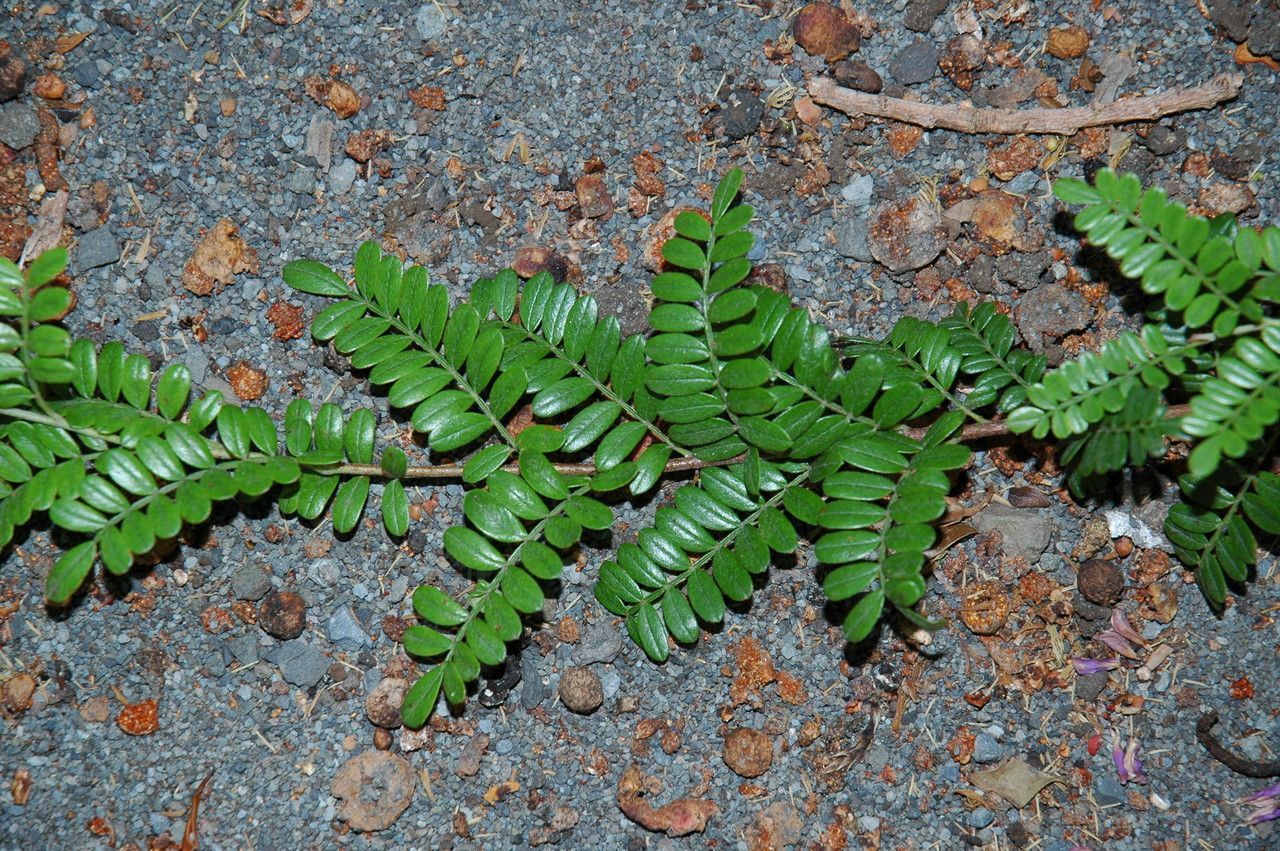
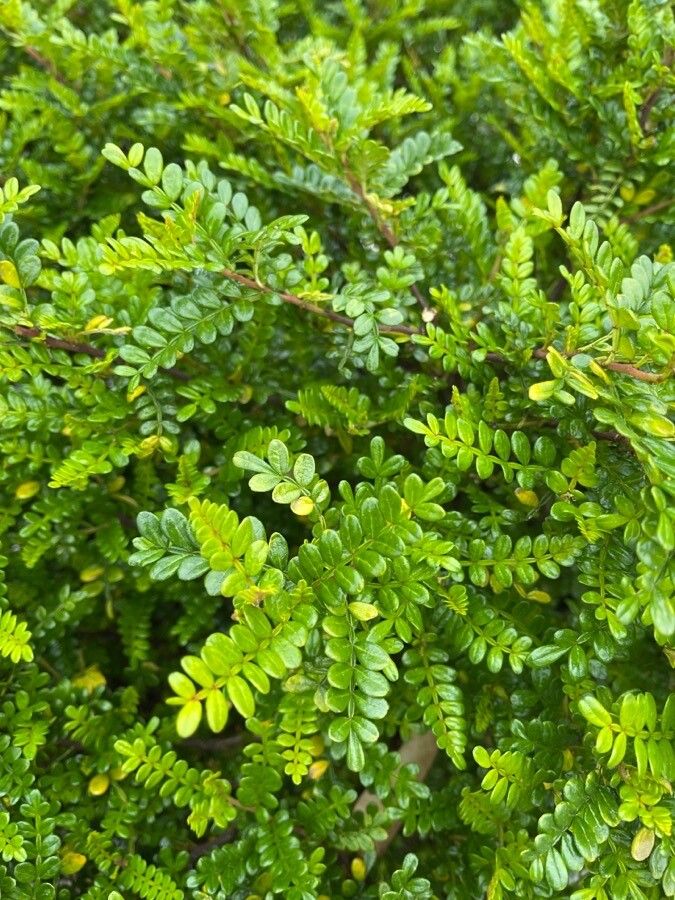
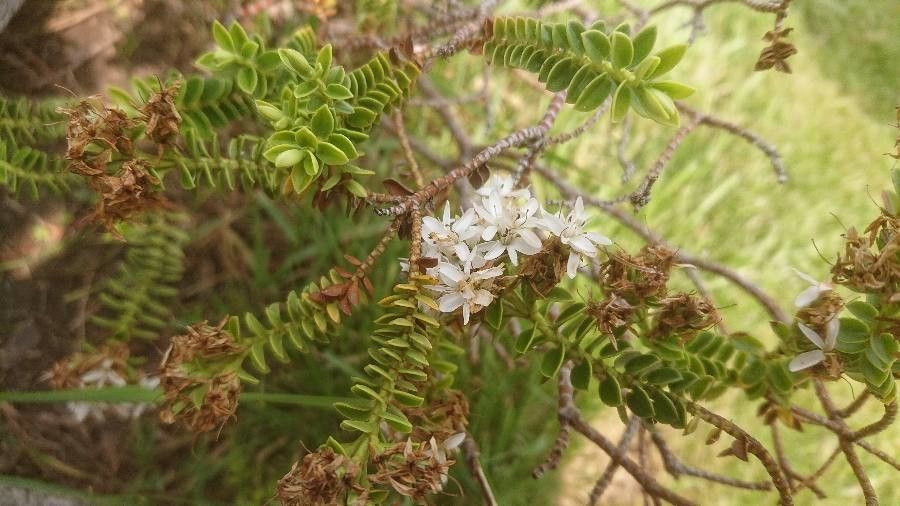
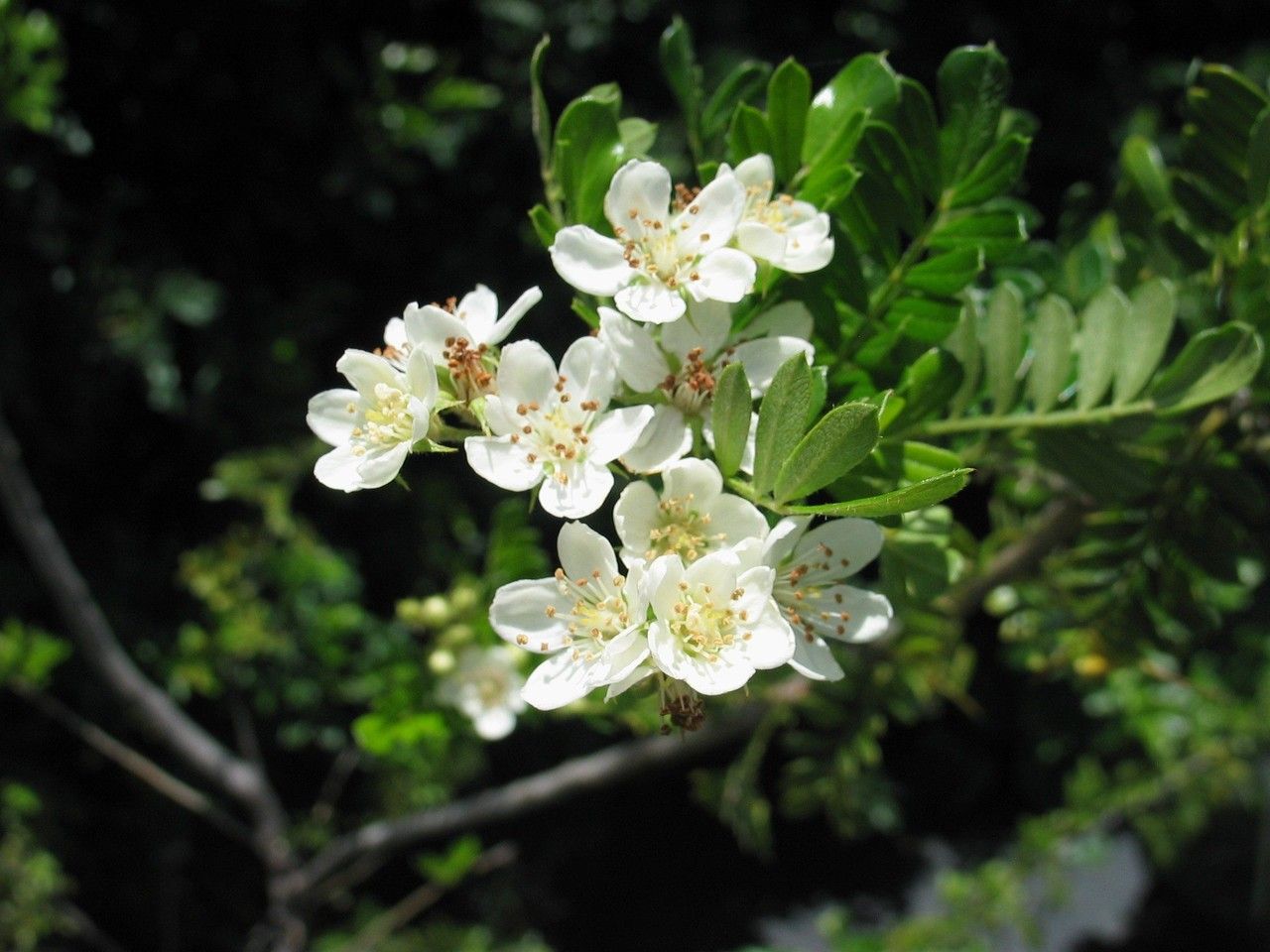
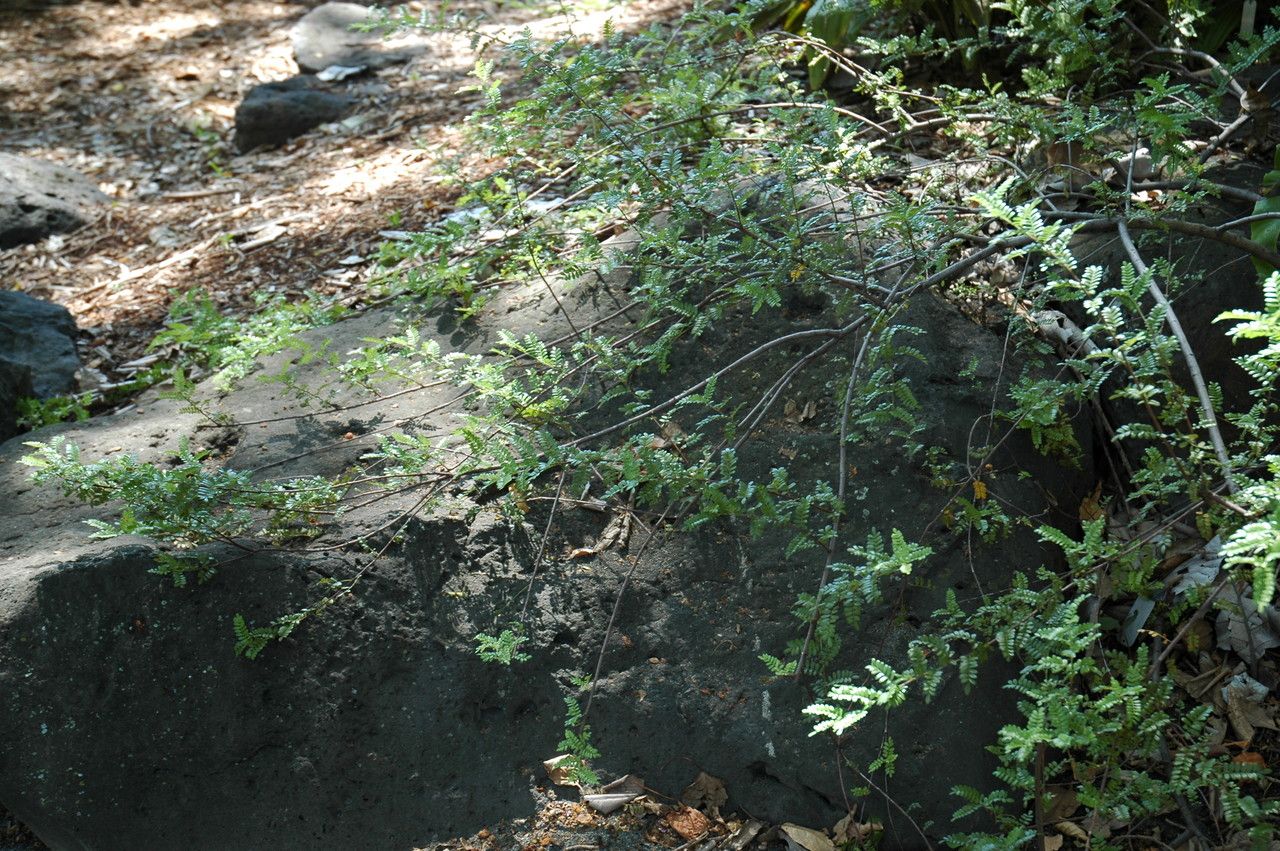
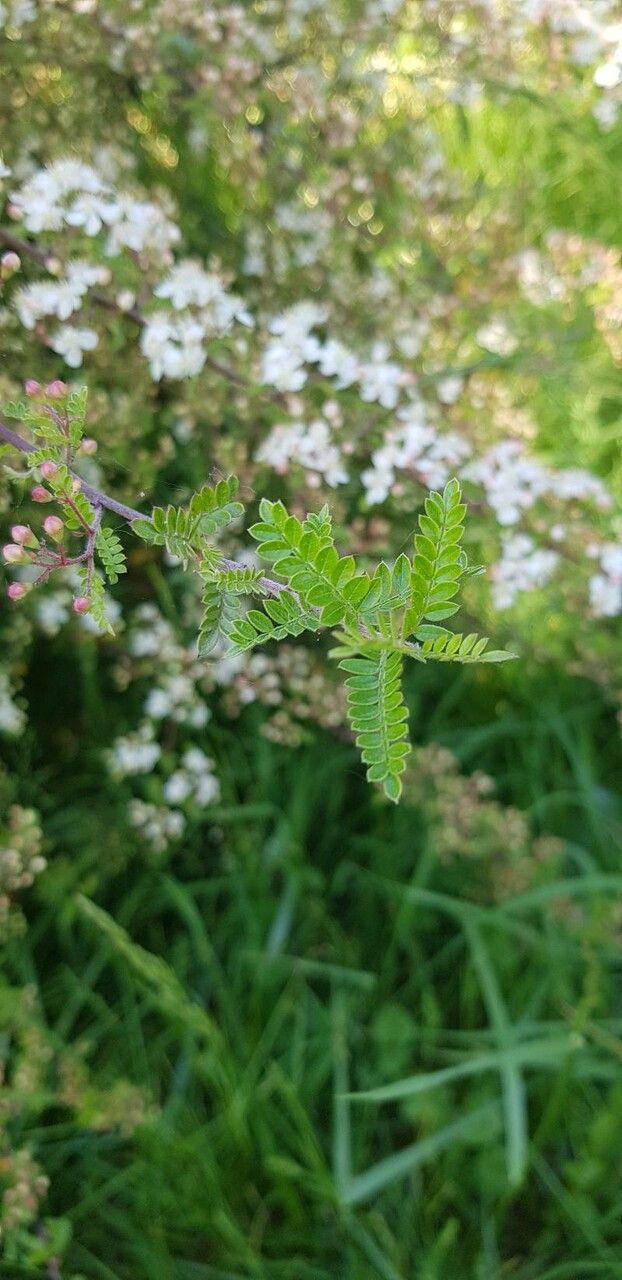
Typically growing as a shrub or small tree, Osteomeles anthyllidifolia can reach heights of up to 10 meters. It features glossy green leaves that are oval-shaped with serrated edges, and it produces small white flowers that bloom in clusters during the summer months.
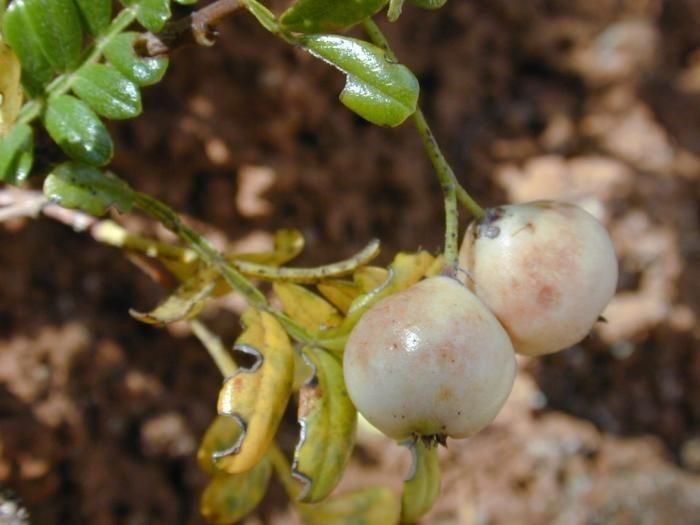
The fruit of Osteomeles anthyllidifolia is a small red or black berry. While these berries are edible, they are not commonly consumed by humans due to their sour taste. However, they serve as an important food source for birds and other wildlife.
In traditional Hawaiian medicine, various parts of Osteomeles anthyllidifolia were utilized for their medicinal properties, such as treating stomach ailments and skin conditions.
Overall, Osteomeles anthyllidifolia plays a crucial ecological role on the Hawaiian Islands by providing food for wildlife and holds cultural significance through its use in traditional medicinal practices.
Hawai'i hawthorn is highly resistant to disease and typically does not develop health problems. Regarding care, this plant is fairly low-maintenance. When grown outdoors it needs little watering, and larger specimens usually do not require pruning. Smaller plants, however, should be pruned after they have finished blooming. Hawai'i hawthorn is suitable for anyone with an outdoor area, such as a garden or a deck, and does not demand much gardening experience.
How to keep Osteomeles Anthyllidifolia.
Light
Hawai'i hawthorn is native to open habitats, such as sunny meadows and forest margins, which offer abundant light. It does best in Full Sun but can also tolerate Partial Sun, adapting well to different sunlight conditions.
Temperature
Hawai'i hawthorn comes from tropical regions, where the climate is generally warm and humid. As a result, it is adapted to high temperatures and moisture. It does not tolerate sudden temperature shifts and prefers a steady temperature, so avoiding indoor temperature fluctuations is important. It typically cannot withstand cold and needs higher temperatures to grow. If the surrounding temperature falls too low, the plant may stop growing or even die.
Fertilizer
The best time to fertilize a Hawai'i hawthorn is in early spring, as it breaks dormancy. This encourages overall growth and the formation of flowers. Fertilizing improves the foliage, stems, and branches, while encouraging flowers that are bigger, more vibrant, and longer-lasting. It helps transport nutrients from the roots to the flowers and enhances the plant’s health and resistance to disease.
Pruning
The resilient evergreen shrub, Hawai'i hawthorn, benefits from pruning in early spring. This practice removes dead or damaged branches and promotes healthy growth. Regular thinning improves airflow and light exposure, which helps reduce the risk of disease. Rejuvenation pruning can enhance older plants, and using clean tools prevents stress from heavy cuts.
Botanical profile.
- Plant Type
- Shrub
- Life Cycle
- Perennial
- Genus
- Osteomeles
- Family
- Rosaceae
- Hardiness Zone
- 9-11
- Mature Height
- 0.91 m to 3.05 m
- Mature Spread
- 2.13 m to 3.96 m
- Leaf Color
- Dark Green, Gray
- Leaf Type
- Evergreen
- Flower Color
- White
- Flower Size
- 1.02 cm to 1.52 cm
- Bloom Time
- Mid spring, Late spring, Early summer
- Planting Time
- Spring, Summer, Autumn
- Harvest Time
- Mid summer, Late summer, Early fall
- Native Area
- Japan, China
Other names.