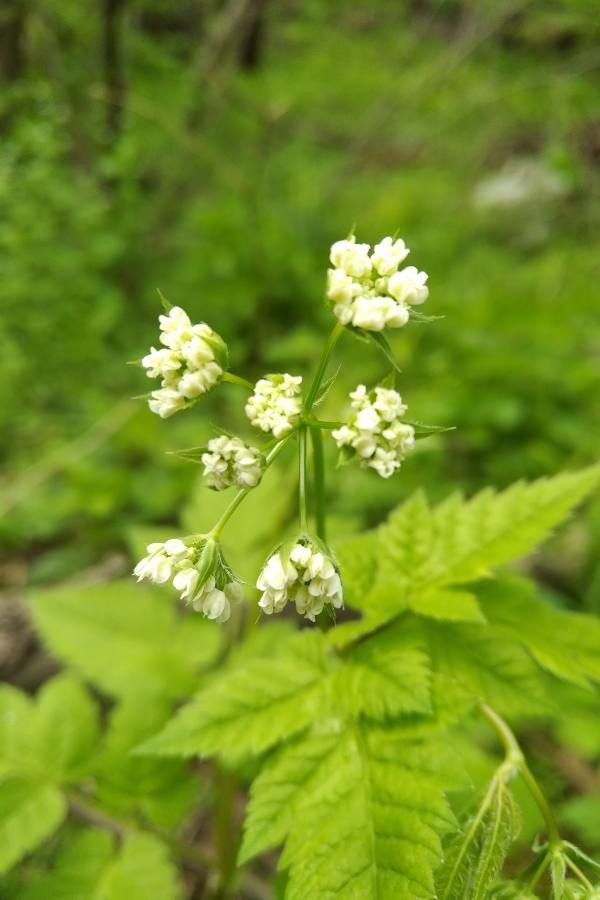
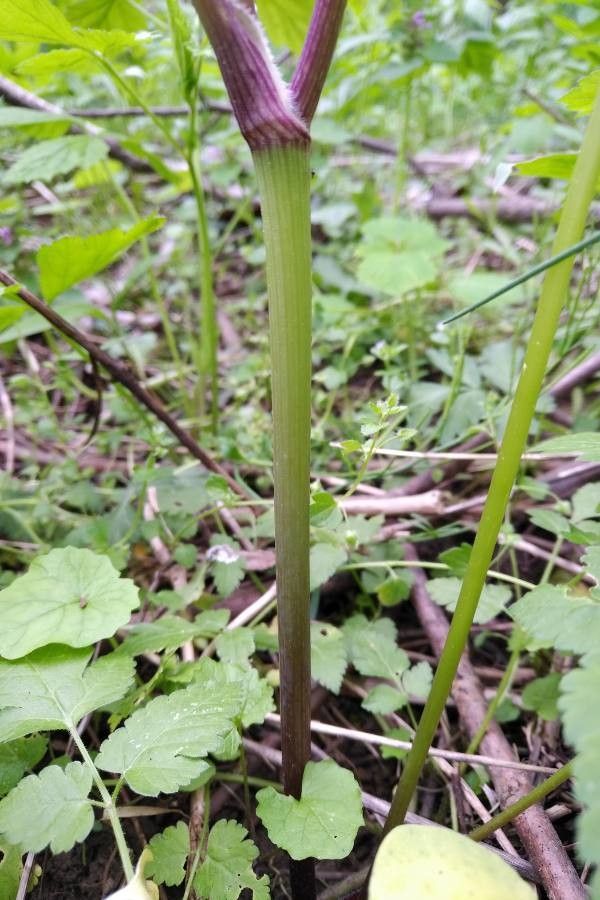
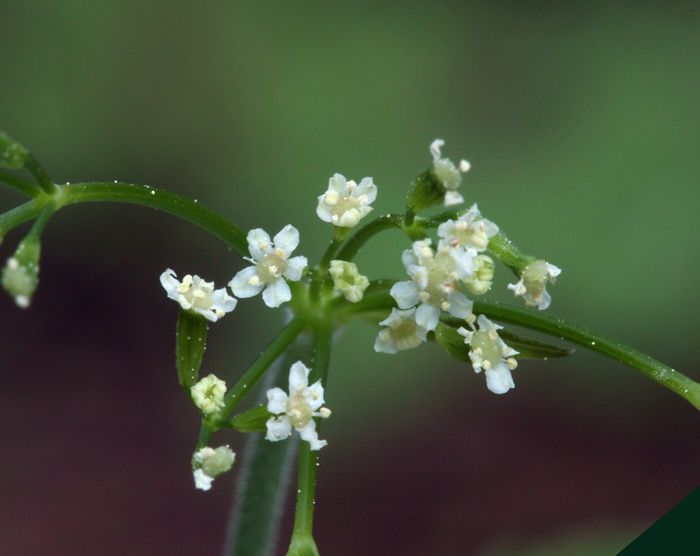
Osmorhiza claytonii is a North American perennial herb, native to Canada and the eastern United States. It is also known as Clayton's sweetroot, sweet cicely, or woolly sweet cicely a name it shares with other members of its genus Osmorhiza.
Clayton's Sweetroot is fairly disease-resistant and usually does not suffer from illnesses. However, it can be vulnerable to pests and diseases present in its environment. These infections are generally mild. For care, the plant requires moderate maintenance. It should be pruned regularly to maintain a good appearance and promote healthy growth. Fertilizing can also help encourage flowering. Clayton's Sweetroot is suitable for anyone with an outdoor area, such as a garden or patio, and does not demand extensive plant-care experience. It may need extra attention when grown indoors.
How to keep Osmorhiza Claytonii.
Light
Clayton's Sweetroot does well in places with low light, similar to its natural, densely vegetated habitats. It can grow with little light while shaded by other plants. Too much light can damage it, but it is not particularly harmed by low light.
Temperature
Clayton's Sweetroot is indigenous to habitats where temperatures range between 41 and 95 °F (5 and 35 ℃).
Fertilizer
One fertilizer treatment in spring is generally adequate for Clayton's Sweetroot, although repeated feedings can boost growth to its fullest. Feed at intervals of about one to one and a half months. Fertilization improves the leaves' appearance and function, maintaining even color and a healthy texture. It also encourages root development and enhances nutrient uptake for the plant's long-term health.
Pruning
Clayton's Sweetroot is an herbaceous plant appreciated for its aromatic roots and fern-like leaves. To encourage growth, improve air circulation, and remove dead stems, it is best to prune the plant from early to late spring. Regular pruning not only enhances the plant's health and appearance but also ensures optimal growth and flowering.
Botanical profile.
- Plant Type
- Herb
- Life Cycle
- Perennial
- Genus
- Osmorhiza
- Family
- Apiaceae
- Hardiness Zone
- 5-9
- Mature Height
- 30 cm to 91 cm
- Mature Spread
- 30 cm
- Leaf Color
- Green, Dark Green
- Leaf Type
- Deciduous
- Flower Color
- White
- Flower Size
- 0.25 cm
- Bloom Time
- Late spring, Early summer
- Planting Time
- Spring, Summer
- Harvest Time
- Early summer, Mid summer
Other names.
Reader questions.
What are the sunlight requirements for Clayton's Sweetroot?
Clayton's Sweetroot thrives best in areas with minimal light exposure, ideally less than 3 hours of direct sunlight, which suits its natural habitat under dense vegetation. It is important to observe how sunlight moves through your garden to find spots with a good balance of light and shade, ensuring the plant's needs are met without the risk of excessive light, which can harm it.
What is Clayton's Sweetroot and where is it native to?
Clayton's Sweetroot, botanically known as Osmorhiza claytonii, is native to environments where temperatures range from 41 to 95 °F (5 to 35 °C). This plant is well-adapted to areas that experience significant temperature fluctuations and showcases strong cold resistance.
What should I know about using artificial lighting for Clayton's Sweetroot?
For indoor Clayton's Sweetroot plants or in situations where natural sunlight is insufficient, artificial lighting can be a beneficial supplement. LED lights are recommended due to their ability to be customized to specific plant needs. The intensity of light required varies depending on whether the plants are full sun (30-50W/sq ft), partial sun (20-30W/sq ft), or full shade (10-20W/sq ft). The light source should be placed 12-36 inches above the plant, for 8-12 hours per day to mimic natural daylight conditions.
Does Clayton's Sweetroot require special frost protection measures during winter?
Clayton's Sweetroot does not typically require special frost protection measures during winter due to its strong cold resistance. However, if winter temperatures are expected to drop below -25°C, cold protection is advised. This can be done by covering the plant with materials such as soil or straw. Additionally, it's recommended to water the plant abundantly before the first freeze in autumn to keep the soil moist and reduce the risk of drought and water scarcity.
What are the signs of insufficient or excessive light exposure in Clayton's Sweetroot?
Clayton's Sweetroot may show various symptoms depending on the light exposure. Insufficient light can lead to smaller new leaves, leggy or sparse growth, faster leaf drop, slower or no new growth, lighter-colored new leaves, and even chlorosis. Conversely, excessive sunlight can cause symptoms such as sunscald, chlorosis, leaf curling, wilting, and leaf scorching. These signs indicate the plant's struggle with its light environment, whether it's receiving too little or too much light.
How does Clayton's Sweetroot respond to low temperatures?
Clayton's Sweetroot is cold-tolerant and thrives best when the temperature is above 5°C. It should be kept above -20°C during winter. If temperatures fall below -25°C, the plant may not show immediate damage but could exhibit decreased sprouting or fail to sprout at all in spring. In such cases, removing parts that have failed to sprout in spring is the recommended solution.
How can I address light-related issues in Clayton's Sweetroot?
To mitigate light-related issues in Clayton's Sweetroot, consider moving the plant to a location with the best sunlight exposure, whether indoors or outdoors. Indoors, aim for ample filtered light with some direct morning sunlight, placing the plant 1-2 meters away from a window or using artificial light for additional support. Outdoors, adjust the plant to sunlight gradually to prevent sunburn. If physical obstructions block sunlight, consider pruning or transplanting the plant to a sunnier spot. While some damaged parts may not recover, new, healthy growth should appear with improved light conditions.
What should be done if Clayton's Sweetroot is exposed to high temperatures?
During summer, it's crucial to ensure that Clayton's Sweetroot's environment does not exceed 35°C. Exposure to temperatures above 38°C may cause the plant's leaves to lighten in color, curl, become prone to sunburn, and, in severe cases, the entire plant may wilt and dry out. To mitigate these issues, trim away sunburned and dried-up parts of the plant. Move the plant to a location with shade during the midday and afternoon or use a shade cloth. Watering the plant in the morning and evening to maintain soil moisture is also beneficial.