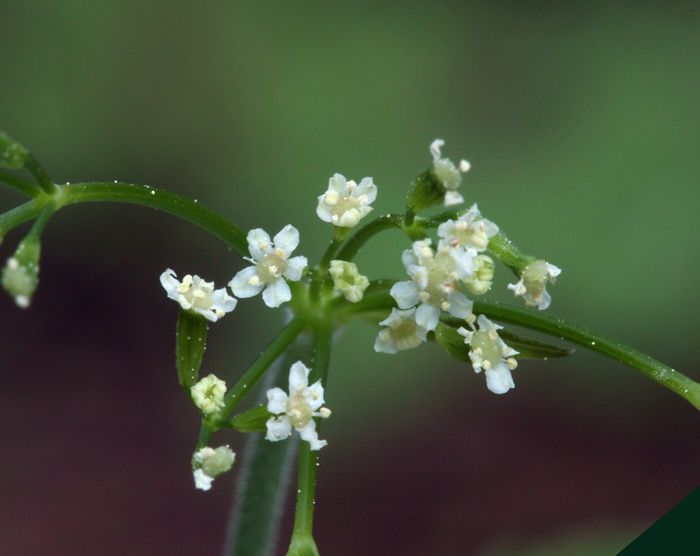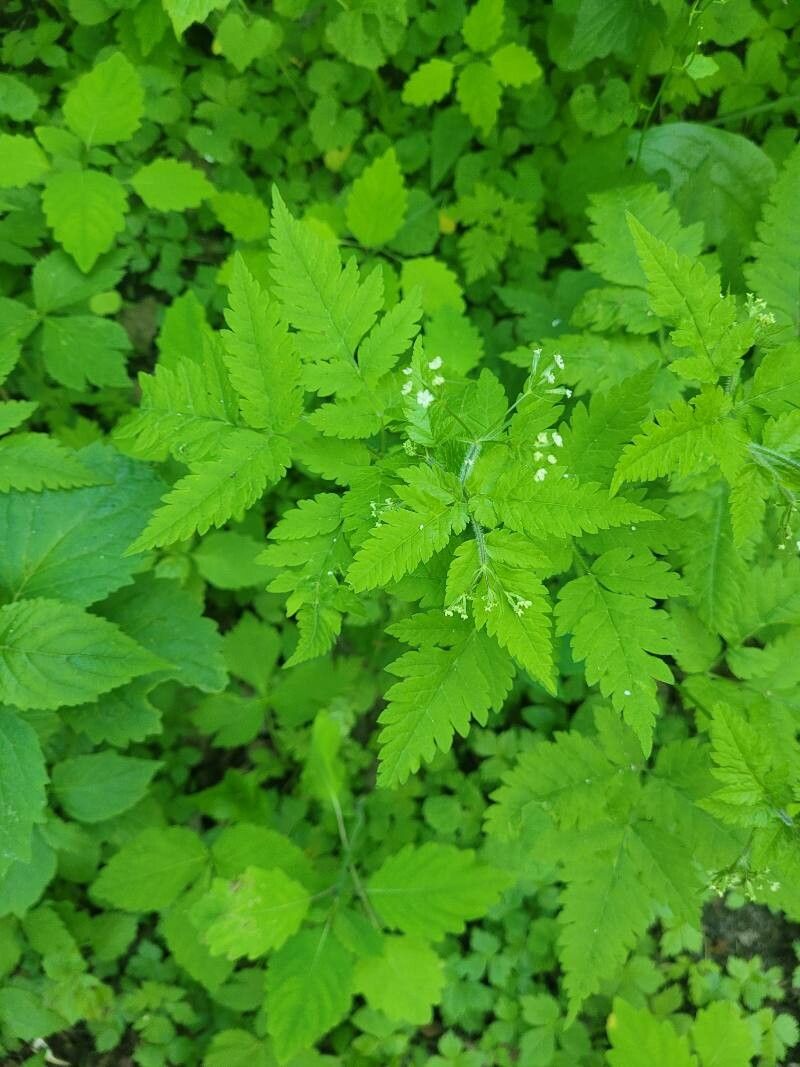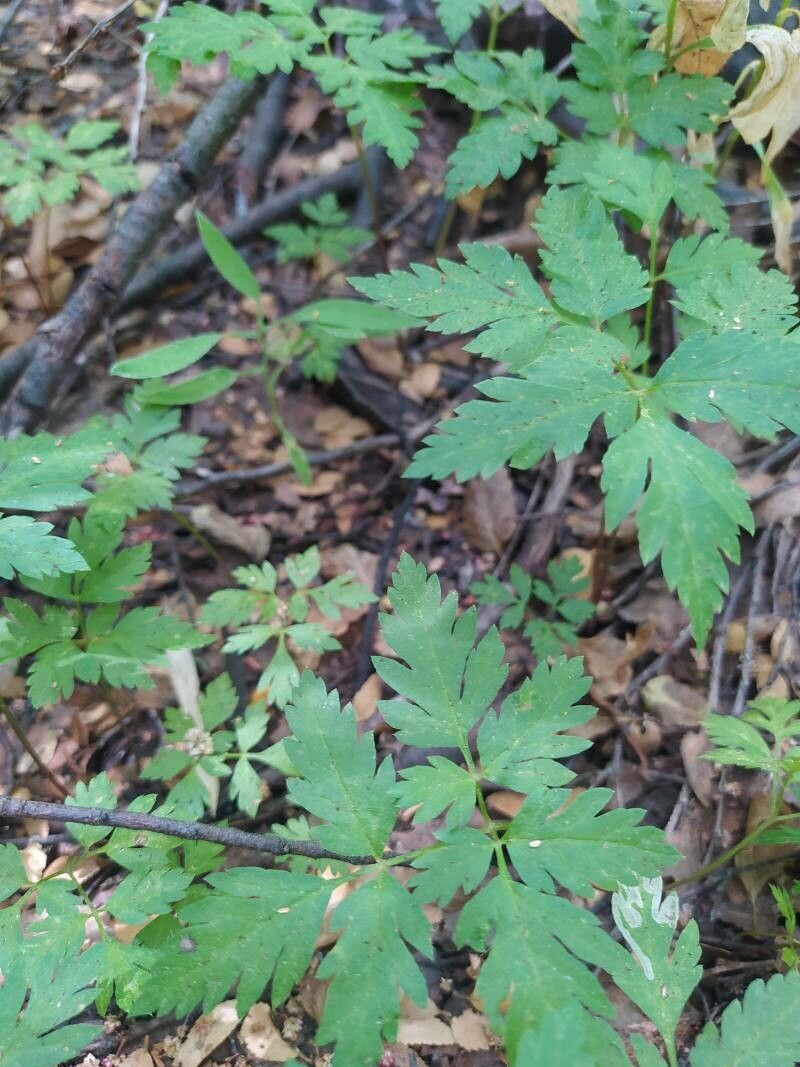
Osmorhiza berteroi is a species of flowering plant in the family Apiaceae known by the common name mountain sweet cicely.
Mountain sweet cicely has good disease resistance and is generally not prone to illnesses. However, it can be affected by pests and diseases present in its environment. These infections are usually mild. In terms of care, this plant requires a moderate level of maintenance. It should be pruned regularly to maintain its appearance and promote healthy growth. Fertilizing can also help encourage flowering. Mountain sweet cicely is suitable for anyone with outdoor space, such as a garden or patio, and does not require extensive care experience. It may need more attention when grown indoors.
How to keep Osmorhiza Berteroi.
Light
The mountain sweet cicely flourishes in locations where the sunlight is not directly intense, and it thrives best under dappled sunshine. Although it can tolerate shaded areas, an environment with moderate sunshine assists in its robust growth. As it hails from habitats with scattered sunlight, an excess or deficiency of sunlight can negatively influence its growth.
Water
Mountain sweet cicely flourishes in moist, shaded woodlands, preferring soil that remains consistently damp. Once established, this plant can tolerate moderate drought, but to mimic its natural hydration conditions, it's best to water it weekly. Applying mulch can help retain moisture and replicate the leaf litter found in its native habitat.
Temperature
The mountain sweet cicely is most suitably adapted to temperatures ranging from 41 to 95 °F (5 to 35 ℃), which mirrors its native habitat conditions. Overall, it has a preference for chilly weather during the first half of spring and autumn, requiring small modifications to cope with summer temperatures.
Fertilizer
Usually, a one-time application of fertilizer in the spring is enough for Mountain sweet cicely, however, to augment its growth, providing nutrients more than once can be beneficial. Aim to fertilize every four to six weeks. This process of fertilization improves the look and operation of the leaf, helping maintain a regular color and robust texture. Additionally, it triggers the development of roots and aids in the absorption of nutrients, which contributes to the prolonged wellbeing of the plant.
Pruning
Mountain sweet cicely benefits from careful pruning, which should be done from early to late spring. Start by removing dead stems to improve plant health and airflow. Then, trim any overcrowded areas to maintain an appealing shape and promote new growth. By pruning regularly, you can control the plant's size and improve its flowering, ensuring that it remains vigorous and attractive throughout its growth cycle.
Botanical profile.
- Plant Type
- Herb
- Life Cycle
- Perennial
- Genus
- Osmorhiza
- Family
- Apiaceae
- Hardiness Zone
- 5-9
- Mature Height
- 0.3 m to 1.22 m
- Mature Spread
- 30 cm to 61 cm
- Leaf Color
- Green, Blue
- Leaf Type
- Deciduous
- Flower Color
- White
- Flower Size
- 0.25 cm
- Bloom Time
- Late spring, Early summer
- Planting Time
- Spring, Autumn
- Harvest Time
- Early summer, Mid summer
Other names.
Reader questions.
What are the sun requirements for Mountain Sweet Cicely?
Mountain Sweet Cicely prefers locations where sunlight is dispersed and thrives well under filtered sun, but it can also cope with shade. It does best with about 3-6 hours of sunlight per day. However, too much or too little sunlight can adversely impact its growth. It's important to watch the sunlight movement through your garden to pick spots that provide the perfect balance of light and shade, ensuring the plant's happiness.
What is the ideal temperature range for Mountain sweet cicely?
Mountain sweet cicely (Osmorhiza berteroi) thrives best within a temperature range of 41 to 95°F (5 to 35°C). This range reflects its native environment, indicating a preference for the cooler conditions of early spring and autumn. Due to its strong cold resistance, special frost protection measures are typically unnecessary. However, if temperatures are expected to fall below -25°C, protective measures like covering the plant with soil or straw should be considered. To aid in winter survival, watering the plant abundantly before the first freeze to maintain moist soil is beneficial.
How does artificial lighting benefit indoor Mountain Sweet Cicely plants?
Indoor Mountain Sweet Cicely plants benefit significantly from artificial lighting, especially when natural sunlight is insufficient. This is particularly important in winter or less sunny spaces. Artificial lights can be customized to provide the specific wavelengths of light that the plants need, with LED lights being a popular choice due to their adjustability. For full sun plants, 30-50W/sq ft is recommended, for partial sun plants 20-30W/sq ft, and for full shade plants 10-20W/sq ft. The light source should be placed 12-36 inches above the plant, mimicking natural sunlight, and most plants will require 8-12 hours of light per day.
How does Mountain sweet cicely react to low temperatures?
Mountain sweet cicely is notably cold-tolerant, flourishing best when temperatures stay above 5°C. While it can endure winter conditions, it is advised to keep it above -20°C to avoid damage. Below -25°C, the plant may not show immediate damage but could experience decreased sprouting or fail to sprout in the spring. If this occurs, removing parts that haven't sprouted in the spring is recommended as part of its care.
What are the symptoms of insufficient light in Mountain Sweet Cicely?
When Mountain Sweet Cicely is grown indoors with insufficient light, several symptoms may manifest. These include smaller new leaves compared to older ones, leggy or sparse growth, faster leaf drop, slowed or halted new growth, lighter-colored or chlorotic new leaves, sunscald, leaf curling, wilting, and leaf scorching. These symptoms indicate that the plant is struggling with the current light conditions and that adjustments are necessary to ensure its health and growth.
What should be done if Mountain sweet cicely experiences high temperatures?
During the hotter summer months, it's important to ensure that Mountain sweet cicely does not get exposed to temperatures above 35°C. Exposure to temperatures over 38°C can cause the leaves to lighten in color, curl, become susceptible to sunburn, and in severe cases, lead to the wilting and drying out of the whole plant. To mitigate these effects, removing sunburned and dried parts, relocating the plant to a shaded area, or using a shade cloth during the intense midday and afternoon sun are advised strategies. Additionally, watering the plant in the early morning and evening can help keep the soil adequately moist, aiding in the plant's recovery and ongoing health.
What solutions are recommended for Mountain Sweet Cicely struggling with light conditions?
For Mountain Sweet Cicely plants struggling with light conditions, several strategies can help. Indoors, gradually moving plants to sunnier spots or supplementing with artificial light for at least 8 hours a day can improve conditions. Outdoor plants should also be gradually moved to better sunlight locations to avoid sunburn, while ensuring they are gradually accustomed to the change. Reducing obstructions like pruning trees can help, and for smaller plants, transplanting during the dormant period to a location with more sunlight and good drainage is advisable. It's key to make these changes gradually to allow the plant to adapt without stress.