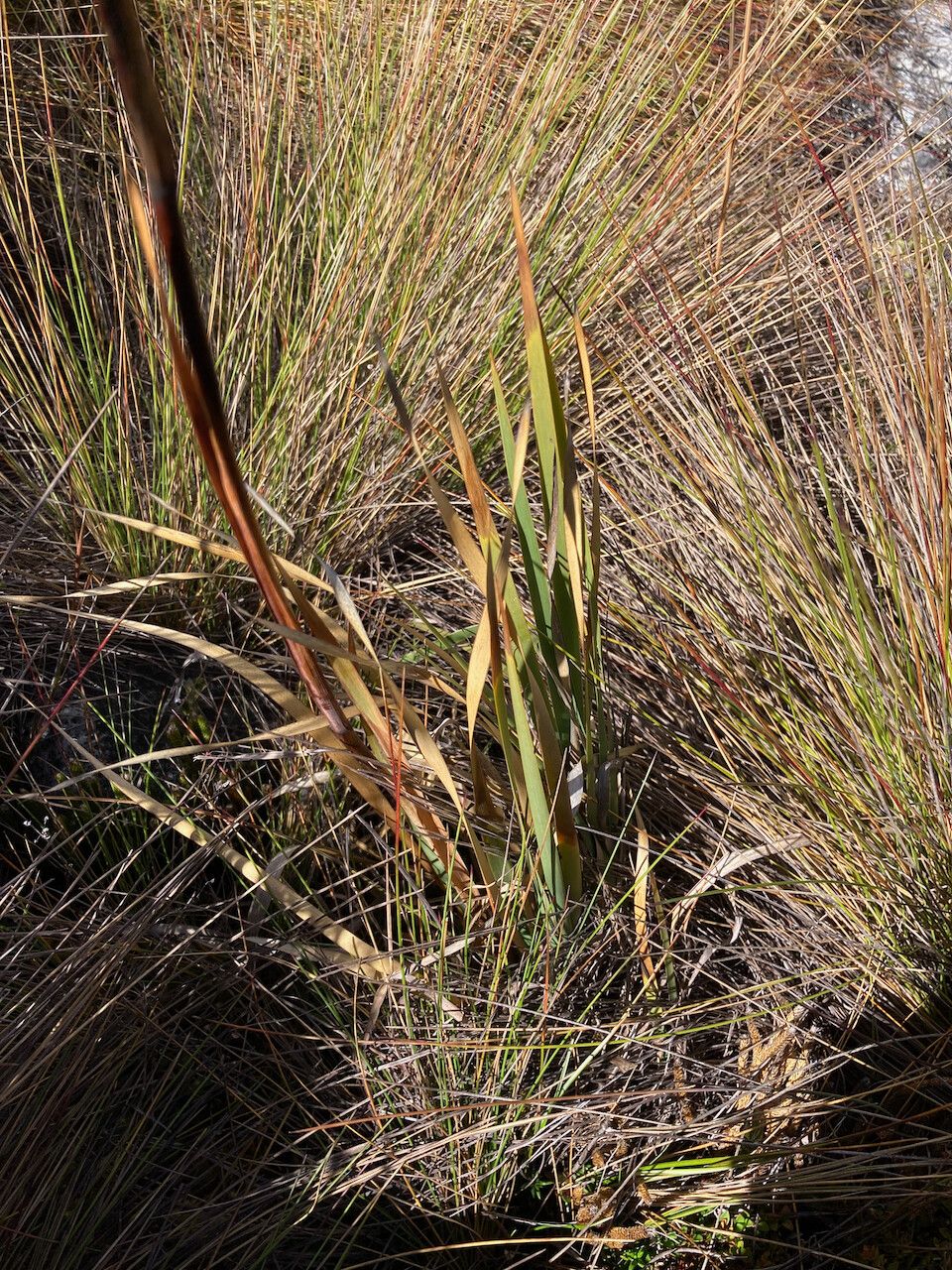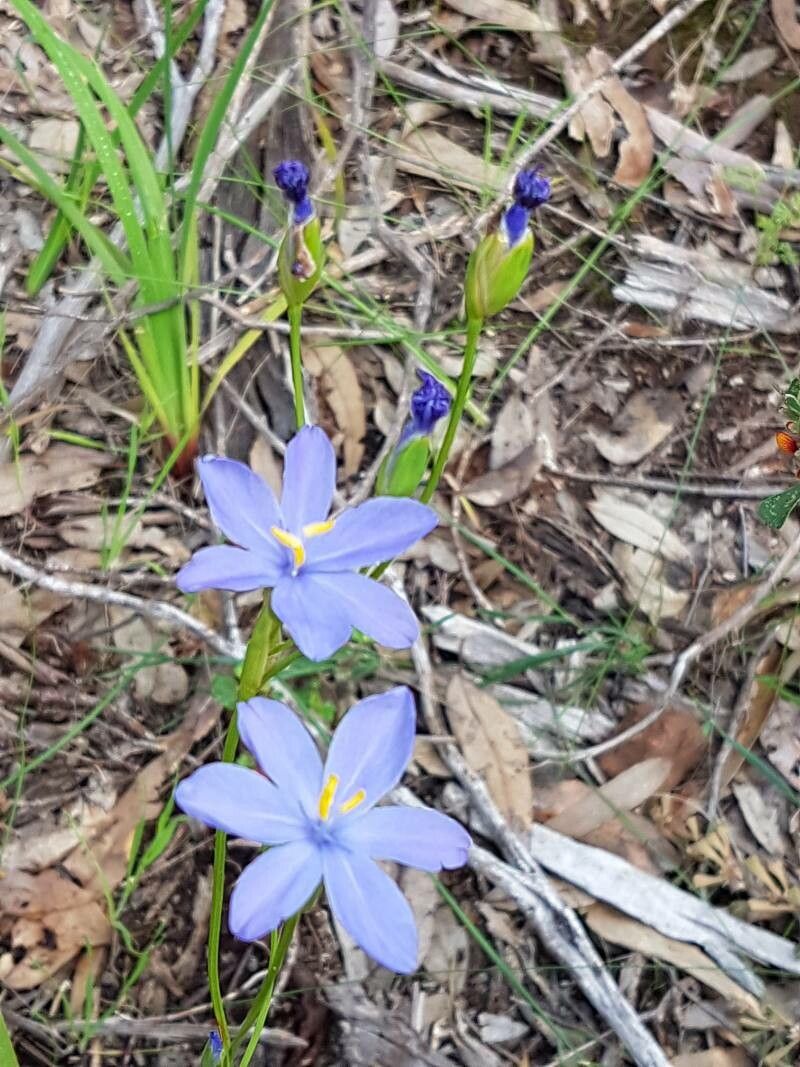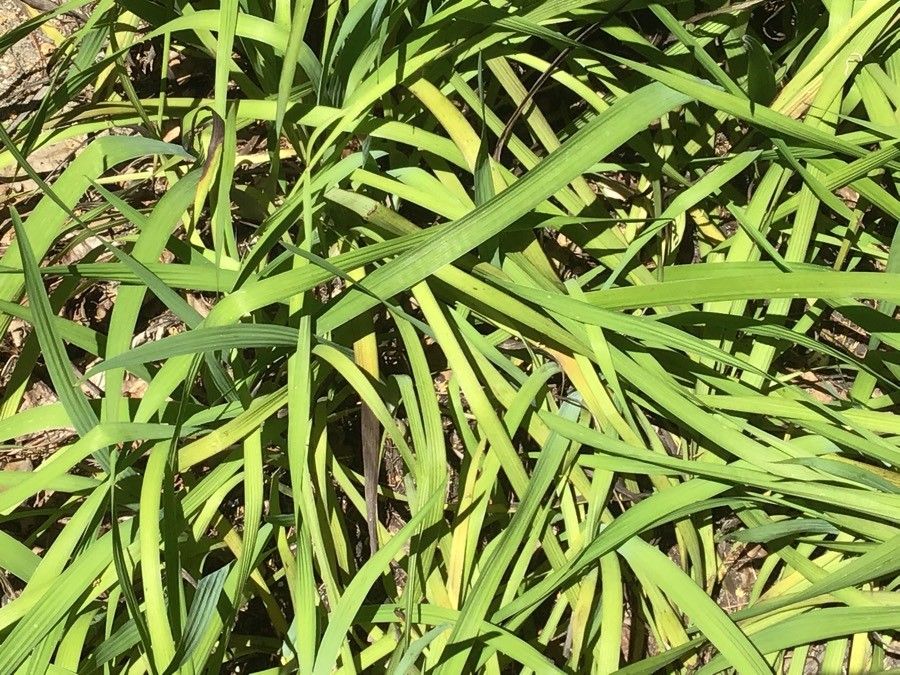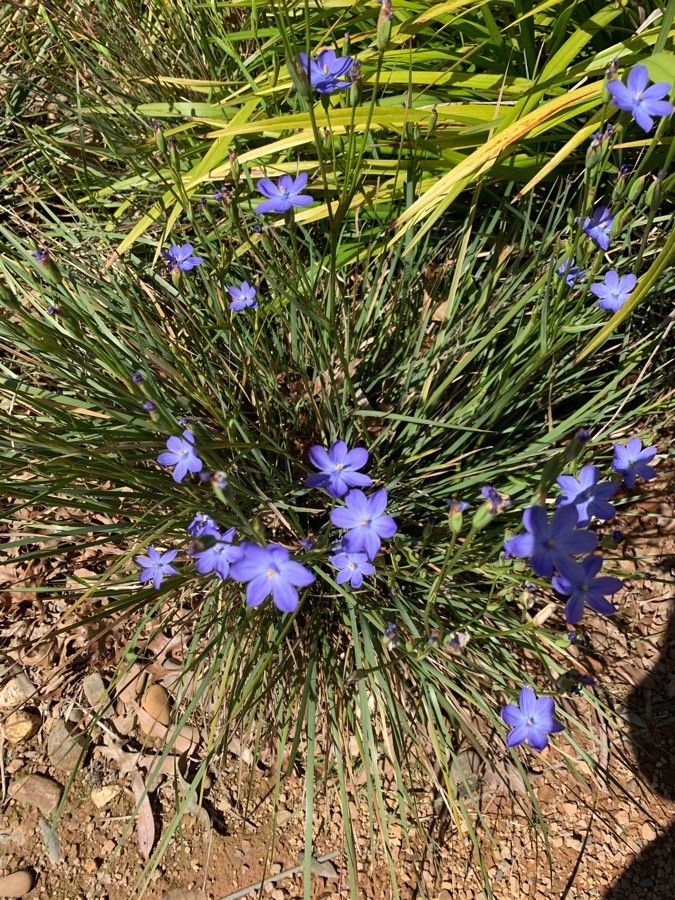
Many-spike orthrosanthus shows strong disease resistance and is generally unlikely to suffer from illnesses. Still, it can be vulnerable to pests and diseases present in its environment. Such infections are typically mild. Care-wise, this plant needs moderate upkeep. It should be pruned on a regular basis to preserve its appearance and support healthy growth. Applying fertilizer can also encourage flowering. Many-spike orthrosanthus is appropriate for anyone with an outdoor area, like a garden or patio, and does not demand extensive care experience. It may need more attention when cultivated indoors.
How to keep Orthrosanthus Polystachyus.
Light
The many-spike orthrosanthus is indigenous to habitats like forest understories or rocky regions, where it naturally receives partial sunlight. While its ideal lighting condition is partial sun, it has the capability to acclimate to both full sun and complete shade, showcasing its adaptability and robust character.
Temperature
The plant known as Many-spike orthrosanthus is quite adaptive to varying degrees of heat, demonstrating the ability to handle warmer temperatures and significant discrepancies in temperature. When it experiences higher temperatures, sufficient watering and adequate shading to avoid sun scorching are essential. Conversely, Many-spike orthrosanthus has somewhat limited resilience to cold weather. It can manage a certain level of coldness, but excessively chilly conditions may result in frost harm.
Fertilizer
Typically, a one-time application of fertilizer in the spring is ample for Many-spike orthrosanthus, though regular feedings can encourage maximum growth. Provide nutrients every month to a month and a half. The fertilization process aids in improving the leaf's appearance and function, encouraging a uniform color and a robust texture. It also boosts the growth of the roots and the absorption of nutrients, which supports the plant's health in the long run.
Pot & Repot
During the repotting process of the Many-spike orthrosanthus, select a pot that's 1-2 inches (2.5-5 cm) larger and possesses sufficient drainage features. Utilize a potting mix that drains well. Carry out the repotting either in spring or autumn, ensuring the root ball is slightly set below the edge of the blossoming pot. After repotting, saturate with water completely, and position it in a warm location that receives indirect sunshine.
Botanical profile.
- Plant Type
- Herb
- Life Cycle
- Perennial
- Genus
- Orthrosanthus
- Family
- Iridaceae
- Hardiness Zone
- 9-11
- Mature Height
- 61 cm
- Mature Spread
- 40 cm
- Leaf Color
- Dark Green
- Leaf Type
- Evergreen
- Flower Size
- 2.03 cm to 3.05 cm
- Bloom Time
- Mid fall, Late fall, Early winter
- Planting Time
- Spring, Summer, Autumn
- Harvest Time
- Mid winter, Late winter, Early spring