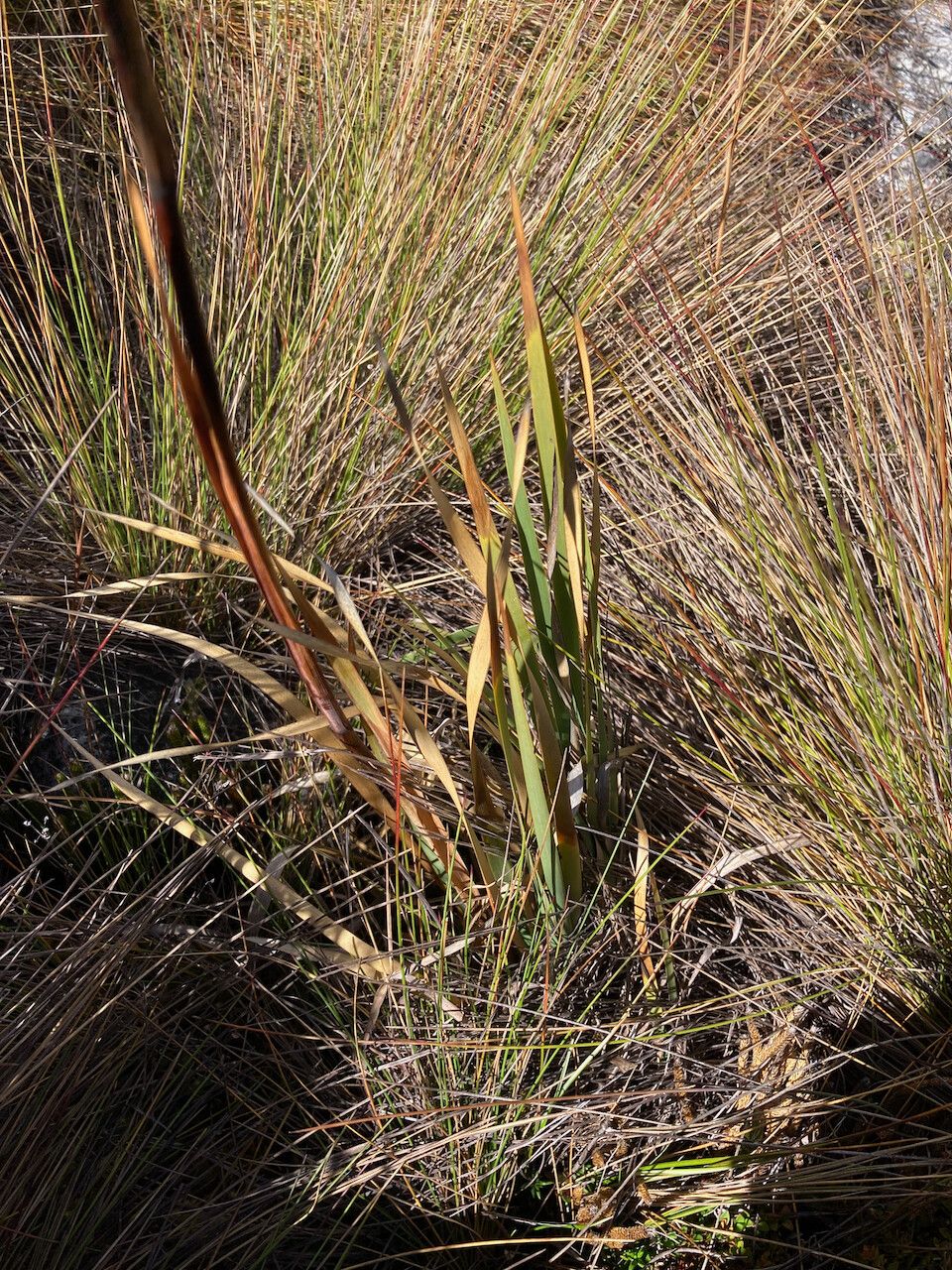
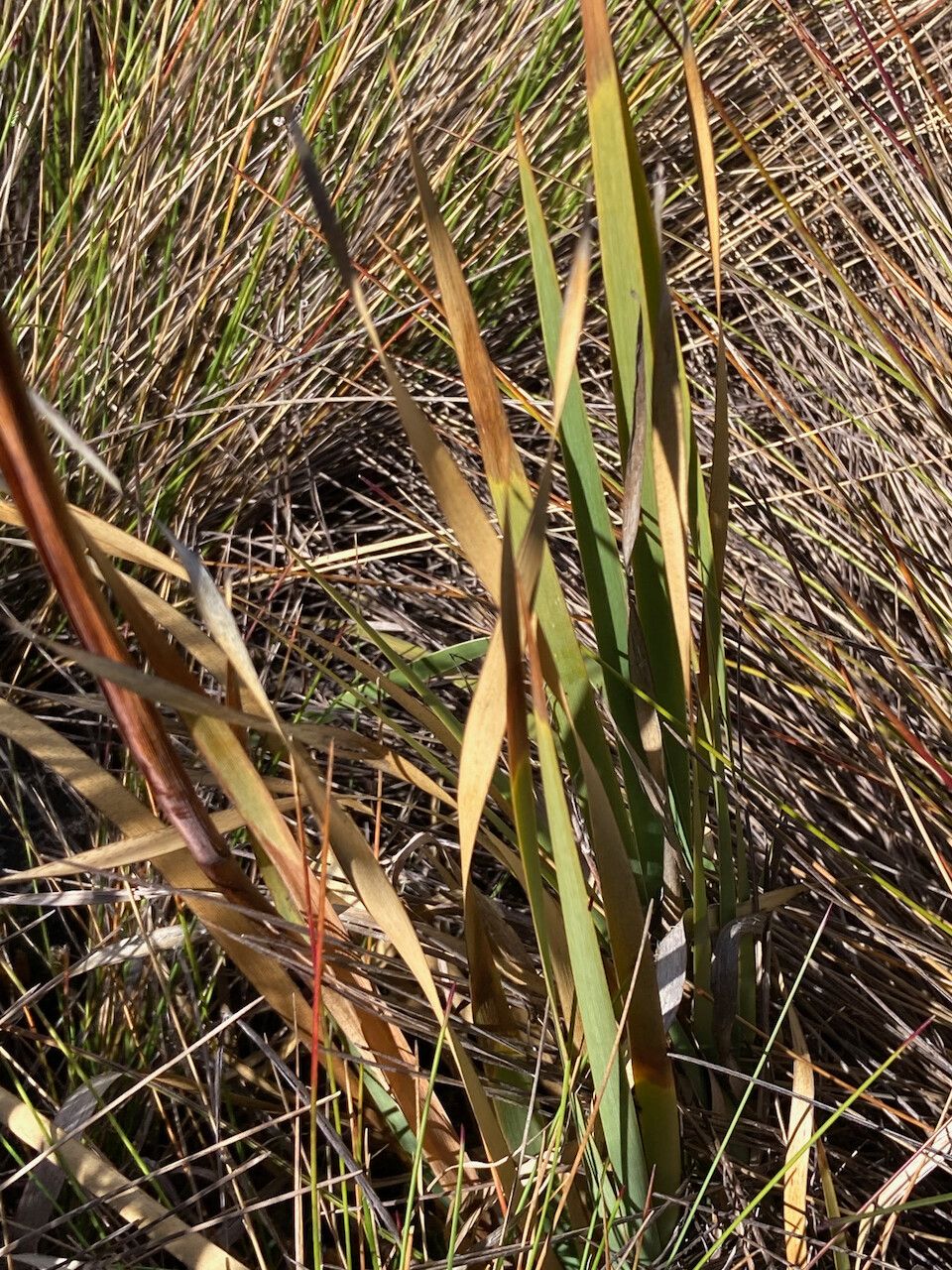
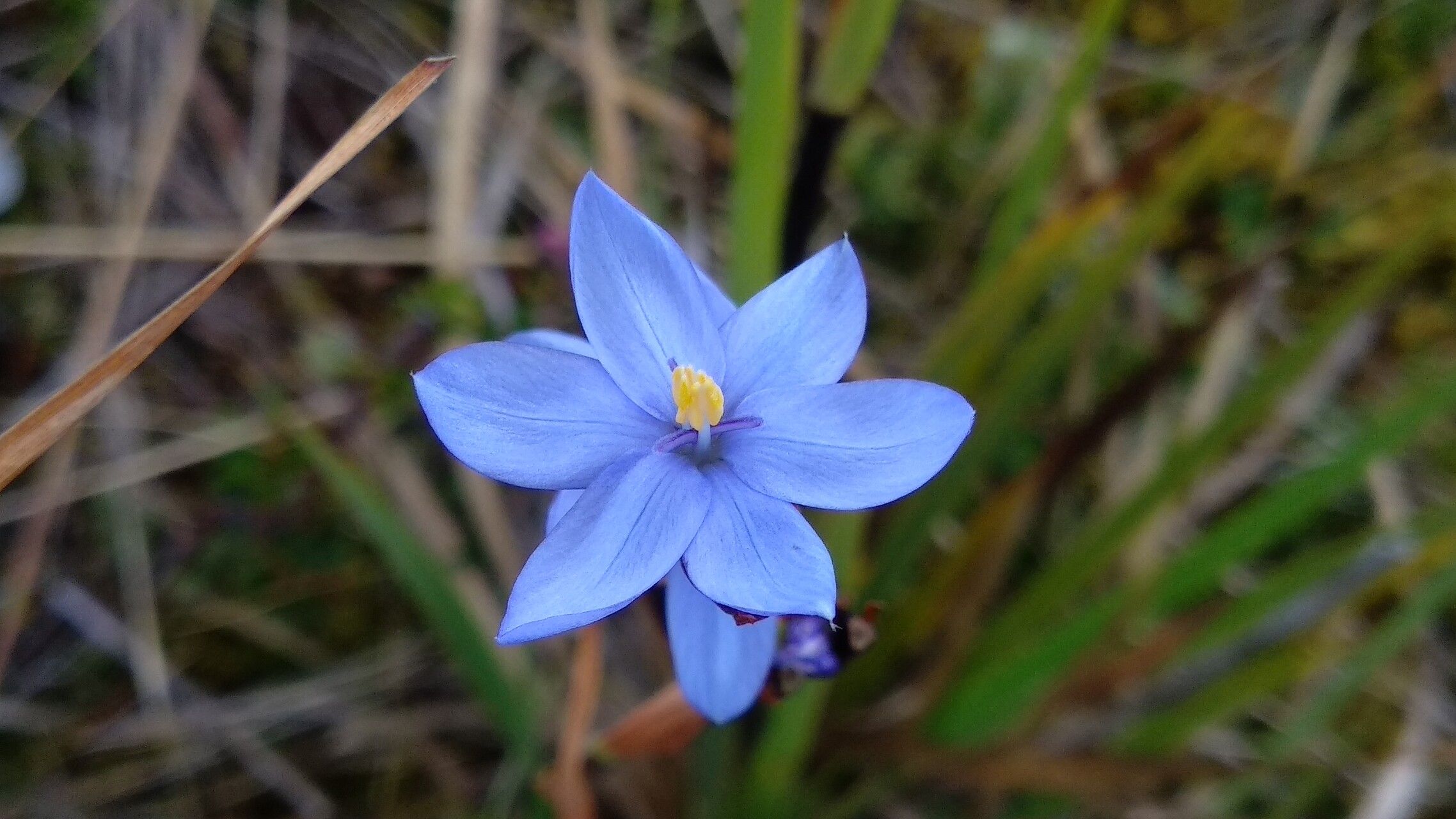
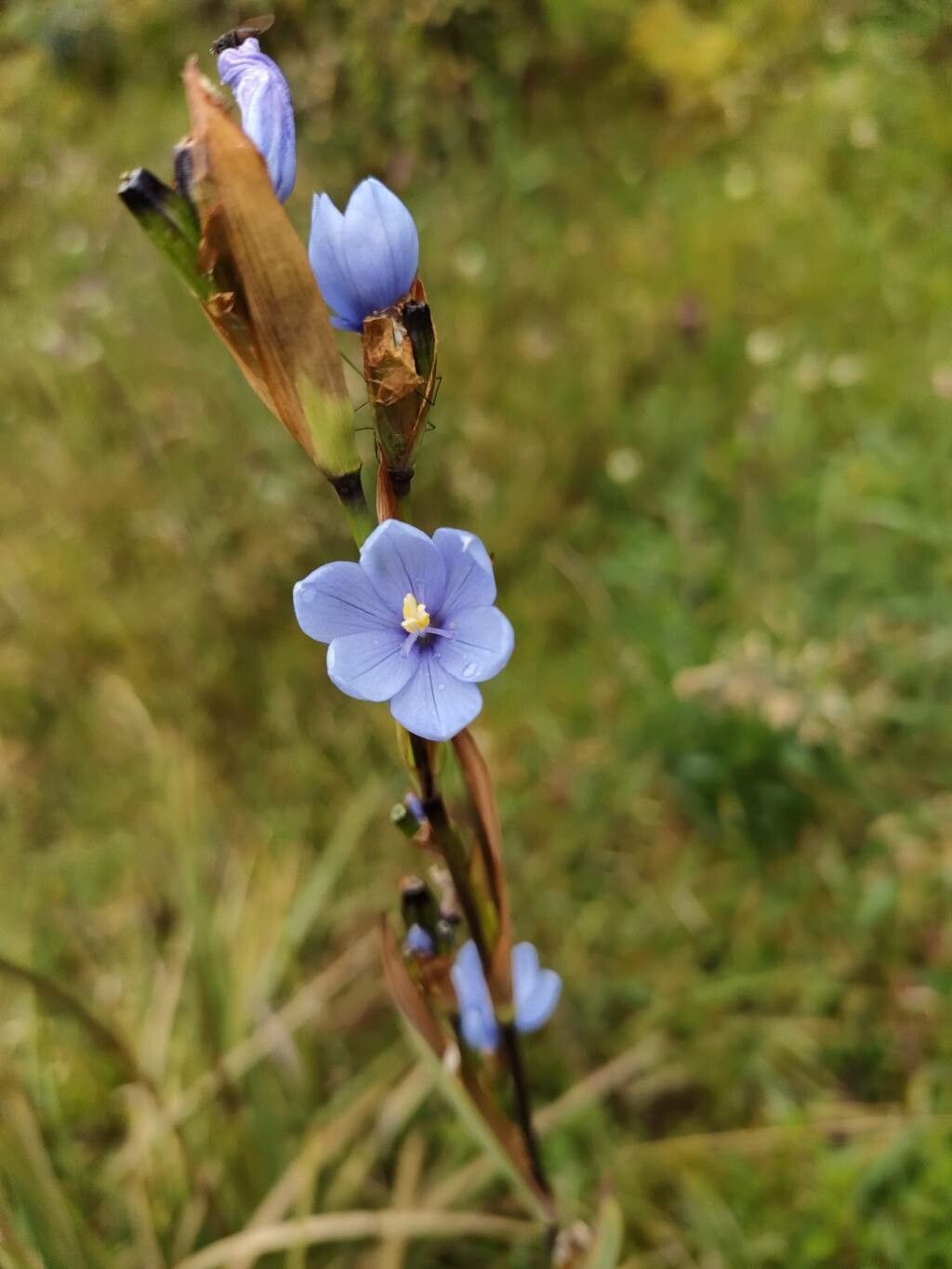
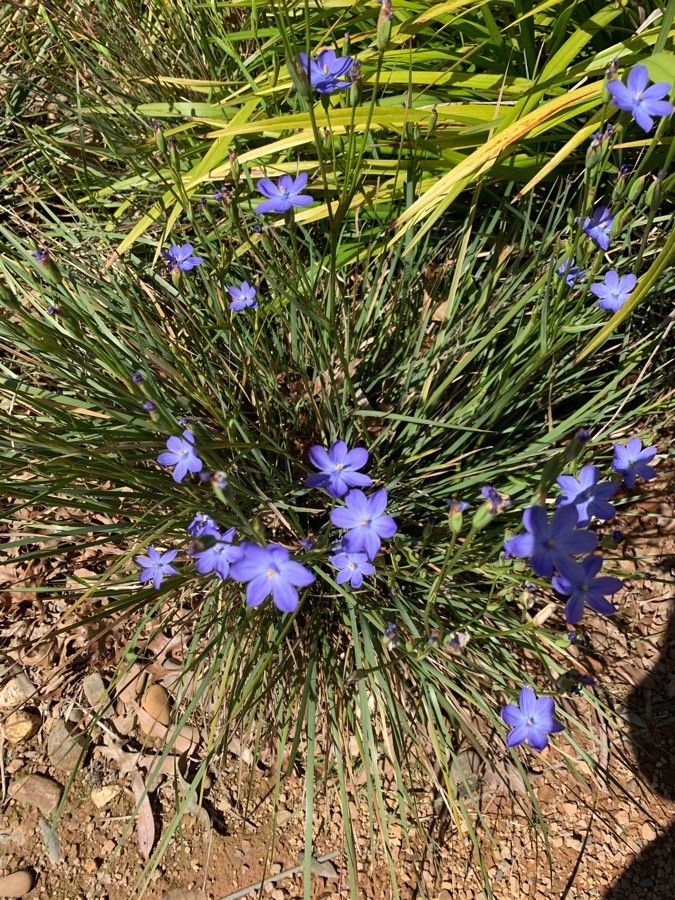
Orthrosanthus chimboracensis shows strong resistance to diseases and is generally not vulnerable to them. Nevertheless, it can be affected by pests and diseases present in its surroundings. These problems are typically mild. Regarding care, this plant needs moderate maintenance. It should be pruned regularly to keep a neat appearance and promote healthy growth. Fertilizing can also assist in encouraging flowering. Orthrosanthus chimboracensis is appropriate for anyone with an outdoor area, like a garden or patio, and does not demand extensive care experience. It may need more attention when kept indoors.
How to keep Orthrosanthus Chimboracensis.
Light
Orthrosanthus chimboracensis occurs in habitats like forest understories or rocky sites, where it experiences natural shade. It prefers partial sun but can tolerate full sun or full shade, reflecting its hardy and adaptable nature.
Water
Orthrosanthus chimboracensis thrives best when it receives consistent moisture, so weekly watering is ideal for its health. Although it can endure brief periods of drought, it needs well-draining soil to replicate its natural loamy habitat. This ensures the roots stay hydrated without the risk of rot.
Temperature
Orthrosanthus chimboracensis is fairly adaptable to temperature, able to withstand higher temperatures and wide temperature swings. In hot conditions, attention should be paid to watering and providing suitable shade to avoid sunburn. Conversely, Orthrosanthus chimboracensis has relatively poor cold tolerance; while it can endure some chill, excessively low temperatures may cause frost damage.
Fertilizer
The best time to fertilize an Orthrosanthus chimboracensis is in early spring, as it comes out of dormancy and begins active growth. Fertilization supplies essential nutrients for healthy development. Although Orthrosanthus chimboracensis has relatively low feeding requirements, an annual application of fertilizer can improve its survival and encourage better, longer-lasting flowers.
Pruning
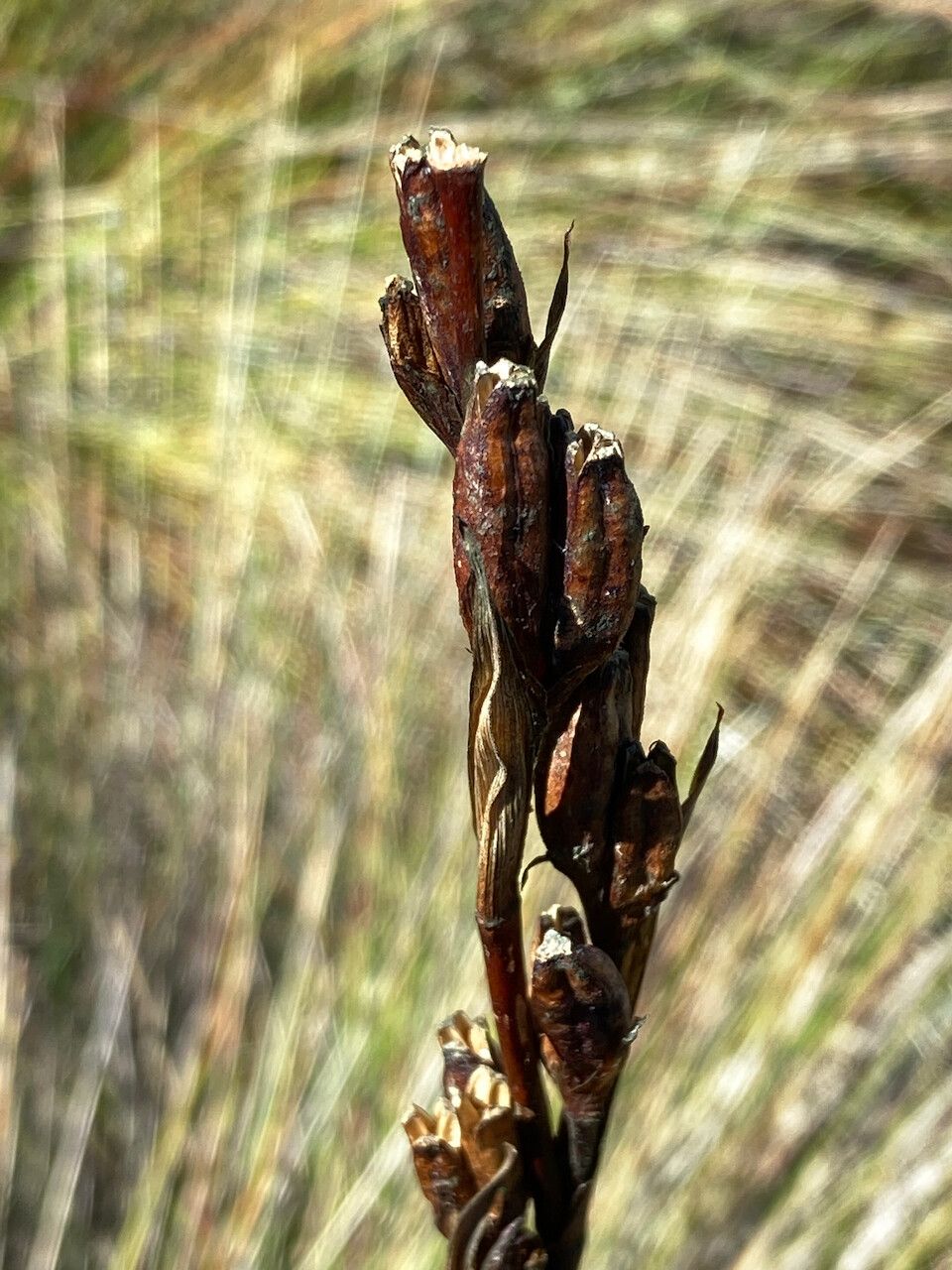
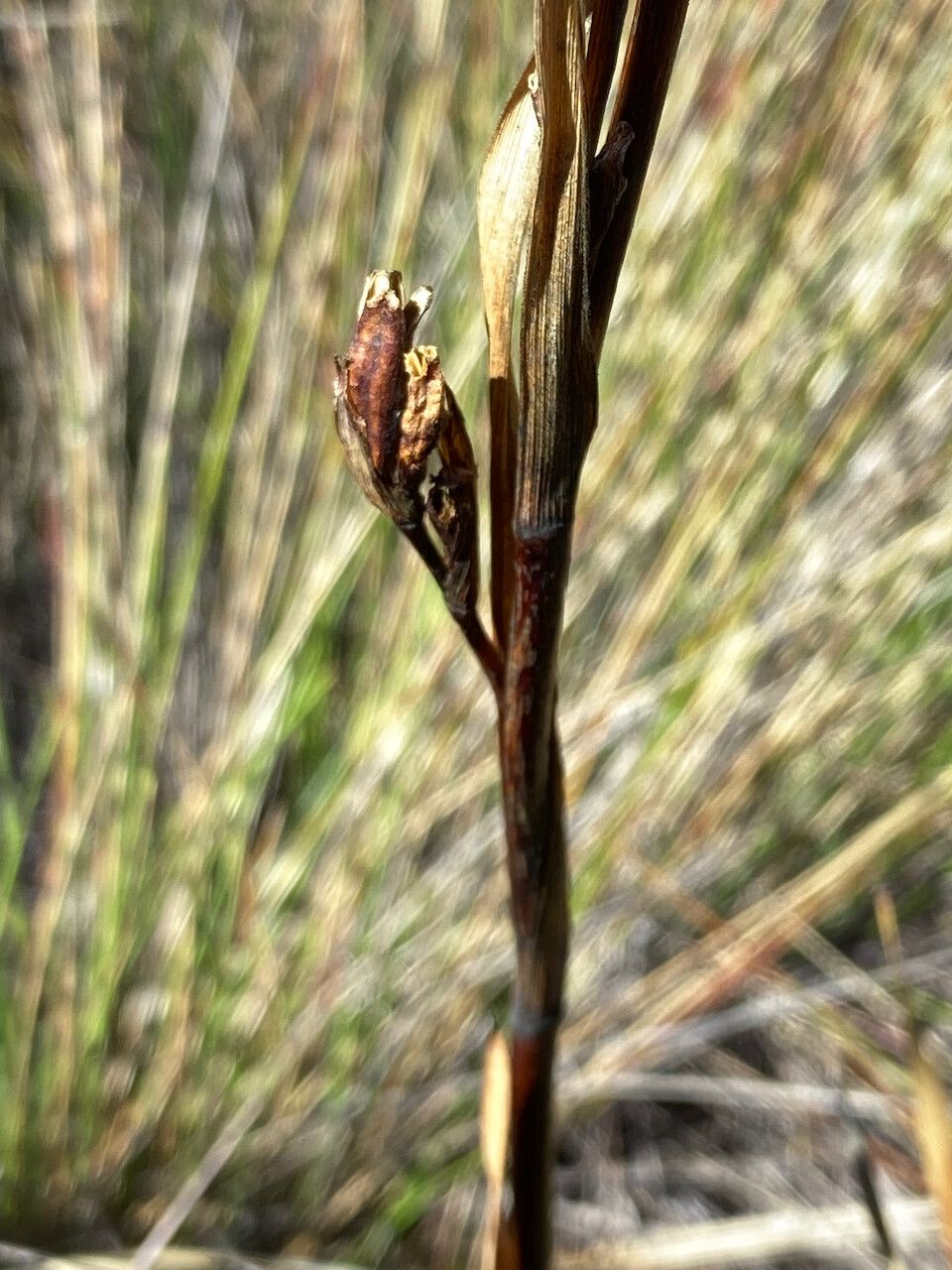
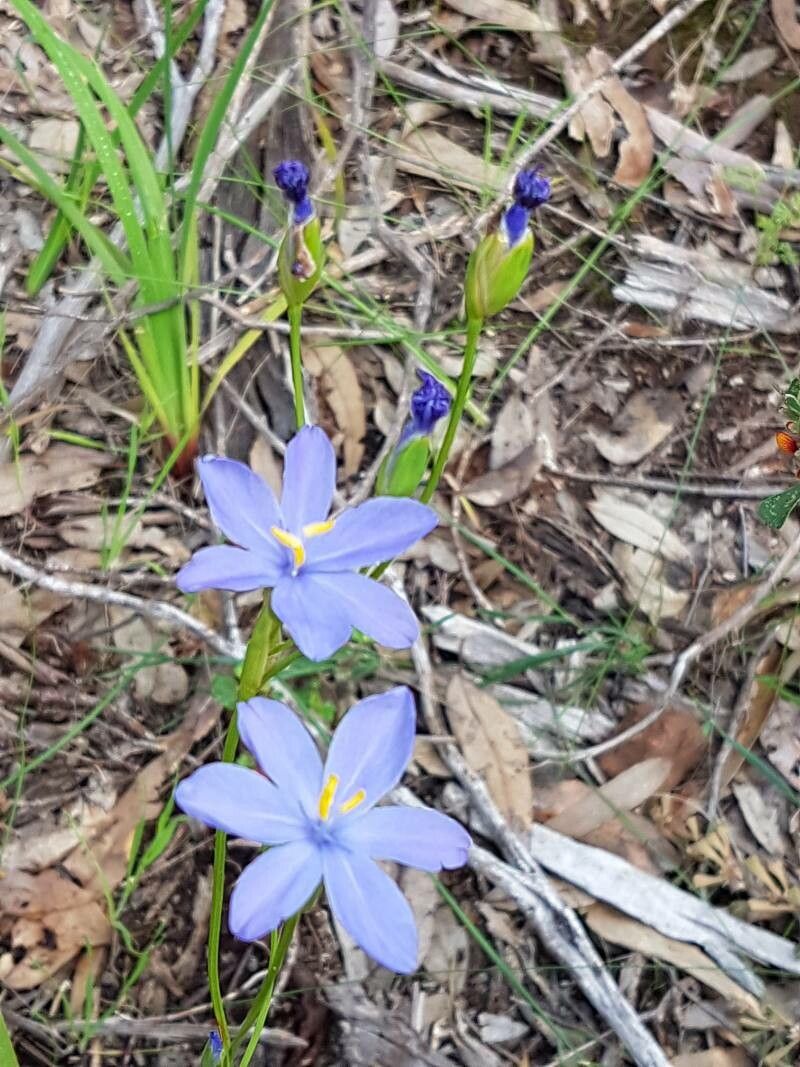
Orthrosanthus chimboracensis is known for its striking blue flowers and tall foliage. To encourage new growth and keep the plant tidy, it's best to prune it from early to late spring after it has finished blooming. Be sure to remove spent flower stalks and any damaged leaves during this time. Regular pruning helps prevent overcrowding and improves air circulation, which reduces the risk of disease.
Botanical profile.
- Plant Type
- Herb
- Life Cycle
- Perennial
- Genus
- Orthrosanthus
- Family
- Iridaceae
- Hardiness Zone
- 8-11
- Mature Height
- 30 cm to 61 cm
- Mature Spread
- 30 cm to 46 cm
- Leaf Color
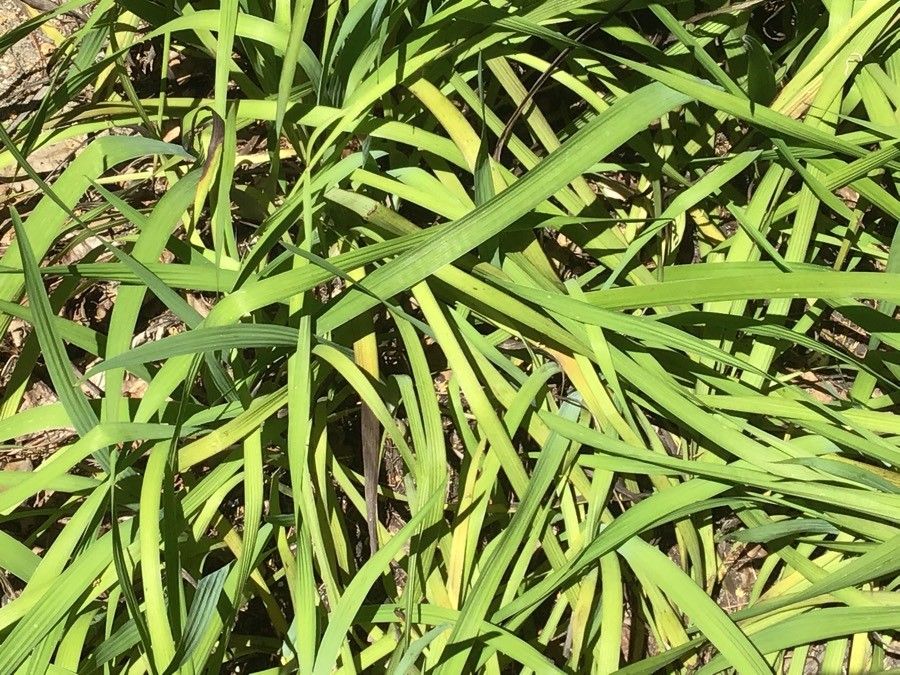
- Dark Green
- Leaf Type
- Semi-evergreen
- Flower Size
- 2.03 cm to 3.05 cm
- Bloom Time
- Late spring, Early summer, Mid summer
- Planting Time
- Spring, Summer, Autumn
- Harvest Time
- Late summer, Early fall, Mid fall
- Native Area
- Colombia, Guatemala, Bolivia, Venezuela, Peru, Nicaragua, Ecuador, Costa Rica