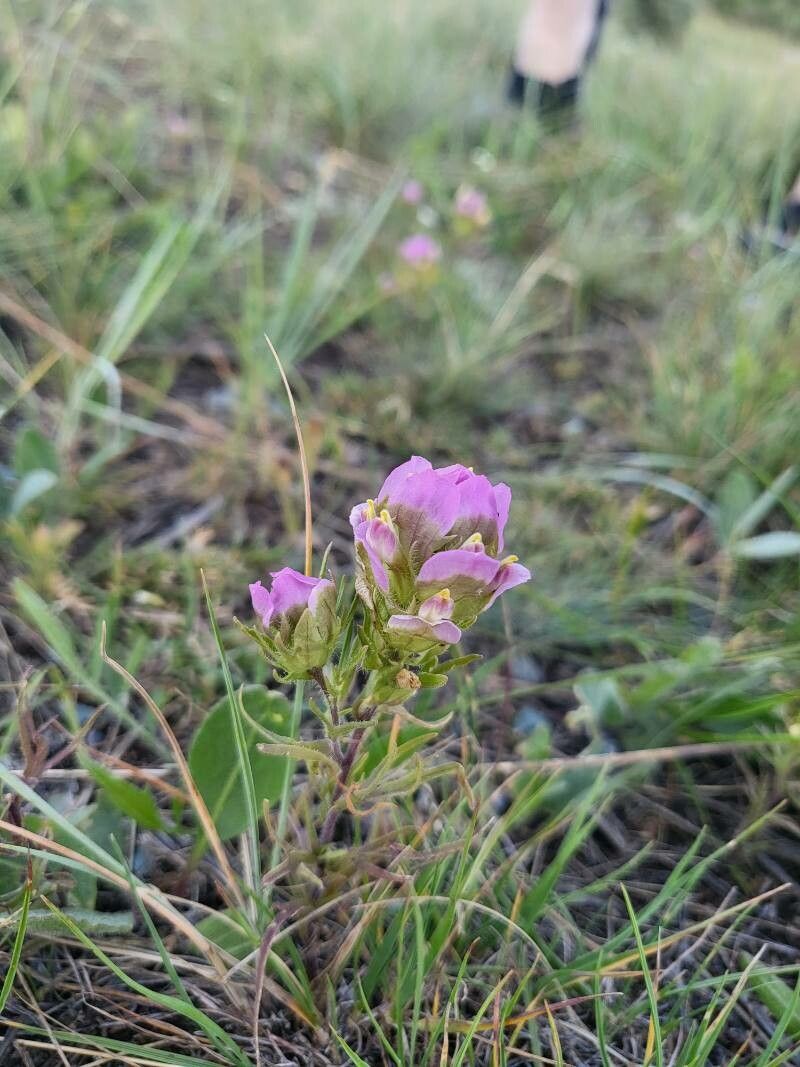
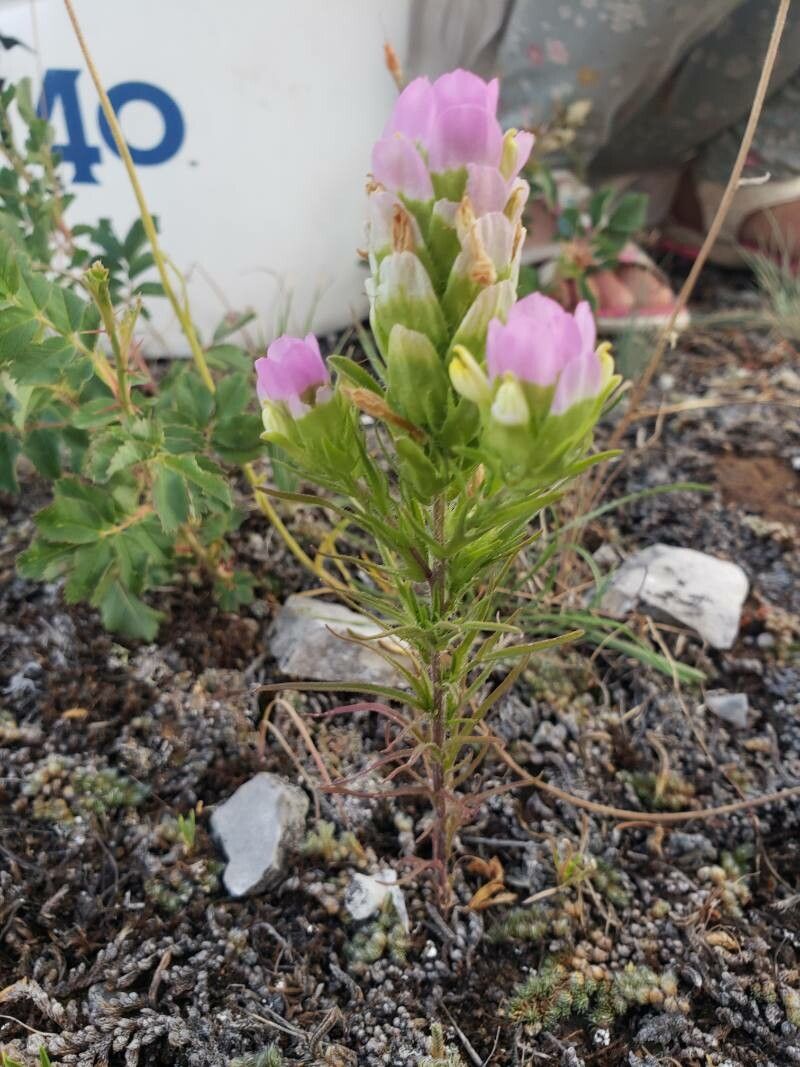
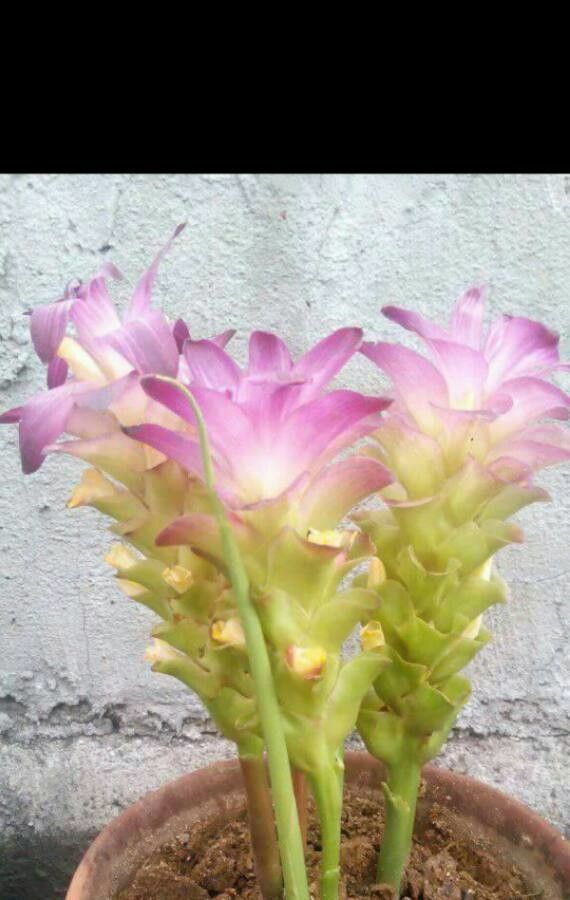
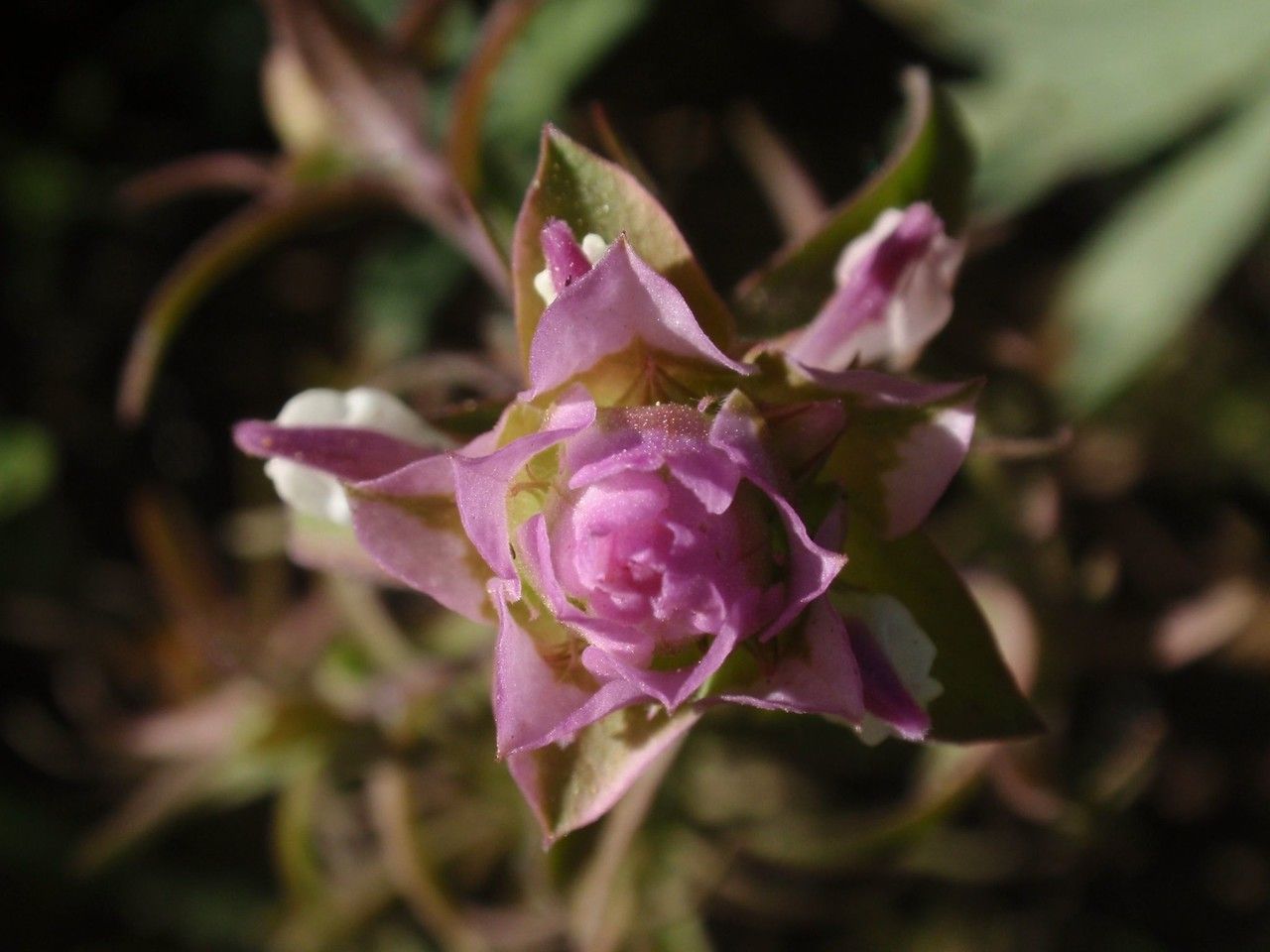
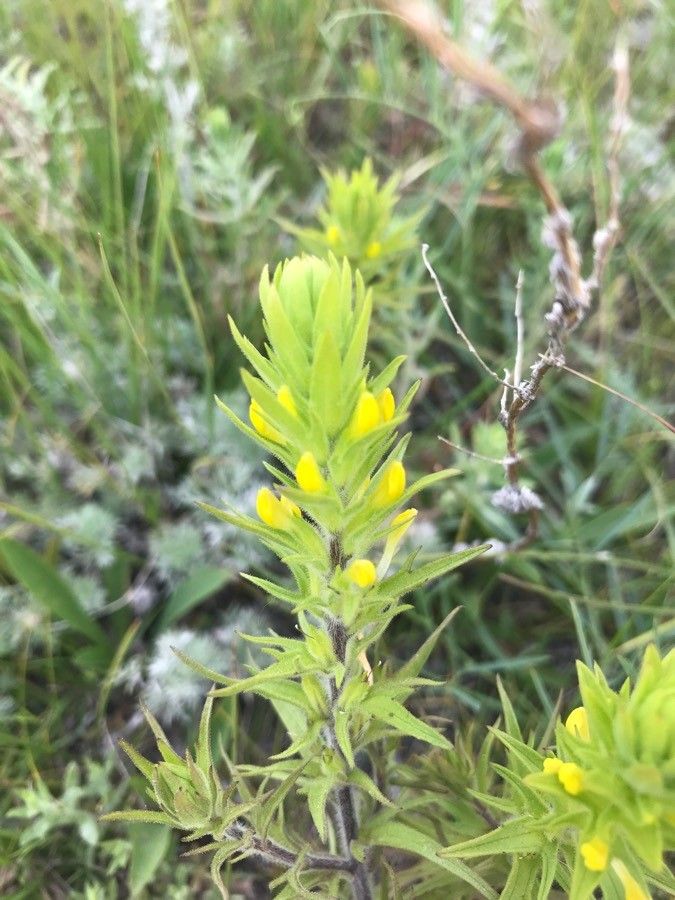
Thinleaved owl's-clover is fairly disease-resistant and generally not prone to illnesses. Still, it can be affected by pests and diseases present in its environment. These outbreaks are usually mild. For care, the plant needs a moderate level of maintenance. It should be pruned on a regular basis to preserve a neat appearance and healthy growth. Fertilizing can also encourage flowering. Thinleaved owl's-clover is suitable for anyone with outdoor space, like a garden or patio, and does not require extensive gardening experience. It may demand more attention when grown indoors.
How to keep Orthocarpus Tenuifolius.
Fertilizer
Thinleaved owl's-clover responds well to regular, dilute applications of fertilizer to encourage healthy leaf development. You should apply fertilizer to Thinleaved owl's-clover about once a month during the summer. Nitrogen is essential for foliage, and adding nitrogen-rich sources helps Thinleaved owl's-clover thrive.
Pruning
The thin-leaved owl's-clover has slender foliage and vibrant flowers. For best results, prune it from early to late spring before it starts to bloom. Be sure to remove any dead stems to encourage stronger growth, but avoid over-pruning. This careful approach helps maintain the plant's health, enhances its flowering, and preserves its shape.
Botanical profile.
- Plant Type
- Herb
- Life Cycle
- Annual
- Genus
- Orthocarpus
- Family
- Orobanchaceae
- Mature Height
- 10 cm to 30 cm
Other names.