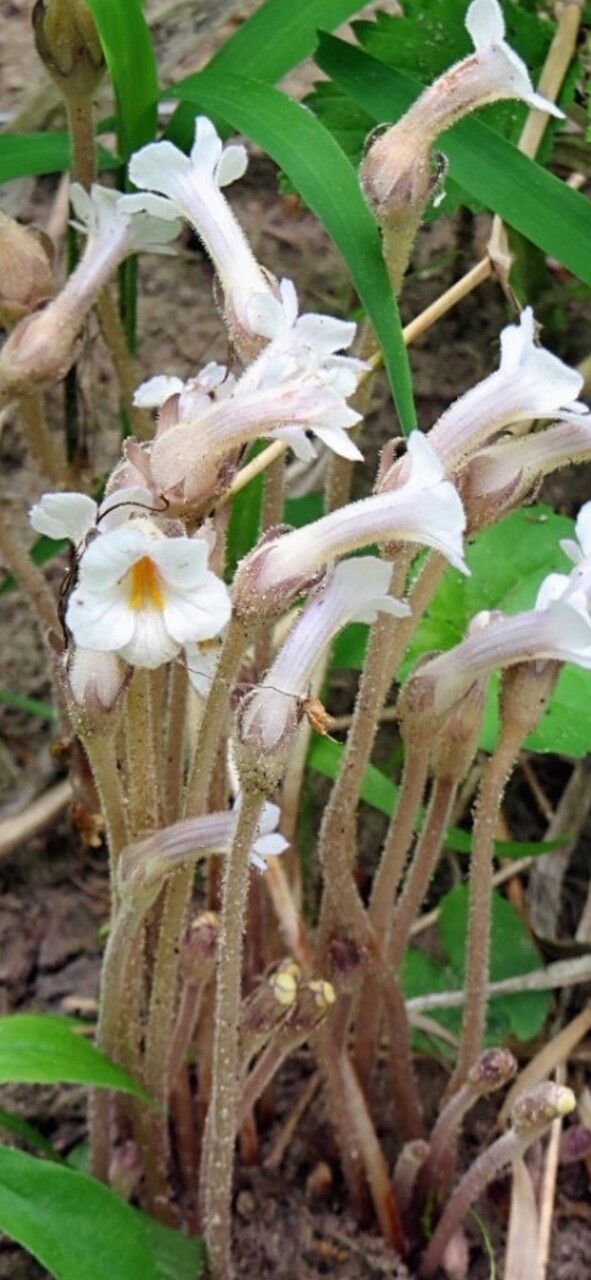
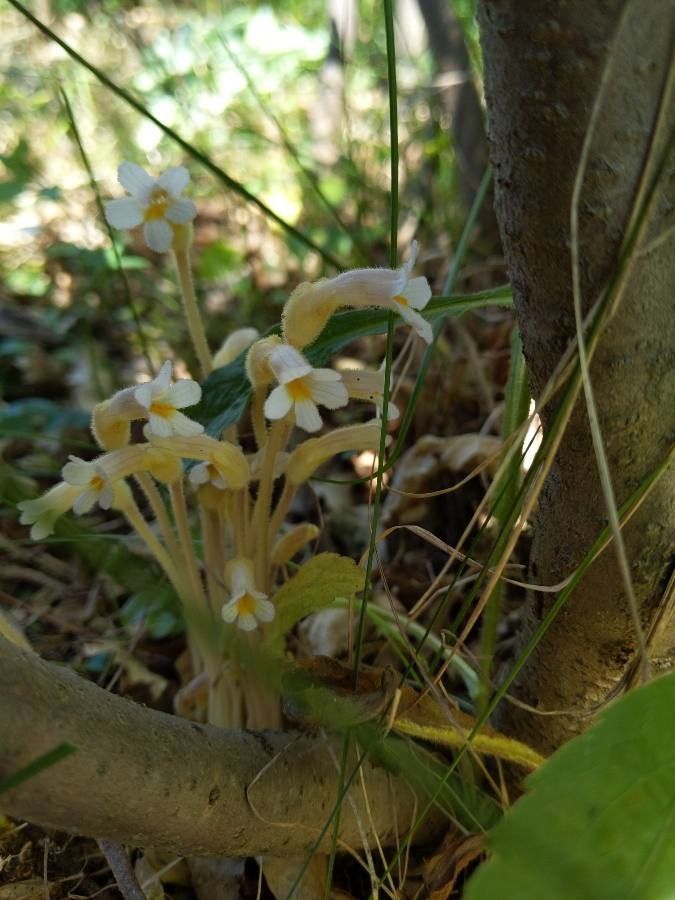
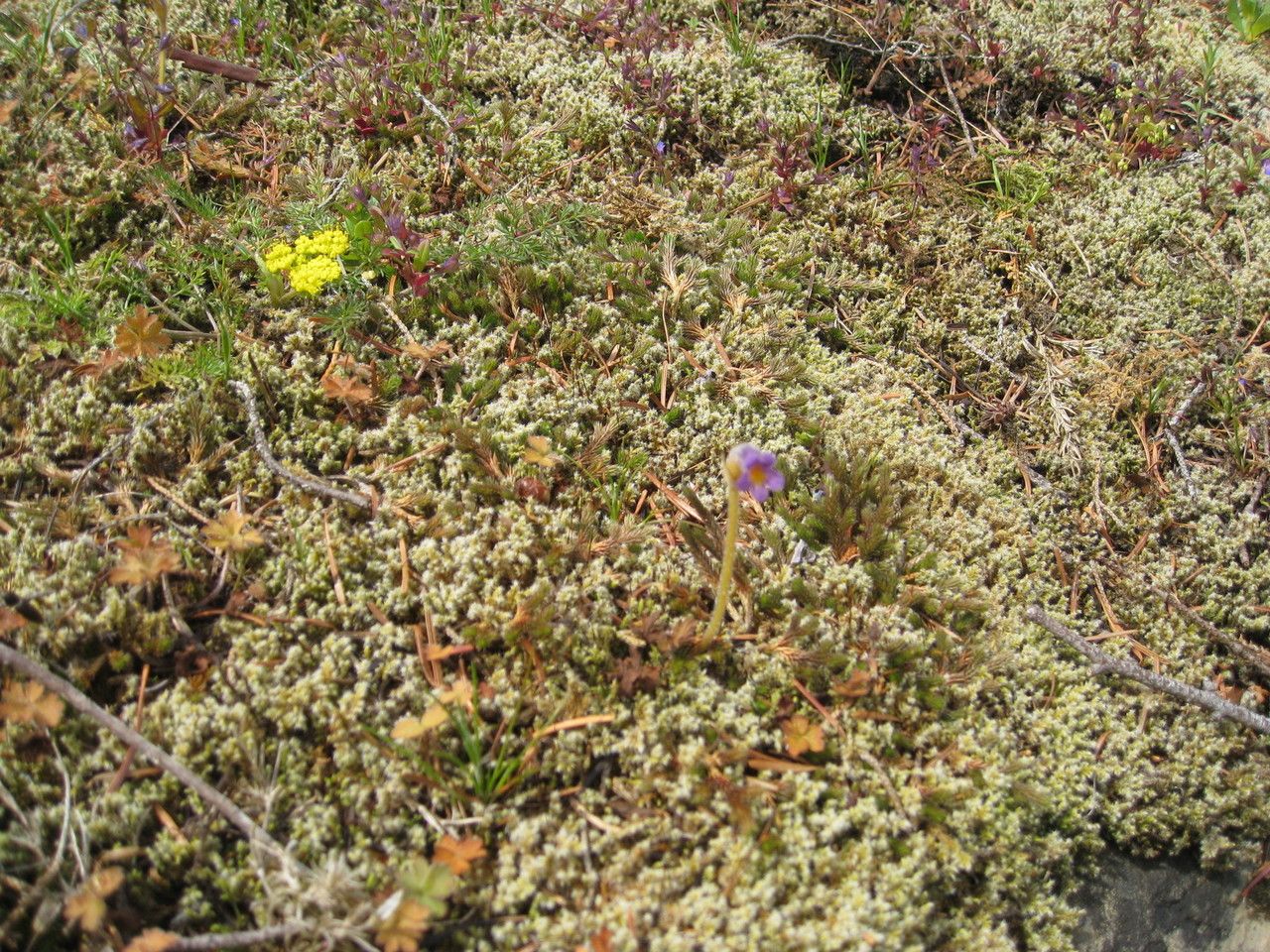
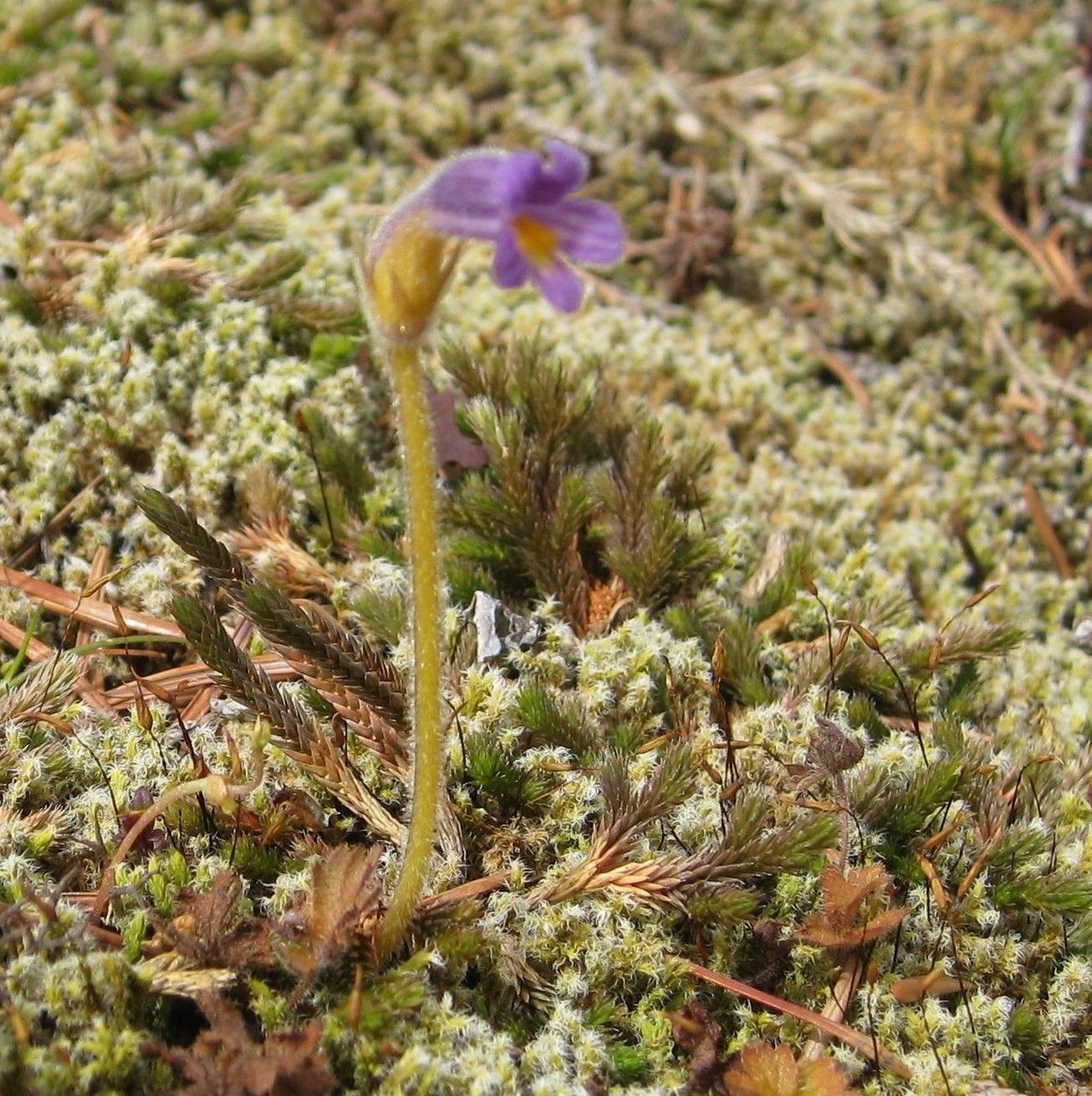
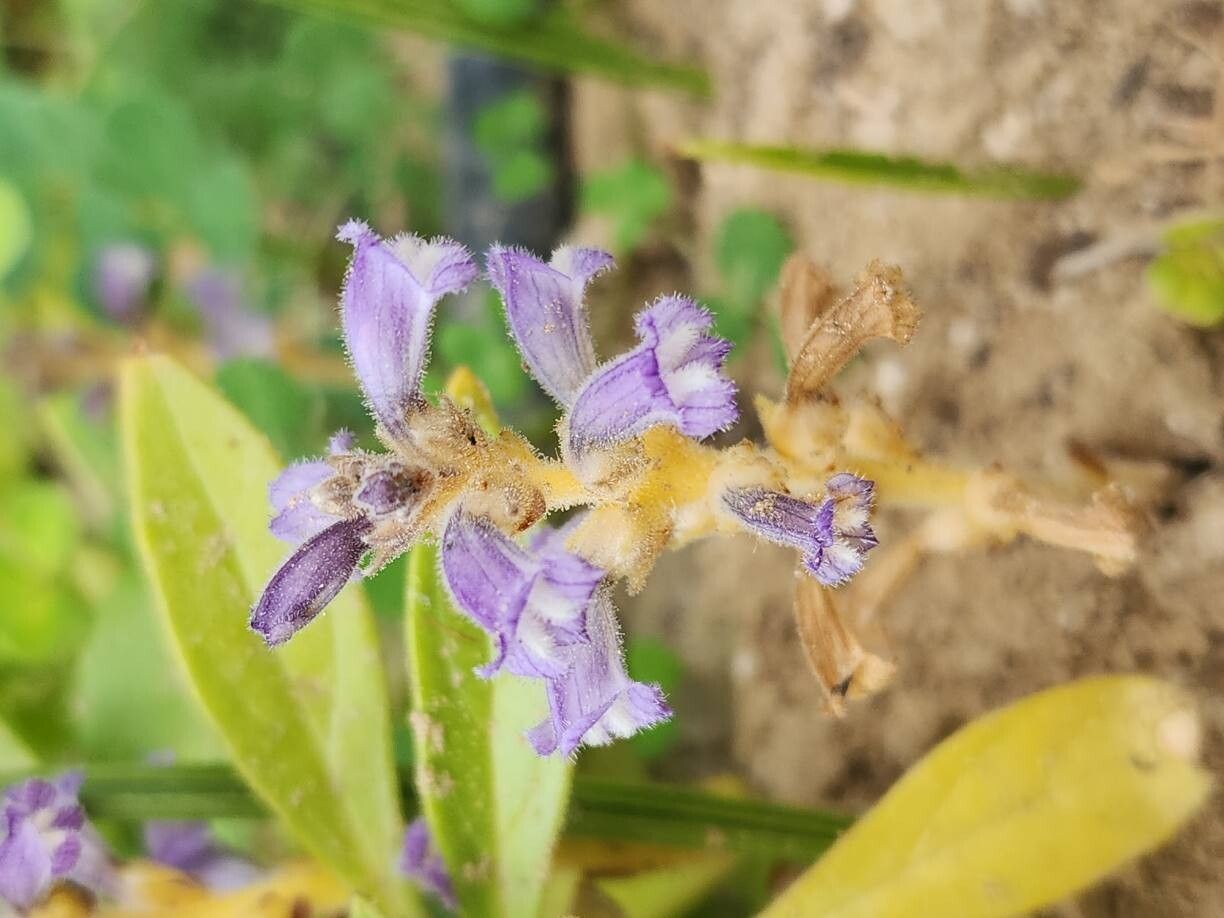
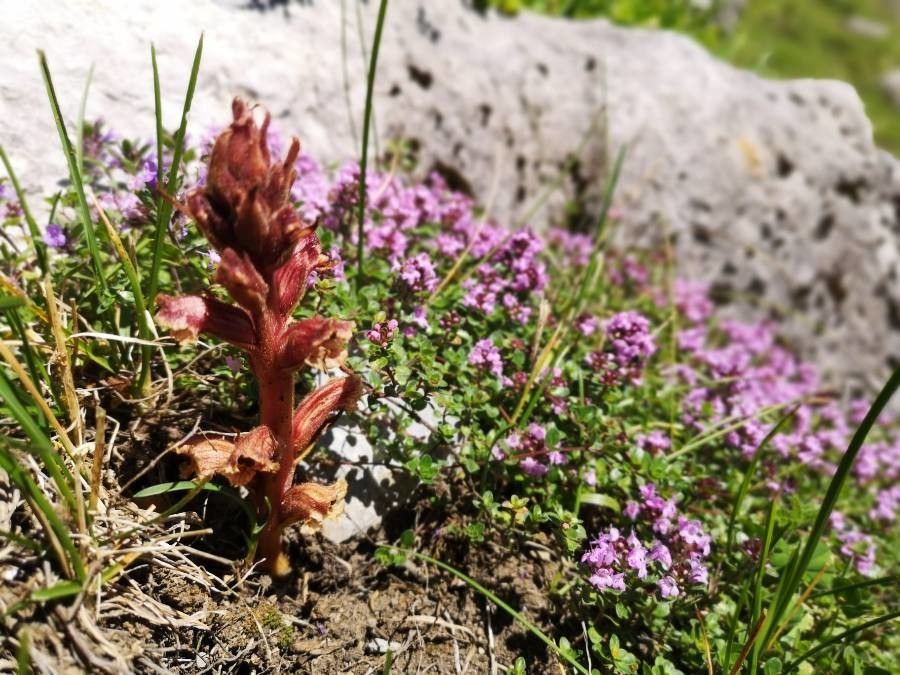
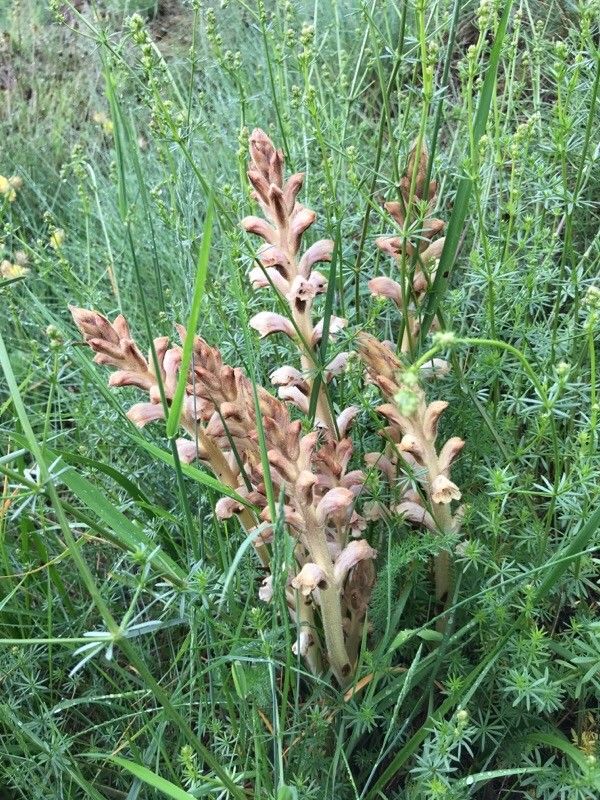
Orobanche uniflora, commonly known as one-flowered broomrape, is a parasitic plant belonging to the Orobanchaceae family. Native to North America, it inhabits diverse environments such as meadows, forests, and alpine tundra.
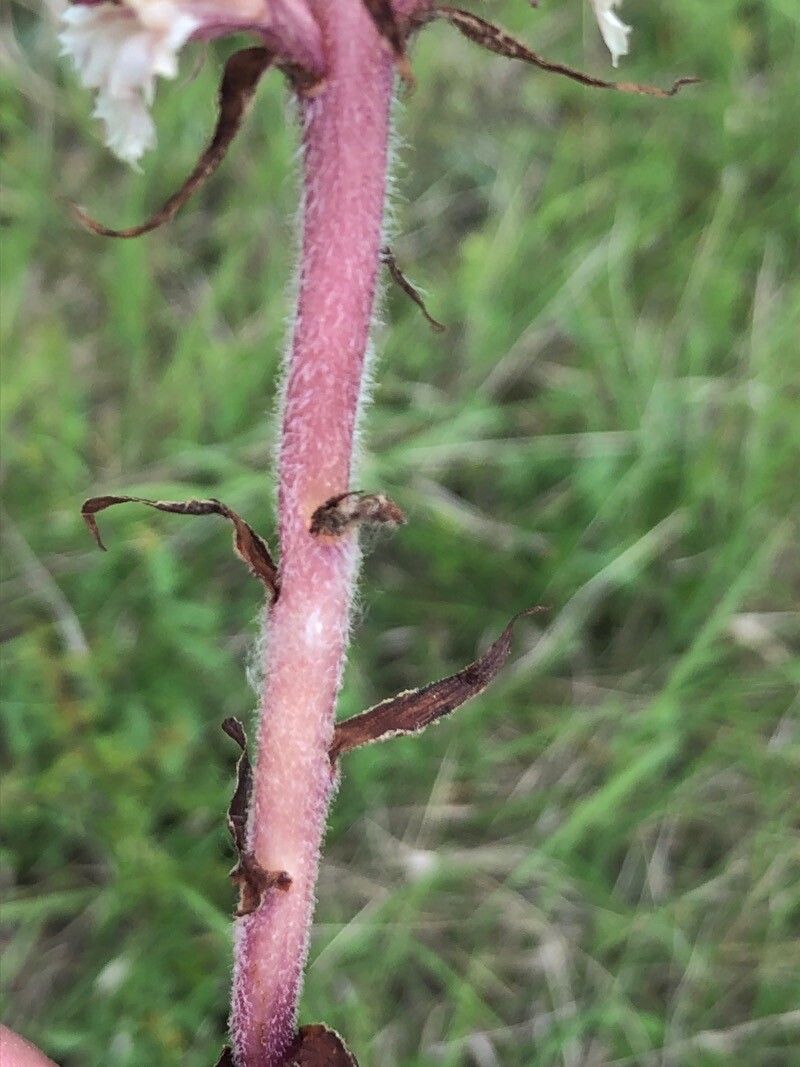
This plant has a unique appearance, lacking both leaves and chlorophyll, and depends on other plants for nutrients. It attaches itself to the roots of host plants using specialized structures called haustoria. Orobanche uniflora’s stem can grow up to 30 cm tall, culminating in a single flower that blooms from June through August.
The flower of Orobanche uniflora is tubular with five lobes that are either pinkish-purple or white. The plant produces fruit in the form of capsules, each containing numerous tiny seeds.
Native American tribes have utilized Orobanche uniflora for medicinal purposes, employing it to treat various ailments such as headaches and respiratory problems.
Although it is considered an invasive species in some areas due to its parasitic nature, Orobanche uniflora plays a crucial role in maintaining biodiversity. It provides habitat for insects and other wildlife species that depend on it as part of their food chain.
One-flowered cancer-root has strong resistance to disease and is usually not easily affected by illnesses. Still, it can be vulnerable to pests and diseases present in its immediate environment. These infections tend to be mild. For care, this plant requires a moderate level of maintenance. It should be pruned regularly to keep a neat appearance and support healthy growth. Fertilizing can also help encourage flowering. One-flowered cancer-root is appropriate for anyone with outdoor space, such as a garden or patio, and does not demand extensive caregiving experience. It may need more attention when grown indoors.
How to keep Orobanche Uniflora.
Light
One-flowered cancer-root prefers full sun throughout the day but can tolerate some shade. Native to habitats where abundant light is typical, its growth and health depend on plenty of light. However, too much direct exposure or insufficient light can cause it to become unhealthy.
Temperature
One-flowered cancer-root can tolerate a wide spectrum of temperatures, though its range may still be restricted by different combinations of moisture and heat. It does best in warm summer climates with sufficient rainfall or watering. Extended periods of cloudy, rainy weather or prolonged high temperatures can raise the risk of One-flowered cancer-root dying. In winter, adequate protection from the cold can increase the plant’s survival rate.
Fertilizer
When most of One-flowered cancer-root’s blooms have opened to full size, it's time to resume fertilizing. At about the time the flowers are at peak production, begin applying fertilizer once every three to four weeks, as the weather allows. Then, once the plant starts producing fewer new blooms, stop fertilizing; there's no need to feed it when it can no longer put out additional flowers.
Botanical profile.
- Plant Type
- Herb
- Life Cycle
- Annual
- Genus
- Orobanche
- Family
- Orobanchaceae
- Hardiness Zone
- 4-8
- Mature Height
- 8 cm to 23 cm
- Mature Spread
- 5 cm to 15 cm
- Leaf Color
- Tan
- Leaf Type
- Deciduous
- Flower Color
- Purple, Lavender
- Flower Size
- 2.54 cm
- Bloom Time
- Mid spring, Late spring, Early summer
- Planting Time
- Spring
- Harvest Time
- Summer
Other names.