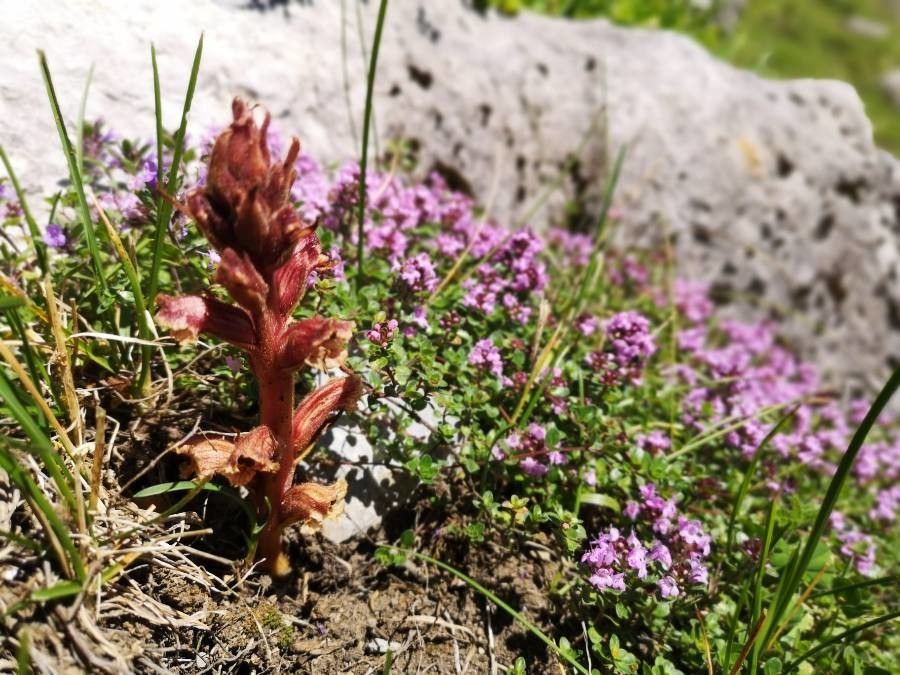
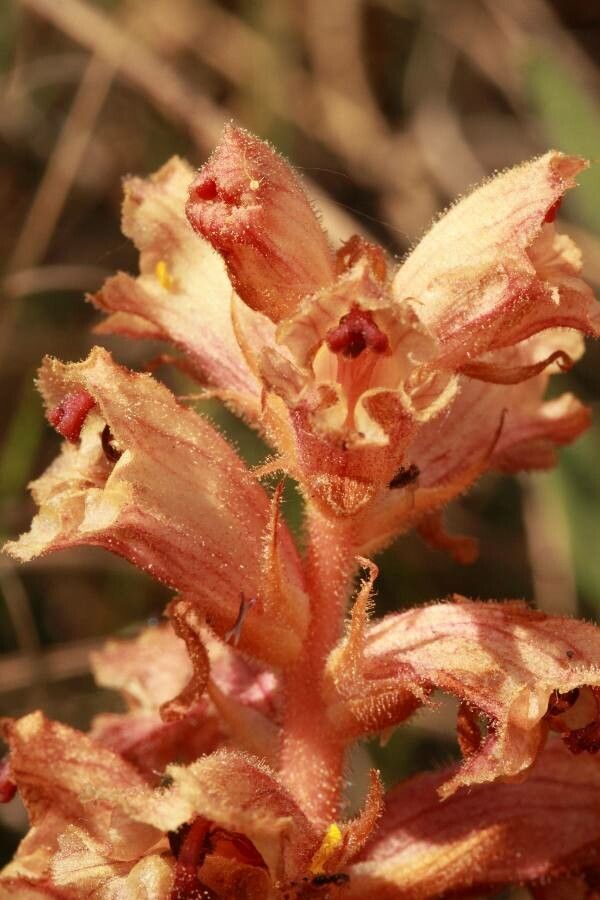
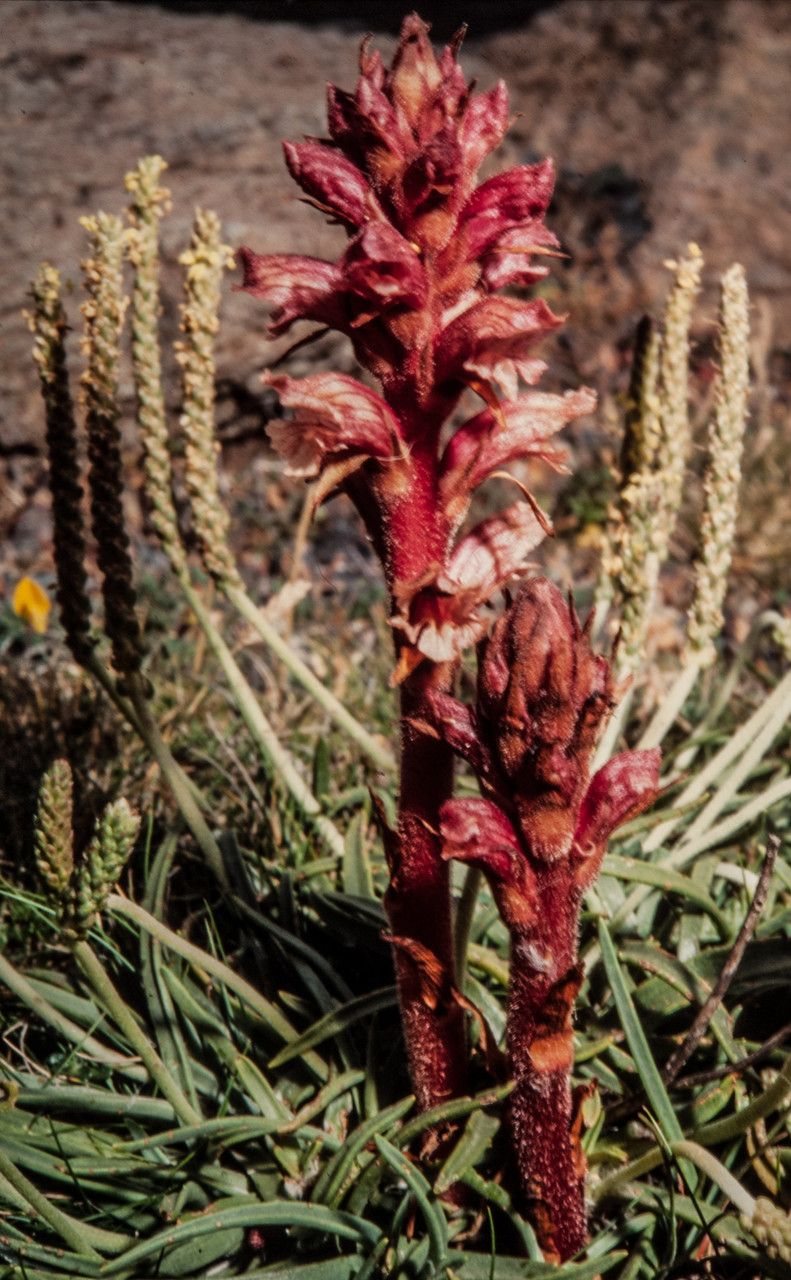
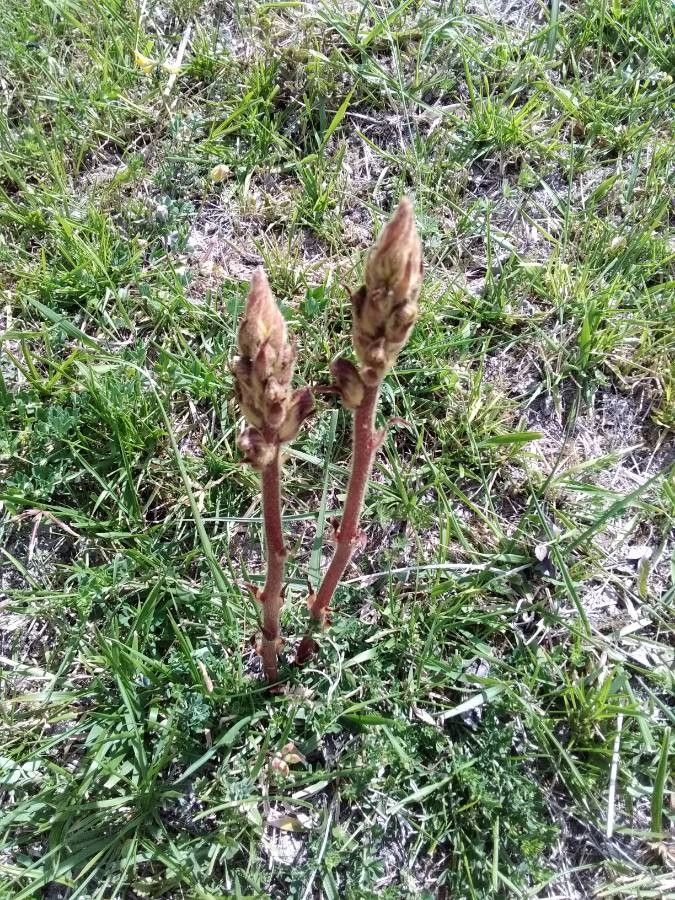
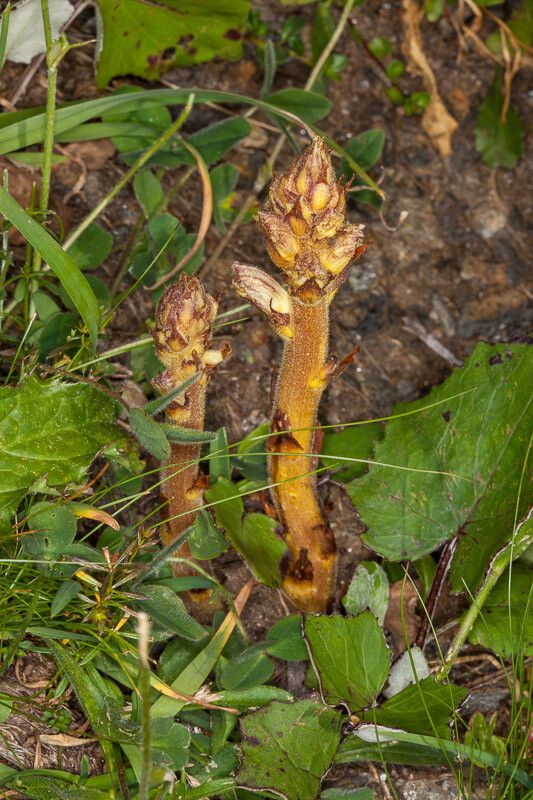
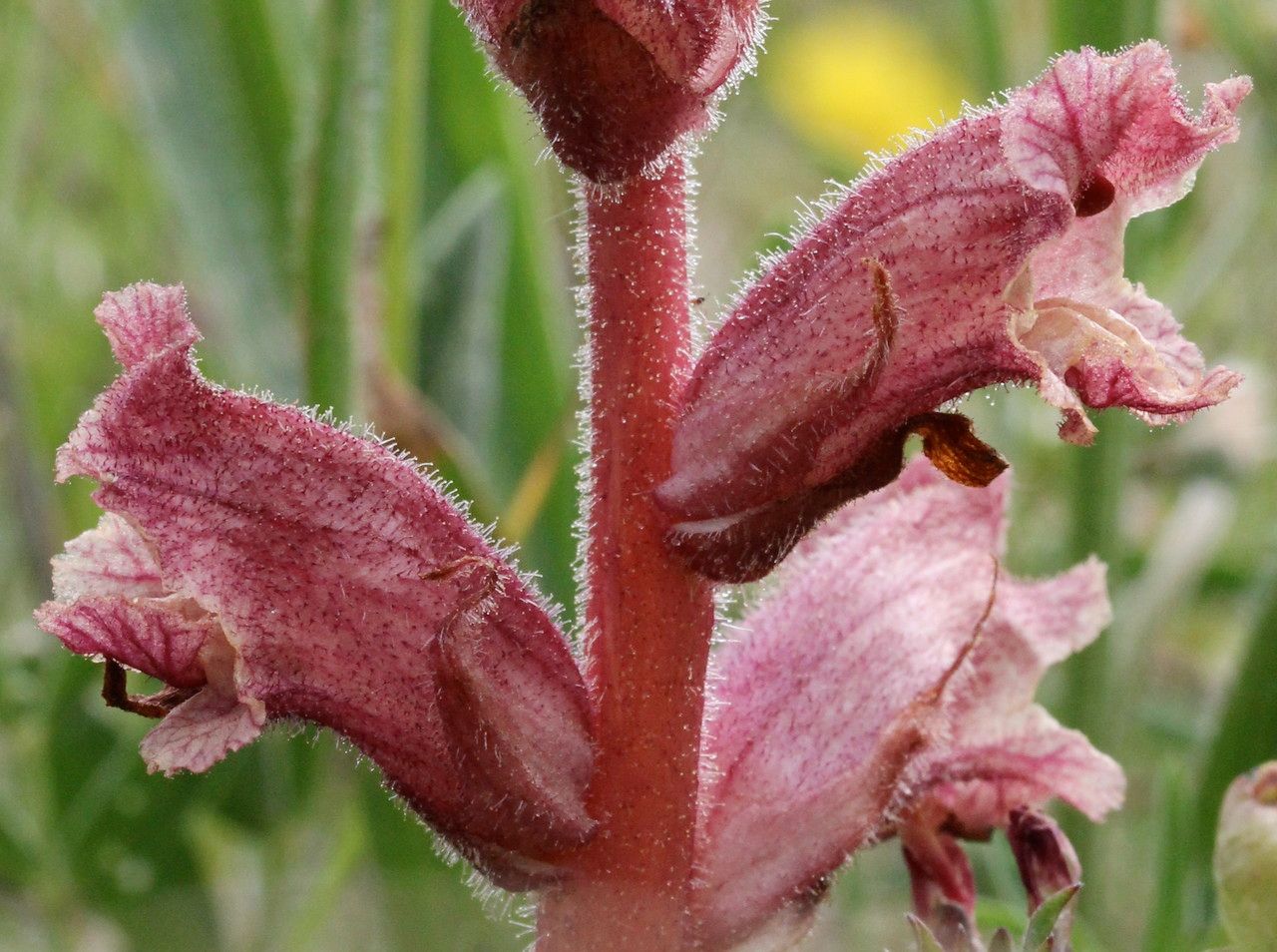
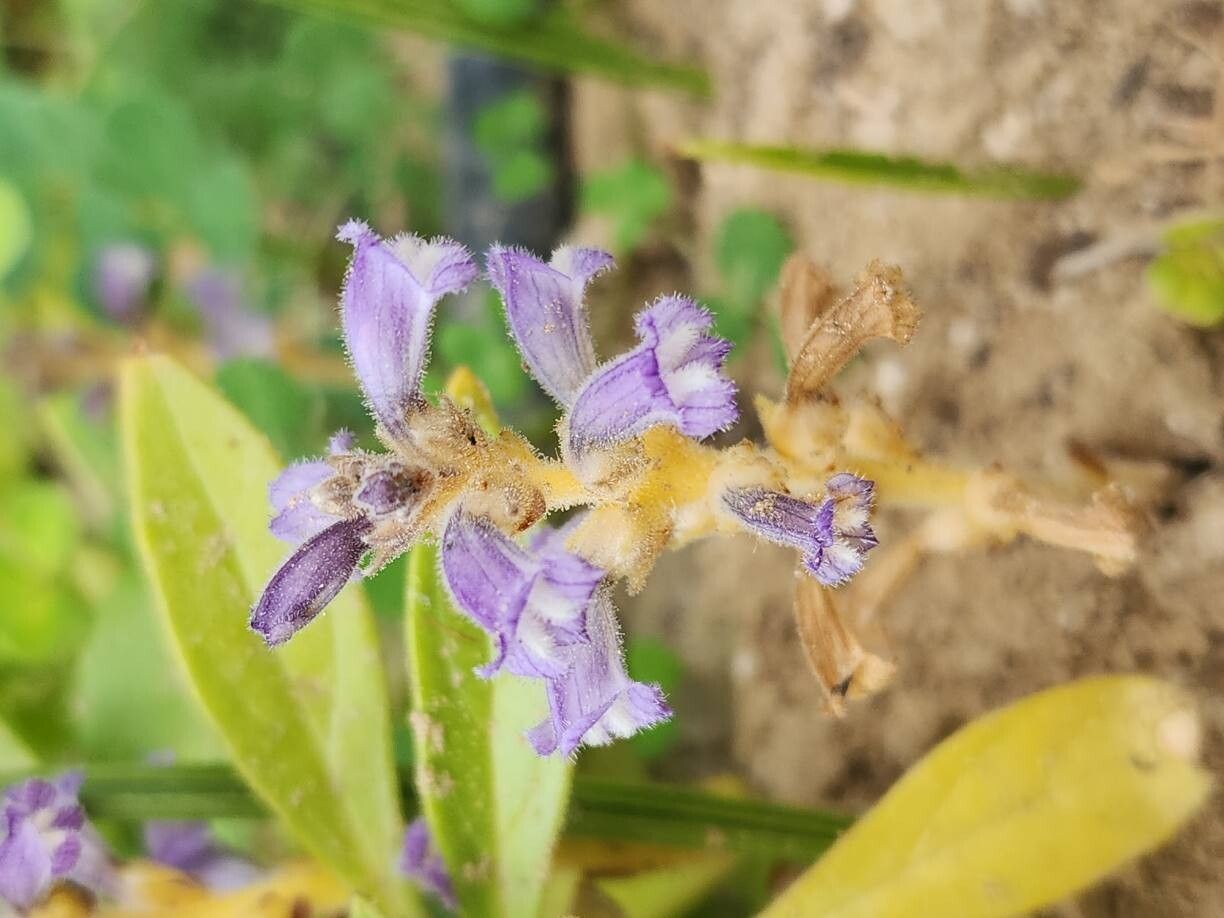
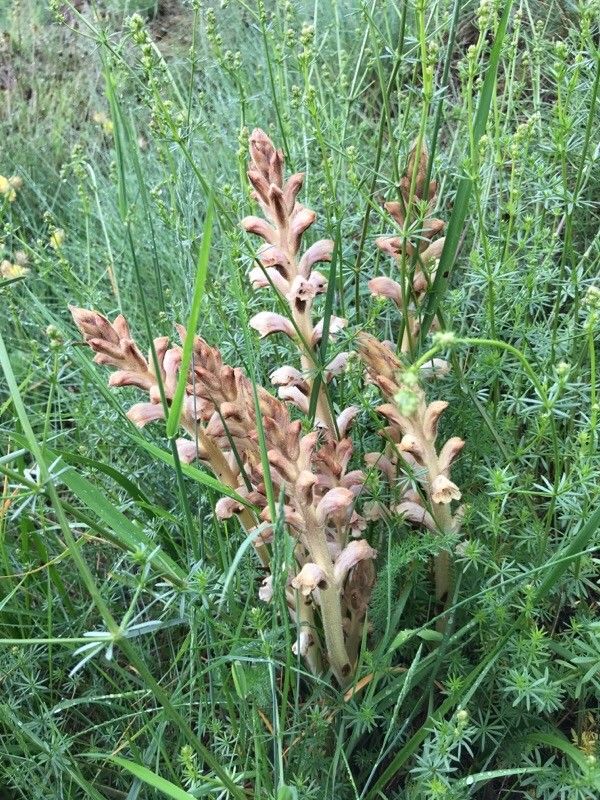
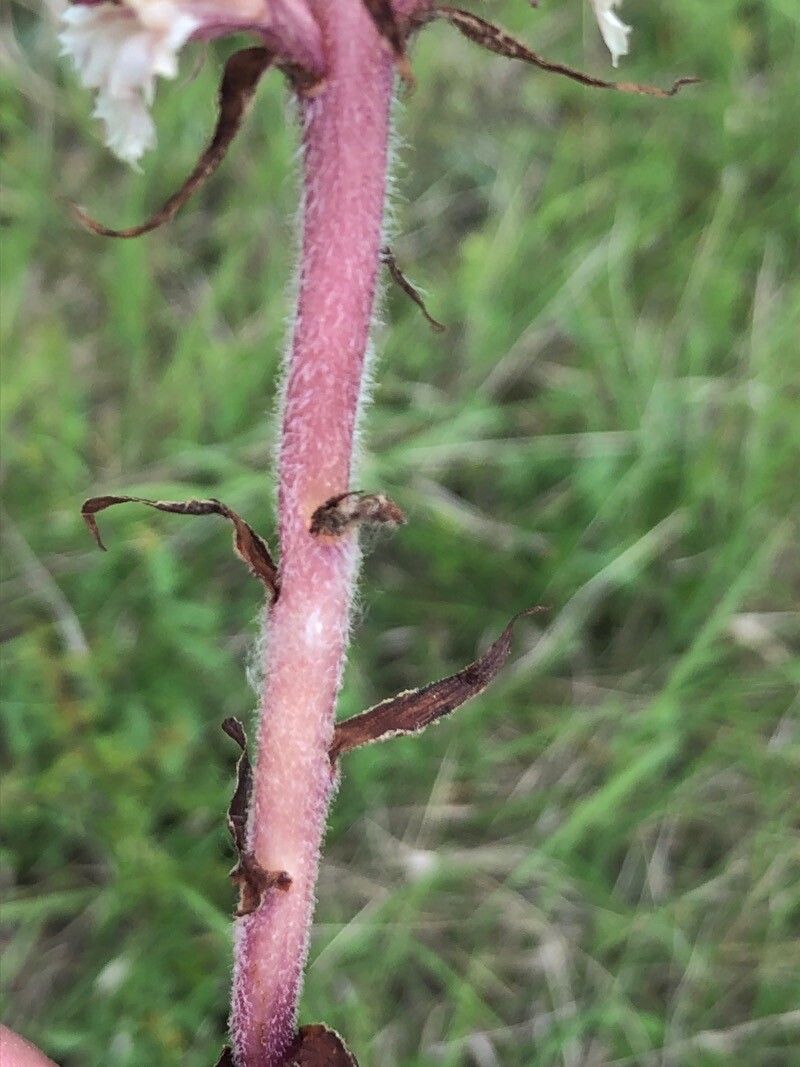
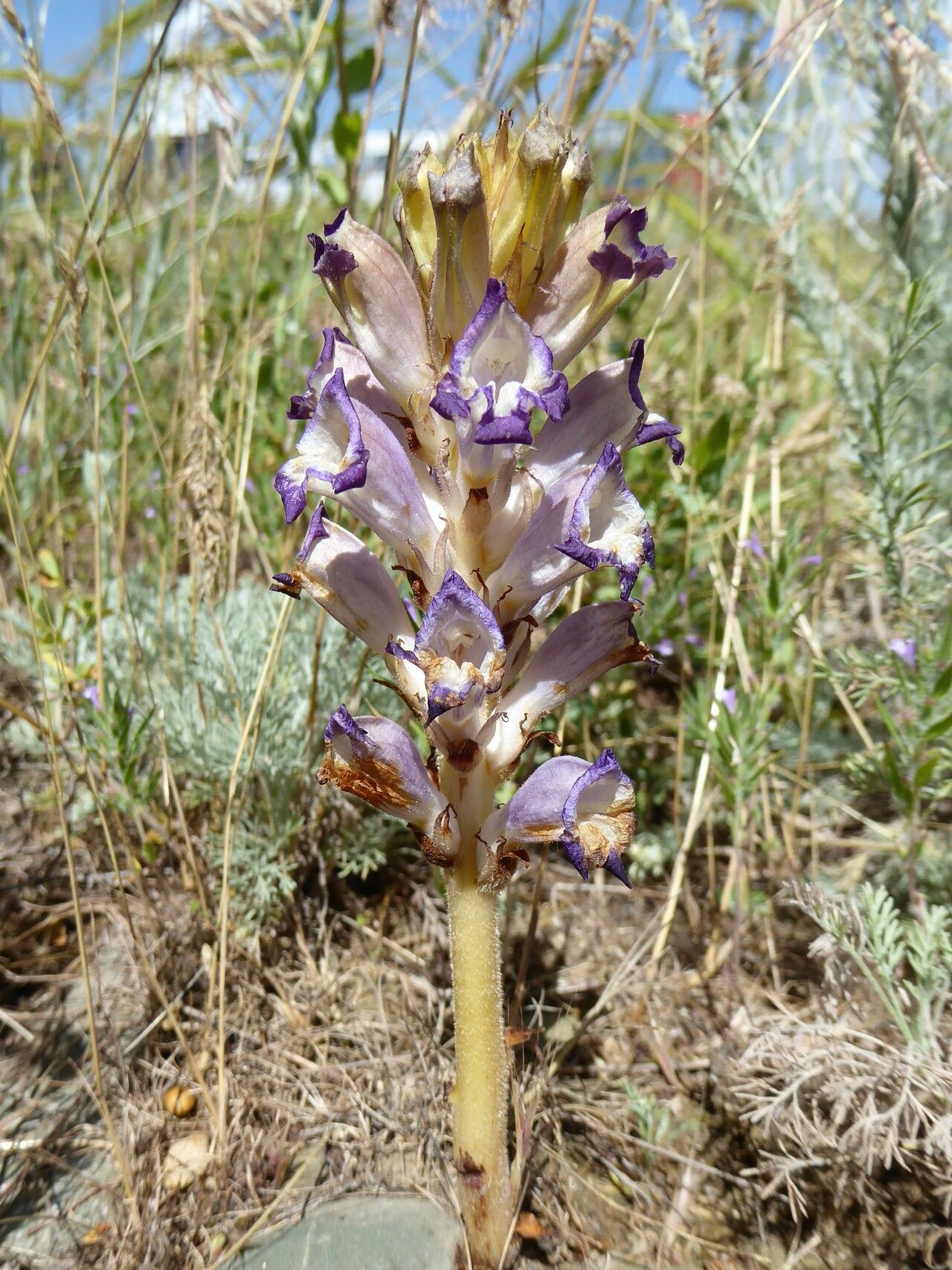
Orobanche alba, also known by its common names thyme broomrape and red broomrape, is a holoparasitic plant of the broomrape family. It parasitises plants from the mint family.
Bean broomrape is largely resistant to disease and is usually not prone to illnesses. Still, it can be affected by pests and diseases present in its environment. Such infections tend to be mild. For care, the plant needs moderate maintenance. It should be pruned regularly to keep a neat appearance and encourage healthy growth. Fertilizing can also aid in promoting blooms. Bean broomrape is suitable for anyone with outdoor space, like a garden or patio, and doesn’t require much gardening experience. It may need extra care when grown indoors.
How to keep Orobanche Alba.
Light
Bean broomrape is found in bright, open habitats where it flourishes in full sun. It tolerates partial sun but favors direct sunlight for the best growth. This plant, which can be annual or biennial, is noted for its sun-loving character.
Water
Thyme broomrape thrives in Mediterranean climates, where it can withstand dry conditions. It does well with moderate watering twice a week. This plant flourishes outdoors in direct sunlight and adapts well to seasonal rainfall patterns, making it an excellent choice for water-conscious gardens.
Temperature
Bean broomrape can adapt to a wide range of temperatures, yet its distribution may still be constrained by different combinations of moisture and heat. It performs best in warm summer climates with sufficient rainfall or watering. Extended periods of cloudy, rainy weather or prolonged high temperatures can raise the likelihood of Bean broomrape dying. In winter, appropriate protection from cold can improve the plant's survival rate.
Fertilizer
Bean broomrape responds well to regular, dilute applications of fertilizer to encourage healthy leaf growth. Fertilize Bean broomrape about once a month during the summer. Nitrogen is essential for foliage, and providing nitrogen-rich sources helps Bean broomrape thrive.
Pruning
Thyme broomrape can be managed effectively through careful pruning from early to late spring. This practice helps control infestations and supports the growth of native plants. Be sure to trim the affected areas and properly dispose of the debris to prevent any further spread. Regular monitoring and pruning help maintain ecological balance and promote the overall health of your plants.
Botanical profile.
- Plant Type
- Herb
- Life Cycle
- Annual
- Genus
- Orobanche
- Family
- Orobanchaceae
- Hardiness Zone
- 8-11
- Mature Height
- 1.22 m
- Mature Spread
- 10 cm to 30 cm
- Leaf Color
- Tan, Brown
- Leaf Type
- Deciduous
- Flower Color
- White, Lavender
- Flower Size
- 2.03 cm to 3.05 cm
- Bloom Time
- Mid spring, Late spring, Early summer
- Planting Time
- Spring, Summer
- Harvest Time
- Summer
- Native Area
- Libya, Egypt, Turkey, Tunisia, Montenegro, Cyprus, Bulgaria, Armenia, Greece, Croatia, Slovenia, Morocco, Lebanon, Russia, Iraq, Portugal, Syria, Italy, Spain, Iran, Albania, Azerbaijan, Algeria, France
Other names.
Reader questions.
What are the sunlight requirements for Thyme broomrape?
Thyme broomrape (Orobanche alba) thrives in different sunlight conditions, requiring 'Full sun' with above 6 hours of sunlight or 'Partial sun' with about 3-6 hours of sunlight each day. It's important to observe the movement of sunlight through your garden to pick locations that provide an ideal mix of light and shadow. This careful placement ensures the plants remain healthy and happy.
What is the botanical name of Thyme broomrape?
The botanical name of Thyme broomrape is Orobanche alba.