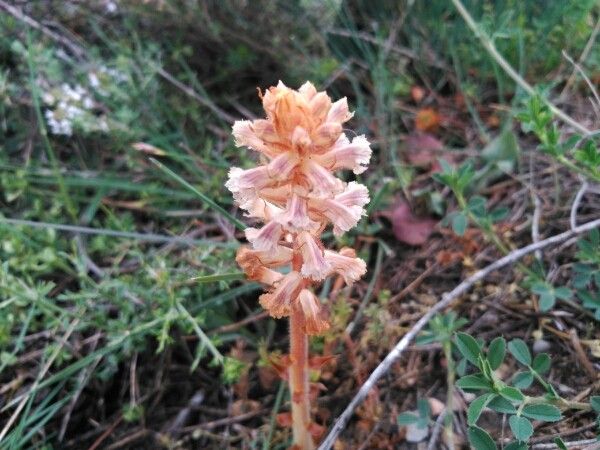
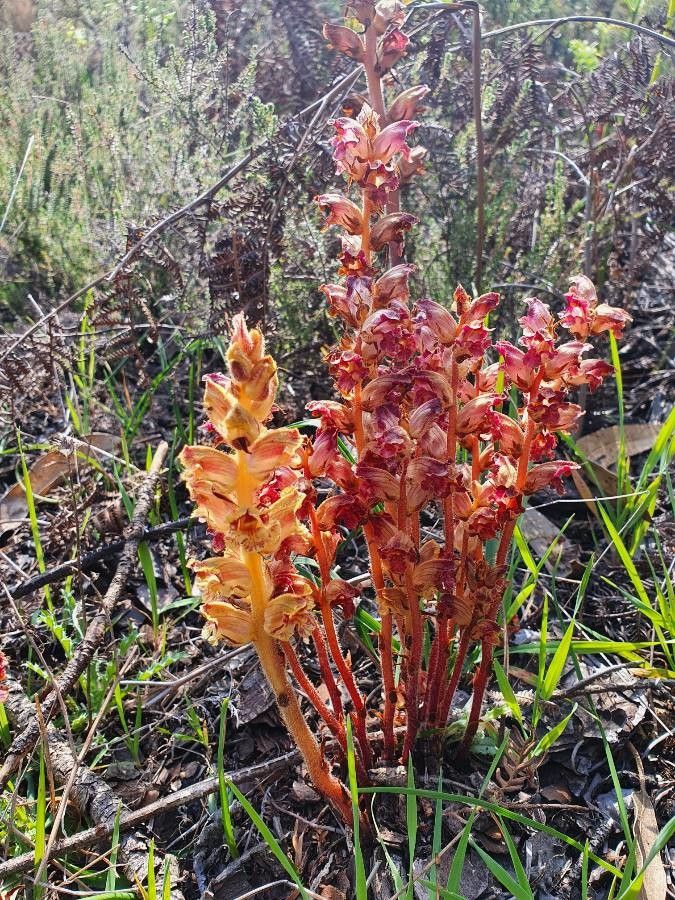
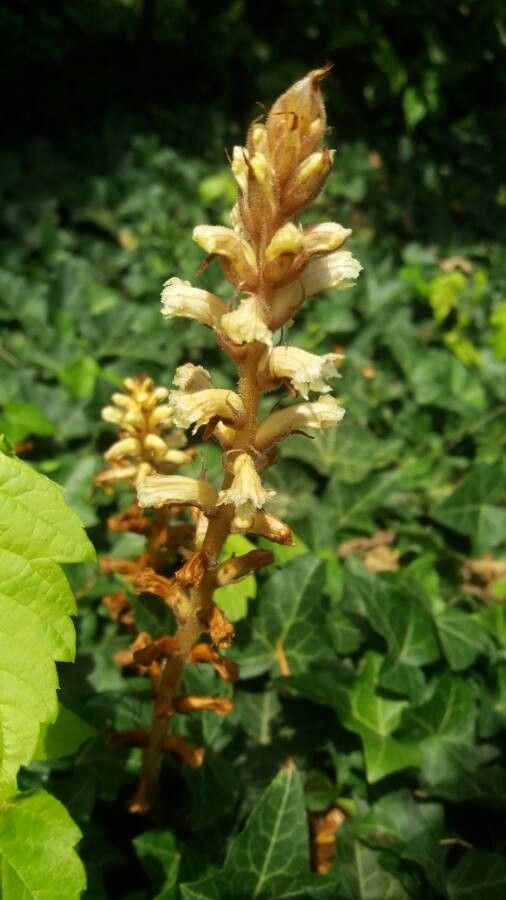
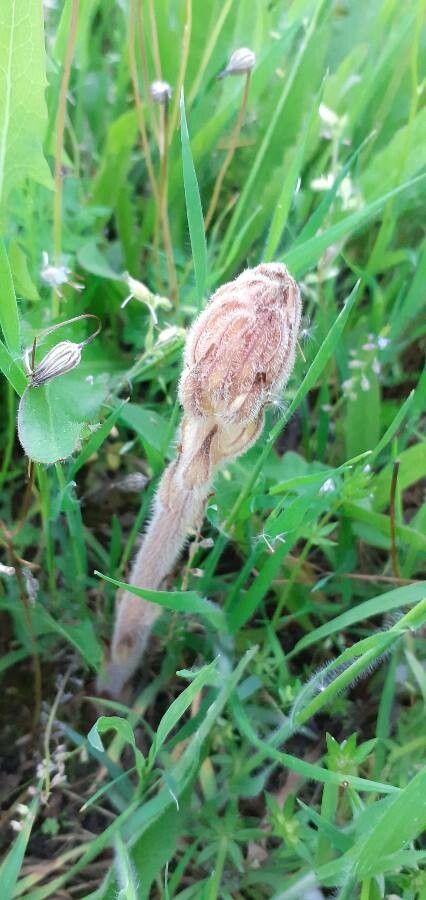
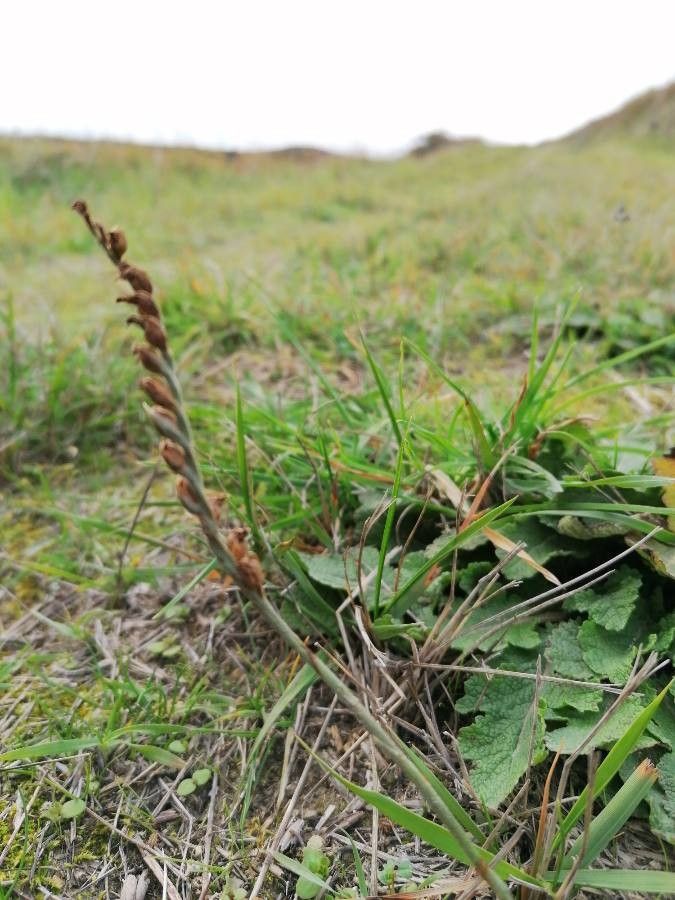
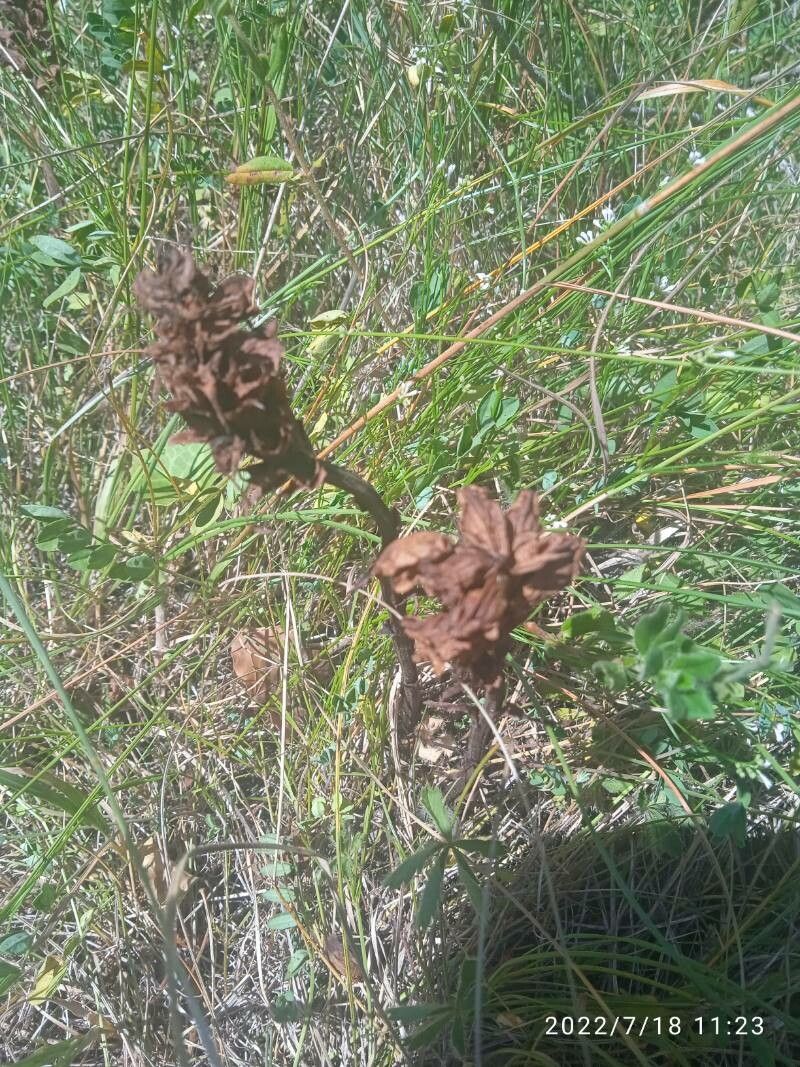
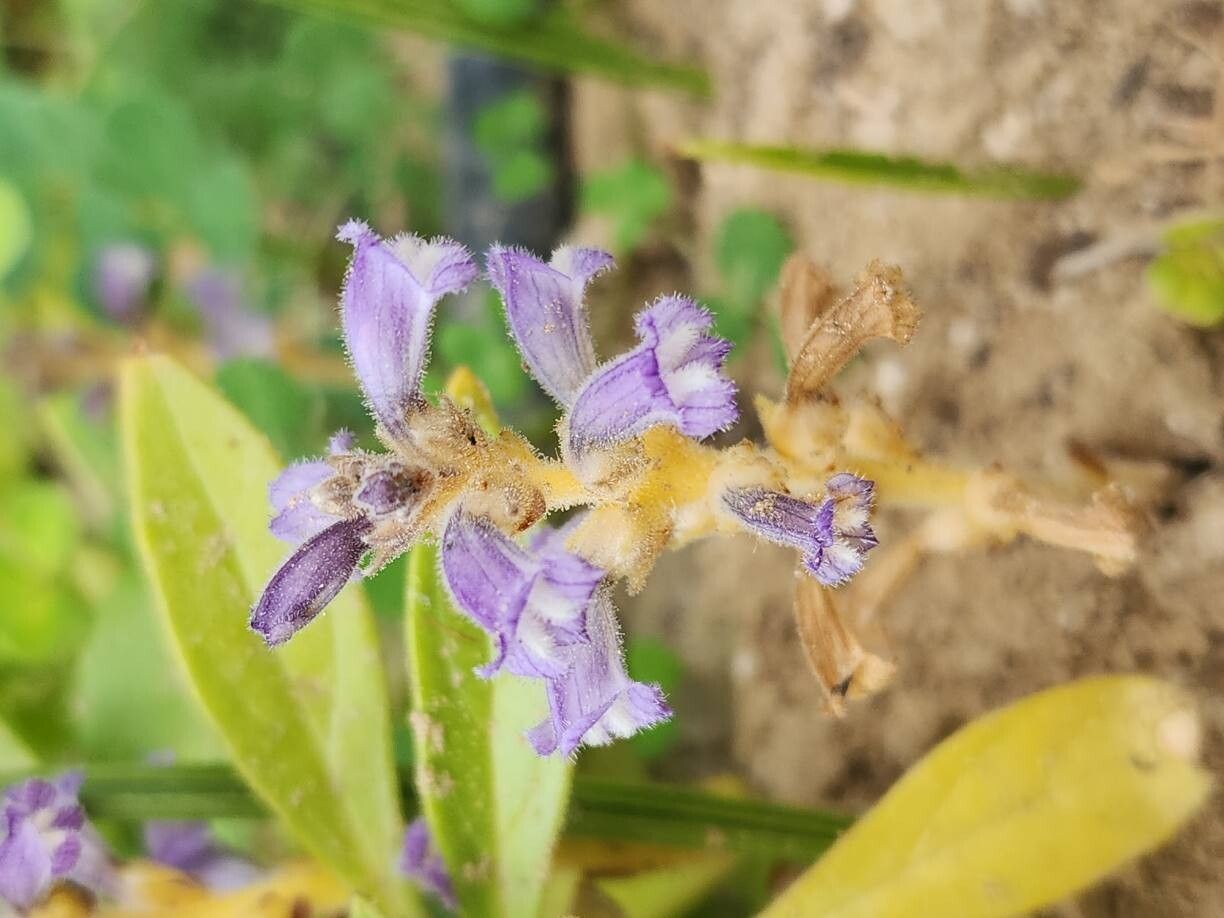
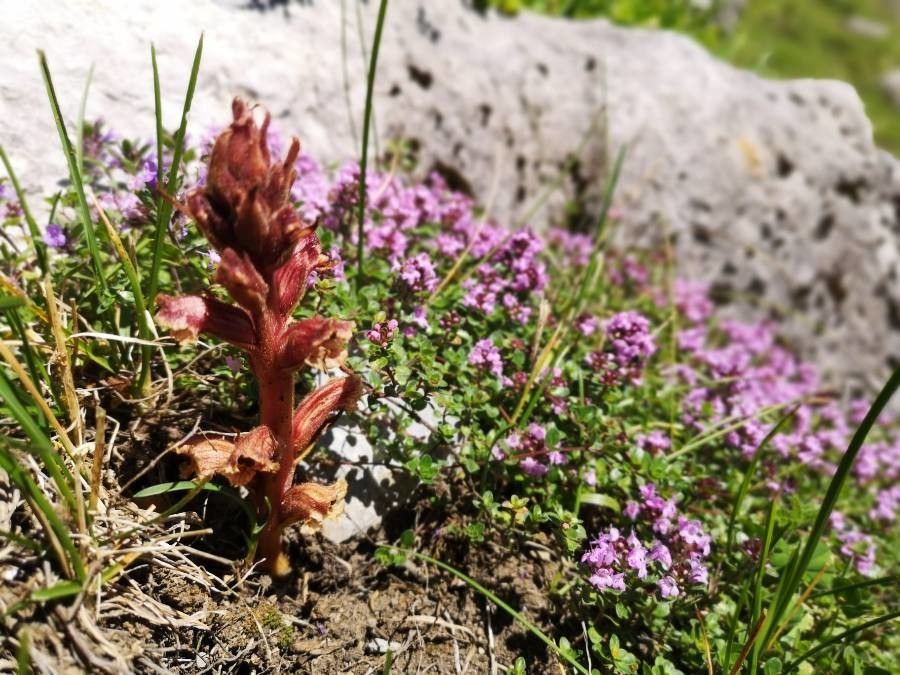
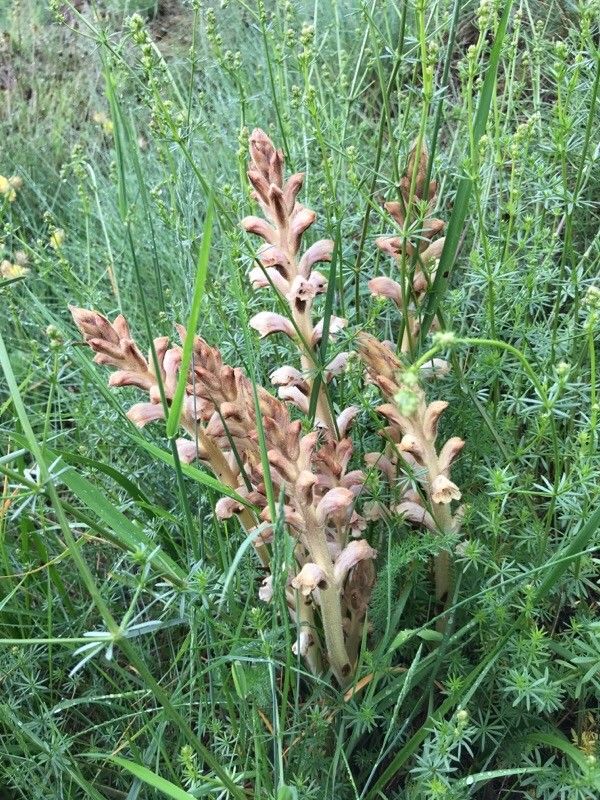
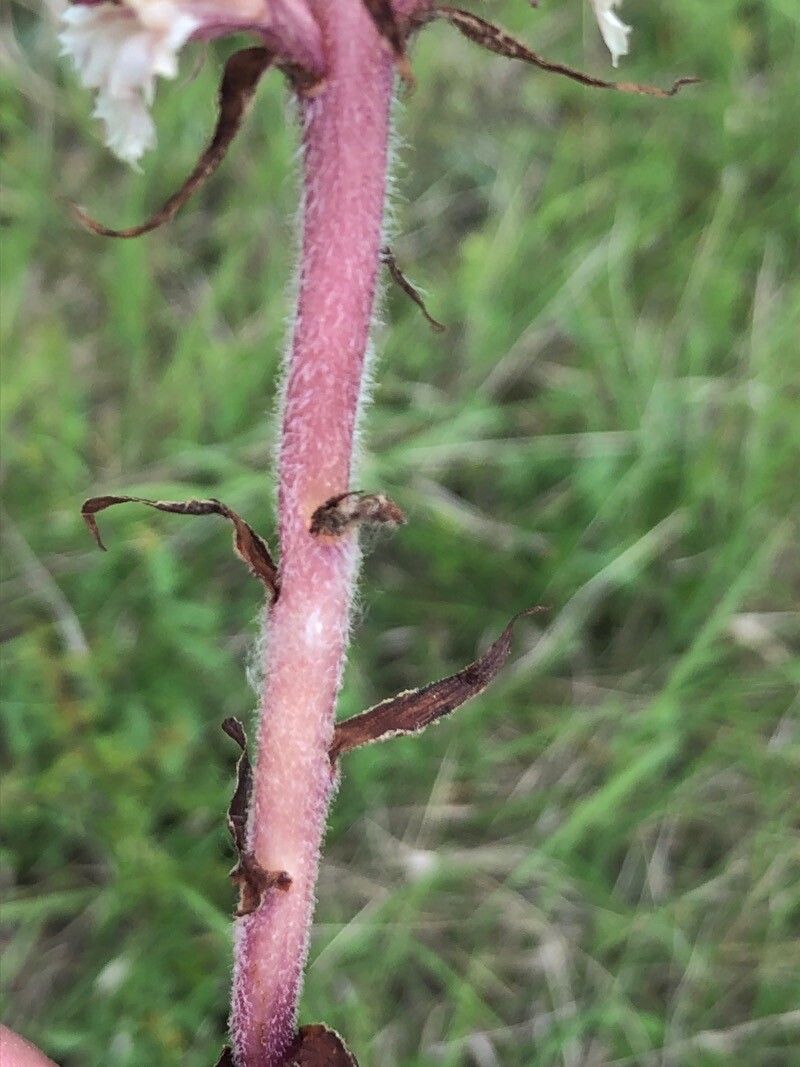
Orobanche minor, also known as lesser broomrape, is a parasitic plant in the Orobanchaceae family. Native to Europe and western Asia, it thrives in diverse habitats such as meadows, pastures, and cultivated fields.
This plant lacks chlorophyll and depends on other plants for nutrients, attaching to their roots through specialized structures called haustoria. It produces small yellowish-white flowers that bloom from June to August.
While traditionally used for its anti-inflammatory properties, Orobanche minor can also negatively impact crops like tomatoes, potatoes, and sunflowers.
Conservation efforts have been implemented to address the decline in Orobanche minor populations, which is attributed to changes in land use practices.
Small broomrape is fairly disease-resistant and typically not prone to many illnesses. However, it can be vulnerable to pests and diseases present in its surroundings. These infections are usually mild. In terms of care, this plant calls for moderate maintenance. It should be pruned regularly to preserve a neat appearance and support healthy growth. Fertilizing can also help encourage flowering. Small broomrape is well suited for anyone with an outdoor area, such as a garden or patio, and does not demand much gardening experience. It may need more attention when grown indoors.
How to keep Orobanche Minor.
Light
Small broomrape does best in bright light, though it can also tolerate exposed, sun-drenched sites. These growth requirements reflect those of its native habitat without mentioning any geographic details. Excessive sunlight can cause poor plant health, and too little light can have the same effect.
Water
Small broomrape, which originates from various habitats, thrives in conditions of moderate moisture. To maintain its health, it should be watered on a weekly schedule. This plant can tolerate intervals between waterings and is also influenced by rainfall patterns, which impact its growth cycle and seasonal vigor.
Temperature
Small broomrape naturally occurs in habitats where the temperature mainly ranges from 68 to 95 ℉ (20 to 35 ℃). It prefers these thermal conditions. Seasonal adjustments may be necessary to reproduce its native temperature preferences.
Fertilizer
Small broomrape does well with regular, diluted applications of fertilizer to encourage healthy foliage development. You should provide fertilizer to Small broomrape about once a month during the summer. Nitrogen is essential for the leaves, and adding nitrogen-rich fertilizers helps Small broomrape prosper.
Pruning
Small broomrape is a parasitic plant with minimal chlorophyll. To manage it effectively, prune it primarily in early to late spring to remove any dead or diseased stems. This practice encourages healthy growth, prevents the plant from spreading aggressively, and supports biodiversity. Be sure to use sanitized tools and consult local guidelines for proper management.
Botanical profile.
- Plant Type
- Herb
- Life Cycle
- Annual, Perennial
- Genus
- Orobanche
- Family
- Orobanchaceae
- Hardiness Zone
- 5-8
- Mature Height
- 49 cm
- Mature Spread
- 20 cm
- Leaf Color
- Brown, Tan
- Leaf Type
- Deciduous
- Flower Color
- Tan
- Flower Size
- 1.27 cm
- Bloom Time
- Late spring, Early summer, Mid summer
- Planting Time
- Summer, Autumn
- Harvest Time
- Mid summer, Late summer, Early fall
- Native Area
- Libya, Egypt, Turkey, Austria, Slovakia, Montenegro, Eritrea, Pakistan, Slovenia, Morocco, Croatia, Yemen, Kenya, Uganda, Tanzania, Zimbabwe, Russia, Iraq, Germany, Jordan, Mozambique, Oman, Ethiopia, Romania, Belgium, Portugal, Netherlands, Saudi Arabia, Malawi, France, Tunisia, Czech Republic, South Africa, Sudan, Cyprus, Bulgaria, Greece, Ukraine, Serbia, Lebanon, Syria, Italy, Spain, Switzerland, Israel, Iran, Albania, Azerbaijan, United Kingdom, Hungary, Algeria
Other names.
Reader questions.
How should I water my Small broomrape?
To water Small broomrape, you have several options. You can use a garden hose with a spray nozzle, a watering can, or any other common watering tool. Small broomrape is not too picky about how it receives water, and can survive on rainwater, tap water, or filtered water. However, it is best to avoid watering this plant from overhead, as it can harm the leaves, flowers, and potentially lead to disease. Instead, setting up a drip irrigation system is often the best method. These systems evenly and directly apply water to the soil, which is ideal for Small broomrape. If you have a container-grown Small broomrape, the same watering approach can be used. Simply use a cup, watering can, or tap to apply water directly to the soil.
What are the sunlight requirements for Small Broomrape (Orobanche minor)?
Small Broomrape requires partial to full sun exposure to thrive. Partial sun means about 3-6 hours of sunlight, while full sun refers to more than 6 hours of sunlight daily. It's crucial to observe the movement of sunlight through your garden to find spots that offer a mix of light and shade, ensuring optimal growth conditions for your plants. An environment that mimics Small Broomrape's native habitat, with adequate light, is essential, although care should be taken to prevent both overexposure and underexposure to sunlight for healthy plant growth.
What is the indigenous temperature range for Small broomrape?
Small broomrape is indigenous to environments where temperatures predominantly range between 68 to 95°F (20 to 35°C). It thrives in these thermal conditions, and seasonal adjustments might be necessary to emulate its native temperature preferences.
What should I do if I give too much water or too little water to my Small broomrape?
To prevent underwatering Small broomrape, make sure to water it regularly when you notice it lacks moisture. Overwatering, on the other hand, can be more problematic if not caught early. It can lead to diseases and the decline and death of the plant. To avoid this, choose a suitable location with plenty of sunlight and good drainage. If you overwater a potted Small broomrape, consider changing it to a new pot that allows for proper drainage. When repotting, use loose soils and a pot that drains efficiently.
How can I use artificial lighting for indoor plants effectively?
Artificial lighting is vital for indoor plant growth when natural sunlight is insufficient, especially in winter or less sunny spaces. For optimal growth, select the right type of light, such as LED lights that can be customized for the plant's needs. Full sun plants require 30-50W/sq ft, partial sun plants need 20-30W/sq ft, and full shade plants need 10-20W/sq ft of artificial light. Place the light source 12-36 inches above the plant, mimicking natural sunlight. The duration of light exposure should replicate natural daylight hours, typically 8-12 hours per day, to promote healthy plant growth.
Is Small broomrape resistant to cold?
Yes, Small broomrape has strong cold resistance. Special frost protection measures are typically not necessary during winter. However, if winter temperatures are anticipated to fall below -25°C, it's crucial to provide cold protection, which can be managed by covering the plant with insulating materials like soil or straw. Additionally, watering the plant abundantly before the first freeze in autumn to keep the soil moist can help prevent drought and water scarcity during winter and early spring.
How frequently should I water my Small broomrape plant?
To care for small broomrape, it's important to water it regularly throughout the growing season. In spring, water the plant once a week. As the season progresses and it gets warmer, you may need to water it two to three times a week. However, be careful not to water it too much, as this can harm the plant. The soil should be moist but not wet. If you're growing small broomrape in a pot, you'll need to water it more often than if it were in the ground. Potted plants tend to dry out faster, so plan to water them a few times per week instead of just once.
What are the common symptoms of inadequate light in Small Broomrape?
When Small Broomrape receives insufficient light, several symptoms can arise. New leaves may grow smaller than usual, and the plant may exhibit leggy or sparse growth due to elongated spaces between leaves or stems. Early leaf drop can occur as the plant sheds older leaves to conserve resources. The plant's growth may slow down or stop completely, and new leaves might appear lighter in color or show signs of chlorosis, turning yellow due to a lack of chlorophyll. Sunscald, leaf curling, wilting, and leaf scorching are additional symptoms that can manifest when the plant is exposed to excessive sunlight or severely inadequate sunlight.
What should be done if Small broomrape experiences temperatures below -25°C?
If Small broomrape is exposed to temperatures below -25°C, although there may not be noticeable changes during winter, it could lead to a decrease in sprouting or no sprouting at all in the spring. To mitigate this, in spring, remove any parts of the plant that have failed to sprout.
How much water does my Small broomrape plant need?
Determining the amount of water to give to your Small broomrape can be approached in a few different ways. One method is to feel the soil for moisture and water until the top six inches feel moist. Alternatively, you can use a specific measurement, such as two gallons per week, taking into account factors like heat and soil dryness. However, be cautious of overwatering if your plant requires less water. When growing Small broomrape in a container, you should ensure all layers of soil are moistened. To test, check the soil moisture by inserting a finger or water until you see a slight trickle from the pot's drainage holes.
What solutions can address Small Broomrape's light-related issues?
To optimize Small Broomrape's growth, gradually acclimate it to the appropriate light conditions. For indoor plants, move them weekly to slightly sunnier spots until achieving 3-6 hours of direct sunlight daily, or use artificial lighting for at least 8 hours daily if the plant is large or not easily movable. Outdoors, gradually transition plants to sunnier locations to prevent sunburn, avoiding sudden changes in light exposure. For plants in the ground, reduce obstructions by pruning trees or transplanting smaller plants to sunnier areas during their dormant period for better sunlight access and growth. Note that parts of the plant damaged by insufficient light may not recover, but new growth should be healthy with improved light conditions.
How does high temperature affect Small broomrape, and what are the solutions?
During summer, it's essential to keep Small broomrape's temperature below 35°C. Exceeding 38°C may cause the leaves to lighten in color, become prone to curling, susceptible to sunburn, and in severe cases, the entire plant may wilt and dry out. To address this, trim away the sunburned and dried-up parts. Move the plant to a shaded location, especially from the midday and afternoon sun, or utilize a shade cloth. Additionally, watering the plant in the morning and evening helps keep the soil moist, countering the adverse effects of high temperatures.