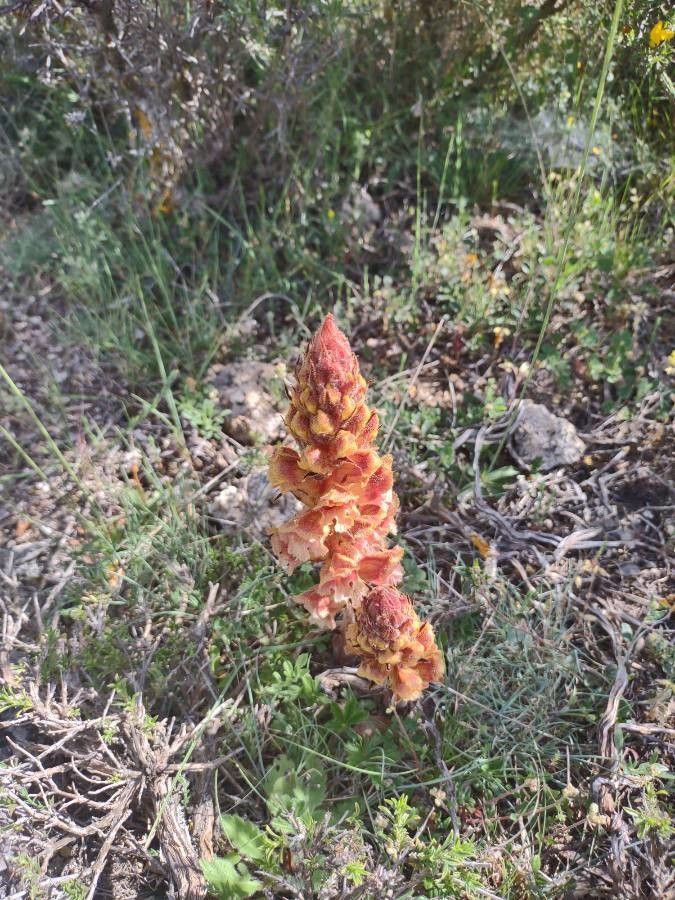
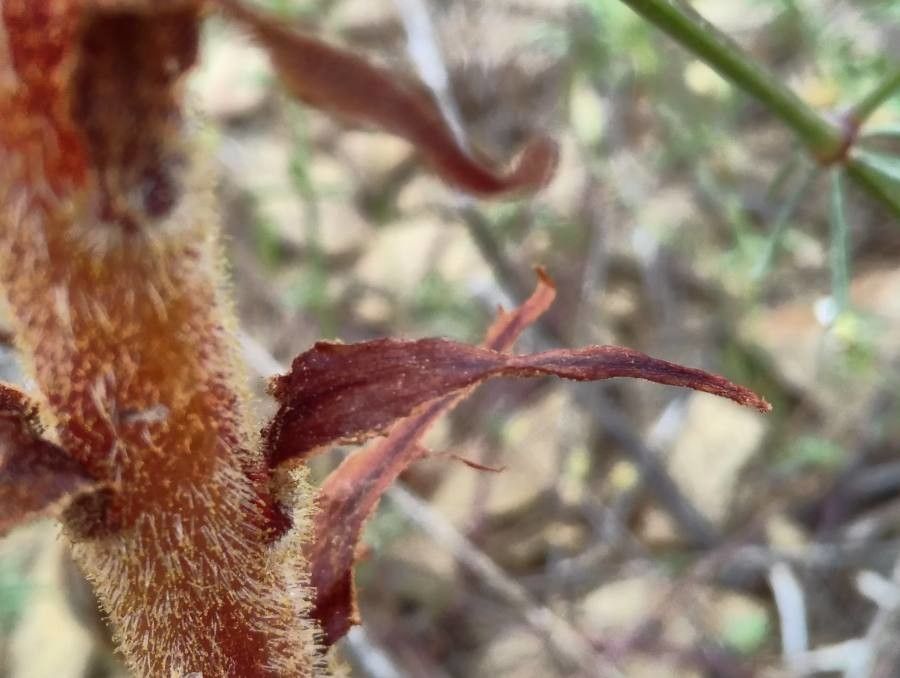
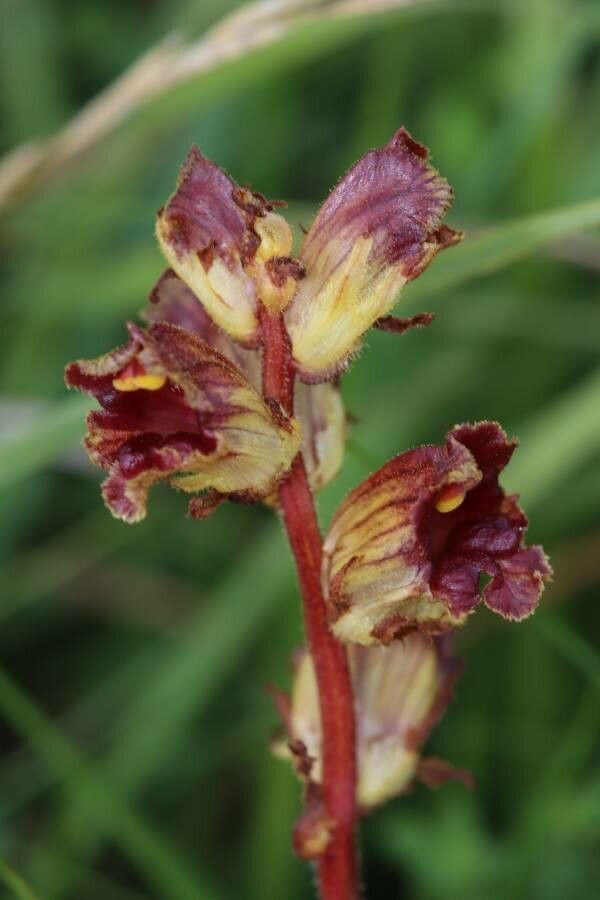
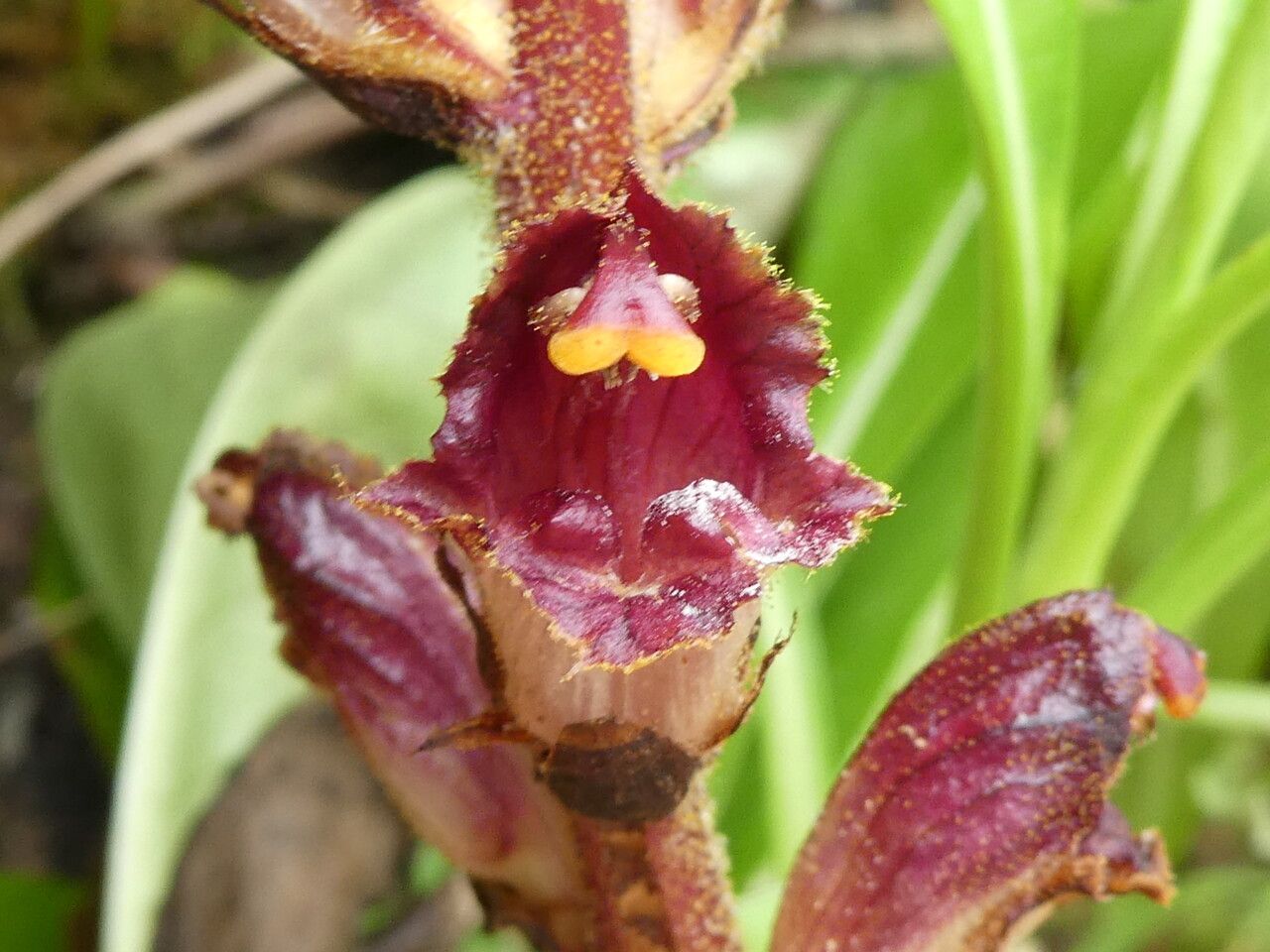
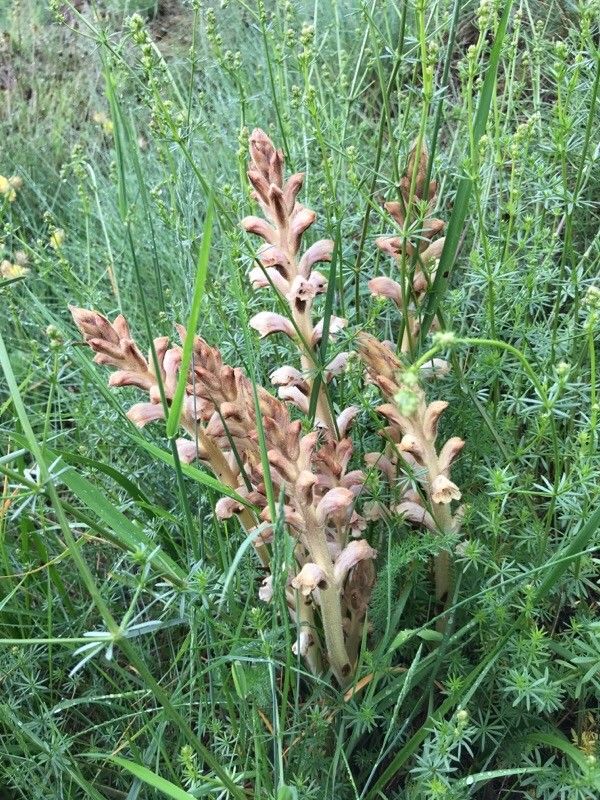
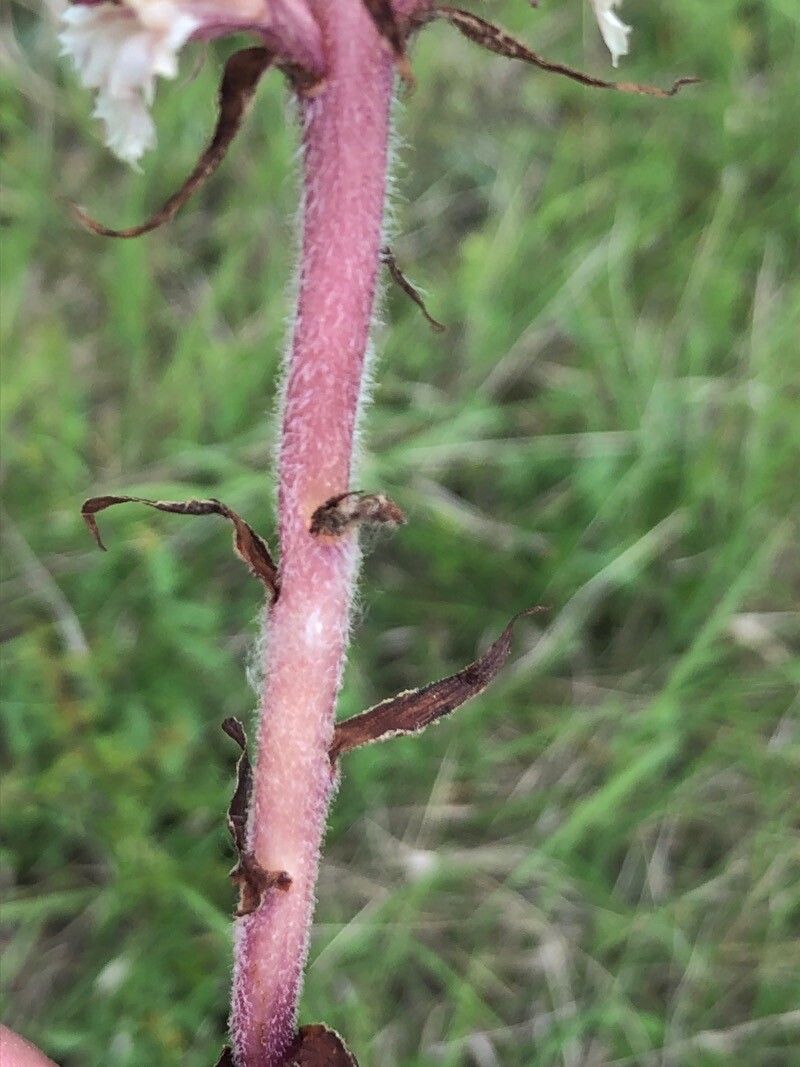
Slender broomrape is fairly resistant to disease and typically does not suffer from many illnesses. Still, it can be affected by pests and diseases present in its environment. Such infections tend to be mild. Regarding upkeep, this plant needs a moderate level of care. Regular pruning is necessary to preserve an attractive appearance and support healthy growth. Applying fertilizer can also encourage flowering. Slender broomrape is appropriate for anyone who has outdoor space, like a garden or patio, and does not demand extensive plant-care experience. It may need more attention if cultivated indoors.
How to keep Orobanche Gracilis.
Light
Slender broomrape is a sun-loving herbaceous perennial that comes from open habitats and is commonly found in meadows and grasslands. It prefers full sun but can also tolerate partial sun.
Water
Slender broomrape, a plant native to arid regions, thrives with minimal moisture and is highly drought-tolerant. Watering it once a week helps maintain its health, especially when combined with occasional rainfall. Its specialized root system efficiently draws moisture from nearby plants during dry spells.
Temperature
Slender broomrape is indigenous to habitats with temperatures ranging from 50 to 95°F (10 to 35 ℃). The plant favors moderate to warm conditions. In extreme climates, minor seasonal adjustments may be necessary to sustain optimal growth.
Fertilizer
One fertilizer application in spring is generally enough for Slender broomrape, though multiple feedings can maximize growth. Apply every one to one and a half months. Fertilizing improves the leaves' appearance and function, encouraging even color and a healthy texture. It also promotes root development and nutrient uptake for the plant's long-term health.
Pruning
Slender broomrape is a distinctive parasitic plant that depends on host plants for its growth. To control its spread and support the health of its hosts, prune slender broomrape from early to late spring. Regular pruning enhances air circulation and nutrient availability. For more detailed guidance, consult reputable sources such as the Royal Horticultural Society.
Botanical profile.
- Plant Type
- Herb
- Life Cycle
- Perennial
- Genus
- Orobanche
- Family
- Orobanchaceae
- Hardiness Zone
- 6-10
- Mature Height
- 10 cm to 61 cm
- Mature Spread
- 10 cm to 20 cm
- Leaf Color
- Brown, Tan
- Leaf Type
- Deciduous
- Flower Color
- Brown
- Flower Size
- 1.52 cm to 2.03 cm
- Bloom Time
- Late spring, Early summer, Mid summer
- Planting Time
- Spring
- Harvest Time
- Mid summer, Late summer, Early fall
- Native Area
- Turkey, Austria, Slovakia, Montenegro, Eritrea, Bulgaria, Armenia, Poland, Croatia, Morocco, Greece, Ukraine, Serbia, Russia, Hungary, Germany, Italy, Spain, Switzerland, France, Albania, Algeria, Romania, Portugal
Other names.
Reader questions.
What are the sunlight requirements for Slender Broomrape (Orobanche gracilis)?
Slender Broomrape (Orobanche gracilis) thrives in various sunlight conditions, requiring full sun or partial sun. Full sun locations receive above 6 hours of sunlight per day, ideal for maximizing growth and health. For areas with slightly less light, partial sun, characterized by about 3-6 hours of sunlight daily, is also suitable for Slender Broomrape. It's important to observe how sunlight moves through your garden throughout the day. Choosing the right spots that offer a harmonious balance of light and shade ensures your plants' well-being and happiness.
What is the native climate range for Slender broomrape?
Slender broomrape, or Orobanche gracilis, thrives in environments that maintain a temperature range between 50 to 95°F (10 to 35°C). It is native to regions where the climate provides moderate to warm temperatures, optimally growing within this specific temperature range. Seasonal adjustments may be required in areas experiencing extreme climate conditions to ensure the plant continues to grow optimally.