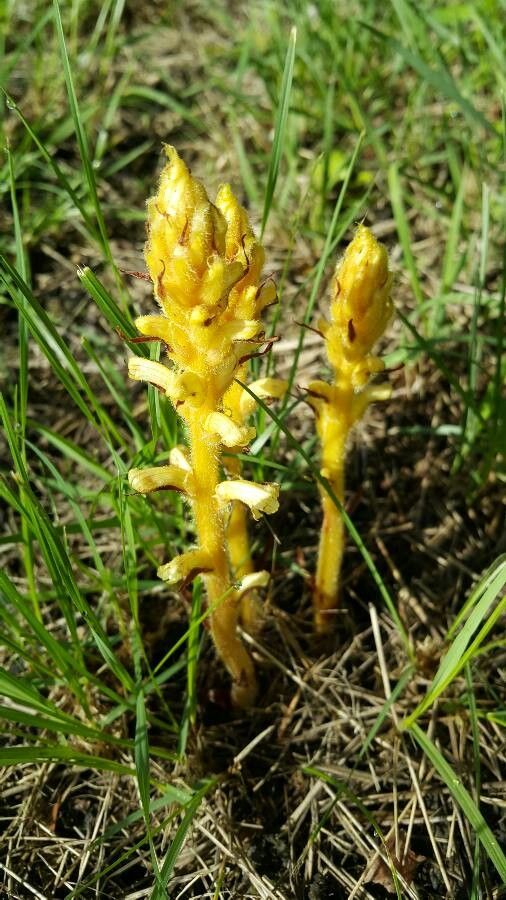
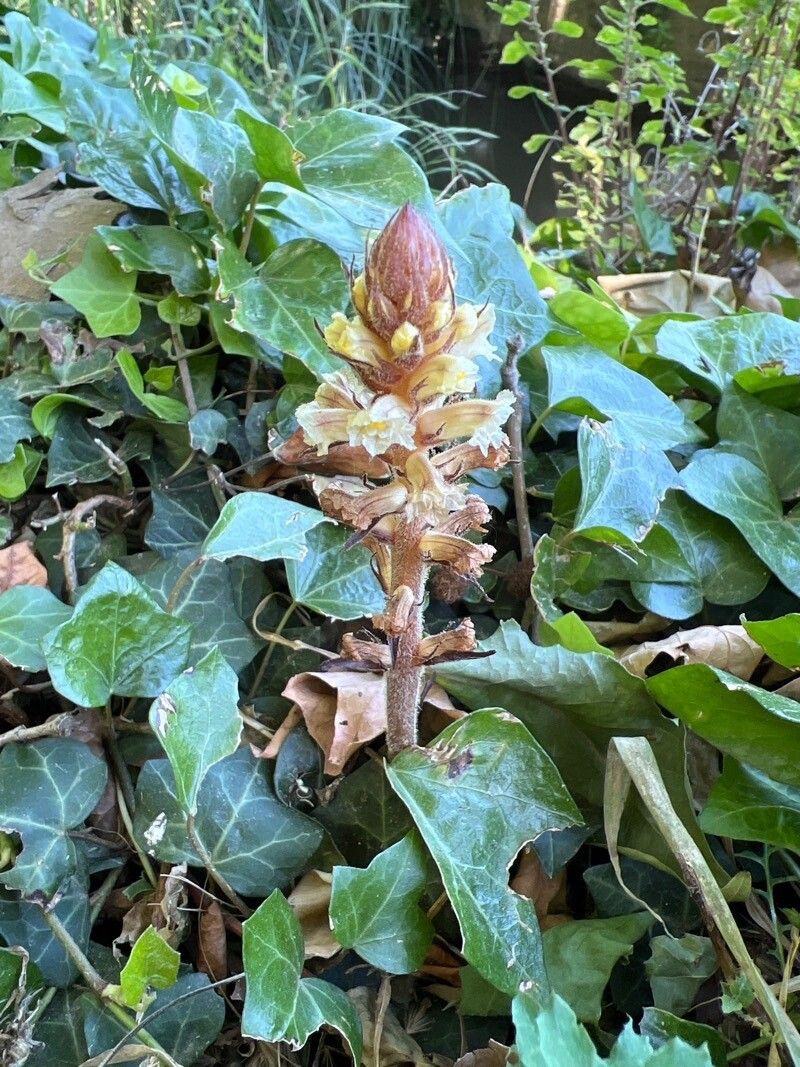
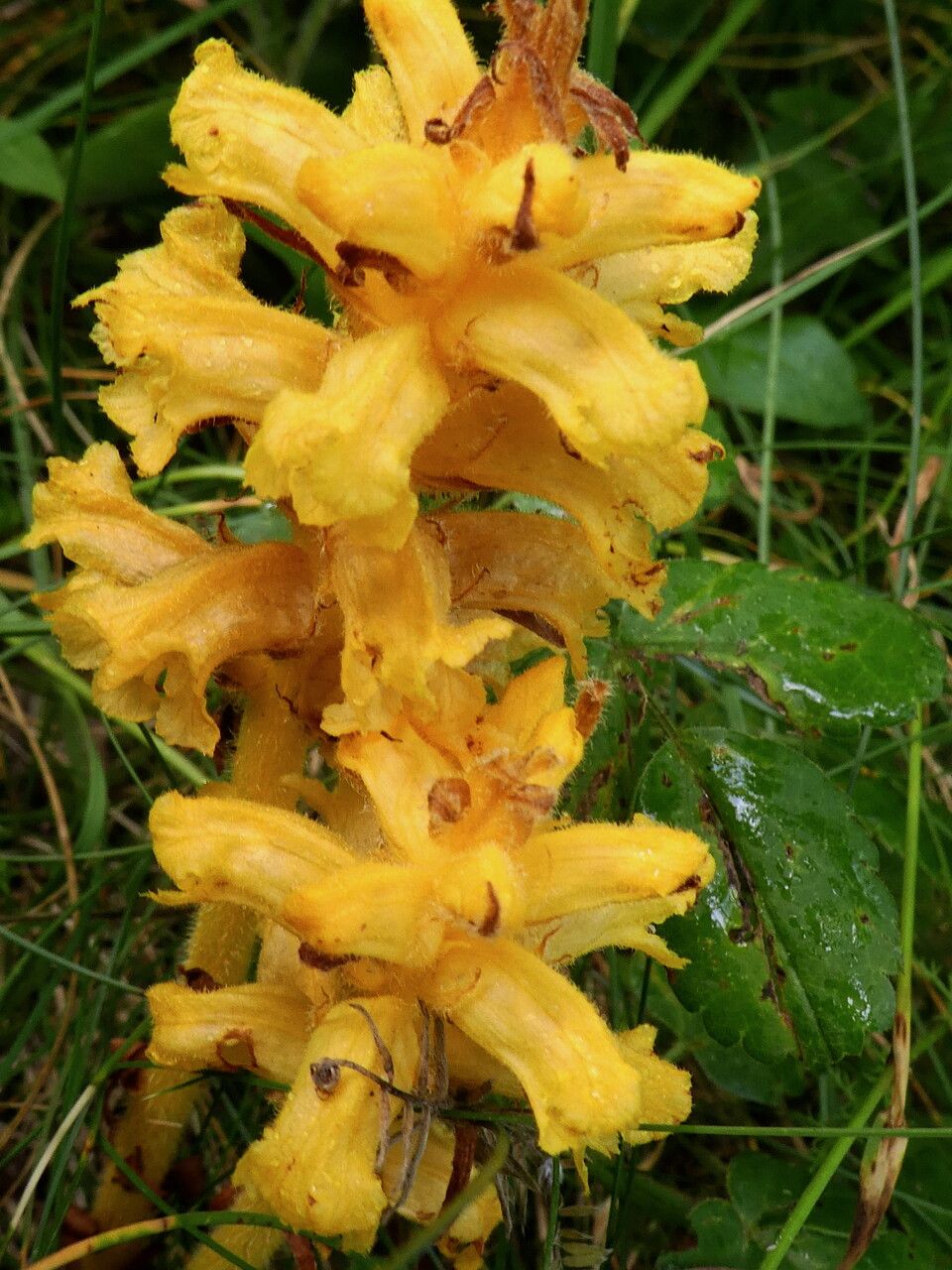
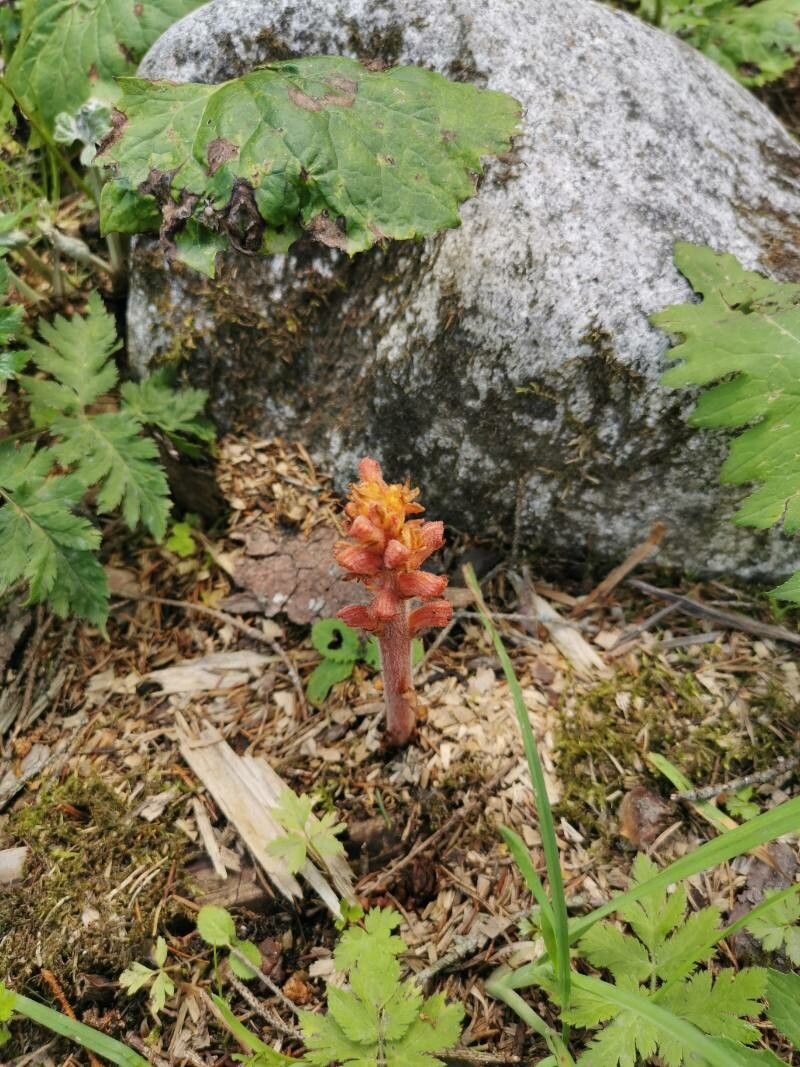
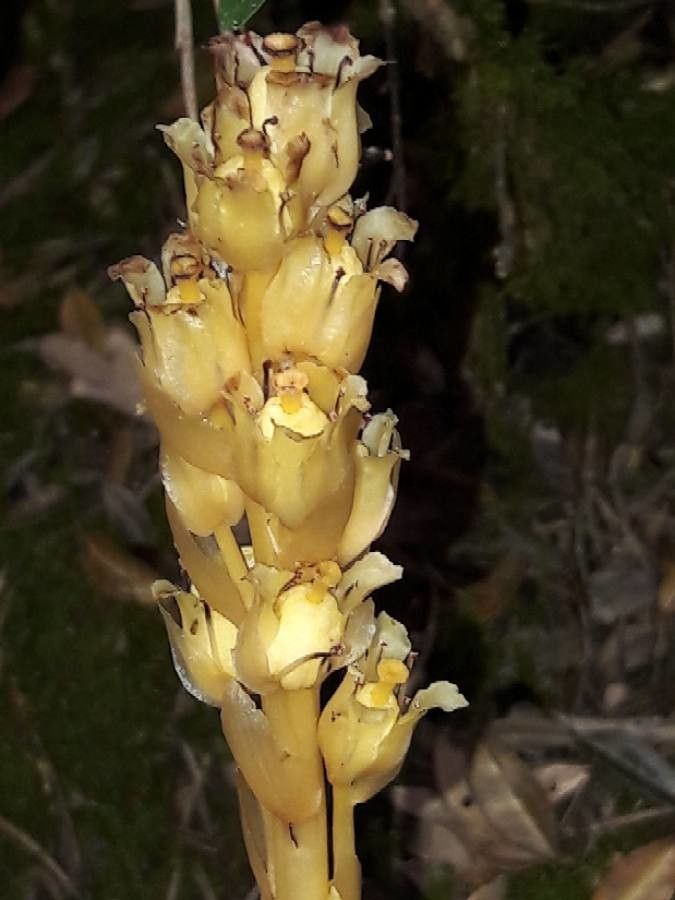
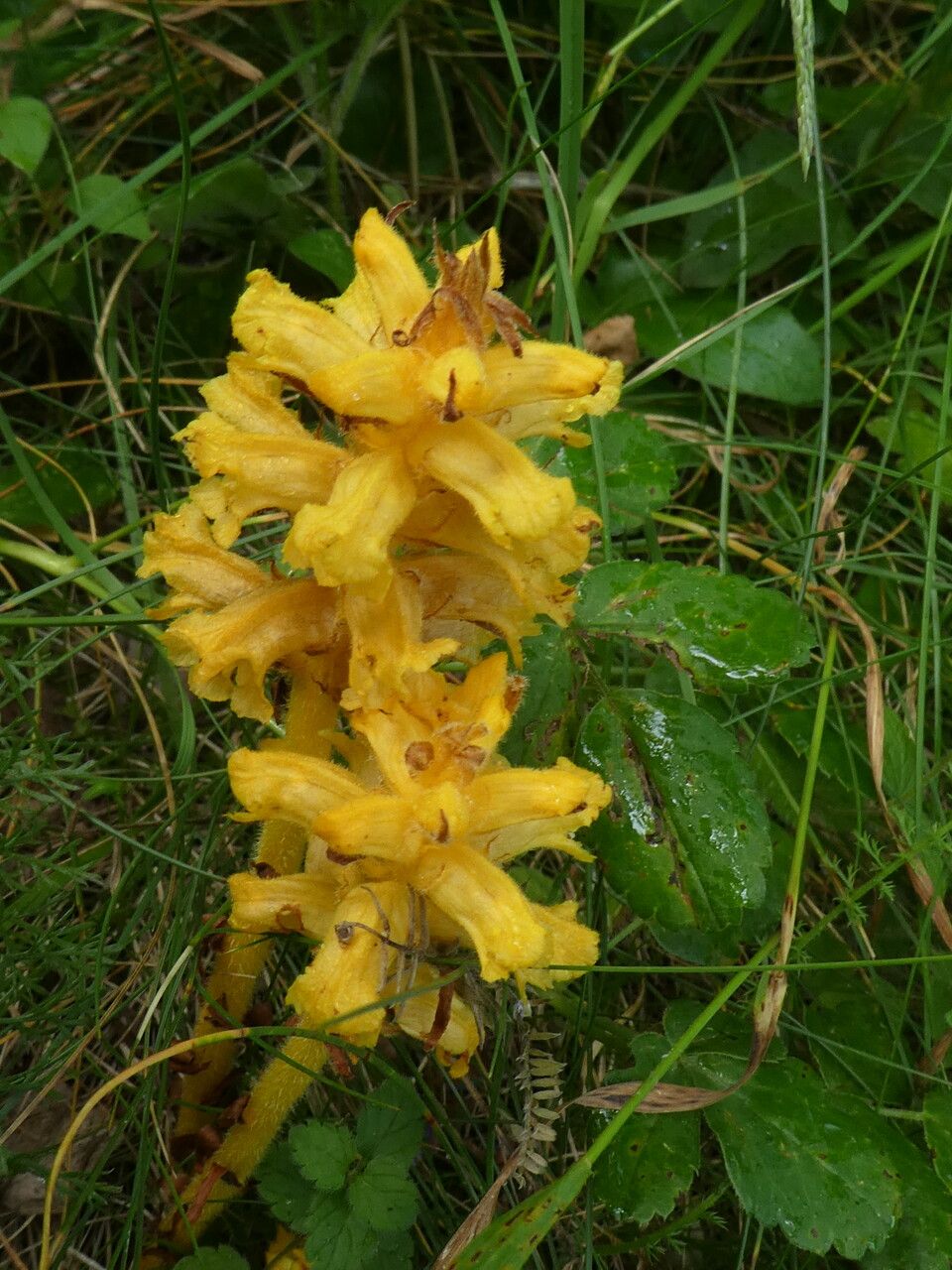
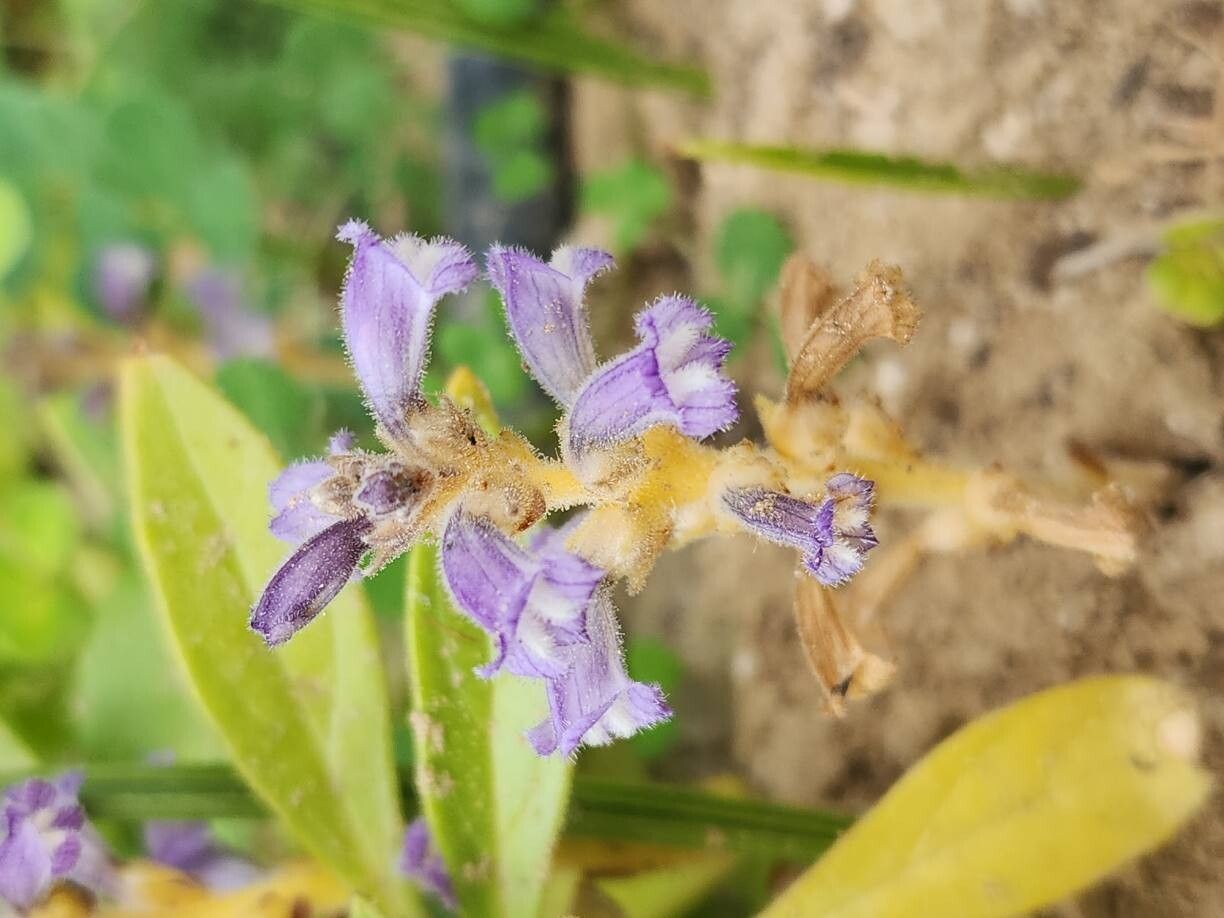
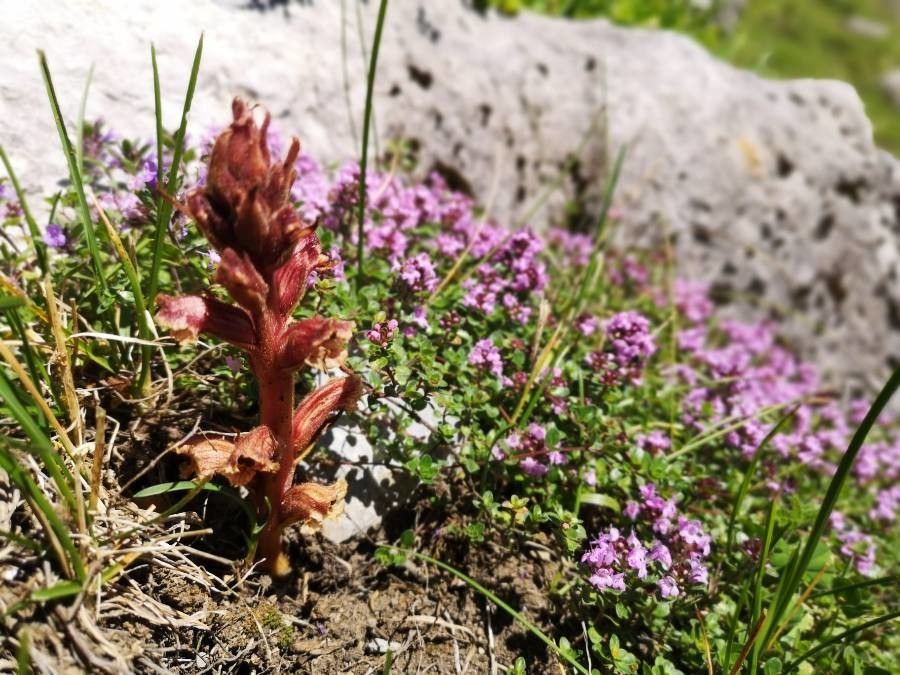
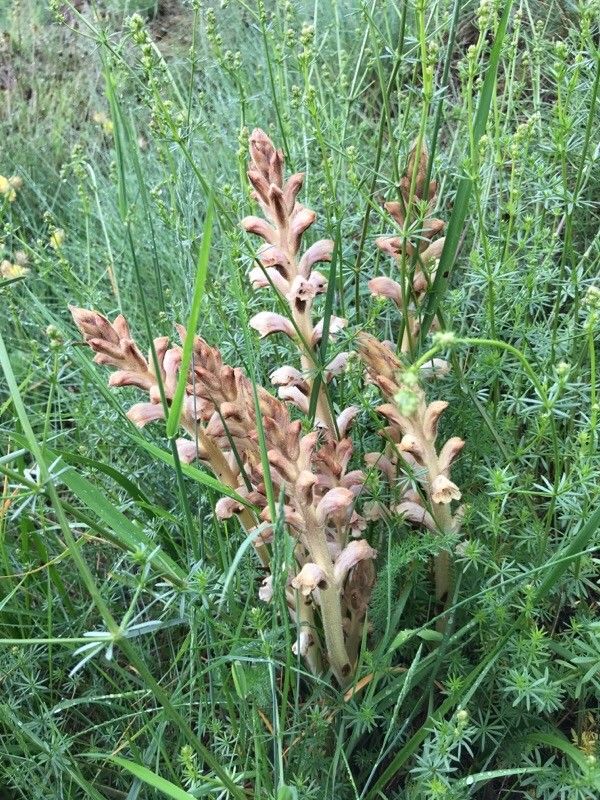
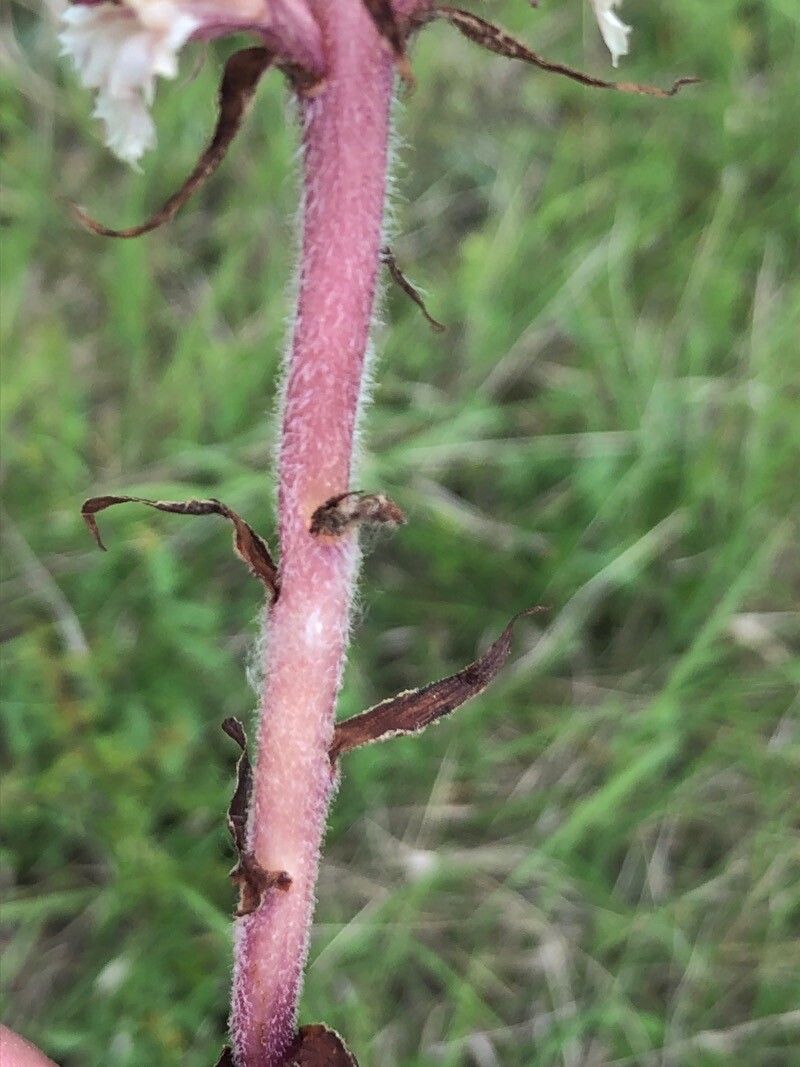
Butterbur broomrape has strong resistance to disease and is generally not liable to illnesses. Still, it can be affected by pests and diseases present in its environment. These problems are typically mild. Regarding care, this plant needs a moderate amount of maintenance. It should be pruned regularly to preserve a neat appearance and support healthy growth. Fertilizing can also assist in encouraging flowering. Butterbur broomrape is appropriate for anyone who has outdoor space, such as a garden or patio, and does not demand much care experience. It may need more attention when kept indoors.
How to keep Orobanche Flava.
Light
Butterbur broomrape comes from habitats with mottled sunlight, such as forest understories or rocky spots that provide natural shade. It prospers in partial sun but can also adjust to full sun conditions.
Temperature
Butterbur broomrape can tolerate a wide range of temperatures, but its distribution can still be restricted by different combinations of moisture and heat. It does best in warm summer climates with sufficient rainfall or watering. Long periods of cloudy, rainy weather, as well as extended high temperatures, can raise the risk of Butterbur broomrape dying. In winter, adequate protection from cold can enhance the plant's survival rate.
Fertilizer
Butterbur broomrape benefits from regular, dilute fertilizer applications to encourage healthy leaf growth. You should apply fertilizer to Butterbur broomrape roughly once a month throughout the summer. Nitrogen is essential for the foliage, and providing nitrogen-rich sources helps Butterbur broomrape thrive.
Botanical profile.
- Plant Type
- Herb
- Life Cycle
- Annual
- Genus
- Orobanche
- Family
- Orobanchaceae
- Hardiness Zone
- 5-9
- Mature Height
- 20 cm to 49 cm
- Mature Spread
- 10 cm to 20 cm
- Leaf Color
- Yellow, Brown
- Leaf Type
- Semi-evergreen
- Flower Size
- 2.03 cm to 3.05 cm
- Bloom Time
- Early summer, Mid summer
- Planting Time
- Spring, Summer
- Harvest Time
- Late summer, Early fall
Other names.