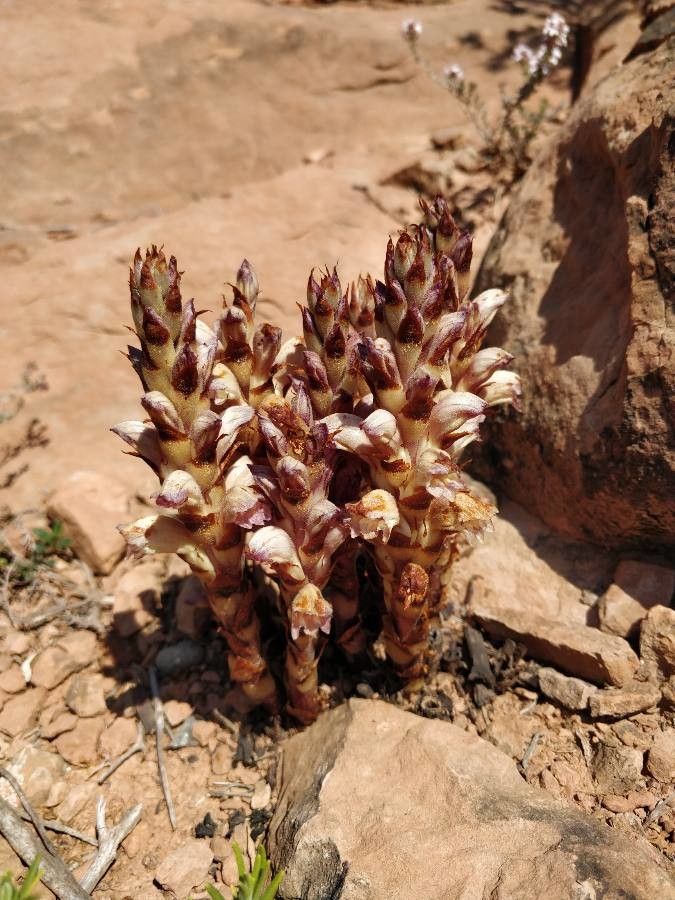
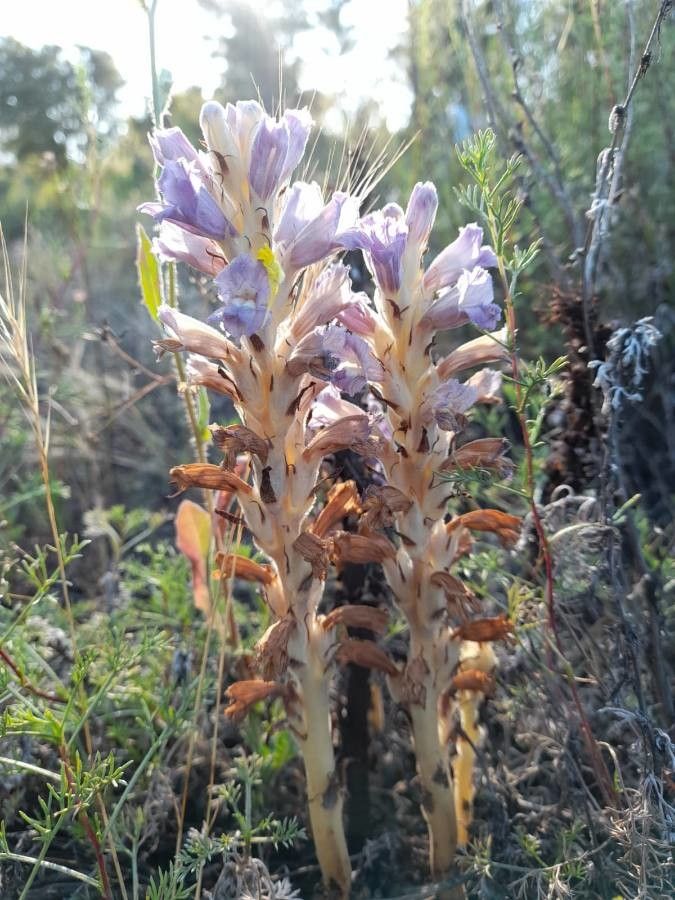
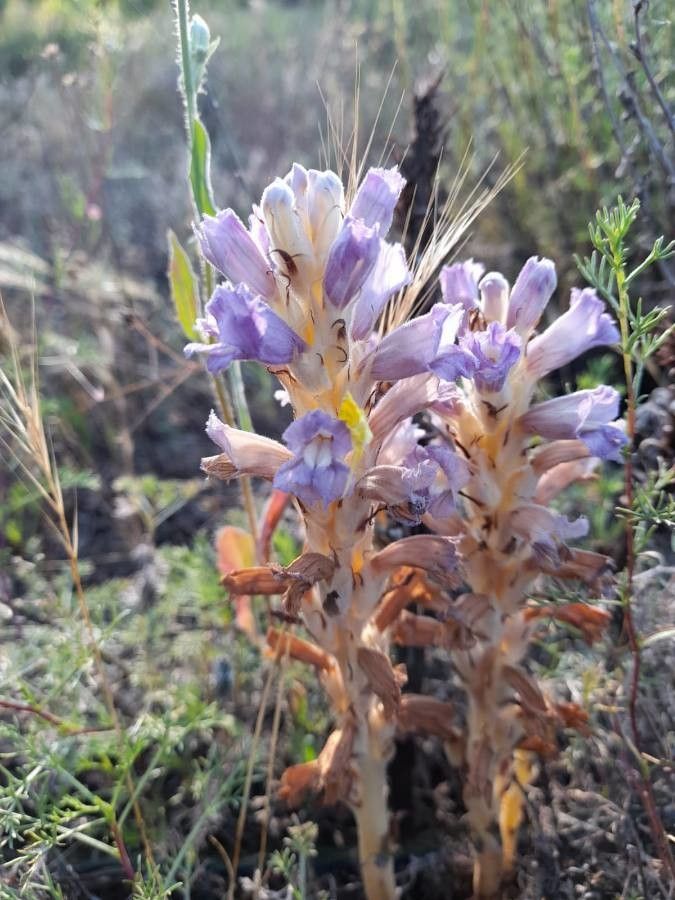
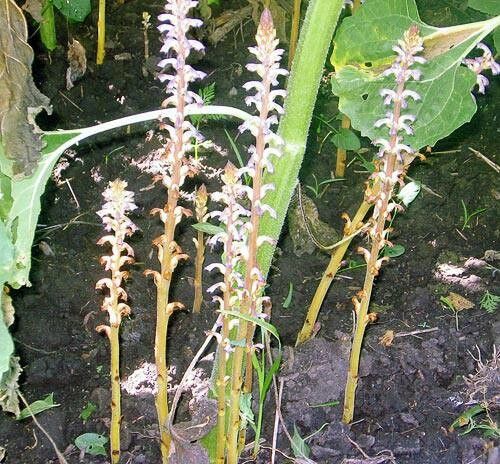
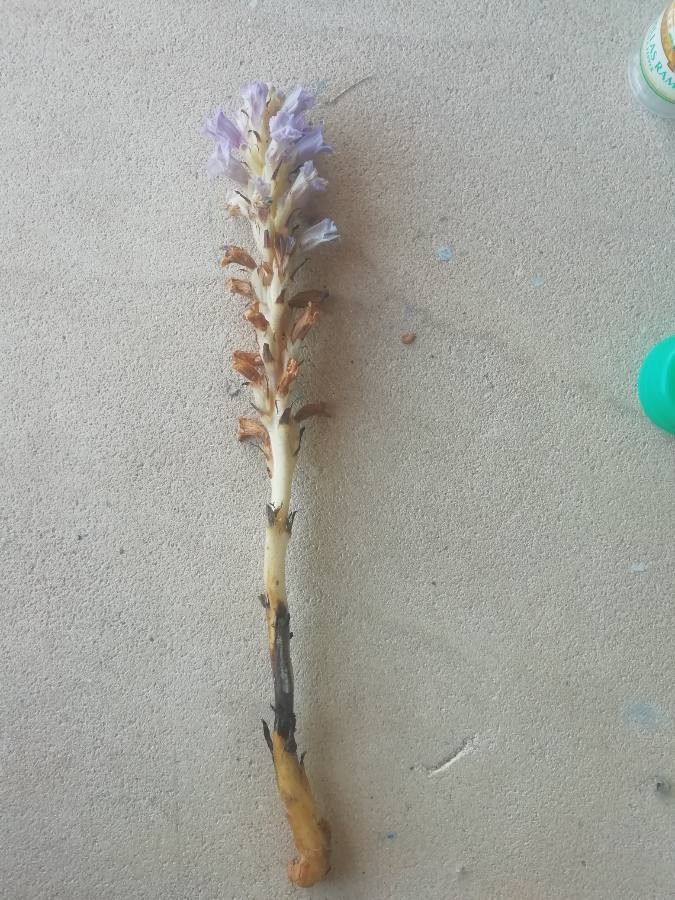
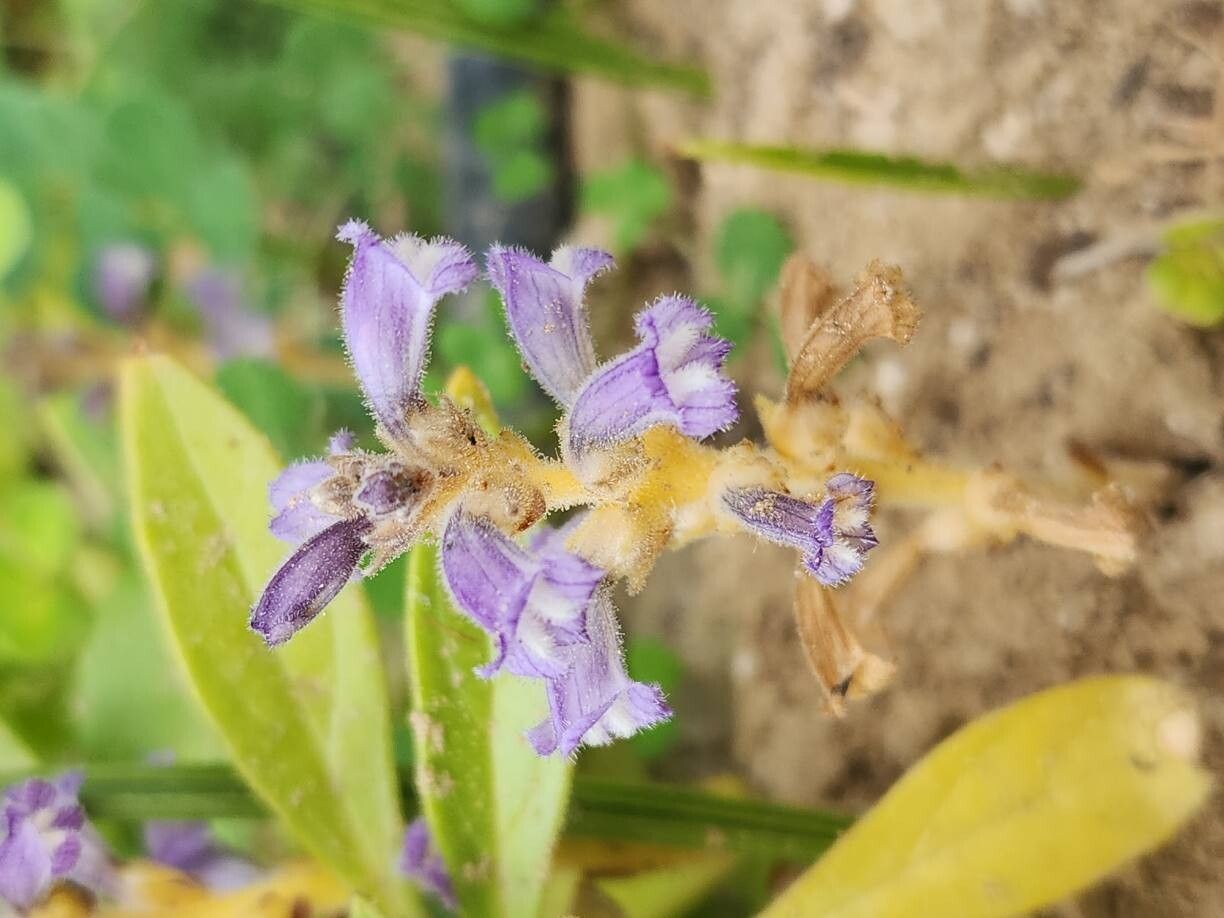
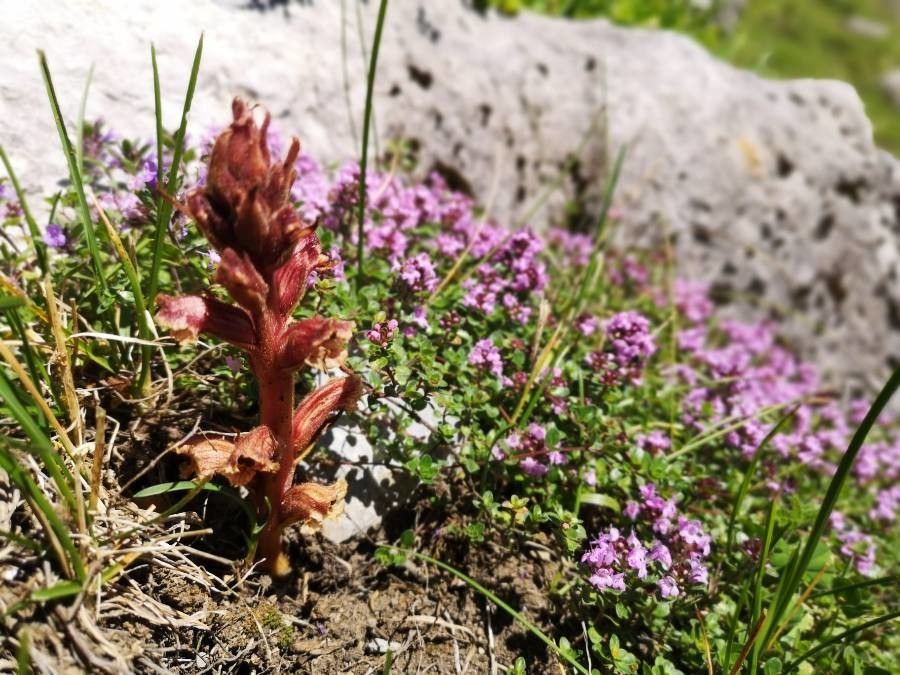
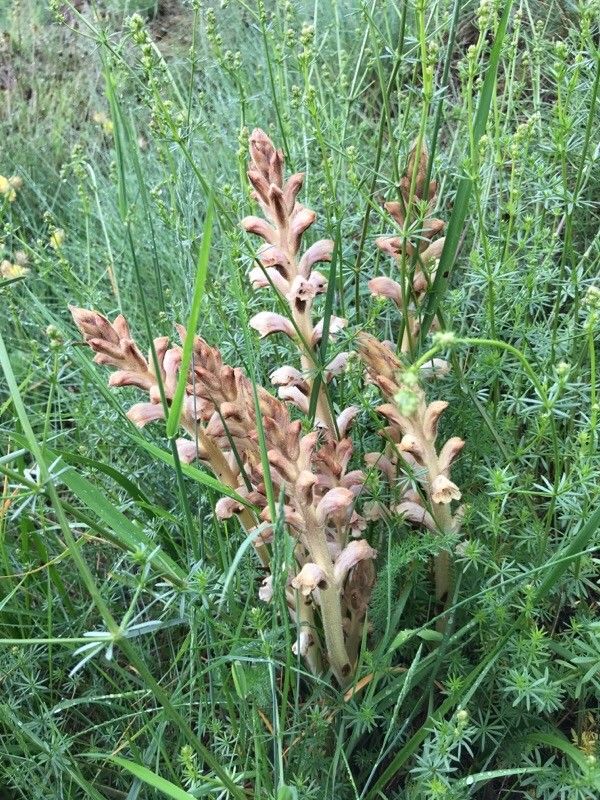
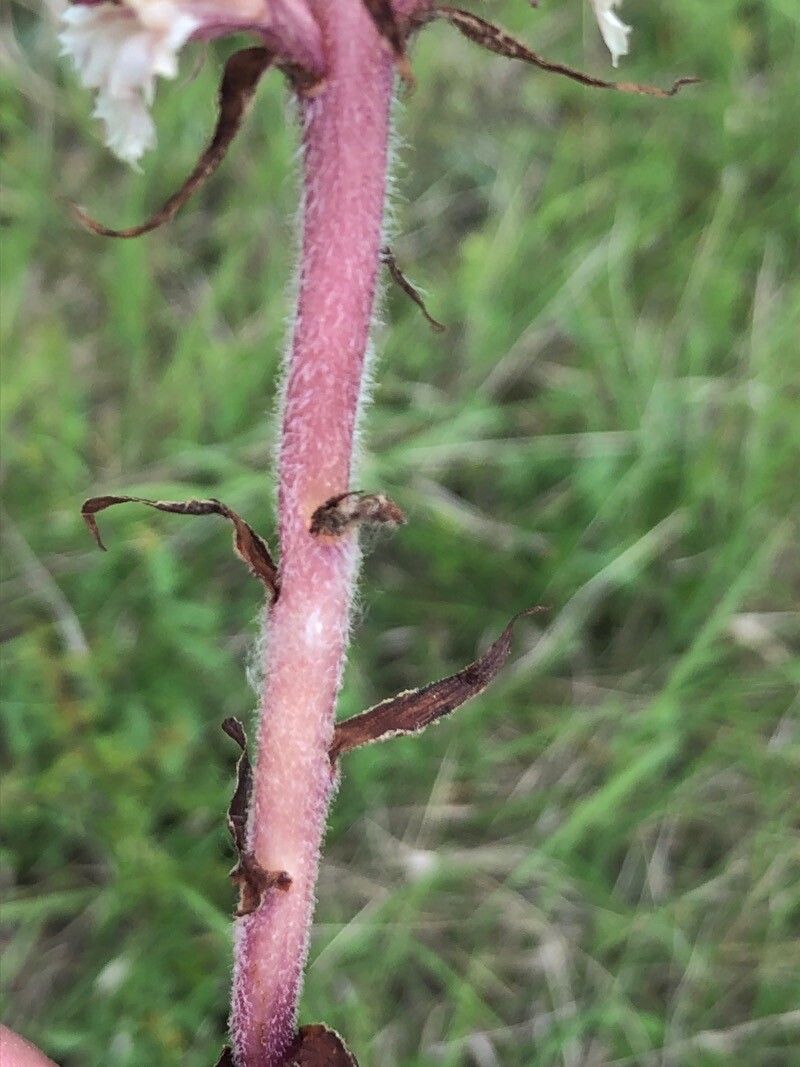
Orobanche cernua, commonly known as nodding broomrape, is a species of herb in the family Orobanchaceae. They have a self-supporting growth form and simple, broad leaves. Individuals can grow to 0.4 m. Holoparasite of Artemisia spp. Distribution: Europe, SW Asia, Russia, Kazakhstan, Turkmenistan, Uzbekistan Kyrgyzstan, Tajikistan, Afghanistan, Pakistan, N India, Nepal, China (Gansu, Hebei, Jilin, Nei Mongol, Qinghai, Shaanxi, Shanxi, Sichuan, Xinjiang, Xizang), Mongolia.
Gloxinia is generally disease-resistant and typically not prone to illnesses. However, it can develop leaf spots if light and ventilation are inadequate and if watering is excessive. The plant's care level is considered easy; it only needs regular watering and little else. Gloxinia is well suited to people who don't have much time or energy to devote to regular maintenance.
How to keep Orobanche Cernua.
Light
Gloxinia needs a considerable amount of sunlight to grow well, but should be protected from the strongest midday rays. In its natural environment it does best where it receives a combination of sun and shade throughout the day. Too much or too little light can hinder the plant's growth and overall health.
Water
Nodding broomrape is a drought-tolerant plant that thrives in arid environments with minimal moisture. To keep it healthy, it needs to be watered weekly, taking care to avoid over-saturation. As an outdoor plant, its growth depends on the availability of nutrients and water, efficiently utilizing seasonal rains.
Temperature
Gloxinia is native to temperate climates and prefers temperatures between 68 and 100 °F (20 to 38 ℃). Seasonal adjustments can be made to allow a cooler winter period, mimicking its natural climatic transitions.
Fertilizer
Correct fertilization is essential for Gloxinia's health and appearance. Fertilize Gloxinia during the summer, doing so once a month throughout the season. Nutrients drive growth and support the plant's tissues. Fertilizing improves Gloxinia's floral display, ensuring the best blooms.
Pruning
Nodding broomrape is a parasitic plant that lacks chlorophyll and features flowers on nodding spikes. While pruning isn’t necessary, removing the flowers from early to late spring can help reduce seed dispersal. Regular monitoring is also important for managing its impact on host plants.
Pot & Repot
Repot Gloxinia in early spring. Choose a pot that is wider than it is deep with good drainage. Use a well-draining loamy potting mix enriched with compost. Gently remove old soil from the bulb and plant it at a depth equal to the bulb’s height. Water well after repotting and place in a sunny spot. Avoid overwatering to prevent bulb rot.
Botanical profile.
- Plant Type
- Herb
- Life Cycle
- Perennial, Annual
- Genus
- Orobanche
- Family
- Orobanchaceae
- Hardiness Zone
- 11-12
- Mature Height
- 15 cm to 40 cm
- Mature Spread
- 15 cm to 30 cm
- Leaf Color
- Green
- Leaf Type
- Deciduous
- Flower Color
- Red, Pink, Purple, White
- Flower Size
- 5.08 cm to 7.62 cm
- Bloom Time
- Late spring, Early summer, Mid summer
- Planting Time
- Spring
- Harvest Time
- Summer
Other names.
Reader questions.
How should I water my Nodding broomrape?
There are a few options for watering Nodding broomrape. You can use a garden hose with a spray nozzle, a watering can, or any other common watering tool. This plant isn't too picky about where its water comes from - it can survive on rainwater, tap water, or filtered water. However, it's best to avoid watering from above as it can harm the leaves and flowers and may cause disease. A drip irrigation system is often the most effective way to water Nodding broomrape, as it provides even and direct watering to the soil. If you have a Nodding broomrape that's growing in a container, you can use a cup, watering can, or your tap to water it directly into the soil.
What are the sunlight requirements for nodding broomrape?
Nodding broomrape thrives in environments where it can receive full sun, ideally above 6 hours of sunlight a day. It can tolerate partial sun, approximately 3-6 hours of sunlight, but for optimal growth, full sun is preferred. Given its origin in bright, open environments, ensuring sufficient sunlight is crucial for its health and development. It's recommended to observe how sunlight moves through your garden to identify spots that offer a balance of light and shade suitable for your plants.
What do I do if I give too much or too little water to my Nodding broomrape?
To avoid underwatering your Nodding broomrape, the solution is simple: water it more regularly when you notice it lacks moisture. Overwatering, on the other hand, can be more problematic if not caught early. Overwatered plants are susceptible to diseases that can cause their decline and death. To prevent this, choose a suitable location for your Nodding broomrape that receives ample sunlight to dry out the soil and has good drainage to prevent pooling and waterlogged soil. If your potted Nodding broomrape is suffering from overwatering, it may be necessary to change to a new pot with better drainage or soil. When repotting, use loose soil and select a pot that drains efficiently.
How can artificial lighting be used for indoor plants?
For indoor plants, including nodding broomrape, artificial lighting can be essential, especially when natural sunlight is insufficient. LED lights are a popular choice as they can be customized to provide specific wavelengths of light needed by plants. Full sun plants necessitate 30-50W per square foot of artificial light, partial sun plants require 20-30W per square foot, and full shade plants need 10-20W per square foot. The light source should be placed 12-36 inches above the plant to mimic natural sunlight, and most plants thrive with 8-12 hours of light per day. This arrangement promotes faster, healthier growth by ensuring the plants receive adequate light throughout the year.
How often should I give water to my Nodding broomrape?
Nodding broomrape requires regular watering throughout the growing season. In the spring, water this plant about once per week. As the season progresses and temperatures rise, you may need to water two to three times per week. However, exceeding this rate can harm your Nodding broomrape. Regardless of watering frequency, ensure the soil remains moist but not wet. When watering Nodding broomrape in a pot, you'll need to water more often because pot soil dries out faster. Generally, water container-grown Nodding broomrape a few times per week, compared to once per week for plants in the ground.
What are the signs of insufficient light in nodding broomrape?
When nodding broomrape is grown indoors or in conditions of inadequate light, it may show several symptoms indicating a need for more sunlight. These include smaller new leaves, leggy or sparse growth due to elongated spaces between leaves or stems, early leaf drop to conserve resources, delayed or halted growth, lighter-colored or pale new leaves signaling a lack of chlorophyll, chlorosis where leaves turn yellow due to chlorophyll breakdown, and sunscald marked by damaged areas on leaves or stems from intense exposure. Additionally, leaf curling, wilting from loss of turgor pressure, and leaf scorching with brown, crispy edges can all signal overexposure or the need for better light management.
How much water does my Nodding broomrape require?
Determining how much water to give your Nodding broomrape can be approached in a few ways. Some gardeners use a tactile method by feeling the soil for moisture. This method suggests watering until the first six inches of soil feel moist. Another approach is using a specific measurement. Typically, providing your Nodding broomrape with about two gallons of water per week is recommended, depending on temperature and how quickly the soil dries out. However, strictly following these guidelines could lead to overwatering if your plant requires less water. When growing Nodding broomrape in a container, a different method is needed. You should water enough to moisten all dry soil layers. To test for moisture, simply stick your finger in the soil or observe a slight trickle of excess water from drainage holes.
What solutions are available for nodding broomrape exposed to insufficient sunlight?
For nodding broomrape struggling with insufficient sunlight, gradual adjustment to more sunlight is key. Indoors, this involves moving the plant to a sunnier location each week until it receives at least 6 hours of direct sunlight daily, utilizing a south-facing window for maximum exposure, or using artificial lighting such as desk or grow lights for at least 8 hours a day. Outdoors, plants should be moved to sunnier spots progressively to prevent sunburn, adapting to the increased light intensity gently. Additionally, reducing obstructions like pruning trees or transplanting smaller plants during their dormant period can greatly improve sunlight reception. For plants affected by low light, increasing light exposure promotes healthy new growth, even if some parts of the plant may not recover.
How do I know if I'm giving enough water to my Nodding broomrape plant?
Watering your Nodding broomrape is a bit tricky. Although they have deep roots that need to be moistened weekly, they are prone to root rot and browning when overwatered. Underwatering is less of a concern since they can survive without extra watering, but watch out for wilting and dry leaves if you go too long without watering.
How should I water my Nodding broomrape throughout the year?
The water needs of your Nodding broomrape will increase as the season progresses. In spring, water it once a week. As summer arrives, you may need to water it more frequently, up to three times a week. This is especially important for Nodding broomrape growing in containers, as the soil in containers dries out faster in warm weather. In autumn, when the temperature decreases and the sun is not as strong, your Nodding broomrape may require less water, even though it is still in bloom.
How do I water my Nodding broomrape at different times when it grows?
Nodding broomrape goes through various growth stages throughout the year, each with different water requirements. When starting with a seed, it is important to provide ample water during germination, even more than what the plant will need later on. This means watering regularly to maintain consistent soil moisture. After a few weeks, as the plant grows above the soil, it will require slightly less water compared to the seedling phase. Once the plant is fully mature, a regular watering frequency of about once per week is suitable. During flower development, it may be necessary to increase water slightly to assist in the process.
How is watering Nodding broomrape different inside and outside?
Nodding broomrape plants prefer to grow outdoors for a few reasons. Firstly, they tend to grow quite tall, which can be difficult to accommodate indoors. Additionally, these plants require more daily sunlight than most indoor locations can offer. If you are able to provide a suitable indoor space for them, you may need to water your Nodding broomrape more frequently compared to if they were growing outdoors. This is because indoor environments can be drier due to HVAC units, and soil in containers can dry out faster than soil in the ground.