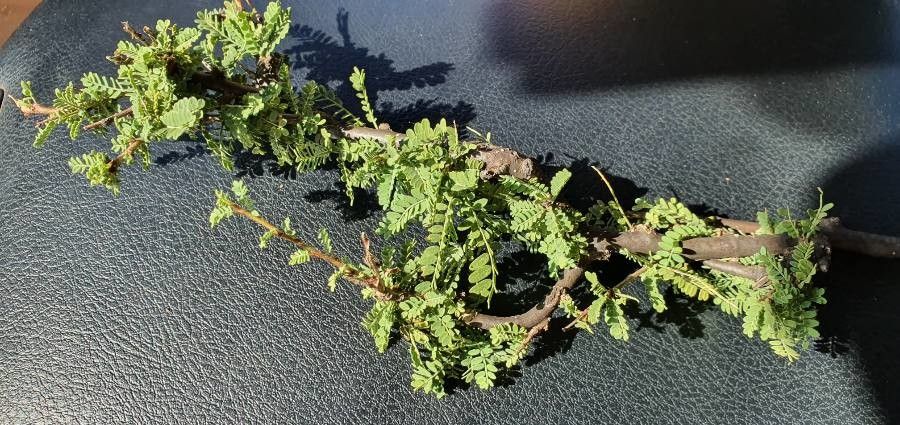
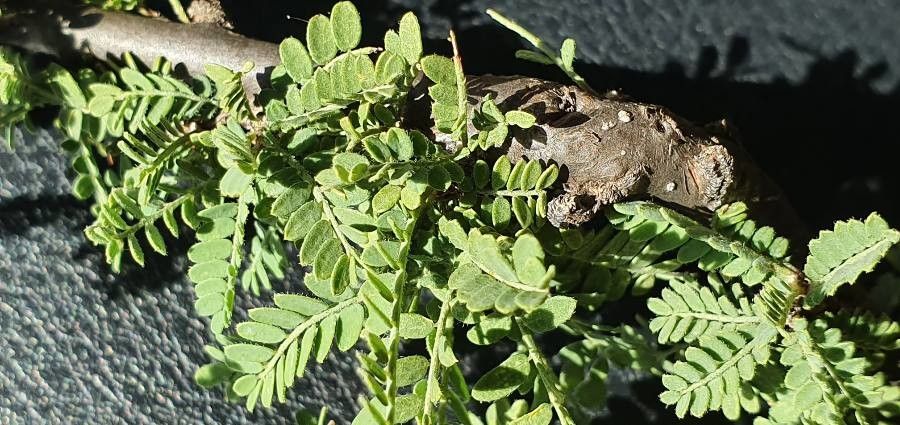
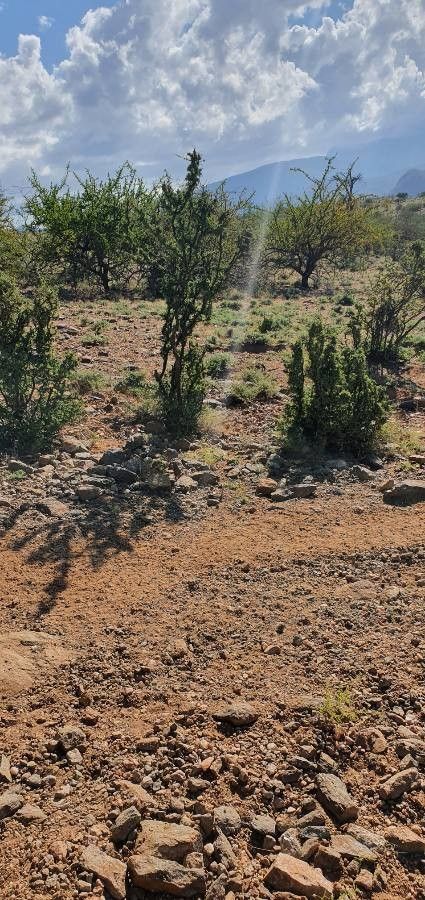
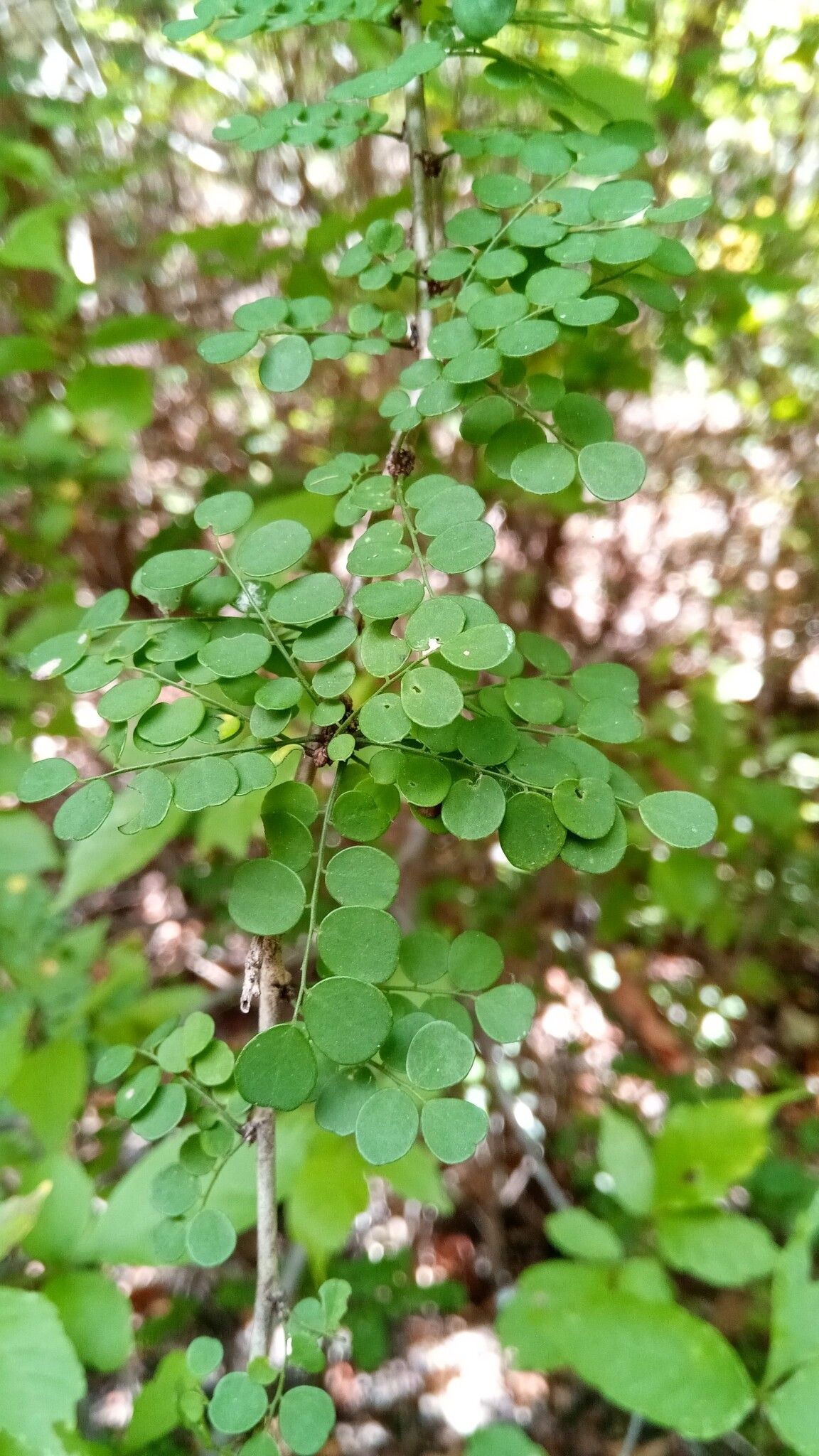
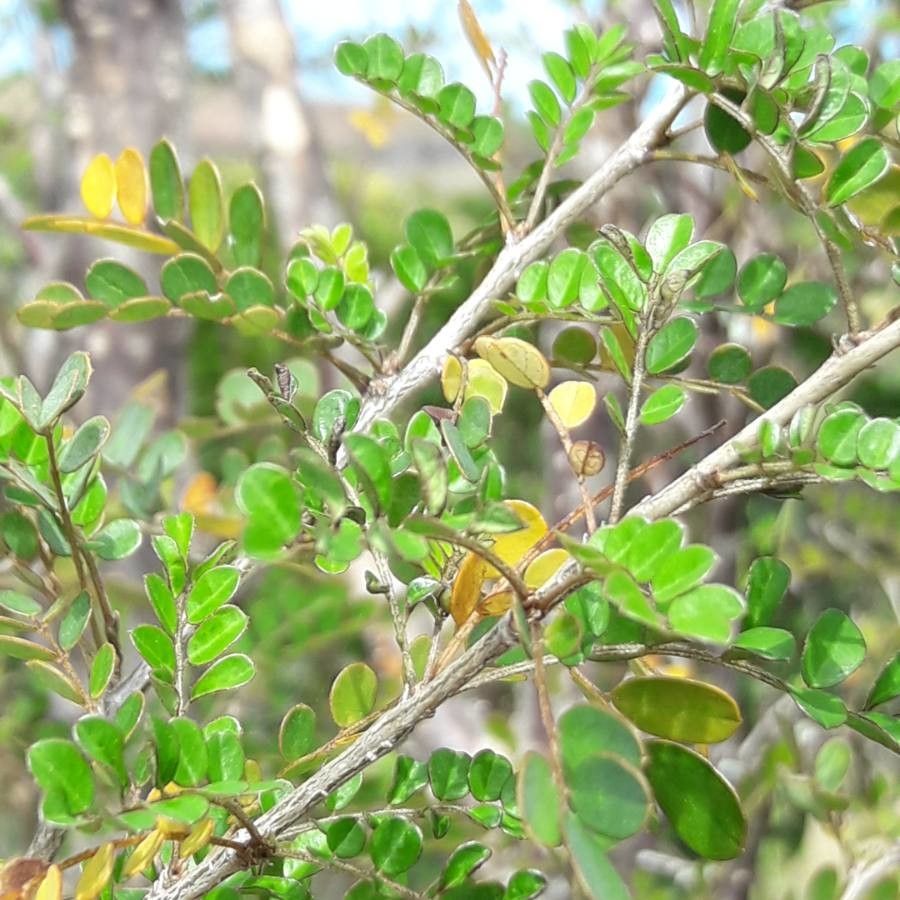
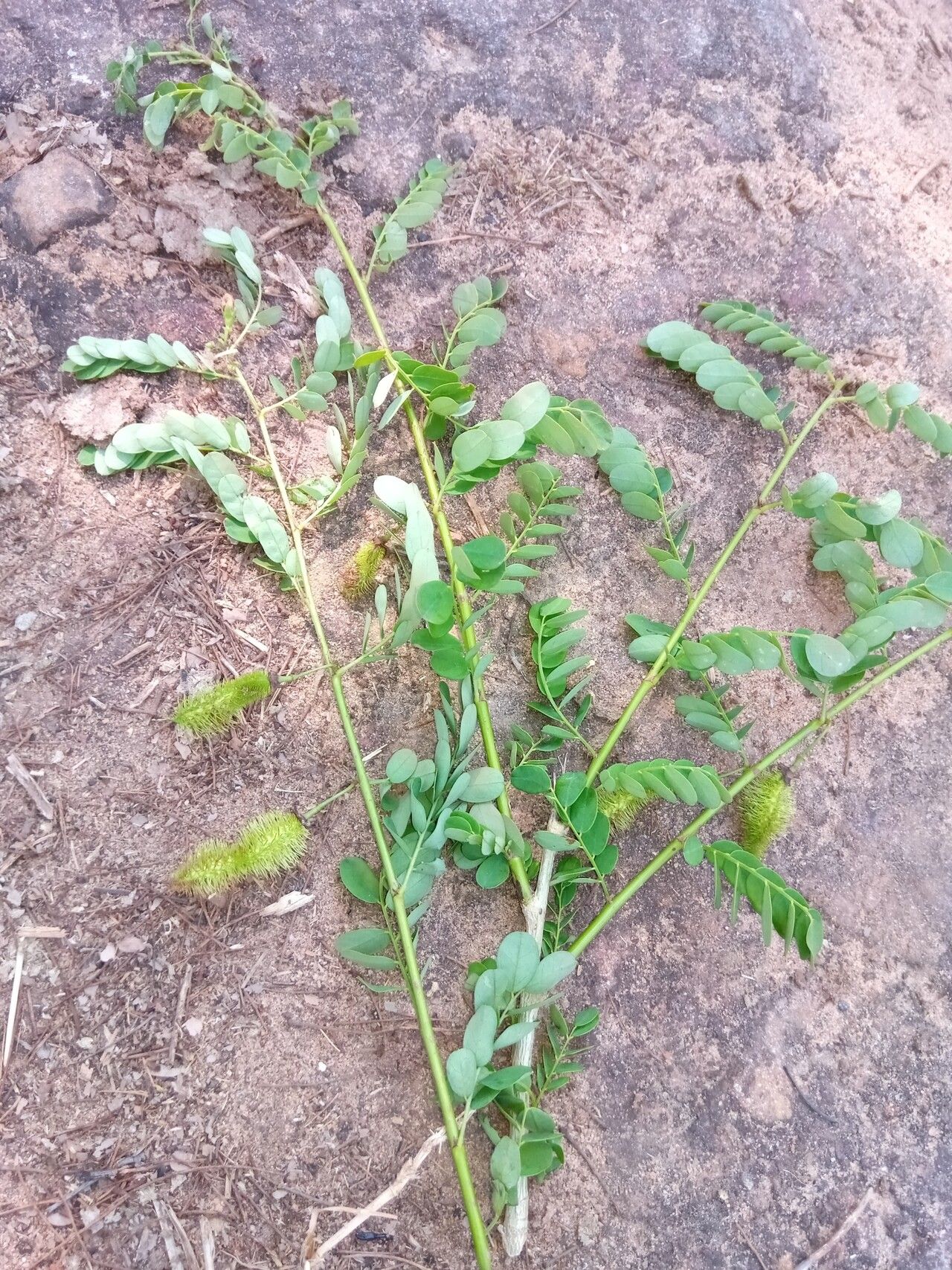
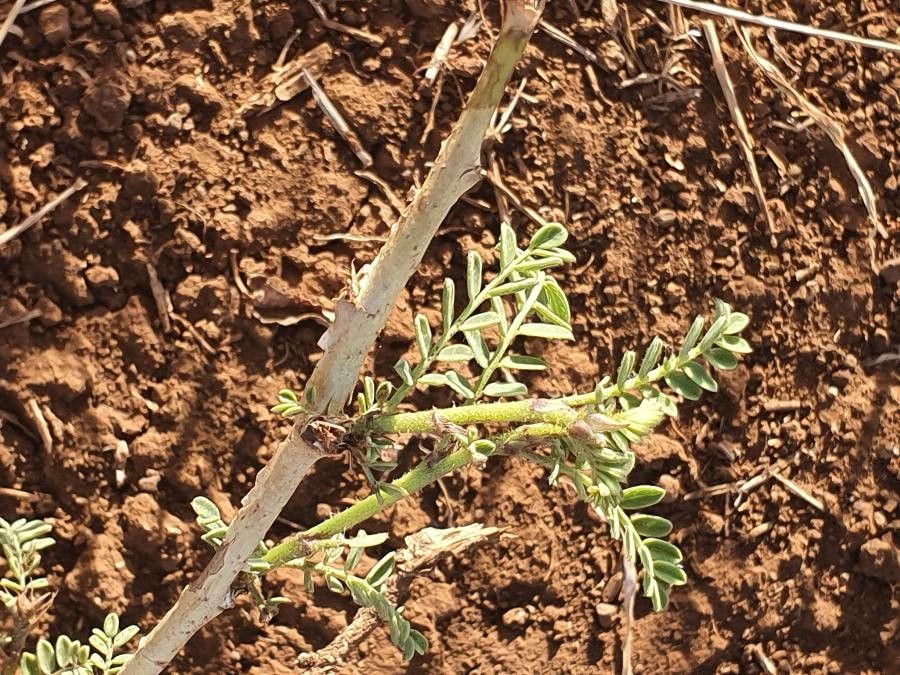
Ormocarpum trichocarpum, commonly known as the hairy-fruited ormocarpum, is a species of flowering plant in the legume family. Native to Southeast Asia, it can be found in countries such as Thailand, Malaysia, and Indonesia. The plant typically grows up to 10 meters tall and features a straight trunk with smooth bark. Its leaves are pinnate, consisting of 5 to 7 oblong or elliptic leaflets.
The flowers of Ormocarpum trichocarpum are small and yellowish-green, growing on long spikes that emerge from the branches during the flowering season. The plant produces hairy pods that can grow up to 15 cm long, each containing several seeds.
Traditionally, healers across Southeast Asia have used Ormocarpum trichocarpum for treating ailments such as fever, coughs, diarrhea, dysentery, and skin diseases, thanks to its anti-inflammatory properties.
Ormocarpum trichocarpum thrives in full sun exposure or partial shade and requires well-drained soil conditions, making it an ideal ornamental tree for landscaping due to its attractive foliage, which turns yellow before falling off during autumn.
However, it is important to note that this species is considered endangered due to habitat loss caused by deforestation activities within its native range. Conservation efforts are essential to ensure its preservation.
Caterpillar bush is fairly resistant to diseases and usually does not suffer from them. As for care, this plant is relatively easy to maintain. When grown outdoors it needs only light watering, and larger plants typically do not require pruning. Smaller plants, however, should be trimmed after they finish blooming. Caterpillar busht is appropriate for anyone who has an outdoor area like a garden or a deck and does not demand extensive gardening experience.
How to keep Ormocarpum Trichocarpum.
Temperature
Caterpillar bush comes from tropical areas, where the climate is generally warm and humid. Consequently, it is adapted to high heat and moisture. It does not tolerate abrupt temperature shifts and prefers a consistent thermal environment, so avoiding temperature fluctuations indoors is important. It typically cannot withstand cold and needs warmer conditions to grow. If the surrounding temperature falls too low, the plant may stop growing or even die.
Fertilizer
Fertilizing is essential for caring for the Caterpillar bush. Regular feeding during the growing season maintains the energy needed for its showy leaves and supports overall growth. Failing to fertilize can lead to unhealthy leaves, reduced ornamental appeal, and stunted or weak growth that is more prone to breakage.
Botanical profile.
Other names.