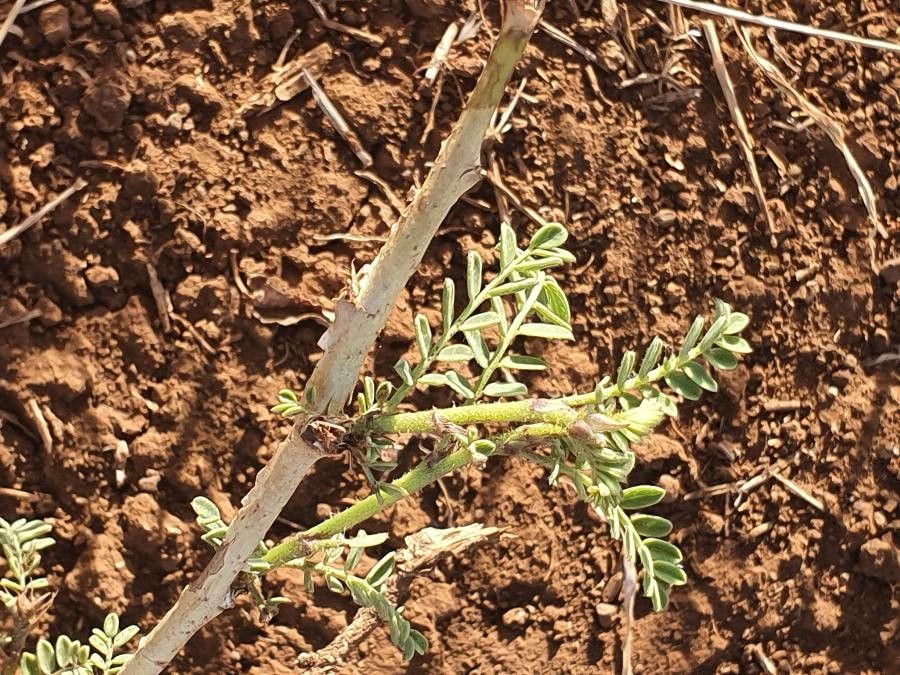
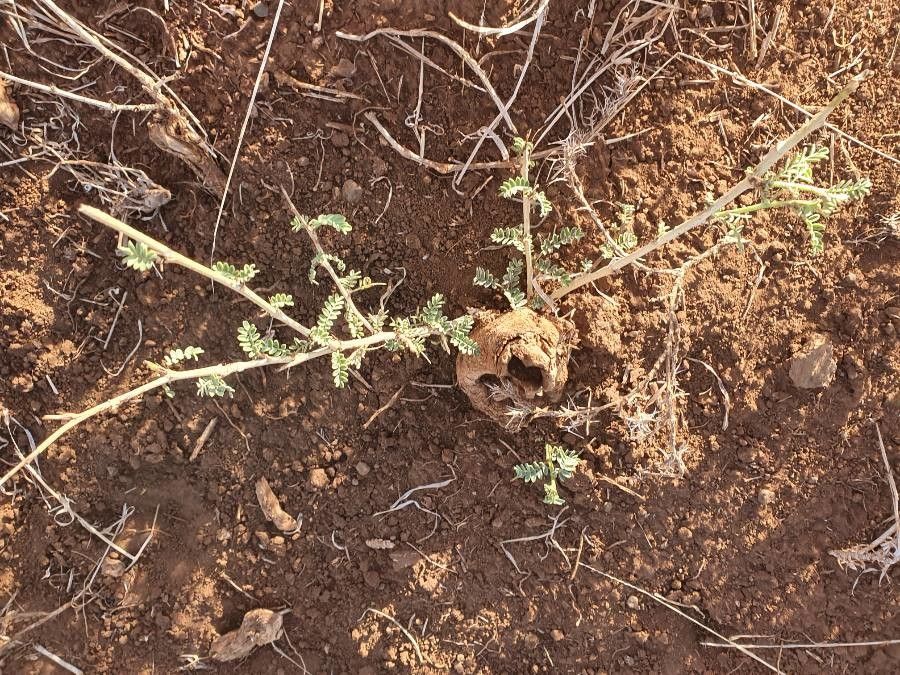
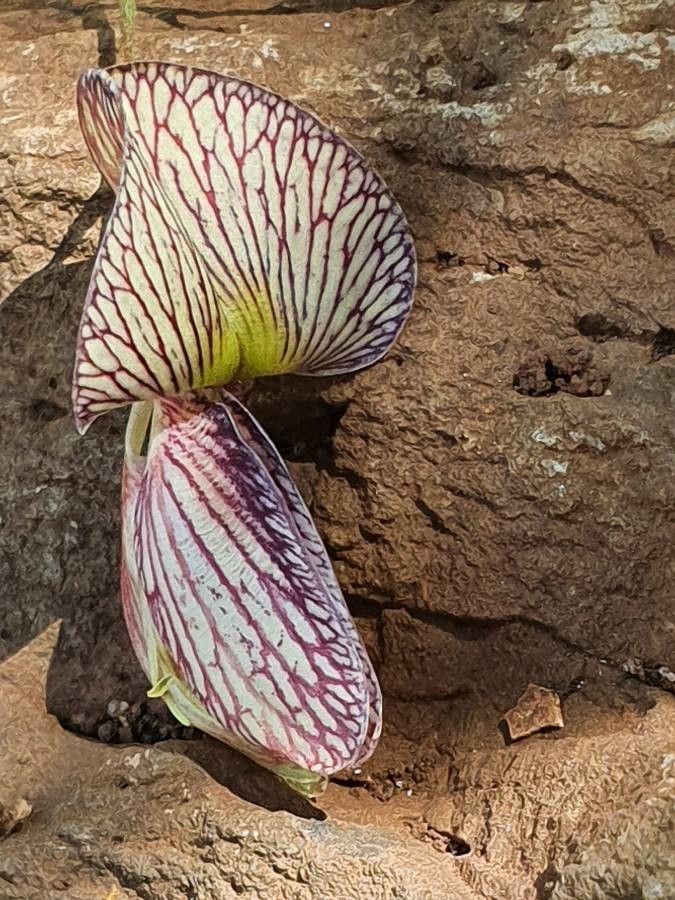
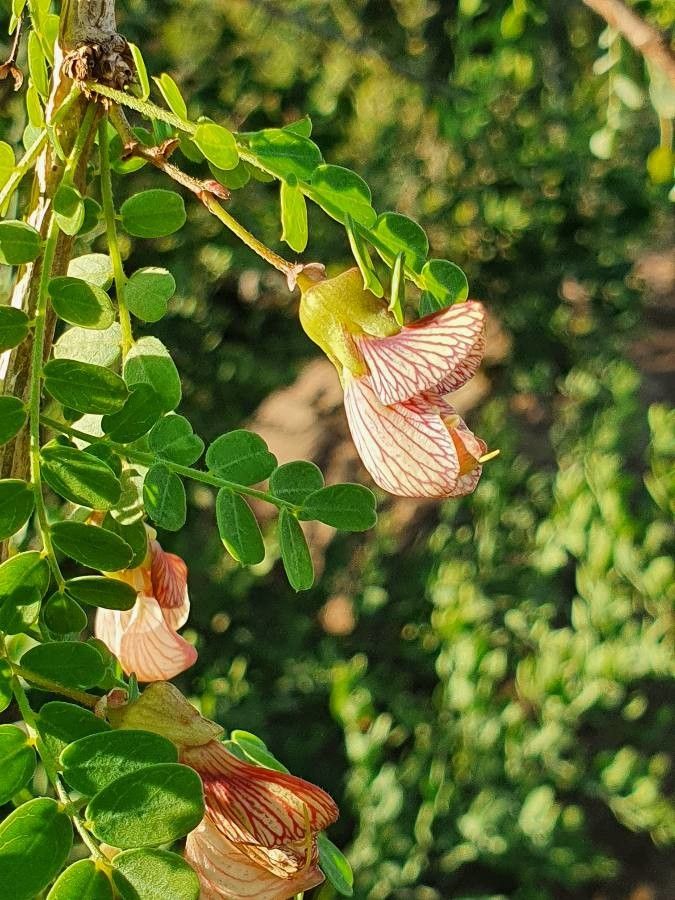
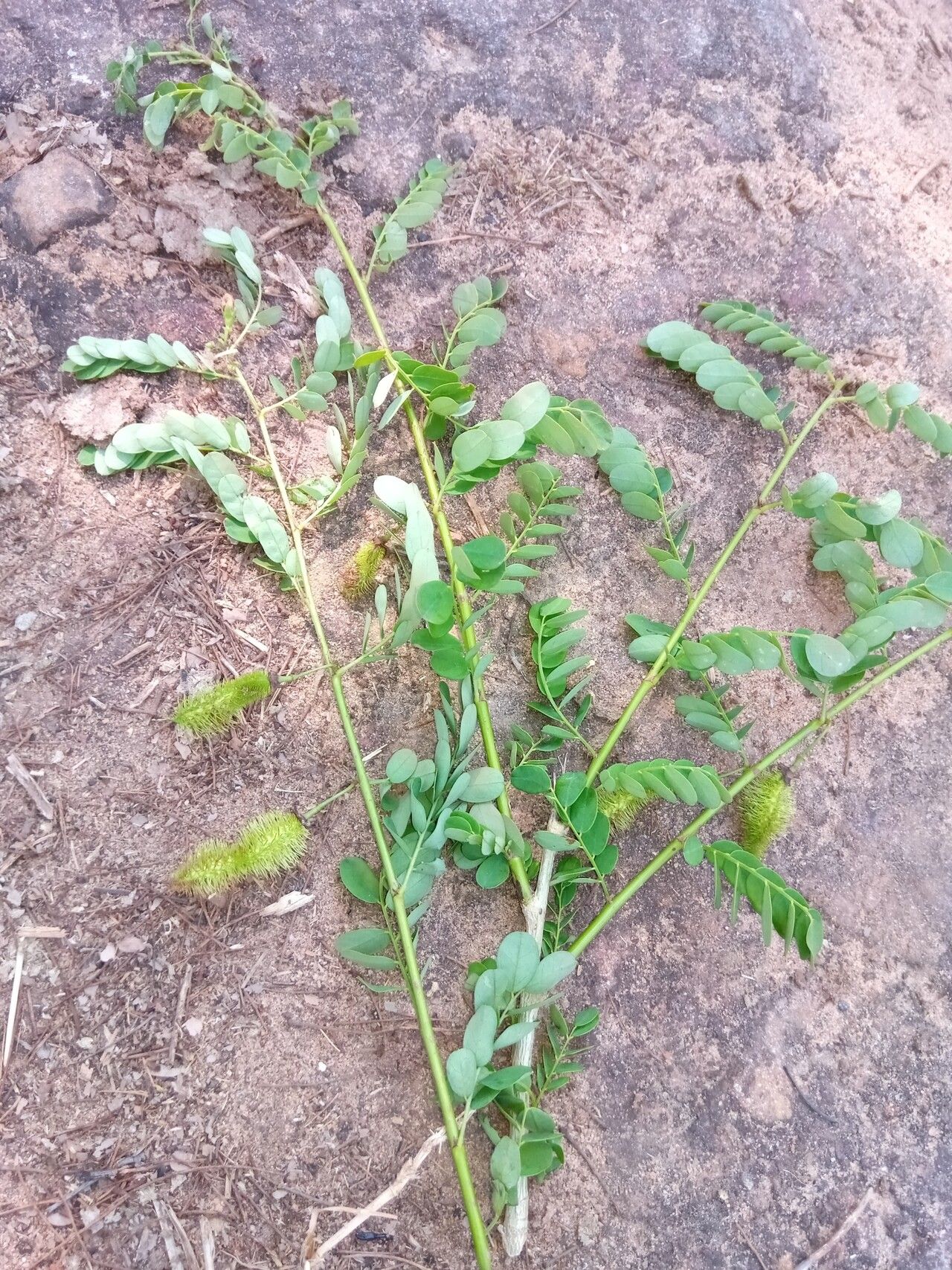
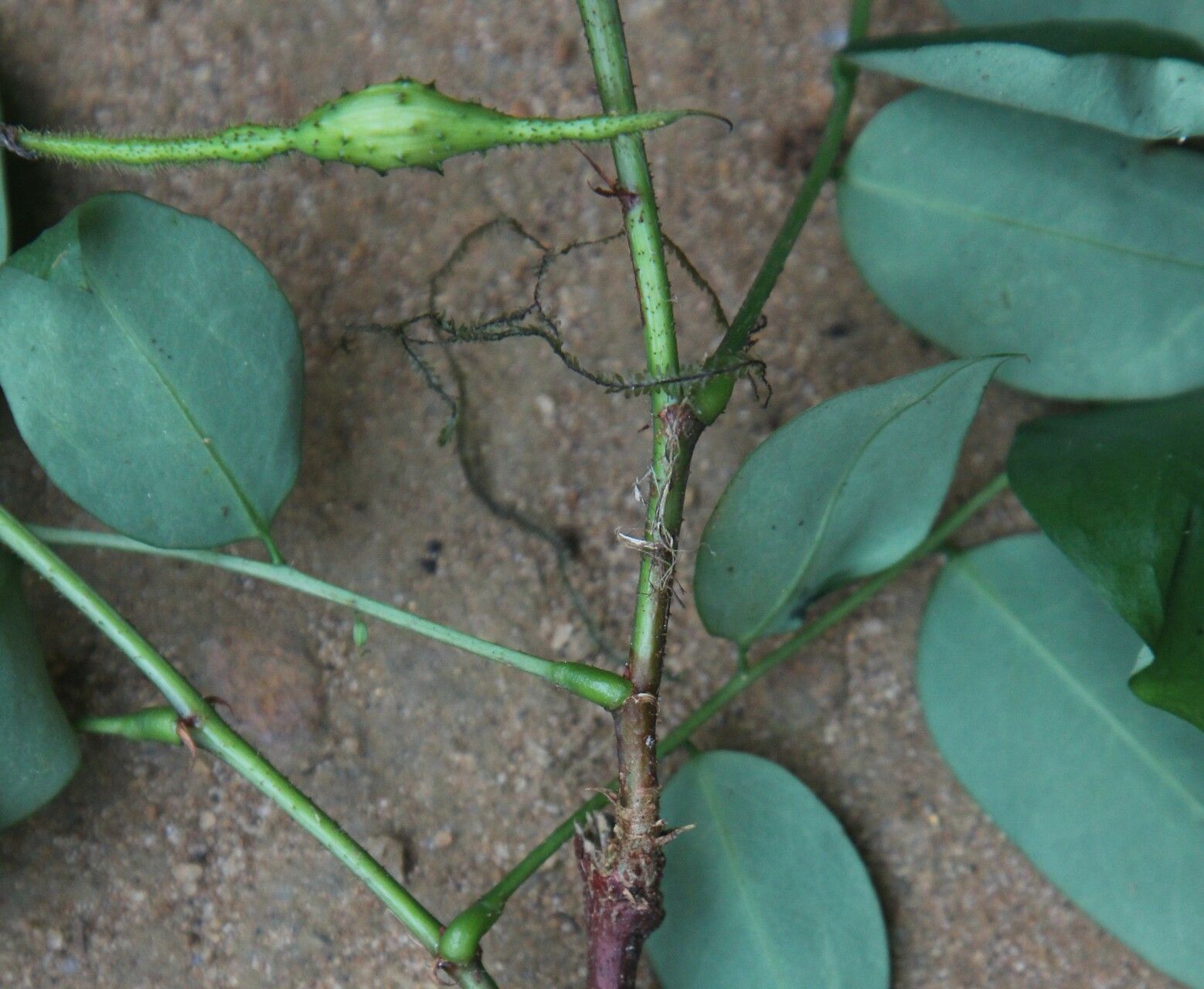
Small caterpillar-pod shows strong resistance to disease and is generally not prone to illness. Regarding care, this plant is fairly low maintenance. Planted outdoors, it needs only minimal watering, and larger specimens usually do not require pruning. Smaller plants, however, should be pruned after flowering. Small caterpillar-podt is suitable for anyone with outdoor space, like a garden or deck, and does not need extensive care experience.
How to keep Ormocarpum Kirkii.
Light
Small caterpillar-pod comes from open environments, such as sunny meadows and forest edges, that provide ample light. It does best in Full Sun but can also tolerate Partial Sun, adapting well to various sunlight conditions.
Water
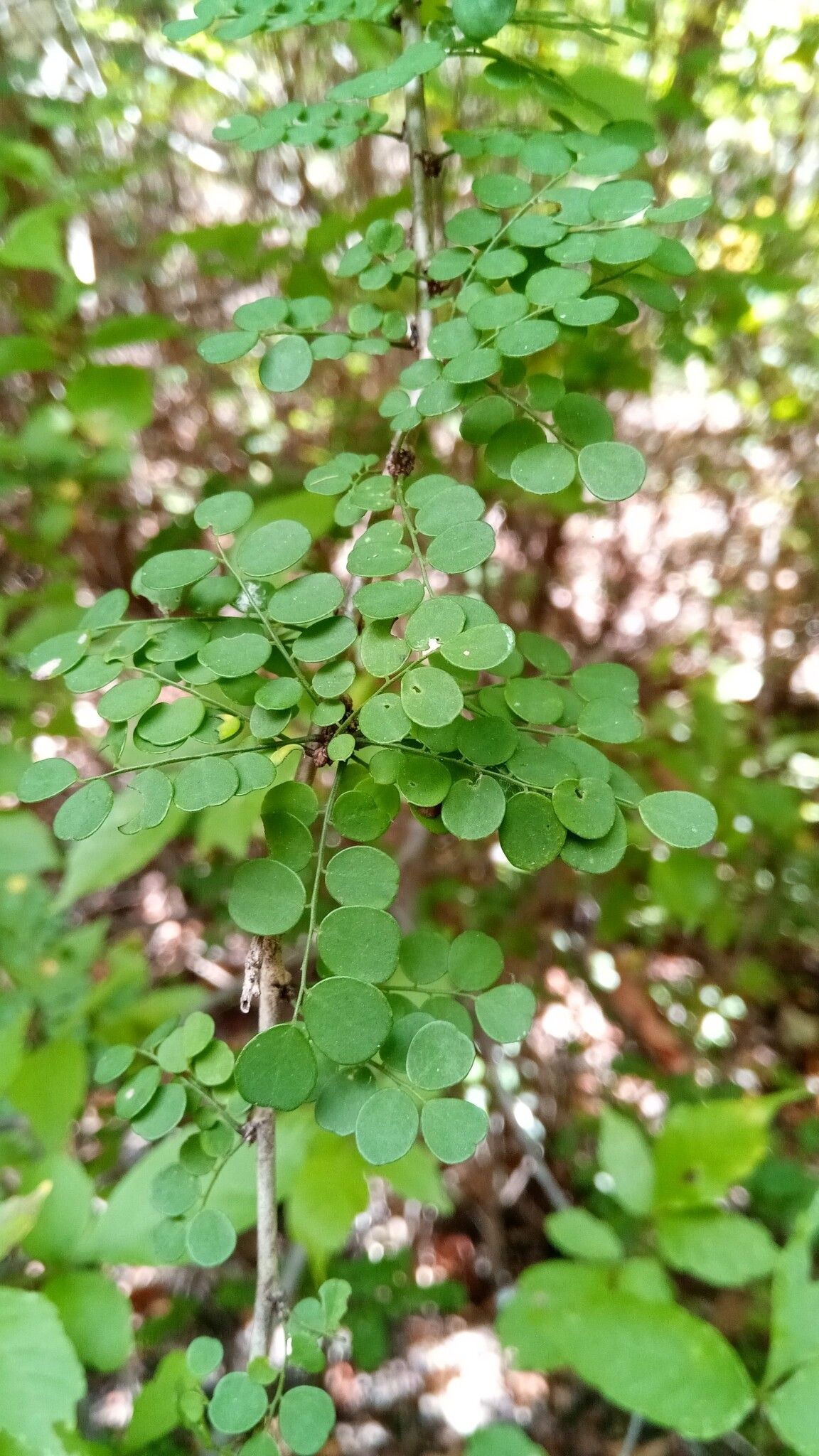
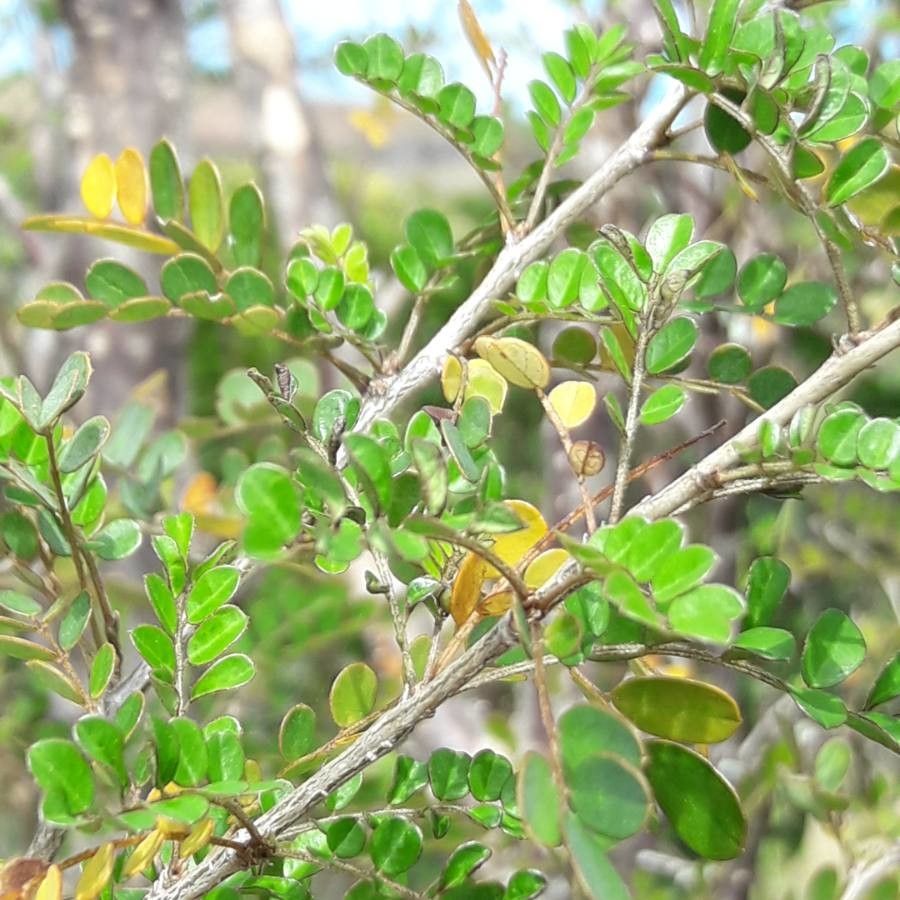
The small caterpillar-pod thrives in arid conditions due to its remarkable drought tolerance, requiring water only once every 2-3 weeks. As an evergreen plant, it retains its leaves throughout the year, which helps minimize water loss through transpiration and enhances its overall water conservation ability.
Temperature
The small caterpillar-pod comes from tropical areas, where the climate is generally warm and humid. Consequently, it is well adapted to high temperatures and humidity. It does not tolerate sudden temperature shifts and prefers a steady temperature environment, so temperature fluctuations indoors should be avoided. It typically cannot withstand cold and requires higher temperatures to grow. If the surrounding temperature falls too low, the plant may stop growing or even die.
Fertilizer
Fertilizing is essential for the care of Small caterpillar-pod. Regular feeding during the growing season maintains energy for its showy leaves and encourages overall growth. Failing to fertilize can lead to unhealthy foliage, reduced ornamental value, and stunted or weak growth that is more likely to break.
Pruning
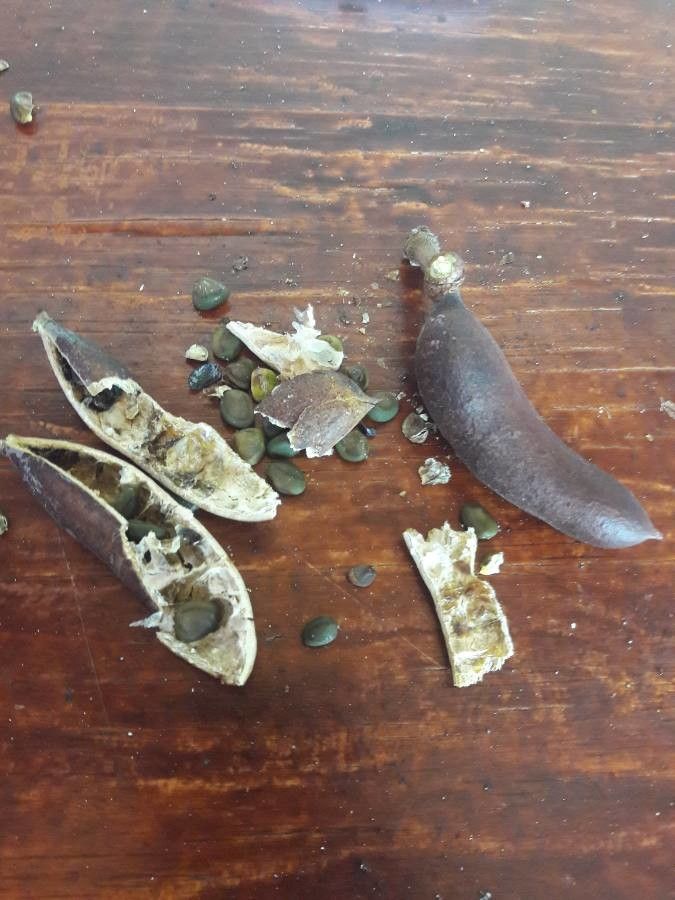
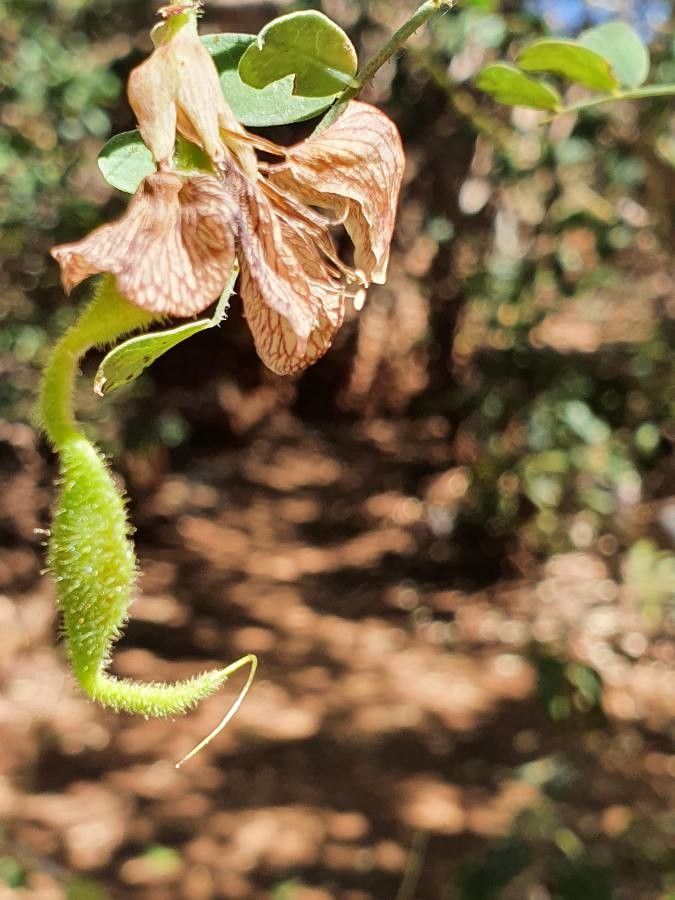
The small caterpillar-pod is a deciduous perennial shrub characterized by its woody stems and distinctive seed pods. To promote growth and enhance flowering, prune the plant from early to late winter. Focus on removing dead wood and addressing overcrowding, while also shaping the shrub. This will result in a healthier and more attractive plant by spring.
Botanical profile.
- Plant Type
- Tree, Shrub
- Life Cycle
- Perennial
- Genus
- Ormocarpum
- Family
- Fabaceae
- Hardiness Zone
- 10-12
- Mature Height
- 2.13 m to 9.14 m
- Mature Spread
- 2.13 m to 3.96 m
- Leaf Color
- Green, Dark Green
- Leaf Type
- Evergreen
- Flower Color
- Purple
- Flower Size
- 1.02 cm to 1.52 cm
- Bloom Time
- Late spring, Summer
- Planting Time
- Spring, Summer
- Harvest Time
- Late summer, Fall
- Native Area
- Malawi, Somalia, Mozambique, South Africa, Zambia, Namibia, Kenya, Congo (DRC), Tanzania, Zimbabwe
Other names.
Reader questions.
What are the sunlight requirements for plants?
Plants have varying needs for sunlight, usually categorized into full sun and partial sun requirements. Full sun means a plant needs more than 6 hours of direct sunlight per day, while partial sun refers to about 3-6 hours of sunlight. It's important to observe how sunlight moves through your garden to find the perfect spots that offer a balance of light and shade, ensuring your plants grow happily. This understanding helps in choosing the right location for each plant based on its specific sun exposure needs.
What are the essentials for growing a small caterpillar-pod?
The small caterpillar-pod, known botanically as Ormocarpum kirkii, typically grows in open environments like sunny meadows and forest edges, making the most out of ample light. It thrives best in full sun but is also capable of adapting to partial sun conditions. In scenarios where natural sunlight is not sufficient, artificial lighting can be a great alternative. Indoor plants benefit from artificial light sources, especially during the winter or in less sunny spaces. LED lights are often recommended due to their ability to provide specific wavelengths needed for plant growth. Depending on the plant's sunlight requirements, the artificial light intensity and duration should be adjusted accordingly.
What are the key symptoms of light deficiency in small caterpillar-pods?
Small caterpillar-pods, which flourish in full sunlight, show several symptoms when exposed to inadequate light conditions. These include smaller new leaves, longer spaces between leaves creating a leggy or sparse appearance, early leaf drop, halted growth, pale new leaves, chlorosis (yellowing leaves), sunscald, leaf curling, wilting, and leaf scorching. Each symptom signifies the plant's struggle with insufficient light, and identifying these signs early can help prevent further damage by adjusting the plant's light exposure.
How can I address light deficiency symptoms in small caterpillar-pods?
To combat light deficiency in small caterpillar-pods, it's crucial to gradually increase their exposure to sunlight. For indoor plants, this can be done by moving them closer to a south-facing window or supplementing with artificial light sources, making sure they receive at least 6 hours of direct sunlight daily. For outdoor plants, finding the optimal sunlight spot and moving them accordingly over time can help, but avoid drastic changes to prevent sunburn. In case sunlight is blocked by objects like trees, consider pruning to improve light penetration. Small plants can also be relocated during their dormant period to ensure better light access. Note that parts of the plant that were affected may not recover, but new growth should be healthy with improved light conditions.