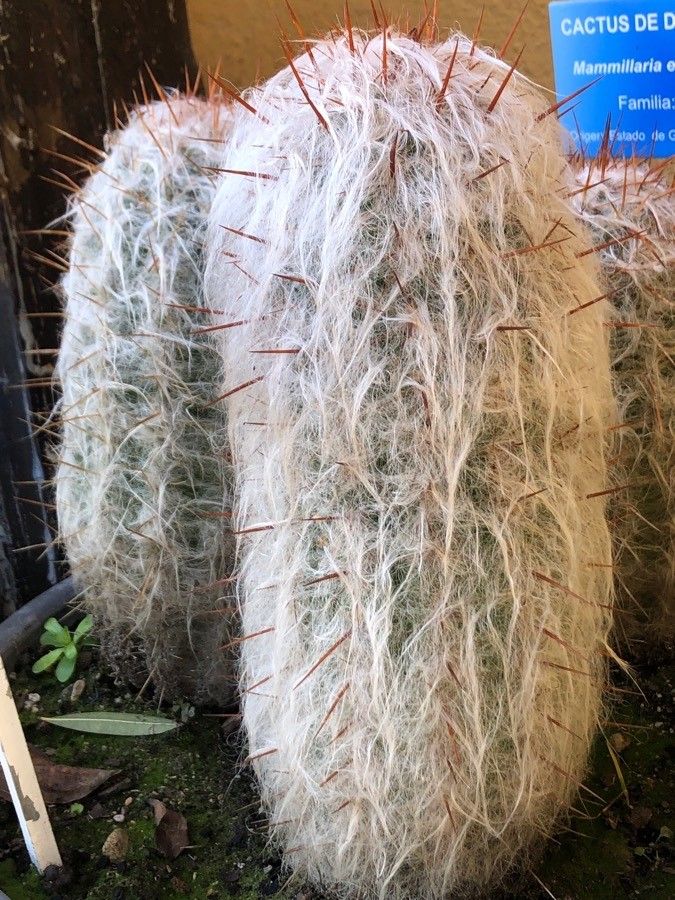
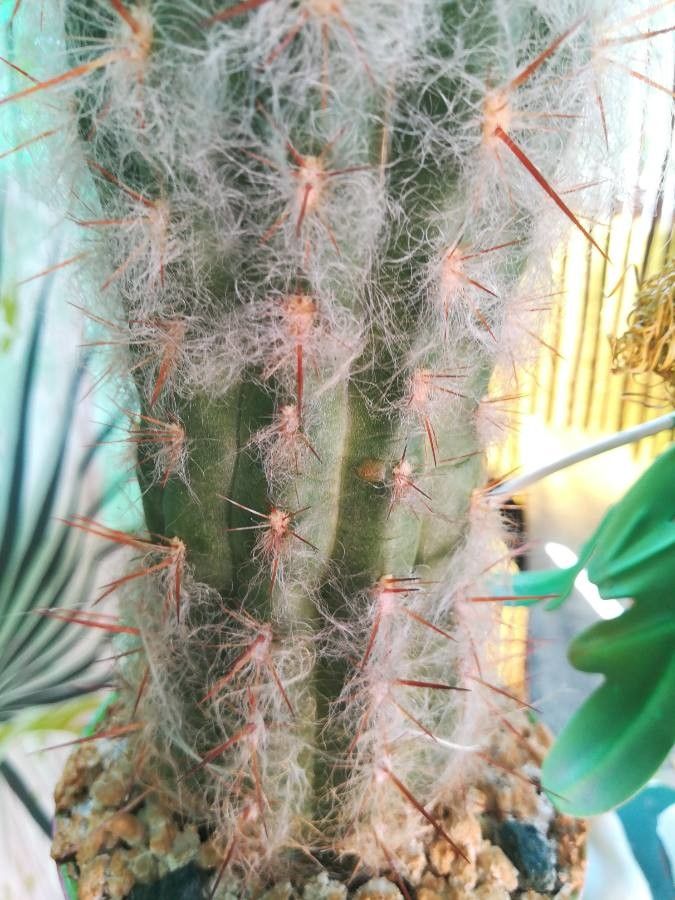
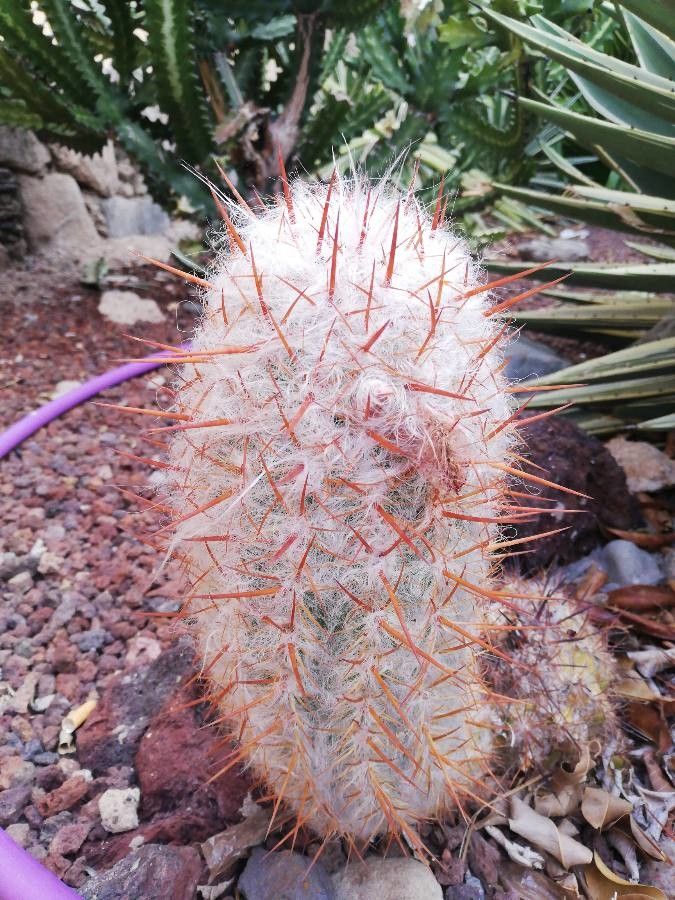
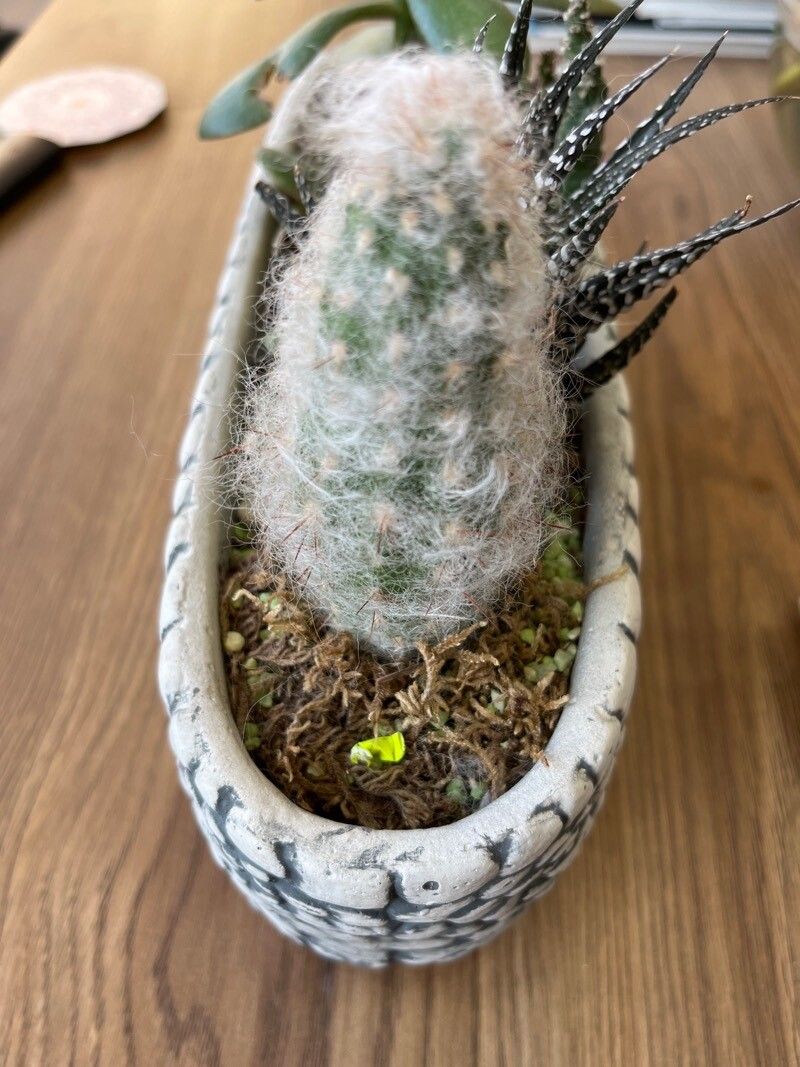
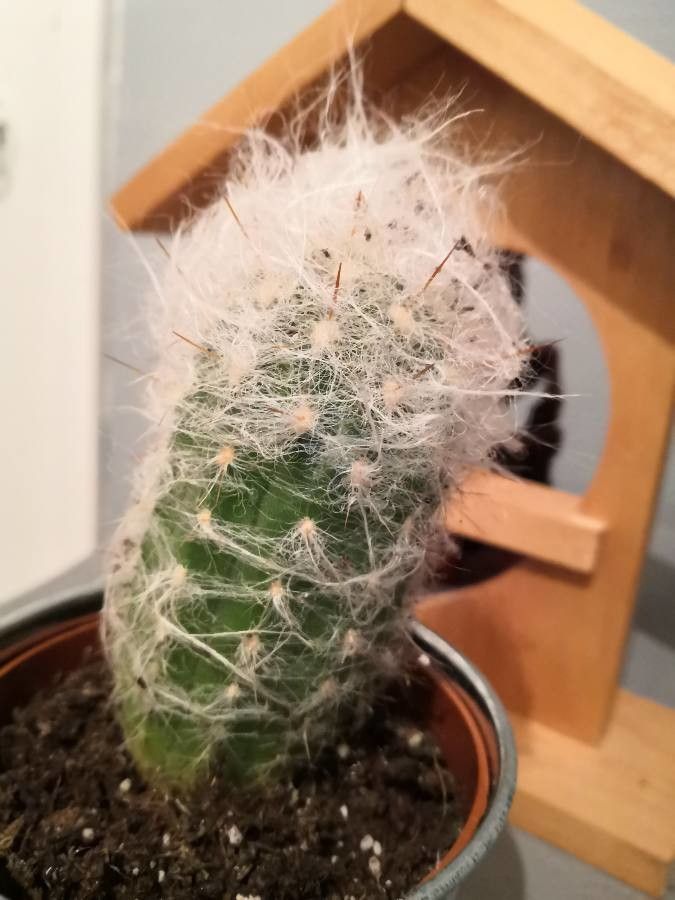
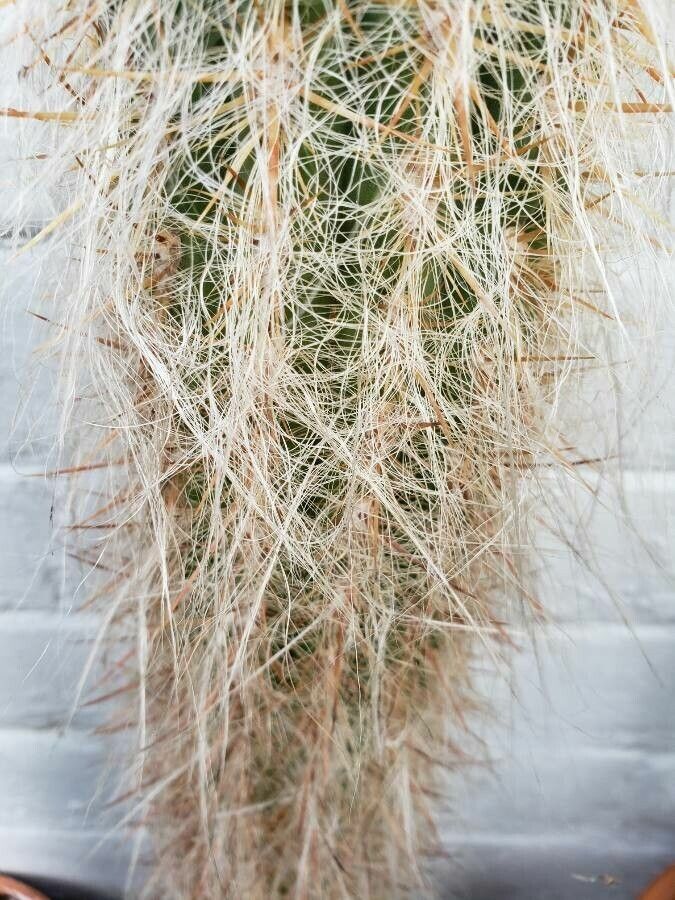
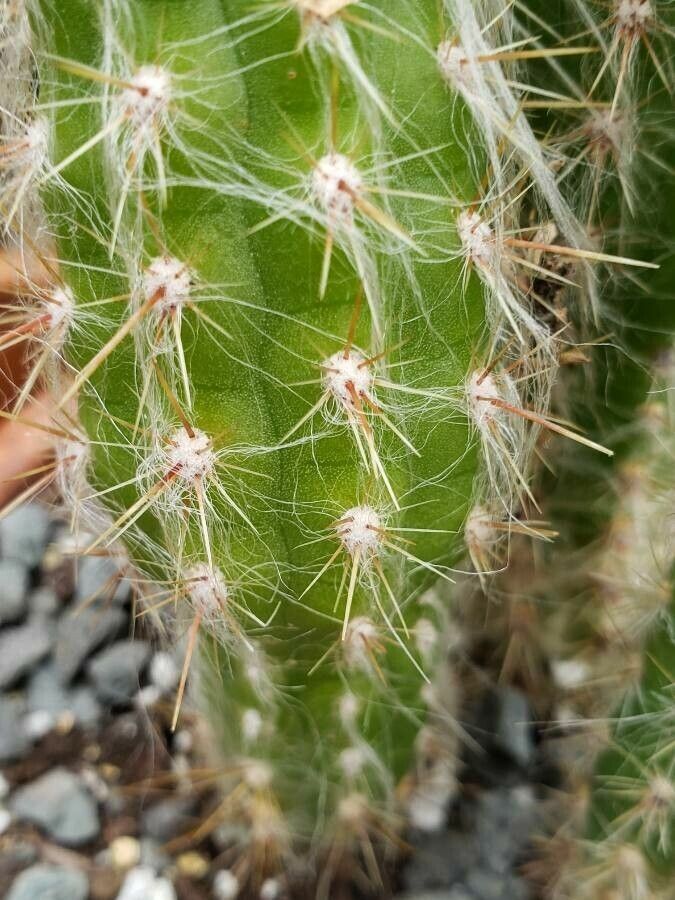
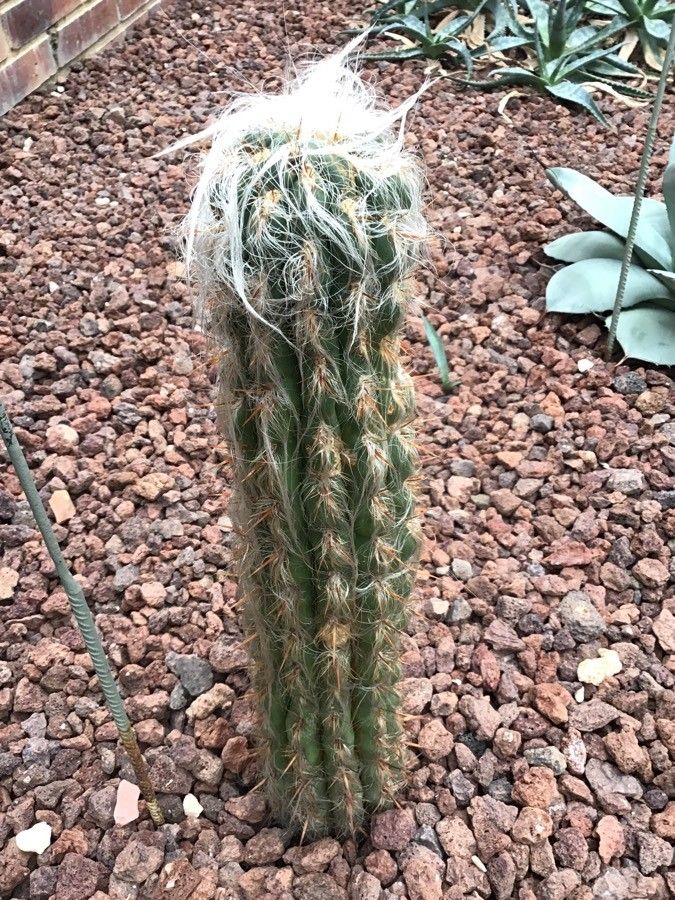
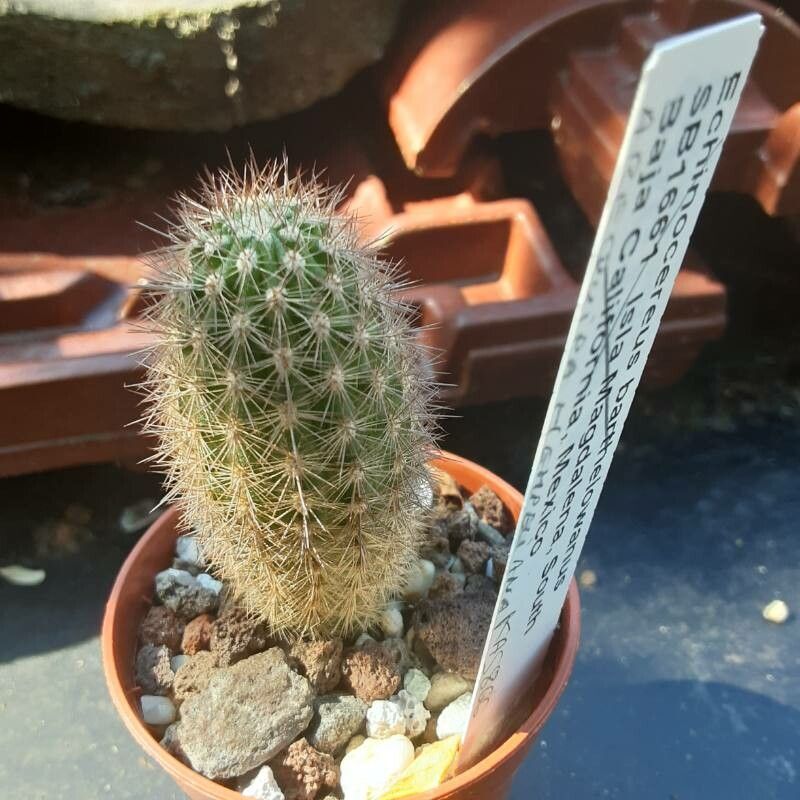
Oreocereus trollii is a cactus species belonging to the Cactaceae family. It is native to the high-altitude regions of Bolivia and Argentina, thriving in rocky and sandy soils. The plant has a cylindrical shape characterized by numerous ribs covered in spines, which can vary in color from yellow to brown. Its large, showy flowers come in shades of pink or purple.
This cactus species is well adapted to its harsh environment, capable of surviving extreme temperatures that range from freezing cold nights to scorching hot days. Additionally, it can store water within its thick stem for extended periods.
Oreocereus trollii is often grown as an ornamental plant thanks to its unique appearance and low maintenance requirements. It thrives in well-draining soil with plenty of sunlight but can also tolerate partial shade.
Moreover, this cactus species has been used for medicinal purposes by indigenous communities for centuries due to its anti-inflammatory properties. However, it is important to note that consuming any part of this plant in large quantities may be toxic.
Overall, Oreocereus trollii is a fascinating and resilient cactus species that adds beauty and character wherever it grows. When used responsibly and under medical supervision or guidance from a qualified herbalist or healthcare professional, it may also provide potential health benefits.
Oreocereus trollii is fairly disease-resistant and typically tolerates normal care without becoming ill. It can, however, be vulnerable to mealybugs; these pests may cause some damage but are usually not a serious threat. In terms of care, Oreocereus trollii is drought-tolerant and does not need frequent watering. It can endure long periods without water and requires little fertilizer. That said, if lighting is poor and the plant is overwatered, it is highly prone to root rot. Overall, Oreocereus trollii suits people who want to spend less time on plant care, though it is important to know and meet its basic needs. It is particularly well-suited for those who are away for long periods and may forget to water regularly.
How to keep Oreocereus Trollii.
Light
Oreocereus trollii, native to arid areas, flourishes in full sun; its natural habitat is marked by intense sunlight and very little shade. It will also tolerate partial sun, providing some flexibility in its growth.
Temperature
Oreocereus trollii does best in warm conditions and requires relatively high temperatures during the growing season to support growth and metabolic activity. It prefers plenty of sunlight, adequate moisture, and good air circulation. However, it can be damaged by temperatures that are too low or by overwatering. It is also important to maintain a balance and avoid both excessively high heat and overly dry conditions.
Fertilizer
For Oreocereus trollii, small amounts of fertilizer applied 1–2 times a year during the growing season are enough. Do not fertilize in winter or in summer when the plant is dormant. Use less fertilizer for plants that have been repotted and wait a couple of months after repotting before feeding. Fertilizing helps maintain healthy growth and encourages blooms.
Botanical profile.
- Plant Type
- Succulent
- Life Cycle
- Perennial
- Genus
- Oreocereus
- Family
- Cactaceae
- Hardiness Zone
- 7
- Mature Height
- 61 cm
- Mature Spread
- 10 cm
- Leaf Color
- Dark Green, Gray
- Leaf Type
- Evergreen
- Flower Color
- Pink, Red
- Flower Size
- 5.08 cm to 6.35 cm
- Bloom Time
- Summer
- Planting Time
- Spring, Summer
- Harvest Time
- Late summer, Early fall, Mid fall
- Native Area
- Bolivia
Other names.