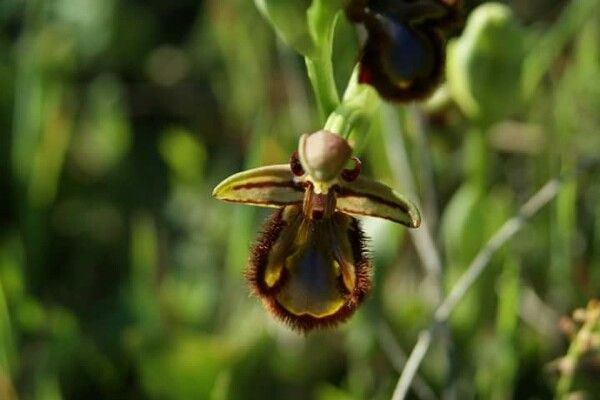
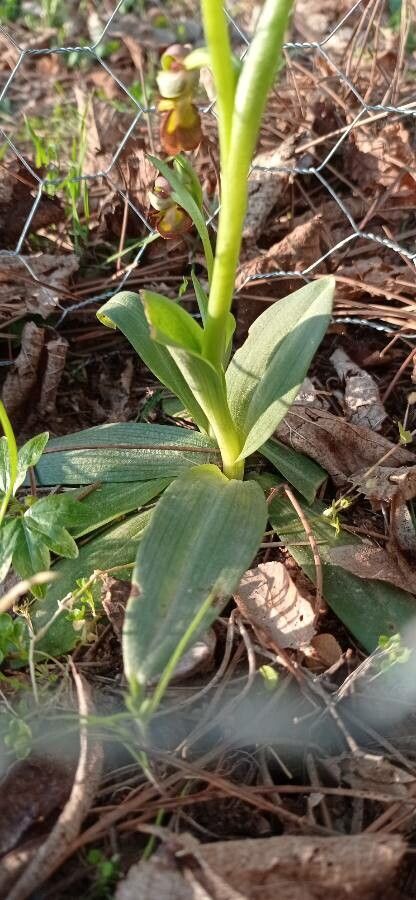
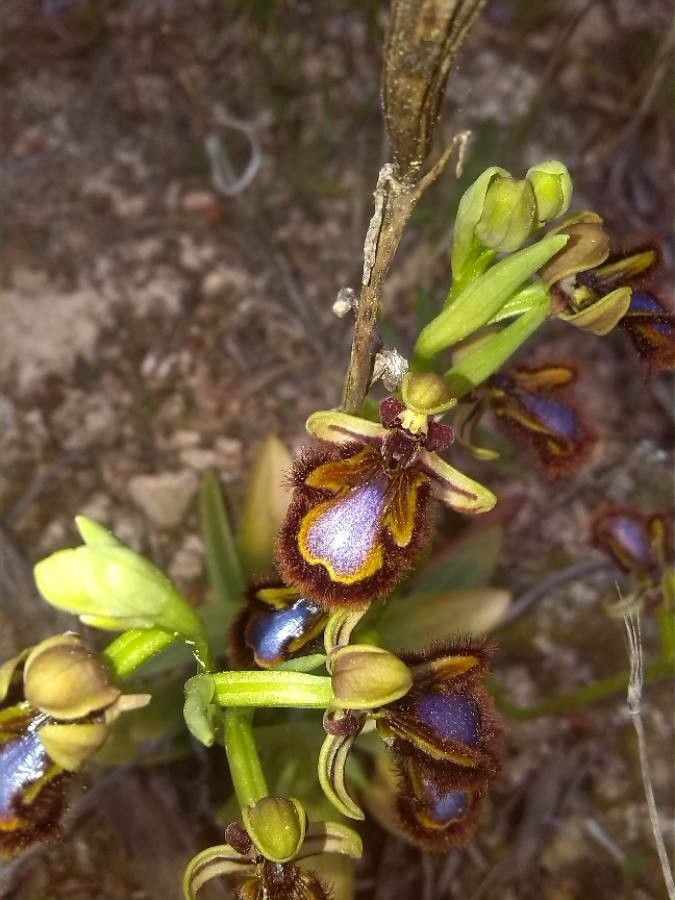
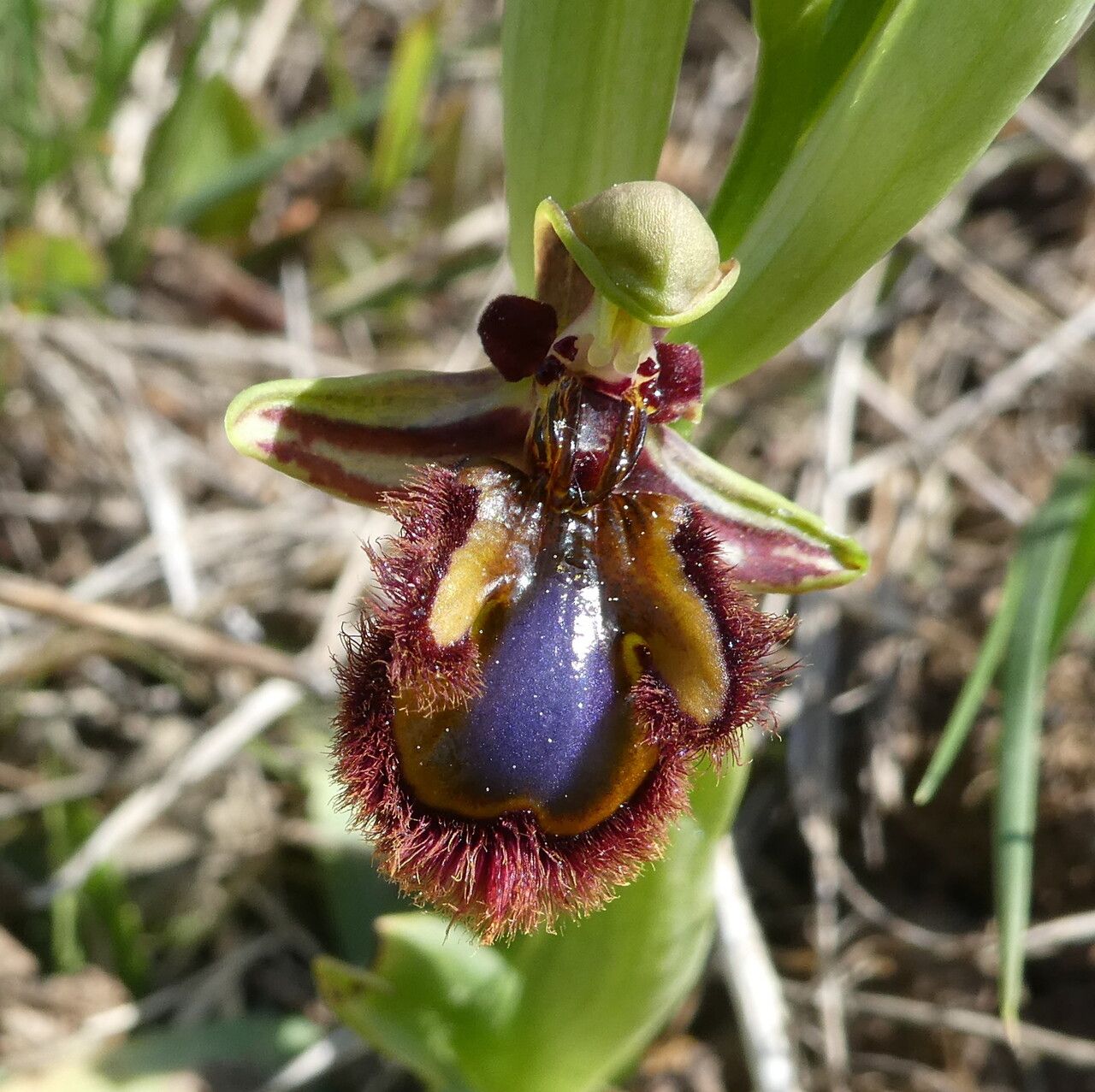
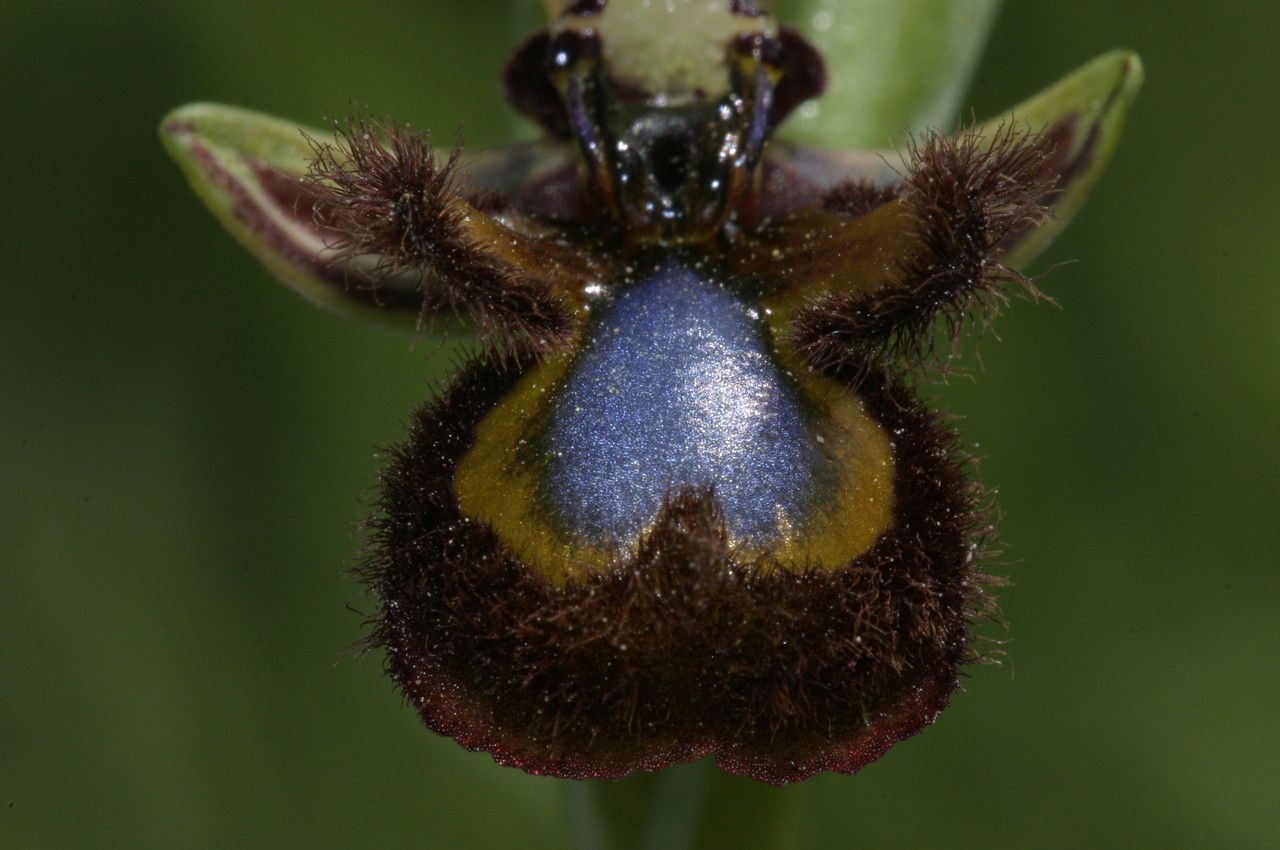
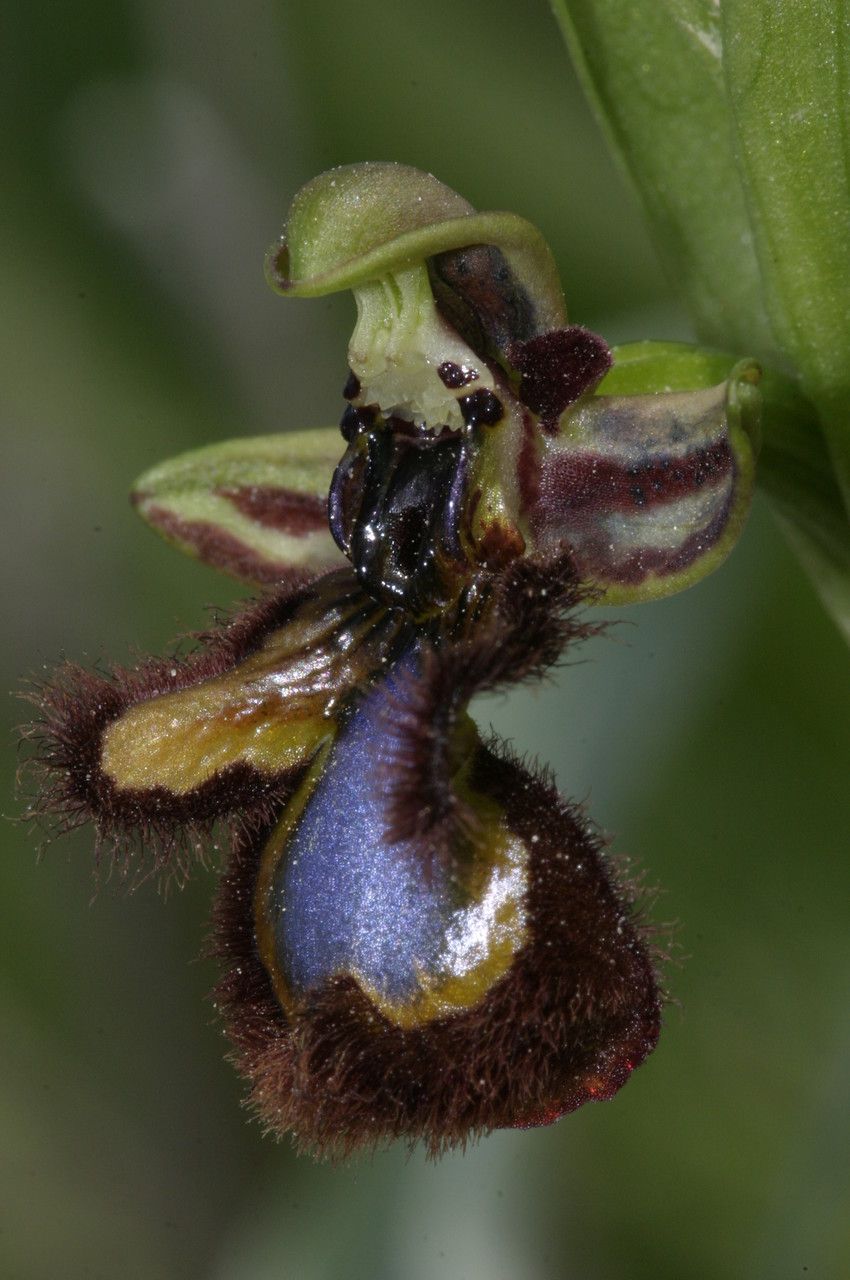
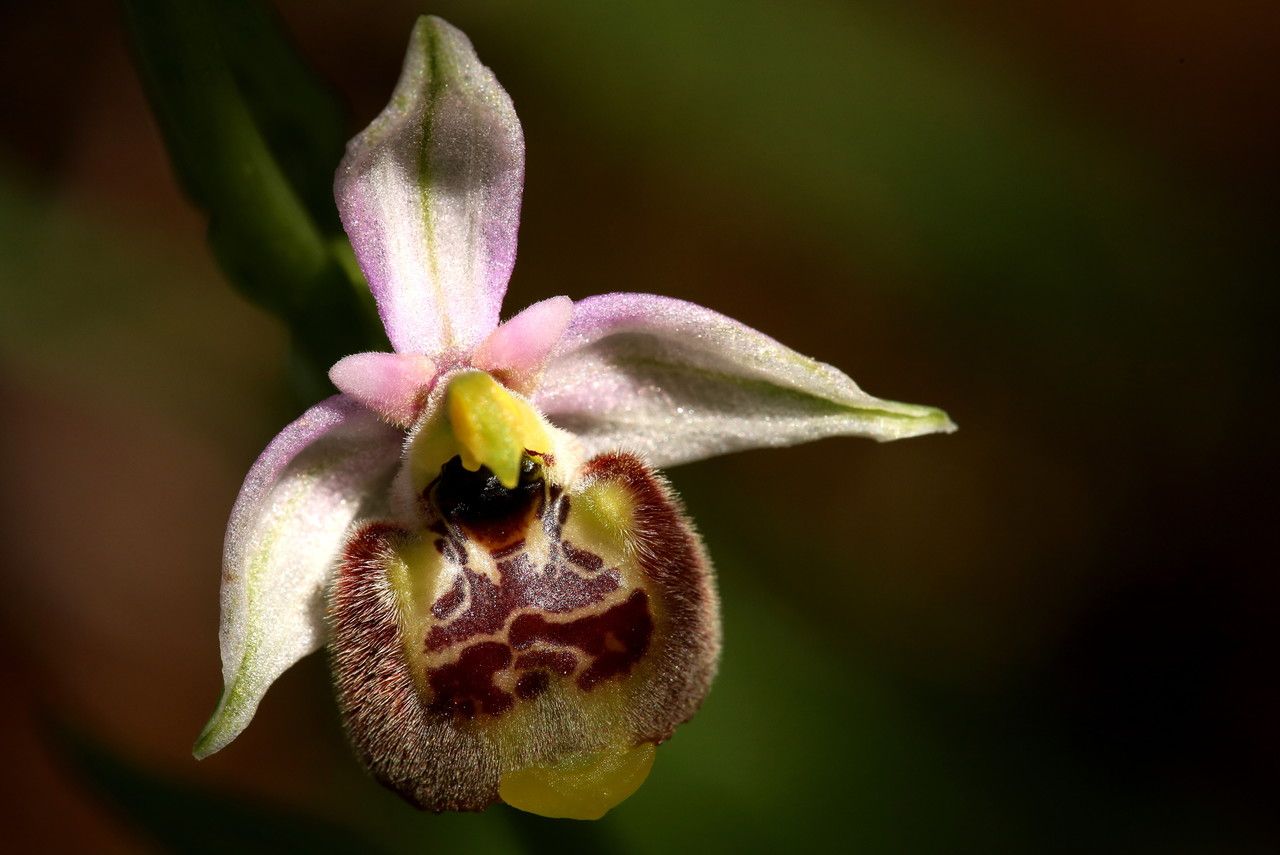
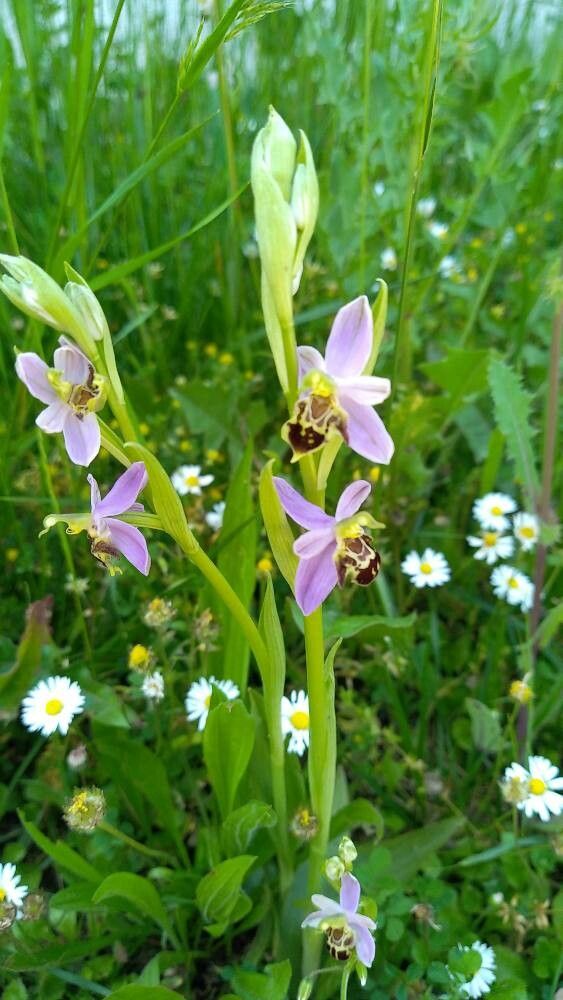
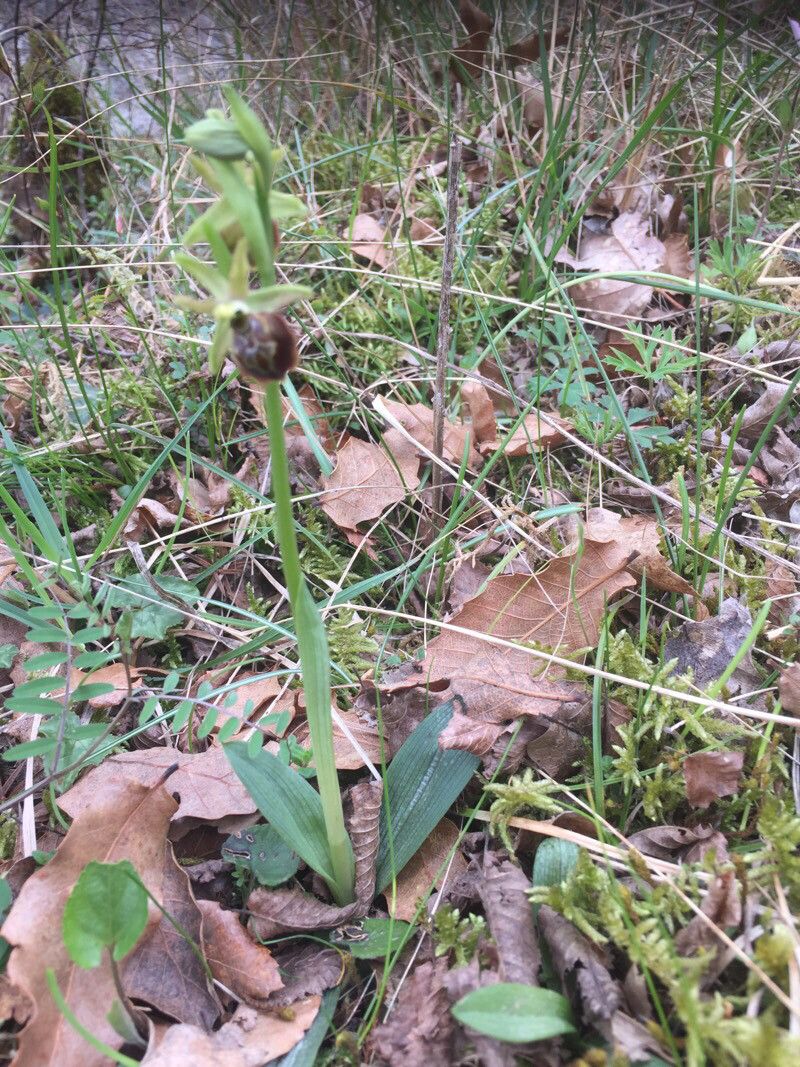
Ophrys speculum, the mirror orchid, is a species of Ophrys distributed throughout the Mediterranean that is pollinated exclusively by a single species of scoliid wasp.
Bertoloni's bee orchid is typically quite resistant to disease and is affected by relatively few insect pests. Its care is regarded as difficult, since it needs a very humid but well-ventilated environment with few harmful pathogens. Too much watering may cause root rot. Although anyone can grow Bertoloni's bee orchid, keeping it healthy and getting it to flower again requires more cultivation experience.
How to keep Ophrys Speculum.
Light
Bertoloni's bee orchid does best with plentiful light, though it tolerates moderate sun. A sufficient amount of sunshine is vital for its growth, health, and flowering. Its native habitat indicates it can adapt to different levels of sun exposure. Excessive or insufficient sunlight can limit its growth potential and harm its overall well-being.
Water
The mirror orchid, well-suited to Mediterranean climates, requires minimal watering. To maintain its moisture levels, it only needs hydration once a week. This orchid thrives outdoors in natural light and is quite resilient throughout the growing season. Its water needs adjust according to the surrounding humidity and occasional rainfall.
Temperature
Bertoloni's bee orchid is native to temperate regions where temperatures range from 50 to 95 °F (10 to 35 °C). The plant's adaptability means specific heat adjustments are seldom required, although extreme temperatures should be avoided.
Fertilizer
For Bertoloni's bee orchid, the ideal time to fertilize is in early spring while the flowers are developing. The proper fertilizer promotes better blooms and helps Bertoloni's bee orchid produce attractive flowers. Fertilizing in early spring ensures high-quality flowers during the season and supplies energy for dormant growth phases.
Pruning
The mirror orchid boasts striking blue and yellow flowers and requires minimal pruning. The best time to prune is from early to late spring. To encourage healthy growth and good airflow, remove spent flowers and any damaged leaves. Use clean, sharp tools and handle the plant gently to avoid damaging the stems. For more specific guidance, consult local experts or guides.
Botanical profile.
- Plant Type
- Herb
- Life Cycle
- Perennial
- Genus
- Ophrys
- Family
- Orchidaceae
- Hardiness Zone
- 6-9
- Mature Height
- 46 cm
- Mature Spread
- 10 cm to 20 cm
- Leaf Color
- Green, Dark Green
- Leaf Type
- Semi-evergreen
- Flower Color
- Pink
- Flower Size
- 2.54 cm
- Bloom Time
- Mid spring, Late spring
- Planting Time
- Spring, Summer
- Harvest Time
- Early summer, Mid summer
- Native Area
- Italy, Albania, Greece
Other names.
Reader questions.
How should I water my Mirror orchid to keep it healthy?
Depending on the growth phase of your Mirror orchid, the way you water it may vary. If the plant is actively growing, you should water the soil and occasionally water from above if it's warm to help the plant absorb moisture through its leaves. However, in winter or cool and wet weather, it's better to solely water the soil and avoid overhead watering. You can tell if the orchid needs more water if its roots and leaves become dry or discolored. On the other hand, if the orchid receives too much water, it will appear mushy and limp. It's important to grow the Mirror orchid in a pot with good drainage. During the growing season, water it multiple times per week, ensuring each watering drains quickly to avoid standing water. The amount of water needed depends on the pot size; larger pots require less frequent watering while smaller pots need slightly more frequent watering. The best options for watering this plant are rainwater and distilled water, ideally matching the temperature of the air as closely as possible.
Why should I add fertilizer to my Mirror orchid?
Fertilization is important for the Mirror orchid because it provides essential nutrients for the plant's growth. While the overall fertilization needs for a Mirror orchid are relatively low, annual fertilization can greatly benefit the plant. It helps to keep the plant alive and can also improve the quality and longevity of its flowers. Therefore, those who want their Mirror orchid to thrive and produce beautiful flowers should make sure to fertilize it annually.
What kind of sunlight does a Mirror Orchid need?
The Mirror Orchid requires partial sun, equating to about 3-6 hours of sunlight daily. It's essential to observe the movement of sunlight through your garden to find spots that offer this balance between light and shade, as too much sun can harm the plant. Originating from environments with moderate sun exposure, the orchid prefers similar conditions throughout its growth stages. Inadequate sunlight disrupts its development, necessitating adjustments for indoor plants, such as using artificial lighting when natural light is insufficient.
What temperature range is ideal for the growth of a Mirror Orchid?
The Mirror Orchid thrives in temperatures ranging from 59 to 95 °F (15 to 35 °C). This temperature range is ideal for its growth, and adjustments may need to be made to accommodate seasonal shifts in temperature. The plant has strong cold resistance and usually does not require special frost protection measures during winter. However, if temperatures are expected to drop below -15°C, it's important to provide cold protection by covering the plant with materials such as soil or straw. Before the first freeze in autumn, watering the plant abundantly to ensure the soil remains moist can help prevent drought and water scarcity during winter and early spring.
What do I do if I give my Mirror orchid too much or too little water?
To prevent your Mirror orchid from dying, it is important to avoid keeping it in excessively moist soil. While these plants require frequent watering during growth, they also need a well-draining growing medium. Overwatering can cause the plant to become mushy and develop root rot. If this happens, you can use sterile pruning shears to remove any rotted roots. Afterward, repot the orchid in a container with good drainage and fill it with a fast-draining potting mix. However, repotting too often can be detrimental to the Mirror orchid, so it is crucial to find the right watering balance. If your orchid is underwatered, it will shrink and feel dry to the touch. In this case, you should increase your watering frequency as the soil may be drying out faster than expected.
When should I fertilize my Mirror orchid for the best results?
The best time to fertilize a Mirror orchid is during late winter to early spring when it transitions from dormancy to active growth. Fertilizing at this time promotes healthy growth and sets the plant up for a successful season. Fertilizing in the fall is also an option, but it is not recommended during the summer or winter.
How can artificial lighting be used for Mirror Orchids?
For indoor Mirror Orchids not receiving enough natural sunlight, especially during winter or in less sunny spaces, artificial lights can be a critical solution. LED lights are recommended because they can be tailored to provide specific light wavelengths needed by the plants. The intensity of light should range from 10-50W per square foot depending on whether the plant is considered full sun, partial sun, or full shade. Position the light source 12-36 inches above the plant to mimic sunlight and ensure it receives 8-12 hours of light daily to promote healthier growth.
How does low temperature affect the Mirror Orchid and what are the solutions?
The Mirror Orchid is cold-tolerant and prefers temperatures above 15°C. During winter, it should be kept above -10°C. If temperatures fall below -15°C, there may not be noticeable changes during the winter, but there could be a decrease in sprouting or even no sprouting in spring. The solution is to remove any parts that have failed to sprout in spring, which helps the plant recover and grow properly.
How much water does my Mirror orchid need?
During the active growth stage in spring and summer, water your Mirror orchid once or twice per week. Increase watering to three times per week or more during hot and dry weather. In winter, water less frequently - about two to three times per month. If you keep your orchid indoors during winter, be aware that indoor environments may cause the soil to dry out faster, so you may need to water more often. In fall, gradually decrease watering from summer to winter levels.
When is it best to not use fertilizer on my Mirror orchid?
To ensure proper care for your Mirror orchid, remember to fertilize only during late winter and early spring. This plant has low fertilization needs and typically requires only one annual feeding. Fertilizing throughout spring, summer, and fall can lead to overfertilization and its associated problems, unless you missed fertilizing in spring, in which case it is acceptable to feed the plant in the fall. Additionally, it is not necessary to fertilize the orchid during the winter, as it enters a dormant growth phase with no new growth. Therefore, fertilizing during most of the winter is not recommended.
What are the symptoms of light deficiency in Mirror Orchids?
Light deficiency in Mirror Orchids can lead to several symptoms indicating the plant's struggle to adapt. New leaves might grow smaller, creating an overall sparse and weak appearance due to leggy or sparse growth. The plant may exhibit faster leaf drop as it conserves resources for new growth. There could be a delay or cessation in new growth and lighter-colored new leaves due to insufficient sunlight, indicating a lack of chlorophyll and essential nutrients. Other symptoms like chlorosis, sunscald, leaf curling, wilting, and leaf scorching suggest either too much or too little light exposure.
What impact does high temperature have on a Mirror Orchid and how can it be mitigated?
During the summer, it's crucial to keep the Mirror Orchid below 35°C. Exceeding 41°C can cause the leaves of the plant to lighten in color, curl, become prone to sunburn, and in severe cases, the entire plant may wilt and dry out. To mitigate these effects, trim away sunburned and dried-up parts of the plant. Relocate the plant to a location that provides shade, especially from the midday and afternoon sun, or use a shade cloth. Ensure the soil remains moist by watering the plant in the morning and evening.