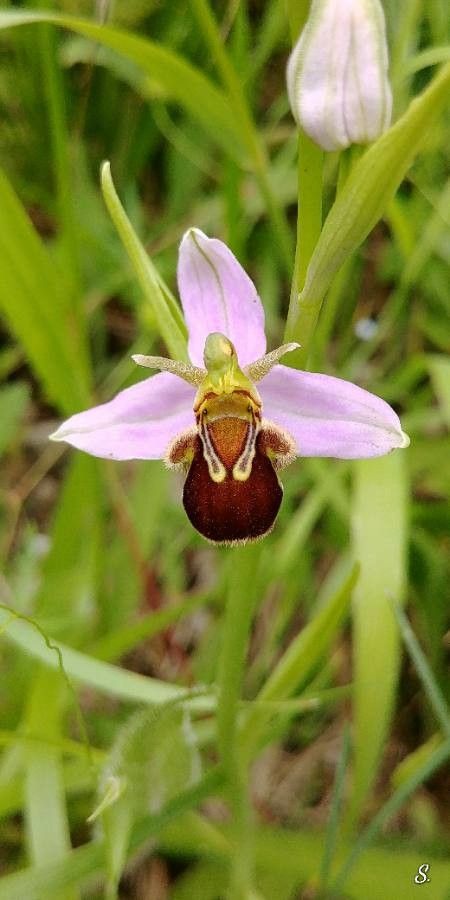
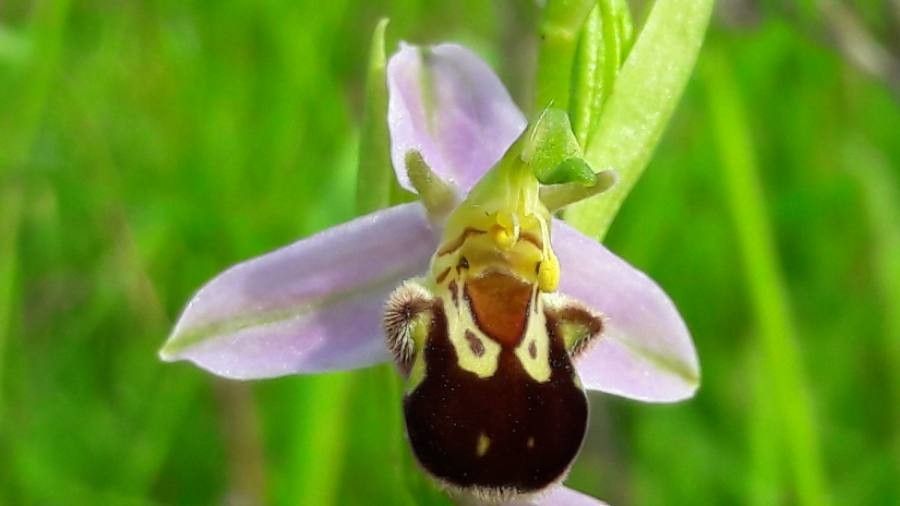
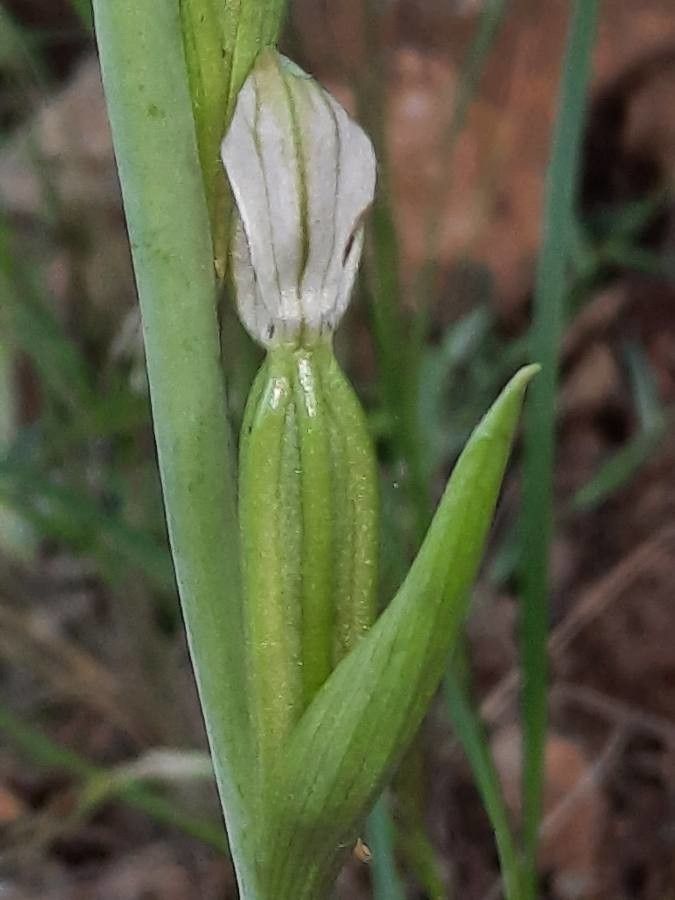
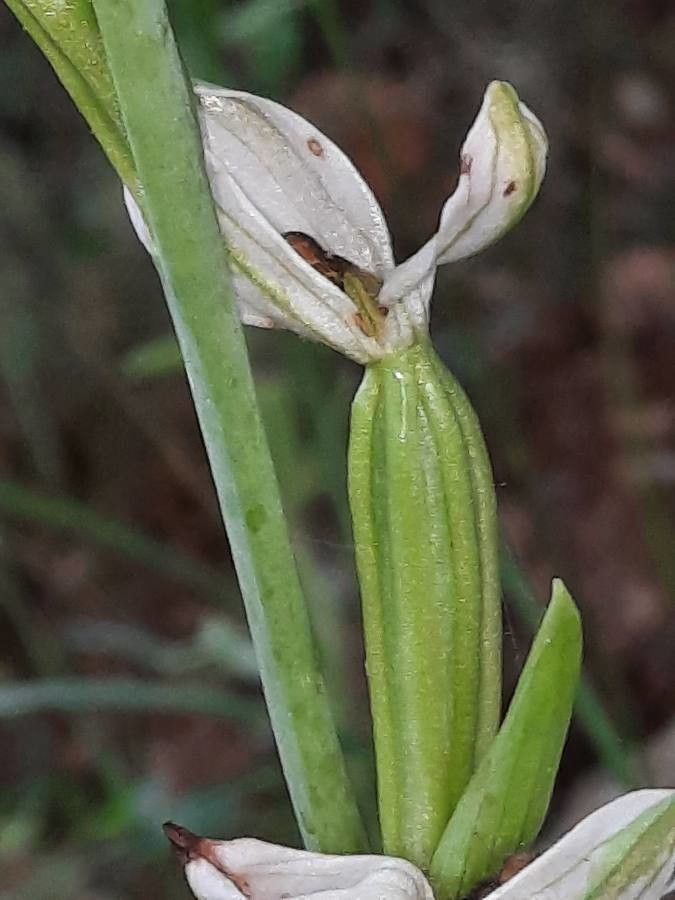
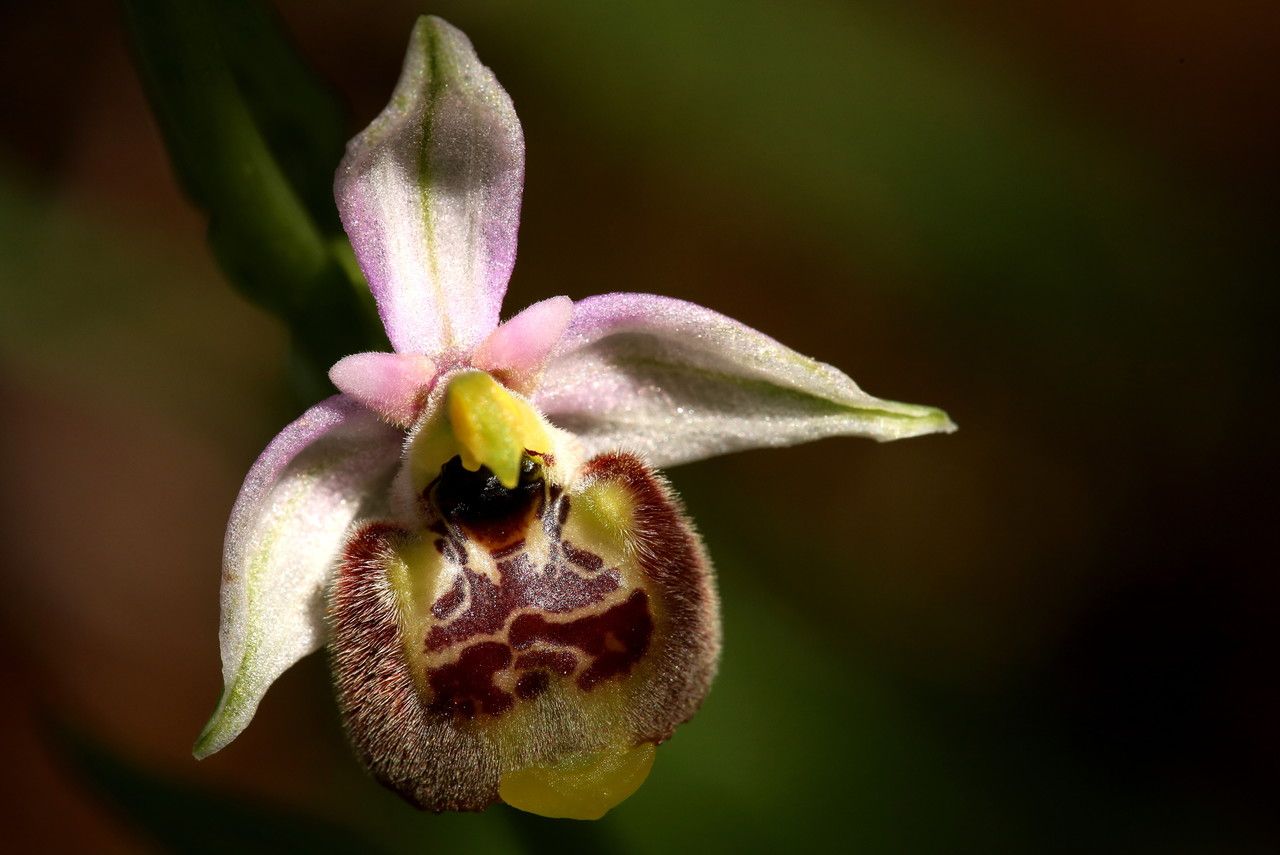
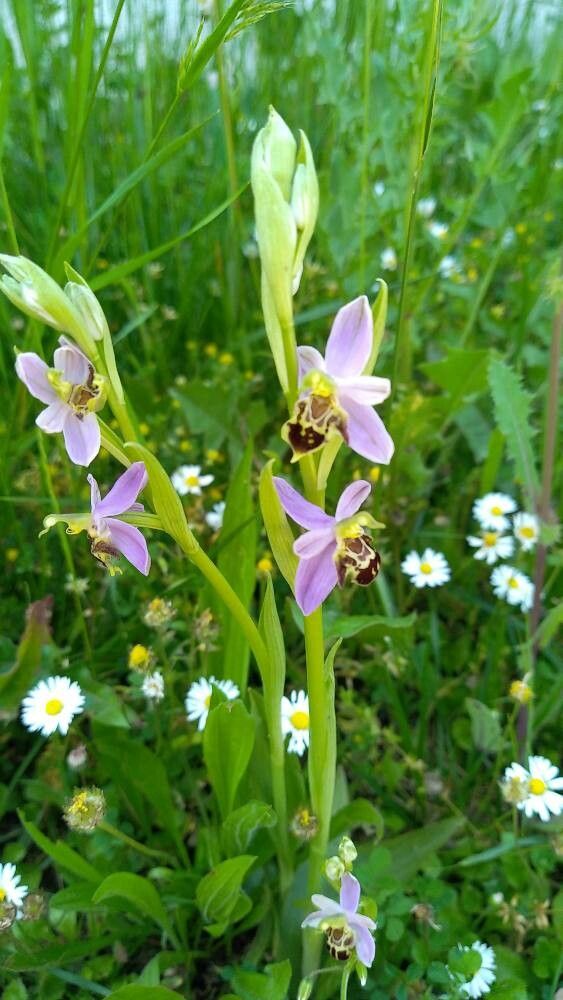
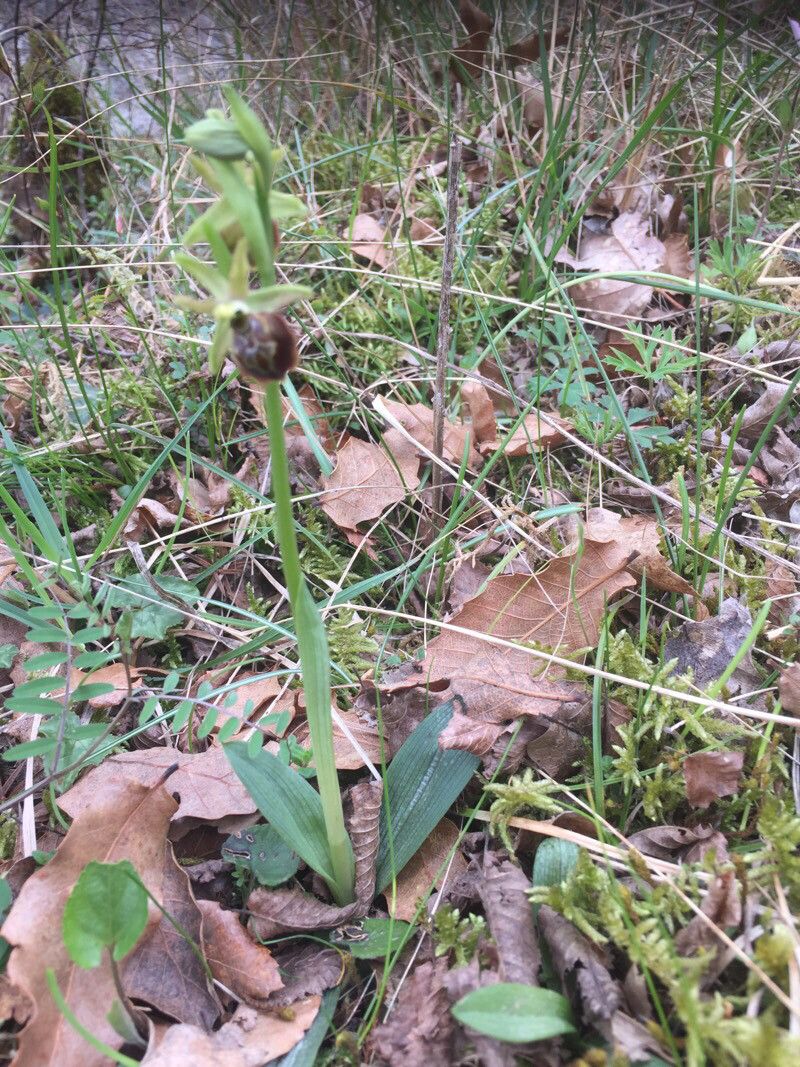
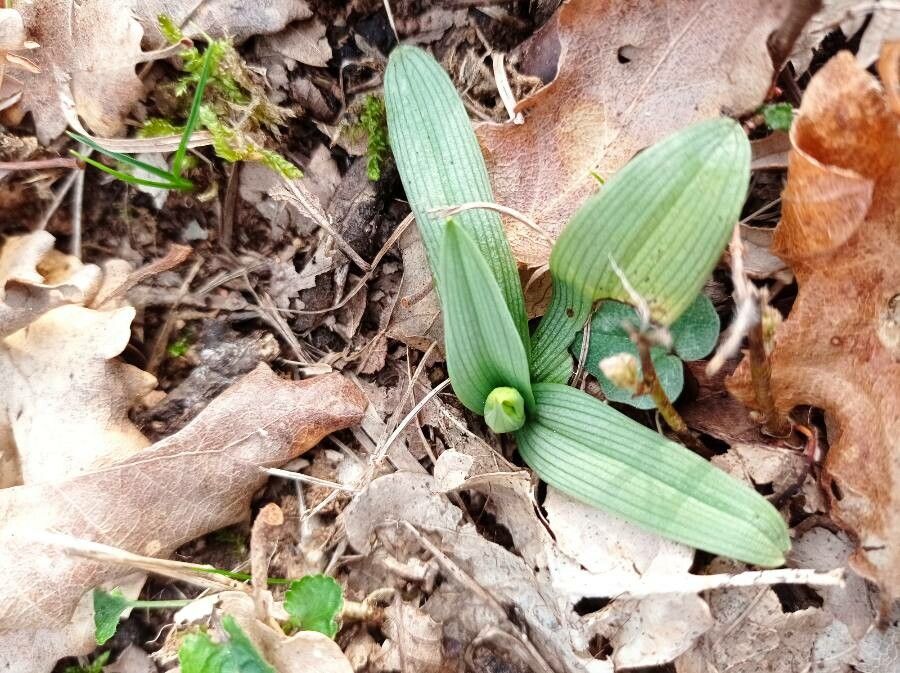
Ophrys apifera, commonly known as the bee orchid, is a perennial orchid species native to Europe and parts of North Africa. It typically grows up to 30 cm tall and produces one or two flowers per stem. The flower's unique appearance, which mimics a female bee with its wings spread open, attracts male bees. These bees attempt to mate with the flower, thereby inadvertently aiding in its pollination.
The bee orchid thrives in well-drained soils and is often found in grasslands, meadows, and open woodlands. Its blooming period is from May to July, and it is easily recognizable by its distinctively shaped flowers.
In some cultures, the bee orchid has been used medicinally to treat various ailments, including respiratory and digestive issues. However, it is important to note that consuming any part of the plant can be toxic if ingested in large quantities.
Overall, Ophrys apifera is a fascinating species, notable for its evolved floral mimicry that enhances its pollination success.
The Bee orchid is generally resistant to disease and is affected by relatively few insect pests. Its care is considered challenging because it needs an environment with high humidity yet good ventilation and minimal harmful pathogens. Overwatering can cause root rot. Growing the Bee orchid is suitable for anyone, but keeping it healthy and getting it to flower again demands more growing experience.
How to keep Ophrys Apifera.
Light
The health and development of bee orchid flourish best when exposed to sunlight areas that impart a diffused daily brightness, although they possess enough resilience to endure increased solar input. As confirmed by their native habitat, different degrees of light do not heavily influence their stages of growth. Nevertheless, either a severe absence or excessive presence of light can stunt their growth or lead to a change in color.
Water
The bee orchid thrives in Mediterranean climates and prefers to be watered infrequently, requiring hydration only every 1-2 weeks. It flourishes in well-drained soil that mimics the sporadic rainfall of its native habitat. This allows the plant to conserve resources during dry periods and adapt to seasonal precipitation patterns.
Temperature
Bee orchid is innately suited to temperate climates, flourishing in temperatures between 50 and 95 °F (10 to 35 ℃). To promote growth in less suitable environments, cautiously alter temperatures to imitate these levels through the changing seasons.
Fertilizer
The best period to fertilize Bee orchid is at the beginning of spring when the blossoms are taking shape. The appropriate fertilizer promotes superior blooms and assists the Bee orchid in yielding beautiful flowers. Fertilization at the onset of spring guarantees remarkable flowers throughout the season and supplies energy for inactive growth stages.
Pruning
The bee orchid, known for its bee-like flowers, requires minimal pruning. To encourage growth, remove any dead or damaged leaves from early to late spring, being careful not to cut the flowering stems so as to preserve the plant's ability to produce seeds. Light pruning can enhance the plant's health and appearance. For the best care and blooming conditions, consult horticultural resources.
Toxicity
Ophrys apifera has no toxic effects reported.
Further reading →
The toxicity and danger assessments provided are for reference only. We do not assure their accuracy, so it's crucial not to depend on them. Seek professional advice when necessary for accurate guidance.
Botanical profile.
- Plant Type
- Herb
- Life Cycle
- Perennial
- Genus
- Ophrys
- Family
- Orchidaceae
- Hardiness Zone
- 6-9
- Mature Height
- 15 cm to 49 cm
- Mature Spread
- 0 cm to 10 cm
- Leaf Color
- Green
- Leaf Type
- Deciduous
- Flower Color
- Pink, Purple, White
- Flower Size
- 2.54 cm
- Bloom Time
- Late spring, Early summer
- Planting Time
- Spring, Autumn
- Harvest Time
- Mid summer, Late summer
- Native Area
- Libya, Tunisia, Austria, Czech Republic, Slovakia, Montenegro, Cyprus, Greece, Croatia, Slovenia, Morocco, Lebanon, Russia, Serbia, Hungary, Germany, Syria, Italy, Spain, Switzerland, Netherlands, France, Albania, Ireland, United Kingdom, Romania, Algeria, Belgium, Portugal
Other names.
Reader questions.
How should I water my Bee orchid?
The watering needs of your Bee orchid depend on its growth phase. During active growth, water the soil and occasionally water overhead if it's warm. In winter or cool, wet weather, stick to watering the soil directly. Look out for signs of needing water such as thin, dry roots and leaves or discoloration. Too much water can make the orchid mushy and limp. Use a well-draining potting mix and ensure the pot has good drainage. Water multiple times per week during the growing season but make sure it drains quickly. Adjust the amount of water based on the pot size. Use rainwater or distilled water, matching the water temperature to the air if possible.
Why should I put plant food on my Bee orchid?
Fertilization is important to the Bee orchid for a few reasons. It provides key nutrients that help the plant grow above and below ground. While Bee orchids have relatively low fertilization needs and can survive without it, annual fertilization is beneficial. It helps keep the plant alive and may improve the quality and lifespan of its flowers. Those wanting their Bee orchid to flourish should consider annual fertilization.
What are the sunlight requirements for Bee Orchid?
Bee Orchids thrive in areas that receive partial to full sun exposure. Partial sun refers to about 3-6 hours of sunlight a day, while full sun means the plant should receive more than 6 hours of sunlight daily. Observing the movement of sunlight through your garden helps in choosing spots that offer a perfect balance for the plant's needs, which is crucial for its growth and health.
What are the ideal temperature conditions for growing Bee orchid?
Bee orchid, or Ophrys apifera, is well adapted to moderate climates and grows best in temperatures ranging from 50 to 95 °F (10 to 35 °C). To achieve optimal growth, it is recommended to adjust temperatures conservatively to mimic these conditions throughout the year. The plant has strong cold resistance and generally does not require special frost protection measures. However, in areas where winter temperatures are expected to fall below -25°C, protective measures such as covering the plant with soil or straw are important. It is also advisable to water the plant abundantly before the first freeze in autumn, ensuring the soil is moist as it enters a frozen state. This practice helps prevent drought and water scarcity for the plant during the winter and early spring.
What should I do if I give my Bee orchid too much or too little water?
To avoid killing your Bee orchid, it is important to avoid keeping the soil too moist for too long. While these plants need frequent watering during active growth, they also require well-draining soil. Overwatering can lead to the plant becoming mushy and developing root rot. In such cases, you can use sterilized pruning shears to remove any rotted roots. Afterward, it is recommended to repot the Bee orchid in a container that allows for proper drainage and filled with a fast-draining potting mix. However, excessive repotting may not be beneficial for the Bee orchid, so it is crucial to find the right balance in watering. If you notice the orchid becoming dehydrated and dry to the touch, it is likely because the soil is drying out faster than expected. In this case, adjusting your watering frequency to increase moisture is necessary.
When should I fertilize my Bee orchid?
The best time to fertilize a Bee orchid is in the late winter to early spring when it is emerging from its dormant phase and starting to actively grow. Fertilizing at this time promotes healthy growth and sets it up for a successful season. Although it is generally recommended to fertilize in early spring, it is also acceptable to fertilize in the fall. However, it is not recommended to fertilize during the summer or winter seasons.
How does sunlight affect the growth of Bee Orchids?
The growth and health of Bee Orchids are maximized in sunlit areas that provide a filtered daily glow, although they can also withstand more direct sunlight. Originating from varied light-level habitats, Bee Orchids are quite adaptable, and light levels don't majorly impact their growth stages. Nonetheless, extreme conditions of too little or too much sunlight can lead to growth stunting or discoloration.
How does Bee orchid respond to low temperatures and what are the recommended solutions?
Bee orchid is cold-tolerant and functions best when the temperature stays above 10°C. During the winter months, it is crucial to keep the temperature above -15°C. If the temperature drops below -25°C, Bee orchid may not show immediate damage, but it may experience decreased sprouting or fail to sprout altogether in the spring. The recommended solution is to remove any parts of the plant that fail to sprout in the spring, allowing for healthy regrowth.
How often do I need to water my Bee orchid?
During the spring and summer months, when your Bee orchid is actively growing, it's best to water it once or twice per week. If there's hot and dry weather for a long time, you might need to water it three times per week or more. In the winter, you still need to water the Bee orchid, but not as often. Two to three times per month should be enough during the cold months. However, if you keep the Bee orchid indoors in winter, keep in mind that indoor environments can make the soil dry out faster. This means you might need to water it more frequently. As fall approaches, you can gradually decrease the frequency of watering from multiple times per week to the reduced winter schedule.
When is it best to not put fertilizer on my Bee orchid?
To avoid overfertilization and its complications, it is best to fertilize your Bee orchid only during late winter and early spring. These plants have low fertilization needs, so a single annual feeding is sufficient. It is important to refrain from fertilizing throughout spring, summer, and fall, unless you missed fertilizing in spring, in which case it is acceptable to feed the plant in fall. Additionally, there is no need to fertilize the Bee orchid during winter because it goes into a dormant growth phase and does not produce new growth. Therefore, fertilizing during most of the winter is not recommended.
Can artificial lighting be used for Bee Orchids, and how?
Yes, artificial lighting can be used for Bee Orchids, especially when natural sunlight is insufficient, like during winter or in less sunny areas. For optimal growth under artificial light, LED lights are recommended because they can provide specific wavelengths needed by plants. Full sun plants require 30-50W/sq ft, partial sun plants need 20-30W/sq ft, and full shade plants require 10-20W/sq ft of artificial light. The light should be placed 12-36 inches above the plant, mimicking natural sunlight, and it's important to maintain a duration of 8-12 hours of light per day.
What should I do if my Bee orchid is exposed to high temperatures?
During the summer, Bee orchid should be maintained in temperatures below 35°C to prevent stress. Exposure to temperatures above 38°C can cause the leaves to become lighter in color, curl, and become susceptible to sunburn, potentially leading to the wilting and drying of the entire plant in severe cases. To mitigate damage from high temperatures, trim away the sunburned and dried-up parts of the plant. Relocate the plant to a spot that provides shade during the midday and afternoon sun, or use a shade cloth to protect it. Additionally, watering the plant in the morning and evening will help keep the soil moist and protect the plant from heat stress.