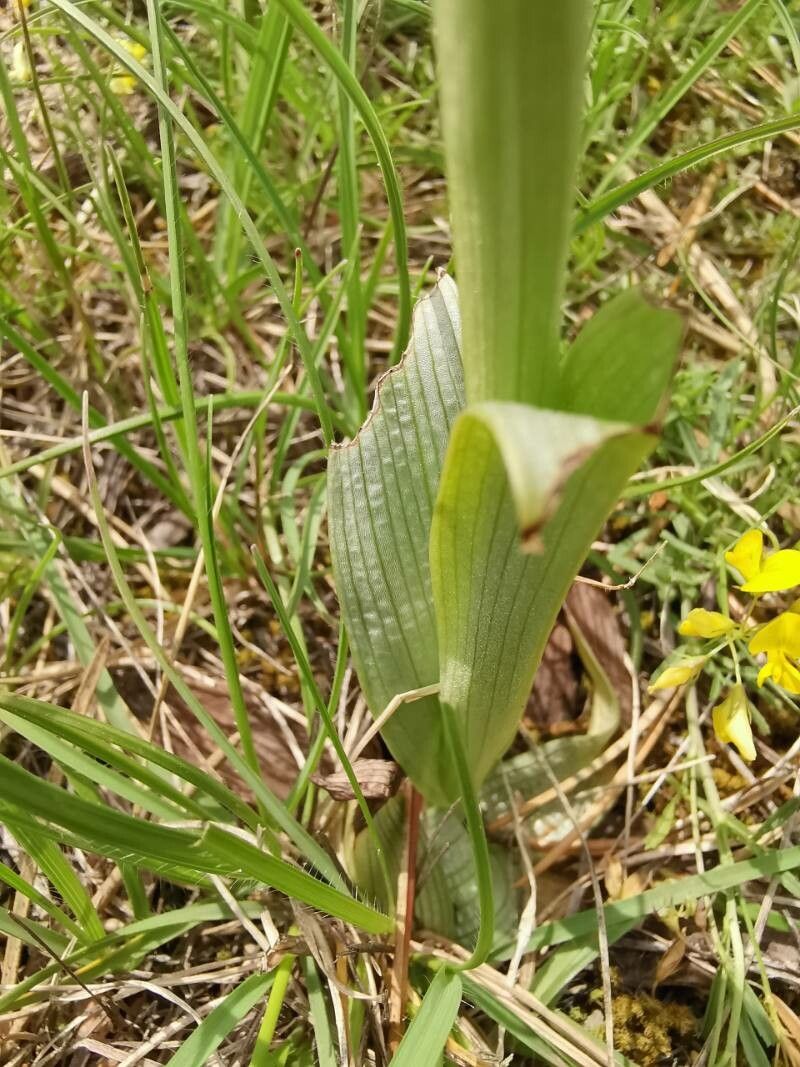
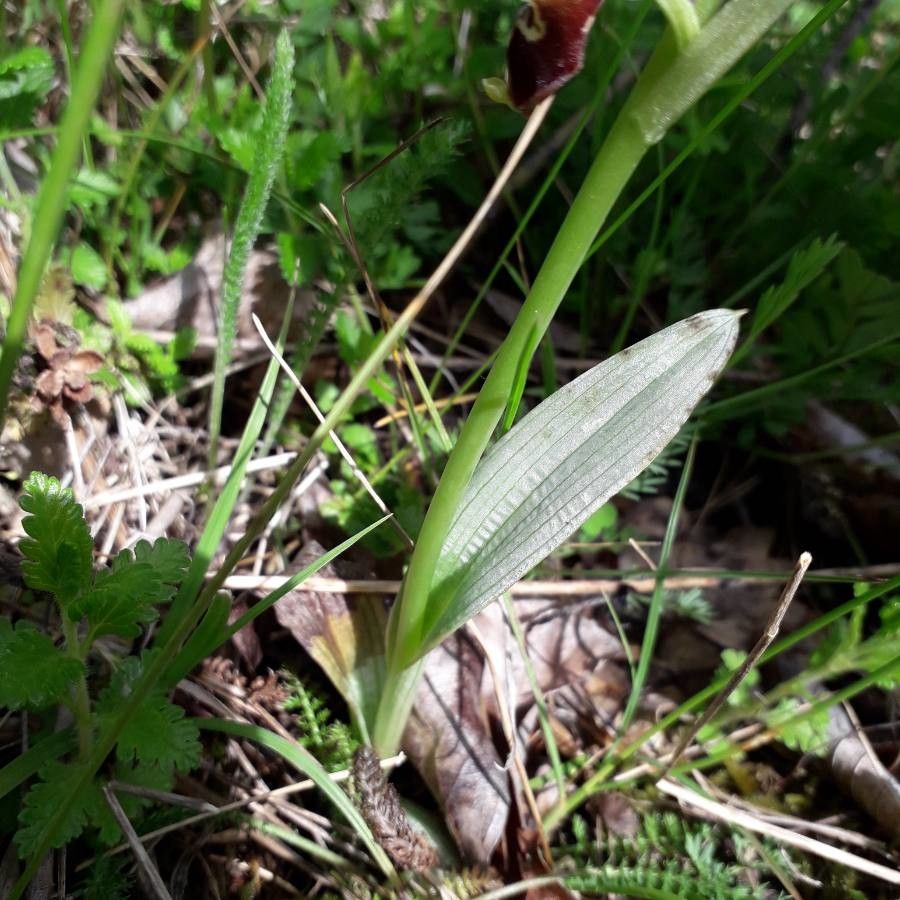
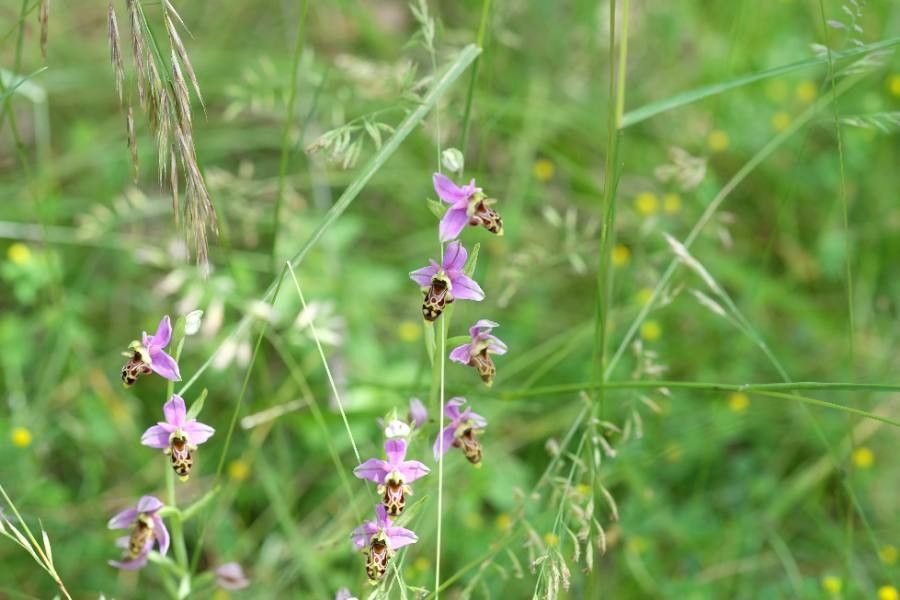
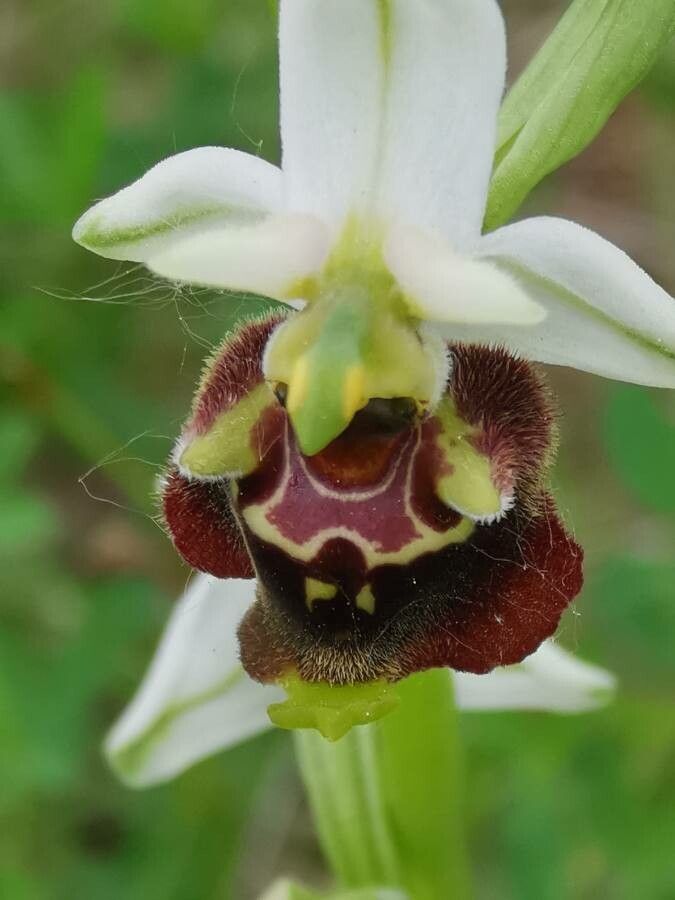
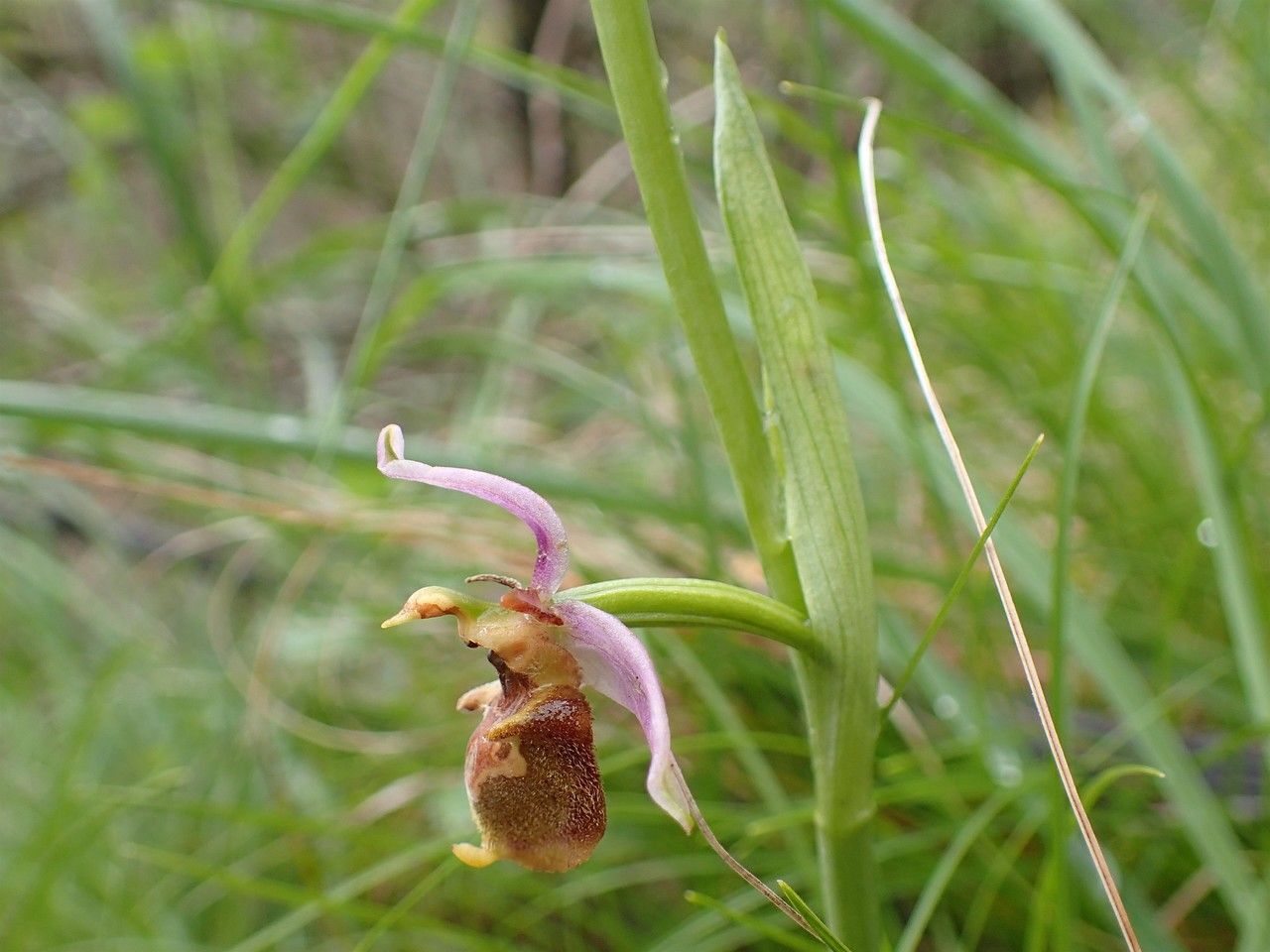
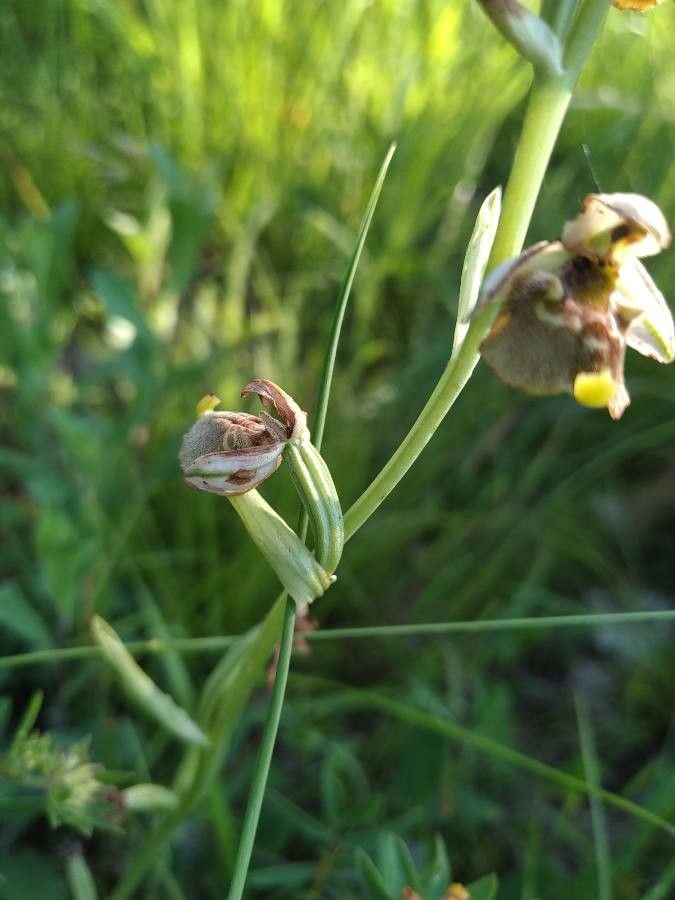
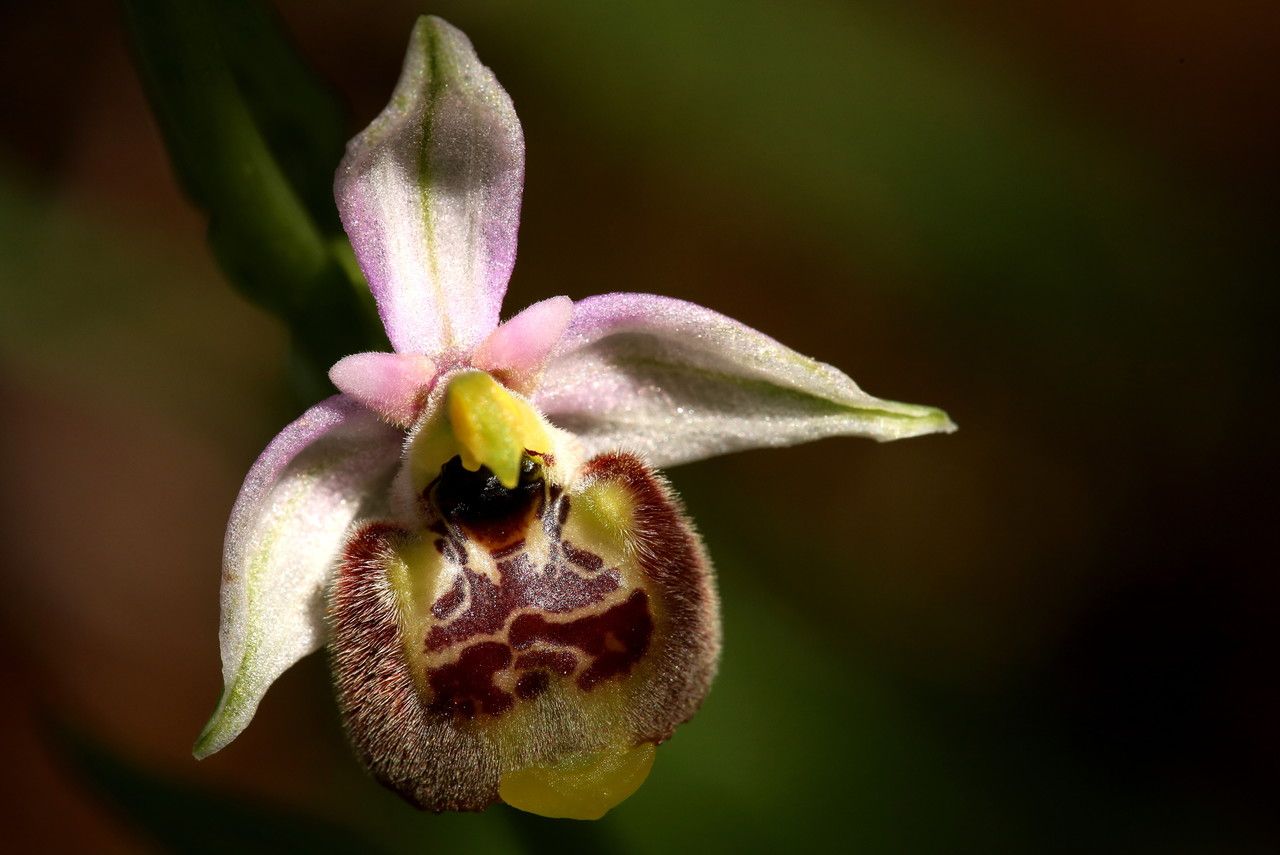
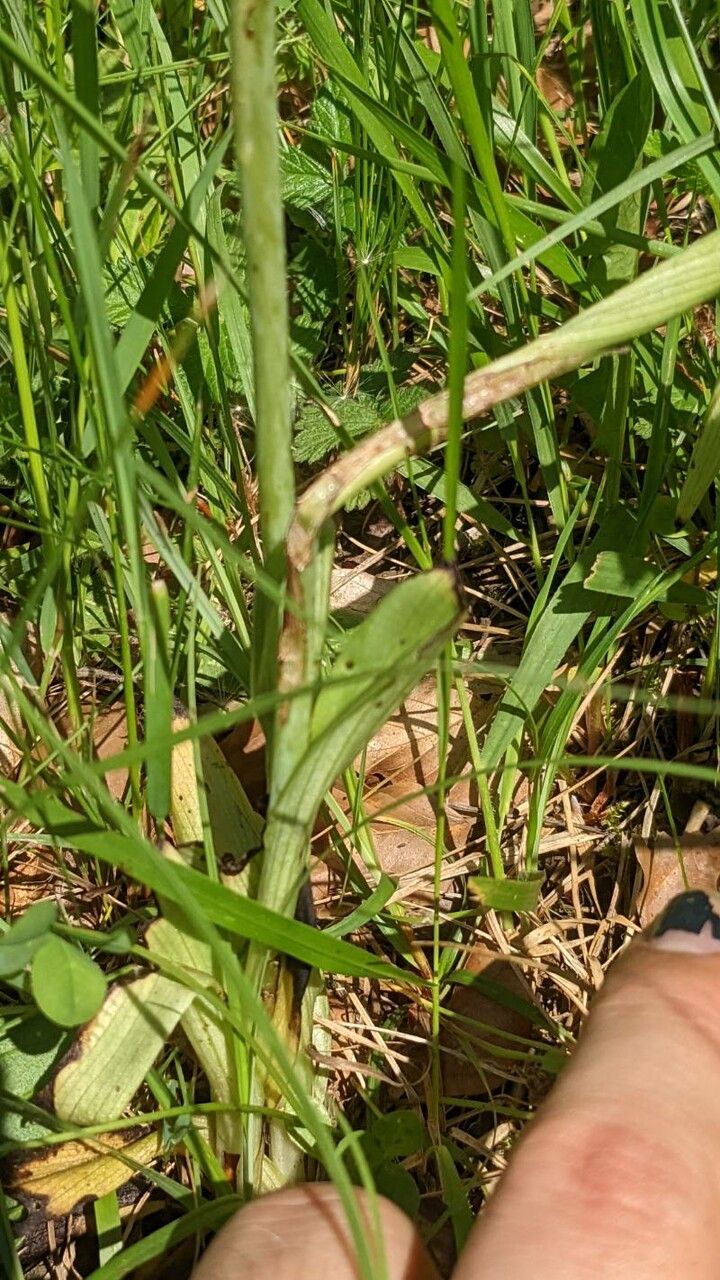
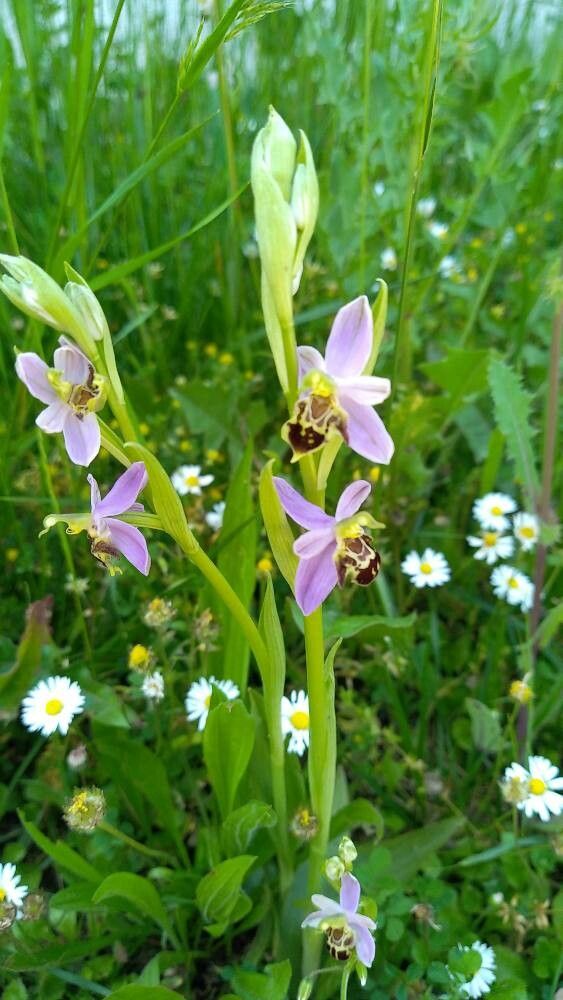
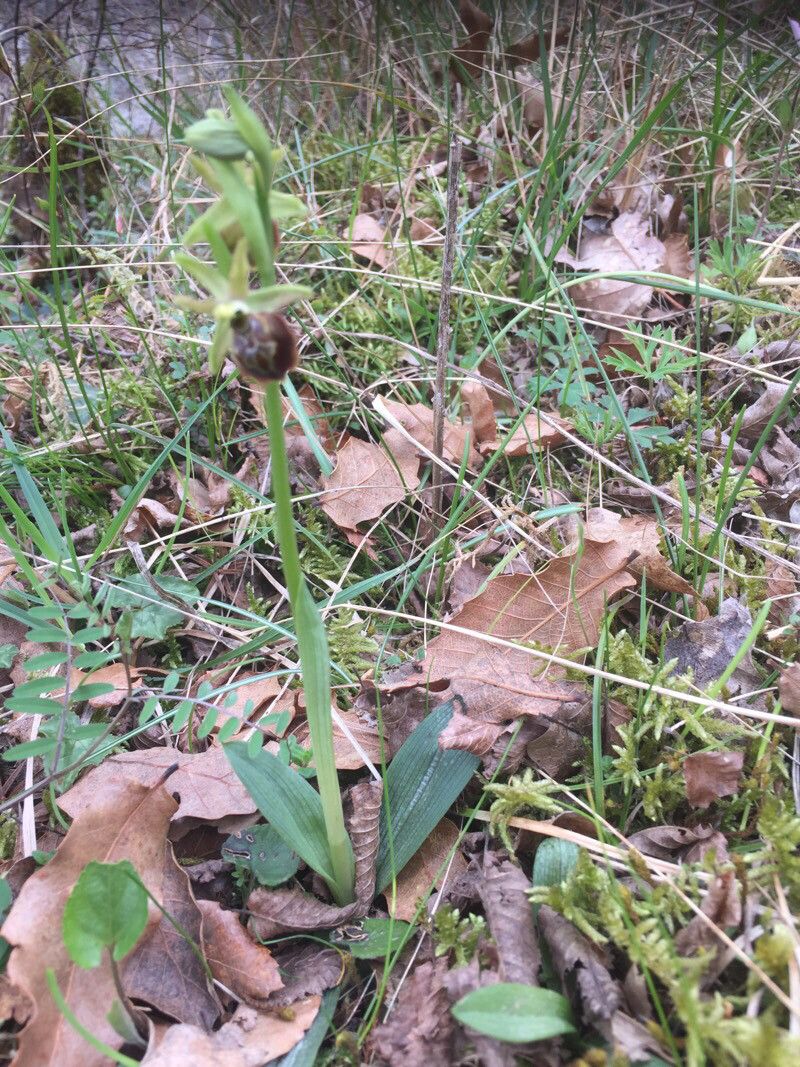
Ophrys holosericea, the late spider orchid, is a species of flowering plant in the family Orchidaceae, native to western and central Europe and the Mediterranean region. There has been considerable confusion about the identity of this species and the correct spelling of its name.
The late spider orchid typically displays strong disease resistance and is relatively unaffected by insect pests. It is considered difficult to care for, since it needs high humidity along with good air circulation and few harmful pathogens. Too much watering may result in root rot. Although anyone can grow the late spider orchid, keeping it healthy and getting it to flower again requires more cultivation experience.
How to keep Ophrys Fuciflora.
Light
The late spider orchid occurs naturally in habitats such as forest understories or rocky areas, where it grows in natural shade. It prefers partial sun but can tolerate full sun or full shade, reflecting its versatile and hardy nature.
Water
The late spider orchid, native to Mediterranean climates, flourishes in dry summers and wet winters. It prefers moderate humidity and is tolerant of drought, needing water only once every one to two weeks. When grown outdoors in rocky terrains, it efficiently retains water during its active growing season to ensure optimal flowering.
Temperature
The ideal growth temperature for the late spider orchid is between 50 and 95 °F (10 to 35 ℃). When kept indoors, it is important to vary the temperature with the seasons to mimic its natural habitat.
Fertilizer
The best time to fertilize a Late spider orchid is in early spring, as it is coming out of dormancy and starting active growth. Fertilizing supplies essential nutrients for healthy development. Although the Late spider orchid has fairly low fertilizer requirements, applying fertilizer once a year can help its survival and encourage better, longer-lasting flowers.
Pruning
The late spider orchid produces intricate blooms and thrives when selectively pruned during growth spurts from early to late spring. To encourage new growth, improve appearance, and reduce the risk of fungal diseases, be sure to remove dead stems and spent flowers. Always use clean tools to prevent the spread of disease.
Botanical profile.
- Plant Type
- Herb
- Life Cycle
- Perennial
- Genus
- Ophrys
- Family
- Orchidaceae
- Hardiness Zone
- 6-10
- Mature Height
- 15 cm
- Mature Spread
- 10 cm to 20 cm
- Leaf Color
- Green
- Leaf Type
- Deciduous
- Flower Color
- Brown, Green
- Flower Size
- 3.81 cm
- Bloom Time
- Mid spring, Late spring, Early summer
- Planting Time
- Spring
- Harvest Time
- Summer
Other names.
Reader questions.
What is the ideal growth temperature for the late spider orchid?
The ideal growth temperature for the late spider orchid (Ophrys fuciflora) ranges between 50°F and 95°F (10°C to 35°C). To best support its growth, it's crucial to mimic its natural habitat by adjusting the indoor temperature with the changing seasons.