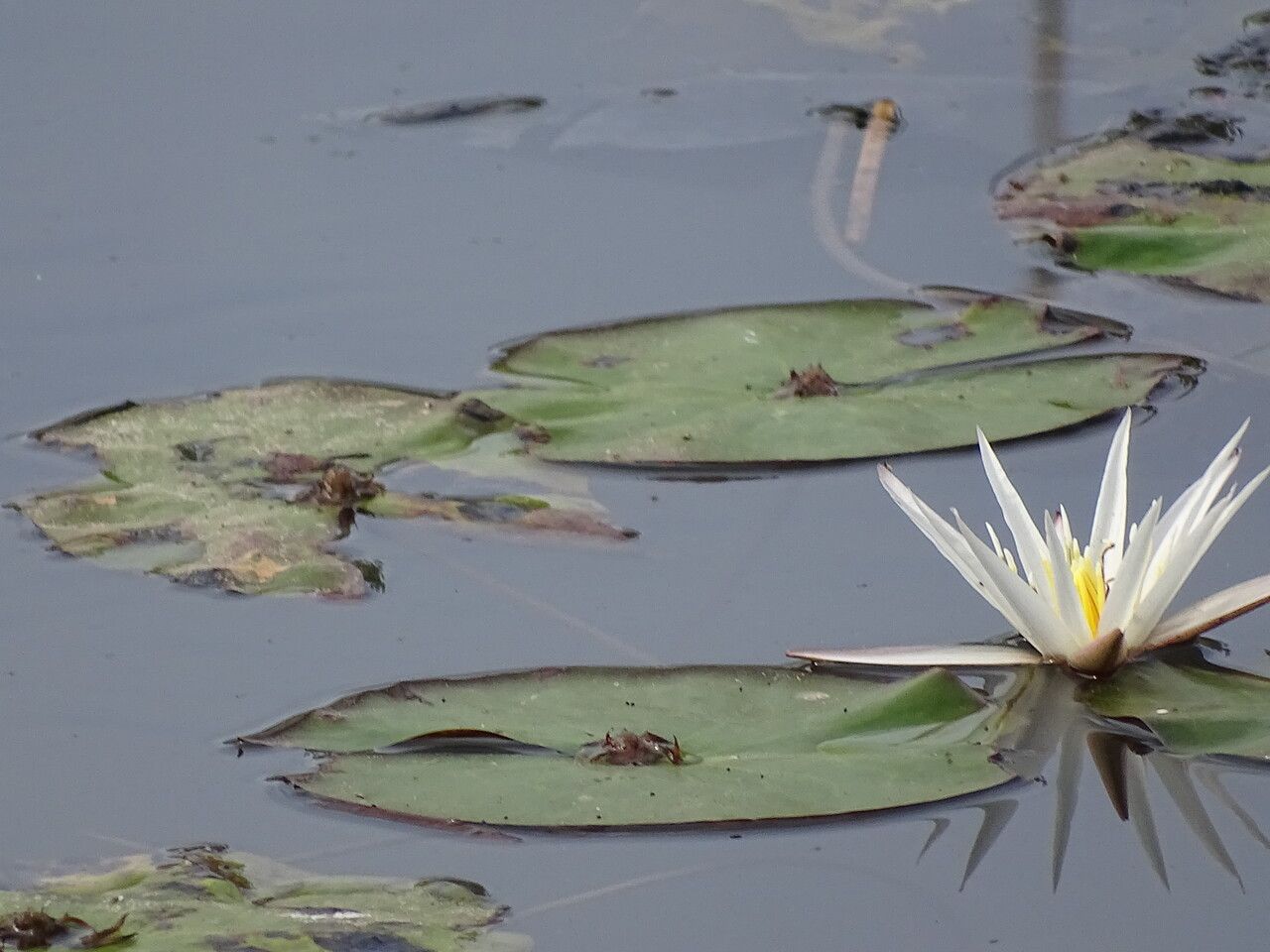
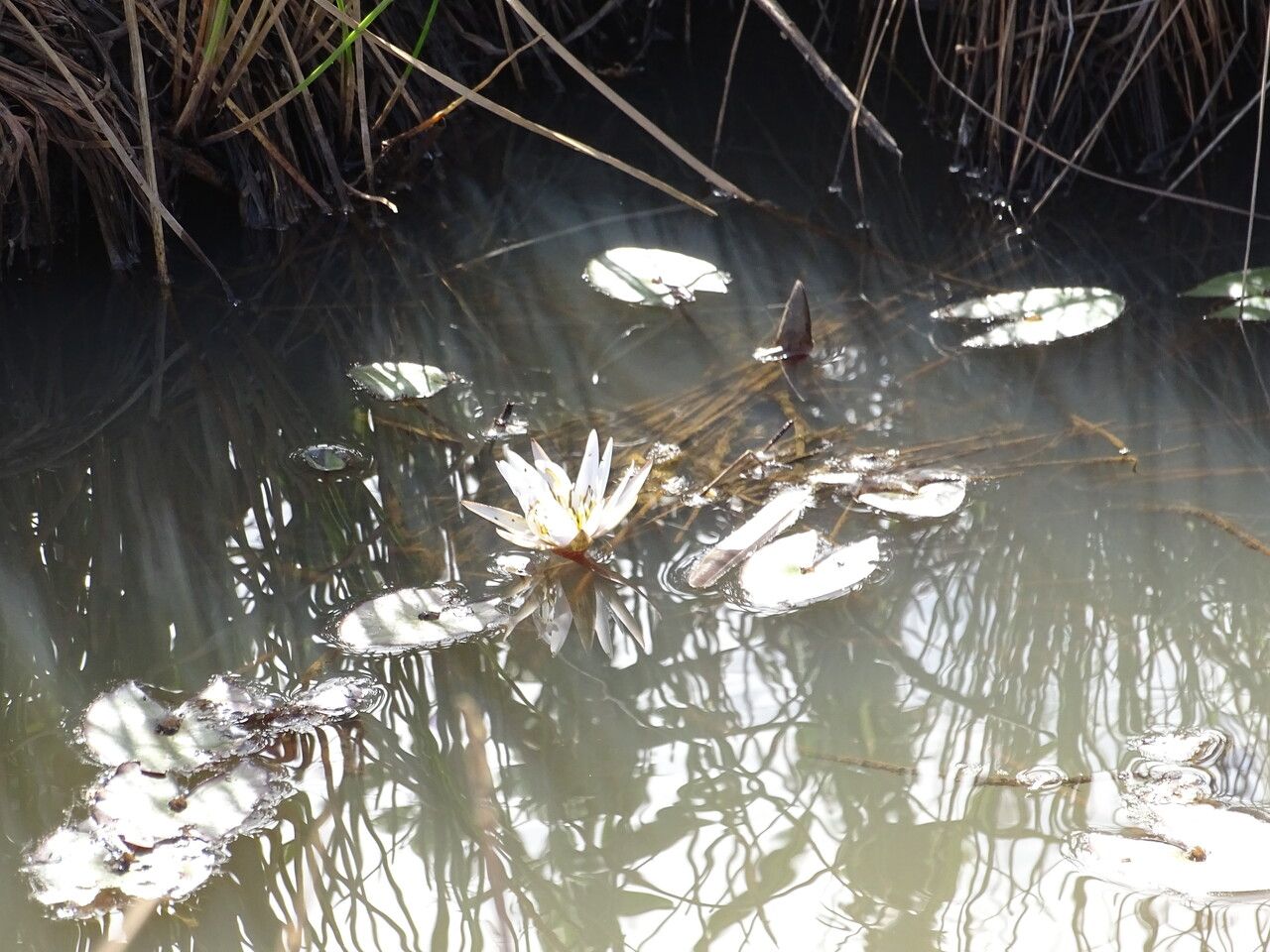
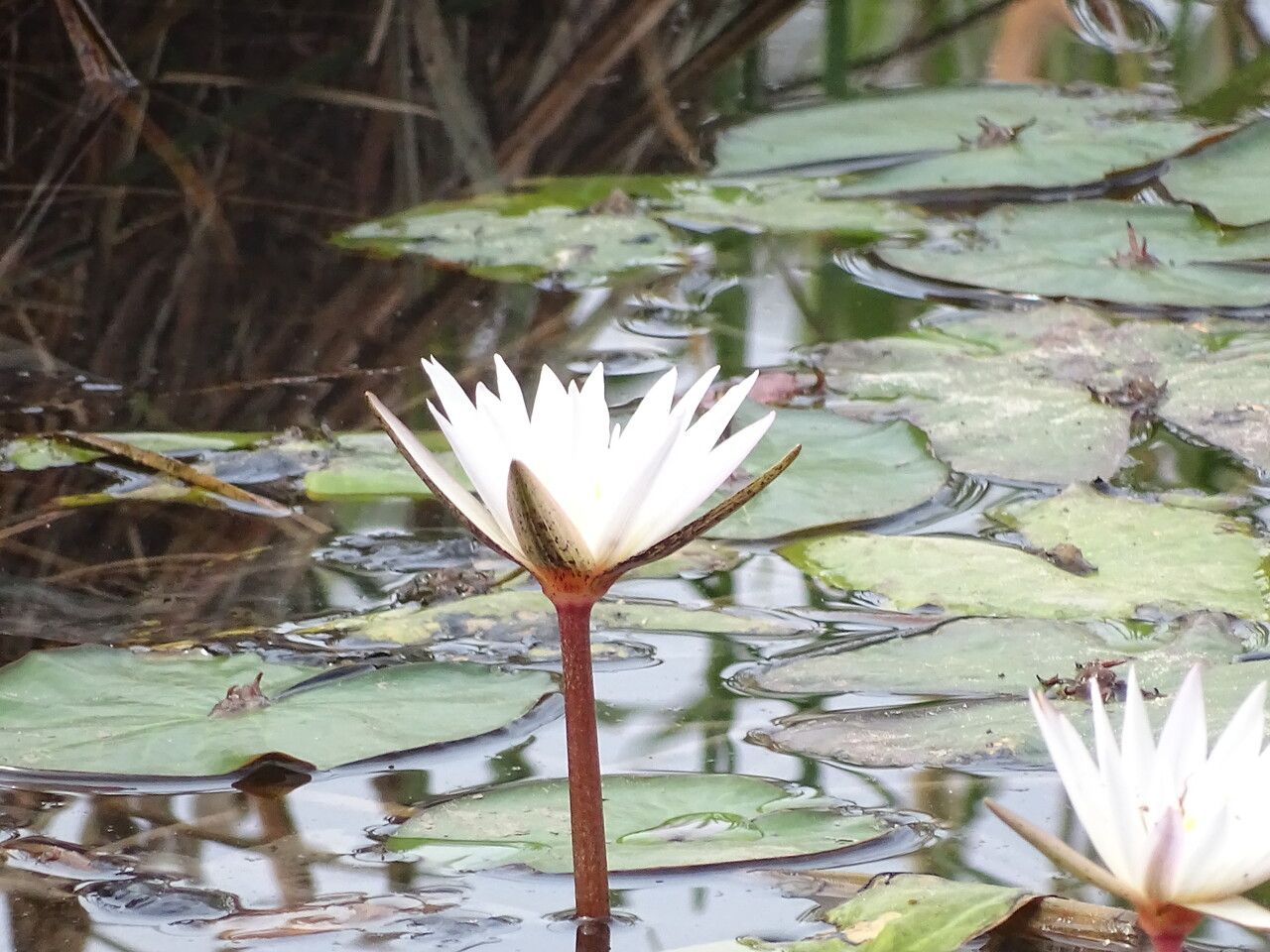
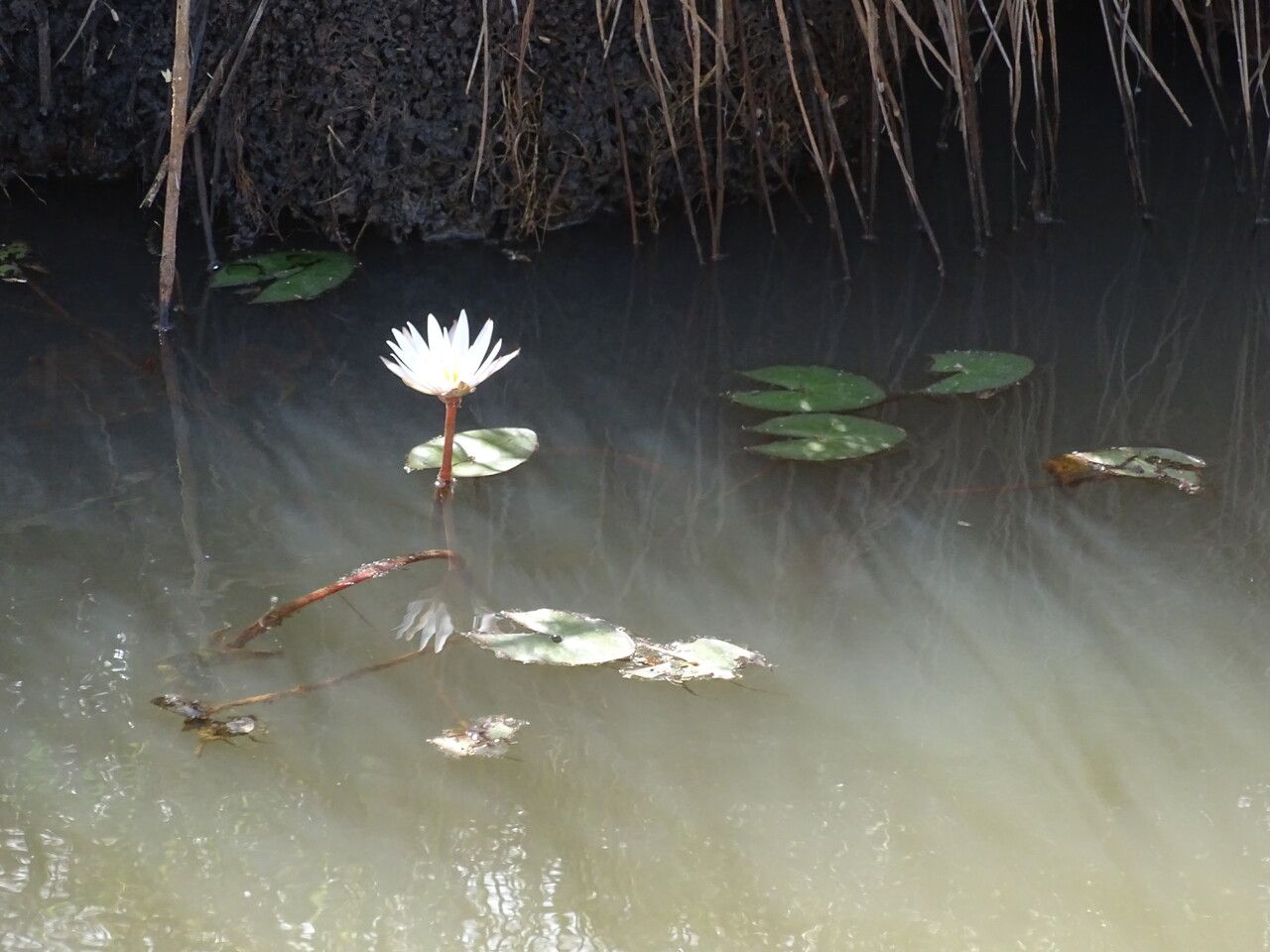
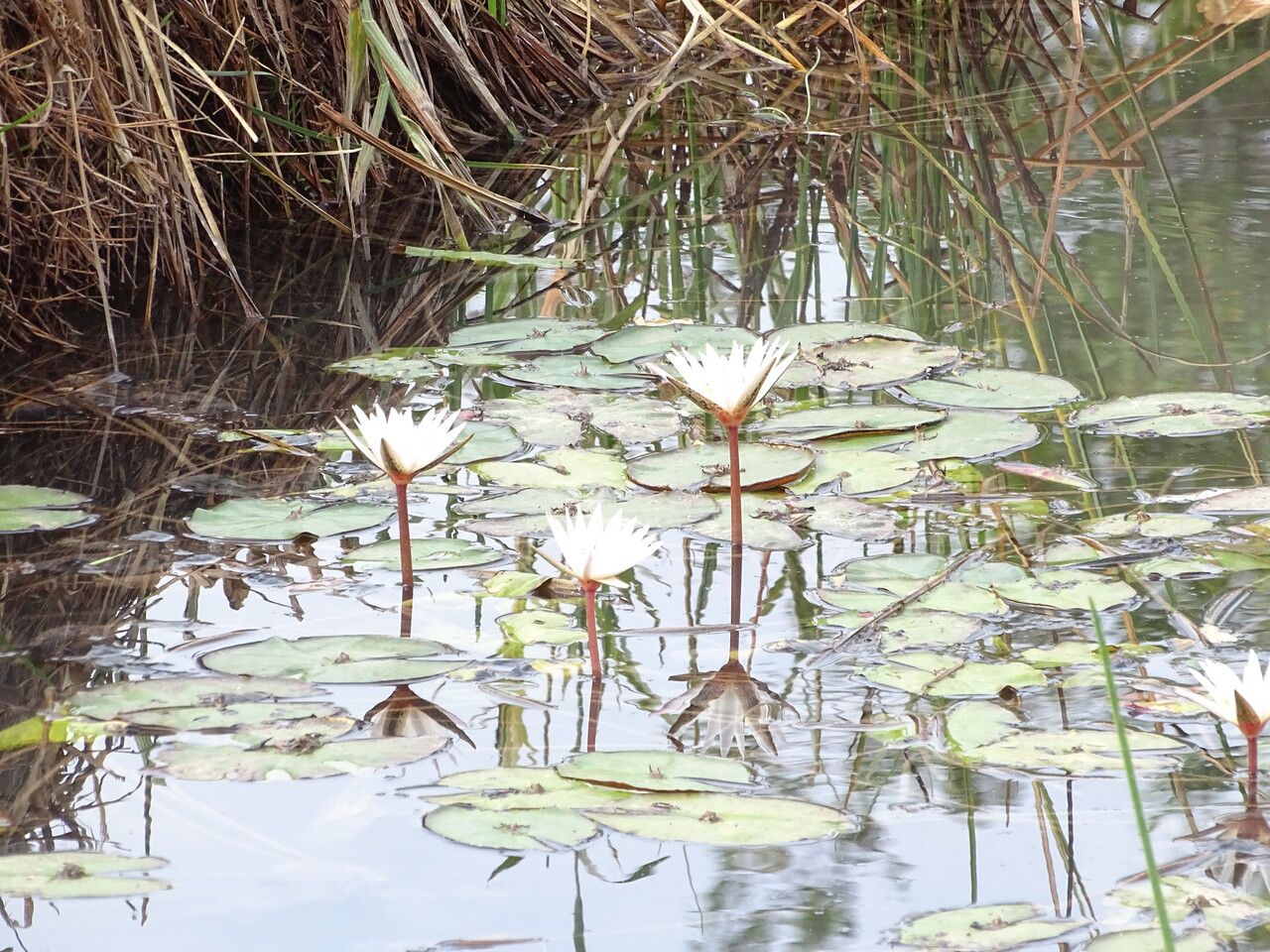
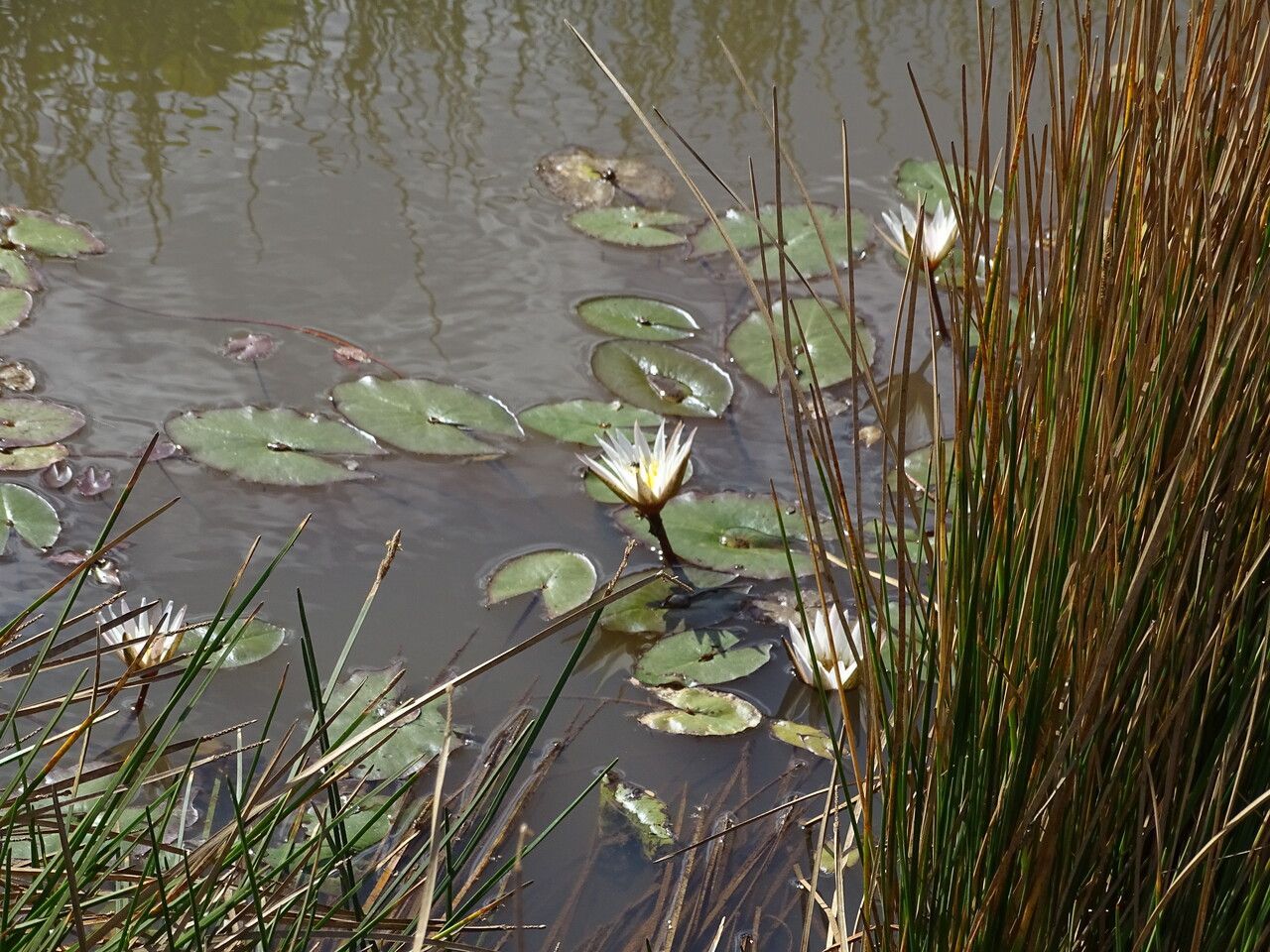
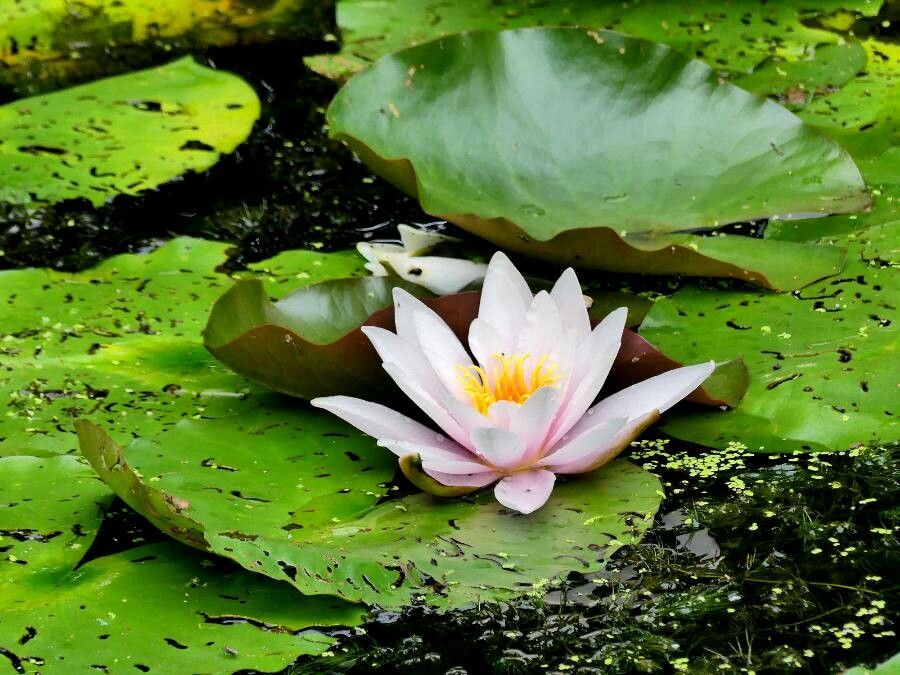
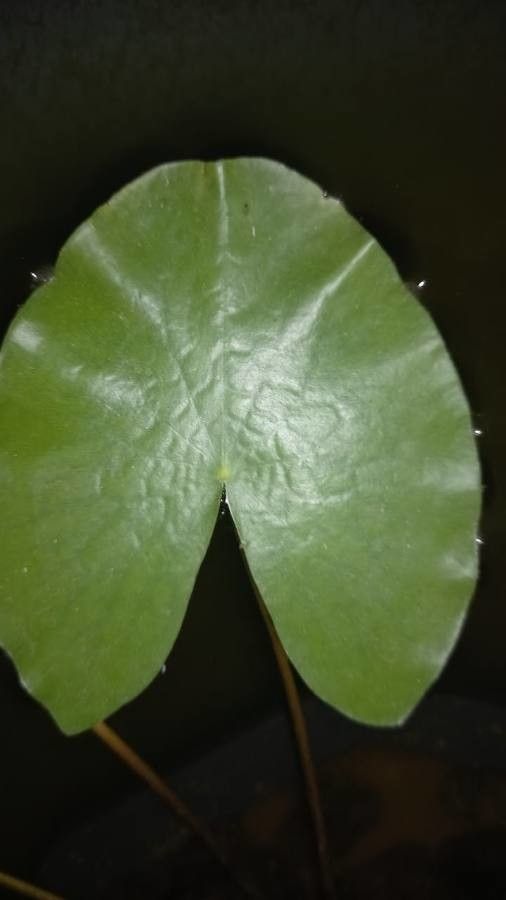
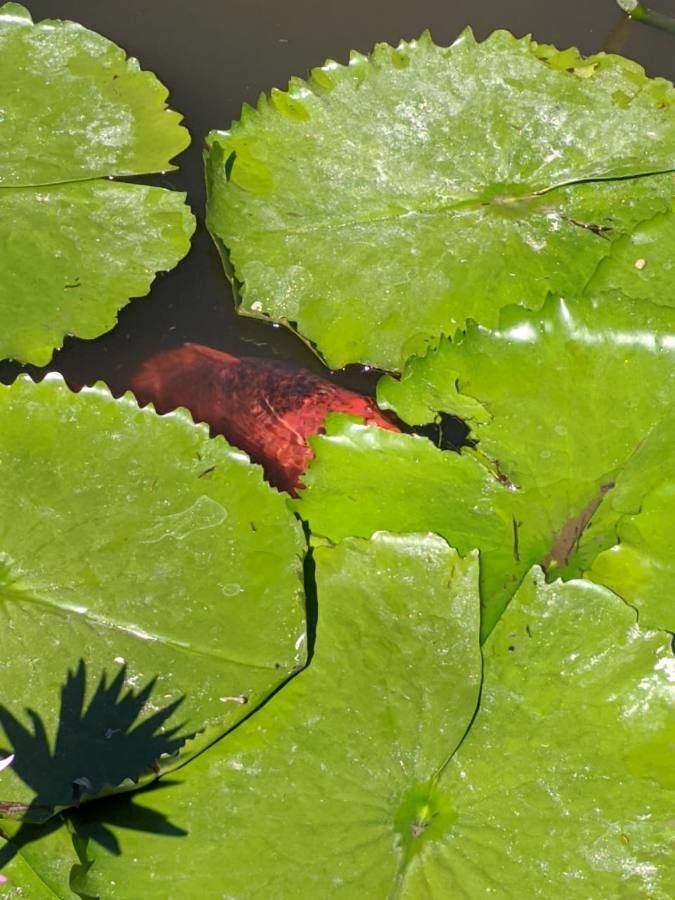
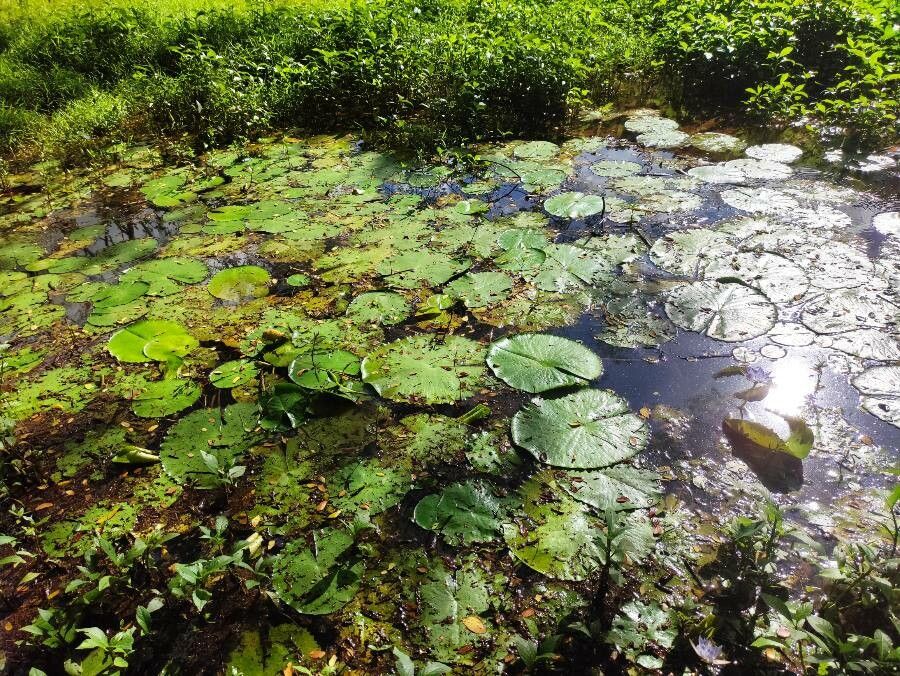
Nymphaea micrantha is a water lily belonging to the genus Nymphaea. It is native to the tropics of West Africa. Its leaves are oval or round, 8-12 cm long, with a cluster of bulbils on the top of the leaf stalk. Flowers can reach up to 10 cm in diameter, and appear from approximately September to October. The plant usually grows to a height of 20–80 cm (8–32 inches). It cannot be grown emersed.
The small-flower water lily has strong disease resistance and is generally not likely to become ill. However, it can be affected by pests and diseases present in its environment. These outbreaks tend to be mild. For care, this plant requires a moderate amount of maintenance. It should be pruned regularly to keep a tidy appearance and encourage healthy growth. Fertilizing can also help stimulate flowering. The small-flower water lily is suitable for anyone with outdoor space, such as a garden or patio, and does not demand extensive care experience. It may need more attention when grown indoors.
How to keep Nymphaea Micrantha.
Light
Small-flower water lily is native to habitats with abundant sunlight, such as the shallow margins of ponds and lakes. It prefers full sun but can also tolerate partial sun.
Temperature
Small-flower water lily comes from tropical areas, where the climate is generally warm and humid. As a result, it is well-suited to high temperatures and humidity. It does not tolerate sudden temperature changes and prefers a stable temperature environment, so avoiding temperature fluctuations indoors is important. It typically cannot withstand cold temperatures and requires higher temperatures for growth. If the surrounding temperature drops too low, the plant may stop growing or even die.
Pruning
The small-flowered water lily, an aquatic plant, thrives with early spring pruning, which helps boost its vitality and manage its size. By removing dead leaves and trimming stems, you can improve circulation and promote better health for the plant. Regular pruning encourages blooming, and using clean, sharp tools reduces the risk of damage and disease.
Botanical profile.
- Plant Type
- Herb
- Life Cycle
- Perennial
- Genus
- Nymphaea
- Family
- Nymphaeaceae
- Hardiness Zone
- 9-11
- Mature Height
- 10 cm to 30 cm
- Mature Spread
- 30 cm to 61 cm
- Leaf Color
- Green, Dark Green
- Leaf Type
- Deciduous
- Flower Color
- White
- Flower Size
- 5.08 cm to 7.62 cm
- Bloom Time
- Late spring, Summer, Early fall, Mid fall
- Planting Time
- Spring, Autumn
- Harvest Time
- Mid summer, Late summer, Fall
- Native Area
- Burkina Faso, Nigeria, Guinea, Guinea-Bissau, Central African Republic, Niger, Chad, Mali, Sierra Leone, Cameroon, Liberia, Togo, Senegal, Ghana, Côte d'Ivoire, Gambia, Gabon
Other names.
Reader questions.
What are the sunlight requirements for a Small-flower water lily?
The Small-flower water lily (Nymphaea micrantha) thrives under specific sunlight conditions. It requires full sun, described as more than 6 hours of direct sunlight per day, to flourish. However, it can also tolerate partial sun, which means it can grow with about 3-6 hours of sunlight daily. It's important to monitor the movement of sunlight through your garden carefully, selecting locations that offer an ideal balance between light and shade. This ensures the best growth and happiness of your Small-flower water lily.
What is the common name of Nymphaea micrantha?
The common name for Nymphaea micrantha is Small-flower water lily.
What are the essentials to know about the Small-flower water lily?
There are no specific essentials provided for the Small-flower water lily. This category typically includes basic care, growth requirements, or notable characteristics but no details have been provided in this instance.
What symptoms should be monitored in Small-flower water lily?
No symptoms have been listed for monitoring in the Small-flower water lily. Symptoms typically refer to signs of disease or distress, but none are noted here.