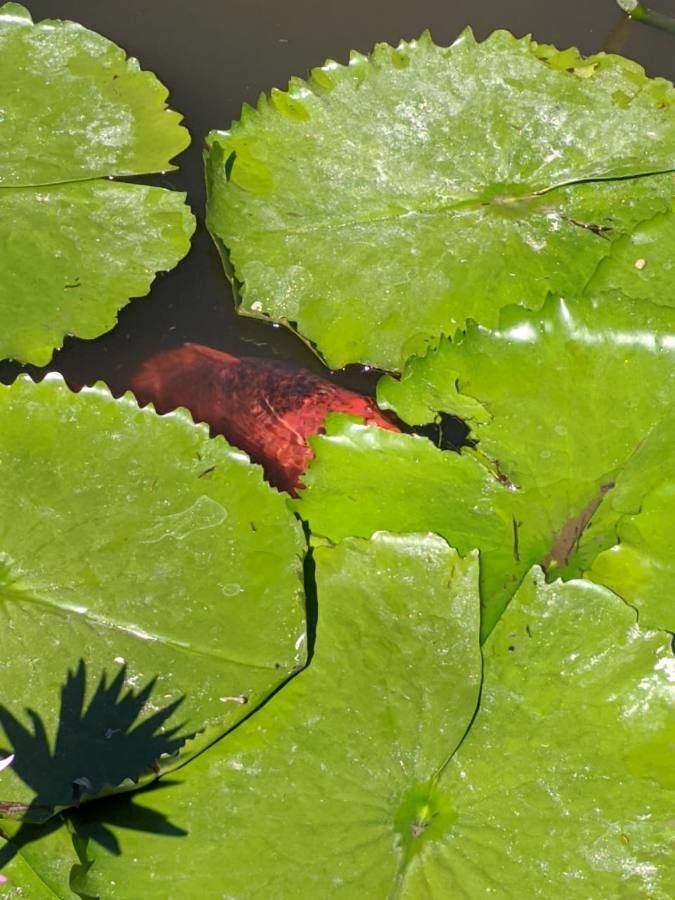
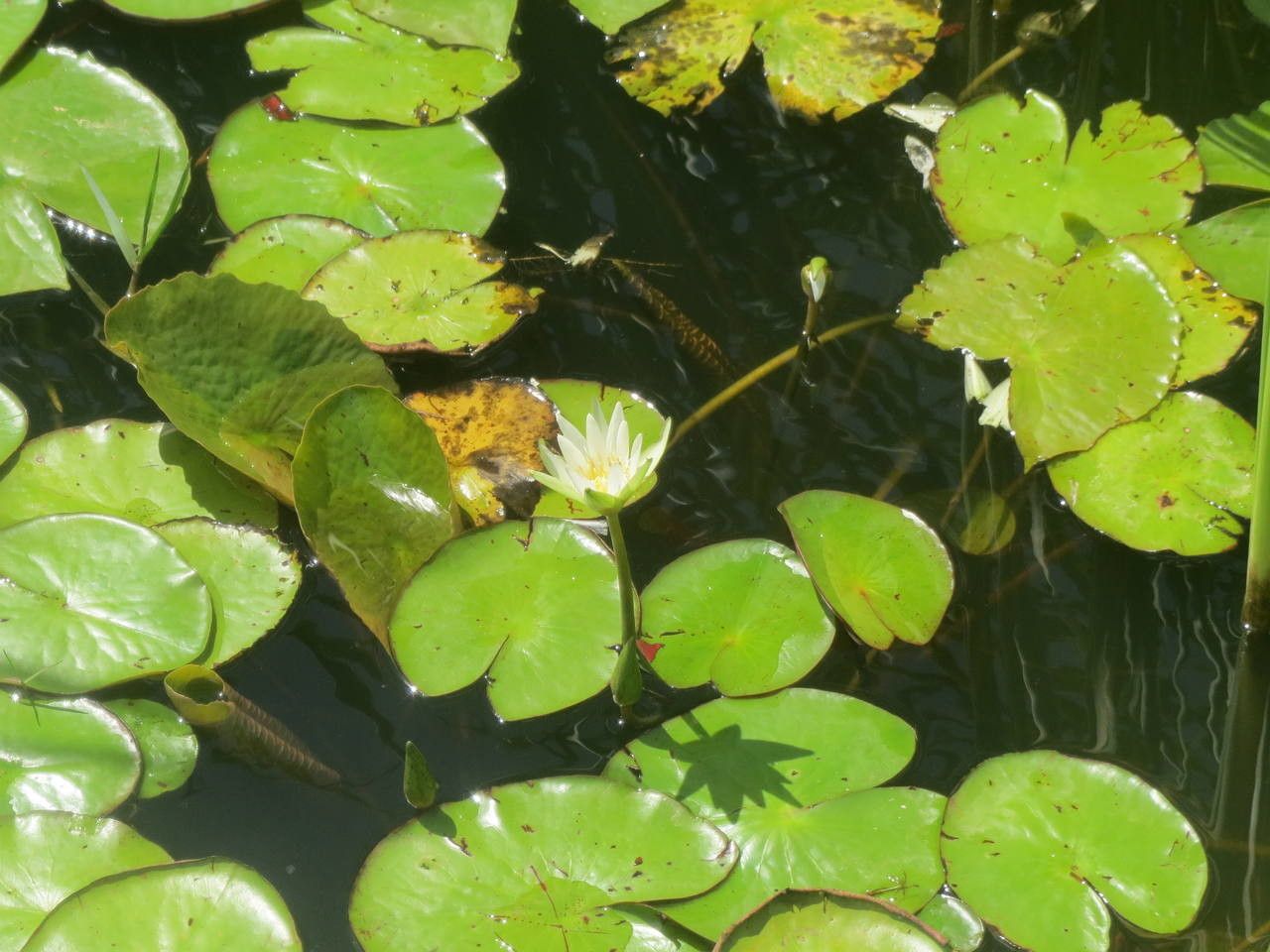
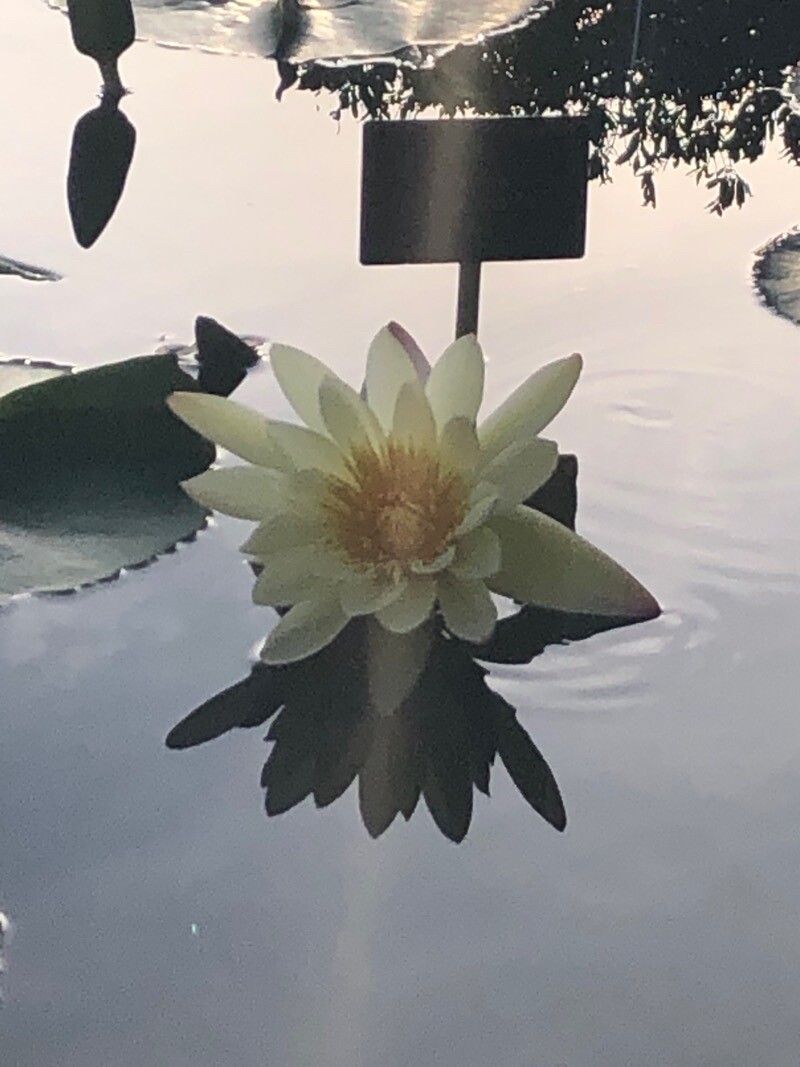
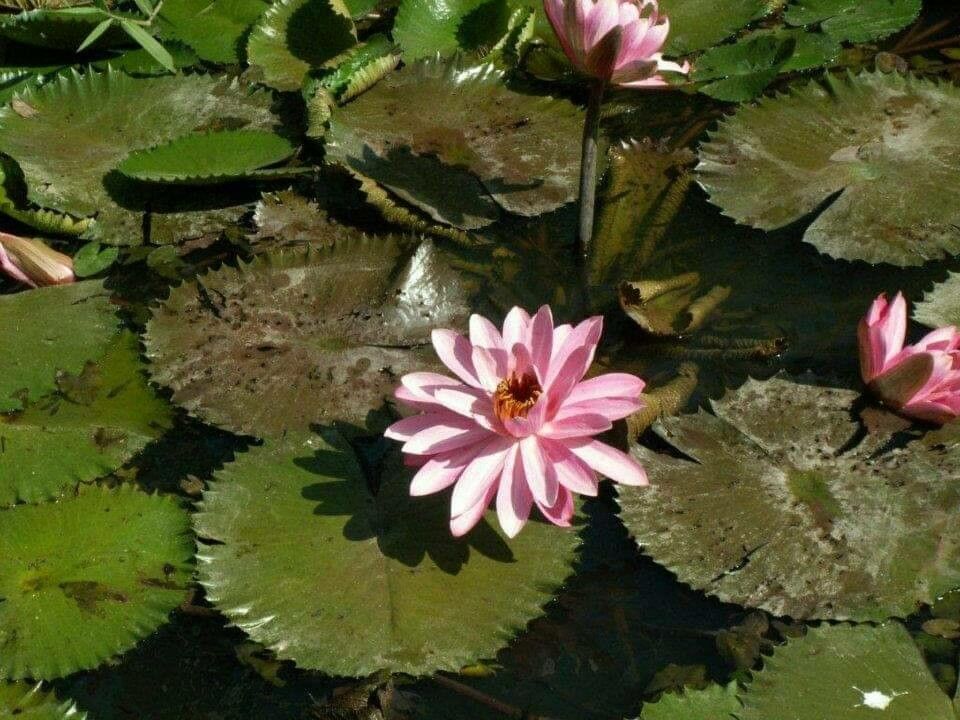
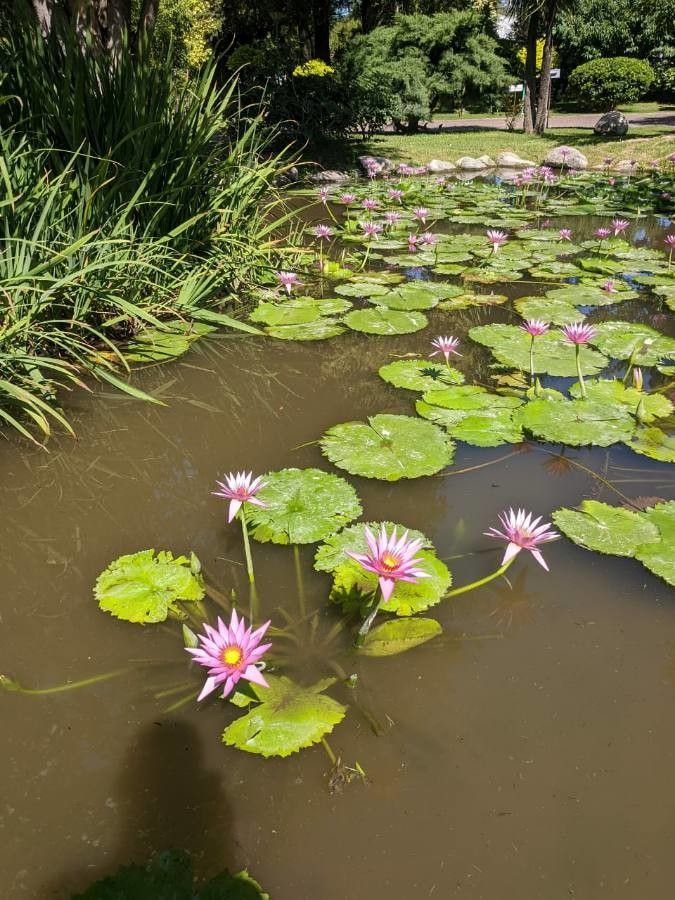
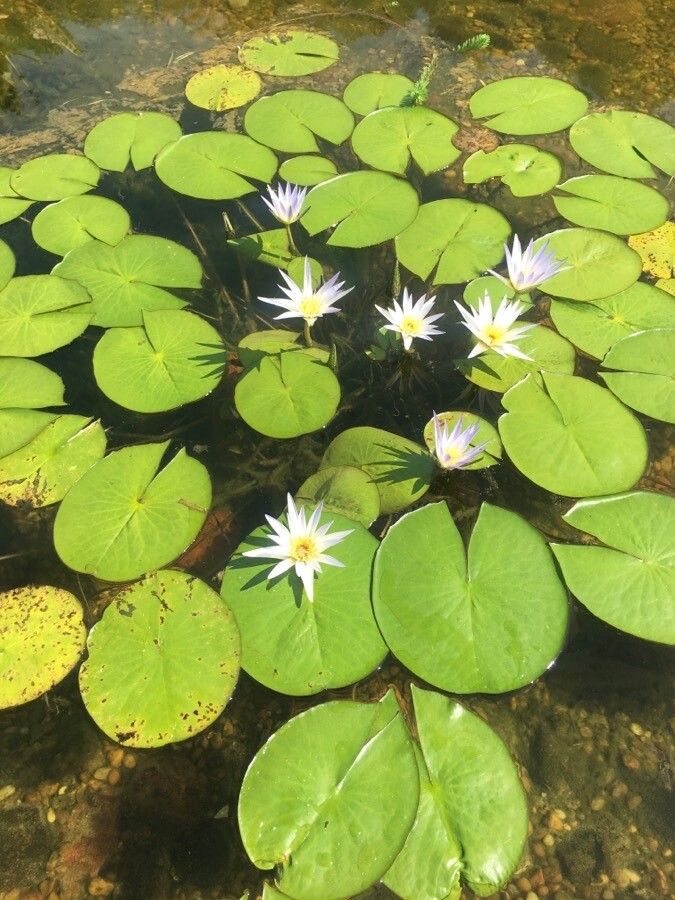
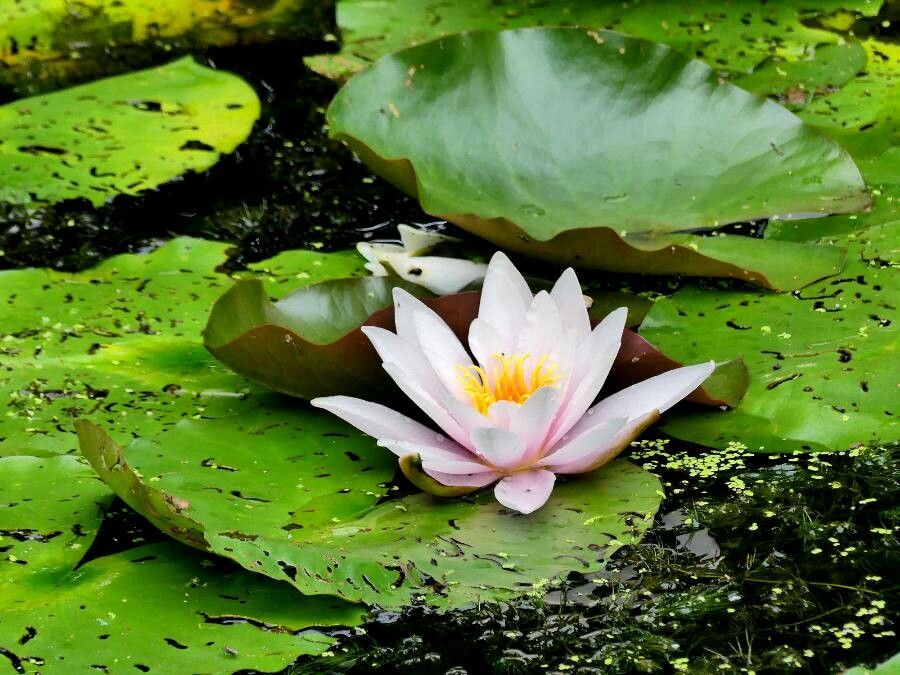
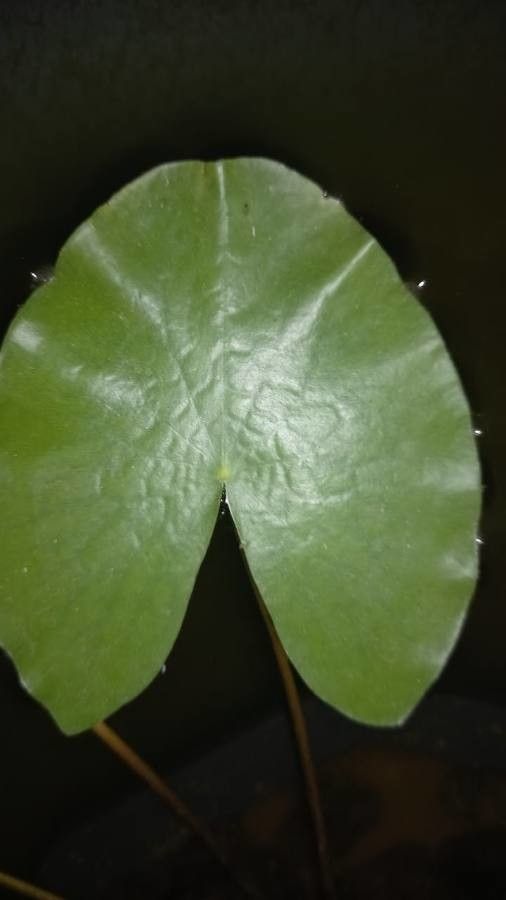
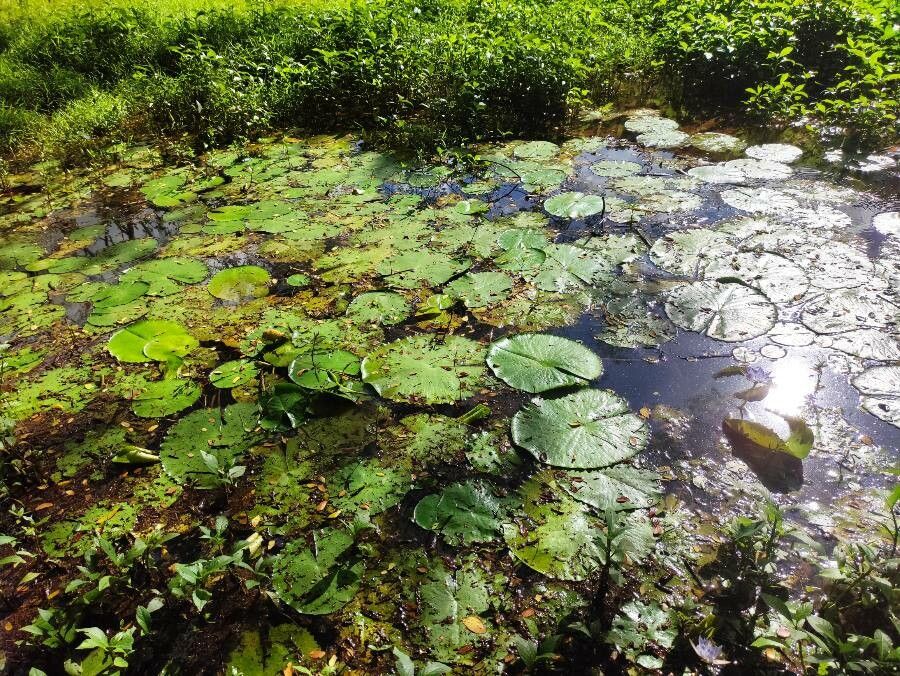
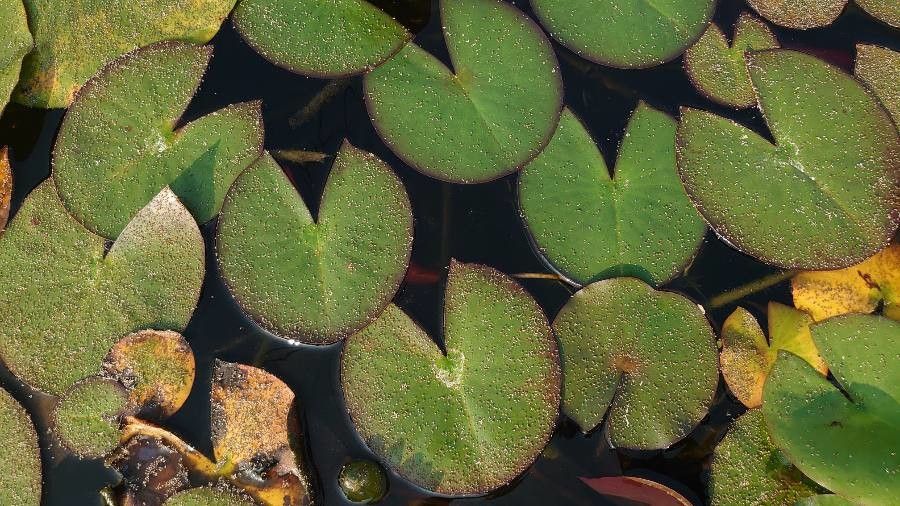
Nymphaea ampla, the dotleaf waterlily, is a species of flowering plant in the family Nymphaeaceae. It is native to Texas, Florida, Mexico, Central America, the Caribbean, and northern and western South America.Nymphaea ampla is widely represented in Mayan art, especially in its depictions with jaguars and Mayan kings. Its cultural importance can be seen in one of the Mayan names of the plant; nikte’ha’ ("vulva of the water") as it would have represented life, sexual activity, fertility, and birth. The plant causes opiate-like effects on the user and is known to have been used as a calmative and mild trance inducer.
White lotus has good resistance to disease and is generally not prone to illnesses. However, it can be vulnerable to pests and diseases present in its surroundings. These problems are usually not serious. Regarding care, this plant needs moderate maintenance. It should be pruned regularly to keep a neat appearance and healthy growth. Applying fertilizer can also encourage flowering. White lotus is appropriate for anyone who has outdoor space, such as a garden or patio, and does not demand extensive gardening experience. It may require more attention when kept indoors.
How to keep Nymphaea Ampla.
Light
The white lotus does best with plentiful sunlight, which supports its general health and growth. In its natural aquatic environments, it typically receives abundant sun. Although strong light is preferable, it can tolerate areas with reduced daytime sunlight. Too much or too little light can affect its coloration and flowering.
Water
The white lotus thrives in wet environments and does well with a weekly watering schedule. It is resilient to overwatering, making it ideal for outdoor cultivation, where it can mimic its natural aquatic habitats. Its seasonal water needs reflect its adaptation to changing water levels, which is essential for maintaining a stable hydration balance.
Humidity
This plant needs special care because it loves high humidity levels of 60-80% or more. The best way to achieve this is by placing a humidifier near the plant. Daily misting is also essential! Make sure the room has good ventilation.
Temperature
White lotus originates in warm regions and prefers a temperature range of 68 to 100 °F (20 to 38 ℃). In cooler seasons, it may need extra warmth to achieve optimal growth.
Pruning
The White Lotus is known for its large, fragrant white flowers and its floating leaves. To promote healthy growth, prune any dead or yellowing foliage and remove spent flowers from early to late spring. This helps prevent decay and keeps the water clear. Be sure to use clean tools to avoid spreading pathogens.
Botanical profile.
- Plant Type
- Herb
- Life Cycle
- Perennial
- Genus
- Nymphaea
- Family
- Nymphaeaceae
- Hardiness Zone
- 10-11
- Mature Height
- 30 cm
- Mature Spread
- 61 cm to 76 cm
- Leaf Color
- Dark Green, Green
- Leaf Type
- Deciduous
- Flower Color
- White
- Flower Size
- 6.35 cm to 17.78 cm
- Bloom Time
- All year round
- Planting Time
- Summer
- Harvest Time
- All year round
- Native Area
- Colombia, Bahamas, Belize, Cuba, Honduras, Mexico, Peru, Brazil, Nicaragua, Ecuador, Costa Rica, Panama, Jamaica
Other names.
Reader questions.
How should I water my White lotus plant?
When caring for the White lotus, it's important to use filtered water at room temperature. Tap water may contain harmful particles. The White lotus prefers warm water, so avoid using cold water as it can be a shock to the plant. Another tip is to avoid watering the foliage from the top, as it can cause problems. Instead, be sure to thoroughly soak the soil with filtered room temperature water. This helps the roots absorb nutrients and spread throughout the soil.
Why should I use fertilizer on my White lotus?
Fertilizer and soil nutrients are crucial for the growth of your White lotus, providing the necessary fuel for maintaining healthy development. Plants, including the White lotus, rely on these nutrients found in the soil to create new plant material and keep their existing components in good condition. For the White lotus in particular, fertilization is essential in order to showcase its flowers at their best. Since the flowers are the primary attraction for this plant, most gardeners strive to ensure that they appear in their optimal form. Fertilizing your White lotus is a reliable method to help it produce the most exceptional blooms.
What are the sun requirements for a White Lotus?
The White Lotus requires abundant sun exposure for optimal health and development, thriving in conditions where it receives more than 6 hours of sunlight daily (full sun) though it can also tolerate partial sun conditions, receiving about 3-6 hours of sunlight. It's important to observe how sunlight moves through your garden to find spots that provide a balance of light and shade. This ensures the plants have the best conditions for growth, keeping in mind that both excessive and insufficient light can affect the plant's color and blooming.
What is the ideal temperature range for growing White Lotus?
The White Lotus thrives in warm regions, with an ideal temperature range of 68 to 100 °F (20 to 38 °C). It is extremely heat-loving, and cold temperatures can adversely affect its growth. During the cooler seasons, it's advised to provide additional warmth to maintain optimal growth conditions. Ensuring the temperature stays above 20°C during the winter is beneficial for the plant, as temperatures nearing 5°C can be detrimental.
What should I do if I give my White lotus plant too much or too little water?
Overwatering is a more common issue than underwatering when it comes to the health of your White lotus plant. If you give it too much water, the stems and leaves may wilt and turn yellow. Over time, this can lead to diseases like root rot, mold, and mildew, which can be fatal for the plant. Underwatering is less likely, as the White lotus can tolerate drought to some extent. However, if it does happen, you will notice brittle and brown leaves. It's important to be aware of the signs of overwatering and take action quickly. Diseases like root rot can't be reversed if you wait too long. If you see signs of overwatering, reduce your watering schedule and check the soil's drainage. Replace the soil if it drains poorly. If you suspect underwatering, simply water the plant more regularly until the signs disappear.
When should I put fertilizer on my White lotus?
The White lotus undergoes two main phases each year. The first phase, known as the dormant phase, occurs in winter when the plant experiences minimal new growth. The second phase, known as the active growth phase, occurs in spring and fall, and it is during this time that your White lotus requires the most fertilization. It is recommended to start fertilizing your White lotus in the spring months. Throughout the rest of the spring and most of the summer, you should fertilize the plant about once per month. As fall approaches, you can gradually decrease the frequency of fertilization.
Can the White Lotus thrive with artificial lighting?
Yes, the White Lotus can thrive under artificial lighting, which becomes especially important when natural sunlight is insufficient, such as in winter or less sunny spaces. Artificial lights, like LED lights customized to provide specific wavelengths, can promote faster and healthier growth. Full sun plants require 30-50W/sq ft of artificial light, partial sun plants need 20-30W/sq ft, and full shade plants need 10-20W/sq ft. The light source should be placed 12-36 inches above the plant for 8-12 hours per day to mimic natural sunlight conditions optimally.
What should I do if my White Lotus experiences low temperatures?
White Lotus prefers warm temperatures and is not tolerant of low temperatures, thriving best when the temperature stays above 20°C. In case of exposure to temperatures below 1°C, the leaves might lighten in color before eventually turning brown or black post-frost, displaying symptoms like wilting and drooping. To manage frost damage, trim off the frost-damaged parts and move the plant indoors to a warm environment, placing it near a south-facing window to ensure it receives ample sunlight, while avoiding placement near heaters or air conditioning vents to prevent air dryness.
How many times should I water my White lotus?
If your White lotus plant is in a pot, the best way to determine if it needs water is by checking the soil with your finger. When the top two to three inches of soil are dry, it is time to water it. For White lotus plants grown outdoors in the ground, you can use a similar method to check the soil moisture. When the top few inches of soil have dried out, it is time to water. During spring and early fall, you will typically need to water this plant once a week using this method. However, in extremely hot weather, you may need to increase watering to twice or more a week. It is worth noting that mature and well-established White lotus plants have a strong ability to withstand drought.
When shouldn't I put fertilizer on my White lotus?
If you want to promote White lotus growth without causing root burn, it's important to adjust your fertilizing routine according to the plant's growth stages. During the active growth period in spring and summer, additional nutrients are needed. However, in the fall and winter when the plant goes into dormancy, it is best to stop fertilizing altogether.
What are the symptoms of light deficiency in a White Lotus?
Symptoms of light deficiency in a White Lotus include smaller new leaves, leggy or sparse growth, faster leaf drop, slower or no new growth, lighter-colored new leaves, symptoms of chlorosis, sunscald, leaf curling, wilting, and leaf scorching. These symptoms indicate that the plant is not receiving adequate sunlight, affecting its ability to photosynthesize and maintain healthy growth. It's important to address these signs early to prevent long-term damage to the plant.
How do I care for a White Lotus in high temperatures?
During the summer, it is crucial to keep the White Lotus below 38°C to prevent heat stress. Temperatures exceeding 43°C can cause the leaves to lighten and increase susceptibility to sunburn. To mitigate damage from high temperatures, trim away sunburned and dried parts, relocate the plant to a shaded area during the peak sun of midday and afternoon, and ensure the soil remains moist by watering in the morning and evening.