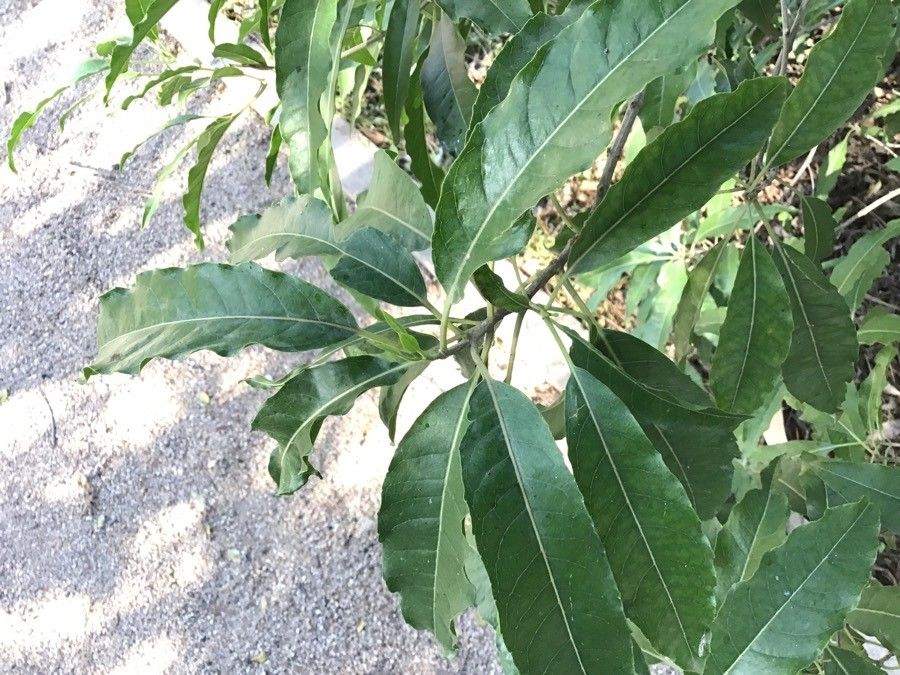
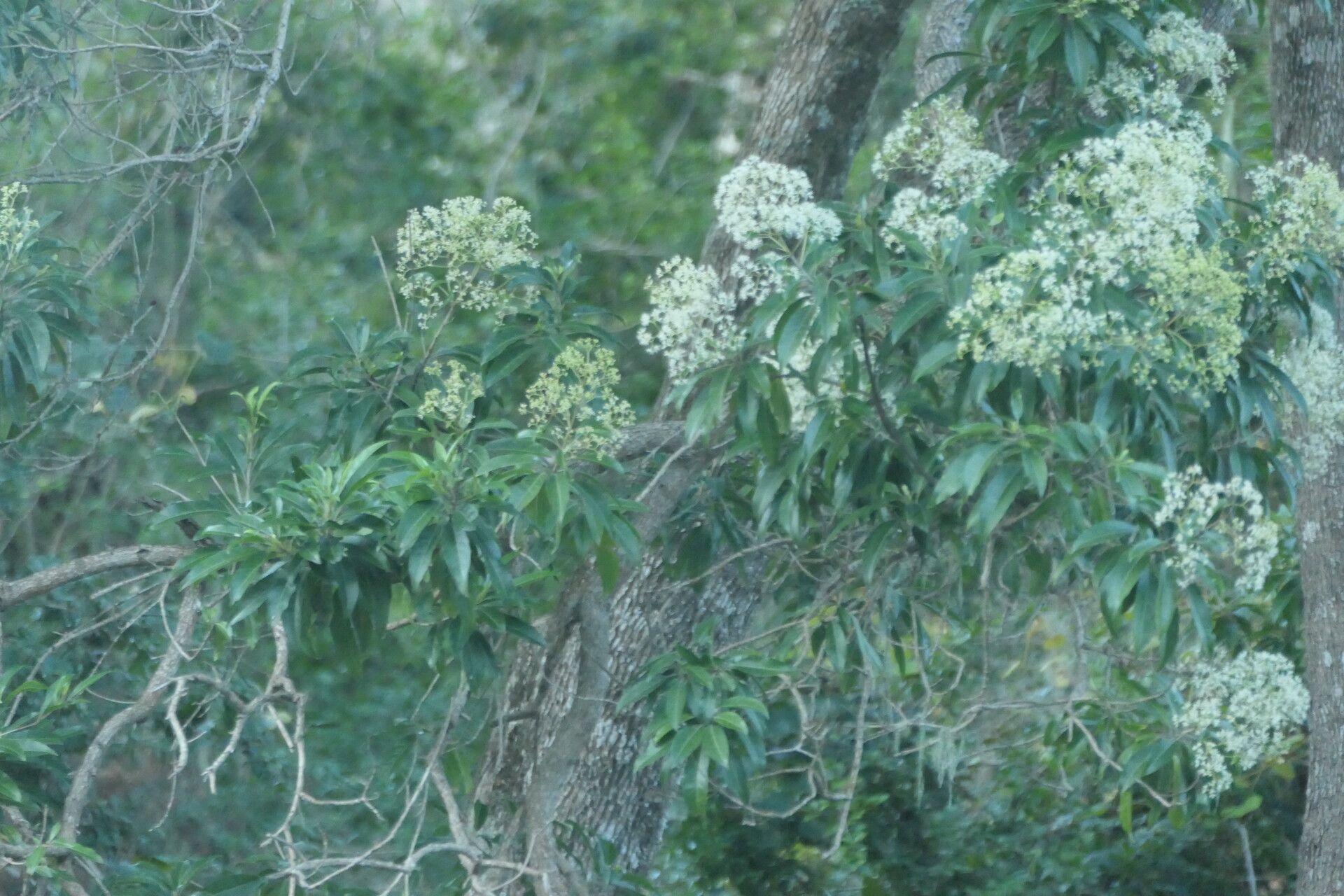
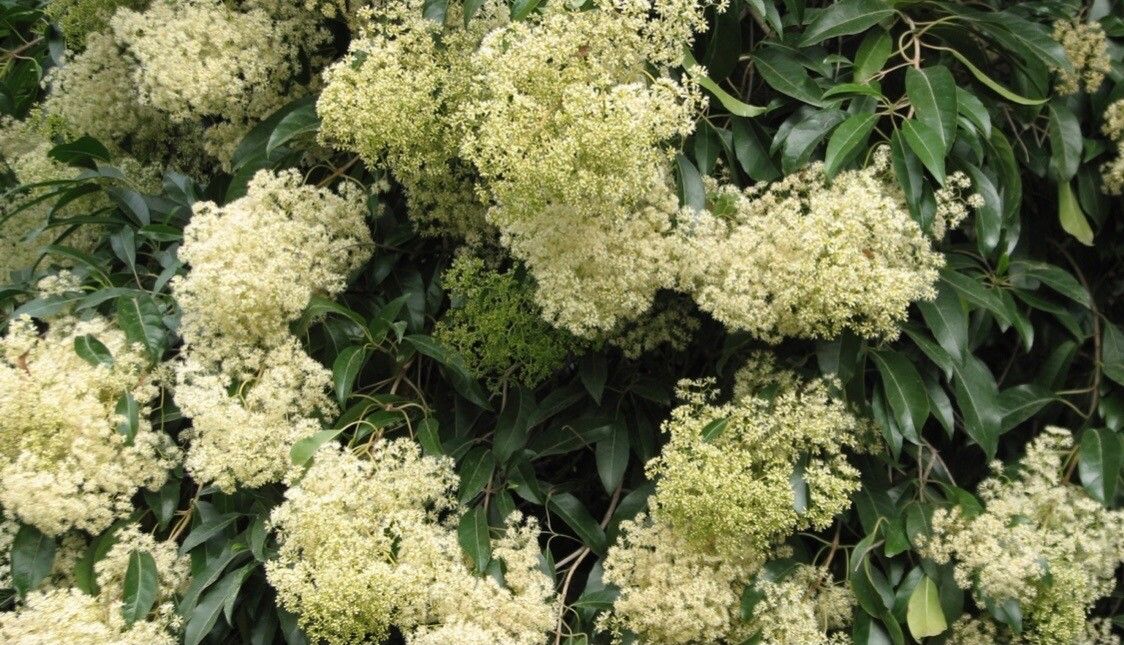
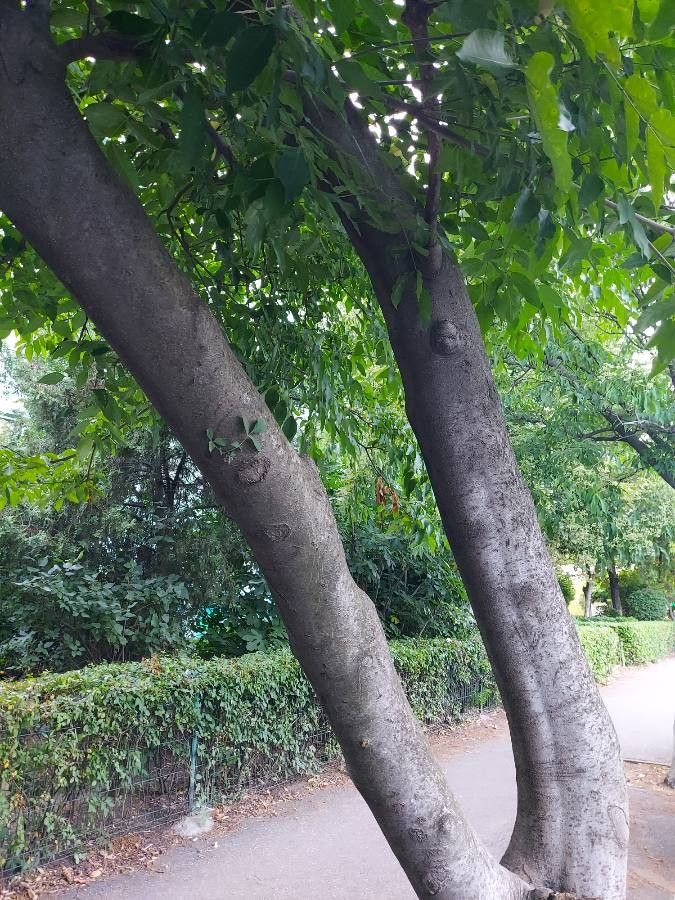
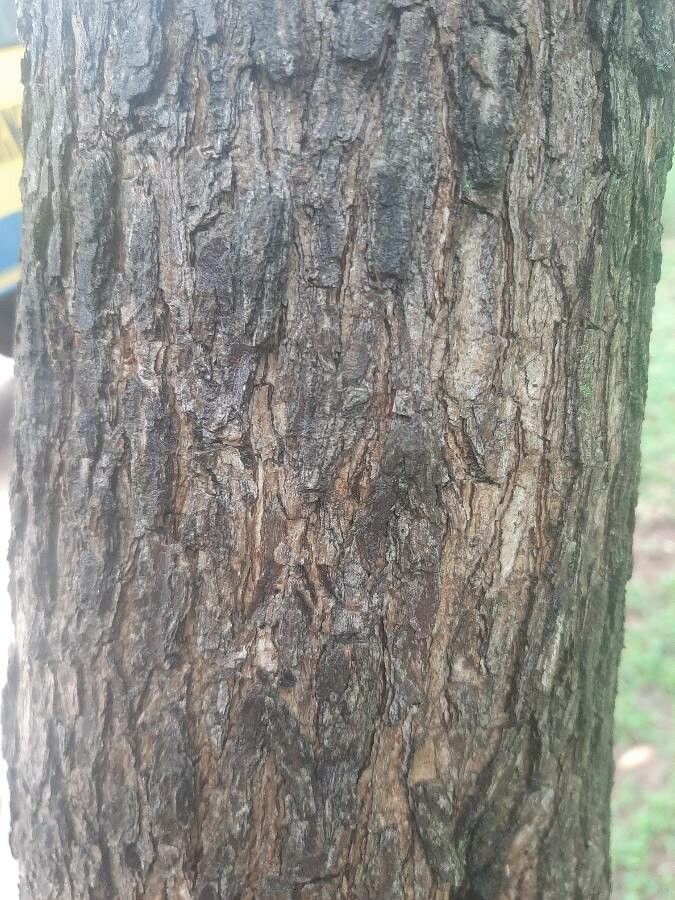
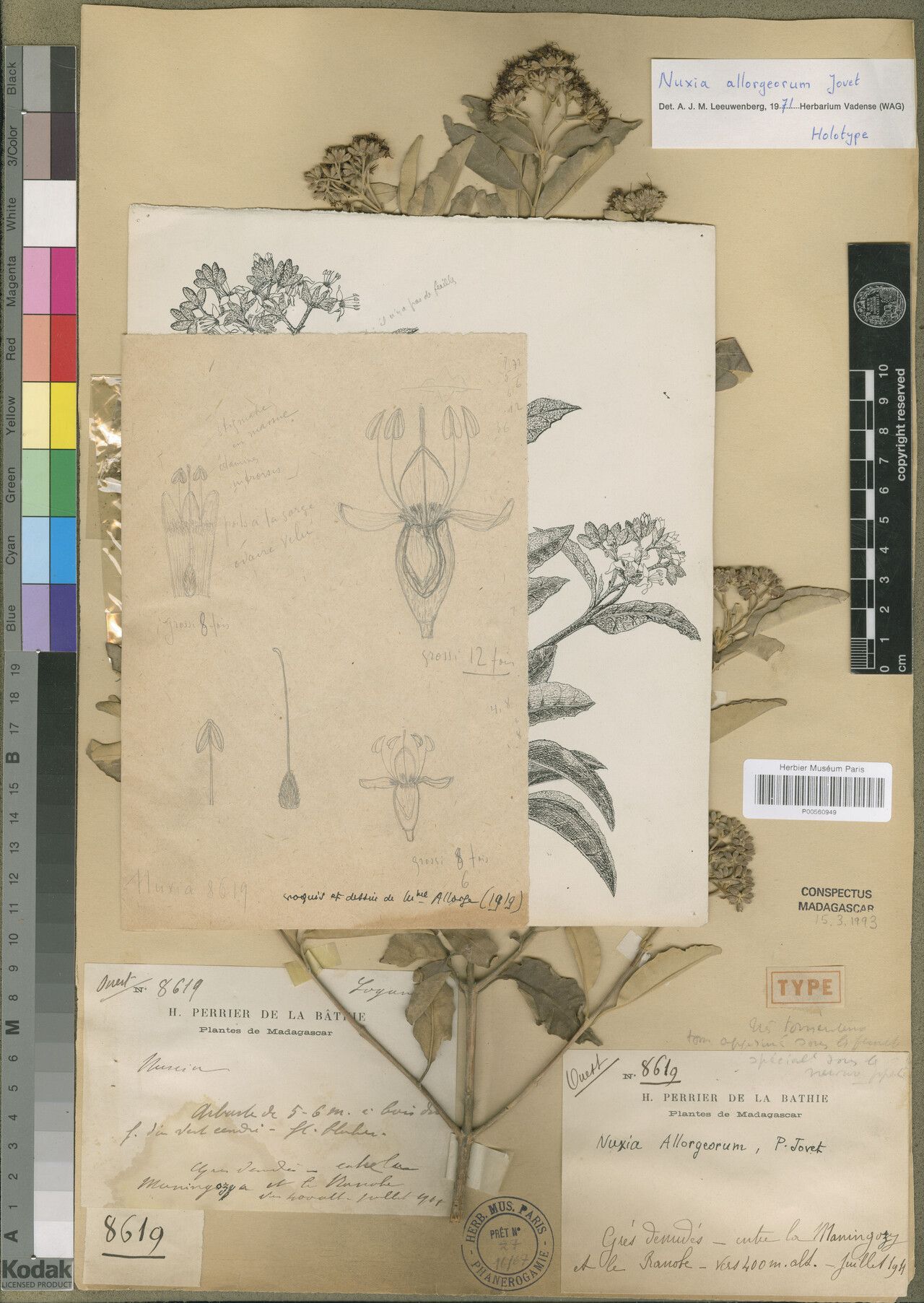
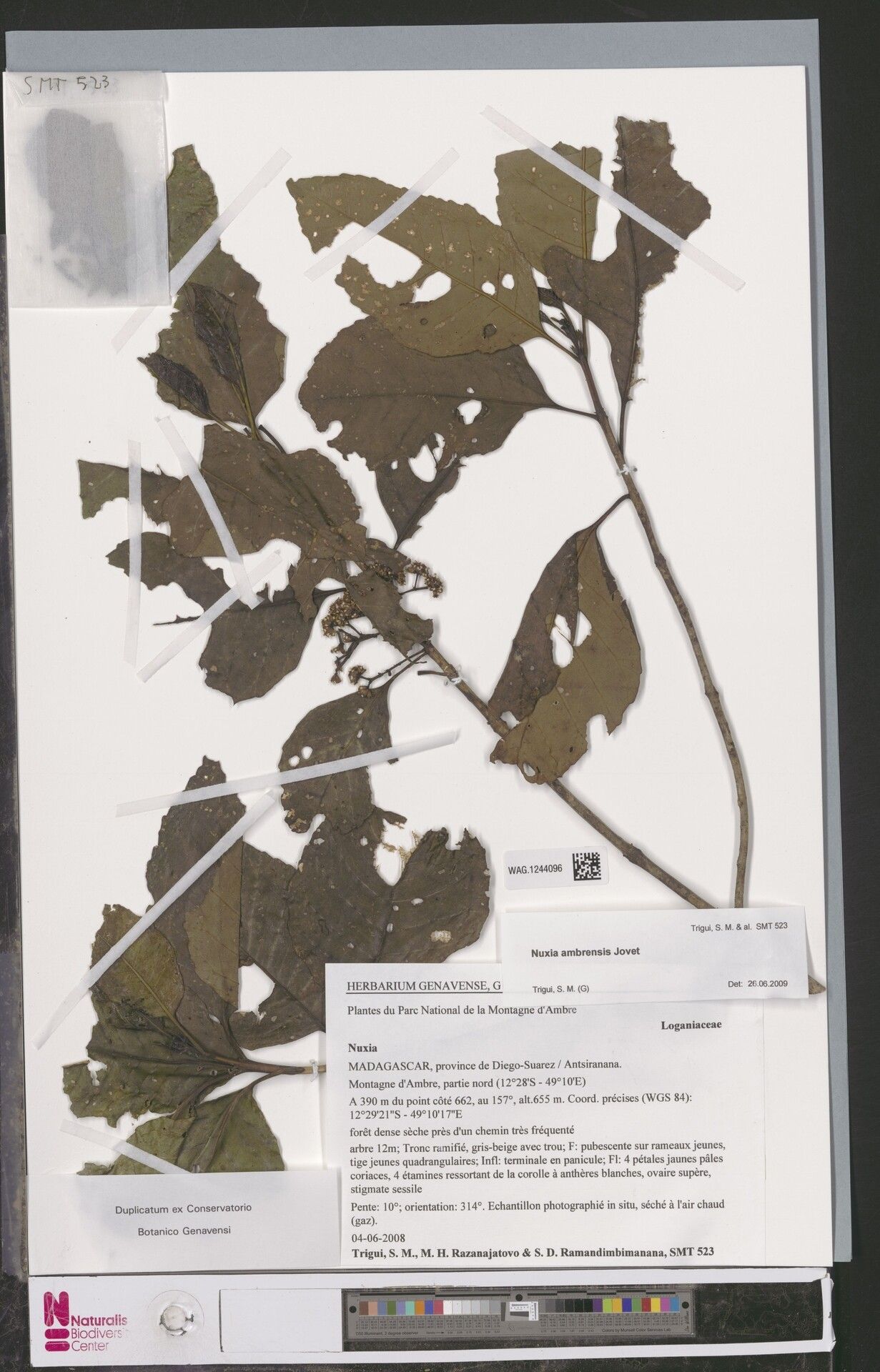
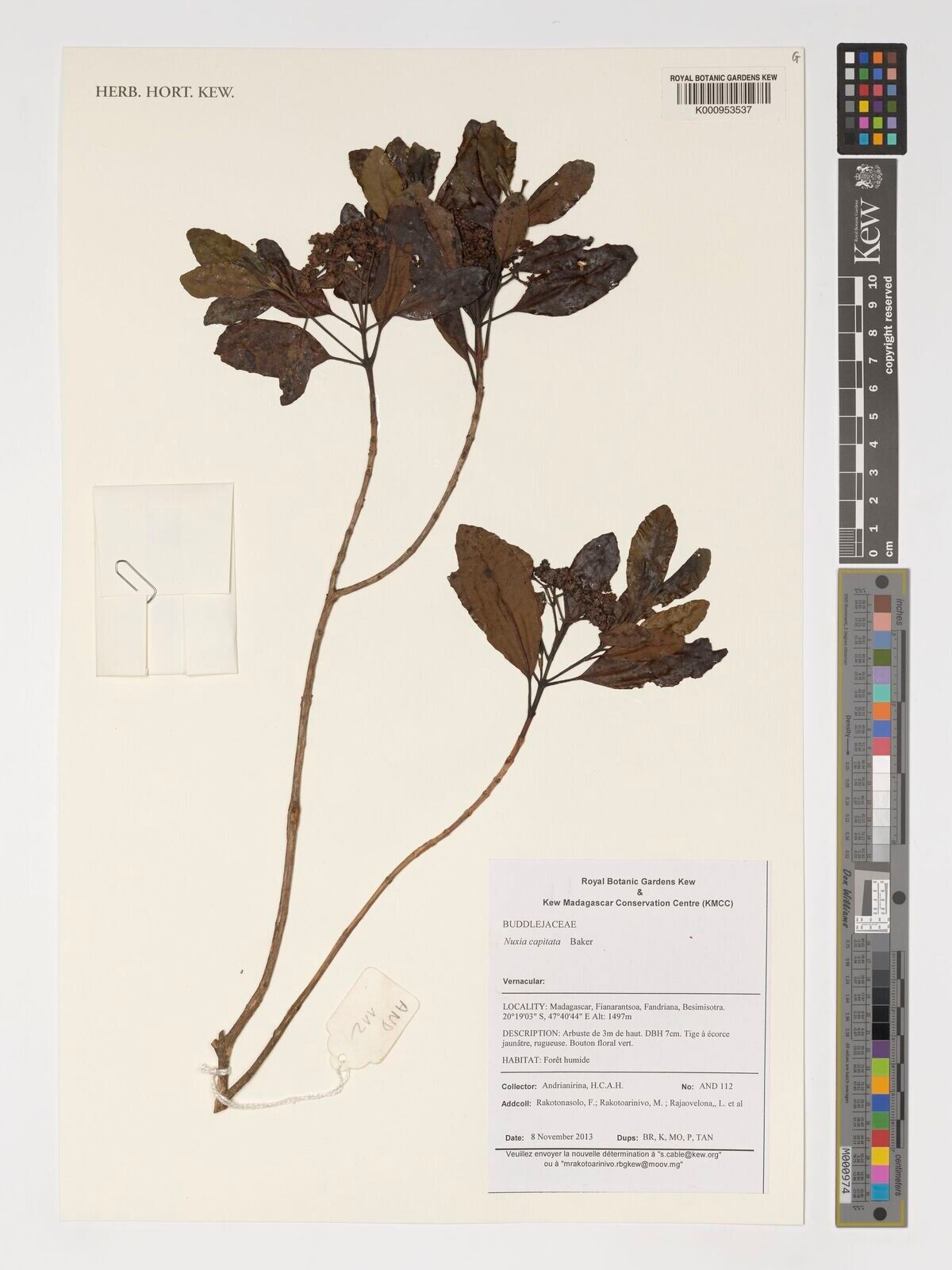
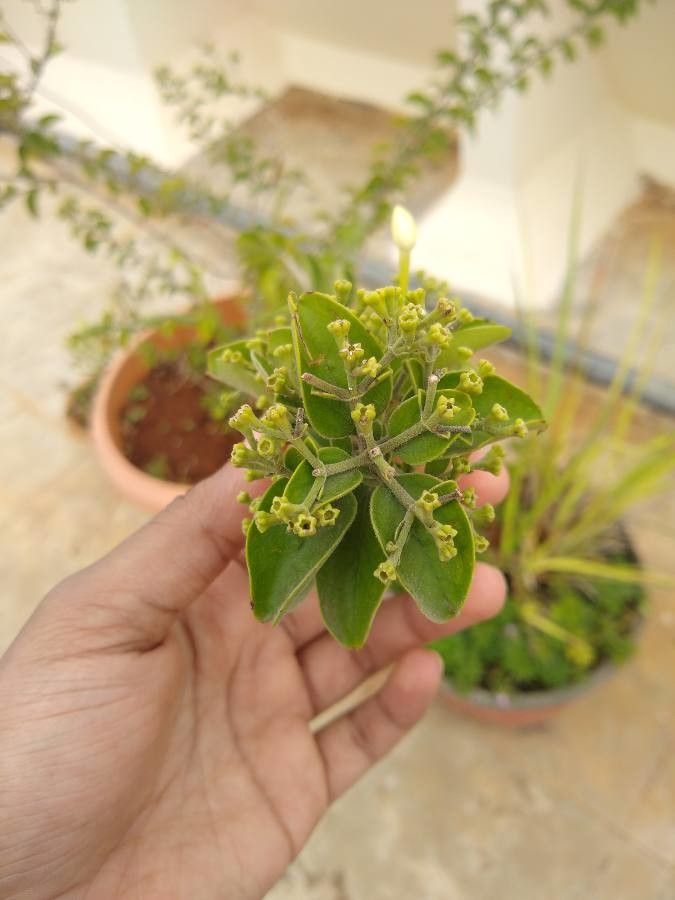
Nuxia floribunda, the forest elder, forest nuxia or wild elder, is a species of tree in the Stilbaceae family, that is native to moist regions of southern Africa, East Africa and central tropical Africa.
The forest elder demonstrates strong disease resistance and is generally not susceptible to illnesses. As for care, this plant is fairly low-maintenance. When grown outdoors it needs only minimal watering, and larger specimens typically do not require pruning. Smaller plants, however, should be trimmed after they have finished blooming. Forest elder is well suited to anyone with an outdoor area, such as a garden or deck, and does not demand extensive care experience.
How to keep Nuxia Floribunda.
Light
Forest elder prefers plenty of sunlight for healthy growth and tolerates moderate light. Coming from forest habitats, it is used to light filtered through the trees. Excessive exposure can harm the plant, while too little light can slow its growth.
Water
The Forest Elder thrives in conditions with consistent moisture, similar to its native subtropical habitat. For optimal growth, it benefits from being watered every two weeks. Using mulch can help retain soil moisture and support the plant's health during the growing season. Typically, the Forest Elder is grown outdoors due to its size and growth habits.
Temperature
Forest elder adapts well to temperature, tolerating higher heat and wide temperature fluctuations. When temperatures are high, attention should be paid to watering and providing suitable shade to avoid sunburn. However, Forest elder is relatively sensitive to low temperatures. It can endure some cold, but very low temperatures can cause frost damage.
Fertilizer
The timing of fertilizing Forest elder is important. Apply fertilizer in early spring and then monthly until early summer. Fertilizer promotes lovely blooms and supplies energy during both dormant and active growth phases.
Pruning
The forest elder is a hardy evergreen shrub known for its profusion of white flowers. To maintain its health and beauty, prune the forest elder from early to late winter. Focus on removing dead or overcrowded branches to improve air circulation. This practice encourages more abundant flowering, enhances the shrub's overall vitality, and helps prevent pest problems.
Botanical profile.
- Plant Type
- Tree
- Life Cycle
- Perennial
- Genus
- Nuxia
- Family
- Stilbaceae
- Hardiness Zone
- 9-11
- Mature Height
- 3.05 m to 24.99 m
- Mature Spread
- 4.57 m to 6.1 m
- Leaf Color
- Green
- Leaf Type
- Evergreen
- Flower Color
- White, Cream
- Flower Size
- 2.54 cm
- Bloom Time
- Late summer, Early fall, Mid fall
- Planting Time
- Spring, Summer
- Harvest Time
- Late fall, Early winter, Mid winter
- Native Area
- Malawi, Burundi, Mozambique, South Africa, Zambia, Eswatini, Rwanda, Kenya, Congo (DRC), Uganda, Tanzania, Zimbabwe
Other names.
Reader questions.
What are the sunlight requirements for the Forest Elder?
The Forest Elder, or Nuxia floribunda, thrives best with ample sunlight but also grows well in moderate sunlight conditions. Originating from forest habitats, it has adapted to light that is filtered through trees. It's crucial to monitor the plant's exposure to sunlight carefully; while overexposure may harm the plant, insufficient light can halt its growth. The plant favors locations that receive more than 6 hours of sunlight (full sun) but can also manage in areas with about 3-6 hours of sunlight (partial sun). Observing the sunlight's movement through your garden will help in choosing the ideal spots that offer a healthy balance of light and shade.
How does artificial lighting affect the growth of Forest Elder indoors?
When natural sunlight is inadequate, especially during winter or in less sunny spaces, artificial lighting can significantly benefit the growth of Forest Elder plants indoors. Optimal growth under artificial lights requires selecting the correct type of light, with LED lights being a widely recommended choice due to their customizable wavelength output. For full sun plants, 30-50W/sq ft is advised, while partial sun plants need 20-30W/sq ft, and full shade plants require 10-20W/sq ft. The artificial light source should be placed 12-36 inches above the plant, mimicking natural sunlight as closely as possible, and it should be kept on for 8-12 hours per day to emulate the natural length of daylight hours for the species.
What are the symptoms of insufficient light exposure in Forest Elder?
Insufficient light exposure in Forest Elder can lead to a range of symptoms indicating the plant's struggle. New leaves may grow smaller than usual, indicating a lack of energy. Spaces between leaves or stems could increase, making the plant appear leggy or sparse. Early leaf drop can occur as the plant tries to conserve resources, and growth may slow down or stop altogether if the light conditions do not meet the plant’s needs. Leaves could also develop pale colors, a sign of reduced chlorophyll and nutrient deficiency. Heat sensitivity is another concern; symptoms like chlorosis, sunscald, leaf curling, wilting, and leaf scorching indicate that a plant is receiving too much light or is exposed to overly intense conditions, causing various forms of damage.
What are the suggested solutions for light-related issues in Forest Elder?
Addressing light-related issues in Forest Elder involves strategic adjustments to the plant's environment. Indoor plants requiring more light can be gradually moved to sunnier spots, ensuring they receive at least 6 hours of direct sunlight daily, ideally through a south-facing window. Additionally, artificial lighting can supplement natural light, especially for large or immobile plants, with at least 8 hours of exposure from lamps or grow lights recommended. For outdoor adjustments, a gradual week-by-week relocation to sunnier areas helps prevent sunburn by allowing the plant to adapt to increased light. Minimizing obstructions such as overhanging branches can also improve light penetration. In some cases, transplanting during the plant's dormant period can ensure a better location with sufficient sunlight and drainage. It's important to note that while parts of the plant already affected may not recover, new growth should be healthier following these adjustments.