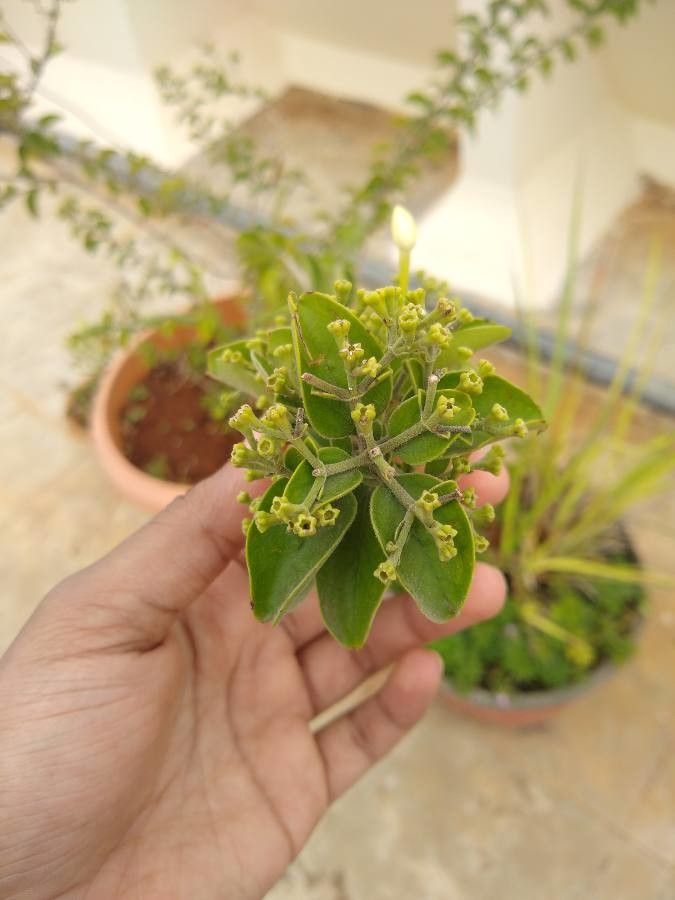
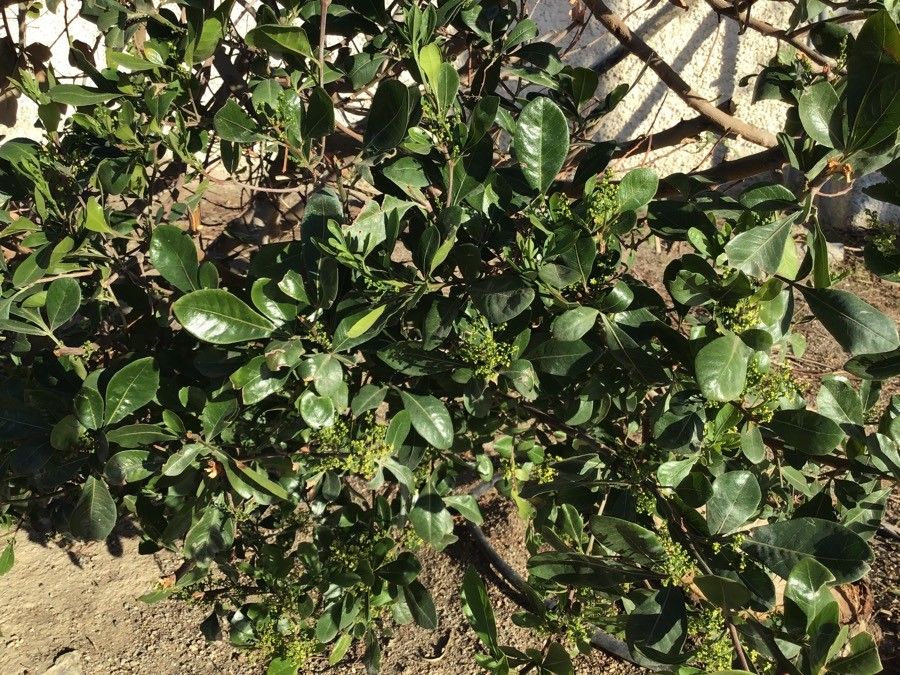
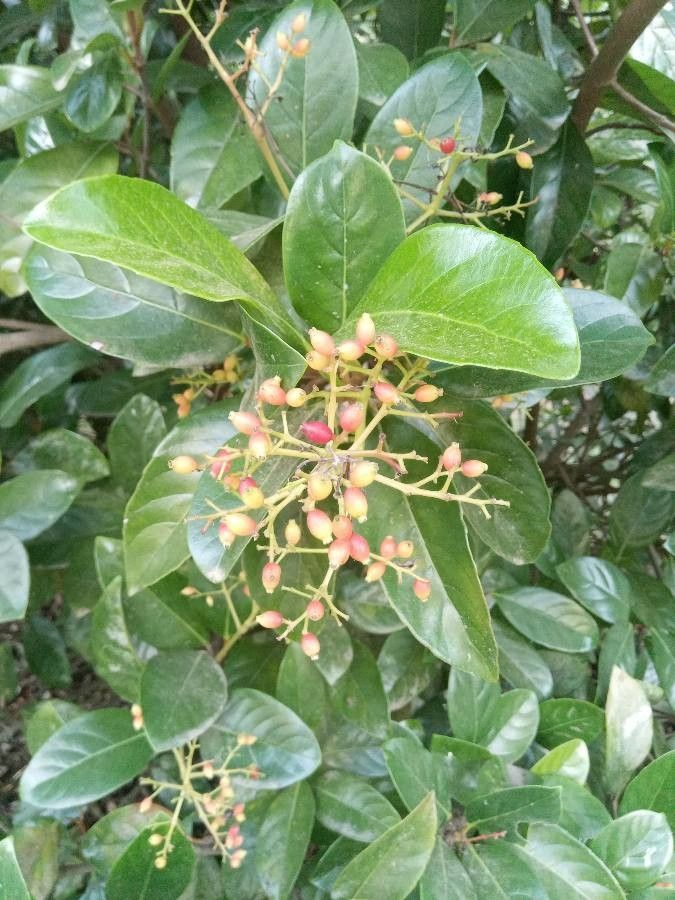
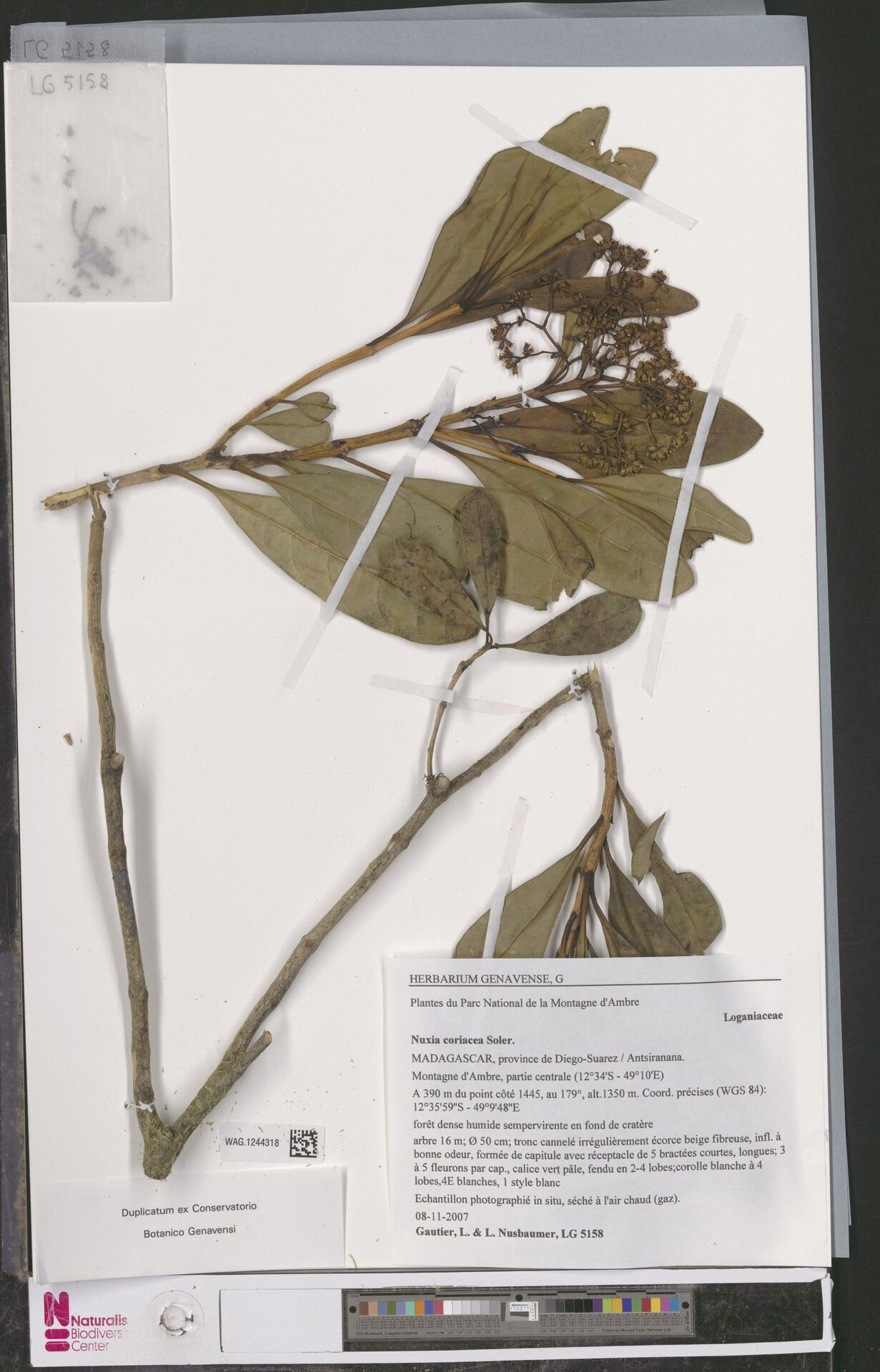
Nuxia congesta is a small to medium-sized evergreen tree that belongs to the family Stilbaceae. It is commonly found in the eastern parts of South Africa, particularly in the KwaZulu-Natal and Mpumalanga provinces. The tree can grow up to 10 meters tall and features a dense, rounded crown with dark green leaves that are glossy on top and paler underneath.
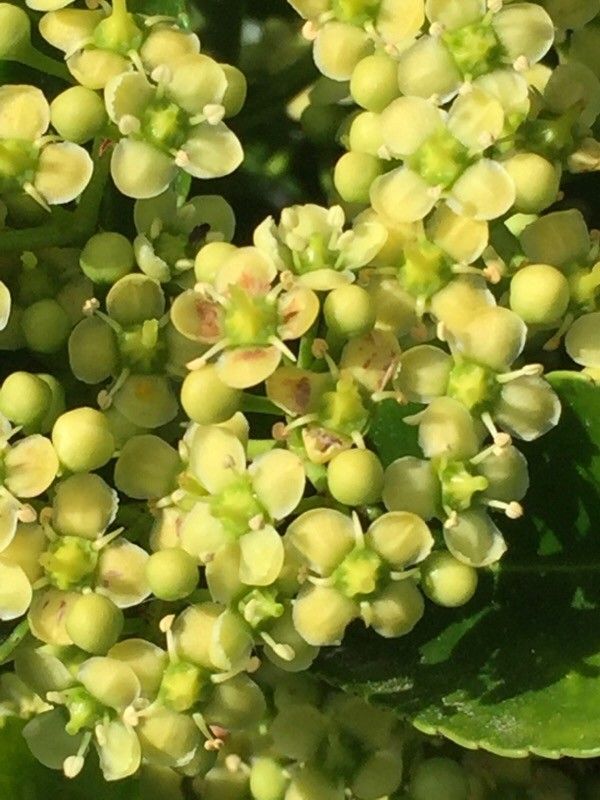
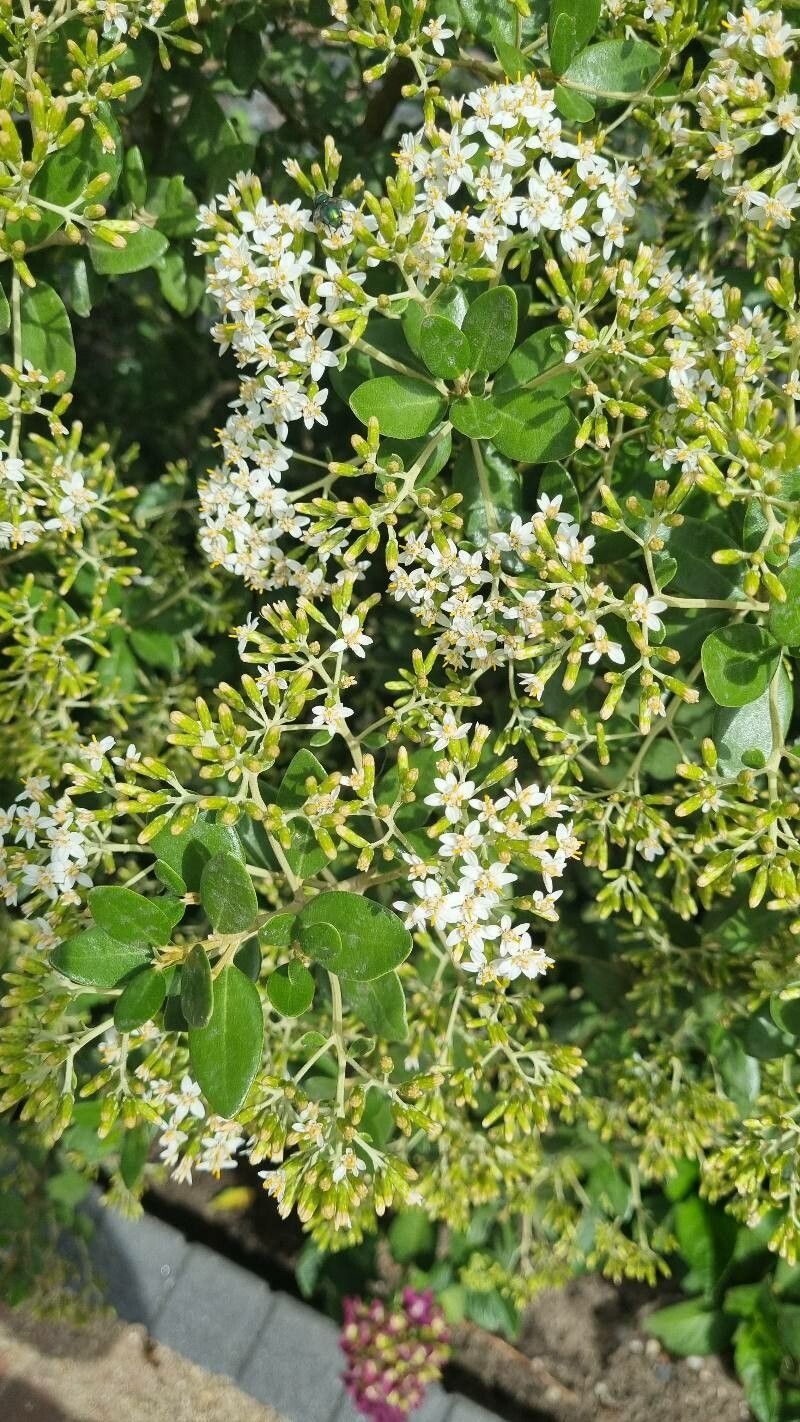
The plant produces small, fragrant white or cream-colored flowers that bloom from late winter through early spring. These flowers are arranged in dense clusters at the ends of branches and attract various pollinators such as bees, butterflies, and birds.
Nuxia congesta is known for its medicinal properties. Traditionally, indigenous people have used its bark to treat various ailments such as fever, diarrhea, dysentery, and stomach problems. It also holds cultural significance among some African tribes who use it for ritual purposes.
The plant prefers well-drained soils with moderate moisture levels but can tolerate drought conditions once established. It grows well in full sun or partial shade, making it suitable for gardens or landscaping purposes.
Overall, Nuxia congesta is an attractive ornamental tree with cultural significance and medicinal properties, making it an important plant species within South Africa's biodiversity heritage sites.
Wild elder is disease-resistant and generally not prone to disease. With regard to care, this plant is fairly low-maintenance. When grown outdoors it needs only minimal watering, and larger plants typically do not require pruning. Smaller plants, however, should be trimmed after they finish blooming. Wild eldert is appropriate for anyone with outdoor space, such as a garden or deck, and does not demand much experience in plant care.
How to keep Nuxia Congesta.
Temperature
Wild elder is fairly adaptable to temperature, able to endure higher heat and wider temperature swings. In hot conditions, it is important to ensure adequate watering and to offer suitable shade to avoid sunburn. On the other hand, wild elder is not very resistant to low temperatures. While it can tolerate some cold, very low temperatures can cause frost damage.
Fertilizer
Fertilize your Wild elder in early spring to encourage healthy growth. Regular feeding improves overall health, leading to vigorous development, increased tolerance of harsh conditions, and stronger resistance to diseases and pests. Keep to a consistent fertilization schedule for your Wild elder to preserve foliage that is rich in color and lush in appearance.
Botanical profile.
- Plant Type
- Tree
- Life Cycle
- Perennial
- Genus
- Nuxia
- Family
- Stilbaceae
- Native Area
- Saudi Arabia, Malawi, Somalia, Angola, South Africa, Zambia, Sudan, Rwanda, Eritrea, Nigeria, Guinea, Kenya, Uganda, Tanzania, Sierra Leone, Cameroon, Burundi, Mozambique, Togo, Ghana, Côte d'Ivoire, Ethiopia, Eswatini, Congo (DRC), Botswana
Other names.