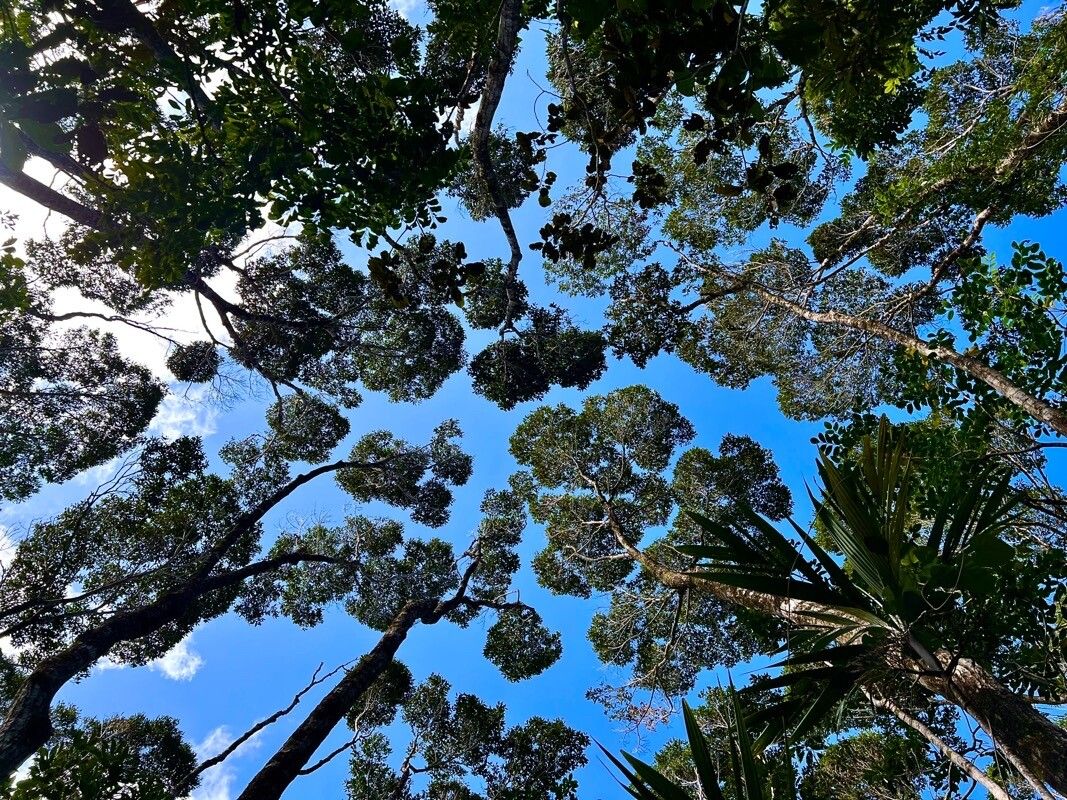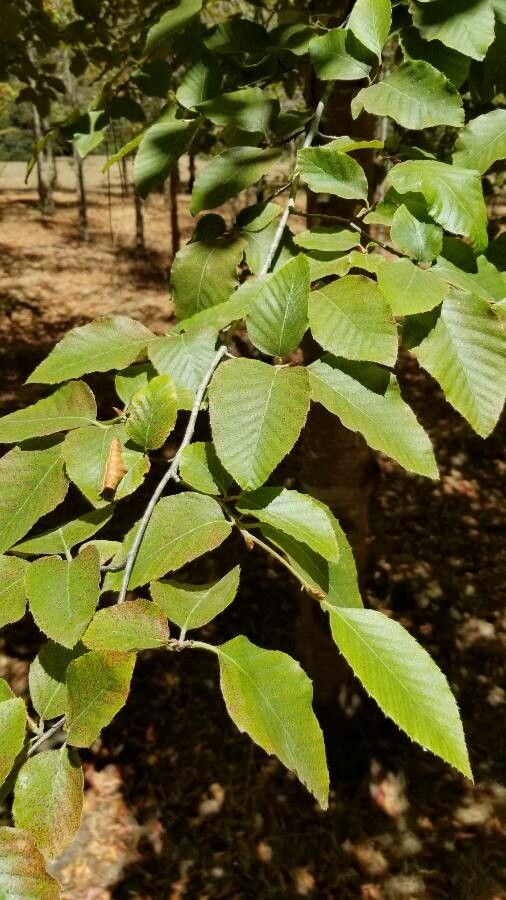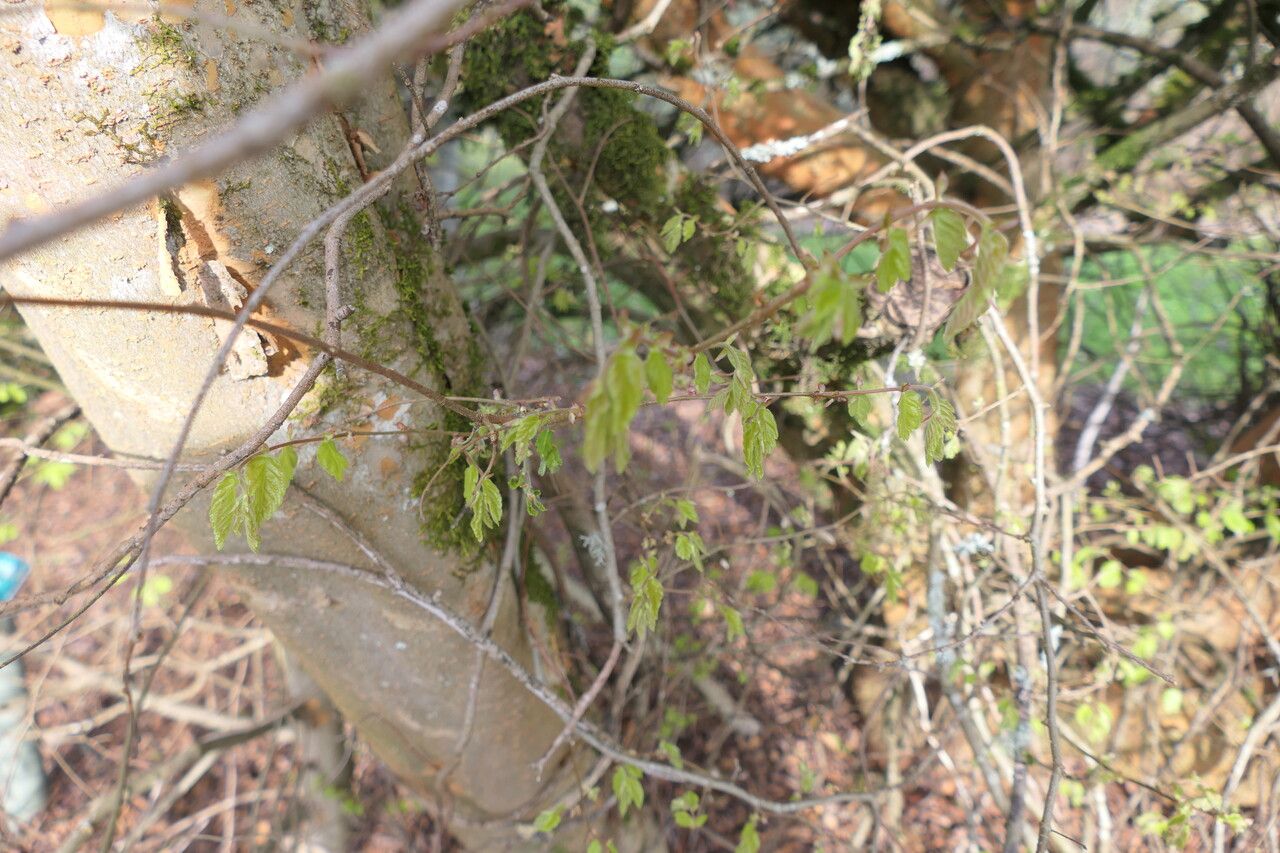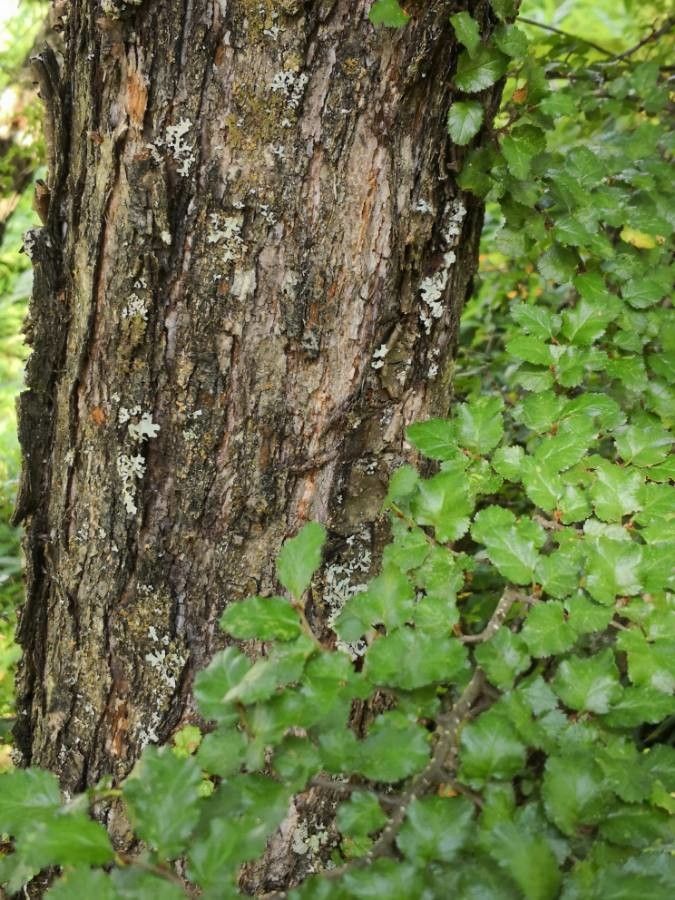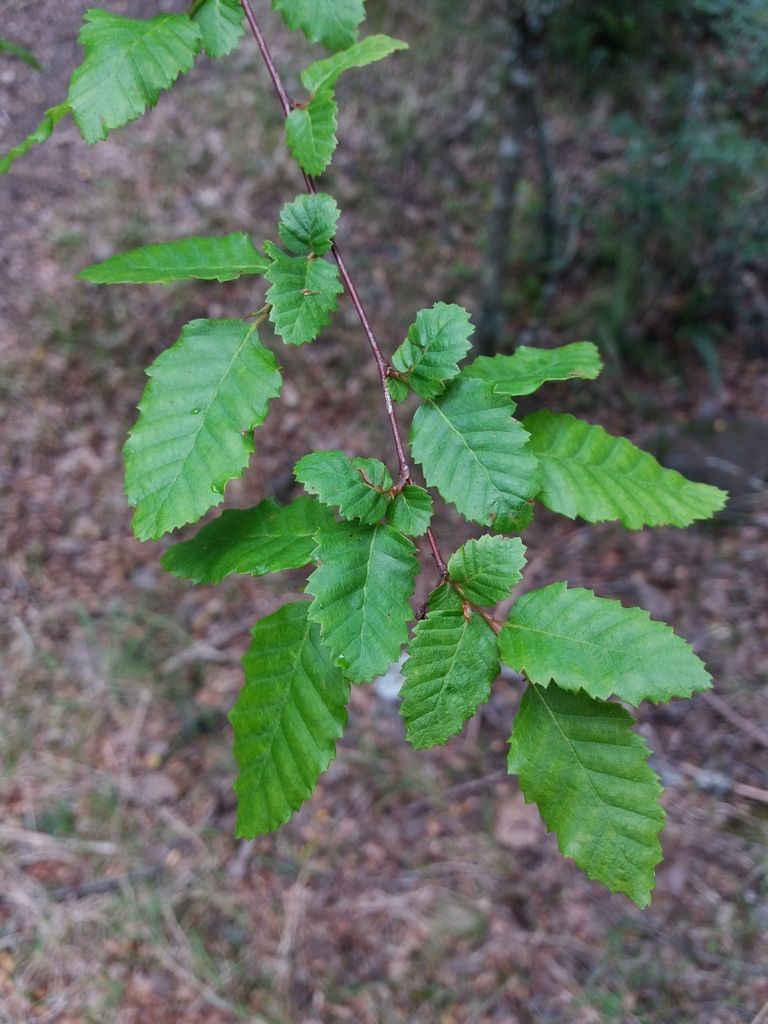
Nothofagus obliqua, commonly known as the roble beech or Chilean beech, is a deciduous tree species native to southern Chile and Argentina. This member of the Nothofagaceae family can reach heights of up to 40 meters, with a trunk diameter of up to 2 meters. The tree features an oval-shaped crown and smooth gray bark that becomes fissured with age. The leaves of Nothofagus obliqua are simple, alternate, and elliptical with serrated edges. They are dark green on the top and lighter underneath. In spring, the tree produces small, greenish-yellow flowers. Nothofagus obliqua is valued for its strong wood, making it an important timber species. Its wood is commonly used for furniture making, construction, flooring, and veneers. Ecologically, the tree provides essential habitat for various animal species, including birds, insects, and mammals. The roble beech prefers moist soils but can tolerate dry conditions once established. It thrives in cool temperate climates, with winter temperatures ranging from -5°C to 20°C and summer temperatures from 10°C to 25°C. Unfortunately, Nothofagus obliqua faces threats from deforestation due to logging activities, leading to its classification as vulnerable by the International Union for Conservation of Nature (IUCN). Conservation efforts, including reforestation programs, are underway to restore degraded areas where this tree naturally grows.
Roble beech has strong resistance to disease and is generally not susceptible to illnesses. In terms of care, this plant is fairly low-maintenance. When planted outdoors it needs minimal watering, and larger specimens typically do not require pruning. Smaller plants, however, should be pruned after they have bloomed. Roble beech is appropriate for anyone with an outdoor area, such as a garden or deck, and does not demand extensive experience in plant care.
How to keep Nothofagus Obliqua.
Light
Roble beech comes from open habitats, like sunlit meadows and forest margins, where ample light is available. It performs best in Full Sun but can also tolerate Partial Sun, adapting well to different sunlight conditions.
Water
The Roble beech tree shows moderate tolerance to drought and can thrive in different rainfall conditions. To mimic its natural habitat, water the tree every 2 to 3 weeks. Adjust the watering frequency during the growing season, as the tree requires more water at that time due to its deciduous nature.
Temperature
Roble beech adapts well to a variety of climate conditions, from scorching summers to cold winters. However, it has an optimal temperature range for growth. If temperatures become excessively high, the plant is susceptible to heat and humidity stress, which can cause its death. In regions where temperatures near the lower limit of its cold tolerance, it is important to provide insulation to protect the plant.
Fertilizer
Fertilize your Roble beech in early spring to encourage healthy growth. Regular feeding boosts overall health, leading to vigorous growth, increased resilience to harsh conditions, and improved resistance to pests and diseases. Follow a consistent fertilization schedule for your Roble beech to maintain vibrant, deeply colored foliage and a lush appearance.
Pruning
The Roble beech is a deciduous tree known for its vigorous growth. The best time to prune is in early spring. Focus on thinning the branches, removing any dead wood, and shaping the tree. This will improve air circulation, increase sunlight penetration, and reduce the risk of disease. Always use clean, sharp tools for pruning to avoid infections.
Botanical profile.
- Plant Type
- Tree
- Life Cycle
- Perennial
- Genus
- Nothofagus
- Family
- Nothofagaceae
- Hardiness Zone
- 8
- Mature Height
- 20.12 m
- Mature Spread
- 2.13 m
- Leaf Color
- Yellow, Red, Green
- Leaf Type
- Deciduous
- Flower Color
- Brown
- Flower Size
- 0.25 cm to 0.51 cm
- Bloom Time
- Early spring, Mid spring
- Planting Time
- Spring, Summer
- Harvest Time
- Summer
Other names.
Reader questions.
What is the best way to water my Roble beech tree?
To promote excellent root development, it's a good idea to place a garden hose at the base of your plants. Be careful not to spray the leaves directly, as this can be harmful. If your plants are outdoors and exposed to direct sunlight, the leaves will need more watering. Using bubblers or soaker hoses can help moisten the roots effectively. When adding or removing plants, consider using soaker hoses that cover the entire garden or bed to ensure deep root watering. Remember to drain any excess water and allow the soil to dry before watering again. To prevent diseases, water at ground level rather than on the leaves. On a sunny day, it may be beneficial to spray the entire bush with water. It's important to note that whether your plants are potted or in the ground, Roble beech plants prefer deep watering rather than light sprinkling.
Why is it important to add fertilizer to my Roble beech tree?
To ensure the overall health of your Roble beech, it is important to fertilize regularly. By providing the proper nutrients, you can promote vigorous growth and increase your tree's resilience to challenging conditions, all while strengthening its ability to combat diseases and pests. Maintaining the foliage of your Roble beech is crucial, as it is one of its most attractive features. Therefore, it is recommended to establish a consistent and customized fertilization schedule to encourage the development of vibrant, lush leaves with a deep color.
What are the sunlight requirements for the Roble beech?
The Roble beech needs above 6 hours of sunlight to be considered in full sun and about 3-6 hours of sunlight for partial sun. It's important to watch how sunlight moves through your garden to find spots that provide the right balance of light and shade, ensuring the plants' well-being. Originally from sunny meadows and forest edges, the Roble beech thrives in full sun but can also tolerate partial sun, making it adaptable to various sunlight conditions.
What is the botanical name of the Roble Beech?
The Roble Beech is botanically known as Nothofagus obliqua. This name helps distinguish it from other species within the Nothofagus genus.
What should I do if I give too much/too little water to the Roble beech tree?
If you notice that the leaves of an overwatered Roble beech turn yellow, drop off, and wilt, and the plant looks dull and unhealthy with mushy stems, it's best to adjust your watering schedule. Wilting can also be a sign of under watering, in which case the leaves will become crispy and dry. Check the soil for dryness and if watering alone is not sufficient, give the plant a full watering in time. Although enough water will help the Roble beech recover, it may still have dry, yellow leaves for a few days due to a damaged root system. Once the plant returns to normal, the yellowing leaves will stop. When keeping the Roble beech indoors, always check the moisture levels of the pot and avoid overwatering. Look for signs of black spots, and if they are present, let the soil dry in the pot by withholding water for a few days. Overwatering can cause root rot, so if you notice discolored and slimy roots, consider transferring the plant to a different pot. Remember to prevent root rot by avoiding excessively soggy soil. When planting the Roble beech outdoors, dig a little deeper and if the soil feels too dry, it could indicate underwatering. Adequate watering is necessary to help the plant recover.
When should I put fertilizer on my Roble beech tree?
To keep your Roble beech healthy and thriving, it's best to fertilize it twice a year. The first application should be in late winter or early spring, which will give the tree the necessary nutrients to support growth once the weather warms up. If you live in a warm climate region, it's also helpful to fertilize again in early fall. This second feeding adds nutrients for the following growing season and helps the tree become more resilient to winter cold, reducing the chance of damage to its foliage. By fertilizing earlier, you ensure that new branches have enough time to grow and withstand the winter chill.
How can artificial lighting support indoor Roble beech plants?
When natural sunlight is not sufficient, especially during winter or in less sunny spaces, artificial lighting becomes crucial for the growth of indoor Roble beech plants. LED lights are recommended because they can be adjusted to provide specific wavelengths needed by the plants. For plants requiring full sun, 30-50W/sq ft of artificial light is needed; for partial sun, 20-30W/sq ft; and for full shade, 10-20W/sq ft. The light should be placed 12-36 inches above the plant to mimic natural sunlight and left on for 8-12 hours per day.
How frequently should I water my Roble beech tree?
The Roble beech tree prefers deep and infrequent watering. When planted in pots, it's important to give them a gallon of water each time to account for the limited water storage and faster drying soil. In colder regions, watering is needed every 3 to 5 days. Watering should be done in the morning when the soil is dry, both indoors and outdoors. To determine if watering is needed, check the top 2-3 inches of soil; if it's dry, give the plant a full watering. On hot days, check the moisture daily as the heat can quickly dry out the soil in the pot. For gardens, irrigation of the soil is required, especially in hot climates where watering once a week is recommended. Only water when about 2 to 3 inches of soil becomes too dry, whether indoors or outdoors. Take into consideration the amount of rainfall to prevent overwatering and root rot. Roble beech trees typically grow during spring and fall. For outdoor trees, adding a 3 to 4 inch layer of mulch can help conserve water. Sandy soil requires more frequent watering due to its faster drainage, while clay soil needs less frequent watering to avoid root rot. Keeping track of watering dates on the calendar can help ensure timely watering, and be sure to observe the leaves for drooping as an indication of needing water.
When is it not a good idea to put fertilizer on my Roble beech tree?
There are specific times of the year you should avoid fertilizing your Roble beech. The first is in the early and mid-winter months when the tree is dormant and doesn't need extra nutrients. It is also not recommended to fertilize during late spring and summer when the weather is hotter and dryer. These conditions can have a negative effect on your tree if you fertilize during this time. To prevent any issues, stick to a fertilization schedule that only includes early spring and early fall.
What are the symptoms of light deficiency in Roble beech?
When the Roble beech does not receive enough light, it may exhibit symptoms such as smaller new leaves, leggy or sparse growth, faster leaf drop, slower or no new growth, and lighter-colored new leaves. Additionally, excessive sunlight can cause chlorosis, sunscald, leaf curling, wilting, and leaf scorching. These symptoms indicate the plant's struggle with its light environment, either needing more light or suffering from too much direct exposure.
How much water should I water my Roble beech tree?
The Roble beech tree needs about a gallon of water on a regular schedule. For potted plants, water them deeply until water begins to drip out of the bottom of the pot. Then, wait for the soil to dry before watering again. To determine how much water you've given your plant in a week, you can use a water calculator or moisture meter. During the flowering period, provide plenty of water, but allow the soil to dry out afterwards to prevent root rot. If the Roble beech is planted outdoors and receives adequate rainfall, it may not need additional watering. However, when the Roble beech is young or newly planted, ensure it receives 1-2 inches of rain per week. As the Roble beech tree grows, it can rely solely on rainfall. Only in very hot weather or when there has been no rainfall for 2-3 weeks should you consider giving the tree a full watering during the cooler part of the day to prevent heat damage. Additional watering will be necessary during extended dry periods.
What kind of fertilizer should I use for my Roble beech tree?
The most important nutrient for a Roble beech is usually nitrogen, but phosphorus and potassium are still important. Your Roble beech needs a good amount of all three nutrients, so a balanced fertilizer like a 10-10-10 can be effective. However, a more specific ratio of nutrients can lead to optimal growth. Fertilizers with slightly higher nitrogen content, such as a 10-6-4 ratio, often work well. You can choose between granular or liquid-based fertilizers for application.