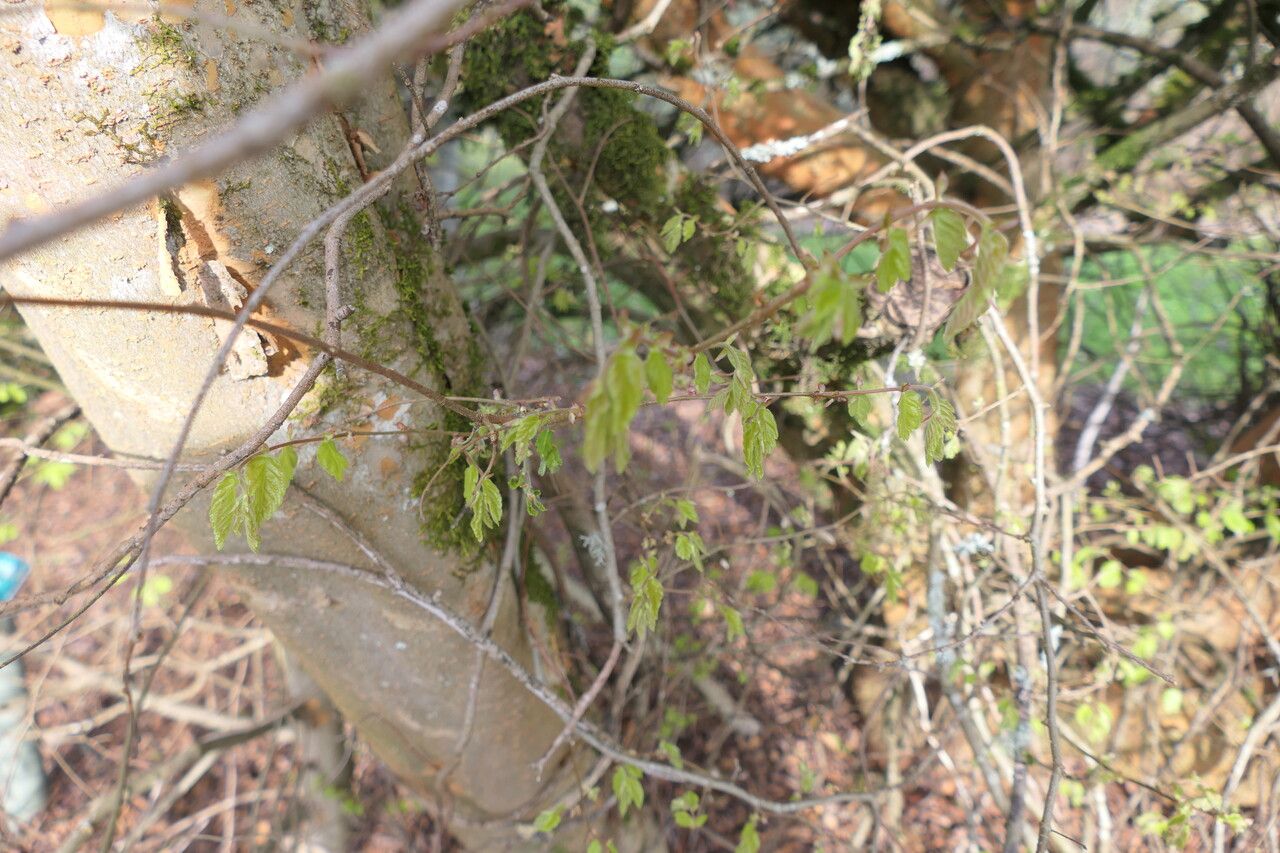
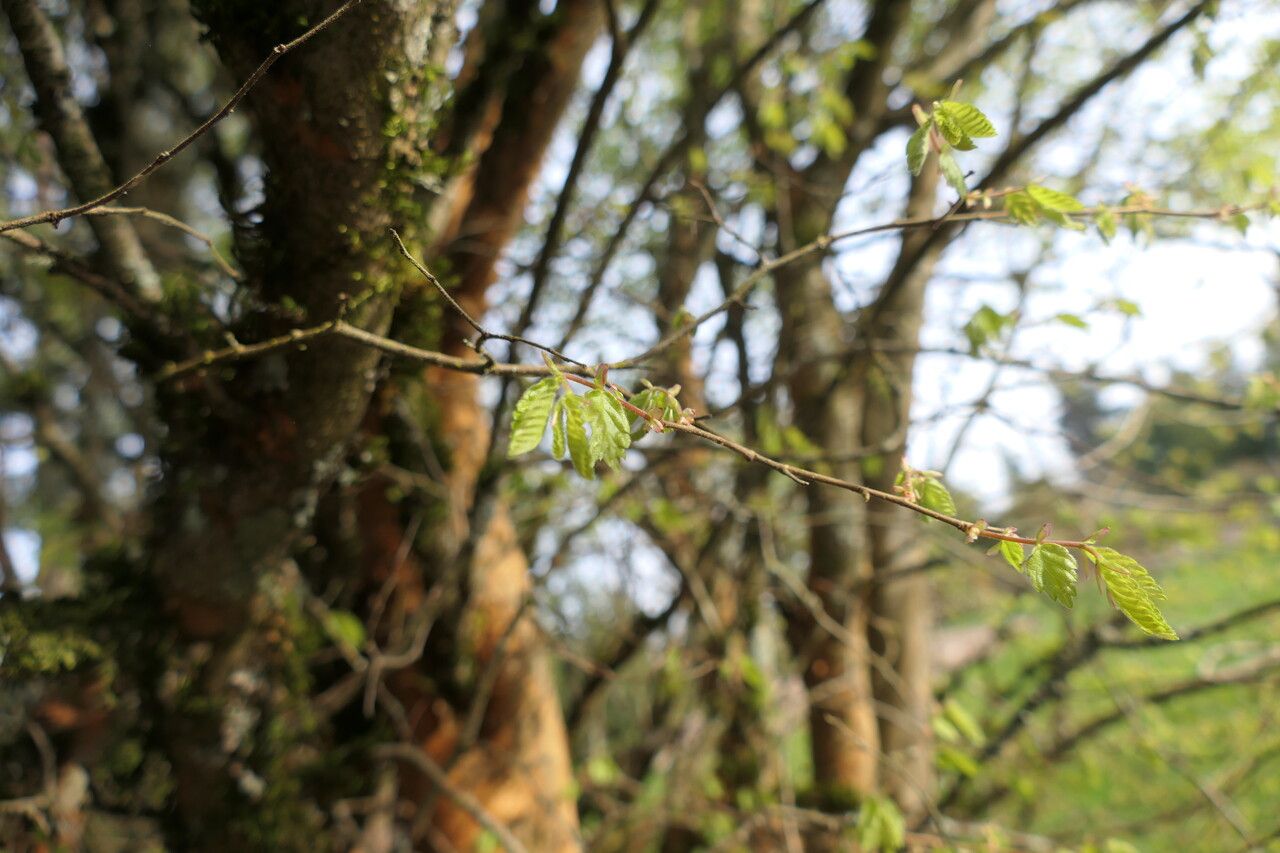
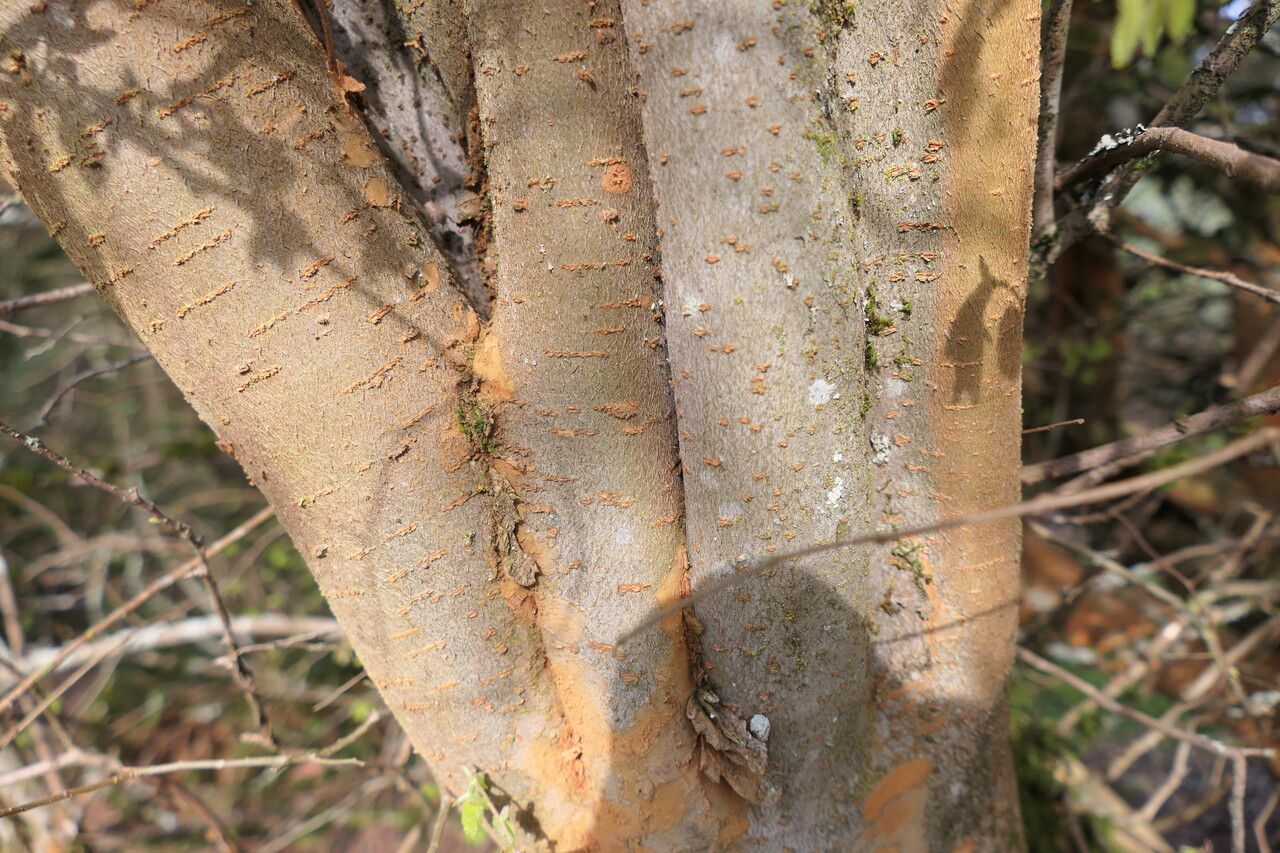
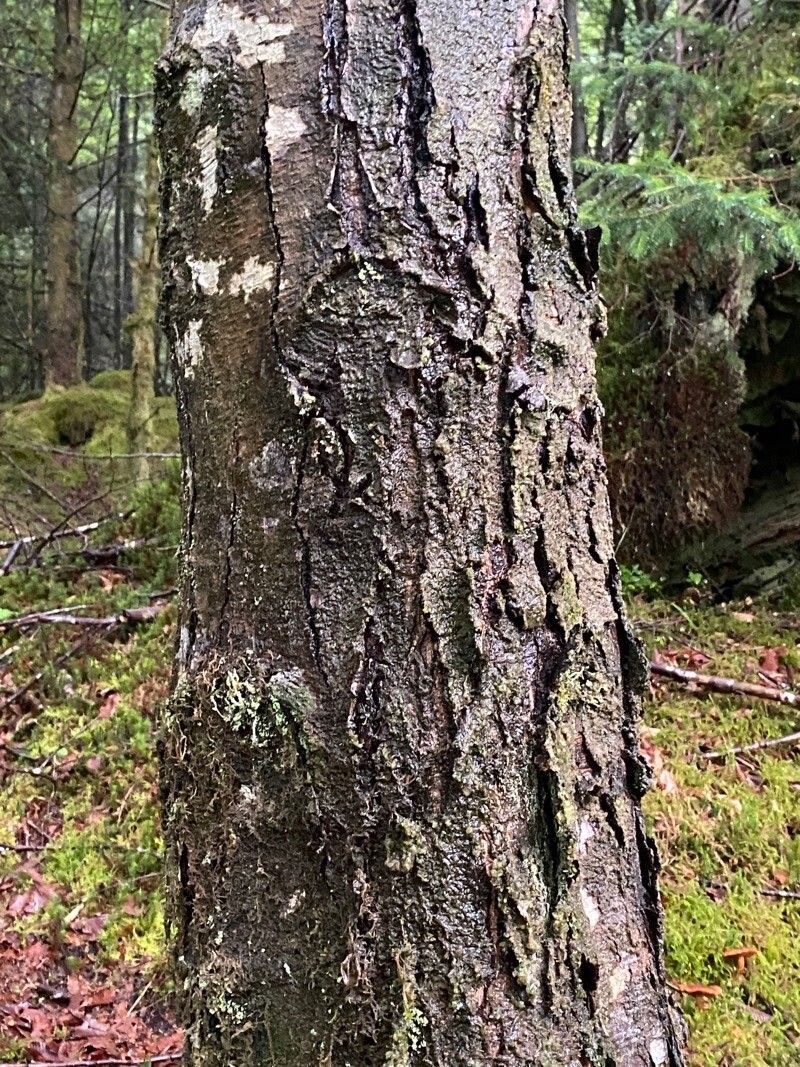
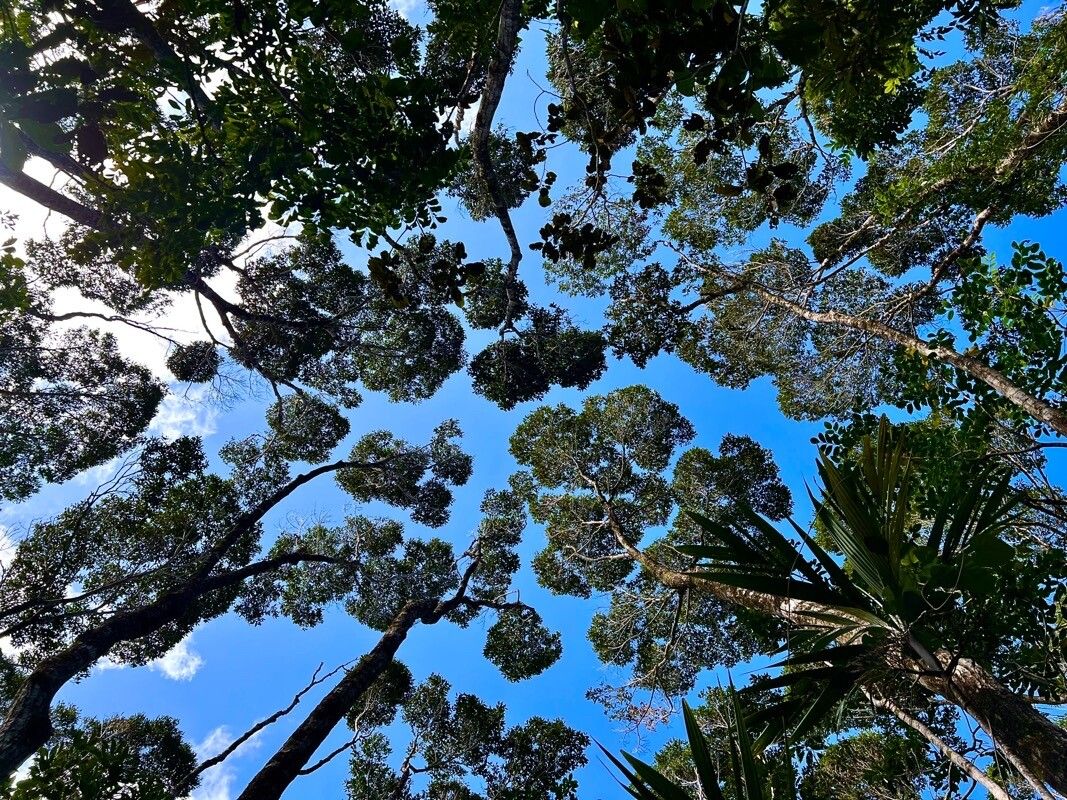
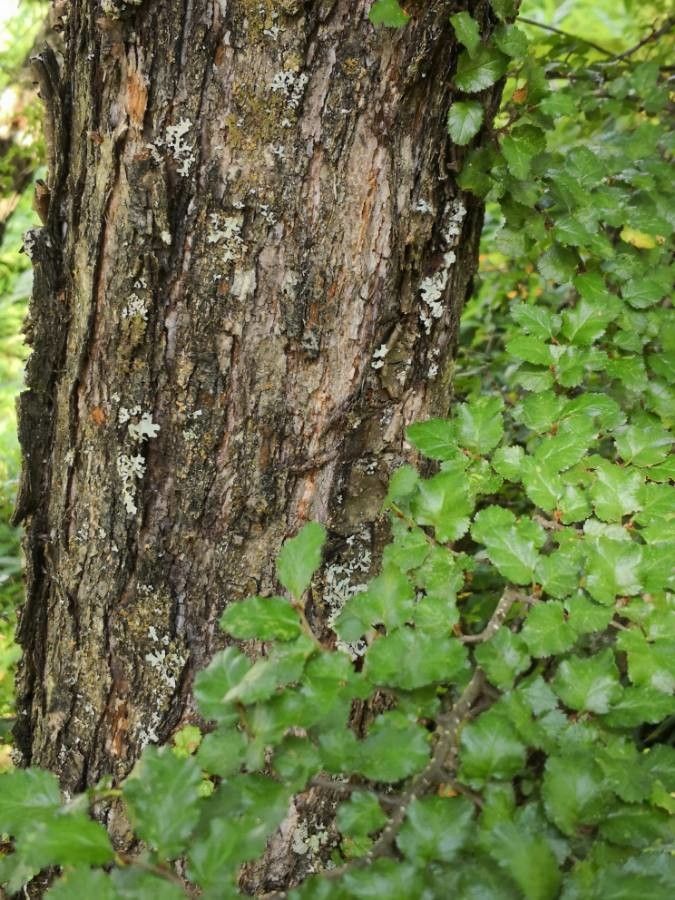
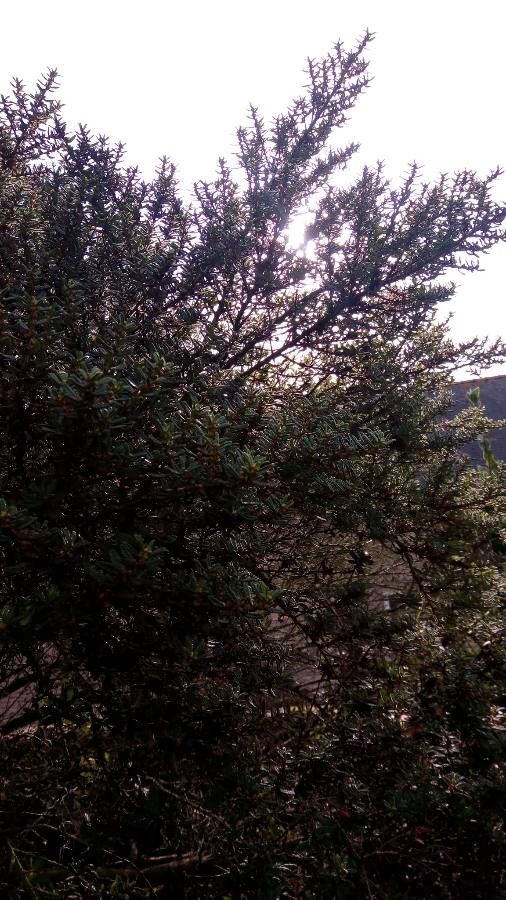
Nothofagus alpina, commonly known as the Chilean southern beech, is a deciduous tree species native to the southern regions of Chile and Argentina. Belonging to the family Nothofagaceae, this tree can grow up to 30 meters in height. It features a straight trunk with smooth bark that can be either gray or brown.
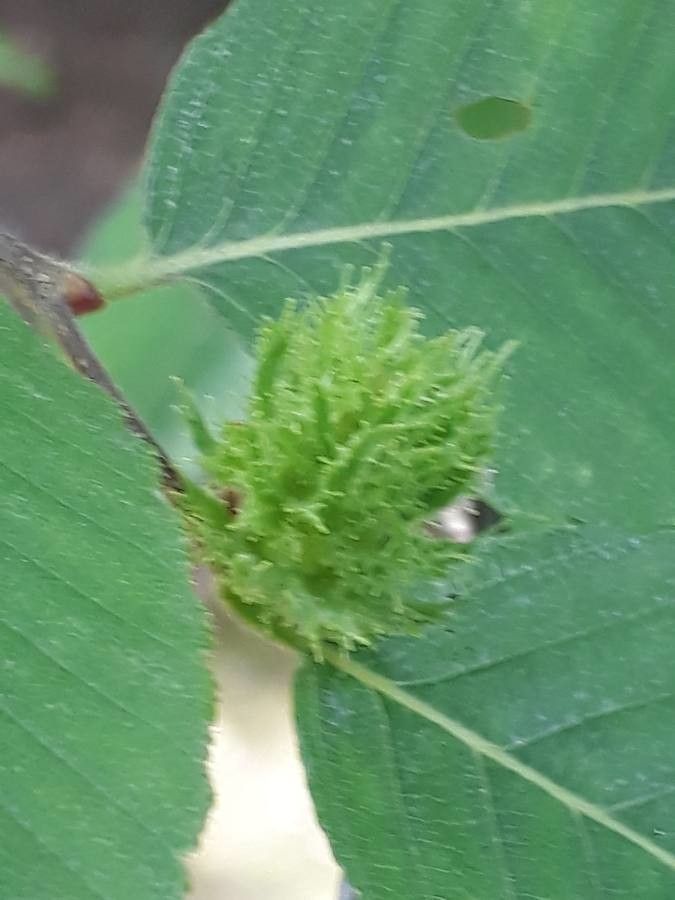
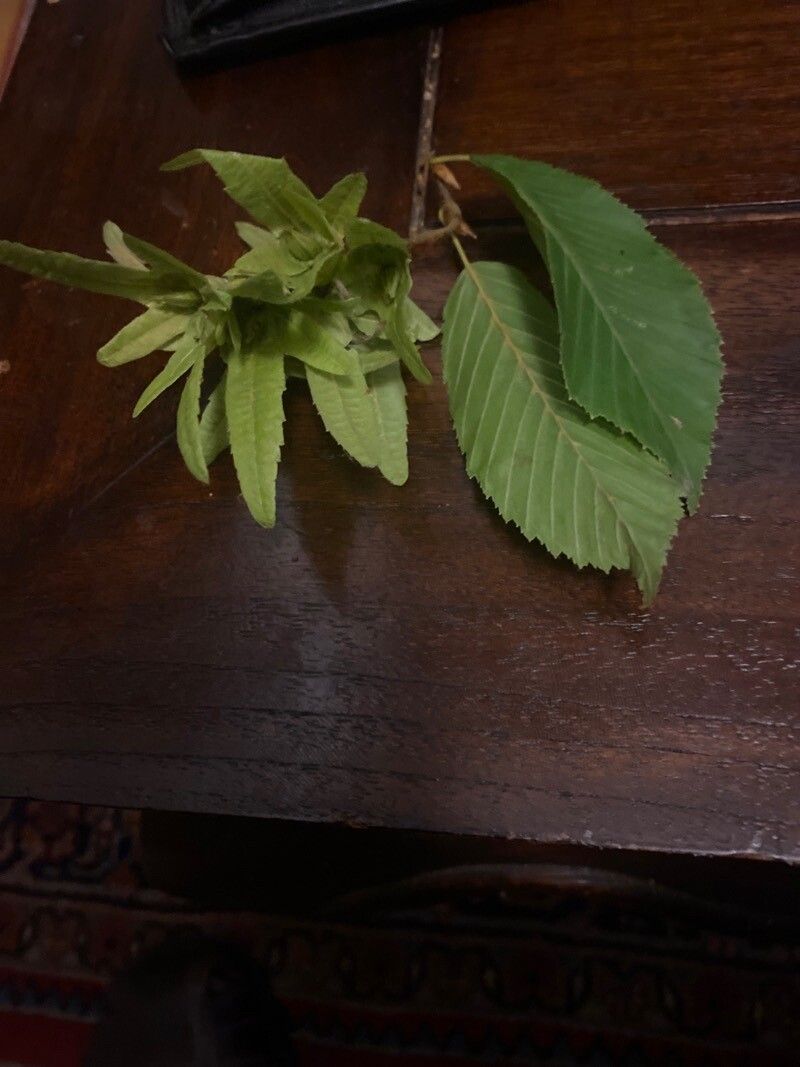
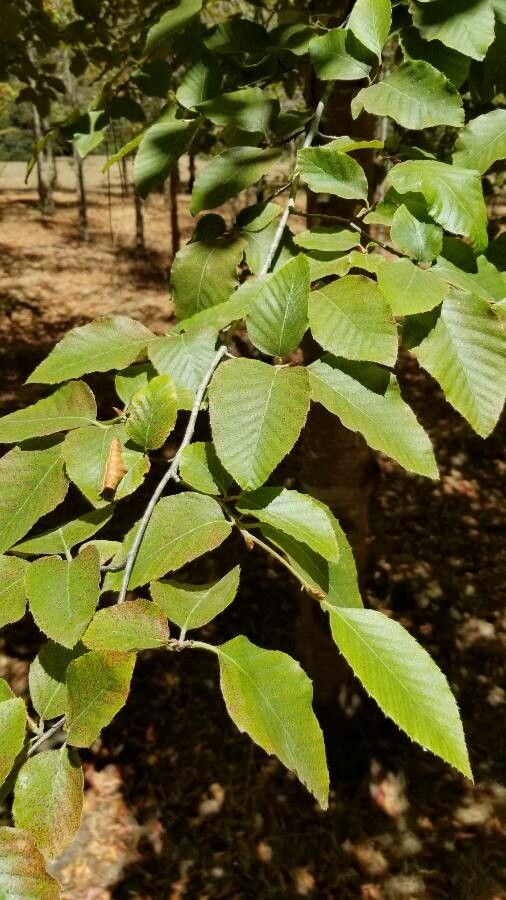
The leaves of Nothofagus alpina are simple, alternate, and oval-shaped with serrated edges. They are dark green on the top and lighter underneath. During springtime, the tree produces small greenish-yellow flowers.
Preferring cool climates with high humidity, Nothofagus alpina thrives in well-drained soils rich in organic matter. It is commonly found at high altitudes above 1,000 meters above sea level.
The wood of Nothofagus alpina is highly valued for its strength, durability, and resistance to decay, making it an important timber species for construction and furniture making.
Due to its slow growth rate, Nothofagus alpina has been listed as vulnerable by the International Union for Conservation of Nature (IUCN). In response, both the Chilean and Argentine governments have implemented conservation efforts, including reforestation programs aimed at restoring degraded areas where this species once thrived.
Raoul beech is resistant to disease and is generally not prone to illnesses. Regarding care, this plant is fairly low-maintenance. Planted outdoors, it needs only minimal watering, and larger specimens usually do not require pruning. Smaller plants, however, should be pruned after they have finished blooming. Raoul beecht is suitable for anyone with an outdoor area, such as a garden or deck, and does not require extensive care experience.
How to keep Nothofagus Alpina.
Light
Raoul beech is native to habitats like forest understories or rocky areas, where it grows in natural shade. It prefers partial sun but can adjust to full sun or full shade, showing its versatile and hardy nature.
Temperature
Raoul beech shows strong adaptability to a wide range of climates, whether in blazing summers or freezing winters. However, it has a preferred temperature range for optimal growth. If temperatures become too high, the plant is vulnerable to heat and humidity stress, which can lead to its death. In places where temperatures near the lower limit of its cold tolerance, it is important to use insulation measures to protect the plant.
Fertilizer
Fertilize your Raoul beech in early spring to encourage healthy growth. Regular feeding improves overall health, leading to strong growth, better tolerance of difficult conditions, and enhanced resistance to pests and diseases. Keep a set fertilization schedule for your Raoul beech to preserve foliage that is vibrant, deeply colored, and lush in appearance.
Botanical profile.
- Plant Type
- Tree
- Life Cycle
- Perennial
- Genus
- Nothofagus
- Family
- Nothofagaceae
- Hardiness Zone
- 7-10
- Mature Height
- 20.12 m to 29.87 m
- Mature Spread
- 10.06 m to 14.94 m
- Leaf Color
- Dark Green, Forest Green
- Leaf Type
- Deciduous
- Flower Size
- 0.51 cm to 0.76 cm
- Bloom Time
- Early spring, Mid spring
- Planting Time
- Spring, Summer, Autumn
- Harvest Time
- Summer
Other names.