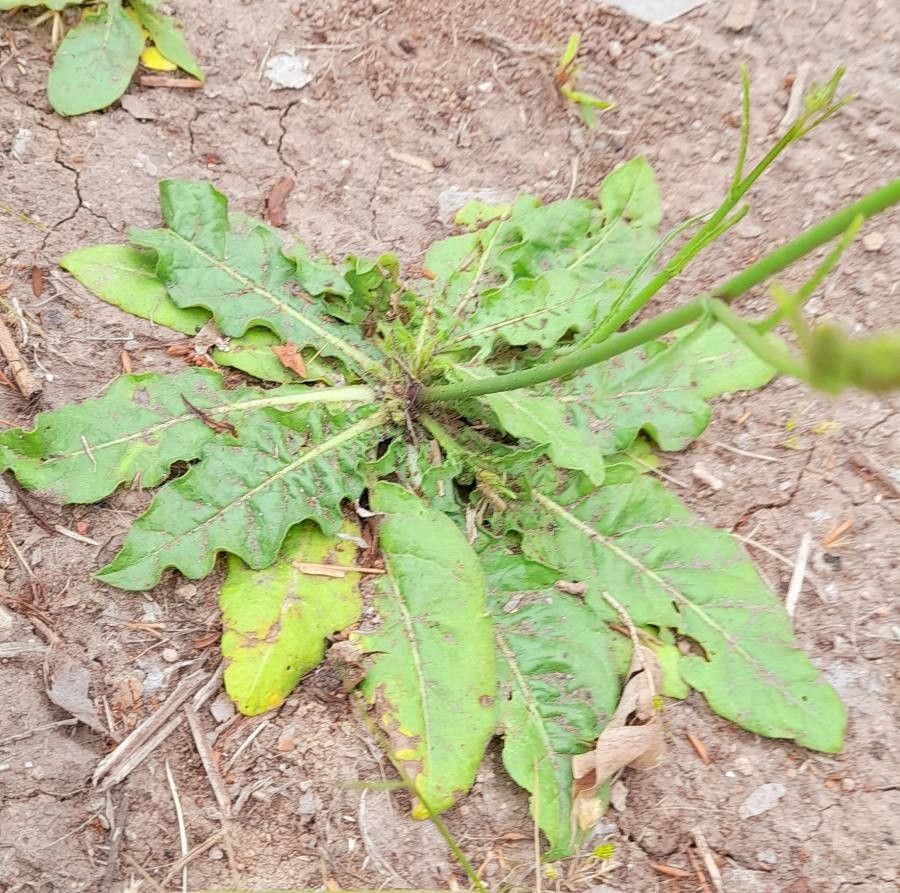
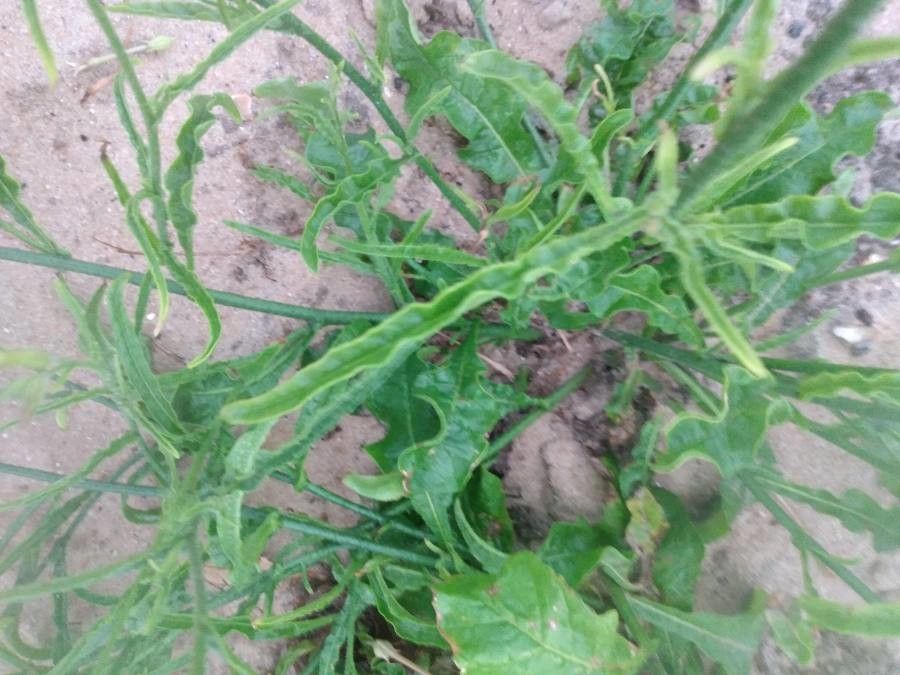
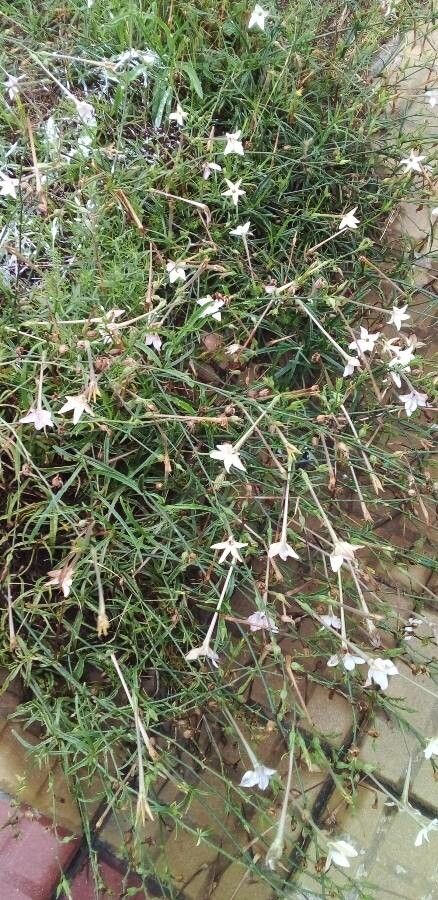
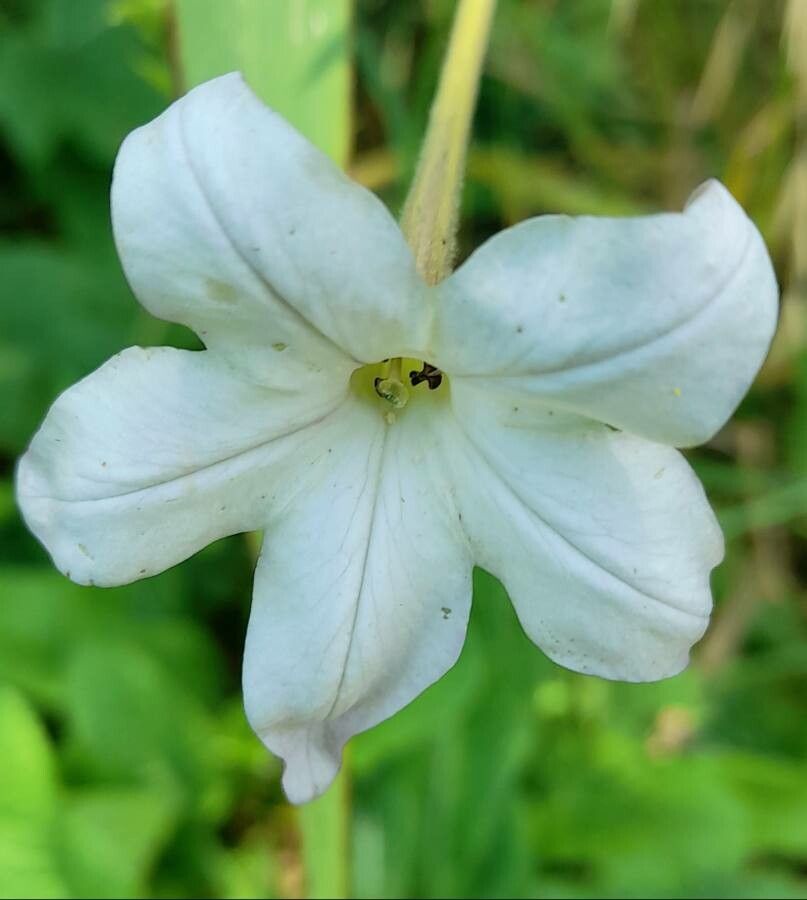
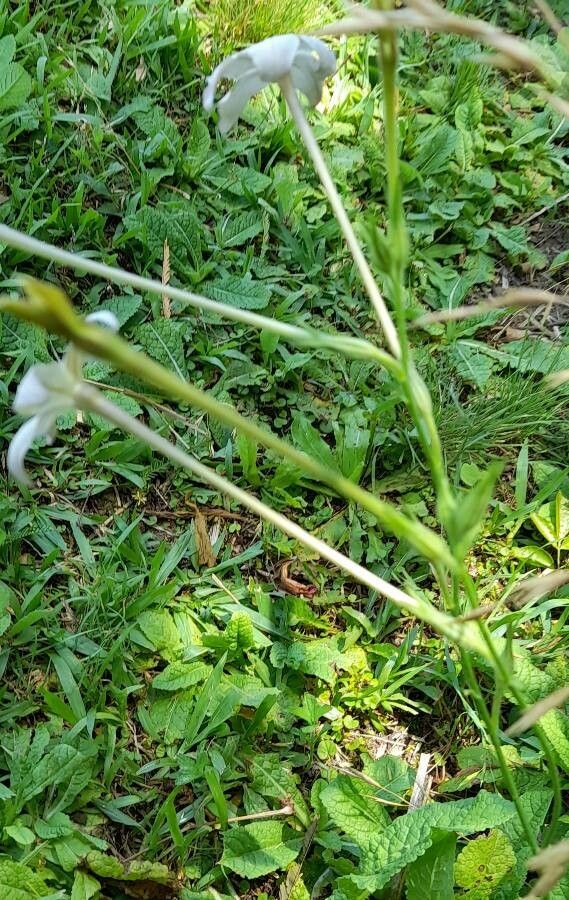
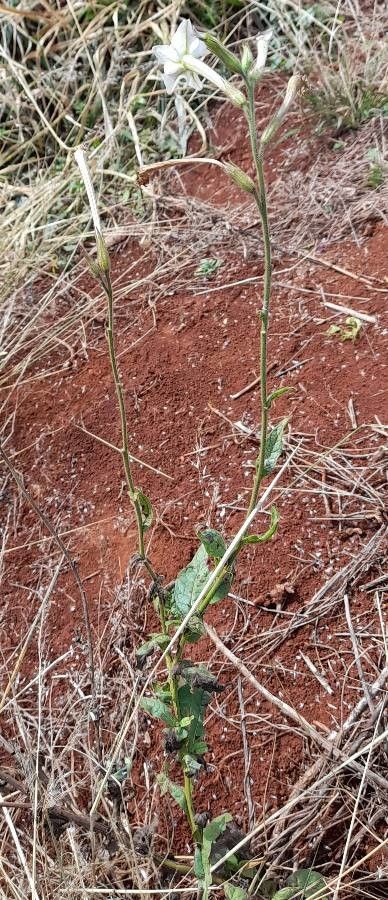
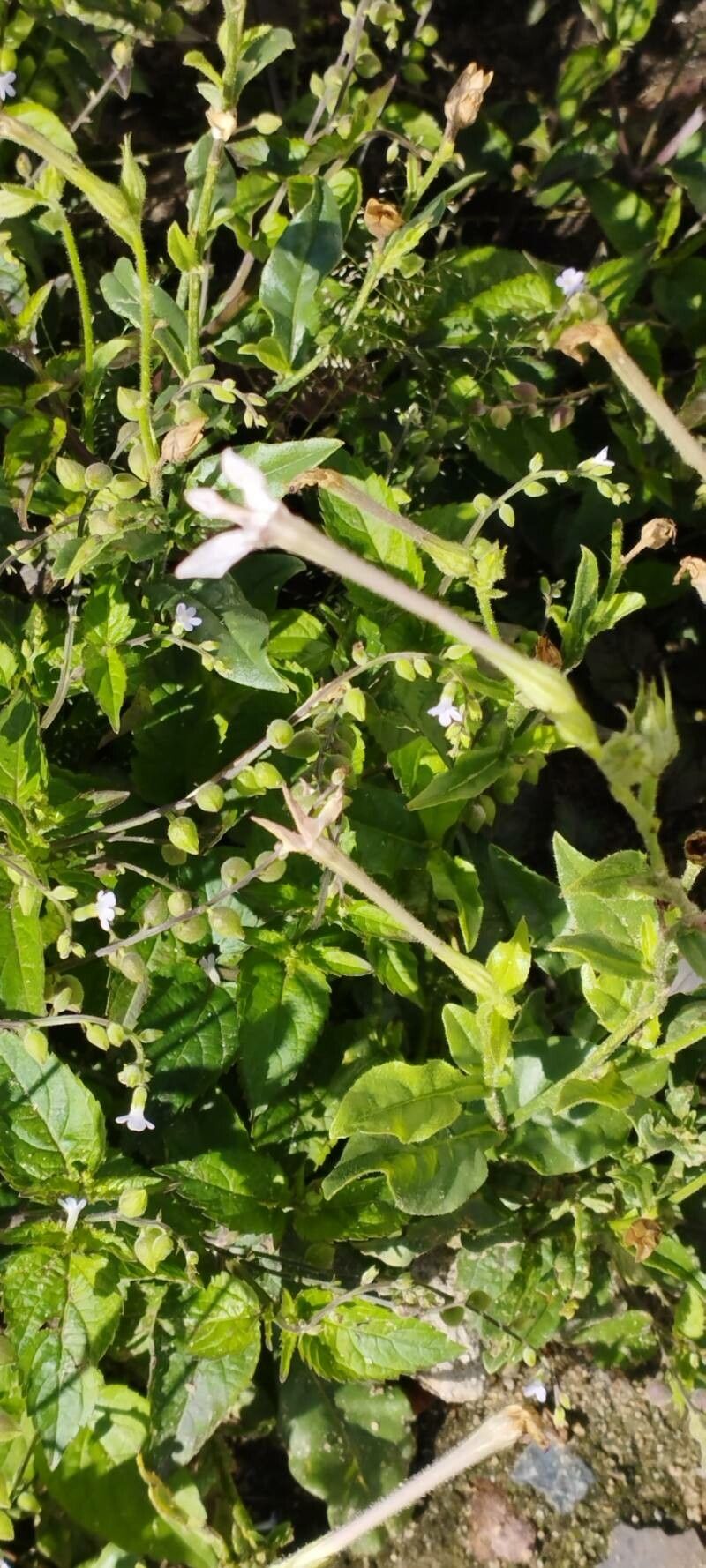
Nicotiana longiflora, commonly known as the wild tobacco plant, is a species of flowering plant in the nightshade family, Solanaceae. Native to South America, it can be found in countries including Argentina, Bolivia, Chile, and Peru. Typically, the plant grows to a height of 1 to 2 meters and features long, tubular white flowers that bloom from late spring to early autumn.
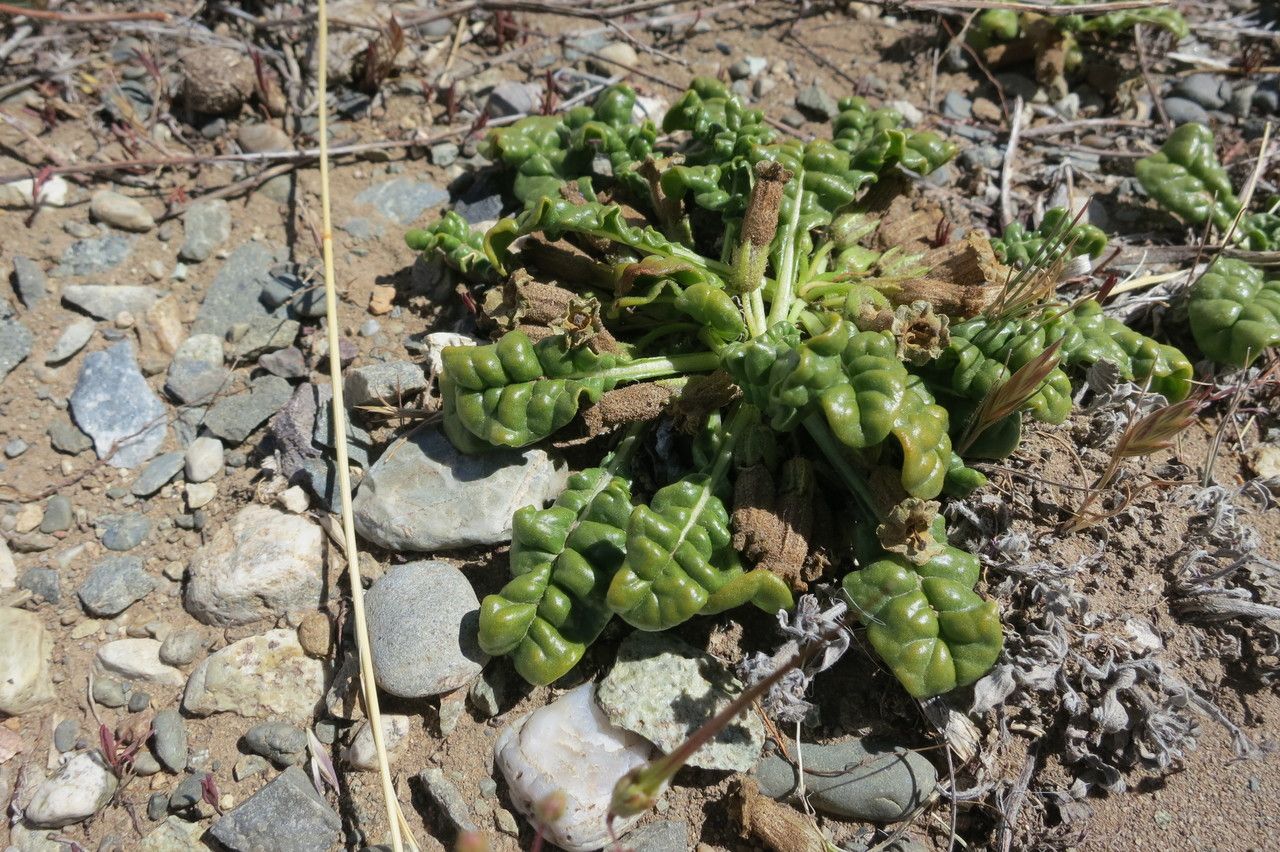
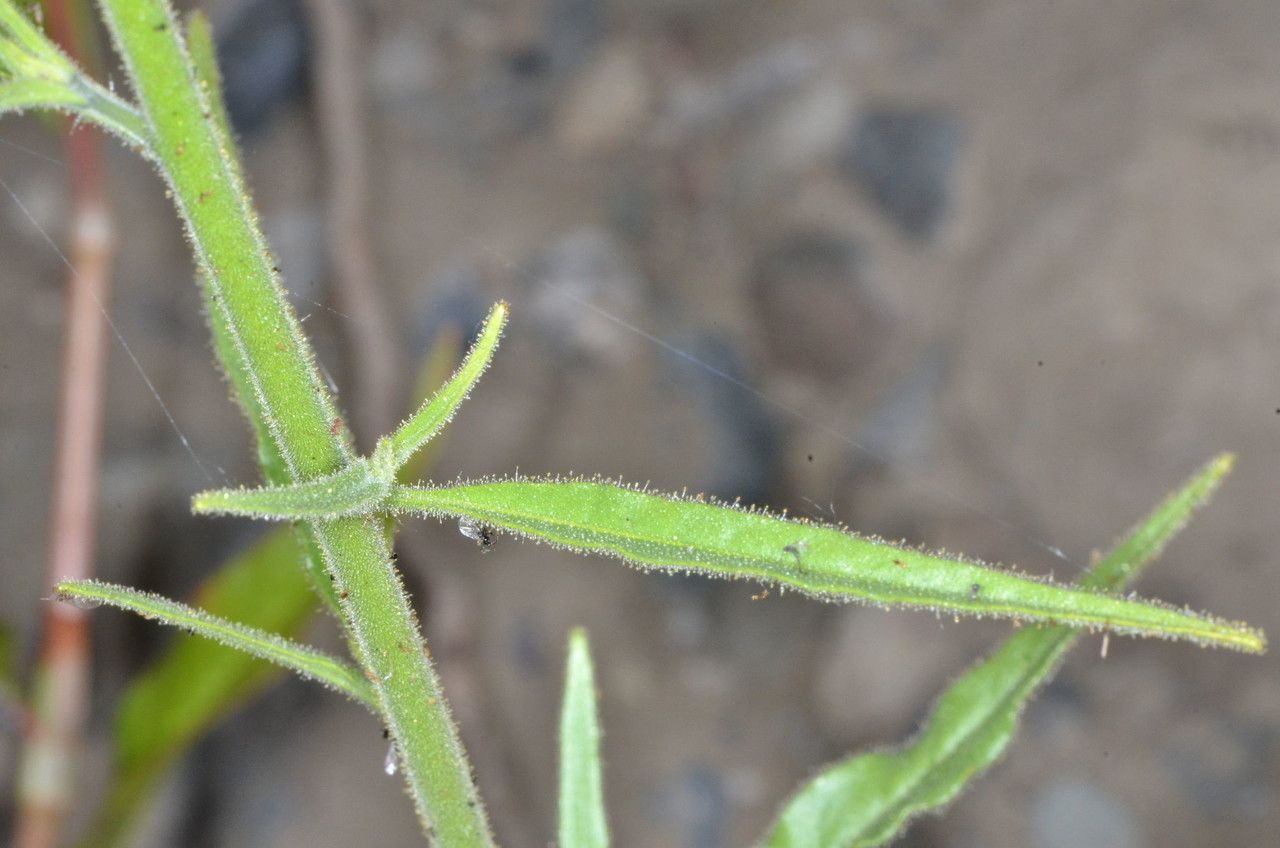
The leaves of Nicotiana longiflora are large and ovate with slightly wavy margins. The flowers are fragrant at night, attracting moths for pollination. The fruit produced by the plant is a capsule containing numerous small seeds.
For centuries, indigenous peoples in South America have used the wild tobacco plant for its medicinal properties. It contains nicotine, which can be employed as an insecticide or smoked for its psychoactive effects.
Nicotiana longiflora prefers well-drained soil with full sun exposure but can also tolerate partial shade. It is an easy-to-grow ornamental plant that attracts pollinators such as bees, butterflies, and moths to gardens or landscapes.
Overall, Nicotiana longiflora is an interesting species with cultural significance due to its medicinal properties. Its fragrant white flowers add to its aesthetic appeal, making it popular among gardeners worldwide.
Long-flower tobacco is fairly resistant to disease and typically not prone to ailments. Nevertheless, it can be affected by pests and diseases present in its environment. These infections are usually mild. In terms of care, this plant needs moderate maintenance. It should be pruned regularly to keep a neat appearance and healthy growth. Fertilizing can also help encourage flowering. Long-flower tobacco is suitable for anyone with outdoor space, such as a garden or patio, and does not demand much experience in plant care. It may need more attention when grown indoors.
How to keep Nicotiana Longiflora.
Light
Long-flower tobacco originates from sunny, open habitats where it performs best in full sun. It can tolerate some shade but prefers direct sunlight for optimal growth. This plant, which may be annual or biennial, is noted for its sun-loving character.
Temperature
Long-flower tobacco adapts well to temperature, tolerating higher heat and larger swings in temperature. During hot periods, attention should be paid to irrigation and providing appropriate shade to avoid sunburn. On the other hand, Long-flower tobacco is relatively sensitive to low temperatures; it can endure some cold, but excessively low temperatures may result in frost damage.
Fertilizer
When most of Long-flower tobacco's blooms have fully opened, resume fertilizing. During the peak bloom period, apply fertilizer every three to four weeks, weather permitting. Once Long-flower tobacco begins producing fewer new blooms, stop fertilizing; there’s no need to feed the plant when it can no longer produce additional blooms.
Pruning
Long-flower tobacco is known for its long, tubular flowers and attractive foliage. To promote healthy growth and blooming, it is best to prune the plant lightly from early to late spring. Focus on removing any dead stems. Make sure to use sanitized tools to make clean cuts, as this helps prevent disease. Regular pruning also improves airflow and sunlight exposure, which reduces the risk of fungal infections and leads to a strong, prolific plant.
Botanical profile.
- Plant Type
- Herb
- Life Cycle
- Annual, Perennial, Biennial
- Genus
- Nicotiana
- Family
- Solanaceae
- Hardiness Zone
- 8-11
- Mature Height
- 0.61 m to 1.52 m
- Mature Spread
- 30 cm to 61 cm
- Leaf Color
- Green
- Leaf Type
- Evergreen
- Flower Color
- White
- Flower Size
- 6.35 cm to 10.16 cm
- Bloom Time
- Late spring, Summer, Early fall, Mid fall
- Planting Time
- Spring, Autumn
- Harvest Time
- Mid summer, Late summer, Fall, Early winter
- Native Area
- Bolivia
Other names.