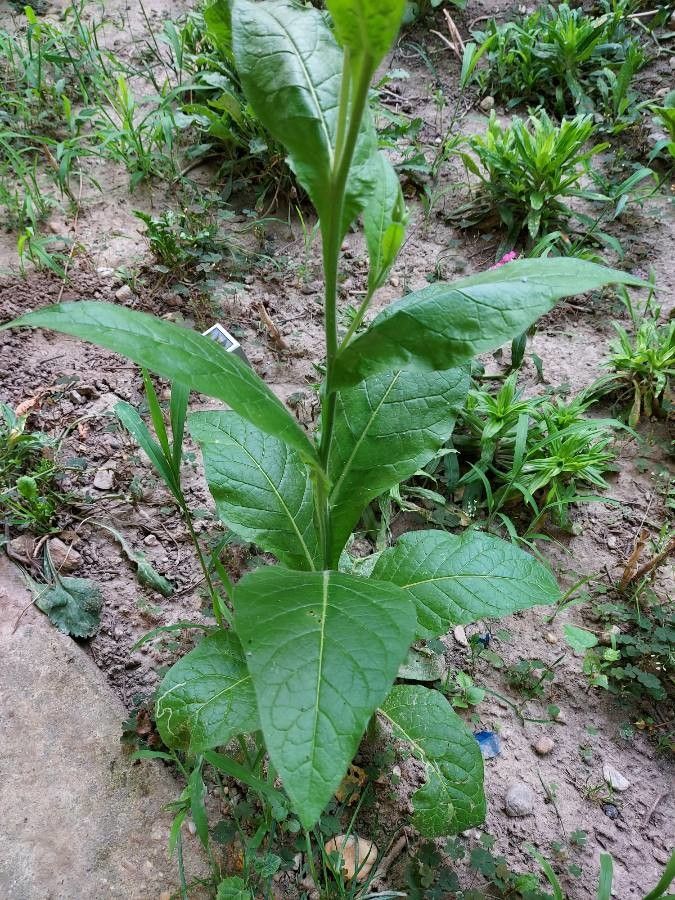
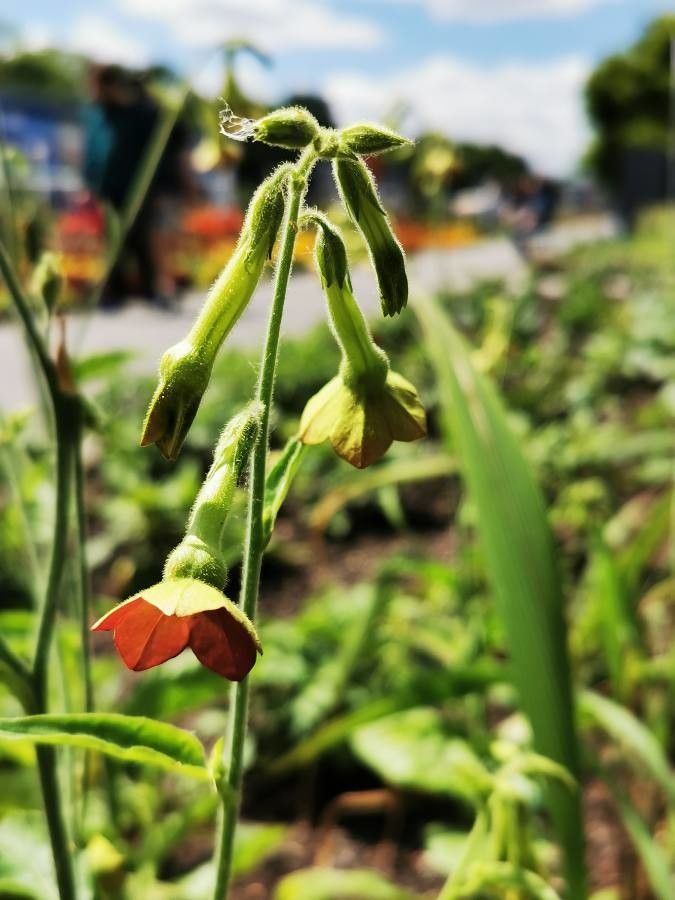
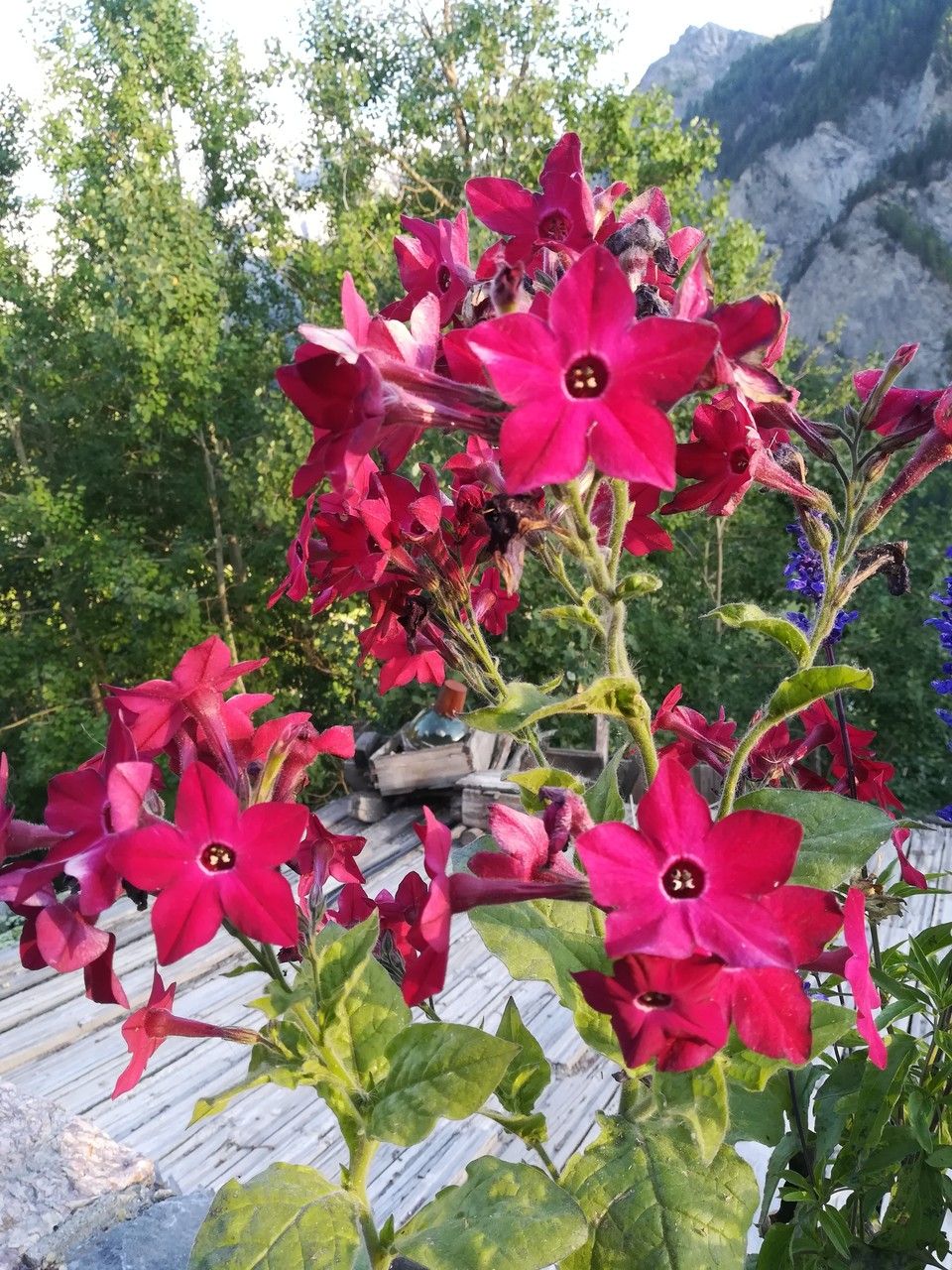
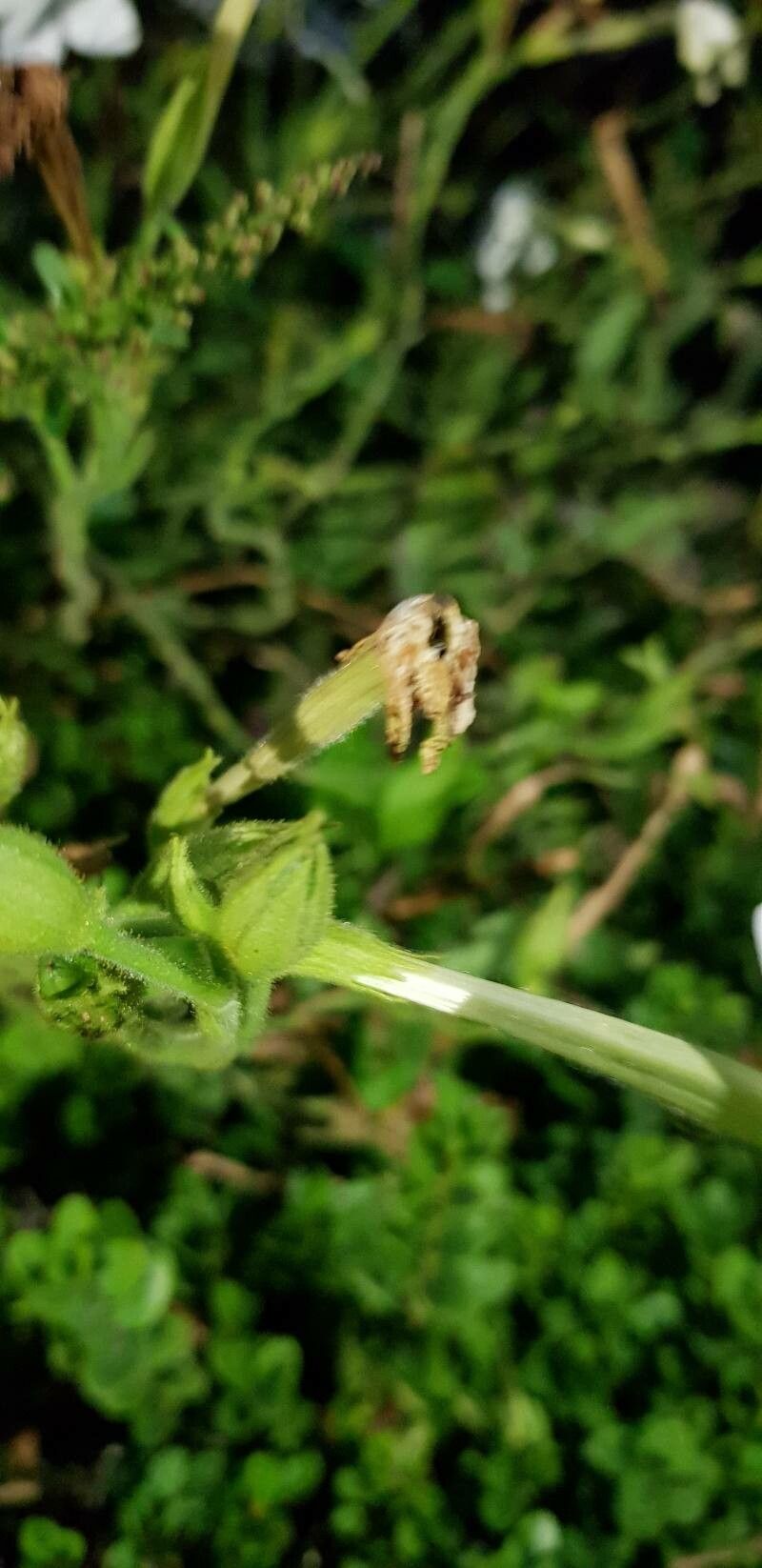
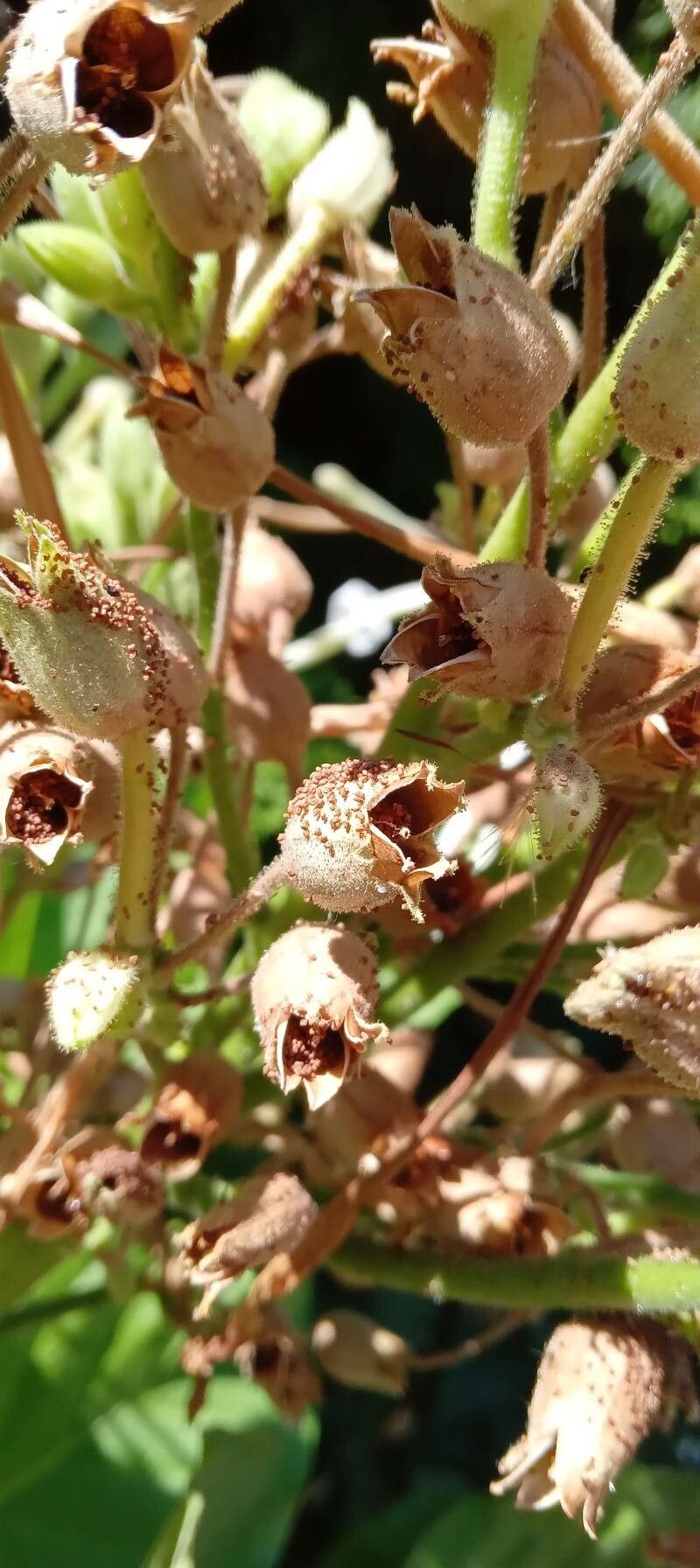
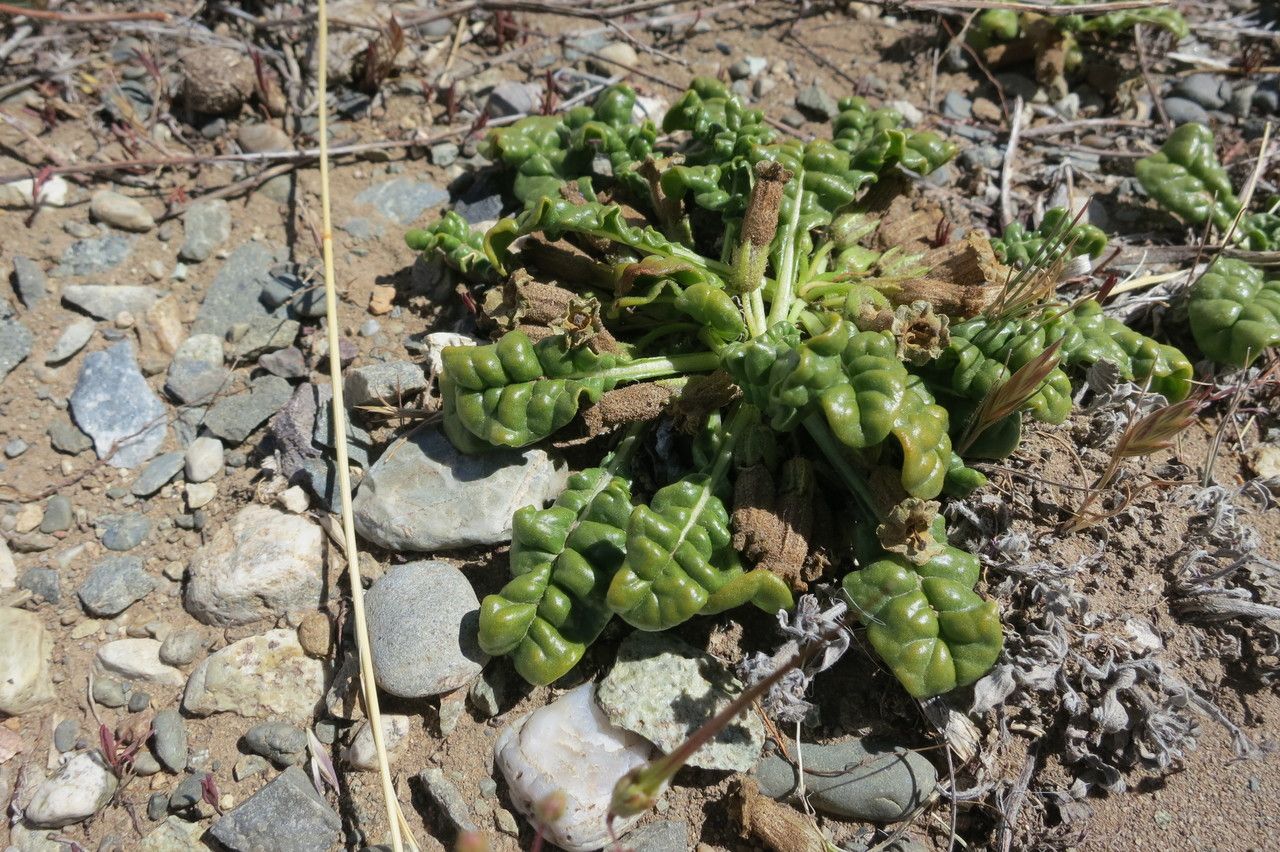
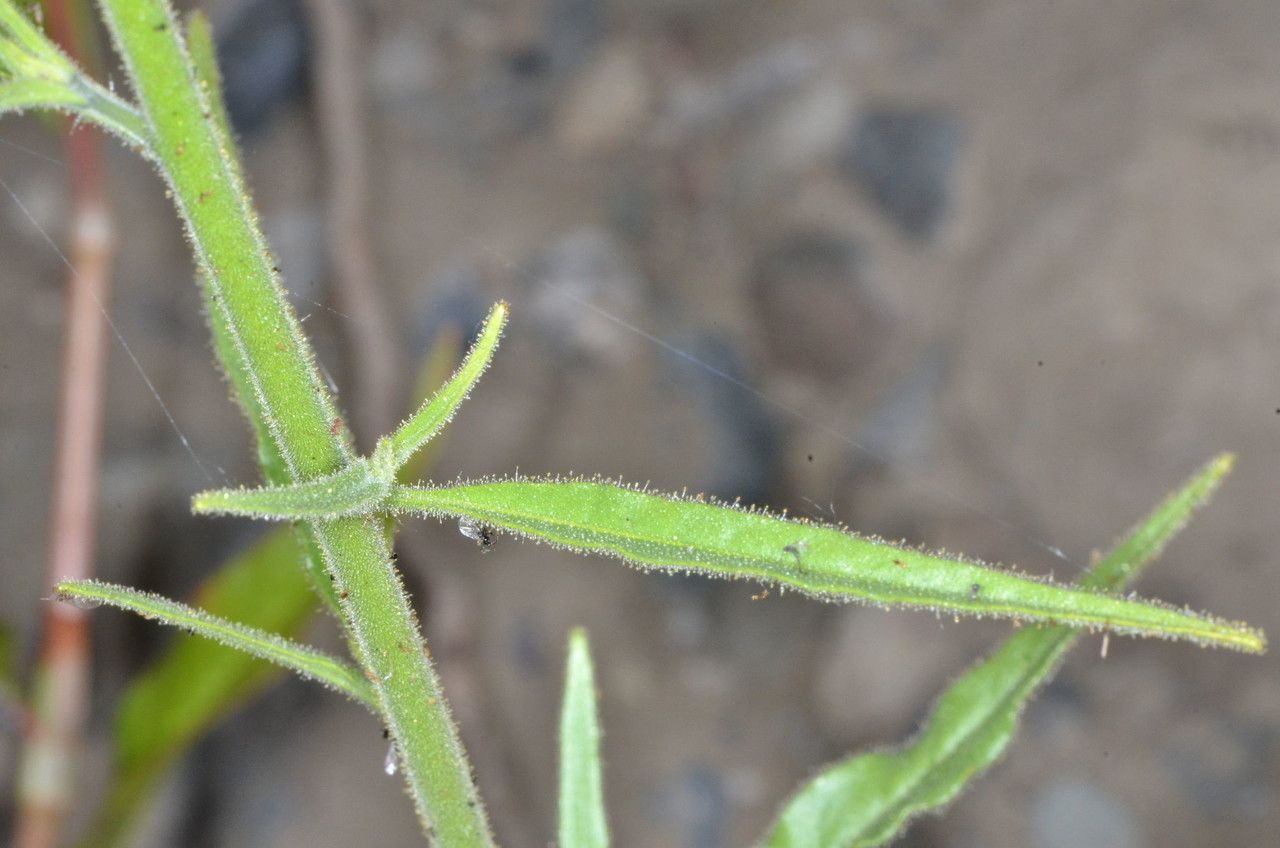
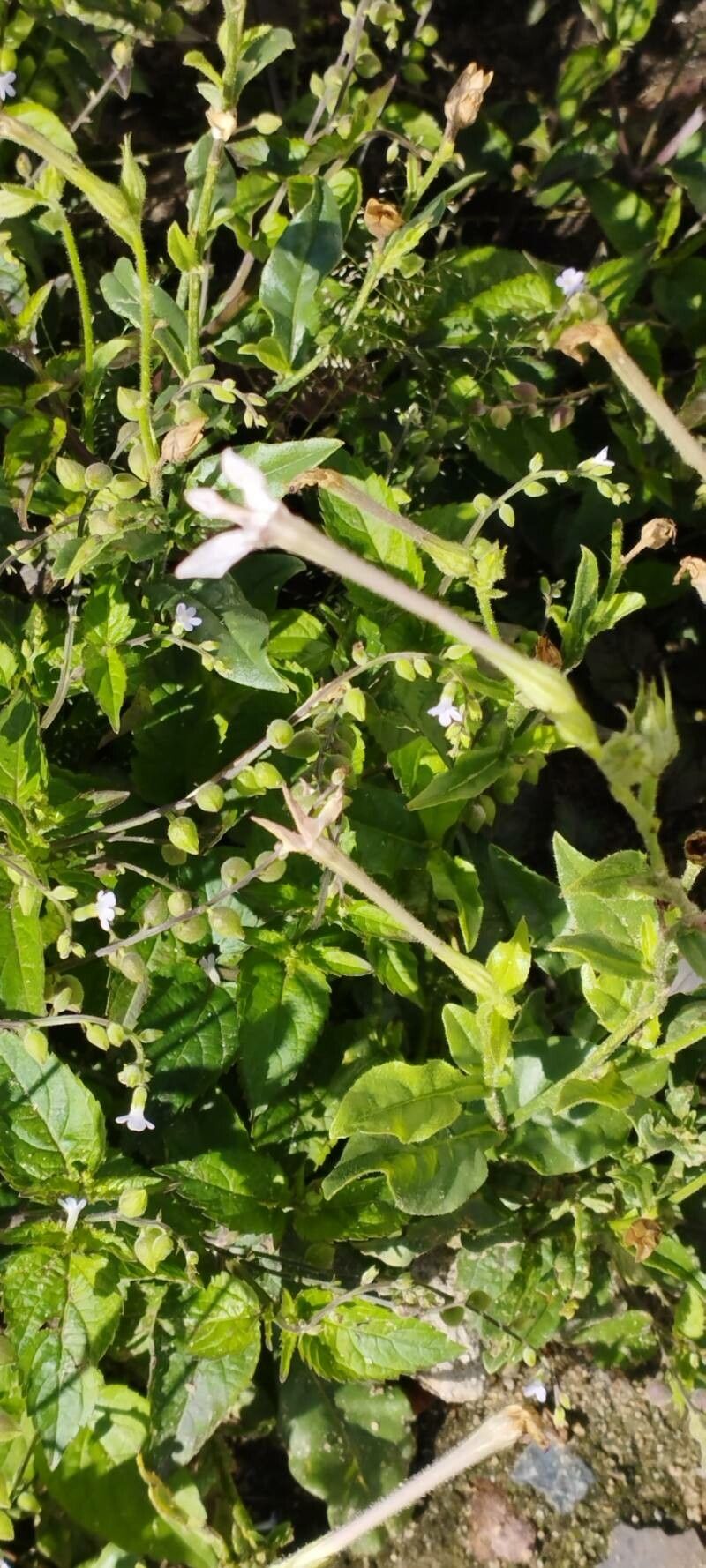
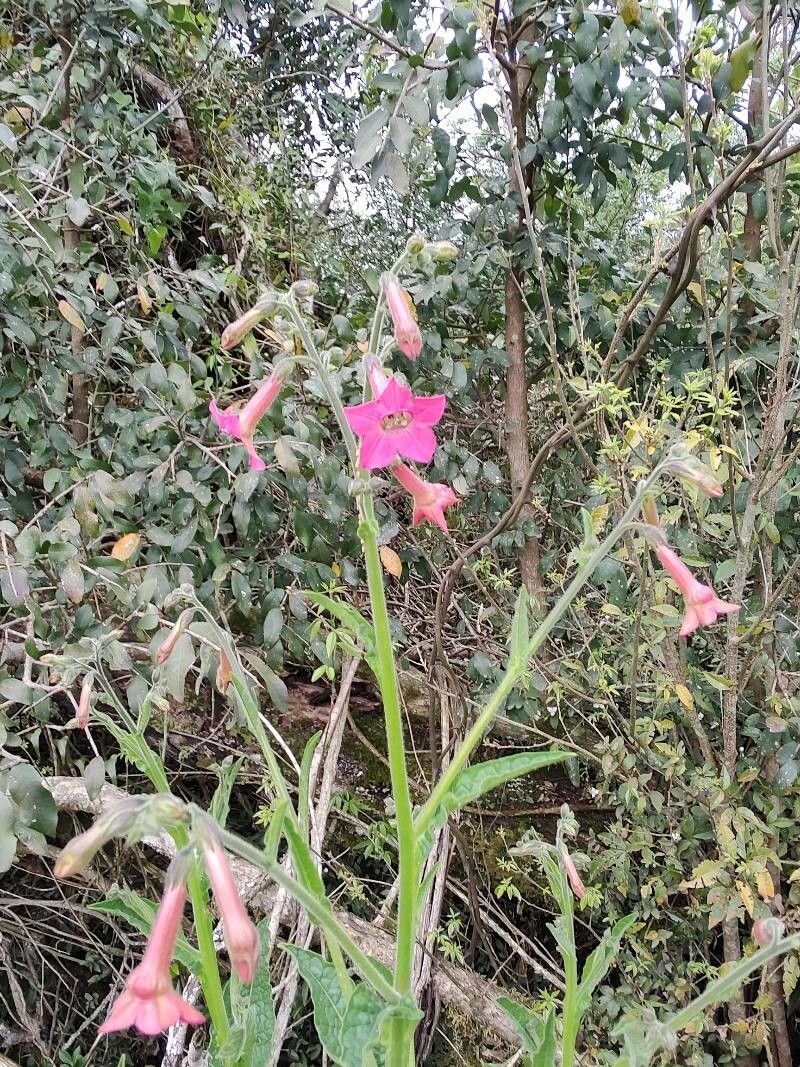
Nicotiana alata, commonly known as the Jasmine Tobacco plant, is a species of flowering plant in the nightshade family, Solanaceae. Native to South America, it has been widely cultivated and naturalized in many parts of the world. The plant typically grows to a height of 1-2 meters and features large, fragrant white or pink flowers that bloom from summer to fall. Its leaves are ovate or lanceolate and can reach up to 30 cm in length.
The Jasmine Tobacco plant is often grown as an ornamental garden plant, prized for its attractive flowers and sweet fragrance. Additionally, it has medicinal applications due to its nicotine content, which has long been used as a natural insecticide.
Nicotiana alata thrives in full sun and well-drained soil enriched with organic matter. While it prefers warm temperatures, it can tolerate some cold weather if protected from frost.
Overall, Nicotiana alata is a beautiful flowering plant with both ornamental and medicinal uses, making it an excellent addition to any garden or landscape design project.
Flowering tobacco is fairly resistant to disease and usually not prone to illness. However, it can be affected by pests and diseases present in its environment, and these issues are typically not serious. As for care, the plant needs moderate maintenance. It should be pruned regularly to keep a good appearance and support healthy growth. Fertilizing can also encourage flowering. Flowering tobacco is appropriate for anyone with an outdoor area, such as a garden or patio, and does not require extensive care experience. It may need extra attention when grown indoors.
How to keep Nicotiana Alata.
Light
Flowering tobacco prefers locations that receive ample sunlight during the day. Its natural habitat is bright, which supports vigorous growth. Different growth stages, especially flowering, benefit from abundant sunlight. Insufficient light can slow growth, while excessive exposure may increase the risk of dehydration.
Water
Flowering tobacco flourishes in warm, semi-arid areas, where it enjoys moderate moisture without becoming waterlogged. Watering once a week is usually enough to keep the plant healthy. Adding mulch can help retain moisture and regulate temperature, which enhances its health and ornamental appeal during the growing season.
Temperature
Flowering tobacco comes from regions with temperatures between 68 and 100 °F (20 to 38 ℃). It favors warm conditions, so consider increasing indoor heat in winter and make sure it is well shaded during the hottest peaks of summer.
Fertilizer
Proper fertilization is essential for Flowering tobacco's health and appearance. Fertilize Flowering tobacco in summer, repeating the application monthly throughout the season. Nutrients fuel growth and help maintain the plant's parts. Fertilization improves Flowering tobacco's flower display, ensuring the best blooms.
Pruning
To keep flowering tobacco healthy and blooming, it's important to prune it from early spring to late winter. Focus on removing dead stems, reducing leggy growth, and deadheading to encourage continuous blooms. This practice enhances airflow, reduces disease risk, and promotes better growth. Be sure to use sharp, sterilized tools and time your pruning to match the plant's growth cycle.
Pot & Repot
For the flowering tobacco plant to thrive in pots, it needs excellent drainage. Proper drainage prevents waterlogging, which is essential for the plant's health and growth.
Toxicity
Flowering tobacco plants are mildly toxic to humans and highly toxic to pets. Ingestion leads to stomachache, diarrhea, low pulse rate, and even paralysis. Consuming large quantities will result in paralysis of the heart muscles, causing death.
Further reading →
The toxicity and danger assessments provided are for reference only. We do not assure their accuracy, so it's crucial not to depend on them. Seek professional advice when necessary for accurate guidance.
Botanical profile.
- Plant Type
- Herb
- Life Cycle
- Perennial, Annual, Biennial
- Genus
- Nicotiana
- Family
- Solanaceae
- Hardiness Zone
- 9-11
- Mature Height
- 61 cm
- Mature Spread
- 25 cm
- Leaf Color
- Green
- Leaf Type
- Evergreen
- Flower Color
- White, Pink, Red
- Flower Size
- 2.54 cm to 5.08 cm
- Bloom Time
- Early summer, Mid summer
- Planting Time
- Spring
- Harvest Time
- Mid summer, Late summer
- Native Area
- Colombia
Other names.
Reader questions.
How should I water my Flowering tobacco plant?
To properly water Flowering tobacco, use filtered water at room temperature. Filtered water is better because tap water may contain harmful particles. It's important for the water to be at room temperature or slightly warmer since Flowering tobacco prefers a warm environment and cold water may be a shock. Avoid overhead watering to prevent foliage issues. Instead, apply filtered room temperature water directly to the soil until it is fully soaked. This benefits the plant by keeping the roots moist and facilitating the spread and absorption of nutrients.
Why should I put fertilizer on my Flowering tobacco?
Fertilizer and soil nutrients are like fuel for your Flowering tobacco. They are vital for maintaining healthy growth. Plants in general use these nutrients to grow new material and keep existing components in good condition. For Flowering tobacco, fertilization is especially important because it helps the plant showcase its best flowers. Since the flowers are the main attraction, most gardeners want to ensure they look their best. Fertilization is one of the most reliable ways to achieve that and help your Flowering tobacco produce the best blooms possible.
What are the sunlight requirements for flowering tobacco?
Flowering tobacco requires full sun, characterized by more than 6 hours of sunlight per day, and can also tolerate partial sun, which means about 3-6 hours of sunlight daily. It's essential to observe how sunlight moves through your garden to choose spots with the ideal balance of light and shade, ensuring the plants' health and happiness. Flowering tobacco thrives in areas that receive significant amounts of sunlight, which is critical for its growth and flowering stages. Insufficient light can delay growth, while too much can lead to dehydration.
What is the ideal temperature range for flowering tobacco?
Flowering tobacco, or Nicotiana alata, thrives in temperatures between 68 to 100 °F (20 to 38 °C). It is a heat-loving plant that benefits from increased indoor heating during winter to maintain temperatures above 20°C. During very high summer temperatures, it should be well shaded. Additionally, to protect the plant from cold, it is advised to bring it indoors during autumn and keep it near a bright window but not too close to heaters. Temperatures nearing 0°C can be detrimental to the plant.
If I give my Flowering tobacco too much or too little water, what should I do?
Overwatering is a common issue and can harm your Flowering tobacco plant. When the plant gets too much water, its stems and leaves may wilt and turn yellow. Overwatering for a long time can lead to diseases like root rot, mold, and mildew, which can kill the plant. On the other hand, underwatering is less common because Flowering tobacco has good drought tolerance. But when it happens, the leaves become brittle and brown. It's crucial to recognize signs of overwatering and take action promptly. Some diseases caused by overwatering, like root rot, may not be fixable if you wait too long. Reduce your watering if you notice early signs of overwatering and check the soil's drainage. If the soil drains poorly, replace it with a loose, well-draining potting mix. If your Flowering tobacco is not getting enough water, increase your watering until the signs improve.
When should I fertilize my Flowering tobacco for the best results?
The Flowering tobacco has two main phases each year. The first phase is the dormant phase during winter, where new growth is minimal. The second phase is the active growth phase during spring and fall, when fertilization is most needed. It is recommended to start fertilizing your Flowering tobacco in the spring, repeating the feeding monthly throughout the rest of spring and most of summer. As fall approaches, you can gradually decrease the fertilization rate.
How does artificial lighting support flowering tobacco growth indoors?
Artificial lighting is vital for indoor plants, especially when natural sunlight is inadequate, such as during winter or in less sunny spaces. For optimal growth, one should consider the type of artificial light: LED lights are recommended due to their ability to provide specific wavelengths needed by plants. Full sun plants require 30-50W per square foot, partial sun plants need 20-30W per square foot, and full shade plants need 10-20W per square foot. The light source should be placed 12-36 inches above the plant to mimic natural sunlight. The duration of artificial lighting should reflect natural daylight hours, generally between 8-12 hours per day.
How do you care for flowering tobacco in low temperatures?
Flowering tobacco prefers warm temperatures and is sensitive to the cold, thriving best when the temperature remains above 20°C and kept above 0°C during winter. Exposure to temperatures below -5°C may cause the leaves to lighten in color, and after frost damage, leaves may turn brown or black as the plant exhibits wilting and drooping. To care for it in low temperatures, trim off frost-damaged parts and move the plant to a warm indoor spot near a south-facing window for ample sunlight. It's important to avoid placing the plant near heaters or air conditioning vents which can cause the air to become excessively dry.
How often do I need to water my Flowering tobacco?
If your plant is in a pot, the most precise way to determine if your Flowering tobacco needs water is to check the soil moisture by sticking your finger into it. If the top two to three inches of soil are dry, it's time to water. For Flowering tobacco grown outdoors in the ground, you can use a similar method to test the soil. Once again, if the top few inches of soil are dried out, it's time to water. Usually, during spring and early fall, you will need to water this plant about once a week using this method. However, if it gets extremely hot, you may need to increase your watering frequency to twice or more per week. It is worth noting that mature, well-established Flowering tobacco plants have a remarkable ability to tolerate drought.
When is it not a good idea to give Flowering tobacco fertilizer?
If you want to foster the growth of flowering tobacco, be cautious about causing root burn. During the spring and summer when the plant is actively growing, it requires additional nutrients. Conversely, in the fall and winter when the plant enters its dormant stage, it's best to refrain from fertilizing.
What are common symptoms of improper lighting for flowering tobacco?
Symptoms of inadequate lighting for flowering tobacco include smaller new leaves, leggy or sparse growth, faster leaf drop, slower or halted new growth, lighter-colored new leaves, chlorosis, sunscald, leaf curling, wilting, and leaf scorching. These symptoms range from growth issues due to low light conditions to direct damage from excessive sunlight exposure, affecting the plant's overall health and ability to photosynthesize.
What to do if flowering tobacco is exposed to high temperatures?
During the summer, it's essential to ensure the flowering tobacco does not remain in temperatures exceeding 38°C to prevent heat stress. Should temperatures surpass 43°C, the plant may experience lighter leaf color and increased susceptibility to sunburn. To mitigate high temperature damage, trim away sunburned or dried parts of the plant and relocate it to a shaded area, particularly away from the harsh midday and afternoon sun. Regular watering in the morning and evening will help maintain soil moisture and keep the plant healthy.