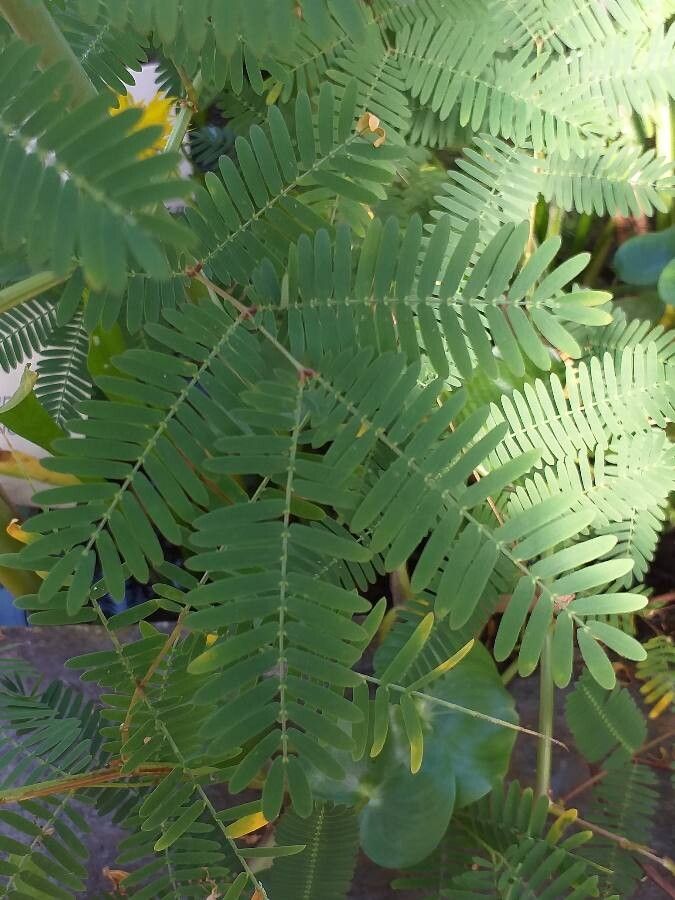
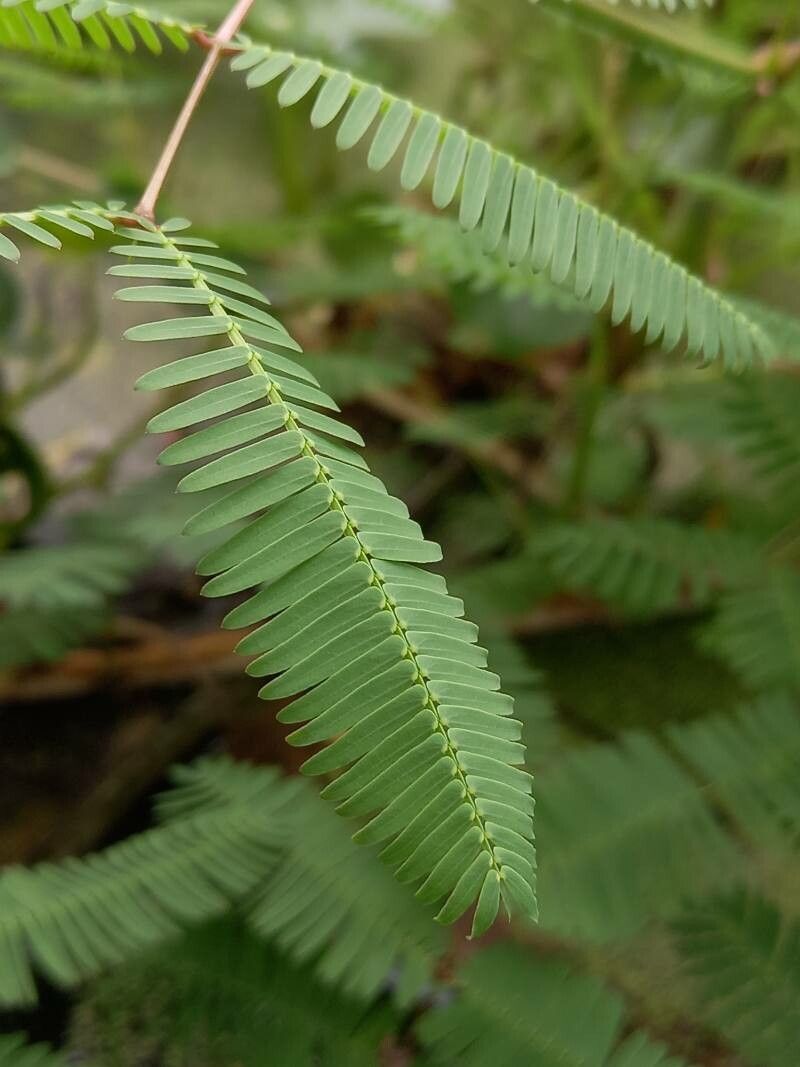
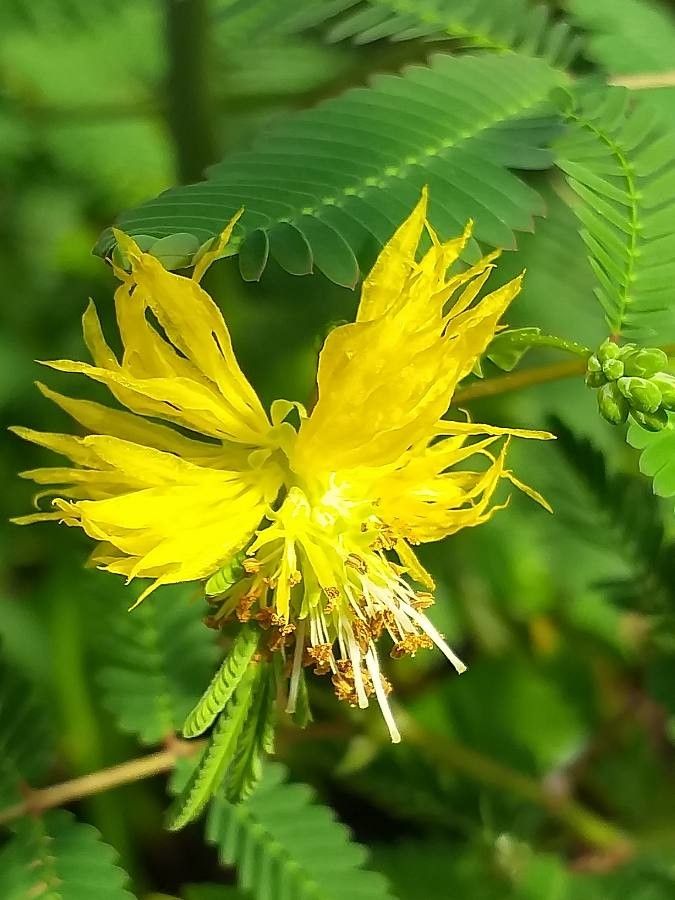
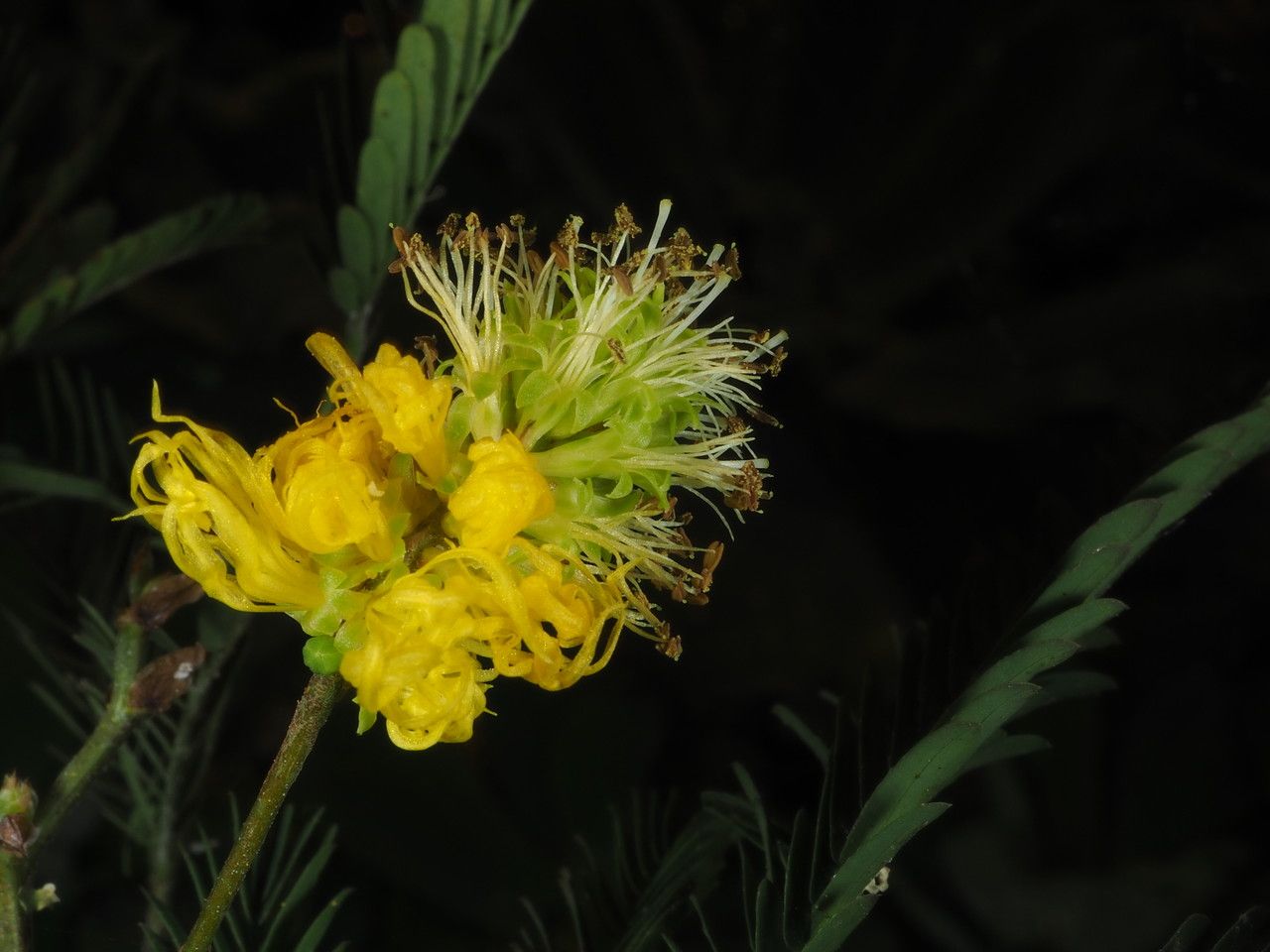
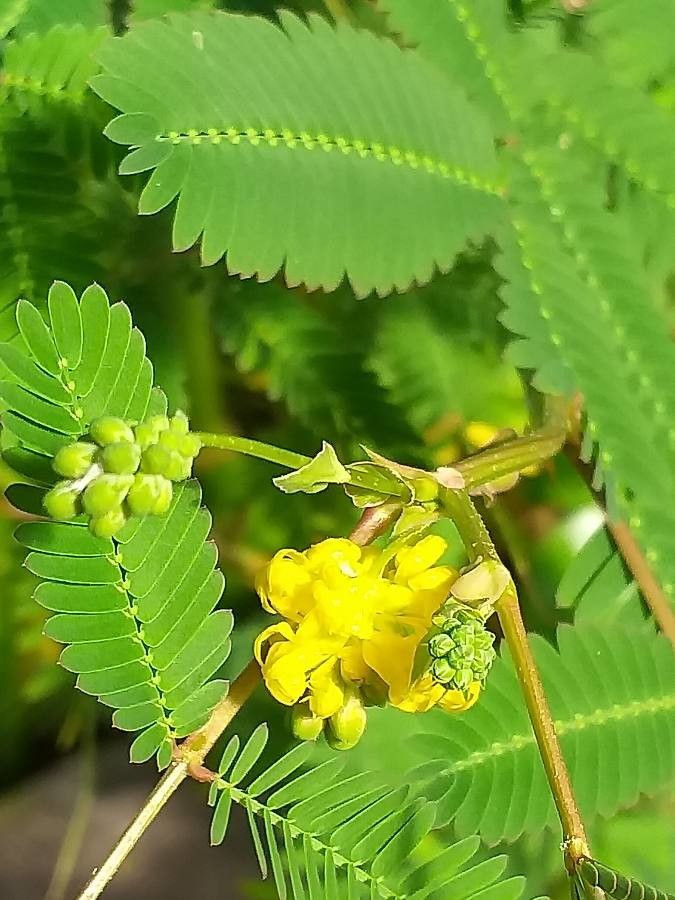
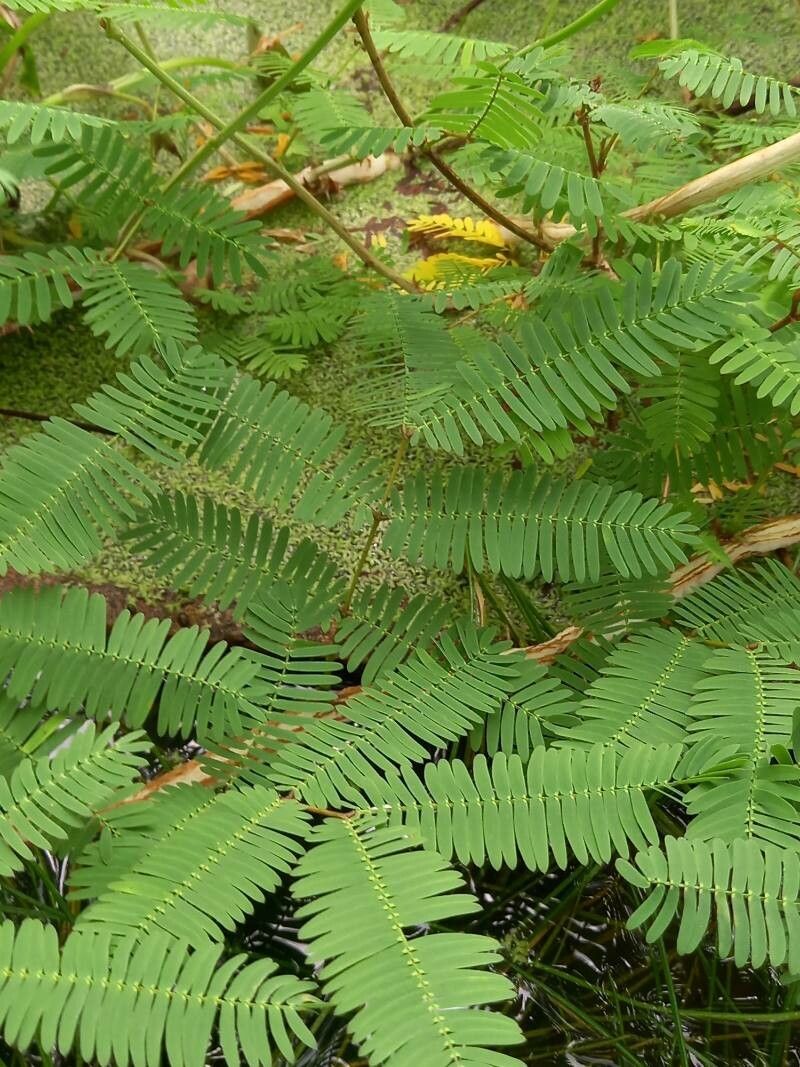
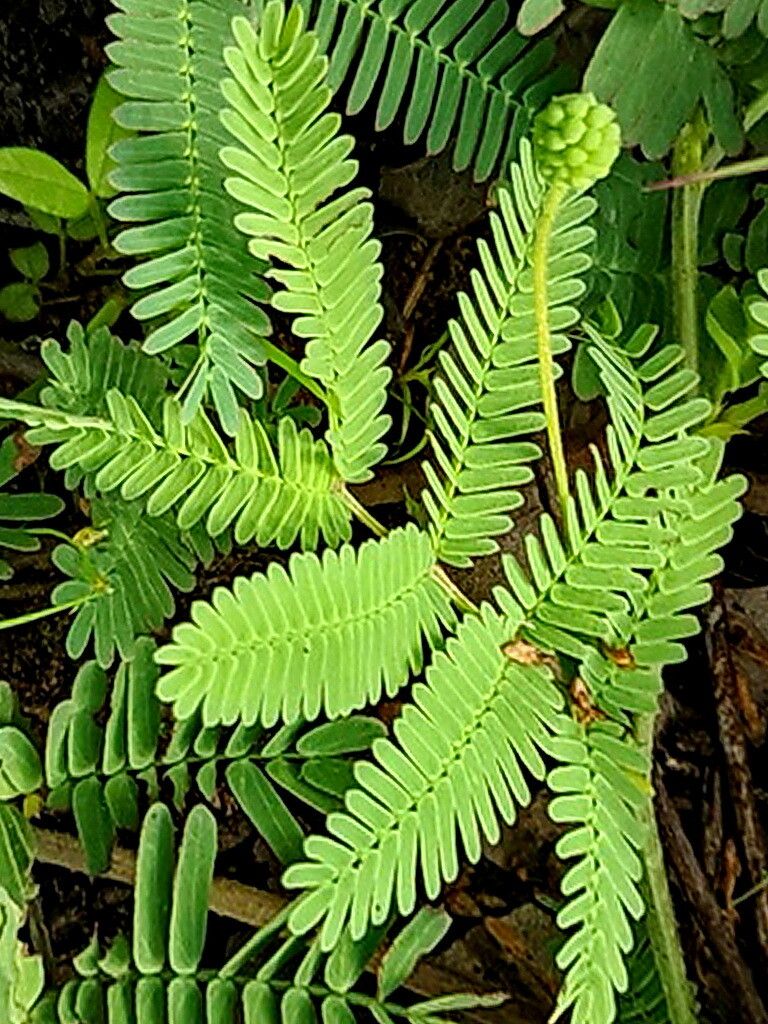
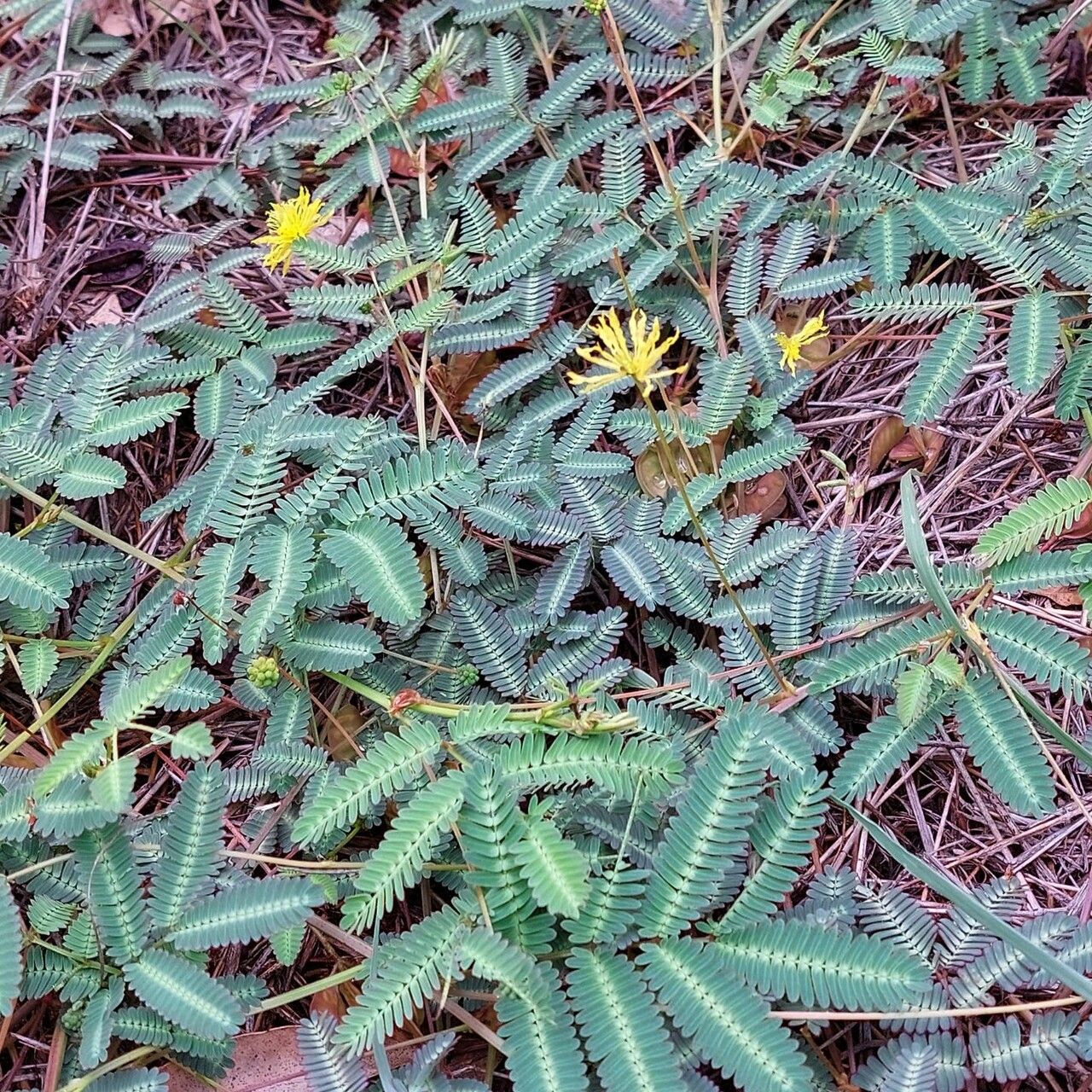
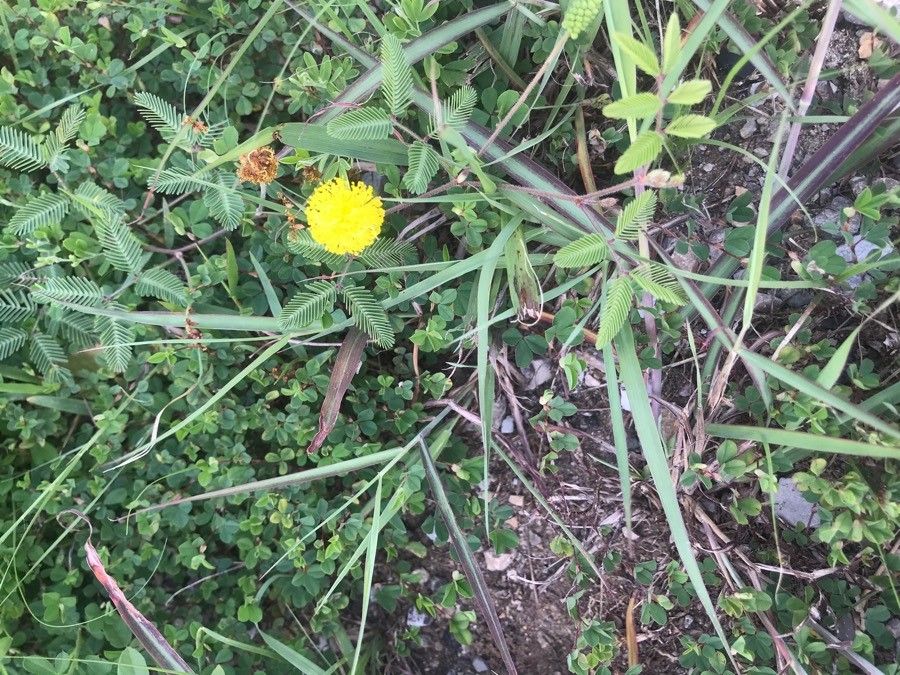
Neptunia oleracea, commonly known in English as water mimosa or sensitive neptunia, is pantropical nitrogen-fixing perennial legume. Genus and common name come from Neptune, god of the sea, in reference to the aquatic habit of some species in the genus. Its specific epithet oleracea means "vegetable/herbal" in Latin and is a form of holeraceus (oleraceus).
Water mimosa has moderate resistance to disease and can be susceptible to problems such as leaf spot. Its susceptibility to insect pests varies by variety, but most varieties have relatively low resistance to pests. In terms of care, water mimosa needs regular watering and fertilization, along with frequent removal of yellowing leaves. It is important to control pests and diseases as they appear and to harvest the plant in a timely manner. Water mimosa is suitable for people who can devote some time and energy to regular care.
How to keep Neptunia Oleracea.
Light
Water mimosa does best in locations that receive abundant sunlight for most of the day, though it can tolerate sites where the light is somewhat diffused or filtered. Originally found in habitats exposed to high levels of solar radiation, the healthiest water mimosa occur where light exposure is extensive. However, sunlight that is either too intense or too scarce can impair the plant’s vigorous growth.
Water
Water mimosa originates from tropical regions and thrives in high humidity and warm temperatures. It prefers to stay consistently moist, requiring watering every one to two weeks, though it can tolerate short periods of dryness. The plant is best suited for water gardens or controlled containers, where mimicking natural rainfall patterns can be beneficial.
Temperature
Water mimosa does best in temperatures between 68 and 100 °F (20 and 38 ℃), reflecting its native tropical climate. In cooler seasons, keep indoor temperatures at least 68 °F (20 ℃) for optimal health.
Pruning
Water mimosa has floating, fern-like leaves. To keep it healthy, trim it in early spring by removing any dead or diseased stems. This encourages denser growth, improves water circulation, and helps prevent rot. Be sure to make clean cuts and avoid heavy pruning to support continuous growth and flowering.
Botanical profile.
- Plant Type
- Shrub
- Life Cycle
- Perennial
- Genus
- Neptunia
- Family
- Fabaceae
- Hardiness Zone
- 9-12
- Mature Height
- 8 cm to 15 cm
- Mature Spread
- 0.91 m to 1.52 m
- Leaf Color
- Light Green
- Leaf Type
- Semi-evergreen
- Flower Color
- Yellow
- Flower Size
- 2.54 cm
- Bloom Time
- Summer, Early fall, Mid fall
- Planting Time
- Spring, Summer, Autumn
- Harvest Time
- Late summer, Fall, Early winter
- Native Area
- Sri Lanka, Burkina Faso, India, Malaysia, Angola, Mexico, Guatemala, Namibia, Madagascar, Nigeria, Kenya, Niger, Uganda, Tanzania, Zimbabwe, Jamaica, Benin, Cuba, Indonesia, Cambodia, Cameroon, Mozambique, Venezuela, Brazil, Ghana, Botswana, Congo, Central African Republic, Malawi, Honduras, Peru, South Africa, Sudan, Philippines, Bangladesh, Laos, Guinea, Panama, Colombia, Bolivia, Vietnam, Myanmar, Togo, Guyana, Nicaragua, Costa Rica, Ecuador, Gambia, Congo (DRC), Thailand
Other names.
Reader questions.
What are the sunlight requirements for water mimosa?
Water mimosa requires full sun to thrive, meaning it should receive above 6 hours of sunlight daily. However, it can also tolerate partial sun, approximately 3-6 hours of sunlight. It's crucial to observe how sunlight moves through your garden to find the perfect spot that offers a balance of light and shade, ensuring the plant's happiness.
What is the optimal temperature range for Water mimosa?
Water mimosa thrives best in environments with temperatures ranging from 68 to 100 °F (20 to 38 °C), similar to its native tropical climate. To ensure optimal health, it's important to maintain a minimum indoor temperature of 68 °F (20 °C) during cooler seasons. The plant prefers relatively warm temperatures, and it's beneficial for plant growth to maintain temperatures above 20°C during winter cultivation. However, the plant should be protected from temperatures that fall below freezing to prevent freezing damage. When the outdoor temperature approaches -5°C (25°F) during winter, it is advisable to bring Water mimosa indoors or provide protection with temporary greenhouses or wrapping materials such as plastic film or fabric.
Can water mimosa grow in artificial lighting?
Yes, water mimosa can grow under artificial lighting, especially when natural sunlight is insufficient. Indoor plants may require additional lighting for optimal growth, particularly in winter or less sunny spaces. LED lights are a popular choice because they can be customized to provide specific wavelengths of light that plants need. For full sun plants, 30-50W/sq ft of artificial light is recommended, for partial sun plants 20-30W/sq ft, and for full shade plants 10-20W/sq ft. The light source should be placed 12-36 inches above the plant, mimicking natural sunlight conditions, and most plants will need 8-12 hours of light per day.
How does Water mimosa react to low temperatures?
Water mimosa has a moderate tolerance to low temperatures, performing best when temperatures are between 20°C and 38°C. It is crucial to keep the plant above 0°C during winter to protect it. Exposure to temperatures falling below -5°C can lead to the leaves darkening in color. In severe cases, this may escalate to water-soaked necrosis, wilting, and drooping, with the leaves gradually turning brown. To mitigate these effects, frost-damaged parts should be trimmed away, and the plant should be moved indoors to a warm environment or protected by setting up a makeshift greenhouse. If moved indoors, placing the plant near a south-facing window can ensure it receives enough sunlight, or alternatively, supplemental lighting can be used.
What are the symptoms of light deficiency in water mimosa?
Water mimosa may show several symptoms when experiencing light deficiency, including smaller new leaves, leggy or sparse growth, faster leaf drop, slower or halted growth, lighter-colored new leaves, chlorosis (leaves turning yellow), sunscald, leaf curling, wilting, and leaf scorching. Each of these symptoms indicates that the plant is not receiving sufficient light, which is crucial for its health and growth.
How does high temperature affect Water mimosa?
During the summer, it's important to keep Water mimosa's exposure to temperatures below 38°C for optimal growth. When temperatures exceed 43°C, the growth of Water mimosa slows down, the color of its leaves may become lighter, and the plant becomes more susceptible to sunburn. To counteract damage from high temperatures, sunburned and dried-up parts of the plant should be trimmed away. Moving the plant to a location that provides shade, especially from the afternoon sun, and ensuring the soil remains moist by watering in the morning and evening, can help to protect and revive the plant.
How can I address light deficiency in water mimosa?
To address light deficiency in water mimosa, gradually move your plants to sunnier locations, ensuring they receive at least 6 hours of direct sunlight daily. For indoor plants that can't be moved easily, consider using artificial light, keeping a lamp on for at least 8 hours a day or investing in professional plant grow lights. For outdoor plants, avoid sudden changes in light intensity to prevent sunburn. If sunlight is obstructed, consider pruning or transplanting smaller plants to sunnier locations during their dormant period. Note that parts of the plant affected by insufficient sunlight might not recover, but new growth should be healthy after adjusting light exposure.
What is the botanical name of Water mimosa?
The botanical name of Water mimosa is Neptunia oleracea.