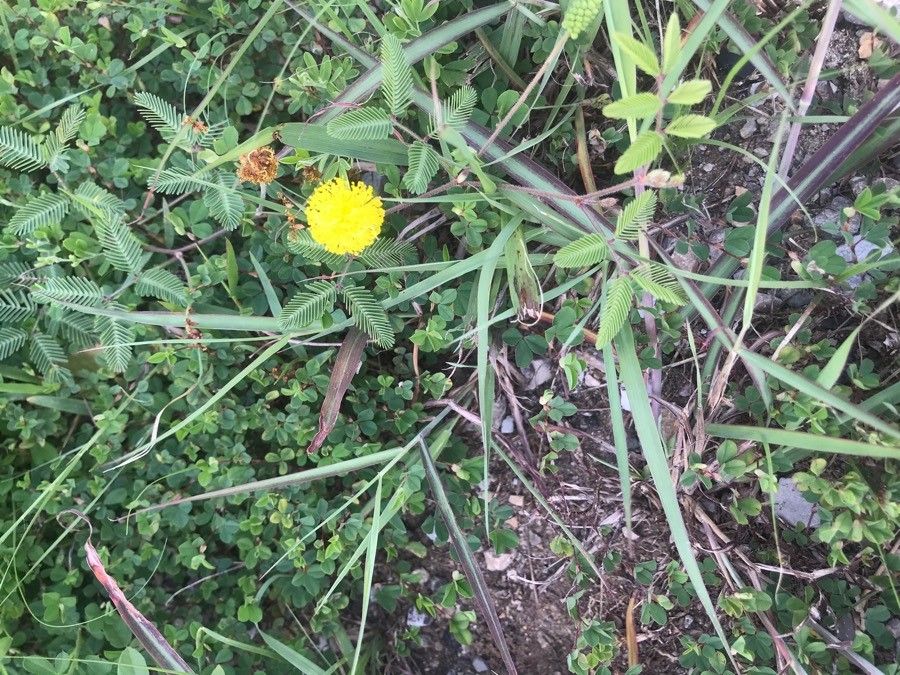
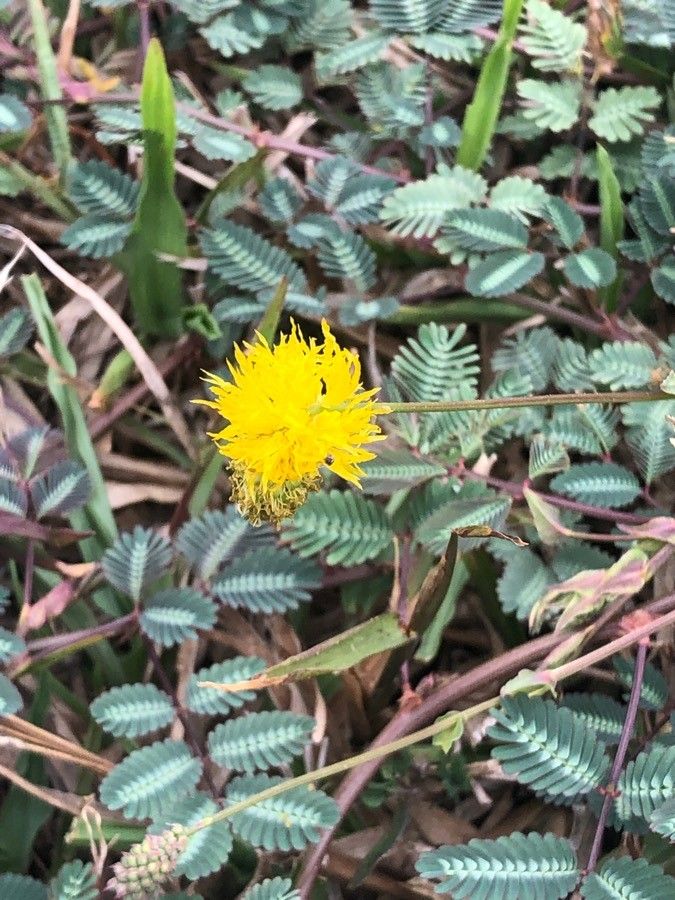
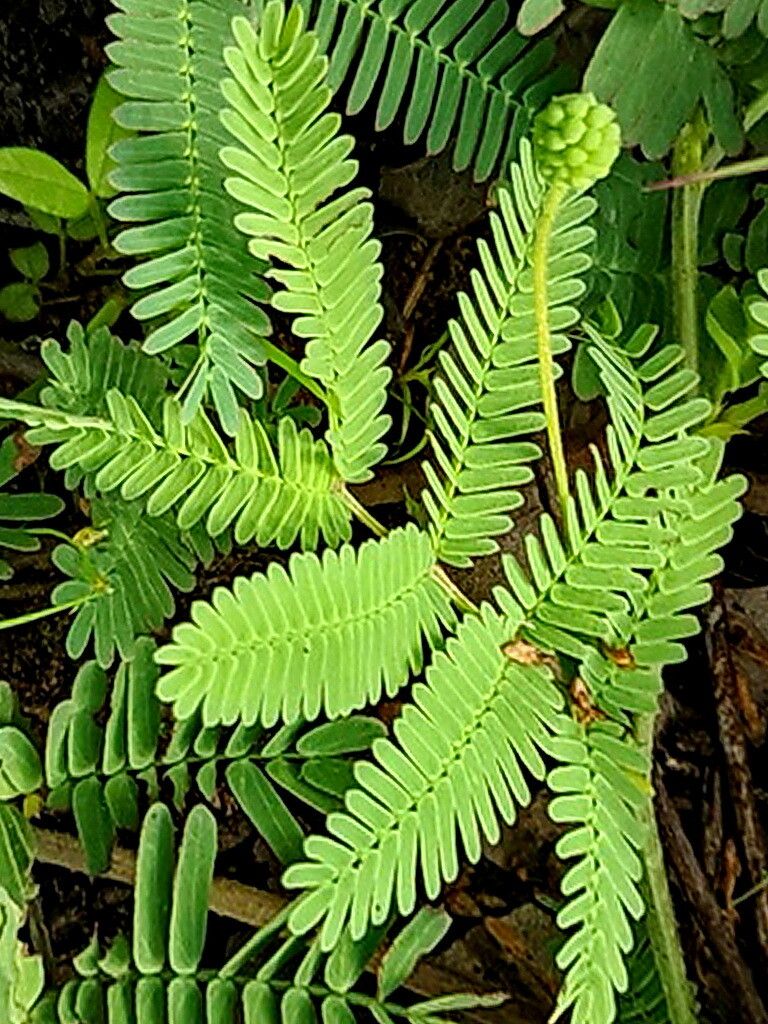
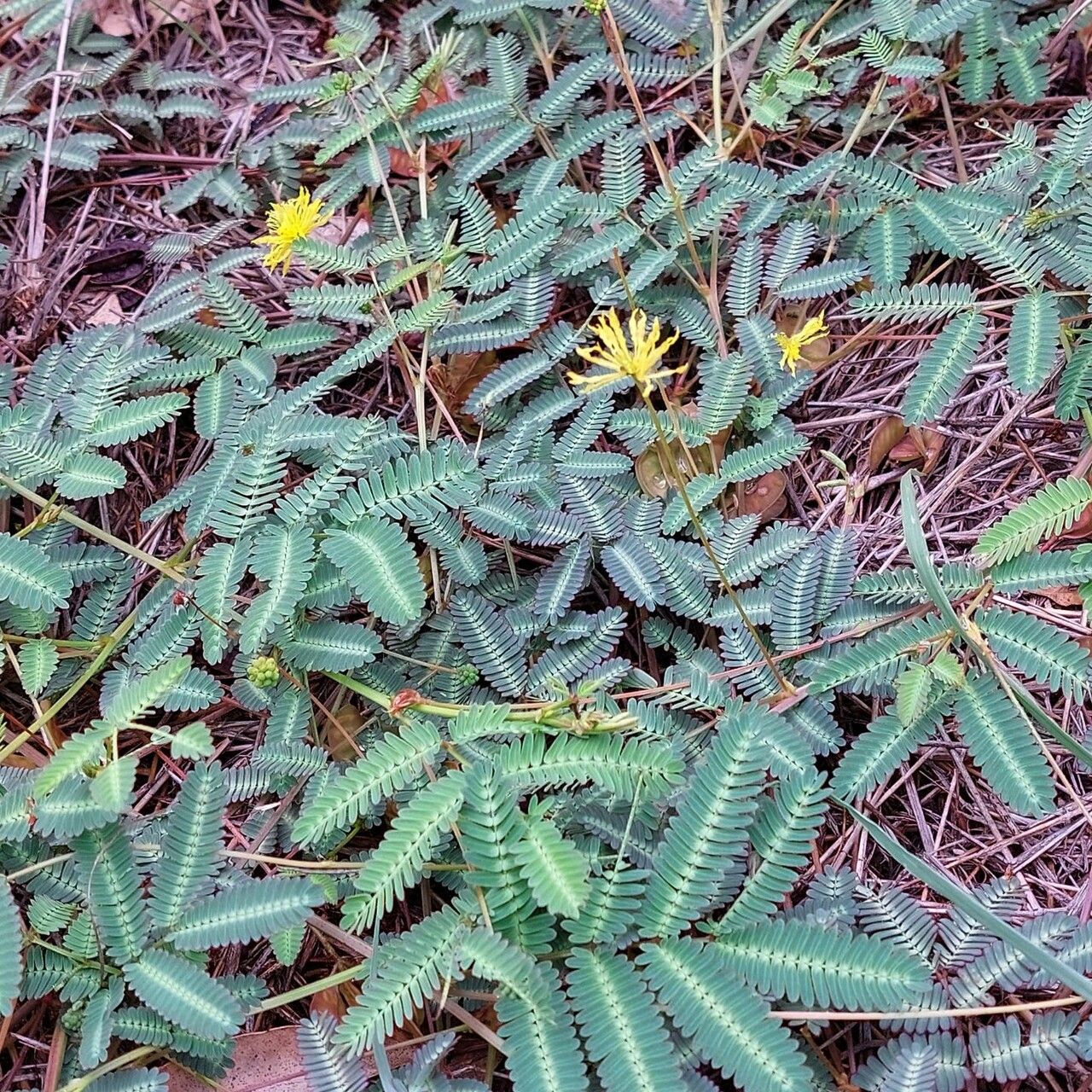
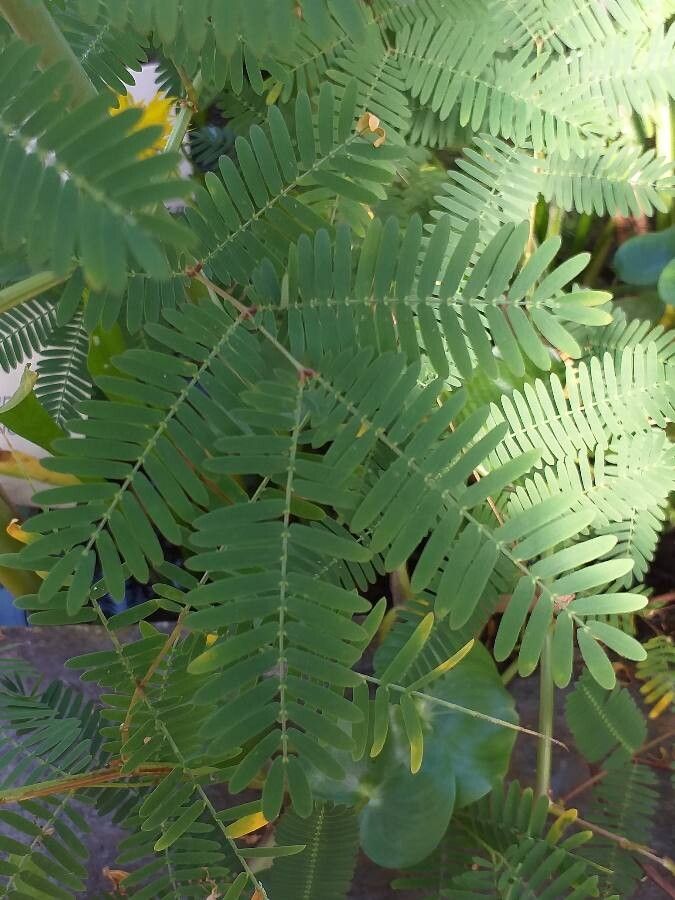
Neptunia lutea, commonly called the yellow-puff, is an herbaceous plant in the legume family (Fabaceae). It is native to the United States, where it is primarily found in the South Central region, extending eastward into the Blackland Prairies of Alabama and Mississippi. Its natural habitat is in open areas such as prairies and savannas. It is tolerant of disturbed soil.
Yellow puff has strong resistance to disease and is generally not susceptible to ailments. Still, it can be vulnerable to pests and diseases present in its environment. Such infections are typically mild. Regarding care, this plant demands medium maintenance. It should be pruned regularly to preserve its appearance and healthy growth. Applying fertilizer can also encourage blooming. Yellow puff is appropriate for anyone with an outdoor area, like a garden or patio, and does not need extensive care experience. It may need extra attention when kept indoors.
How to keep Neptunia Lutea.
Light
The yellow puff flourishes in areas where sunlight is abundant throughout the day, although it can tolerate locations that receive intermittent shade. Sunlight exposure significantly influences the plant's health because it supports its growth and development, but either too much or too little sunlight can reduce its vitality.
Water
The Yellow Puff is a drought-tolerant plant with balanced water requirements, needing watering only once a week. As a deciduous outdoor plant, it sheds its leaves during the dry season to conserve water, demonstrating its ability to adapt to changes in moisture availability.
Temperature
Yellow puff originates from areas with temperate climates and does best at temperatures between 68 and 95 °F (20 and 35 ℃). If temperatures drop below that range, it is advisable to either move the plant to a warmer location or use heat lamps to maintain an ideal environment.
Fertilizer
The best time to fertilize a Yellow puff is in early spring, as it comes out of dormancy and begins active growth. Fertilizing supplies essential nutrients for healthy development. While Yellow puff does not require much fertilizer, applying it once a year can improve its survival and encourage stronger, longer-lasting blooms.
Pruning
The Yellow Puff plant boasts vibrant yellow flowers and delicate foliage. To encourage growth and flowering, prune it in the early to late spring. Begin by removing any dead stems, then thin out overcrowded branches to improve airflow. Proper pruning not only enhances the plant's appearance but also promotes its health by minimizing the risk of disease and pests.
Botanical profile.
- Plant Type
- Herb
- Life Cycle
- Perennial
- Genus
- Neptunia
- Family
- Fabaceae
- Hardiness Zone
- 9
- Mature Height
- 1.22 m to 1.83 m
- Mature Spread
- 23 cm to 46 cm
- Leaf Color
- Green, Blue
- Leaf Type
- Deciduous
- Flower Color
- Yellow
- Flower Size
- 1.02 cm to 2.03 cm
- Bloom Time
- Summer, Early fall, Mid fall
- Planting Time
- Autumn, Winter, Spring
- Harvest Time
- Late summer, Fall, Early winter
Other names.
Reader questions.
What are the sunlight requirements for Yellow Puff (Neptunia lutea)?
Yellow Puff (Neptunia lutea) requires different amounts of sunlight depending on its growth stage and environment. Full sun exposure means the plant needs above 6 hours of sunlight daily, while partial sun refers to about 3-6 hours of sunlight. Observing how sunlight moves through your garden can help you pick the perfect spot, ensuring your plants get a balance of light and shade to thrive. The health of Yellow Puff is greatly influenced by sunlight, which aids in its growth and development. However, too much or too little sunlight can harm the plant's vitality. When natural light is insufficient, especially during winter or in less sunny areas, artificial lighting can be crucial. Indoor plants may require LED lighting, adjusted to provide 30-50W/sq ft for full sun plants, 20-30W/sq ft for partial sun plants, and 10-20W/sq ft for full shade plants. The artificial light should mimic natural daylight hours, usually between 8-12 hours per day.
What is the ideal temperature range for growing Yellow puff?
Yellow puff, or Neptunia lutea, thrives in regions with moderate climates, preferring temperatures between 68 to 95 °F (20 to 35 °C). It has some tolerance to cold but generally does best when the temperature stays above 0°C. During colder months, it's advised to take measures to keep the plant warm, such as moving it to a warmer area or using heat lamps. However, if temperatures are expected to fall below 0°C, temporary protection measures like wrapping the plant with plastic film or fabric should be considered to shield it from cold damage.
What are common symptoms and solutions for sunlight deficiency or excess in Yellow Puff?
Yellow Puff may show several symptoms when there's insufficient sunlight, including smaller new leaves, leggy growth, faster leaf drop, delayed or stopped growth, paler new leaves, chlorosis, sunscald, leaf curling, wilting, and leaf scorching. To address these issues, gradually increase sunlight exposure to at least 6 hours daily for indoor plants, using a south-facing window or artificial light sources such as desk, ceiling lamps, or professional plant grow lights. Outdoors, moving plants gradually to sunnier spots can prevent sunburn. Pruning trees to reduce shade or transplanting smaller plants to sunnier locations can also help. Remember that affected plant parts may not recover, but new growth should be healthy with improved light conditions.
How does Yellow puff react to low temperatures, and what measures should be taken?
Yellow puff exhibits moderate tolerance to low temperatures, thriving best in conditions above 20°C. It should be kept above 0°C during the winter to avoid cold stress. If temperatures dip below -5°C, the leaves may droop, and in severe cases, wilt and fall off. To protect Yellow puff from cold damage, trim off frost-affected parts and use materials like non-woven fabric or cloth to wrap the plant. Additionally, constructing a wind barrier can further protect the plant from cold winds.
What are the effects of high temperatures on Yellow puff, and how can they be mitigated?
During the summer, it is crucial to ensure Yellow puff is not exposed to temperatures above 35°C. Exceeding 38°C can cause leaf discoloration, dry and withered leaf tips, curling leaves, and an increased risk of sunburn. To mitigate the effects of high temperatures, remove any sunburned or dried parts of the plant. Moving the plant to a shaded area or utilizing a shade cloth can protect it from direct midday and afternoon sun. Keeping the soil moist through morning and evening watering sessions can also help alleviate stress from high temperatures.