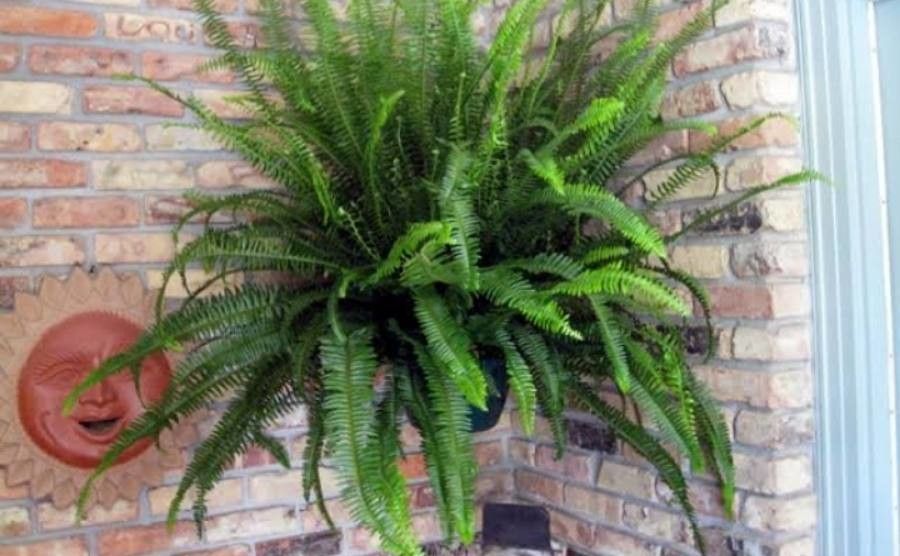
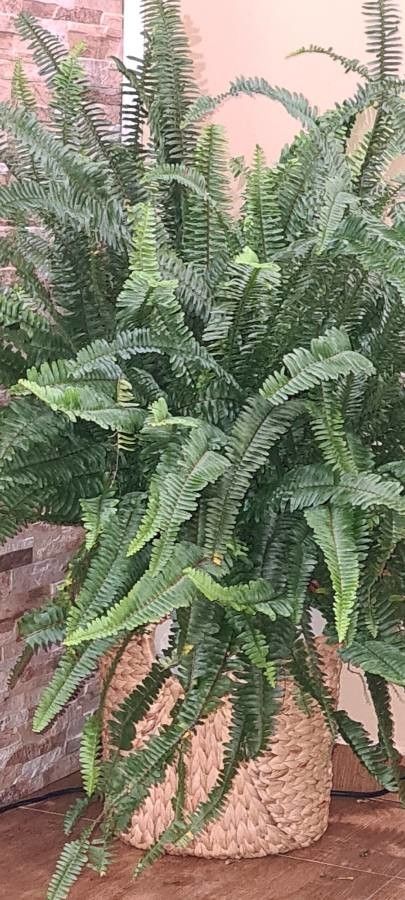
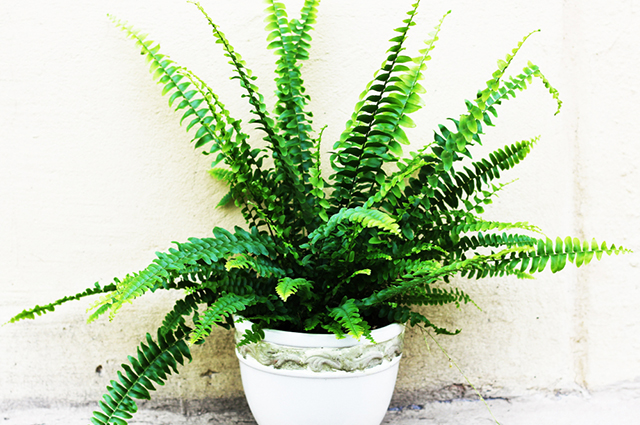
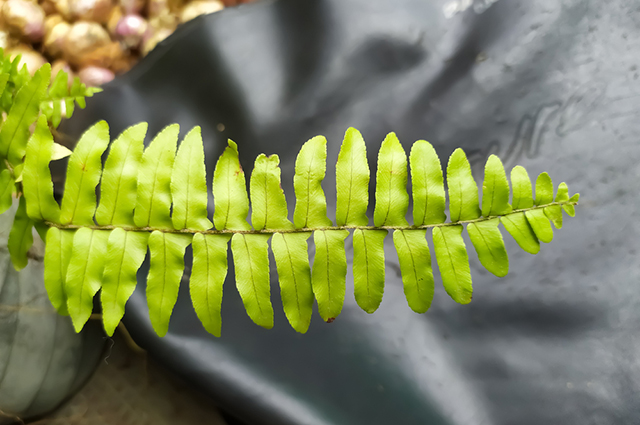
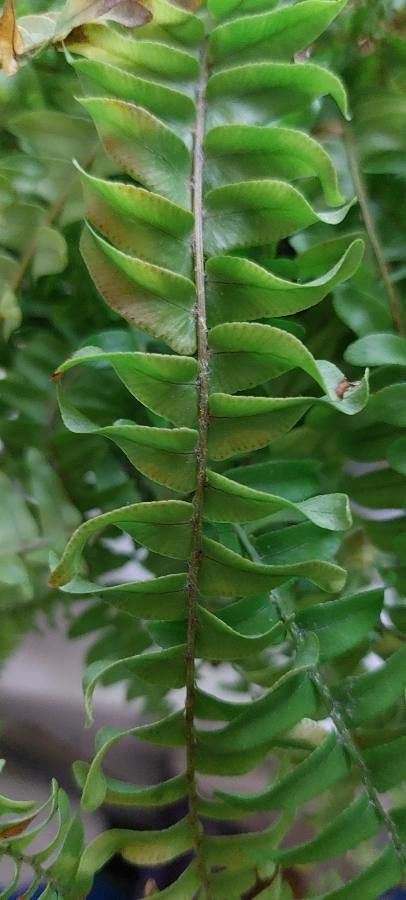
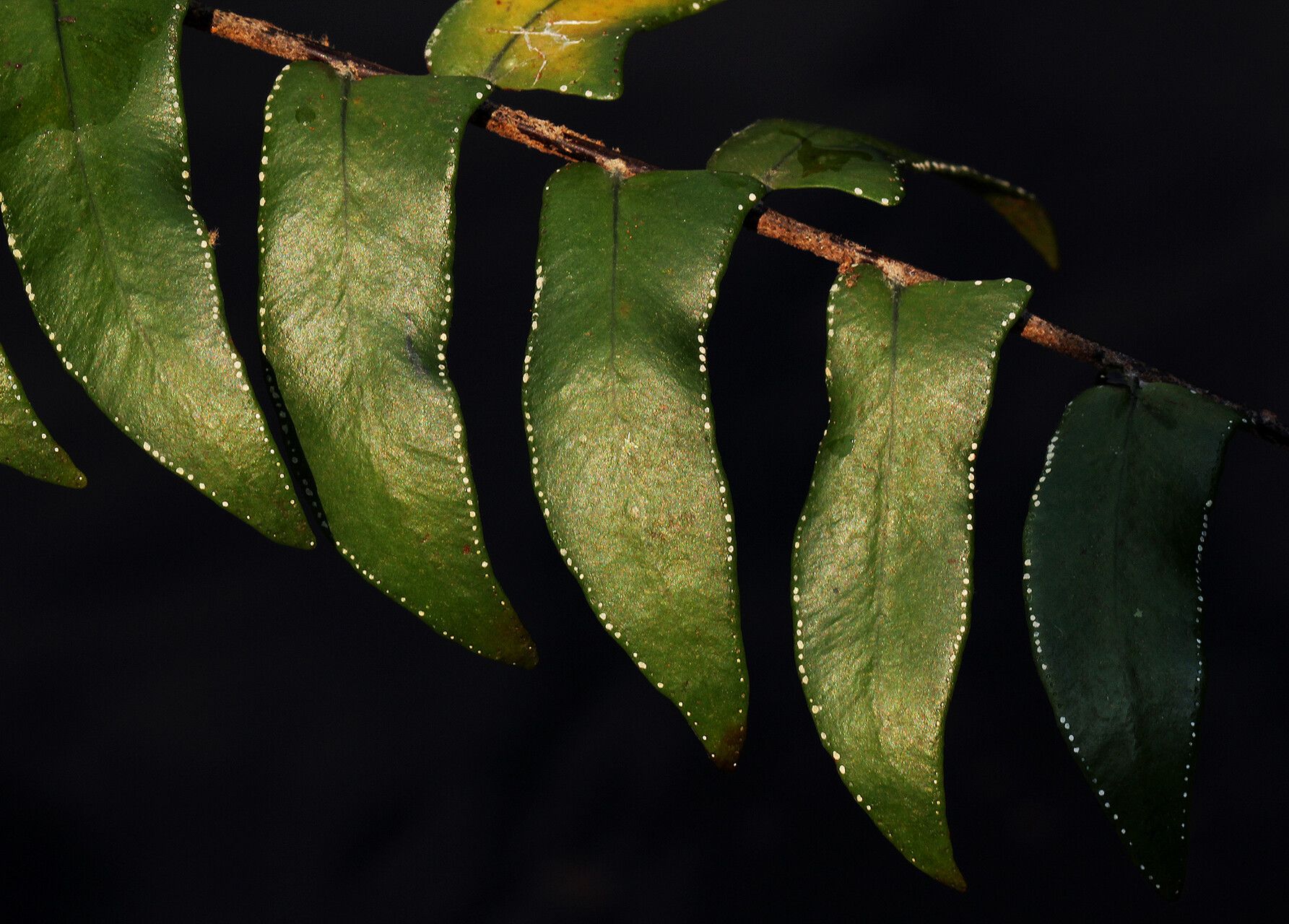
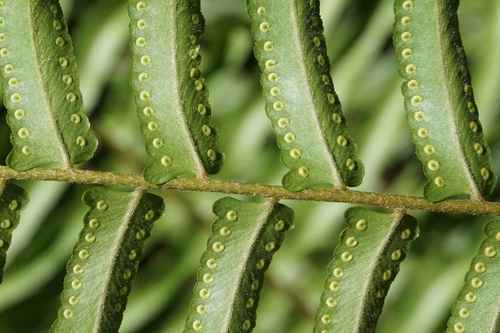
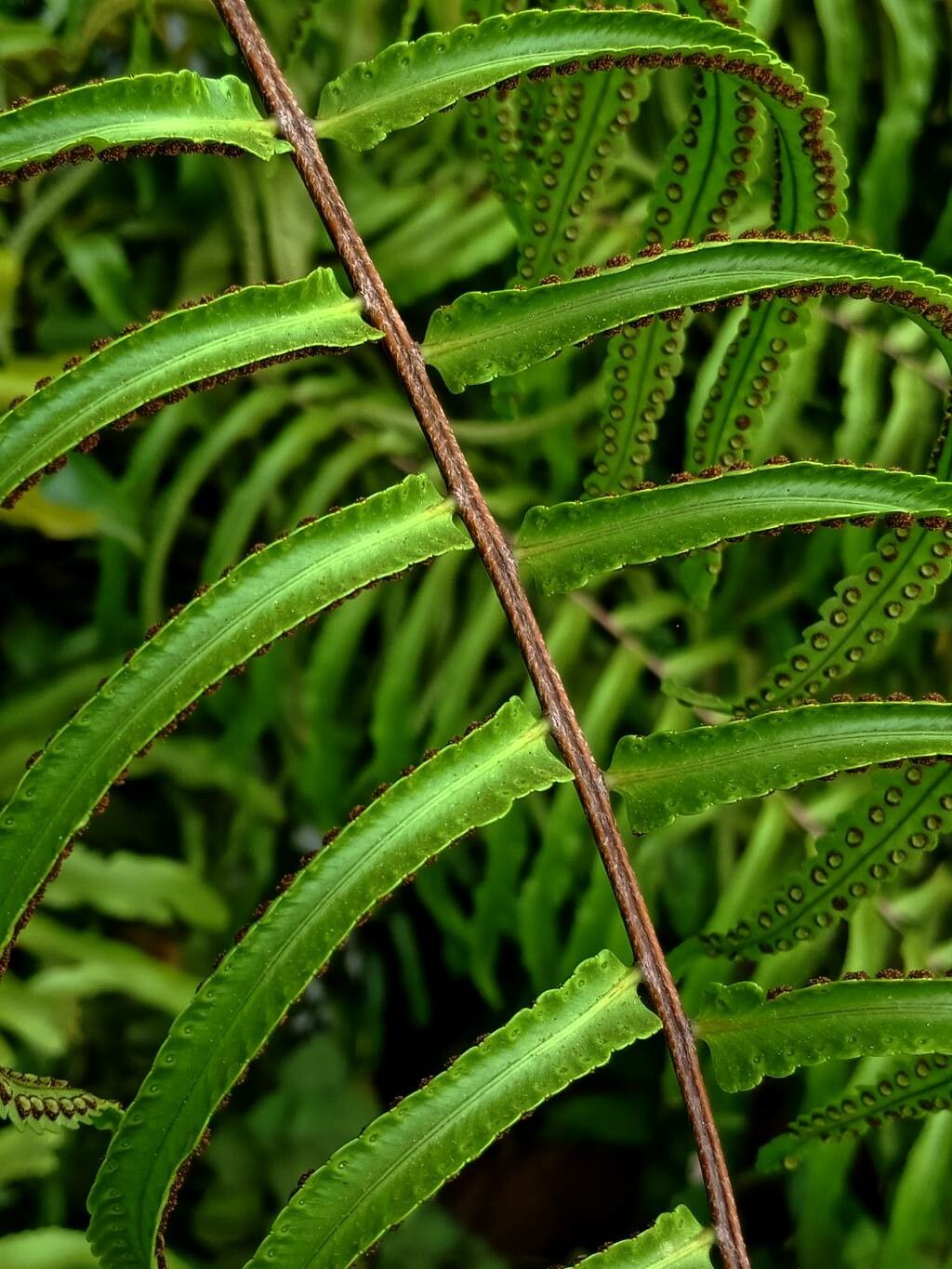
Nephrolepis obliterata, the Kimberley Queen fern, is a species of fern in the family Nephrolepidaceae. This fern originated in Australia, but is relatively easy to cultivate indoors worldwide.The often misspelled "Kimberley Queen" name correctly has a second "e" in the first name as is trademarked by Westland Laboratories Ply. Ltd. The Kimberley Queen is not as well known as the Boston fern. Because it is not as sensitive to a lack of humidity, it is better suited for the typical indoor environment.
The Kimberley queen fern is fairly resistant to disease and typically does not suffer from illnesses. Still, it can be affected by pests and diseases that exist in its environment. Such problems are generally mild. Regarding care, this fern needs a moderate level of maintenance. It should be pruned on a regular basis to preserve a neat appearance and encourage healthy growth. Applying fertilizer can also aid in encouraging flowering. The Kimberley queen fern is appropriate for anyone who has outdoor space, like a garden or patio, and it does not demand extensive gardening experience. It may need more attention if kept indoors.
How to keep Nephrolepis Obliterata.
Light
Kimberley queen fern prefers locations where sunlight is softened or limited. While it can tolerate areas with very low light, moderate sun exposure encourages robust growth. Too much light, however, can inhibit development or scorch the leaves, harming the plant's health.
Water
The Kimberly Queen Fern, which originates from Australia, thrives in moist soil and high humidity environments. To keep its lush foliage healthy, it's recommended to water it weekly. This fern prefers stable conditions, so it is typically grown indoors in well-draining containers to prevent root rot. Despite its need for moisture, it is also moderately drought-tolerant.
Humidity
This plant needs special care because it loves high humidity levels of 60-80% or more. The best way to achieve this is by placing a humidifier near the plant. Daily misting is also essential! Make sure the room has good ventilation.
Temperature
Kimberley queen fern is a plant from a warm climate that does best at temperatures of 68 to 100 °F (20 to 38 ℃). In winter, consider bringing it indoors or supplying a heat source to keep temperatures in that optimal range.
Fertilizer
The Kimberley queen fern needs the most fertilizer during its active growth period, which is mainly in spring, summer, and early fall. Fertilizing supplies essential nutrients the soil may lack, encouraging healthy root and stem growth and maintaining the attractive foliage that is characteristic of this plant.
Pruning
The Kimberley Queen fern benefits greatly from strategic pruning. To keep it healthy and visually appealing, trim any dead or damaged fronds from early to late spring, which aligns with its natural growth cycle. Regular pruning not only improves the plant's health and prevents disease, but also promotes air circulation, encouraging the growth of new, vigorous fronds.
Pot & Repot
Repot your Kimberley Queen fern every 2 to 3 years during spring to encourage growth. Choose a wider pot that offers good drainage to allow room for root expansion and prevent waterlogging. After repotting, position the fern in indirect light and keep the soil consistently moist to ensure optimal health.
Toxicity
Kimberly queen ferns are non-toxic to cats, dogs, and humans.
Further reading →
The toxicity and danger assessments provided are for reference only. We do not assure their accuracy, so it's crucial not to depend on them. Seek professional advice when necessary for accurate guidance.
Botanical profile.
- Plant Type
- Herb
- Life Cycle
- Perennial
- Genus
- Nephrolepis
- Family
- Nephrolepidaceae
- Hardiness Zone
- 9-11
- Mature Height
- 2.13 m to 3.05 m
- Mature Spread
- 61 cm to 91 cm
- Leaf Color
- Green
- Leaf Type
- Evergreen
- Planting Time
- Spring, Summer
- Native Area
- Vanuatu, Indonesia, Fiji
Other names.
Reader questions.
What are the sunlight requirements for Kimberley queen fern?
Kimberley queen fern thrives in partial sun, receiving about 3-6 hours of sunlight daily, but can also grow in full shade with less than 3 hours of sunlight. It is essential to observe how sunlight moves through your garden to place your plants in optimal light conditions. The fern appreciates areas with muted or reduced sun rays. While it can endure locations with minimal light, moderate sun exposure is ideal for flourishing growth. However, too much direct light may lead to stunted growth or cause leaf burn.
What is the ideal temperature range for Kimberley queen fern?
Kimberley queen fern thrives in a warm climate, with an ideal temperature range of 68 to 100 °F (20 to 38 °C). During winter or in cooler climates, it is crucial to maintain temperatures above 20°C to promote healthy growth. The plant is extremely heat-loving, and exposure to cold temperatures can cause damage. Therefore, it's recommended to move the fern indoors or near a heat source in winter to keep it within its optimal temperature range.
How important is artificial lighting for indoor Kimberley queen ferns?
Artificial lighting is crucial for Kimberley queen ferns when natural sunlight is insufficient, especially in winter or less sunny spaces. It promotes faster, healthier growth. Use artificial lights like LEDs, which can be customized for the plant's needs. For full sun plants, 30-50W/sq ft of light is needed; partial sun plants require 20-30W/sq ft, and full shade plants need 10-20W/sq ft. Position the light source 12-36 inches above the plant to mimic the natural sun and ensure it receives 8-12 hours of light per day.
How should Kimberley queen fern be cared for during winter?
In winter, Kimberley queen fern should be brought indoors to protect it from cold temperatures. It's advisable to place it near a bright window for sufficient light but at a distance from heaters to avoid too much dryness. Maintaining indoor temperatures above 20°C benefits the plant's growth and helps prevent damage from cold. Any temperatures nearing 0°C are harmful and can adversely affect the plant.
What are the signs of inadequate light for Kimberley queen fern?
Signs of light deficiency in Kimberley queen fern include smaller new leaves, leggy or sparse growth, faster leaf drop, slower or no new growth, and leaves that appear lighter-colored or show symptoms of chlorosis. Overexposure can lead to sunscald, leaf curling, wilting, or leaf scorching, where leaves may portray damage such as pale, bleached areas or crispy edges.
What are the symptoms of low temperature exposure in Kimberley queen fern?
Exposure to low temperatures can cause several symptoms in Kimberley queen fern, including lightening of the leaves when temperatures drop below -5°C. Following frost damage, leaves may turn brown or black, and the plant may exhibit wilting and drooping. This indicates the fern's intolerance to cold and the necessity for warmer conditions to prevent these signs of distress.
What are potential solutions for light-related issues in Kimberley queen ferns?
To address light-related issues, gradually adapt your fern to changing light conditions by moving them to sunnier spots weekly, aiming for 3-6 hours of direct sunlight daily for outdoor plants. For indoor or immovable plants, consider using artificial lighting, like a desk or ceiling lamp on for at least 8 hours daily or professional grow lights. If sunlight is obstructed by trees, pruning may be necessary to allow more light through. For plants experiencing insufficient sunlight, transplanting during their dormant period to a location with ample sunlight and good drainage can also be beneficial. Note that parts of the plant affected by insufficient sunlight might not recover, but new growth will be healthy after adjusting light exposure.
How can I protect Kimberley queen fern from cold damage?
To protect Kimberley queen fern from cold damage, trim off frost-damaged parts and immediately move the plant to a warmer indoor environment. Placing it near a south-facing window ensures it receives ample sunlight while avoiding direct placement near heaters or air conditioning vents to prevent air dryness. These steps will help safeguard the plant against the cold.
What are the symptoms of high temperature exposure in Kimberley queen fern?
High temperatures, especially above 43°C, can cause Kimberley queen fern's leaves to lighten in color and increase susceptibility to sunburn. This reflects the plant's need for a controlled environment, particularly during the peak of summer, to avoid the adverse effects of excessive heat.
How can I protect Kimberley queen fern from high temperatures and sunburn?
To protect Kimberley queen fern from high temperatures and sunburn, trim away sunburned and dry parts. Move the plant to a location that provides shade, especially during midday and afternoon sun, to prevent overexposure to harsh sunlight. Watering the plant in the morning and evening helps keep the soil moist and supports the fern through hotter periods.